Hail Damage Roof Repair Cost: Complete Guide
When severe weather strikes, hailstones can transform your roof from a protective barrier into a liability within minutes. Understanding hail damage roof repair cost is essential for homeowners and property managers who need to act quickly while making informed financial decisions. The expenses vary dramatically based on damage severity, roofing material, property size, and whether your insurance policy covers the repairs. In the Fort Worth area, where hailstorms are a recurring threat, knowing what to expect financially can help you respond effectively when damage occurs and avoid costly delays that lead to more extensive problems.
Understanding Hail Damage Severity and Its Impact on Repair Costs
Not all hail damage requires the same repair approach, and the severity directly determines your total expenses. Minor hail impacts might only affect the protective granules on asphalt shingles, while severe storms can crack tiles, dent metal panels, or puncture membranes completely.
Cosmetic Versus Structural Damage
Cosmetic damage includes surface-level granule loss, minor dents on metal roofing, or superficial bruising on shingles that doesn't immediately compromise waterproofing. While these issues may not require urgent repairs, they can void manufacturer warranties and accelerate deterioration. Structural damage involves cracked shingles, punctured membranes, broken tiles, or impacts that allow water penetration into the underlayment and decking.
The distinction matters because cosmetic repairs typically cost $300 to $1,500, while structural repairs requiring shingle replacement, underlayment work, or decking repairs can range from $2,000 to $8,000 depending on the affected area.
Damage Assessment Categories
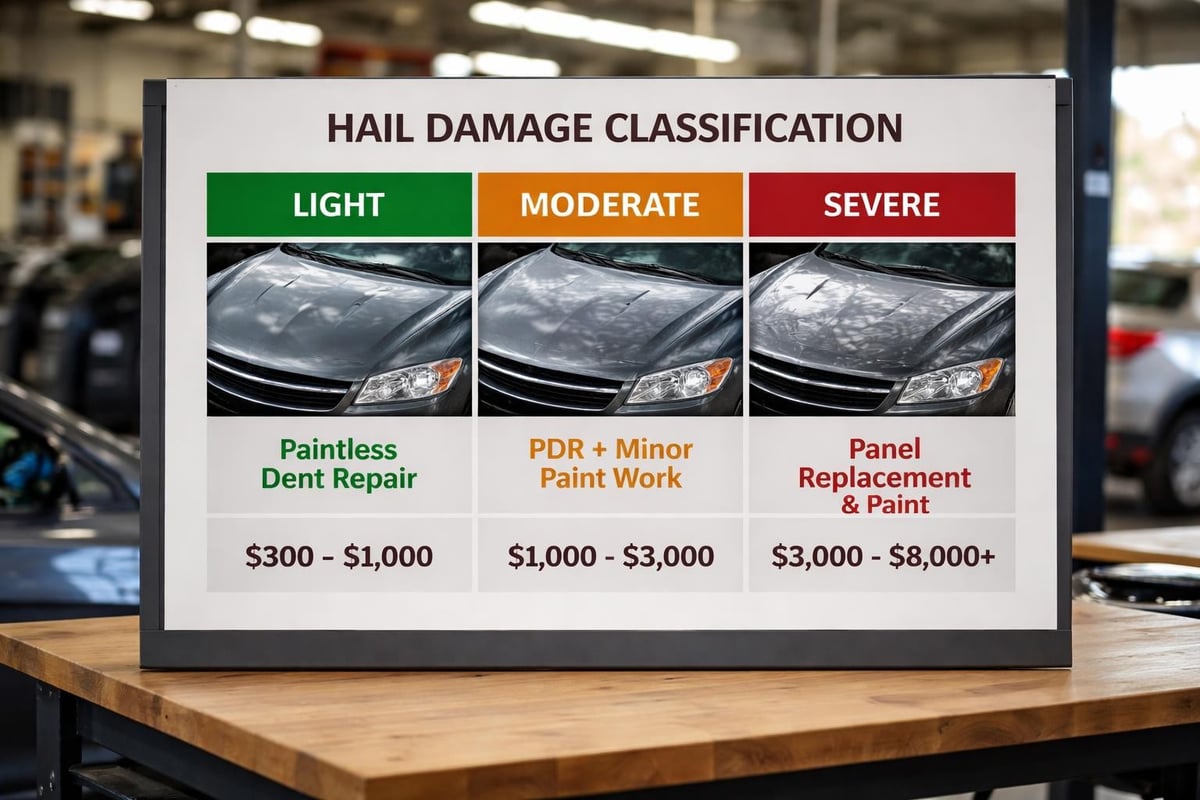
Professional inspectors categorize hail damage into three levels:
- Class 1 (Light): Minimal granule loss, no functional impairment, isolated impacts
- Class 2 (Moderate): Noticeable bruising, granule loss exposing asphalt, multiple impact points
- Class 3 (Severe): Cracked or broken materials, compromised waterproofing, immediate repair needed
Each category affects the hail damage roof repair cost differently, with severe damage often requiring partial or complete roof replacement rather than isolated repairs.
Average Hail Damage Roof Repair Cost by Material Type
Your roofing material significantly influences repair expenses because different materials respond to hail impacts uniquely and require specialized repair techniques.
| Roofing Material | Minor Repair Cost | Moderate Repair Cost | Severe Damage/Replacement |
|---|---|---|---|
| Asphalt Shingles | $300 – $700 | $1,500 – $4,000 | $5,500 – $12,000 |
| Metal Roofing | $400 – $1,200 | $2,000 – $5,000 | $8,000 – $20,000 |
| Clay/Concrete Tile | $800 – $2,000 | $3,000 – $7,000 | $12,000 – $25,000 |
| Slate | $1,000 – $3,000 | $4,000 – $10,000 | $15,000 – $40,000 |
| Wood Shakes | $600 – $1,500 | $2,500 – $6,000 | $10,000 – $22,000 |
Asphalt Shingle Repairs
As the most common residential roofing material, asphalt shingle repairs typically cost between $300 and $700 for minor hail damage affecting a small section. Moderate damage requiring 20-40 shingle replacements generally runs $1,500 to $4,000, including labor and materials. Complete replacement averages $5,500 to $12,000 for a standard 2,000-square-foot home.
Metal Roofing Considerations
Metal roofs resist hail penetration better than most materials, but large hailstones can create dents that compromise aesthetics and potentially void warranties. Repairing dented metal panels costs more per square foot because entire panels often require replacement rather than patching. Minor cosmetic repairs range from $400 to $1,200, while functional damage requiring panel replacement can reach $2,000 to $5,000.
Specialty Materials
Tile, slate, and wood roofing materials command premium repair costs due to material expenses and specialized labor requirements. A single cracked slate tile might only cost $50, but accessing it safely and matching the original material can push the total repair to $200-$400 per tile. Clay tile repairs face similar challenges, with individual tile costs ranging from $10 to $30 but labor driving total expenses significantly higher.
Factors That Influence Your Total Repair Expenses
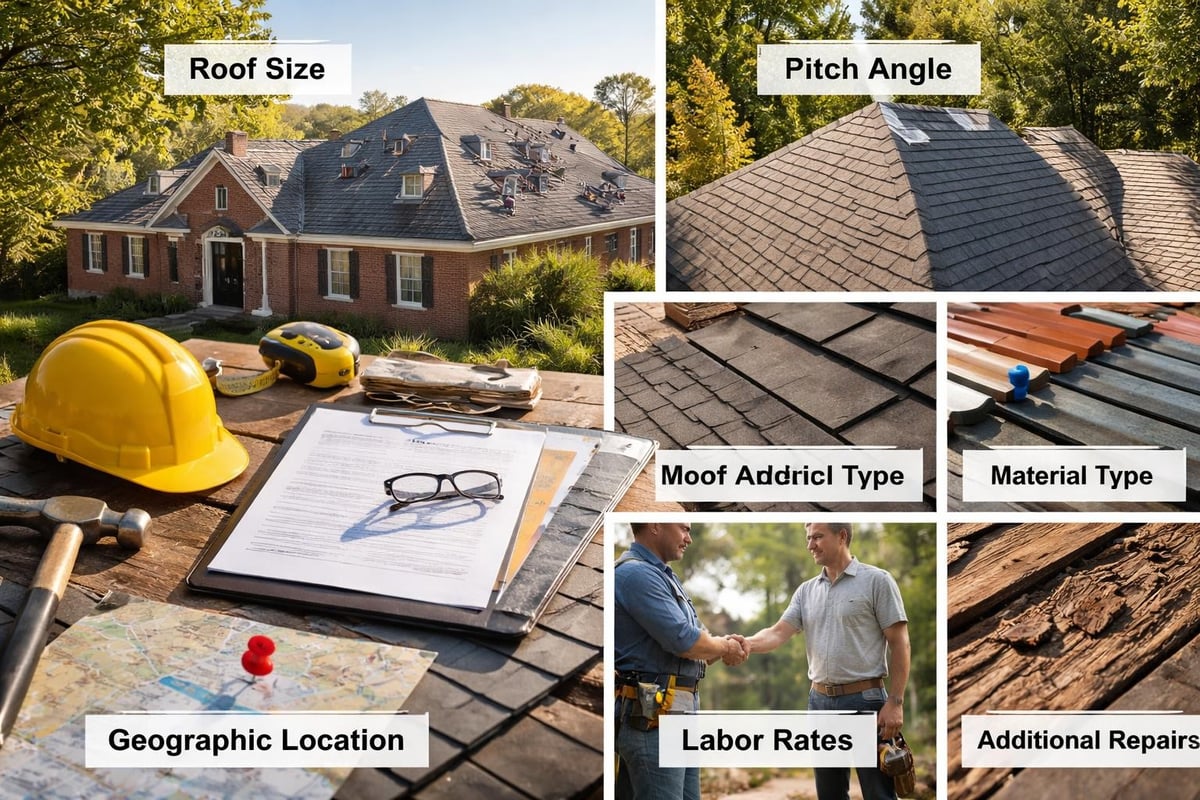
Beyond material type and damage severity, several variables affect the final hail damage roof repair cost you'll encounter.
Roof Size and Accessibility
Larger roofs require more inspection time, materials, and labor hours. A 1,200-square-foot roof might take one day to repair, while a 4,000-square-foot commercial property could require three to five days of work. Steep pitches, multiple stories, and difficult access points add 15-40% to base labor costs due to additional safety equipment and time requirements.
Geographic Location and Labor Rates
Fort Worth-area labor rates typically range from $45 to $85 per hour for experienced roofing crews. Regional pricing variations reflect local demand, material availability, and the frequency of storm events. Areas with frequent hail activity often have more competitive pricing due to contractor availability, but post-storm demand surges can temporarily increase costs by 20-30%.
Additional Structural Repairs
Hail rarely damages only the surface layer. Common additional repairs include:
- Underlayment replacement: $0.50 – $2.00 per square foot
- Decking repairs: $2.00 – $5.00 per square foot
- Flashing replacement: $15 – $45 per linear foot
- Gutter and downspout repairs: $100 – $800
- Skylight repairs or replacement: $300 – $2,500
These components add to your baseline hail damage roof repair cost but are essential for long-term protection and preventing secondary water damage.
Insurance Coverage and Out-of-Pocket Costs
Most homeowners insurance policies cover hail damage as a peril, but understanding your specific coverage determines your actual financial responsibility.
Deductible Structures
Your deductible directly affects out-of-pocket expenses. Common deductible types include:
- Flat dollar amount: Typically $500, $1,000, or $2,500 regardless of claim size
- Percentage-based: Usually 1-5% of dwelling coverage amount
- Wind/hail separate deductible: Often higher than standard deductibles, ranging from 2-5% of coverage
For a home with $300,000 in dwelling coverage and a 2% wind/hail deductible, you'd pay the first $6,000 of repairs. Understanding this calculation helps you determine whether filing a claim makes financial sense when considering insurance claim implications.
Replacement Cost Versus Actual Cash Value
Replacement Cost Value (RCV) policies pay to replace damaged materials with new equivalents without depreciation deductions. Actual Cash Value (ACV) policies factor in age and depreciation, potentially leaving you responsible for the difference between depreciated value and replacement cost.
For a 15-year-old asphalt shingle roof with $8,000 in hail damage, an ACV policy might only provide $4,000 after depreciation, leaving you responsible for $4,000 plus your deductible. This significantly impacts your effective hail damage roof repair cost.
Documentation Requirements
Insurance companies require thorough documentation including:
- Professional inspection reports with detailed damage assessment
- Photographic evidence of each damage location
- Estimates from licensed contractors
- Weather reports confirming hail events
- Material specifications and repair methodologies
Working with experienced contractors who provide comprehensive roofing insurance claim assistance ensures you receive maximum coverage and avoid claim denials due to insufficient documentation.
Repair Versus Replacement Decision Framework
Determining whether to repair damaged sections or replace the entire roof affects both immediate costs and long-term value.
When Repairs Make Financial Sense
Targeted repairs are cost-effective when:
- Damage affects less than 30% of the roof surface
- The existing roof is less than 10 years old with substantial remaining lifespan
- Materials are readily available for seamless matching
- Structural components remain sound and undamaged
- Total repair costs are less than 40% of replacement costs
Example scenario: A seven-year-old asphalt shingle roof with hail damage to 400 square feet (20% of total area) would cost approximately $2,800 to repair versus $9,500 for complete replacement. Repairing preserves the warranty and extends roof life at significantly lower cost.
When Replacement Becomes Necessary
Full replacement makes more sense when:
- Damage exceeds 40% of the roof area
- The roof is already 15-20 years old with limited remaining life
- Previous repairs have created a patchwork appearance
- Widespread structural damage affects decking or support systems
- Insurance coverage makes replacement financially comparable to extensive repairs
Cost-Benefit Analysis Table
| Scenario | Repair Cost | Replacement Cost | Recommended Action | Reasoning |
|---|---|---|---|---|
| 10% damage, 8-year-old roof | $1,800 | $10,000 | Repair | Extends life 12+ years |
| 50% damage, 18-year-old roof | $6,500 | $11,000 | Replace | Avoids repeat repairs |
| 25% damage, 5-year-old roof | $3,200 | $10,500 | Repair | Preserves warranty |
| 35% damage, 22-year-old roof | $5,000 | $12,000 | Replace | End of useful life |
Understanding when replacement outweighs repairs helps you make financially sound decisions that protect your property value.
Emergency Repairs and Temporary Protection Costs
Immediate post-storm actions prevent minor hail damage from escalating into major structural problems and water damage.
Temporary Tarping Services
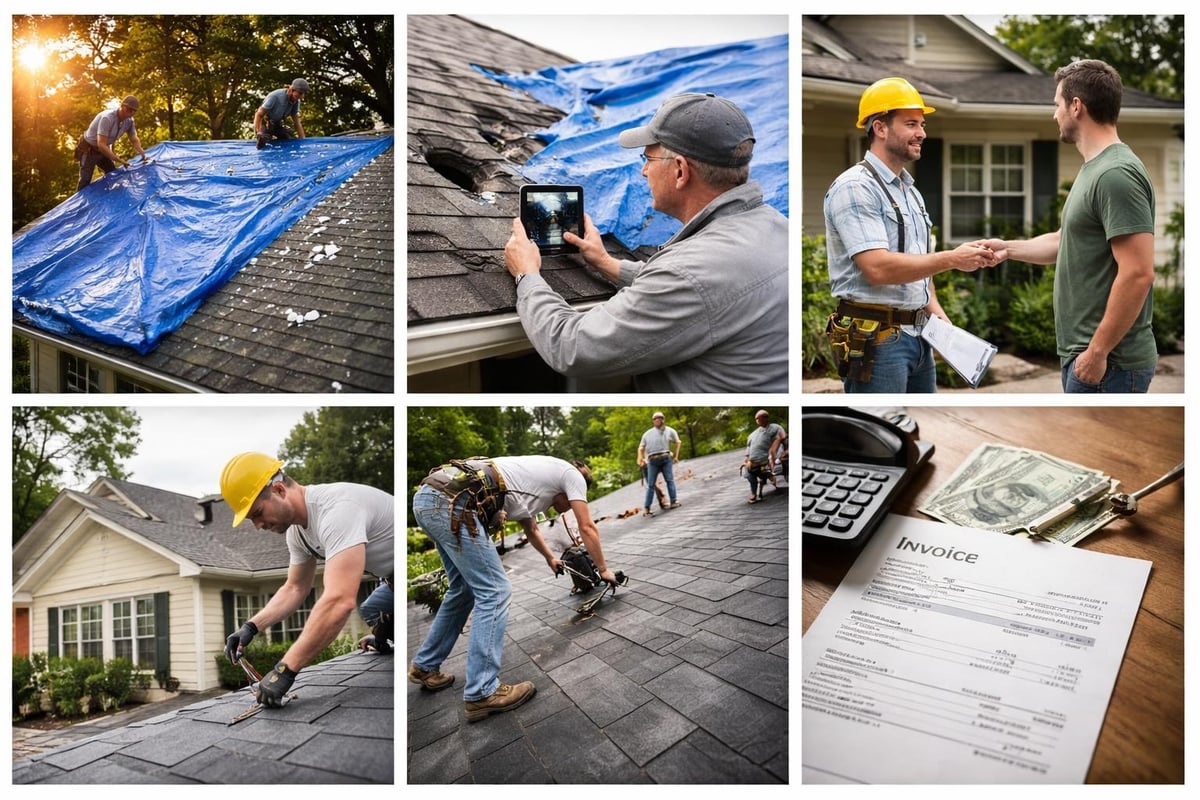
Professional emergency tarping protects damaged areas until permanent repairs begin. Costs typically range from $200 to $1,500 depending on affected area size and accessibility. While tarping adds to your immediate expenses, it prevents secondary water damage that could cost $5,000 to $25,000 in interior repairs, making it an essential investment.
Most insurance policies cover emergency mitigation costs, including temporary tarping, as part of your claim. When severe weather creates widespread damage, securing prompt emergency service becomes critical because contractor availability becomes limited.
Water Damage Prevention
After hail damage, every rainstorm risks water intrusion through compromised areas. Interior damage from delayed repairs includes:
- Ceiling and drywall replacement: $2 – $8 per square foot
- Insulation replacement: $1 – $3 per square foot
- Mold remediation: $500 – $6,000
- Structural wood repairs: $1,000 – $10,000
These costs far exceed the hail damage roof repair cost itself, making rapid response financially prudent. If you notice urgent signs requiring immediate attention, acting quickly minimizes total expenses.
Hidden Costs and Budget Considerations
Beyond obvious repair expenses, several less apparent costs affect your total investment.
Permit and Inspection Fees
Most jurisdictions require building permits for roof repairs exceeding certain thresholds. Permit costs range from $75 to $500 depending on project scope and local regulations. Final inspections ensure work meets code requirements but add $100 to $300 to your total expenses.
Material Matching Challenges
Finding exact matches for discontinued shingles, tiles, or specialty materials can prove difficult or impossible. Options include:
- Premium charges for custom-order materials: 20-50% above standard pricing
- Blending strategies using similar but not identical materials
- Replacing entire visible sections to ensure uniform appearance
When perfect matches aren't available, extending repairs to complete roof planes (front, back, or side sections) maintains aesthetic consistency but increases costs by expanding the repair area.
Upgrades and Code Compliance
Current building codes may exceed standards from when your roof was originally installed. Required upgrades during repairs might include:
- Enhanced underlayment materials
- Improved ventilation systems
- Updated flashing techniques
- Higher wind-resistance rated materials
These improvements add 10-25% to baseline repair costs but provide superior long-term performance and may reduce future insurance premiums.
DIY Versus Professional Repair Cost Comparison
While DIY repairs seem appealing for budget-conscious homeowners, the reality involves significant risks and hidden expenses.
DIY Limitations and Risks
Safety hazards: Roofing work involves fall risks, with serious injuries common among inexperienced individuals. Professional crews use safety harnesses, toe boards, and proper ladder systems that most homeowners don't own.
Material waste: Professionals estimate materials accurately based on experience, while DIY projects typically waste 15-30% of materials through cutting errors and damage.
Warranty concerns: Many manufacturer warranties require professional installation. DIY repairs often void existing warranties, eliminating protection for future issues.
Code violations: Improper repairs that don't meet local building codes create liability issues and complicate future insurance claims or home sales.
True Cost Comparison
| Aspect | DIY Approach | Professional Service |
|---|---|---|
| Materials | $800 – $1,200 | $800 – $1,200 |
| Tools/Equipment | $300 – $800 | Included |
| Safety Equipment | $150 – $400 | Included |
| Time Investment | 40-60 hours | N/A |
| Warranty Coverage | Voided | 5-year labor warranty |
| Insurance Claim | Often denied | Fully supported |
| Quality Assurance | Variable | Guaranteed |
When factoring in equipment costs, time value, safety risks, and warranty protection, professional roof repair services deliver superior long-term value despite higher upfront costs.
Maximizing Insurance Claims and Minimizing Costs
Strategic approaches to the claims process can significantly reduce your out-of-pocket hail damage roof repair cost.
Optimal Timing for Claims
File insurance claims promptly after hail events, typically within one year of the damage date. However, consider these timing factors:
Wait for comprehensive assessment: Filing too quickly based on superficial inspection may result in incomplete claims that miss hidden damage discovered later.
Bundle multiple events: If your area experiences multiple hailstorms within your policy period, having one comprehensive inspection covering all events prevents multiple deductible payments.
Consider claim history: Filing frequent small claims can increase premiums or risk non-renewal. If damage barely exceeds your deductible, evaluate whether filing justifies long-term insurance impacts.
Working with Adjusters
Insurance adjusters assess damage to determine coverage, but their initial estimates often undervalue necessary repairs. Strategies for fair settlements include:
- Obtain independent professional inspections before the adjuster arrives
- Document everything with photos, videos, and detailed written descriptions
- Request line-item explanations for any denied or reduced claims
- Challenge lowball estimates with contractor quotes and material specifications
- Negotiate supplement claims when additional damage appears during repairs
Experienced contractors who specialize in hail damage roof repair insurance claims understand adjuster methodologies and ensure comprehensive damage documentation that maximizes your settlement.
Contractor Selection Impact
Choosing qualified contractors affects both repair quality and insurance reimbursement. Red flags to avoid include:
- Requests for full payment upfront
- Offers to waive deductibles (insurance fraud)
- Lack of local references or physical business address
- Pressure tactics or limited-time offers
- No licensing or insurance verification
Quality contractors provide detailed written estimates, transparent communication, proper licensing and insurance, and references from recent similar projects. Their documentation supports insurance claims while their craftsmanship ensures repairs last.
Regional Considerations for Fort Worth Property Owners
Fort Worth's position in North Texas creates unique hail exposure that affects both damage patterns and repair costs.
Storm Frequency and Severity
The Fort Worth area experiences an average of three to five significant hail events annually, with storms producing golf ball-sized (1.75-inch) or larger hail occurring roughly once every two years. This frequency means most roofs will experience multiple hail impacts during their lifespan, making understanding regional repair costs particularly important for long-term property maintenance planning.
Seasonal Timing Factors
Peak hail season runs from March through June, creating concentrated demand for inspection and repair services. Planning considerations include:
- Post-storm contractor availability: Expect 2-6 week delays during peak damage periods
- Material supply fluctuations: Popular shingle colors and styles may face shortages after major storms
- Weather windows: Summer heat affects installation quality, while winter cold limits material performance
- Insurance claim backlogs: Adjuster availability decreases immediately after widespread damage events
Material Selection for Hail Resistance
Fort Worth property owners benefit from selecting materials with proven hail resistance. Impact-rated options include:
- Class 4 impact-resistant shingles: Premium cost of $1-2 per square foot but qualify for insurance discounts of 15-35%
- Standing seam metal roofing: Higher initial cost but superior hail resistance and 40-50 year lifespan
- Modified tile products: Concrete tiles with enhanced impact resistance at moderate price premiums
While impact-resistant materials increase initial installation costs by 15-30%, they reduce long-term hail damage roof repair cost through better storm performance and insurance discounts that recover the premium within 5-8 years.
Long-Term Cost Management Strategies
Proactive approaches minimize lifetime roofing expenses and reduce hail damage severity.
Preventive Maintenance Programs
Regular maintenance identifies and addresses minor issues before they become major problems:
- Annual professional inspections: $150-$400
- Gutter cleaning and minor repairs: $100-$300 twice yearly
- Caulking and flashing maintenance: $75-$200 annually
- Debris removal and cleaning: $150-$400
These modest annual investments totaling $500-$1,300 extend roof lifespan by 20-40% and reduce storm damage severity by maintaining optimal condition.
Documentation and Record Keeping
Maintaining comprehensive roof records supports insurance claims and property value:
- Installation documentation: Original contracts, material specifications, warranty information
- Maintenance records: Dated photos, service receipts, inspection reports
- Previous damage and repairs: Insurance claims, contractor invoices, before/after photos
- Storm event log: Dates, hail sizes, immediate observations
This documentation proves maintenance history and supports depreciation calculations during insurance claims, potentially increasing settlements by 15-25%.
Warranty Management
Understanding and preserving warranty coverage provides financial protection:
- Material warranties: Typically 20-50 years, covering manufacturing defects
- Labor warranties: Usually 1-10 years, covering installation workmanship
- System warranties: Enhanced coverage requiring certified installation of complete roofing systems
Professional installation with proper documentation maintains warranty validity, while DIY repairs or unlicensed contractors often void coverage entirely.
Understanding hail damage roof repair cost empowers property owners to make informed decisions, work effectively with insurance companies, and choose repair strategies that balance immediate expenses with long-term value. When hail strikes your Fort Worth property, partnering with experienced professionals ensures accurate damage assessment, comprehensive insurance documentation, and quality repairs that protect your investment. Texcore Construction delivers expert hail damage assessment, transparent cost estimates, and superior repair craftsmanship backed by in-house crews and a five-year labor warranty, helping you navigate storm damage with confidence and restore your roof's protective performance quickly and reliably.