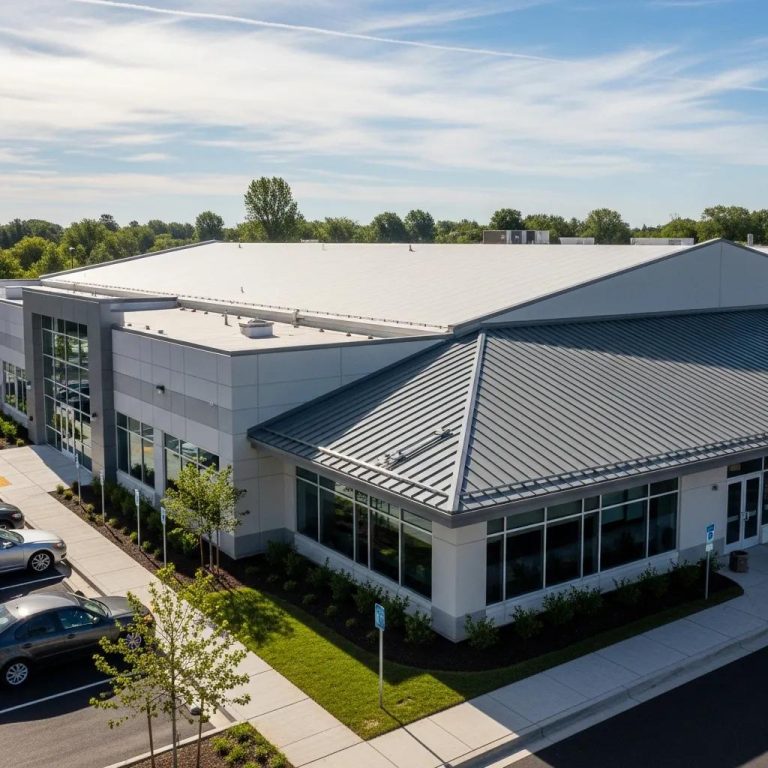
Essential Guide to Commercial Roofing Services in 2026
A reliable roof is the first line of defense for any business, shielding valuable assets and daily operations from the elements. Without proper protection, even a minor leak or unnoticed damage can lead to costly disruptions, structural issues, and lost productivity.
This essential guide is designed to help property owners and facility managers make smart, informed decisions about commercial roofing services. You will discover the different types of commercial roofing services available, the most effective materials, maintenance strategies, contractor selection tips, cost considerations, and the latest trends shaping the industry.
By understanding the risks of neglect and the benefits of proactive roofing care, you can safeguard your investment and ensure your building remains secure, efficient, and ready for the future.
Understanding Commercial Roofing Services
A commercial roof protects your business, inventory, and people. Understanding commercial roofing services is crucial for facility managers and property owners who want to safeguard their investment, minimize downtime, and ensure regulatory compliance.
What Are Commercial Roofing Services?
Commercial roofing services include a broad range of solutions designed for business, industrial, and institutional buildings. These services cover everything from routine repairs and full roof replacements to inspections, maintenance programs, and emergency response.
Unlike residential roofs, commercial roofs typically involve larger surfaces, unique architectural features, and often use flat or low-slope designs. This complexity requires specialized knowledge, advanced equipment, and strict adherence to local codes and regulations.
For example, flat roofs on warehouses need different materials and drainage systems compared to pitched roofs on homes. Selecting a provider with expertise in commercial roofing services is essential for compliance and long-term performance. For a deeper dive into the full scope of these offerings, visit the Commercial Roofing Services Overview.
Types of Commercial Roofing Services
A wide variety of commercial roofing services are available for every stage of your building’s life cycle.
- Roof inspections: Routine and pre-purchase assessments help identify issues before they escalate.
- Leak detection and emergency repairs: Rapid response teams address active leaks to prevent further damage.
- Full roof replacements and reroofing: Necessary when a roof reaches the end of its service life or sustains major damage.
- Preventive maintenance programs: Scheduled inspections and minor repairs keep roofs in optimal condition.
- Roof restoration and coatings: These solutions extend the lifespan of aging roofs and improve waterproofing.
- Storm damage response: Specialized crews handle repairs after severe weather events.
- Gutter, skylight, and drainage system repairs: Ensures proper water management and reduces risks of leaks.
Each of these commercial roofing services is tailored to the needs of large buildings, where minor issues can quickly turn into major disruptions if left unaddressed. Integrating multiple services into a maintenance plan is often the most cost-effective approach.
The Importance of Professional Expertise
Using professional expertise for commercial roofing services is vital to avoid costly mistakes. Unqualified or amateur repairs often lead to premature roof failures, voided warranties, and safety hazards.
Manufacturer-certified contractors bring specialized training and can offer extended warranties. For example, improper membrane installation is a leading cause of early roof failure, resulting in water intrusion and expensive repairs. According to industry statistics, faulty installation accounts for nearly 40% of commercial roof problems.
Hiring a reputable expert protects your investment, ensures code compliance, and maintains warranty coverage. Professional crews use the right materials, follow best practices, and provide documentation to support insurance claims and future maintenance.
Key Commercial Roofing Materials and Systems
Choosing the right materials is essential for effective commercial roofing services. Every building has unique requirements, from climate demands to usage patterns, so material selection directly impacts performance and longevity. Let's explore the most common options and how they fit different business needs.
Overview of Commercial Roofing Materials
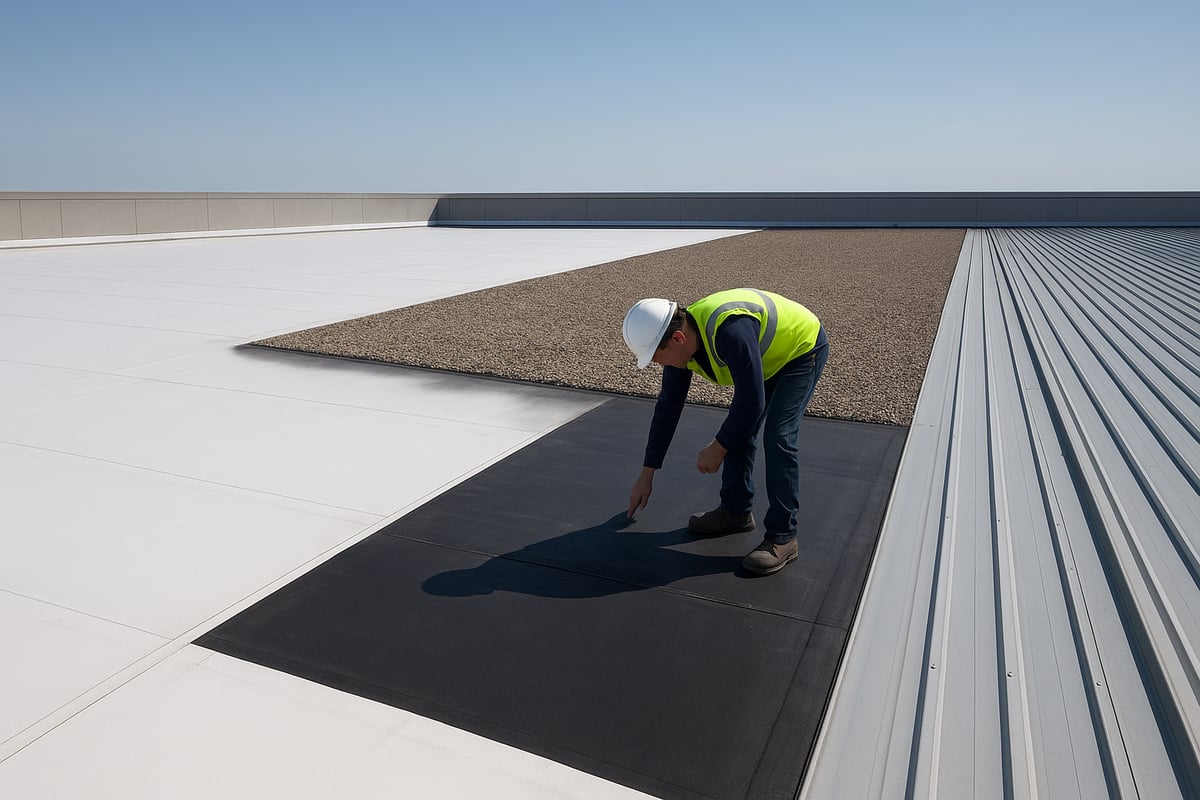
Commercial roofing services offer a range of materials, each with distinct advantages. The most widely used include EPDM, TPO, PVC, modified bitumen, metal, built-up roofing (BUR), and advanced coatings. These materials are chosen based on building type, local climate, and budget.
| Material | Lifespan (years) | Key Benefits | Typical Use |
|---|---|---|---|
| EPDM | 20-30 | UV resistant, flexible | Offices, warehouses |
| TPO | 15-25 | Energy efficient, weldable | Retail, sun-exposed |
| PVC | 20-30 | Chemical/fire resistant | Restaurants, factories |
| BUR | 20-30 | Durable, multi-layered | Large flat roofs |
| Modified Bitumen | 15-25 | Flexible, weather resistant | High-traffic areas |
| Metal | 30-50 | Long lifespan, reflective | Industrial, warehouses |
| Coatings | 10-20 (extension) | Waterproofing, cost saving | Restoration projects |
Material choice impacts not only durability but also maintenance needs and energy efficiency. According to the 2025 Commercial Roofing Trends Report, TPO and metal systems are gaining traction for their performance and sustainability, making them top picks in commercial roofing services.
Single-Ply Membranes: EPDM, TPO, and PVC
Single-ply membranes are a staple in modern commercial roofing services. EPDM, TPO, and PVC each bring unique strengths.
- EPDM is a rubber-based, UV-resistant membrane known for its long lifespan and flexibility. It performs well in varied climates and is relatively easy to maintain.
- TPO stands out for energy efficiency and heat-welded seams, reducing leak risks. Its white surface reflects sunlight, making it popular in southern states.
- PVC offers superior chemical and fire resistance, making it ideal for restaurants or industrial buildings with vented exhausts.
Installation methods vary, including adhered, mechanically fastened, or ballasted approaches. Regular inspections and seam maintenance are vital to maximize the value of commercial roofing services.
Built-Up Roofing (BUR) and Modified Bitumen
Built-up roofing (BUR) and modified bitumen are time-tested solutions for flat or low-slope roofs. BUR consists of alternating layers of tar, felt, and gravel, providing robust protection and proven durability.
Modified bitumen, an asphalt-based system enhanced with polymers, adds flexibility and resistance to temperature extremes. Both options are well-suited for roofs with heavy foot traffic or equipment, as they handle wear and tear effectively.
Regular maintenance, including surface inspections and prompt repairs, keeps these systems performing well. For property managers seeking reliable commercial roofing services, BUR and modified bitumen continue to deliver long-term value.
Metal Roofing Systems
Metal roofing is a premium choice for many commercial properties. Common metals include steel, aluminum, and copper, each offering impressive longevity and minimal maintenance. Metal roofs are highly resistant to wind, fire, and hail, making them ideal for warehouses and industrial facilities.
Reflective coatings enhance energy efficiency by reducing heat absorption, which can lower cooling costs. In regions prone to severe storms, metal roofing systems provide peace of mind and are a smart investment for commercial roofing services.
For example, in hail-prone areas, properly installed metal roofs often outlast other materials and require fewer repairs over time.
Roof Coatings and Restoration Options
Roof coatings offer a cost-effective way to extend the life of existing roofs. Popular options include silicone, acrylic, and elastomeric coatings, each designed to seal and waterproof surfaces. These coatings are applied over aging membranes or metal to restore function and delay replacement.
Benefits include improved waterproofing, UV protection, and significant cost savings compared to full roof replacement. Statistics show that many commercial roofing services report positive ROI, as coatings can add 10-20 years to a roof's service life.
However, coatings are not suitable for every situation. Proper assessment by a professional is essential to determine if restoration is the best option for your facility.
The Commercial Roofing Process: From Inspection to Completion
Navigating commercial roofing services requires a clear, step-by-step approach. Each phase is essential for protecting your property investment, minimizing risks, and ensuring long-term roof performance. Below, discover how the process unfolds from the first inspection to final warranties.
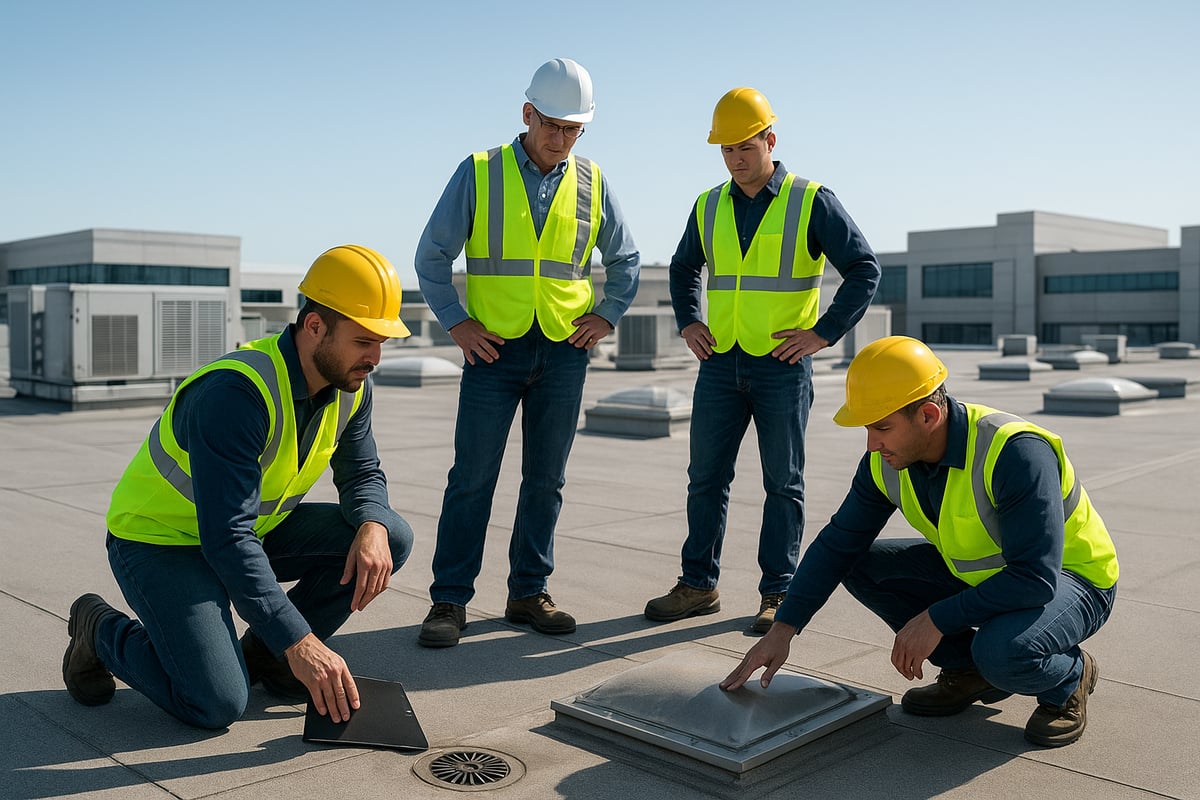
Step 1: Comprehensive Roof Inspection
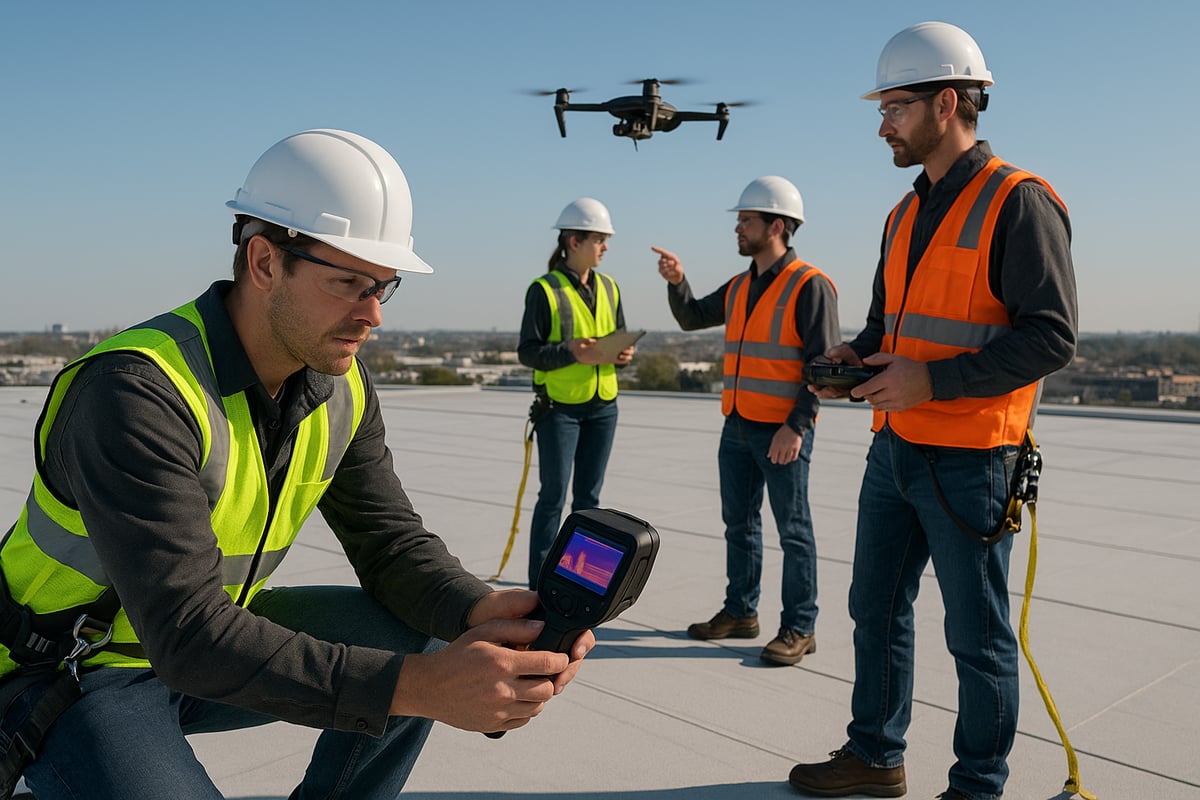
Every successful project begins with a thorough inspection. Commercial roofing services start with a visual review, but advanced methods like infrared scanning and drone imagery are often used for large or complex roofs. These tools help identify hidden leaks, membrane damage, and drainage issues that may not be visible from the surface.
Inspectors document their findings in detailed reports. This documentation is crucial for insurance claims or budget planning. A comprehensive inspection not only identifies current problems but also highlights potential risks that could develop over time.
Routine inspections are the foundation of proactive commercial roofing services. They help owners make informed decisions and avoid costly emergencies.
Step 2: Evaluation and Recommendations
Once the inspection is complete, the next step in commercial roofing services is evaluating the data. Experts analyze the condition of the roof to determine if a repair, restoration, or full replacement is needed. This decision balances immediate needs with long-term goals.
Urgent issues, like active leaks, are prioritized. At the same time, professionals develop a plan to address less critical concerns over time. Transparent communication is key. Property managers and stakeholders receive clear recommendations, cost estimates, and a timeline for action.
For example, an inspection report might support an insurance claim, ensuring repairs are covered. This evaluation phase is essential for building trust and aligning everyone on the best course of action.
Step 3: Repair, Restoration, or Replacement
When it comes to addressing issues, commercial roofing services must weigh several factors. Minor damage may only require targeted repairs, while aging or severely compromised roofs could need restoration or total replacement. Contractors outline a step-by-step plan, detailing what work will be performed and how it will minimize disruption to daily business.
The repair process can include patching leaks, resealing seams, or replacing damaged materials. Restoration often involves applying protective coatings or reinforcing existing structures to extend roof life. Full replacement is chosen when the system is beyond repair, involving removal of old materials and installation of a new system.
Safety is always prioritized, especially when work is performed on occupied buildings. Contractors follow strict protocols to protect both workers and occupants. Timelines are communicated clearly, so businesses can prepare for any temporary interruptions. Throughout this phase, commercial roofing services focus on delivering quality results that stand the test of time.
Step 4: Material Selection and Project Planning
Material choice is a pivotal aspect of commercial roofing services. Contractors work with owners to select systems that match the building's needs, local climate, and budget. Options include single-ply membranes, metal, or built-up roofing, each with unique benefits.
Project planning involves coordination with manufacturers to secure warranties, scheduling work to limit business disruption, and securing permits to ensure code compliance. For buildings with unique architectural features, custom solutions are developed.
For instance, a property in Fort Worth may require materials that withstand regional weather patterns. Working with a Fort Worth Commercial Roofing expert ensures compliance with local codes and optimal system performance. Detailed planning sets the stage for a successful installation.
Step 5: Professional Installation or Repair
The installation phase is where commercial roofing services truly come to life. In-house crews or carefully vetted subcontractors handle the work, always under professional supervision. Contractors use industry best practices tailored to the specific system being installed, whether it's TPO, metal panels, or a built-up system.
Daily progress updates keep stakeholders informed. Job sites are maintained clean and organized, reducing hazards and ensuring efficient workflow. Safety compliance is strictly enforced, protecting both workers and property.
Quality installation is the key to maximizing roof longevity and warranty coverage. Professional oversight and transparent communication make all the difference.
Step 6: Final Inspection and Warranty Documentation
After installation, a final walkthrough is conducted. This step ensures every detail meets quality standards and the original project scope. Clients receive maintenance manuals and warranty paperwork, empowering them to care for their investment.
Contractors explain care requirements and answer any lingering questions. For example, a five-year labor warranty may cover workmanship, while manufacturer warranties protect against material defects.
This final stage of commercial roofing services provides peace of mind. Property owners can rest easy, knowing their roof is protected and their investment is secure.
Choosing the Right Commercial Roofing Contractor
Selecting the ideal partner for commercial roofing services is a decision that impacts your building’s safety, longevity, and overall investment. With so many contractors available, it’s essential to evaluate their credentials, track record, communication practices, and local expertise before making a commitment.
Credentials and Certifications to Look For
Before hiring any provider for commercial roofing services, verify their professional credentials. A reputable contractor should carry all necessary licensing for your region, along with current insurance and bonding to protect your property.
Look for manufacturer certifications from leading brands like CertainTeed, GAF, or Owens Corning. These indicate the contractor is trained in specific installation methods and can offer enhanced warranties. Membership in respected trade associations, such as the National Roofing Contractors Association (NRCA) or Better Business Bureau (BBB), signals a commitment to industry best practices. Local building code expertise is also crucial for ensuring your project meets all regulations.
Evaluating Experience and Reputation
Experience matters greatly when it comes to commercial roofing services. Choose contractors with a proven track record on projects similar to yours. Review their portfolio of completed work and ask for client testimonials or references.
Check online reviews and ratings to gauge consistency in delivering quality results. Established local presence and longevity in business are strong indicators of reliability. For example, contractors who have handled warranty claims over many years demonstrate ongoing support and accountability for their work.
Transparent Proposals and Communication
A trustworthy provider of commercial roofing services will deliver detailed, written estimates that include photo documentation and clear breakdowns of work scopes. All materials, labor, and timelines should be specified up front to avoid confusion.
Effective contractors establish clear communication protocols, keeping you updated throughout the project and designating a reliable point of contact. Be cautious of vague proposals, missing documentation, or contractors who avoid answering questions. Transparency at every stage is a sign of professionalism and commitment to your satisfaction.
Texcore Construction: Fort Worth’s Trusted Commercial Roofing Partner
Texcore Construction has built a reputation as a leader in commercial roofing services in Fort Worth. Their team consists of licensed, in-house crews, ensuring quality and accountability on every project. Texcore offers same-day emergency repairs and comprehensive support for insurance claims, including photo-documented proposals.
They understand the unique challenges of Fort Worth’s climate and building codes, providing tailored solutions for local property owners. Their five-year labor warranty adds peace of mind, while complimentary inspections and detailed estimates make the process stress-free. For urgent situations, their Emergency Commercial Roof Repair services ensure your business is protected with prompt, expert care.
Cost Factors and Budgeting for Commercial Roofing
Budgeting for commercial roofing services requires a clear understanding of the many variables that influence overall costs. With proper planning, property owners can maximize their investments while ensuring the longevity of their roofing systems.
Factors Influencing Commercial Roofing Costs
Several critical factors shape the pricing of commercial roofing services. The size and complexity of the roof are primary drivers, as larger or uniquely designed roofs require more labor and materials. Accessibility can also affect costs, since buildings with limited roof access may need specialized equipment.
Material selection is another major component, with options ranging from budget-friendly membranes to premium metal systems. Manufacturer warranties and the scope of coverage add to the final price. Labor rates vary by region and project timeline, while removal and disposal of old roofing materials contribute to expenses. Permitting and code compliance must also be budgeted.
For a deeper dive into market trends and pricing influences, see U.S. Roofing Industry Statistics 2025. Understanding these factors helps property managers make informed decisions about commercial roofing services.
Budgeting for Maintenance, Repairs, and Replacement
Effective budgeting for commercial roofing services means planning for both immediate needs and long-term expenses. Preventive maintenance programs deliver significant value by catching minor issues before they escalate. This proactive approach often reduces unexpected repair costs.
Comparing the costs of repairs, restoration, and full replacement is essential. Repairs are typically the most cost-effective for small issues, while restoration can extend the life of aging roofs without the high price tag of replacement. Capital expenditures should be planned in advance, considering insurance coverage for major events.
| Service Type | Typical Cost Range | Best For |
|---|---|---|
| Repairs | Low | Localized damage/leaks |
| Restoration | Moderate | Aging but structurally sound |
| Replacement | High | Extensive damage or old systems |
A well-maintained roof reduces emergency calls and supports predictable budgeting for commercial roofing services.
Understanding Warranties and Insurance
Warranties play a crucial role in protecting the investment in commercial roofing services. Manufacturer warranties typically cover materials, while workmanship warranties safeguard against installation errors. It is vital to understand what is included and any exclusions, such as ponding water or unauthorized repairs.
Navigating insurance claims for storm or hail damage requires detailed documentation, including inspection reports and photographs. This evidence supports claims and maximizes potential coverage. Familiarity with policy terms and proactive communication with insurers can streamline the process.
Property owners should review warranty and insurance requirements before any work begins to ensure their commercial roofing services are fully protected.
Cost-Saving Strategies and Value Engineering
Strategic planning can deliver significant savings on commercial roofing services over the life of the roof. Life cycle cost analysis helps select materials that balance upfront price with long-term durability and maintenance needs. Energy-efficient roofing systems, such as reflective membranes or coatings, can lower utility bills.
Roof coatings offer a cost-effective alternative to full replacement, extending the system's lifespan. Negotiating bundled services or annual maintenance packages often results in better pricing and consistent care. Requesting detailed proposals allows for transparent comparison of options.
By prioritizing value engineering, property managers ensure their commercial roofing services align with both budget and performance goals.
Preventive Maintenance and Emergency Response
A proactive approach to commercial roofing services is essential for safeguarding assets and minimizing costly disruptions. Regular maintenance not only extends a roof's lifespan but also preserves warranty coverage and reduces the risk of unexpected emergencies. By understanding preventive care and having a robust emergency response plan, property owners and facility managers can ensure their commercial roofing services remain reliable year-round.
The Importance of Preventive Maintenance
Preventive maintenance is the foundation of effective commercial roofing services. Regular inspections help identify small issues before they escalate, saving significant repair costs and preventing business interruptions. Typical tasks include clearing debris from drains, checking for ponding water, inspecting seams and flashing, and reviewing membrane integrity.
A scheduled maintenance program keeps warranties valid and supports compliance with insurance requirements. Facility managers who prioritize preventive care often notice fewer emergency calls and longer intervals between major repairs. For additional tips and best practices, explore these Commercial Roof Maintenance Tips to maximize the value of your commercial roofing services.
Common Commercial Roofing Problems and Solutions
Even with diligent care, certain problems are common in commercial roofing services. Leaks often originate from punctures, membrane shrinkage, or failed seams. Standing water, caused by drainage problems, accelerates membrane deterioration and can lead to structural concerns. Flashing failures allow moisture into vulnerable roof areas.
Solutions involve prompt repairs, targeted restoration, and sometimes applying roof coatings to reinforce waterproofing. Addressing small issues quickly prevents larger, more expensive repairs. Keeping a record of repairs and inspections supports warranty claims and long-term planning for commercial roofing services.
Emergency Roofing Services: What to Expect
Despite best efforts, emergencies can occur. Leading commercial roofing services offer 24/7 response, ensuring leaks or storm damage are addressed immediately. The process begins with a rapid assessment, followed by temporary repairs to stop further damage.
Contractors coordinate with insurance adjusters and restoration teams to streamline claims and minimize business downtime. Fast, professional intervention in emergencies is crucial for protecting inventory, equipment, and operations. Having a trusted provider for commercial roofing services ensures peace of mind during critical situations.
Creating a Roofing Maintenance Plan
A structured maintenance plan is vital for consistent roof performance and longevity. Begin by scheduling regular inspections and cleanings, ideally twice per year and after severe weather. Document all findings and repairs to satisfy code compliance and warranty terms.
Budget annually for maintenance and minor repairs, and involve property managers in monitoring ongoing needs. A well-designed plan ensures commercial roofing services remain effective, reducing the likelihood of costly surprises and supporting the overall health of your facility.
Trends and Innovations in Commercial Roofing
The world of commercial roofing services is evolving rapidly. New technologies, sustainability initiatives, and data-driven solutions are transforming how property owners approach roof management. Staying informed about these innovations can help you make smarter decisions for your building, reduce costs, and improve long-term roof performance.
Advances in Roofing Materials and Technology
Recent years have seen significant leaps in commercial roofing services thanks to material science and digital tools. Manufacturers are developing advanced membranes that enhance durability, energy efficiency, and weather resistance. For example, new single-ply membranes offer superior UV protection and longer service life.
Smart roof systems are gaining traction. Sensors embedded in roofing assemblies can detect leaks, monitor moisture, and provide real-time data to facility managers. Drone inspections are also becoming standard, allowing for safer and more thorough assessments.
Reflective and cool roofing technologies are now mainstream, reducing heat absorption and lowering energy costs. According to GAF’s 2025 Roofing Innovations, industry leaders are unveiling roofing solutions that blend advanced materials with smart monitoring, making commercial roofing services more reliable and efficient.
Sustainability and Green Roofing Solutions
Sustainability is at the forefront of modern commercial roofing services. Eco-friendly materials, such as recycled membranes and low-VOC adhesives, are becoming more popular. Green roofs, which integrate vegetation and soil, provide natural insulation, manage stormwater, and reduce urban heat.
Many buildings now incorporate solar-ready roofing systems or even integrated solar panels. These options generate clean energy while protecting the underlying structure. Recycling old roofing materials at the end of a system’s life further reduces environmental impact.
A successful case study involves a commercial facility retrofitting its roof with a cool roofing membrane and green spaces, resulting in lower utility bills and improved tenant satisfaction. These innovations show how sustainability and commercial roofing services go hand in hand.
Table: Green Roofing Solutions Comparison
| Solution | Benefits | Typical Application |
|---|---|---|
| Green Roofs | Insulation, stormwater, aesthetics | Urban offices, hospitals |
| Cool Roof Membranes | Energy savings, reflectivity | Retail, warehouses |
| Solar Roofing | Clean energy, incentives | Industrial, commercial |
Energy Efficiency and Regulatory Compliance
Energy efficiency is a central focus for commercial roofing services. The right roofing system can dramatically cut HVAC demand, reduce operating costs, and help buildings meet stringent energy codes. Reflective membranes, insulation upgrades, and air barrier technologies all contribute to performance gains.
Regulations are tightening, with cities and states adopting new standards for roof reflectivity and insulation. Many property owners are taking advantage of tax incentives and rebates for upgrading to energy-efficient systems.
For example, TPO and white membrane roofs are commonly chosen for their ability to reflect sunlight and lower cooling bills. Staying current with energy codes is essential for compliance and maximizing the ROI of commercial roofing services.
The Role of Data and Digital Tools
Digital transformation is reshaping commercial roofing services. Cloud-based project management platforms allow contractors and clients to track progress, access documentation, and manage warranties from any device. Maintenance logs and inspection reports are now stored digitally, making it easier to monitor roof health over time.
Infrared and drone technology enable precise inspections, detecting leaks and insulation gaps without invasive measures. Predictive analytics are gaining traction, helping property managers plan maintenance and avoid costly surprises.
These digital tools streamline communication, improve transparency, and empower building owners to make informed decisions about their commercial roofing services.
Preparing for the Future: Resilience and Adaptation
The future of commercial roofing services is about resilience and adaptation. As climate patterns shift, buildings face more severe weather events, from hail to hurricanes. Roofing systems must be designed for impact resistance and high wind uplift ratings.
Manufacturers are introducing materials that withstand extreme conditions, while contractors focus on code compliance and insurance requirements. Upgrades in vulnerable regions, such as reinforced membranes and advanced drainage systems, are now common.
Market research, including the Commercial Roofing Membrane Market Forecast, indicates steady growth in demand for durable, adaptive solutions. The ongoing evolution of commercial roofing services ensures that property owners can protect their assets and adapt to whatever the future brings.
After exploring the essentials of commercial roofing—from materials and preventive care to choosing the right contractor—you’re better equipped to protect your property and investment for the years ahead. If you want real peace of mind and a clear understanding of your roof’s condition, let’s take the next step together. You’ll get detailed documentation, expert recommendations, and the clarity you need to plan confidently.
Get a Commercial Roof Condition Report
This simple action can help you avoid costly surprises and ensure your roofing system is ready for whatever 2026 brings.