How Insurance Claim Support Works for Commercial Roof Repairs
How Insurance Claim Support Works for Commercial Roof Repairs
By Scott Creech, Texcore Construction
Navigating the insurance claim process for commercial roof repairs can be a daunting task for property owners. Understanding how insurance claim support works is crucial for ensuring that repairs are covered and that the process goes smoothly. This article will provide a comprehensive overview of the claims process, necessary documentation, common challenges, and tips for successful claims. By the end, readers will have a clear understanding of how to effectively manage their insurance claims for roof repairs, particularly in the context of storm damage.
The insurance claims process involves several steps, from documenting the damage to receiving approval for repairs. Many property owners face challenges during this process, including delays and misunderstandings with insurance adjusters. This guide will help demystify the process and provide actionable insights to improve the chances of a successful claim. We will also explore the role of Texcore Construction in assisting with documentation and claims support, ensuring that property owners have the resources they need to navigate this complex landscape.
Navigating the Commercial Roof Insurance Claims Process
The claims process for commercial roof repairs typically involves several key steps. First, property owners must document the damage thoroughly, which includes taking photographs and videos of the affected areas. Next, contacting the insurance provider is essential to initiate the claim. Once the claim is submitted, the insurance company will assign an adjuster to assess the damage and determine the coverage.
- Document the Damage: Capture clear images and videos of the roof damage to support your claim.
- Contact Your Insurance Provider: Notify your insurer as soon as possible to start the claims process.
- Submit Your Claim: Provide all necessary documentation to your insurance company for review.
Texcore Construction can assist in this process by providing expert guidance on documentation and ensuring that all necessary information is submitted correctly.
Necessary Documentation

When filing an insurance claim for roof repairs, specific documentation is required to support the claim. This documentation helps the insurance adjuster assess the damage and determine the appropriate coverage. Essential documents include:
- Photographs and Videos: Visual evidence of the damage is crucial for substantiating your claim.
- Inspection Reports: Professional assessments of the damage can provide additional credibility.
- Repair Estimates: Detailed estimates from roofing contractors help outline the expected costs for repairs.
Having these documents organized and readily available can significantly streamline the claims process.
Common Challenges
Property owners often encounter several challenges during the insurance claims process for roof repairs. Some of the most common issues include:
- Claim Denials: Insurers may deny claims due to insufficient documentation or policy exclusions.
- Misunderstanding Policy Terms: Property owners may not fully understand their coverage, leading to confusion.
- Delays in Processing: The claims process can be slow, causing frustration for property owners needing immediate repairs.
Understanding these challenges can help property owners prepare better and avoid common pitfalls.
Tips for Successful Claims
To improve the chances of a successful insurance claim for roof repairs, property owners should consider the following tips:
- Be Proactive: Start the claims process as soon as damage is identified to avoid delays.
- Stay Organized: Keep all documentation in one place to facilitate easy access when needed.
- Engage Professionals: Consider hiring a roofing contractor or claims adjuster to assist with the process.
Texcore Construction offers services that can help property owners navigate the claims process more effectively, ensuring that all necessary documentation is prepared and submitted correctly.
Understanding the role of insurance in roof repairs
Insurance plays a critical role in facilitating roof repairs after damage occurs. Most commercial property insurance policies cover specific types of damage, including storm-related incidents. Understanding the coverage types and limitations is essential for property owners to ensure they are adequately protected.
Typically, insurance policies may cover:
- Wind Damage: Coverage for damage caused by high winds.
- Hail Damage: Protection against damage from hailstorms.
- Water Damage: Coverage for leaks resulting from roof damage.
Being aware of what is covered can help property owners make informed decisions when filing claims.
Further research delves into the specifics of evaluating hail damage and its impact on roofing systems, providing valuable insights for insurance claims.
Evaluating Hail Damage & Insurance Claims for Roofing Systems
This study evaluates roofing material type with regard to resiliency to hailstone impacts and relative damage costs associated with roofing systems versus wall systems. A comparison of Weather Surveillance Radar-1988 Doppler (WSR-88D) radar-estimated hail sizes and damage levels seen in the claims data is made. Recommendations for improved data collection and quality of insurance claims data, as well as guidance for future property insurance claims studies, are summarized.
Evaluating hail damage using property insurance claims data, 2015
The process from storm damage to claim approval
The journey from storm damage to claim approval involves several steps. Initially, property owners must assess and document the damage. Following this, they should notify their insurance company and submit the claim. The insurance adjuster will then inspect the damage and determine the coverage.
- Assess and Document the Damage: Conduct a thorough inspection and gather evidence.
- Notify Your Insurance Company: Inform your insurer about the damage promptly.
- Submit Your Claim: Provide all necessary documentation for review.
This structured approach can help ensure that claims are processed efficiently.
What does a roofing contractor actually do during the insurance claim process?
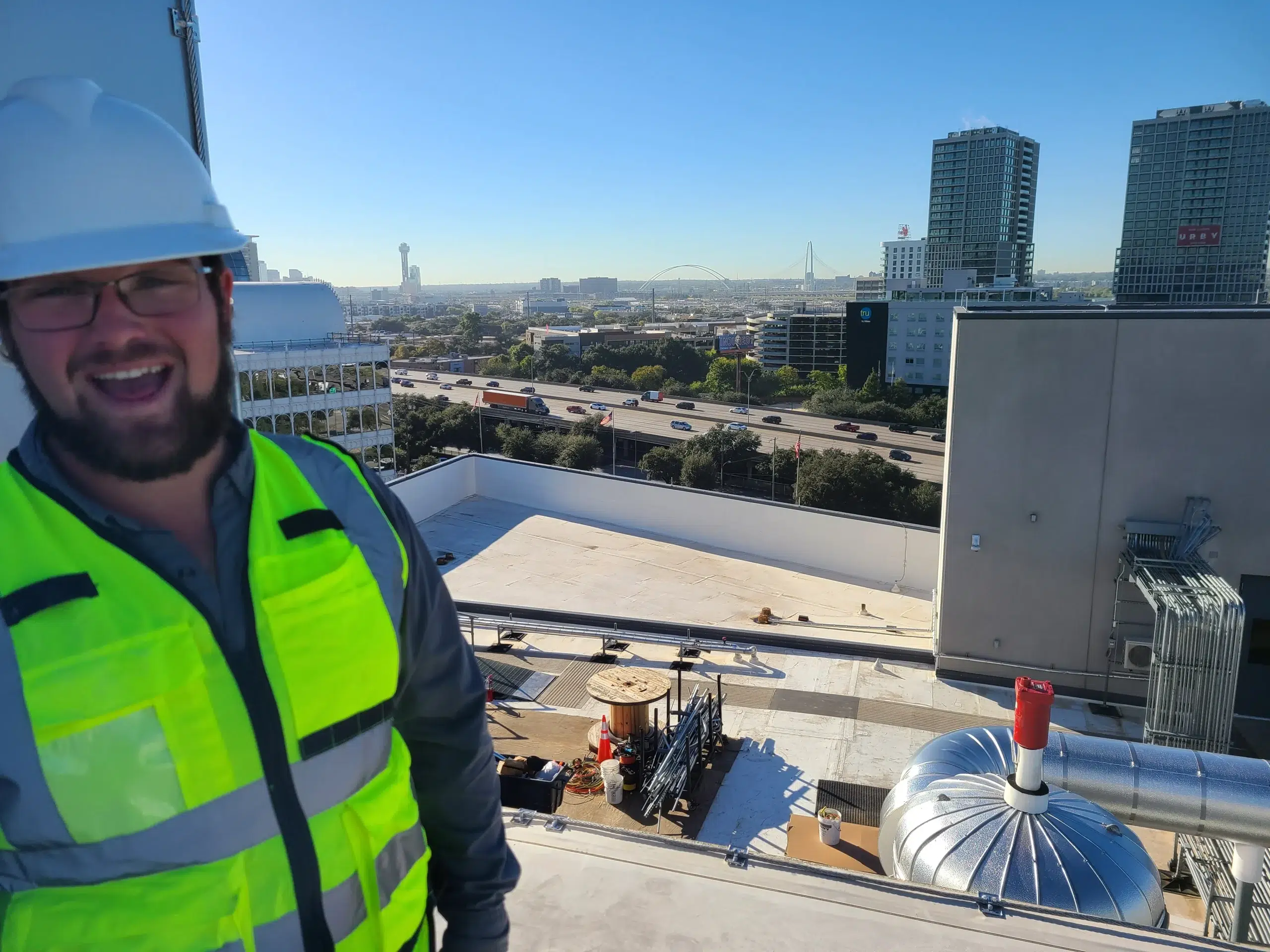
Roofing contractors play a vital role in the insurance claim process. They assist property owners in assessing damage, preparing estimates, and communicating with insurance adjusters. Their expertise can significantly impact the outcome of a claim.
- Damage Assessment: Contractors evaluate the extent of the damage and recommend necessary repairs.
- Preparation of Estimates: They provide detailed estimates that outline the costs associated with repairs.
- Communication with Adjusters: Contractors can liaise with insurance adjusters to clarify any questions regarding the claim.
Having a knowledgeable contractor involved can streamline the claims process and improve the likelihood of approval.
Assessing storm damage and preparing documentation
Assessing storm damage requires a systematic approach to ensure that all necessary documentation is collected. Property owners should begin with an initial inspection to identify visible damage. Following this, they should compile a list of required documentation, including photographs, inspection reports, and repair estimates.
Understanding the detailed methodologies for assessing hail damage claims, especially for commercial structures, is crucial for accurate evaluations.
Methodology for Assessing Commercial Hail Damage Roof Claims
Document a methodology for assessing hail damage claims to residential and light commercial structures.
Hail Damage Assessments for Residential and Light Commercial Exterior Finished Surfaces and Steep-Slope Roof Systems, 2021
- Initial Inspection: Conduct a thorough examination of the roof and surrounding areas.
- Types of Required Documentation: Gather all necessary documents to support the claim.
- Effective Preparation Strategies: Organize documentation in a clear and accessible manner.
This preparation can help facilitate a smoother claims process.
Communicating with the insurance adjuster
Effective communication with the insurance adjuster is crucial for a successful claim. Property owners should establish clear communication protocols and be available for inspections. Regular follow-ups can also help keep the claim on track.
- Establish Clear Communication Protocols: Set expectations for communication frequency and methods.
- Be Available for Inspections: Ensure that you are accessible when the adjuster needs to inspect the damage.
- Follow Up Regularly: Maintain contact with the adjuster to check on the status of the claim.
These strategies can help ensure that the claims process proceeds without unnecessary delays.
Who pays for the inspection and the claim documentation?
Typically, property owners are responsible for the costs associated with inspections and documentation. Understanding this responsibility is essential to avoid any surprises during the claims process.
- Property Owners Are Responsible: Ensure that you budget for inspection and documentation costs.
- Importance of Documentation: High-quality documentation can significantly impact the success of your claim.
- Avoiding Fraud: Be transparent about all costs and documentation to prevent any issues with your claim.
Being aware of these responsibilities can help property owners prepare adequately.
Responsibilities of property owners and contractors
Both property owners and contractors have specific responsibilities during the insurance claims process. Property owners must ensure that they provide accurate documentation and communicate effectively with their insurance company. Contractors, on the other hand, are responsible for providing accurate assessments and estimates.
- Documentation Responsibility: Property owners must gather and submit all necessary documents.
- Communication with Insurers: Both parties should maintain open lines of communication with the insurance company.
- Payment for Inspections: Property owners should be prepared to cover inspection costs.
Understanding these responsibilities can help streamline the claims process.
Understanding insurance policy coverage
Insurance policies for roof repairs typically include various coverage types. Property owners should familiarize themselves with their policy details to understand what is covered and what is not. Common coverage types include:
- Replacement Cost Coverage: Covers the cost of replacing the damaged roof.
- Actual Cash Value Coverage: Provides compensation based on the current value of the roof, factoring in depreciation.
- Exclusions: Be aware of any exclusions that may apply to your policy.
Understanding these aspects can help property owners make informed decisions when filing claims.
How long does a commercial roof insurance claim take from inspection to approval?
The timeline for processing a commercial roof insurance claim can vary significantly. Factors such as the complexity of the damage and the efficiency of the insurance company can influence the duration. Typically, the process can take anywhere from a few weeks to several months.
- Initial Notification: Notify your insurance company as soon as damage is identified.
- Adjuster Inspection: The adjuster will schedule an inspection to assess the damage.
- Settlement Offer: After the inspection, the insurance company will provide a settlement offer.
Being aware of these timelines can help property owners manage their expectations during the claims process.
Typical timelines for inspections and approvals
Understanding the typical timelines for inspections and approvals can help property owners plan accordingly. Generally, the process can be broken down into several phases:
- Claim Filing Timeliness: Claims should be filed promptly after damage occurs.
- Adjuster Inspection Scheduling: Inspections are usually scheduled within a few days to a week after the claim is filed.
- Repair Coordination: Once the claim is approved, repairs can begin, typically within a few weeks.
This knowledge can help property owners stay informed and proactive throughout the claims process.
Factors that can affect the duration of the claim process
Several factors can influence the duration of the insurance claims process for roof repairs. These include:
- Claim Filing Timeliness: Delays in filing can extend the overall process.
- Documentation Quality: Incomplete or unclear documentation can lead to additional requests and delays.
- Complexity of Damage: More extensive damage may require more thorough inspections and assessments.
Being aware of these factors can help property owners take steps to expedite their claims.
What documentation do I need to file a roof insurance claim?
Filing a roof insurance claim requires specific documentation to support the claim. Essential documents include:
- Photographs and Videos: Visual evidence of the damage.
- Weather Reports: Documentation of the storm or event that caused the damage.
- Repair Estimates: Detailed estimates from contractors outlining the expected repair costs.
Having these documents prepared can significantly improve the chances of a successful claim.
Essential documents for a successful claim
To ensure a successful insurance claim, property owners should gather the following essential documents:
- Inspection Reports: Professional evaluations of the damage.
- Maintenance Records: Documentation of any previous repairs or maintenance performed on the roof.
- Claim Forms: Completed forms required by the insurance company.
Organizing these documents can help streamline the claims process and improve the likelihood of approval.
Tips for organizing and submitting documentation
Effective organization and submission of documentation are crucial for a successful insurance claim. Consider the following tips:
- Create a Claim File: Keep all relevant documents in one place for easy access.
- Document Everything: Maintain records of all communications with your insurance company and contractors.
- Submit Promptly: Ensure that all documentation is submitted as soon as possible to avoid delays.
These strategies can help property owners navigate the claims process more effectively.
Can my contractor talk to my insurance adjuster directly?
Yes, contractors can communicate directly with insurance adjusters, but certain conditions must be met. Property owners may need to provide authorization for their contractor to discuss the claim with the adjuster.
- Authorization Needed: Ensure that your contractor has permission to communicate with the adjuster.
- Benefits of Direct Communication: Direct communication can help clarify any questions and expedite the claims process.
- Best Practices: Maintain clear communication protocols between all parties involved.
This collaboration can help ensure that the claims process runs smoothly.
The role of contractors in the communication process
Contractors play a vital role in the communication process between property owners and insurance adjusters. They can provide valuable insights and information that can help facilitate the claims process.
- On-Site Meetings: Contractors can meet with adjusters to discuss the damage and necessary repairs.
- Documentation Provision: They can supply the adjuster with detailed estimates and reports.
- Communication Maintenance: Contractors should keep property owners informed about the status of the claim.
This collaborative approach can enhance the overall efficiency of the claims process.
Best practices for contractor-insurer interactions
To ensure effective interactions between contractors and insurers, consider the following best practices:
- Establish Clear Communication Protocols: Set expectations for communication frequency and methods.
- Direct Communication: Encourage direct conversations between contractors and adjusters to clarify any questions.
- Follow-Up Procedures: Maintain regular follow-ups to check on the status of the claim.
Implementing these practices can help streamline the claims process and improve outcomes.
What are the best insurance claim support services for roof repairs in Texas?
In Texas, several insurance claim support services can assist property owners with roof repairs. These services typically offer local expertise and comprehensive support throughout the claims process.
- Local Expertise: Many services have a deep understanding of the local insurance landscape and can provide tailored assistance.
- Comprehensive Support: These services often offer end-to-end support, from documentation to communication with insurers.
- Emergency Services: Some providers offer emergency roofing services to address urgent repair needs.
Texcore Construction positions itself as a leader in documentation and claims support, ensuring that property owners have the resources they need to navigate the claims process effectively.
Overview of top services available
Several top services are available for insurance claim support in Texas, including:
- Roofing Consultants: Experts who can provide assessments and documentation for claims.
- Public Adjusters: Professionals who advocate for property owners during the claims process.
- Emergency Roofing Services: Companies that offer immediate assistance for urgent repairs.
These services can significantly enhance the claims process and improve the chances of a successful outcome.
How Texcore positions itself as documentation experts
Texcore Construction positions itself as an expert in documentation for insurance claims. The company emphasizes thorough documentation practices and in-house expertise to support property owners throughout the claims process.
- Thorough Documentation: Texcore ensures that all necessary documents are prepared and submitted correctly.
- In-House Expertise: The team at Texcore has extensive knowledge of the insurance claims process and can provide valuable guidance.
- Structured Claims Process: Texcore follows a structured approach to claims support, ensuring that property owners receive the assistance they need.
By leveraging these strengths, Texcore Construction helps property owners navigate the complexities of insurance claims for roof repairs effectively.
To further assist property owners in Fort Worth, Texcore Construction offers specialized commercial roofing services. These services are designed to address the unique challenges faced by commercial properties when dealing with roof repairs and insurance claims.
Additionally, Texcore Construction provides residential roofing services in Fort Worth. These services ensure that homeowners receive the same level of expertise and support as commercial property owners, making the claims process smoother and more efficient.
For those interested in learning more about the company, you can visit the about page. This page provides detailed information about the company’s mission, values, and the team behind its success.
If you have any questions or need assistance, you can easily contact Texcore Construction. Their team is ready to provide the support and guidance you need to navigate the insurance claim process effectively.
To explore the full range of services offered, visit the services page. This page outlines the various ways Texcore Construction can assist with your roofing needs and insurance claims.