Metal Roof Maintenance: Complete Care Guide
Metal roofing systems offer exceptional durability, energy efficiency, and longevity when properly maintained. While these roofs can last 40 to 70 years under optimal conditions, their performance depends heavily on consistent care and preventive maintenance. Property owners throughout Fort Worth who invest in metal roofing systems need to understand that even the most durable materials require regular attention to prevent minor issues from becoming costly repairs. This comprehensive guide explores proven metal roof maintenance strategies that protect your investment, extend system lifespan, and ensure reliable performance through severe weather conditions.
Understanding Metal Roof Longevity and Performance
Metal roofing materials resist many common problems that plague traditional asphalt shingles, but they face unique maintenance requirements. The longevity of these systems stems from their resistance to fire, rot, insect damage, and environmental degradation. However, factors like thermal expansion, fastener integrity, and protective coating condition directly influence how long your roof performs at peak efficiency.
Key performance factors include:
- Coating integrity and UV resistance
- Fastener condition and proper tension
- Panel seam alignment and tightness
- Drainage system functionality
- Flashing and penetration seals
Different metal roofing materials require varying maintenance approaches. Standing seam systems need attention to clip fasteners and panel movement allowances, while exposed fastener panels require regular inspection of washer seals and screw tightness. Understanding your specific system helps you develop an effective maintenance schedule.
Creating a Systematic Inspection Schedule
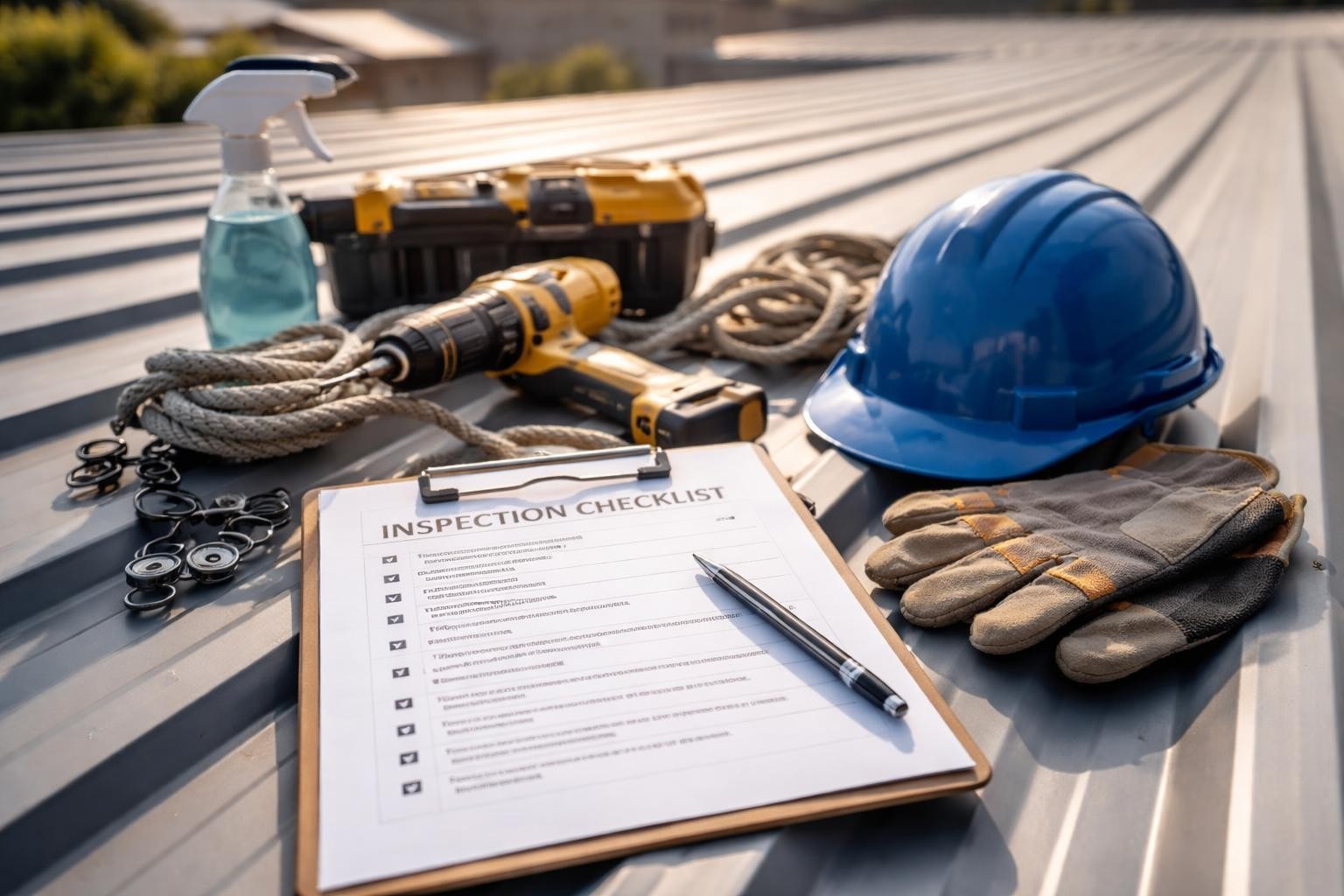
Regular inspections form the foundation of effective metal roof maintenance. Most experts recommend biannual inspections during spring and fall, with additional checks after severe weather events. These scheduled examinations allow you to identify potential problems before they compromise roof integrity or cause interior damage.
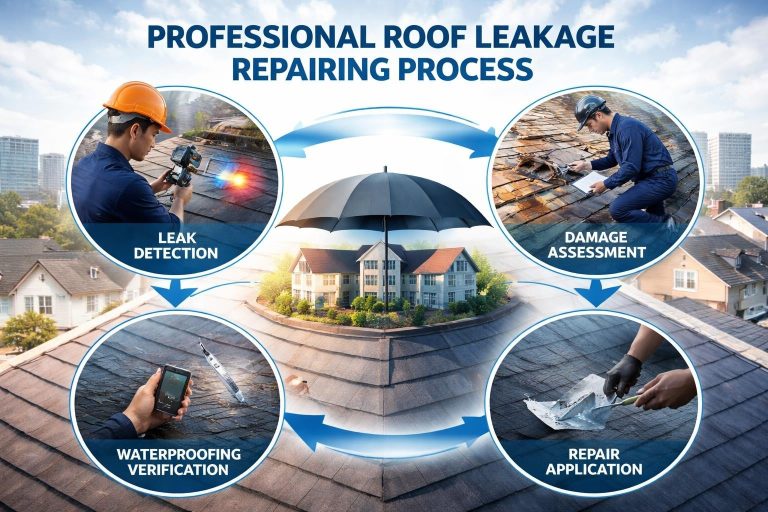
Professional inspections provide comprehensive assessments beyond what most property owners can safely perform themselves. Roof Inspection services include detailed documentation, thermal imaging to detect hidden moisture, and expert analysis of coating condition, fastener integrity, and structural soundness.
Spring Inspection Priorities
Spring inspections focus on damage from winter weather and preparation for storm season. Check for ice dam damage, fastener movement from thermal cycling, and debris accumulation in valleys and gutters. According to building an effective roof maintenance program, documenting your findings with photographs and detailed notes helps track changes over time and supports insurance claims when necessary.
Look for paint or coating deterioration, especially on south-facing panels that receive maximum UV exposure. Examine all penetrations, including vents, pipes, and HVAC units, for seal degradation or flashing movement.
Fall Inspection Focus Areas
Fall inspections prepare your roof for winter conditions and identify summer damage from heat and storms. Focus on thermal expansion issues, fastener loosening, and coating condition after months of intense sunlight. Clear all debris before winter to prevent ice dam formation and ensure proper drainage.
| Inspection Element | Spring Focus | Fall Focus |
|---|---|---|
| Fasteners | Thermal cycling damage | Heat expansion effects |
| Coatings | UV exposure assessment | Summer degradation check |
| Drainage | Ice dam damage repair | Debris removal preparation |
| Seals | Winter moisture damage | Heat-related deterioration |
Essential Cleaning and Debris Removal
Metal roof maintenance includes regular cleaning to prevent debris accumulation and organic growth. Leaves, branches, and dirt trap moisture against metal surfaces, accelerating corrosion and creating conditions for algae or moss growth. Unlike composition roofs, metal systems won't deteriorate from gentle cleaning when proper techniques are used.
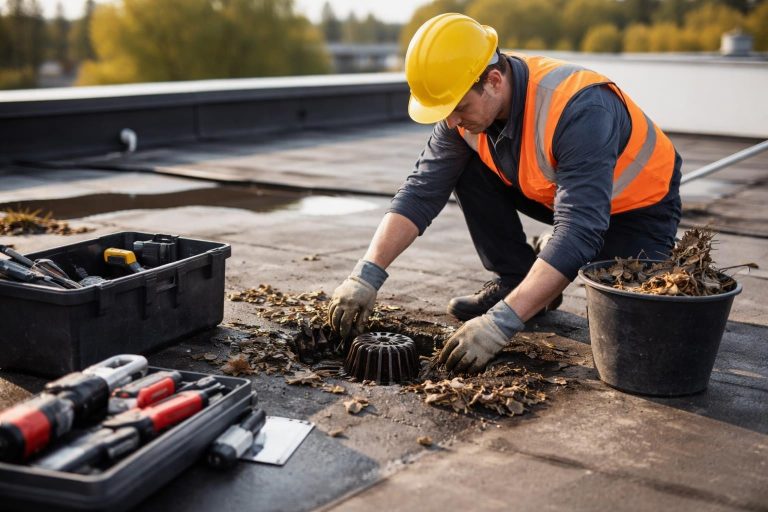
Clean your roof at least twice yearly, typically coordinating with your inspection schedule. Remove all loose debris first, working from ridge to eave. Pay special attention to valleys, where debris naturally collects and can dam water flow.
Safe cleaning procedures:
- Use soft-bristle brushes or brooms designed for metal roofs
- Avoid abrasive cleaners that damage protective coatings
- Rinse thoroughly with low-pressure water
- Never use high-pressure washing on painted surfaces
- Address stains with manufacturer-approved cleaning solutions
The maintenance of metal roofing requires understanding your coating type. Painted finishes need gentler treatment than bare galvalume or aluminum surfaces. Always consult your roofing manufacturer's guidelines before using any cleaning products.
Gutter and downspout maintenance directly impacts metal roof performance. Clogged gutters cause water backup, potentially forcing moisture under roof edges and flashings. Clean gutters during every roof cleaning session, ensuring downspouts drain properly and extensions direct water away from foundation walls.
Fastener Inspection and Maintenance
Fasteners represent the most critical maintenance area for many metal roofing systems. Exposed fastener roofs require regular attention to prevent leaks from degraded washers or loose screws. Even standing seam systems with hidden fasteners need periodic checks of clips and panel attachments.
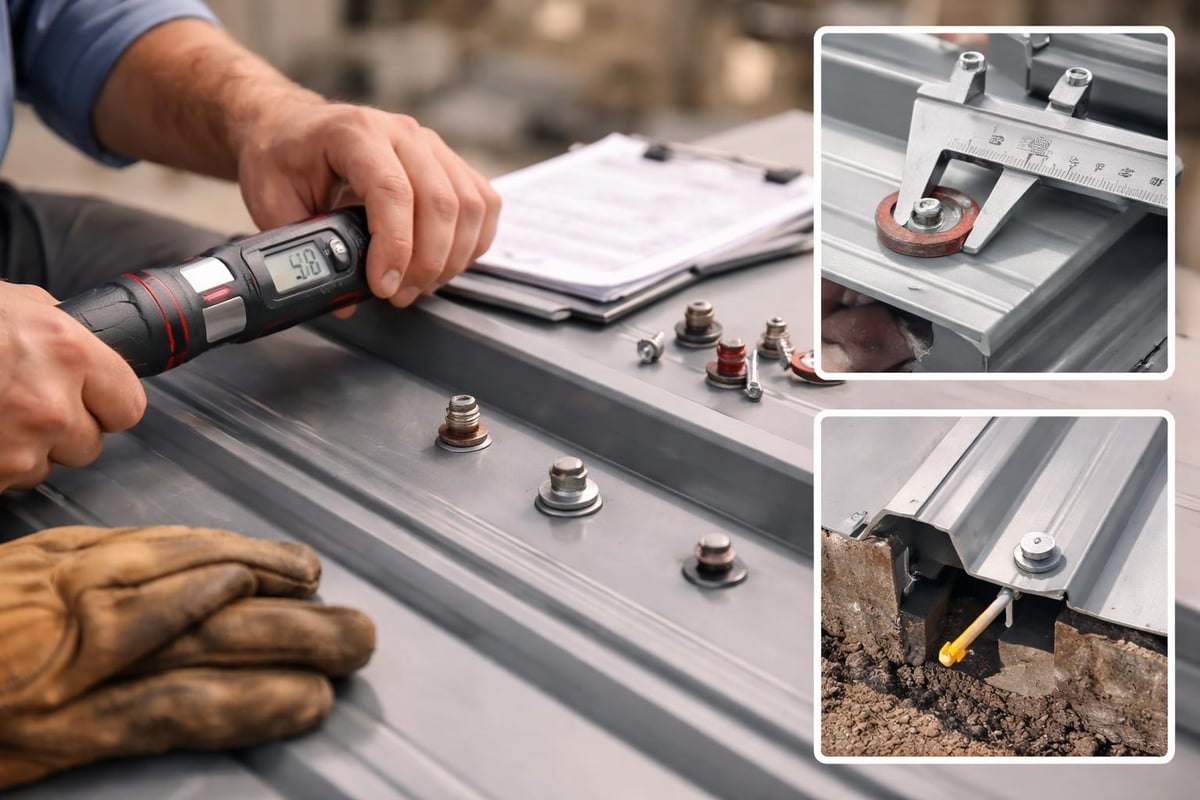
Thermal expansion and contraction cause fasteners to loosen over time. Metal panels expand in heat and contract in cold, creating movement that can work fasteners loose or tear washers. Inspect all visible fasteners biannually, looking for raised heads, missing washers, or rust staining indicating seal failure.
Exposed Fastener Systems
Exposed fastener roofs typically use self-tapping screws with neoprene or EPDM washers that compress to seal the penetration. These washers degrade from UV exposure and thermal cycling, requiring replacement every 10 to 15 years on average. Maintaining proper roof maintenance practices ensures fasteners remain watertight throughout the roof's service life.
Replace any fasteners with damaged washers immediately. When tightening loose fasteners, avoid over-tightening, which crushes washers and creates future leak points. Follow manufacturer torque specifications for consistent, proper sealing.
Standing Seam Panel Clips
Standing seam systems use clips that allow panels to move during thermal expansion while maintaining weather-tight seals. These clips rarely need replacement but require inspection for proper engagement and panel security. Look for clips that have shifted, corroded, or show signs of stress from excessive panel movement.
Coating Maintenance and Touch-Up
Protective coatings shield metal roofing from corrosion, UV damage, and environmental degradation. Even high-quality coatings eventually show wear, particularly in high-exposure areas like ridges, southern slopes, and near coastal environments. Maintaining coating integrity prevents rust formation and extends roof lifespan significantly.
Inspect coatings during each maintenance visit, looking for chalking, fading, or areas where metal substrate shows through. Minor coating damage can be addressed with manufacturer-approved touch-up paint, preventing small problems from becoming major corrosion issues.
Coating inspection checklist:
- Check for chalking or excessive fading
- Identify scratches exposing bare metal
- Look for bubbling or peeling areas
- Examine high-wear zones around penetrations
- Document UV-damaged sections on south-facing slopes
Address coating damage promptly. Clean affected areas thoroughly, remove any rust with appropriate treatments, and apply touch-up coatings according to manufacturer specifications. For extensive coating failure, consider professional recoating services to restore protection across the entire roof surface.
The six best practices for metal roof maintenance emphasize early intervention on coating issues. Small touch-ups cost little compared to panel replacement necessitated by advanced corrosion.
Managing Rust and Corrosion
While metal roofs resist corrosion better than many roofing materials, rust can develop under certain conditions. Cut edges, fastener penetrations, and areas where dissimilar metals contact create corrosion risks. Coastal properties, industrial environments, and areas with acid rain face elevated corrosion potential requiring additional attention.
Inspect for rust during every maintenance visit. Surface rust appears as light discoloration, while active corrosion shows as darker staining, pitting, or metal deterioration. Address rust immediately to prevent spreading and structural compromise.
| Rust Stage | Appearance | Treatment |
|---|---|---|
| Surface oxidation | Light discoloration | Wire brush and protective coating |
| Active rust | Dark staining, roughness | Rust converter and touch-up paint |
| Advanced corrosion | Pitting, metal loss | Panel replacement required |
Treatment depends on corrosion severity. Surface rust responds to gentle abrasion with wire brushes or synthetic pads, followed by rust-inhibiting primer and matching topcoat. Active rust requires chemical rust converters that neutralize corrosion before protective coating application.
When comparing flat roof versus metal roof systems, corrosion resistance represents a significant metal roof advantage. However, this benefit only materializes with proper maintenance and prompt rust treatment.
Seam and Panel Maintenance
Panel seams create weather-tight barriers when properly maintained. Standing seam systems rely on crimped or mechanically locked seams that occasionally need resealing or adjustment. Overlapping panel systems depend on sealant integrity and proper panel alignment to shed water effectively.
Inspect all seams for gaps, separation, or sealant deterioration. Standing seam systems rarely develop leaks at properly formed seams, but can show issues where panels connect to trim or at panel terminations. The essential metal roof maintenance tips recommend checking seam tightness as part of routine inspections, particularly after high winds or extreme temperature swings.
Overlapping panel systems use sealant between panels to prevent water infiltration. This sealant degrades over time, requiring periodic replacement. Look for dried, cracked, or missing sealant along panel overlaps, especially in valleys and low-slope areas where water moves slowly.
Addressing Panel Movement Issues
Metal panels expand and contract with temperature changes. Proper installation allows this movement without causing fastener failure or panel distortion. However, restricted movement from paint buildup, debris jamming, or improperly installed trim can cause oil-canning (visible panel waviness) or fastener problems.
If panels show movement restrictions, identify the source and correct it before damage occurs. Remove debris jamming panels, adjust trim pieces restricting movement, and ensure fasteners allow proper thermal expansion according to system design.
Drainage System Care
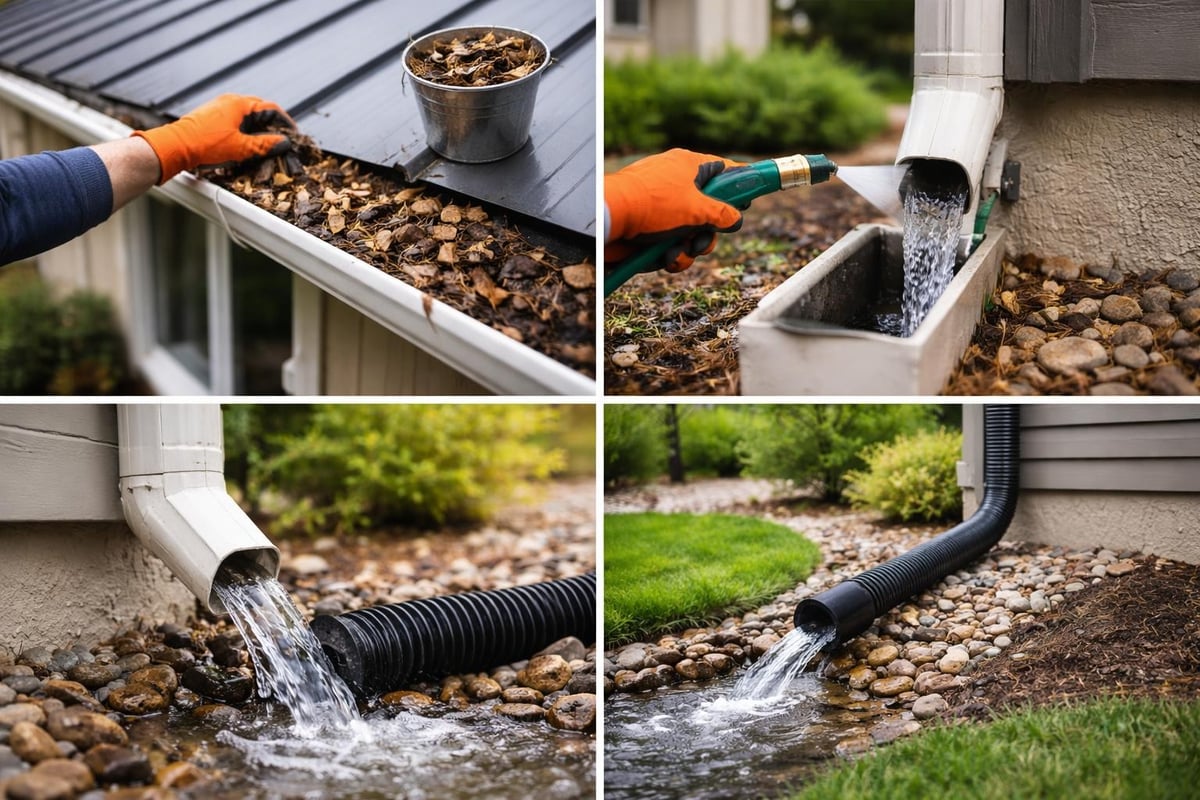
Effective drainage protects both your metal roof and building structure. Water that doesn't drain quickly can find entry points at seams, fasteners, or flashings. Ponding water accelerates coating degradation and creates rust conditions even on corrosion-resistant metals.
Clean gutters and downspouts during every roof maintenance session. Remove leaves, granules from adjacent roofing, and debris that restricts water flow. According to practical metal roof maintenance tips, clogged gutters represent one of the most common preventable causes of metal roof water damage.
Verify proper drainage slope across the entire roof surface. Metal roofing performs best with adequate pitch for water runoff. Low-slope areas require special attention to seam integrity and coating condition since water moves slowly and has more time to find entry points.
Drainage maintenance tasks:
- Clear all debris from gutters quarterly
- Flush downspouts to ensure free flow
- Inspect gutter hangers for secure attachment
- Check splash blocks and drainage extensions
- Verify roof slope maintains proper drainage
Properties with trees overhanging the roof need more frequent gutter cleaning. Consider gutter guards to reduce debris accumulation while maintaining proper water flow into the drainage system.
Flashing and Penetration Inspection
Flashings seal transitions between roofing planes, walls, and penetrations. These critical components prevent water entry at vulnerable roof areas. Metal roof maintenance must include thorough flashing inspection since most metal roof leaks originate at flashings rather than panel failures.
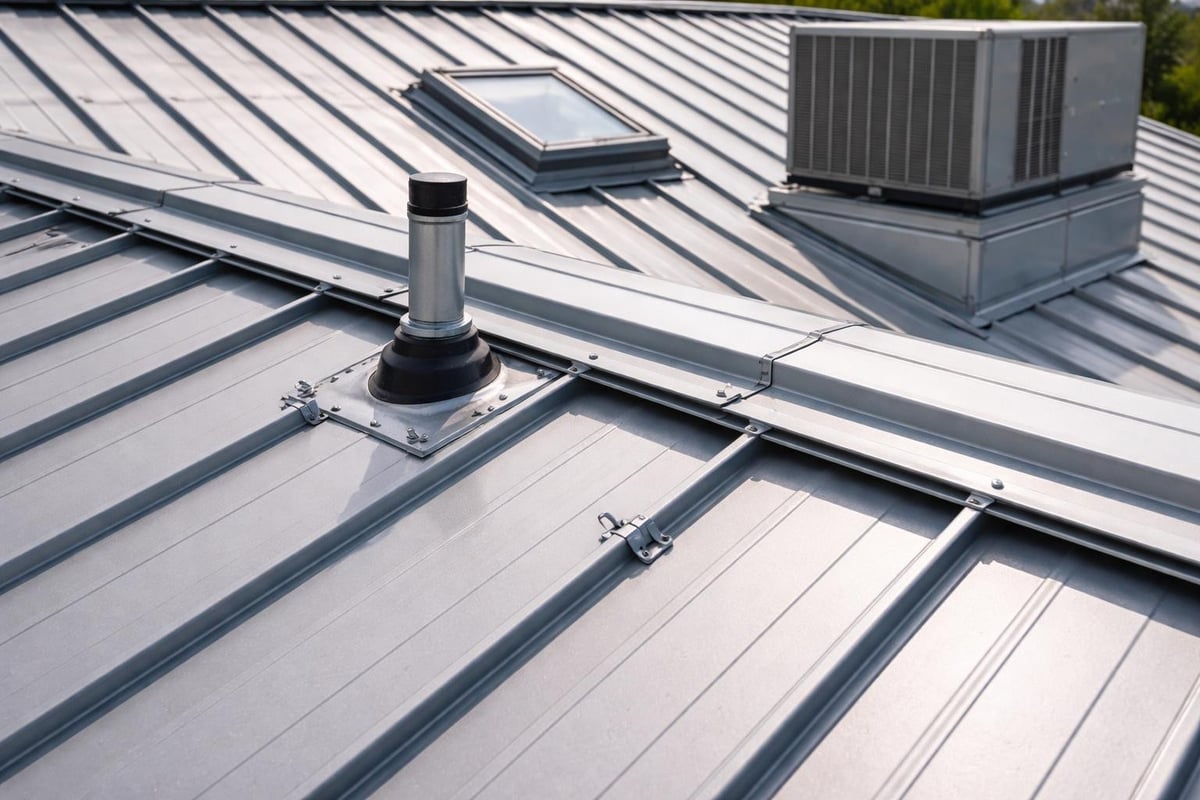
Examine all flashings for secure attachment, proper sealant condition, and correct positioning. Common flashing locations include chimneys, vent pipes, HVAC units, skylights, wall intersections, and roof valleys. Each flashing type has specific maintenance requirements and failure modes.
Penetration Flashings
Pipe boots, vent flashings, and equipment curbs require regular inspection for seal integrity and fastener condition. Rubber boots around plumbing vents deteriorate from UV exposure and temperature extremes, typically requiring replacement every 10 to 20 years depending on material quality and environmental conditions.
Check that all penetration flashings maintain proper height above the roof surface to prevent water entry during heavy rain or snow accumulation. Reseal around penetrations showing dried or cracked sealant using products compatible with both the flashing and roofing materials.
Valley and Wall Flashings
Valley flashings channel large water volumes and experience high stress during rain events. Inspect for proper underlayment protection, secure fastening, and complete coverage of the valley area. Wall flashings where roofs meet vertical surfaces must maintain continuous seals with proper counter-flashing installation.
Professional commercial roof repair and maintenance services include comprehensive flashing assessment using moisture meters and thermal imaging to detect hidden leaks before they cause significant damage.
Walking Safety and Traffic Management
Metal roofs present unique safety challenges during maintenance. Smooth surfaces become extremely slippery when wet, and painted finishes can be damaged by improper foot traffic. Establishing safe access procedures and minimizing roof traffic protects both maintenance personnel and the roofing system.
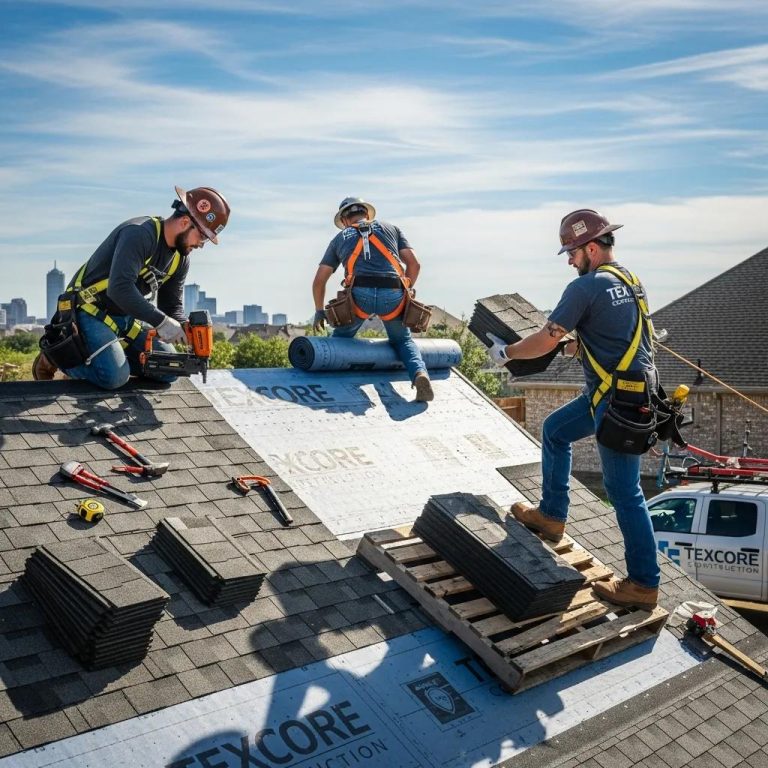
Use appropriate safety equipment including harnesses, roof anchors, and non-slip footwear whenever accessing metal roofs. Schedule maintenance during dry conditions when surfaces provide better traction. Never walk on metal roofs during rain, ice, or when morning dew creates slippery conditions.
Minimize foot traffic by planning efficient inspection routes and limiting the number of personnel on the roof simultaneously. Use walk pads or boards to distribute weight and protect painted surfaces when extensive roof access is necessary for maintenance or HVAC servicing.
Roof traffic guidelines:
- Always use fall protection equipment
- Walk near supporting structures when possible
- Avoid stepping on panel ridges or seams
- Use ladder stabilizers to prevent coating damage
- Schedule necessary roof work during ideal weather
For properties requiring frequent roof access for equipment maintenance, consider installing permanent walkway systems that protect the roofing surface while providing safe access paths.
Documentation and Record Keeping
Systematic documentation supports effective metal roof maintenance programs. Detailed records track maintenance history, identify recurring problems, and provide evidence for warranty claims or insurance purposes. Professional documentation includes photographs, detailed notes, and maintenance activity logs.
Photograph your roof during each inspection, capturing overall conditions and specific problem areas. Date all photographs and maintain organized files showing roof condition changes over time. This visual record proves invaluable when discussing repairs with contractors or filing insurance claims after storm damage.
Maintain a maintenance log recording all inspections, cleaning sessions, repairs, and observations. Note weather conditions during inspections, fasteners tightened or replaced, areas cleaned, and any concerns requiring future attention. The guide to effective roof maintenance programs emphasizes documentation as essential for maximizing roof longevity and supporting warranty compliance.
| Documentation Type | Contents | Frequency |
|---|---|---|
| Inspection reports | Condition notes, photos, measurements | Biannual minimum |
| Maintenance logs | Work performed, materials used, observations | Each service visit |
| Repair records | Problem description, solution, cost | As needed |
| Warranty documents | Installation records, manufacturer warranties | Retain indefinitely |
Store all documentation in both physical and digital formats for redundancy. Cloud-based storage ensures records survive building disasters while remaining accessible from any location.
Professional Maintenance Services
While property owners can perform basic metal roof maintenance tasks, professional services provide expertise, safety equipment, and comprehensive assessments that exceed typical owner capabilities. Professional roofers identify subtle problems, access difficult roof areas safely, and perform repairs meeting manufacturer specifications.
Annual or biannual professional inspections complement owner maintenance efforts. Professionals bring specialized equipment including moisture meters, thermal imaging cameras, and proper safety gear to perform thorough assessments. Their experience spotting early warning signs prevents small issues from becoming major problems.
Schedule professional maintenance for complex tasks including coating restoration, extensive fastener replacement, panel repairs, or flashing modifications. These specialized services require proper tools, materials, and expertise to maintain roof integrity and preserve warranty coverage.
Consider establishing a professional maintenance contract for commercial properties or large residential roofs. Regular professional service ensures consistent care, provides priority emergency response, and often costs less than reactive repairs resulting from neglected maintenance.
Seasonal Preparation and Storm Readiness
Preparing your metal roof for seasonal weather extremes prevents damage and extends system life. Fort Worth properties face diverse weather challenges including summer heat, severe thunderstorms, occasional ice events, and high winds. Each season brings specific maintenance priorities and preparation tasks.
Summer preparation:
- Inspect and tighten fasteners before storm season
- Clear drainage systems for heavy rainfall
- Check coating condition before intense UV exposure
- Trim overhanging branches that could impact roof
- Verify adequate attic ventilation to reduce heat buildup
Winter preparation:
- Remove debris that could trap ice or snow
- Inspect flashings and seals before freezing weather
- Clear gutters completely to prevent ice dams
- Check for loose panels that high winds could damage
- Ensure adequate insulation prevents ice dam formation
After severe weather events, inspect your roof promptly for damage. High winds can loosen fasteners or lift panels. Hail may dent softer metals or chip protective coatings. Even minor storm damage should be documented and addressed quickly to prevent secondary problems.
Warranty Compliance and Manufacturer Requirements
Most metal roofing warranties require documented maintenance to remain valid. Manufacturer warranties typically cover material defects and coating performance but exclude damage from neglected maintenance or improper repairs. Understanding your warranty terms and maintaining compliance protects your investment.
Review your roofing warranty to identify specific maintenance requirements. Many manufacturers require annual inspections, prompt repair of damage, and use of approved materials for any modifications or repairs. Failure to meet these requirements can void warranty coverage when you need it most.
Keep all maintenance records organized and accessible to demonstrate warranty compliance. If filing a warranty claim, provide complete documentation showing regular care and proper maintenance according to manufacturer specifications. This evidence supports your claim and expedites the warranty process.
When repairs become necessary, use materials and methods approved by your roofing manufacturer. Unauthorized repairs or incompatible materials can void warranties and create new problems. Consult manufacturer guidelines or work with approved contractors for warranty-compliant repairs.
Metal roof maintenance protects your investment and ensures decades of reliable performance when approached systematically with regular inspections, proper cleaning, fastener care, and timely repairs. Fort Worth property owners who implement these maintenance practices maximize their metal roofing system's longevity while minimizing costly emergency repairs. When you need expert assistance with metal roof care, inspections, or repairs, Texcore Construction provides professional roofing services backed by in-house crews, detailed documentation, and a five-year labor warranty. Our experienced team delivers the accountability and craftsmanship Fort Worth properties deserve, ensuring your metal roof performs reliably for decades to come.