Preventive Roof Maintenance Plans for Commercial Properties
Preventive Maintenance for Commercial Roofs: Inspections & Benefits
Preventive roof maintenance is a crucial aspect of managing commercial properties, ensuring longevity and functionality of roofing systems. This comprehensive guide will delve into the essential components of preventive roof maintenance plans, highlighting their importance in extending roof lifespan and reducing costs. Many property owners face challenges related to unexpected roof failures and costly repairs, which can disrupt business operations. Implementing a preventive maintenance plan offers a proactive solution to these issues, safeguarding investments and ensuring business continuity. In this article, we will explore the definition of commercial roof maintenance plans, effective inspection programs, the benefits of maintenance for property owners, tailored maintenance programs for different roof types, and how to choose a reliable contractor.
What is a Commercial Roof Maintenance Plan and Why is Preventive Care Essential?
A commercial roof maintenance plan is a structured approach to maintaining the integrity and performance of a roof over time. It involves regular inspections, maintenance tasks, and repairs aimed at preventing significant issues before they arise. Preventive care is essential because it helps identify potential problems early, allowing for timely interventions that can save property owners from costly repairs and extend the roof’s lifespan. By investing in a maintenance plan, property owners can ensure their roofs remain in optimal condition, ultimately protecting their investment and enhancing the building’s value.
Defining Preventive Commercial Roof Care and Its Key Components
Preventive commercial roof care encompasses several key components, including regular inspections, maintenance tasks, and documentation of the roof’s condition. Inspections should be conducted at least twice a year, focusing on areas such as drainage systems, flashing, and membrane integrity. Maintenance tasks may include cleaning gutters, repairing minor leaks, and replacing damaged flashing. Documenting the condition of the roof and any maintenance performed is crucial for tracking its health and planning future maintenance activities.
How Preventive Maintenance Extends Roof Lifespan and Saves Costs
Preventive maintenance significantly extends the lifespan of commercial roofs by addressing minor issues before they escalate into major problems. For instance, regular inspections can identify small leaks that, if left untreated, could lead to extensive water damage and costly repairs. Industry sources indicate that proactive maintenance can save property owners approximately 25% to 30% on repair costs over the roof’s lifespan. By investing in preventive care, property owners not only protect their roofs but also enhance their overall return on investment.
How to Implement an Effective Commercial Roof Inspection Program?
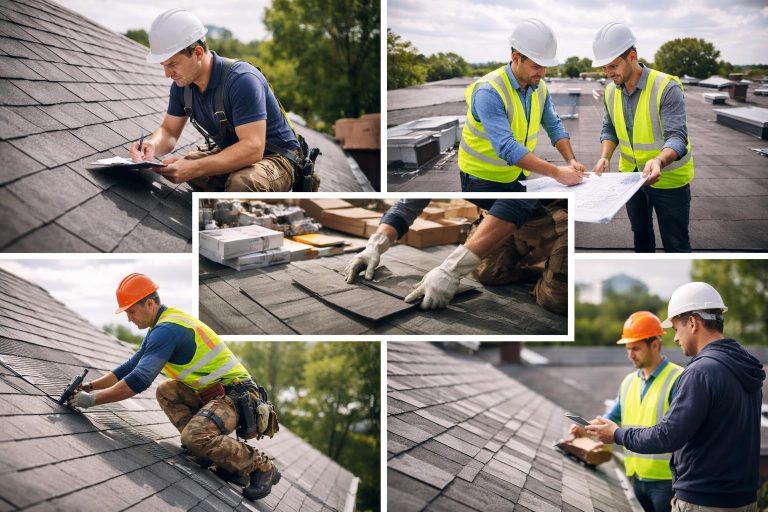
Implementing an effective commercial roof inspection program involves establishing a systematic approach to evaluating the roof’s condition regularly. This program should include a detailed checklist of inspection items, a schedule for inspections, and a process for documenting findings and actions taken.
What Should a Commercial Roof Maintenance Checklist Include?

A comprehensive commercial roof maintenance checklist should include the following items:
- Visual Inspection: Check for visible signs of damage, such as cracks, blisters, or missing roofing materials.
- Drainage System Evaluation: Ensure that gutters and downspouts are clear of debris and functioning properly.
- Flashing Inspection: Examine flashing around vents, chimneys, and other penetrations for signs of wear or damage.
- Membrane Condition: Assess the roof membrane for punctures, tears, or other issues that could compromise its integrity.
How Often Should Commercial Roofs be Inspected for Optimal Care?
Commercial roofs should be inspected at least twice a year, ideally in the spring and fall. Additionally, inspections should be conducted after severe weather events, such as heavy rain, snow, or hail. Regular inspections help identify potential issues early, allowing for timely repairs and maintenance.
What are the Benefits of Commercial Roof Maintenance for Property Owners?
The benefits of commercial roof maintenance for property owners are numerous and significant. Regular maintenance not only extends the lifespan of the roof but also ensures compliance with warranty requirements and supports business continuity.
How Preventive Maintenance Ensures Warranty Compliance and Business Continuity
Many roofing warranties require regular maintenance to remain valid. By adhering to a preventive maintenance plan, property owners can ensure compliance with warranty terms, protecting their investment. Additionally, a well-maintained roof minimizes the risk of unexpected failures, allowing businesses to operate smoothly without disruptions caused by roof-related issues.
What Cost Savings and ROI Can Be Expected from Proactive Roof Care?
Investing in proactive roof care can yield substantial cost savings and a strong return on investment. Property owners can expect to save on repair costs, reduce energy expenses through improved insulation, and enhance the overall value of their property. Industry estimates suggest that for every dollar spent on preventive maintenance, property owners can save approximately $3 to $4 in future repair costs.
Which Types of Commercial Roof Maintenance Programs Best Suit Different Roof Systems?
Different roof systems require tailored maintenance programs to address their unique needs. Understanding the specific requirements of each roof type is essential for effective maintenance.
How to Tailor Maintenance Plans for TPO, EPDM, Metal, and Flat Roofs

- TPO Roof Maintenance: Regular inspections should focus on seams and flashing, as these areas are prone to leaks. Cleaning the surface to remove debris is also crucial.
- EPDM Roof Maintenance: Inspect for punctures and tears, and ensure that the adhesive used for seams remains intact. Regular cleaning helps maintain the roof’s integrity.
- Metal Roof Maintenance: Check for rust and corrosion, particularly around fasteners. Regularly inspect and maintain the coating to prevent deterioration.
- Flat Roof Maintenance: Ensure proper drainage and inspect for standing water, which can lead to leaks. Regularly check the membrane for signs of wear.
What Are the Best Practices for Seasonal and Emergency Roof Maintenance?
Best practices for seasonal and emergency roof maintenance include:
- Seasonal Maintenance: Conduct thorough inspections before and after winter to address snow and ice buildup, and ensure drainage systems are clear.
- Emergency Maintenance: Have a plan in place for addressing unexpected issues, such as leaks or storm damage. Quick response can prevent further damage and costly repairs.
How to Choose a Reliable Commercial Roof Service Agreement and Contractor?
Choosing a reliable commercial roof service agreement and contractor is crucial for ensuring quality maintenance and repairs. Property owners should consider several factors when selecting a contractor.
What Qualities Define a Trusted Commercial Roof Maintenance Partner?
- Experience and Reputation: Look for contractors with a proven track record in commercial roofing.
- Licensing and Insurance: Ensure the contractor is properly licensed and insured to protect against liability.
- Customer Service: A reliable contractor should prioritize communication and customer satisfaction.
How to Structure and Understand Commercial Roof Service Agreements
When structuring a commercial roof service agreement, property owners should ensure it includes:
- Scope of Work: Clearly define the services to be provided, including inspection frequency and maintenance tasks.
- Pricing Structure: Understand the pricing model, whether it is a flat fee or based on services rendered.
- Termination Clause: Include terms for terminating the agreement if service quality does not meet expectations.
What Are Frequently Asked Questions About Preventive Commercial Roof Maintenance?
Preventive commercial roof maintenance often raises several questions among property owners. Understanding these common queries can help clarify the importance of maintenance plans.
What is Included in a Commercial Roof Maintenance Plan?
A commercial roof maintenance plan typically includes:
- Regular inspections
- Maintenance tasks such as cleaning and repairs
- Documentation of the roof’s condition and maintenance history
How Does Preventive Maintenance Compare to Emergency Roof Repairs?
Preventive maintenance is proactive, focusing on identifying and addressing issues before they escalate. In contrast, emergency repairs are reactive, often resulting in higher costs and more extensive damage. By investing in preventive maintenance, property owners can avoid the need for emergency repairs and the associated costs.
In conclusion, preventive roof maintenance plans are essential for commercial property owners seeking to protect their investments and ensure the longevity of their roofing systems. By implementing a structured maintenance program, property owners can enjoy significant cost savings, compliance with warranty requirements, and peace of mind knowing their roofs are well cared for.