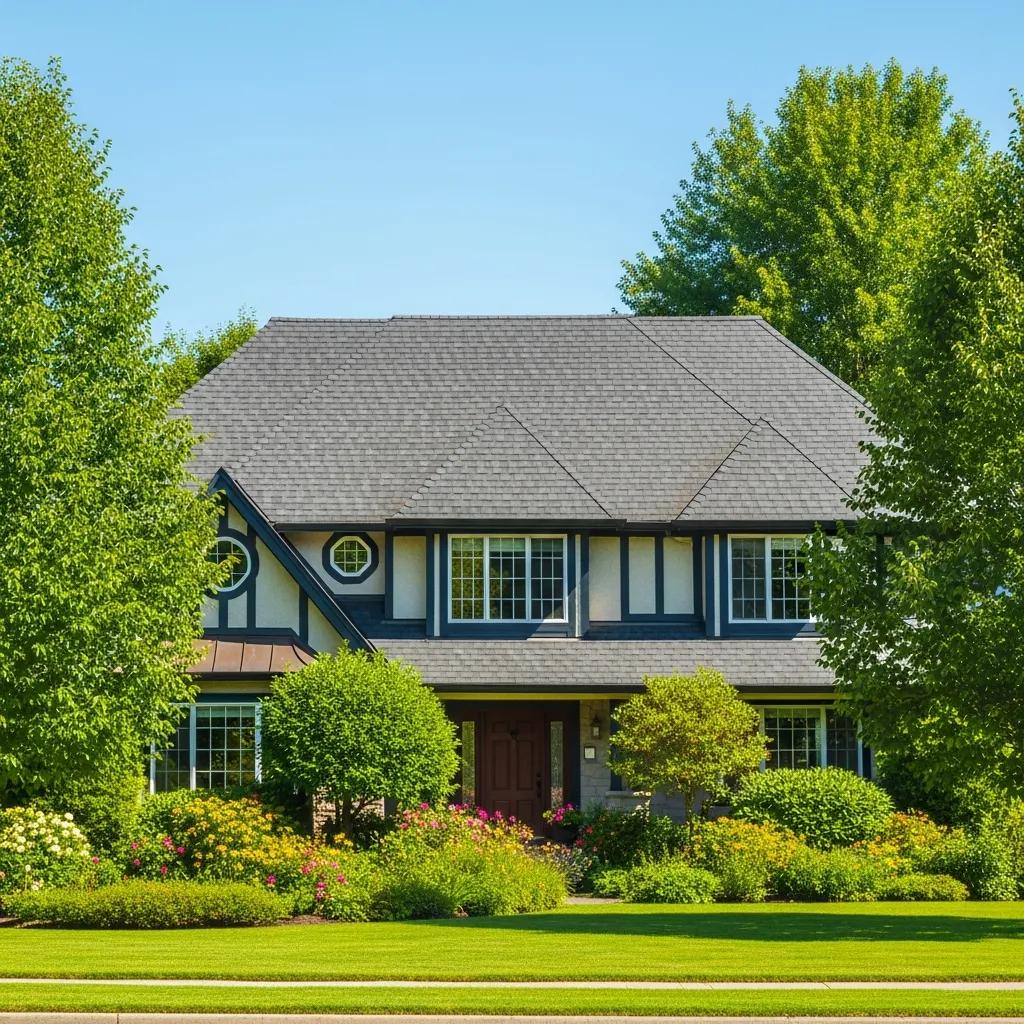
Residential Roof Repair vs. Replacement: When to Do Each
How to Decide Between Roof Repair and Replacement
Deciding whether to repair or replace your roof is a significant decision for homeowners, as it directly impacts the safety and value of your property. This article will guide you through the critical factors to consider when faced with roof damage, helping you make an informed choice. Understanding the signs that indicate whether a roof needs repair or replacement is essential for maintaining your home’s integrity. We will explore key indicators of roof damage, the influence of roof age and material on your decision, cost comparisons between repair and replacement, and the importance of hiring a professional roofing contractor. By the end of this article, you will have a clearer understanding of when to repair or replace your roof.
What Are the Key Signs Your Roof Needs Repair or Replacement?
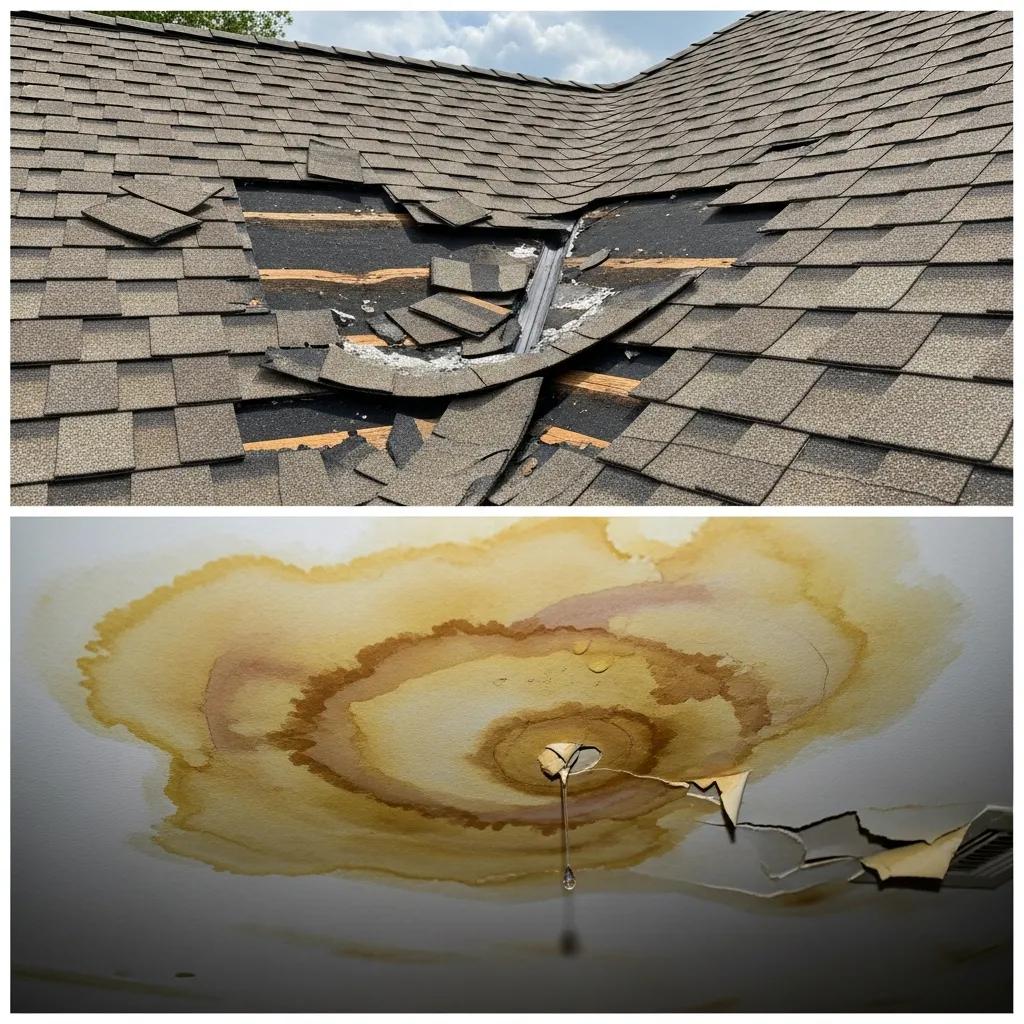
Identifying the signs that your roof requires attention is crucial for maintaining the safety and functionality of your home. Common indicators of roof damage include leaks, missing shingles, curling shingles, and visible wear and tear. Timely action can prevent further damage and costly repairs down the line. Homeowners should regularly inspect their roofs for these signs to ensure they address issues before they escalate.
How to Identify Common Roof Damage Types Like Leaks and Missing Shingles
Leaks are one of the most evident signs of roof damage. They can manifest as water stains on ceilings or walls, indicating that water is penetrating through the roof. Missing shingles are another critical indicator; if you notice several shingles missing or damaged, it can compromise the roof’s integrity. Curling or cracked shingles also signal deterioration. Regular inspections can help you catch these issues early, allowing for timely repairs that can extend the life of your roof.
When Does Roof Damage Indicate Replacement Instead of Repair?
In some cases, the extent of the damage may warrant a complete roof replacement rather than repairs. If the damage is widespread, such as significant structural issues or if the roof is nearing the end of its lifespan, replacement may be the more cost-effective option. Additionally, if your roof has more than two layers of shingles, many local building codes require a complete replacement instead of repairs.
How Does Roof Age and Material Affect Repair vs. Replacement Decisions?
The age and material of your roof play a significant role in determining whether to repair or replace it. Different roofing materials have varying lifespans, which can influence your decision-making process. Understanding these factors can help you make a more informed choice regarding your roof’s maintenance.
What Is the Average Lifespan of Popular Roofing Materials Like Asphalt Shingles?
Asphalt shingles, one of the most common roofing materials, typically last between 20 to 25 years for standard 3-tab shingles, and up to 30 years for architectural shingles. Other materials, such as metal roofing, can last 40 to 70 years, while slate roofing can last over 100 years. Knowing the average lifespan of your roofing material can help you assess whether repairs are sufficient or if a replacement is necessary.
When Should Asphalt Shingles Be Replaced Based on Age and Condition?
Asphalt shingles should be replaced if they are over 25 years old and showing signs of significant wear, such as curling, cracking, or granule loss. If you notice multiple shingles in poor condition, it may be time to consider a full replacement to ensure the roof’s effectiveness and protect your home from potential leaks and damage.
What Are the Cost Differences Between Roof Repair and Replacement?
Understanding the financial implications of roof repair versus replacement is essential for homeowners. The costs can vary significantly based on the extent of the damage, the materials used, and labor costs in your area.
How Much Does Roof Repair Typically Cost Compared to Replacement in 2025?
In 2025, the average cost of roof repair can range from $300 to $1,200, depending on the severity of the damage. In contrast, a full roof replacement can cost between $7,000 and $15,000 or more, depending on the size of the roof and the materials chosen. Homeowners should weigh these costs against the potential long-term benefits of each option.
How Can Insurance Claims Impact Roof Repair and Replacement Costs?
Insurance claims can significantly affect the costs associated with roof repair and replacement. Many homeowners’ insurance policies cover roof damage due to specific events, such as storms or fire. Understanding your policy’s coverage can help you navigate the claims process and potentially reduce out-of-pocket expenses for repairs or replacement.
How to Navigate Roof Damage Insurance Claims Effectively?
Navigating the insurance claims process can be daunting for homeowners. Knowing what types of roof damage are typically covered and how to file a claim can streamline the process and ensure you receive the necessary support.
What Types of Roof Damage Are Usually Covered by Homeowners Insurance?
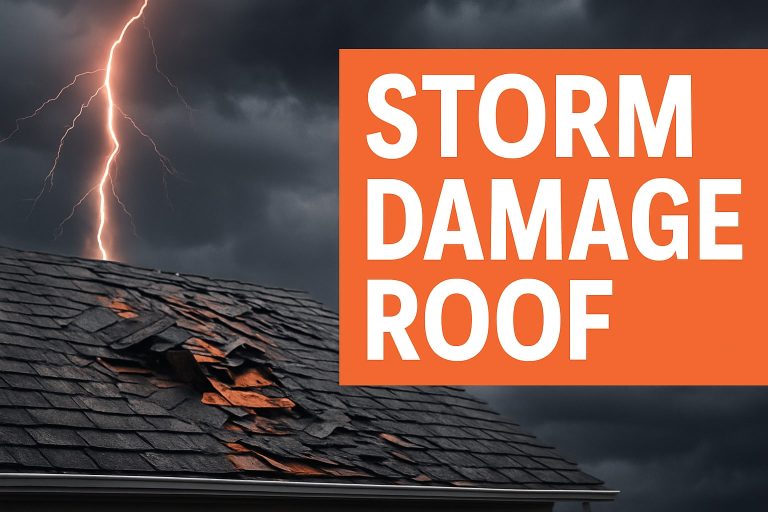
Homeowners insurance typically covers roof damage caused by specific perils, such as fire, hail, or windstorms. However, damage due to lack of maintenance or wear and tear is usually not covered. Understanding your policy’s specifics can help you determine what damages you can claim.
How Do Depreciation and Replacement Cost Value Affect Your Claim?
Depreciation can significantly impact the amount you receive from an insurance claim. Insurance companies often calculate the replacement cost value based on the roof’s current condition and age. Homeowners should be aware of how depreciation affects their claims to ensure they receive a fair settlement.
When Is It Best to Hire a Professional Roofing Contractor for Repair or Replacement?
Hiring a professional roofing contractor is crucial for ensuring that repairs or replacements are done correctly. Understanding when to seek professional help can save you time, money, and potential headaches.
What Qualifications Should You Look for in a Roofing Contractor?
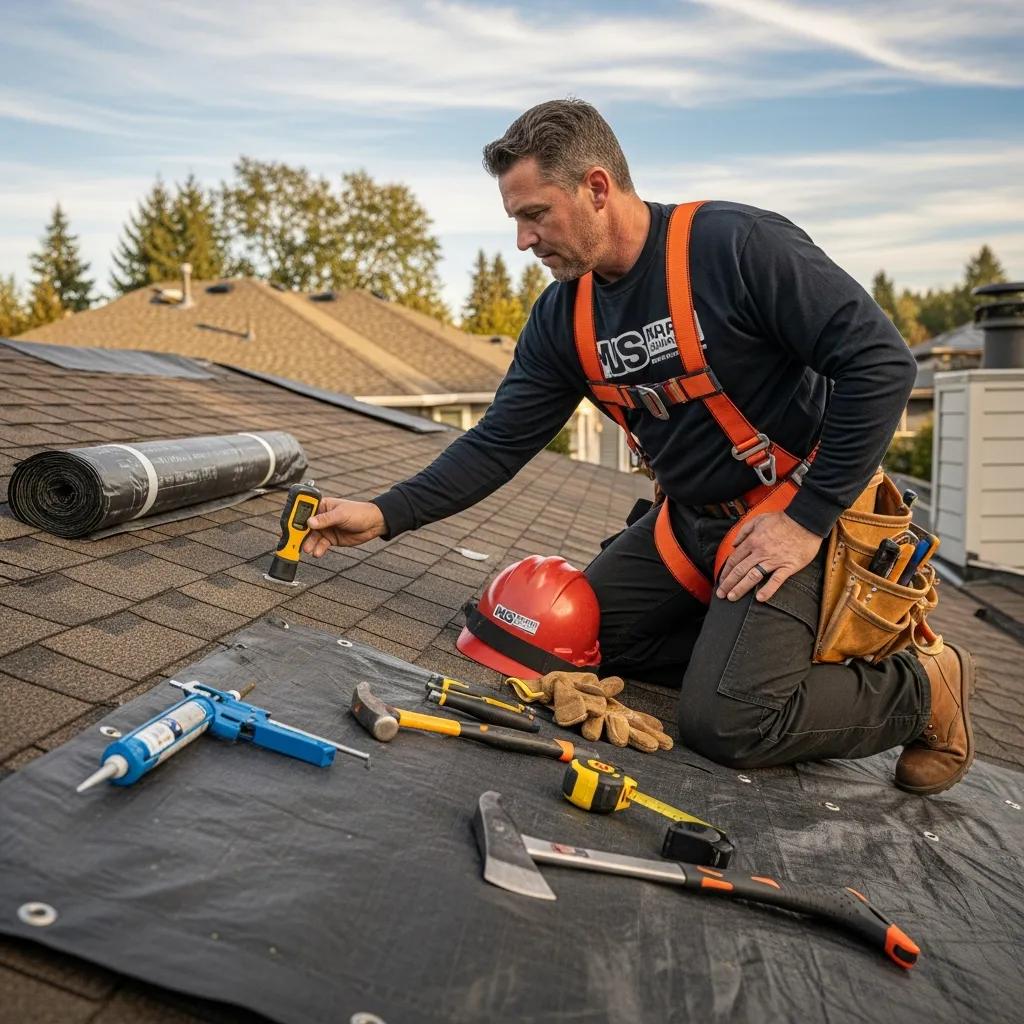
When hiring a roofing contractor, look for qualifications such as proper licensing, insurance, and experience in the industry. A reputable contractor should also provide references and a detailed estimate of the work to be performed. Ensuring that your contractor meets these criteria can help you avoid potential issues down the line.
How to Get Accurate Estimates and Warranties from Roofing Professionals?
Obtaining accurate estimates from roofing professionals involves getting multiple quotes and ensuring that each estimate includes a detailed breakdown of costs. Additionally, inquire about warranties on both materials and labor to protect your investment. A reliable contractor should be transparent about their warranty policies.
How Can Proper Roof Maintenance Extend Your Roof’s Lifespan?
Regular roof maintenance is essential for extending the lifespan of your roof and preventing costly repairs or replacements. Implementing a maintenance plan can help you identify and address issues before they escalate.
What Preventative Measures Help Avoid Costly Repairs or Early Replacement?
Preventative measures include regular inspections, cleaning gutters, and addressing minor repairs promptly. Homeowners should also consider seasonal maintenance, such as checking for ice dams in winter or ensuring proper ventilation in summer, to maintain their roof’s integrity.
How Often Should You Inspect Your Roof for Damage?
Homeowners should inspect their roofs at least twice a year, ideally in the spring and fall. Additionally, it is wise to inspect your roof after severe weather events, such as storms or heavy snowfall, to catch any potential damage early.
This table illustrates the average lifespans and cost ranges for various roofing materials, helping homeowners make informed decisions regarding repairs and replacements.
Homeowners must stay vigilant about roof maintenance and repairs to protect their investment. By understanding the signs of damage, the implications of roof age and material, and the financial aspects of repair versus replacement, you can make informed decisions that ensure the longevity and safety of your home.