7 Key Roof Damage Storm Warning Signs to Spot in 2026
Each year, unpredictable storms catch homeowners off guard, leaving roofs exposed to potential disaster. A single severe weather event can quickly turn minor issues into major headaches.
Spotting roof damage storm indicators early is crucial for avoiding unexpected repair bills and protecting your home’s value. Many costly repairs start as small, hidden problems that go unnoticed after a storm.
This article will help you recognize the most critical warning signs of roof damage storm events. You’ll learn the seven key signs, how to identify them, and why quick action can save you time and money. Protect your peace of mind—regular inspections are your first line of defense.
Understanding Roof Storm Damage: Why Early Detection Matters
Severe weather can strike with little warning, leaving homes vulnerable to both immediate and hidden threats. When a storm rolls through, the potential for roof damage storm events rises dramatically. High winds, hail, torrential rain, and debris can all compromise a roof’s integrity, sometimes in ways that are not immediately obvious.
Visible signs such as missing shingles or dented gutters often signal deeper problems beneath the surface. Yet, it is the hidden roof damage storm issues that frequently cause the most trouble. Water can seep through tiny cracks or beneath displaced flashing, eventually leading to leaks and rot that are costly to repair. Ignoring these warning signs may result in structural damage, higher repair bills, and even loss of warranty coverage.
Consider the data: Wind speeds over 39 mph have enough force to lift shingles, while hail as small as one inch can strip protective granules from roofing materials. In fact, 12.6 million U.S. properties are at high risk from hail damage, exposing homeowners and insurers to massive financial losses each year. This makes roof damage storm prevention and detection a top priority for property owners across many regions.
Routine inspections play a crucial role in catching early signs of roof damage storm impacts. Not only do they help extend the lifespan of your roof, but they also ensure that manufacturer warranties remain valid. Insurance claims are far more likely to be accepted when there is clear evidence of timely maintenance and documentation after a storm event.
It’s important to recognize that some areas are more prone to certain types of storms. For example, hail-prone regions in the Midwest and South face different threats than coastal zones where high winds and flying debris are more common. Understanding local risks will help you prioritize the right inspections and protective measures.
Often, small issues like a missing shingle or minor leak can quickly escalate. Delayed repairs can allow water to penetrate deeper, affecting insulation, ceilings, and even structural beams. This can lead to mold growth, reduced home value, and complications with insurance claims.
In summary, early detection of roof damage storm problems is essential for safeguarding your property. Regular inspections, prompt repairs, and awareness of regional risks will help prevent minor issues from becoming major headaches.
7 Key Roof Damage Storm Warning Signs to Spot
Storms can unleash a range of threats on your roof, from fierce winds to pounding hail. Early recognition of roof damage storm signs gives you the best chance to protect your home and avoid costly repairs. Understanding these warning signs empowers homeowners and property managers to act quickly, minimizing disruption and preserving property value.
Regular, careful inspections after severe weather will help you spot issues before they escalate. Below are the seven most critical warning signs of roof damage storm events, along with practical tips to help you identify and address them.
1. Missing or Damaged Shingles
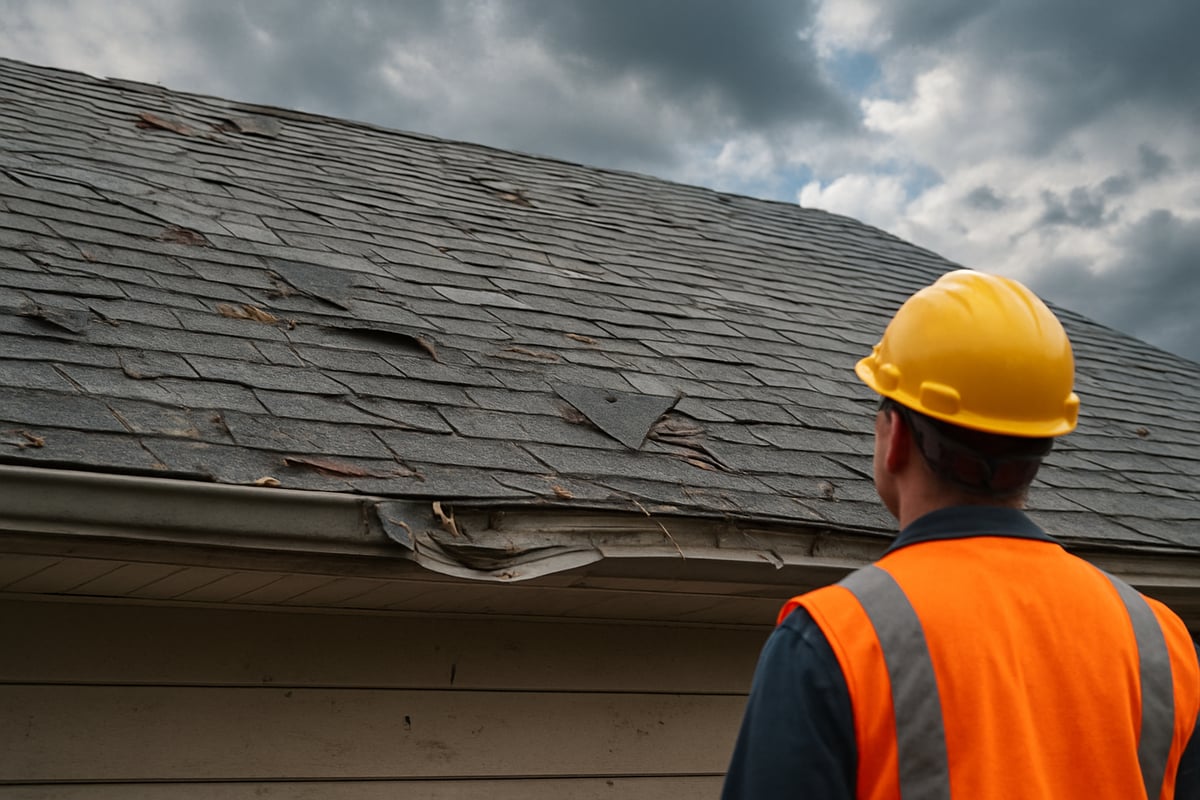
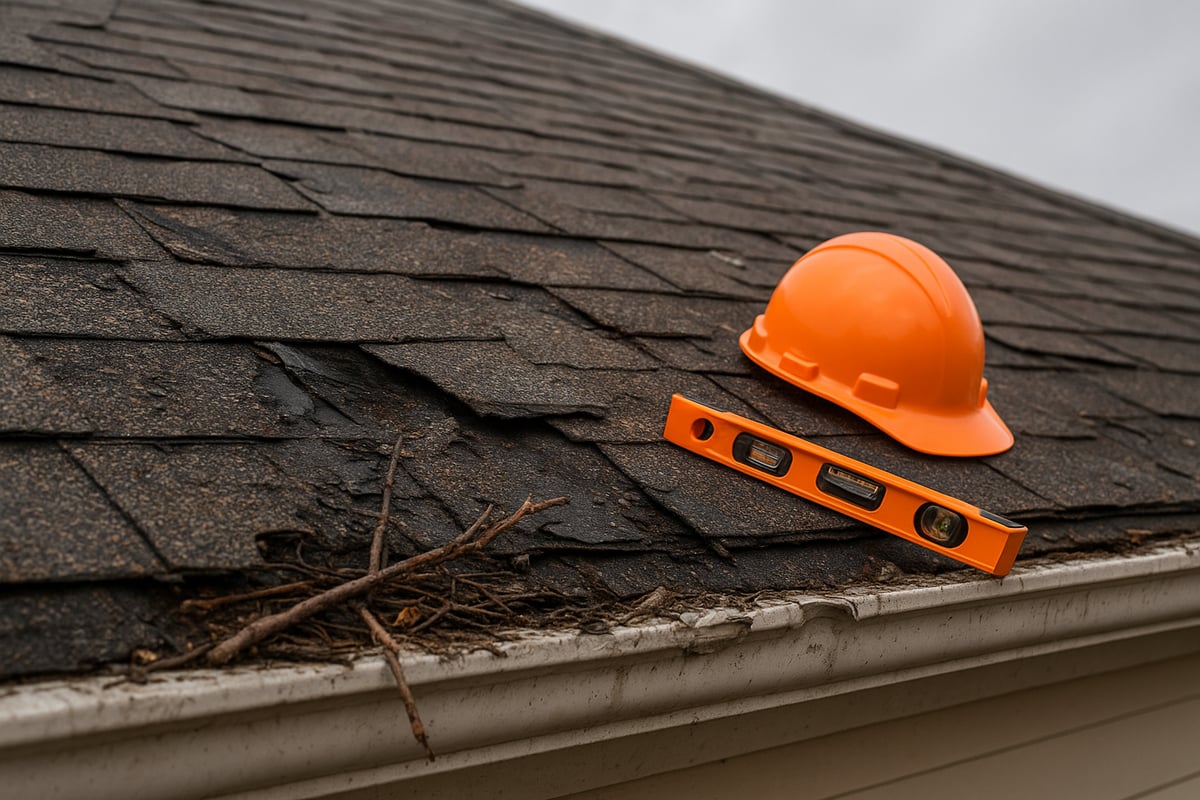
After a roof damage storm, one of the most obvious warning signs is missing or damaged shingles. High winds can lift shingles from the roof, while hail can crack or break them completely. These vulnerabilities often appear as bare patches, curled, buckling, or cracked shingles scattered across the roof surface.
Check your yard and the area surrounding your home for shingle debris after a storm. Wind-driven rain and hail can cause shingles to detach, especially along the edges and ridges of the roof, which are most exposed during severe weather. Even a few missing shingles can lead to significant moisture intrusion, exposing the underlayment and decking to water.
The integrity of shingles is crucial for waterproofing. When shingles are compromised, water can seep beneath the surface, eventually causing leaks or rot. It is important to note that even minor shingle loss can result in major leaks over time, especially if unaddressed. Industry experts recommend inspecting your roof’s edges and ridges first, as these spots are most susceptible to roof damage storm effects.
Promptly replacing missing or damaged shingles helps maintain your roof’s defense against future storms. Ignoring this warning sign can lead to larger, more expensive repairs down the road.
2. Granule Loss and Bald Spots
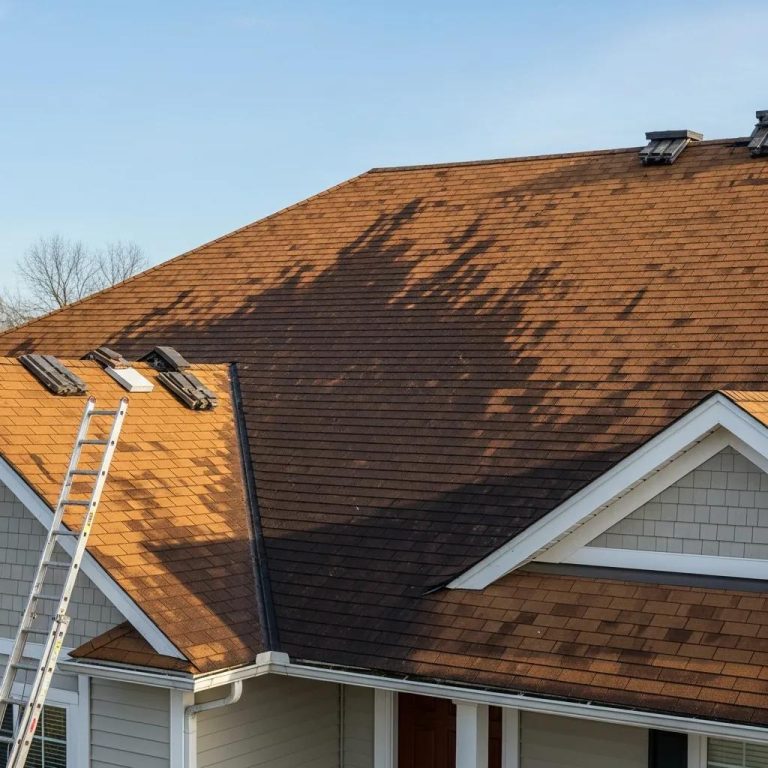
Shingle granules are the tiny, sand-like particles that cover asphalt shingles, providing protection from the sun’s UV rays and enhancing fire resistance. During a roof damage storm, hail and heavy rain can dislodge these granules, leaving behind bald spots and uneven coloration.
After a storm, check gutters and downspouts for an accumulation of granules. You might notice a sandy residue in gutter runoff, a common indicator of granule loss. On the roof, look for areas where shingles appear darker or smoother than the surrounding surface—these are often bald spots where granules have been stripped away.
Significant granule loss accelerates roof aging, making shingles more vulnerable to sun damage and water infiltration. This early warning sign is often overlooked but is critical to catch, as it can indicate the start of more severe roof damage storm problems.
Insurance adjusters frequently use granule loss as a metric for storm claim eligibility. If you suspect hail has impacted your roof, consult a resource like Roof Hail Damage Signs for more detailed identification tips. Addressing granule loss promptly helps extend your roof’s lifespan and reduces the risk of major repairs.
3. Water Stains and Leaks Inside the Home
Water stains and leaks inside your home are serious red flags after a roof damage storm. Storm-damaged roofs often allow water to seep through, resulting in visible stains on ceilings or walls, peeling paint, and damp insulation in attics.
Leaks do not always appear immediately; sometimes, it can take weeks for water to travel and show up as a stain. Homeowners should inspect living spaces and attics regularly after major storms. According to industry data, water damage is among the leading causes of costly home repairs, making early detection critical.
During your inspection, look for yellow or brown discoloration on ceilings and walls. Check insulation for dampness and feel for any soft spots in the attic. In many cases, an attic inspection can reveal hidden leaks that have not yet reached your living space.
If you spot signs of a leak, act quickly to prevent mold growth and further structural damage. Interior water intrusion often signals more extensive roof damage storm issues, so do not ignore these warnings. Swift action can save you thousands in repairs and preserve your home’s value.
4. Dented, Damaged, or Clogged Gutters and Downspouts
Gutters and downspouts play a vital role in channeling water away from your roof and foundation. During a roof damage storm, hail, wind, and debris can dent or clog these drainage systems, compromising their effectiveness.
Inspect your gutters for visible dents, sagging sections, or areas where water overflows instead of draining properly. Detached gutter segments and standing water are also warning signs. Tree limbs or hailstones can cause noticeable dents after a storm, while accumulated debris can clog the system, leading to water pooling at the roof’s edge.
Clogged gutters are a frequent cause of roof edge rot and water back-up, which can damage both the roof and the home’s foundation. Maintenance best practices recommend cleaning gutters after every major storm to prevent blockages and ensure proper drainage.
Gutter damage often goes hand in hand with shingle or flashing issues, amplifying the effects of roof damage storm events. Addressing gutter problems promptly helps safeguard your entire roofing system and reduces the risk of secondary issues.
5. Flashing Damage or Displacement
Roof flashing is the thin metal material installed at joints, valleys, and around roof penetrations such as chimneys, vents, and skylights. Its main function is to direct water away from vulnerable areas. During a roof damage storm, wind and debris can loosen, bend, or completely displace flashing.
Common signs of flashing damage include loose or missing sections, visible gaps, or bent metal around roof joints and penetrations. After a storm, pay special attention to flashing in valleys and around chimneys or skylights, as these are frequent trouble spots.
Damaged flashing is a leading cause of hidden leaks. Water can seep through even small openings, resulting in long-term moisture damage that may not be immediately visible. Many insurance policies cover flashing repairs if storm-related, so documenting this type of roof damage storm is important.
Professional inspection is highly recommended for flashing issues, as improper repairs can compromise your roof’s waterproof barrier. Addressing flashing problems quickly helps prevent extensive water intrusion and maintains your home’s structural integrity.
6. Sagging Roof Deck or Uneven Rooflines
A sagging roof deck or uneven roofline is a significant warning sign following a roof damage storm. Water infiltration and structural damage can weaken the roof’s decking, causing visible dips, uneven lines, or soft spots when walking on the surface.
Inspect your roof from the ground for any noticeable sags or irregularities. If safe, gently press on areas you suspect may be weak—softness underfoot often signals compromised decking. Heavy rainstorms can exacerbate existing weaknesses, making prompt attention crucial.
Sagging is usually an indicator of long-term moisture problems or structural failure. Building codes require immediate attention to maintain safety. Ignoring this sign can lead to partial or complete roof collapse, endangering occupants and increasing repair costs.
Early detection of a sagging roof deck can sometimes prevent the need for full roof replacement. If you notice uneven rooflines after a roof damage storm, consult a professional immediately to assess the extent of the damage and recommend solutions.
7. Debris Accumulation and Impact Damage
Storms often leave behind fallen branches, limbs, and windblown debris on rooftops. These objects can puncture, dent, or otherwise damage roofing materials, creating entry points for water. After a roof damage storm, survey your roof for visible debris, impact marks, torn shingles, or punctures.
Homeowners frequently find branches or other debris lodged on the roof after severe weather. While large debris is easy to spot, even small objects can compromise shingle seals or block drainage paths, leading to hidden issues beneath the surface.
It is important to remove debris safely and inspect for underlying damage. Do not attempt to clear large or hazardous debris yourself—professional cleanup ensures both safety and a thorough assessment of potential roof damage storm effects.
Best practice suggests using binoculars or a drone for a safe preliminary inspection. Addressing debris accumulation quickly helps maintain the roof’s protective barrier and prevents further complications from unnoticed impact damage.
How to Conduct a Thorough Roof Inspection After a Storm
After a roof damage storm, a careful inspection is essential to catch problems before they escalate. Even if your roof appears intact from the ground, hidden issues may lead to leaks or structural damage down the line. Knowing how to inspect for storm damage ensures you protect both your home and your investment.

Safety First: Precautions and When to Call a Professional
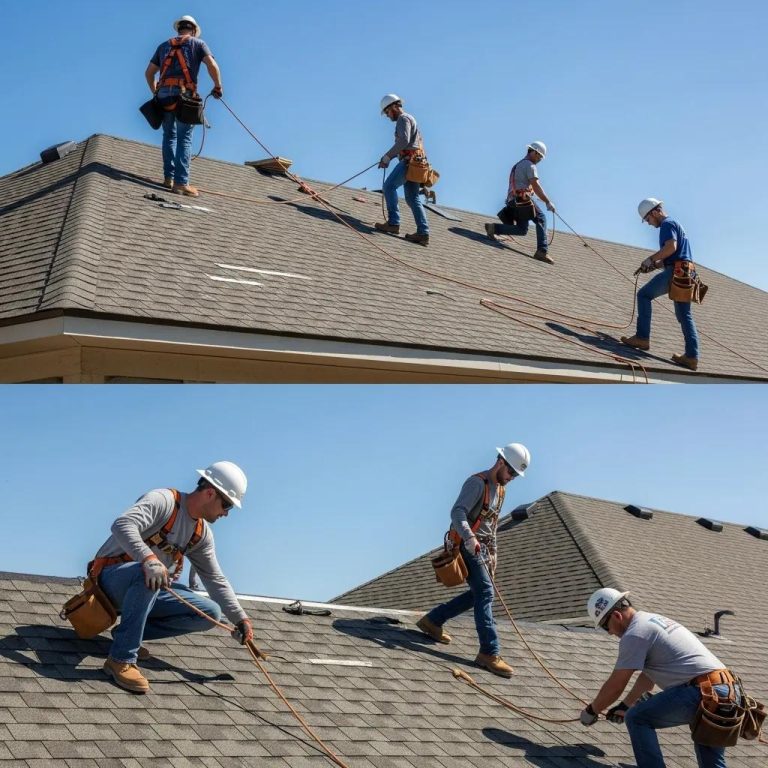
Safety should always come first after a roof damage storm. Climbing onto a wet or storm-affected roof can be hazardous, increasing the risk of slips and falls. It is best to start with a visual inspection from the ground or inside the attic using a flashlight.
If you decide to get a closer look, wear sturdy shoes with good grip, gloves, and consider using a harness. However, for major storms or if you notice significant structural issues, it is safer to call a licensed roofing professional. Many contractors offer free or low-cost inspections after severe weather. Relying on experts not only ensures your safety but also provides a more thorough assessment.
Step-by-Step Roof Inspection Checklist
A systematic approach helps you spot hidden and obvious signs of roof damage storm impacts. Begin by walking around your home and looking for missing or damaged shingles, dented gutters, and displaced flashing. Use binoculars for a closer view without leaving the ground.
Next, check inside your attic for water stains, damp insulation, or daylight peeking through the roof boards. Inspect ceilings and walls for signs of leaks or discoloration. Remove any visible debris and ensure gutters and downspouts are clear. Document all findings with photos and notes.
For a more detailed guide, consult a Post-storm roof inspection checklist to help ensure no critical step is missed.
Documenting Damage for Insurance Claims
Careful documentation is crucial for insurance claims after a roof damage storm. Start by taking wide shots of the entire roof, then close-ups of specific damage like torn shingles or bent flashing. Capture serial numbers or labels on roofing materials if possible.
Keep a log of the date, details about the storm, and all repairs or temporary fixes you perform. Save copies of receipts for any emergency work. This thorough record speeds up the claim process and increases your chances of approval. Contact your insurance provider promptly to report the damage and start your claim.
A well-documented inspection can make the difference between a smooth claim and a denied one. Do not underestimate the value of organized records after any roof damage storm.
Preventing Future Roof Storm Damage: Proactive Maintenance Tips
Proactive maintenance is the most effective way to protect your home from roof damage storm risks. Taking action before severe weather strikes can extend your roof’s lifespan, reduce costly repairs, and help preserve your property value. By implementing a few essential strategies, homeowners and property managers can minimize vulnerability and maintain peace of mind year-round.
Regular Cleaning and Debris Removal
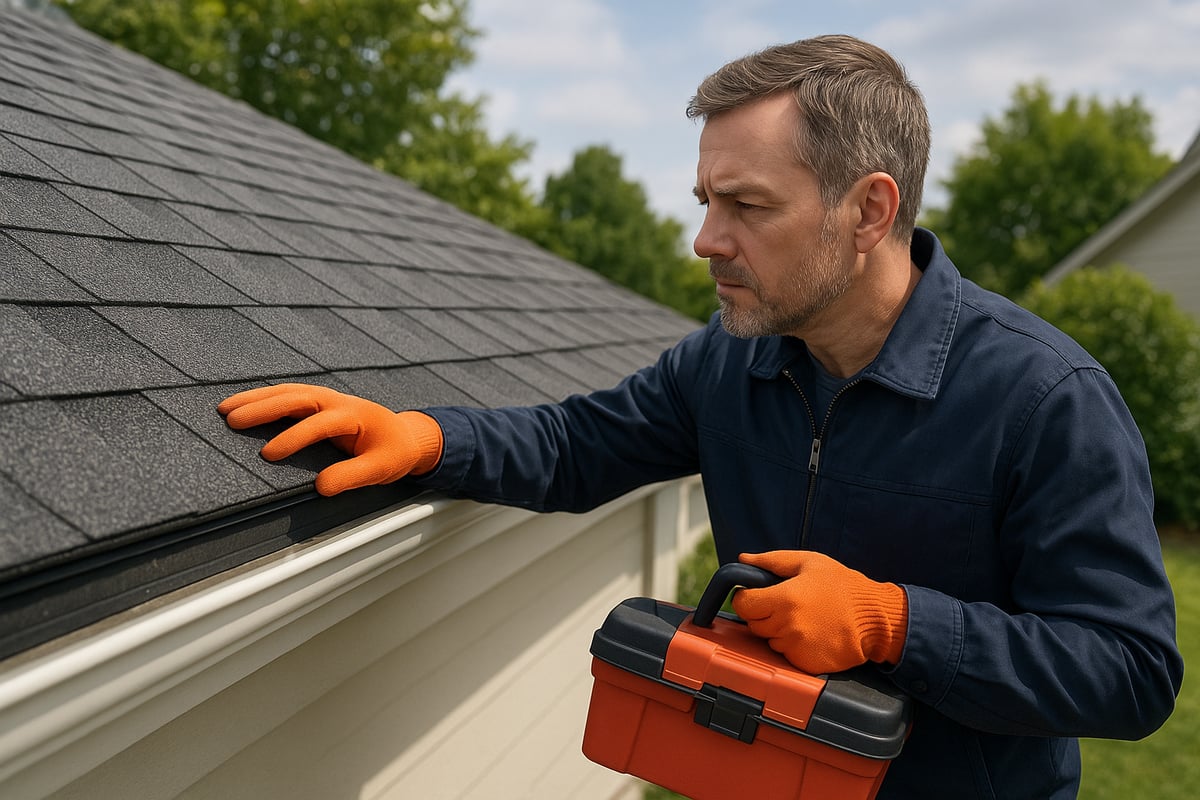
Routine cleaning is a cornerstone of roof damage storm prevention. Leaves, twigs, and other debris can clog gutters, leading to water pooling and eventual leaks. After every significant storm, visually inspect your roof’s surface, removing any branches or debris that may have accumulated.
- Clean gutters and downspouts at least twice a year, or more often in areas with heavy foliage.
- Trim tree branches that hang over your roof to prevent impact damage.
- Remove moss or algae growth to avoid moisture retention.
These simple steps help prevent water buildup and structural issues, reducing the risk of roof damage storm events causing costly repairs.
Annual Roof Inspections
Scheduling a professional inspection annually is one of the most powerful defenses against roof damage storm. Certified roofers can spot early warning signs that a typical homeowner might miss, such as minor flashing displacement or subtle shingle wear.
During inspections, ensure that the following areas are checked:
- Shingles for cracks or curling
- Flashing around chimneys, skylights, and vents
- Roof valleys and edges, where damage often starts
- Attic and ceilings for water stains or mold
Committing to yearly assessments keeps your roof in optimal condition, helping you detect roof damage storm issues before they escalate.
Upgrade Materials and Reinforce Vulnerable Areas
Investing in durable roofing materials is a smart way to guard against roof damage storm. Impact-resistant shingles and modern flashing systems offer better protection against hail, wind, and debris.
Consider these upgrades:
- Replace worn shingles with impact-rated options
- Upgrade flashing to more resilient materials
- Reinforce roof edges and valleys with additional sealant or metal strips
According to industry data, proactive upgrades and maintenance can reduce storm-related roof claims by up to 30%. For more detailed guidance on selecting materials and best practices, explore these Storm Damage Roof Repair Tips.
Improve Attic Ventilation and Recordkeeping
Proper attic ventilation is often overlooked, yet it plays a crucial role in preventing moisture buildup and roof damage storm complications. Ensure your attic has adequate airflow to discourage mold, mildew, and wood rot.
- Install or maintain ridge vents and soffit vents
- Check for blocked airflow paths
- Monitor attic humidity, especially after storms
Keep detailed records of all maintenance, inspections, and repairs. This documentation is invaluable for insurance claims and warranty validation, especially if a roof damage storm event does occur.
Consistent recordkeeping and improved ventilation both strengthen your roof’s resilience to severe weather.
Conclusion
By embracing proactive maintenance, you can dramatically reduce the likelihood of roof damage storm incidents and extend the life of your investment. Regular cleaning, timely inspections, strategic upgrades, and proper ventilation form a powerful defense against the elements. Establish a maintenance schedule, keep thorough records, and stay vigilant—your roof, and your peace of mind, will thank you.
When to Seek Professional Help for Roof Storm Damage
After a major storm, deciding when to call in a professional for roof damage storm assessment is crucial. Some situations demand immediate attention from experts, especially if you notice severe leaks, a sagging roof deck, or entire sections of shingles missing. These issues can quickly escalate, putting your home’s structure and safety at risk.
For many types of roof damage storm events, the signs are not always obvious. While you may spot missing shingles or dented gutters from the ground, more complex issues like compromised underlayment or hidden water intrusion require a trained eye. Roofing contractors have specialized tools such as moisture meters and infrared cameras to detect problems lurking beneath the surface.
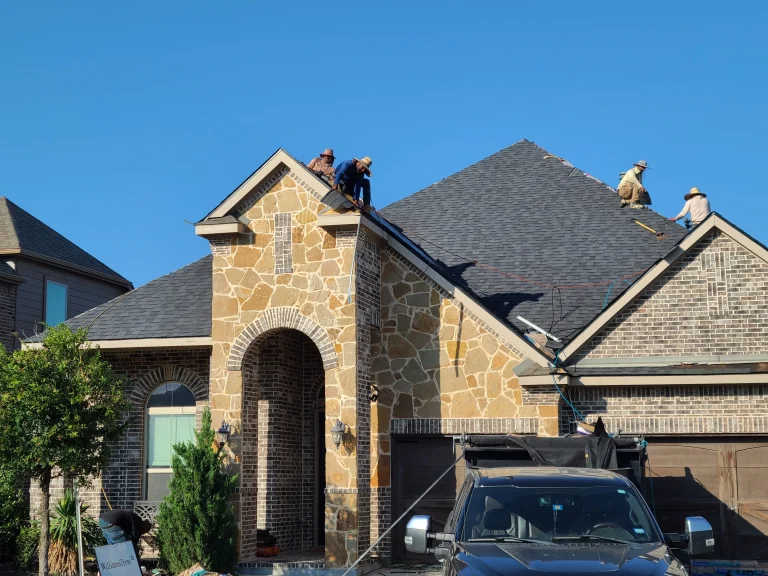
It is important to recognize that not all roof damage storm impacts are visible. Sometimes, the most serious concerns are only discovered during a comprehensive inspection by a qualified professional. Attempting to fix these problems yourself can be dangerous and may void your roof warranty. Instead, contact a licensed, insured, and reputable roofing contractor for a thorough evaluation. Many companies, like those offering Emergency Roof Repair Services, provide rapid assessments and repairs to prevent further deterioration.
When choosing a contractor, keep these tips in mind:
- Check reviews and ratings from previous customers.
- Verify credentials to ensure they are licensed and insured.
- Request detailed written estimates outlining scope, materials, and costs.
- Ask about experience with roof damage storm repairs in your region.
- Look for certifications from recognized industry organizations.
Prompt action is essential after any roof damage storm. Delaying repairs can lead to costly secondary damage, such as mold growth or interior water intrusion. Additionally, thorough documentation and professional assessments can streamline the insurance claim process. For guidance on navigating this process, refer to the Roofing Insurance Claims Guide, which outlines steps to ensure your claim is handled efficiently.
In summary, do not underestimate the importance of professional help when dealing with roof damage storm aftermath. With expert support, you can protect your investment, restore your home’s integrity, and avoid unnecessary expenses down the line.
After learning about the most important storm warning signs to watch for in your roof, it’s clear that regular inspections can make all the difference in protecting your property and your peace of mind. Even if everything looks fine from the ground, subtle damage often hides until it becomes a much bigger problem. If you want the confidence of knowing your roof is truly secure, I recommend taking advantage of a no obligation checkup from trusted professionals. You can easily Schedule Your Free Certified Roof Inspection and get clear answers about your roof’s condition—before the next storm hits.