
Roof Replacement Contractors Near Me: Expert Guide
Finding qualified roof replacement contractors near me requires more than a quick internet search. Your roof represents one of the most significant investments in your property, and choosing the right contractor can mean the difference between decades of protection and years of costly repairs. This comprehensive guide walks you through the essential steps to identify, evaluate, and select a roofing contractor who delivers quality workmanship, transparent communication, and long-term reliability. Whether you're dealing with storm damage, age-related deterioration, or planning a proactive upgrade, understanding how to assess local contractors ensures your project succeeds from inspection through final installation.
Understanding What Makes a Qualified Roofing Contractor
Professional roofing contractors bring specialized expertise, proper credentials, and proven systems to every project. The distinction between qualified professionals and unlicensed operators becomes apparent when examining their business fundamentals.
Licensing and Certification Requirements
State and local licensing requirements vary significantly across the country.Licensing requirements differ by jurisdiction, with some states mandating specific roofing contractor licenses while others require general contractor credentials. Understanding your area's requirements protects you from liability and ensures compliance with building codes.
Licensed contractors demonstrate their commitment to professional standards by:
- Maintaining current licensing with state and local authorities
- Carrying comprehensive general liability insurance
- Providing workers' compensation coverage for all crew members
- Holding manufacturer certifications for specific roofing systems
- Completing continuing education requirements

Insurance and Bonding Fundamentals
Insurance protection creates a safety net for property owners throughout the replacement process. Comprehensive general liability coverage protects your property from damage during construction, while workers' compensation ensures you're not liable if crew members suffer injuries on site.
Request certificates of insurance directly from the contractor's insurance carrier, not photocopies from the contractor. Verify coverage amounts meet or exceed your project's value and confirm the policies remain active throughout your project timeline.
| Insurance Type | Minimum Coverage | What It Protects |
|---|---|---|
| General Liability | $1-2 million | Property damage, third-party injuries |
| Workers' Compensation | State minimums | Employee injuries, medical costs |
| Commercial Auto | $500,000+ | Vehicle accidents, equipment transport |
How to Build Your Initial Contractor Shortlist
Creating a focused list of potential roof replacement contractors near me starts with strategic research across multiple channels. Quality contractors maintain consistent reputations across various platforms and verification sources.
Research Methods That Deliver Results
Begin with manufacturer referral programs, which recommend contractors who meet strict certification standards. Major roofing material manufacturers maintain contractor networks that undergo regular performance reviews and training requirements.
Explore these additional research channels:
- Local building supply companies that work with professional contractors daily
- Professional associations like the National Roofing Contractors Association
- Community forums and neighborhood social media groups
- Real estate agents who observe contractor work quality over time
- Property management companies that handle multiple roofing projects annually
The National Roof Certification and Inspection Association provides guidance on selecting professional roofing contractors, emphasizing verification of credentials and business practices.
Reading Reviews With a Critical Eye
Online reviews provide valuable insights when evaluated thoughtfully. Look for patterns rather than focusing on isolated complaints or glowing testimonials. Contractors with hundreds of reviews and ratings above 4.5 stars demonstrate consistent performance.
Pay attention to how contractors respond to negative reviews. Professional responses that acknowledge concerns and explain resolution steps indicate accountability and customer service commitment. Defensive or dismissive responses suggest problematic communication patterns that may surface during your project.
The Inspection and Estimate Process Decoded
Professional roof replacement contractors near me conduct thorough inspections before providing estimates. This process reveals their attention to detail, technical knowledge, and commitment to accurate project scoping.
What Comprehensive Roof Inspections Include
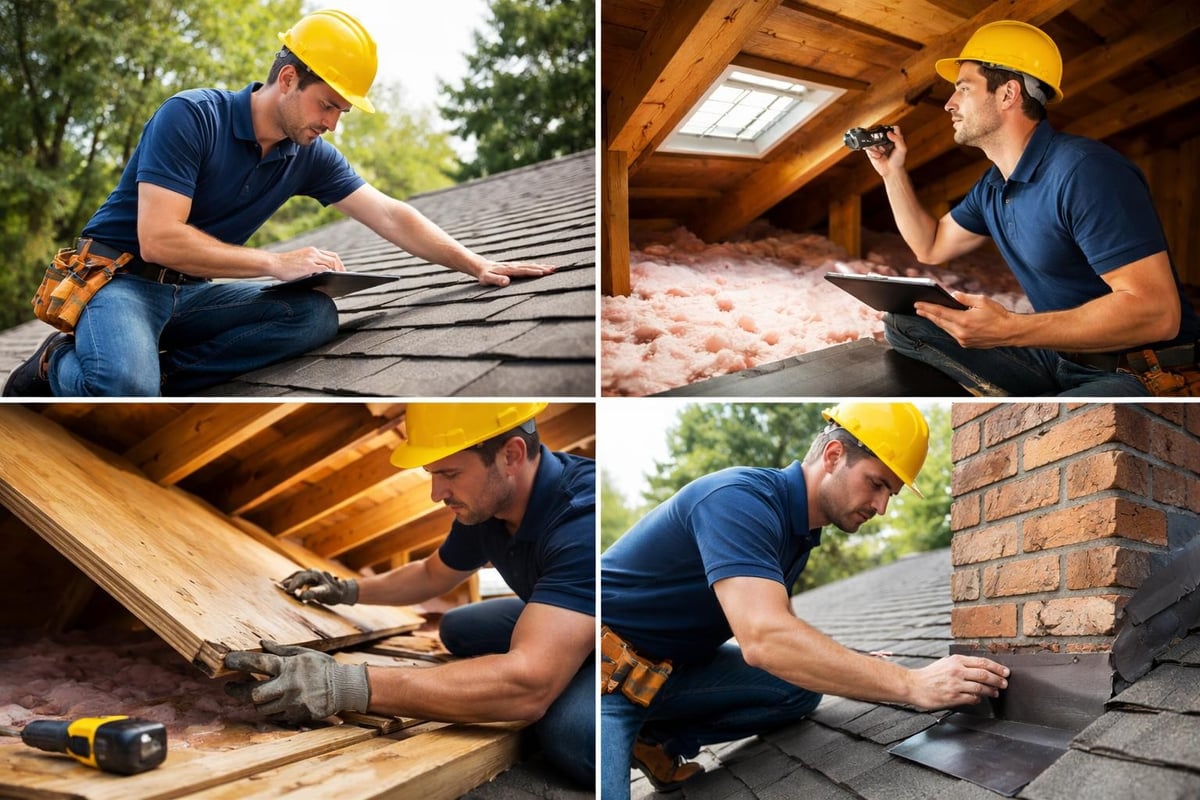
Detailed inspections examine every component that affects your roof's performance and longevity. Qualified contractors inspect attic ventilation, decking condition, flashing integrity, and drainage systems in addition to surface materials.
A complete inspection should document:
- Current roof condition including damage location and severity
- Structural deck integrity identifying any rot, sagging, or deterioration
- Ventilation assessment measuring airflow and temperature regulation
- Code compliance gaps noting requirements for permits and regulations
- Material recommendations explaining options suited to your building type
Contractors who skip attic inspections or provide estimates without accessing the roof surface often underestimate project scope, leading to change orders and budget overruns.
Interpreting Detailed Estimates and Proposals
Professional estimates provide itemized breakdowns rather than single lump-sum figures. Detailed proposals specify material brands, product lines, warranty terms, project timeline, and payment schedules. This transparency allows meaningful comparisons between contractors.
Compare these critical estimate components:
- Material specifications including manufacturer, product line, and color
- Scope of work detailing tear-off, installation, and cleanup procedures
- Warranty coverage separating material and labor guarantees
- Timeline expectations with start and completion dates
- Payment structure outlining deposit, progress payments, and final payment
Lowest bids often signal cost-cutting through inferior materials, inexperienced crews, or incomplete scope coverage.Getting multiple estimates helps identify fair market pricing while revealing which contractors truly understand your project requirements.
Red Flags That Signal Contractor Problems
Recognizing warning signs early prevents costly mistakes and project failures. Certain behaviors and business practices consistently predict poor outcomes regardless of initial impressions.
Business Practice Warning Signs
Legitimate roof replacement contractors near me operate with transparency and professionalism. Pressure tactics, unusual payment demands, and communication gaps indicate potential problems.
Watch for these concerning patterns:
- Requiring large upfront deposits exceeding 10-20% of project cost
- Offering steep discounts for signing same-day contracts
- Operating without local addresses or using only P.O. boxes
- Avoiding written contracts or providing vague agreement terms
- Lacking proper identification on vehicles, uniforms, or business cards
Storm-chasing contractors who appear after severe weather events often disappear before warranty issues surface. Local, established contractors maintain ongoing reputations and remain available for warranty service and future needs.
Project Management Red Flags
Communication quality during the estimate phase predicts project management throughout installation. Contractors who respond slowly, miss appointments, or provide inconsistent information rarely improve once work begins.
Additional warning signs include:
- Reluctance to provide references from recent projects
- Inability to explain material choices or installation methods
- Pressure to make immediate decisions without time for consideration
- Offering to handle insurance claims without proper documentation
- Suggesting unnecessary repairs unrelated to roof replacement
Vetting Contractors Through References and Past Work
Direct verification through references and project portfolios provides concrete evidence of contractor capabilities. This step separates marketing claims from actual performance.
Conducting Meaningful Reference Checks
Request references from projects completed within the past 12-24 months with similar scope and building types. Recent references reflect current crew quality, material suppliers, and business practices.
Ask references these specific questions:
- Did the contractor complete work within the estimated timeline?
- How did they handle unexpected issues or additional repairs?
- Did the final cost align with the original estimate?
- How would you rate communication throughout the project?
- Would you hire them again for future roofing work?
Drive by completed projects when possible to assess workmanship quality firsthand. Examine flashing details, shingle alignment, and overall appearance. Well-executed projects show clean lines, proper material integration, and professional finishing.
Portfolio Assessment Strategies
Experienced contractors maintain portfolios showcasing diverse project types, materials, and complexity levels. Review portfolios for projects matching your building style, roof complexity, and material preferences.
Quality portfolios demonstrate:
- Before and after documentation showing transformation clarity
- Detail shots highlighting flashing, valleys, and penetration work
- Variety in project types indicating broad capabilities
- Recent work reflecting current standards and techniques
- Problem-solving examples illustrating challenge resolution
Understanding Warranties and Long-Term Protection
Warranty coverage determines your protection years after installation completion. Comprehensive warranties address both material defects and installation workmanship, creating multiple layers of security.
Material Versus Labor Warranties Explained
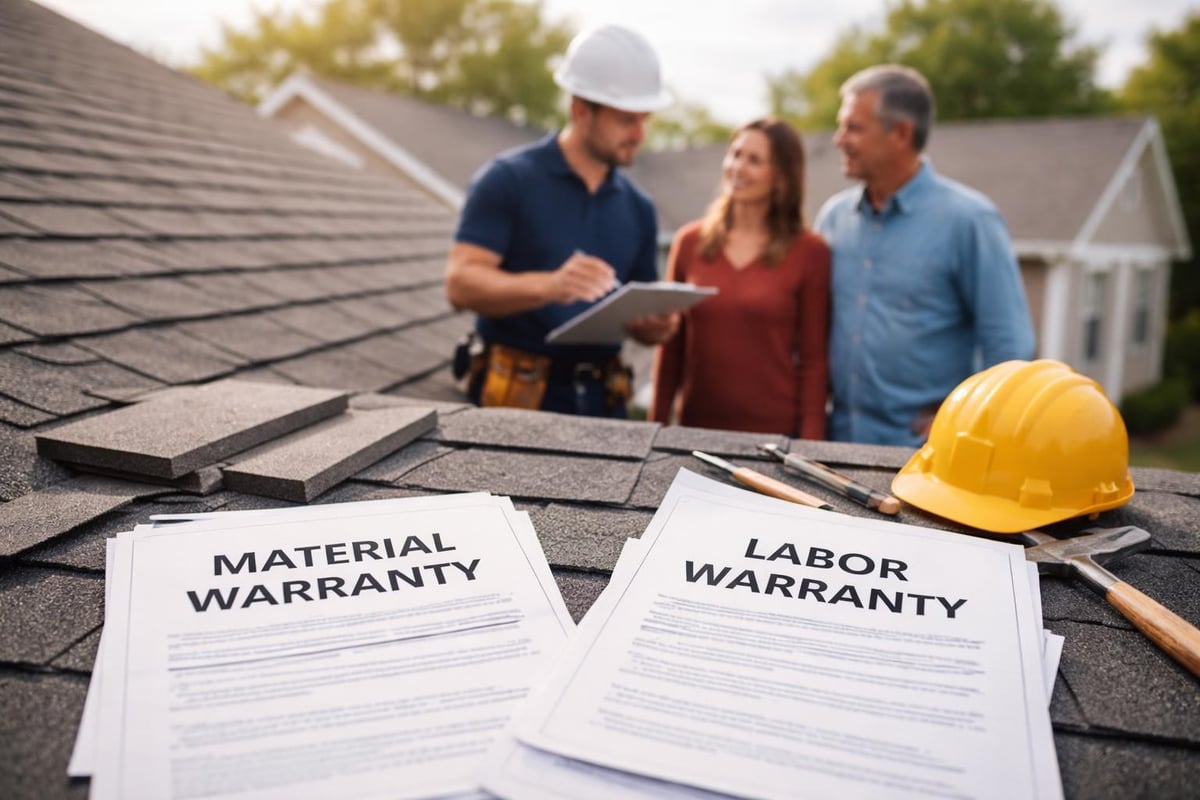
Manufacturer material warranties cover defects in roofing products themselves, typically ranging from 25 years to lifetime coverage depending on product lines. These warranties require proper installation by certified contractors to remain valid.
Labor warranties protect against installation errors and workmanship failures. Contractor-provided labor warranties vary dramatically, with terms ranging from one year to ten years or more. Texcore Construction backs every project with a five-year labor warranty, demonstrating confidence in their in-house crews and installation quality.
| Warranty Type | Coverage Duration | What's Protected | Requirements |
|---|---|---|---|
| Material | 25-50 years | Manufacturing defects, premature failure | Certified installer, proper maintenance |
| Labor | 1-10 years | Installation errors, workmanship issues | Original contractor availability |
| System | 10-30 years | Integrated component performance | Complete system installation |
Transferability and Claim Processes
Transferable warranties add value when selling your property, allowing new owners to benefit from remaining coverage. Review transfer requirements, as some manufacturers charge fees or impose conditions for warranty transfers.
Understanding claim processes before problems arise streamlines resolution if issues develop. Document required procedures, contractor responsibilities, and manufacturer contact protocols. Contractors who provide clear warranty documentation and explain claim steps demonstrate commitment to long-term customer relationships.
Contract Essentials and Payment Protection
Written contracts formalize agreements and protect both parties throughout the project. Comprehensive contracts eliminate ambiguity and provide recourse if disputes arise.
Critical Contract Components
Professional contracts specify every aspect of the roof replacement project in clear, unambiguous language. Detailed contracts prevent misunderstandings and establish accountability frameworks.
Essential contract elements include:
- Complete scope of work describing tear-off, installation, and cleanup procedures
- Material specifications listing manufacturers, product lines, colors, and quantities
- Project timeline with start date, substantial completion, and final completion
- Payment schedule outlining deposit, progress payments, and final payment terms
- Change order procedures explaining how modifications are approved and priced
- Lien waiver provisions protecting against subcontractor and supplier claims
- Warranty documentation detailing both material and labor coverage terms
Never sign contracts with blank sections or verbal agreements not captured in writing. Reputable roof replacement contractors near me provide complete documentation before requesting signatures or deposits.
Payment Schedules That Protect Homeowners
Fair payment structures align with project milestones rather than front-loading contractor compensation. Standard payment schedules request modest deposits, progress payments tied to completion stages, and final payment upon satisfactory project completion.
Reasonable payment structures follow this pattern:
- Deposit (10-20%) upon contract signing and material ordering
- Progress payment (30-40%) when tear-off completes and installation begins
- Second progress payment (30-40%) at substantial completion
- Final payment (10-20%) after final inspection and cleanup
Avoid contractors demanding full payment upfront or cash-only transactions. These payment demands often signal financial instability or fraudulent operations.
The Role of In-House Crews Versus Subcontractors
The employment structure roof replacement contractors near me use directly impacts quality consistency, accountability, and project communication. Understanding crew composition helps predict your experience throughout installation.
Quality Control and Accountability Differences
Contractors using in-house crews maintain direct supervision, consistent training standards, and quality accountability. When companies like Texcore Construction complete all work with their own licensed and insured teams, every crew member represents the company's reputation and follows established procedures.
Subcontractor-based operations introduce variables that complicate quality control. Multiple crews may work under different supervision, follow varying installation standards, and maintain inconsistent communication practices. This fragmentation often creates gaps in accountability when issues arise.
Benefits of in-house crews include:
- Consistent training across all team members
- Direct supervision throughout every project phase
- Unified communication channels with one point of contact
- Accountability concentrated within a single organization
- Established relationships between crew members promoting efficiency
Communication and Project Coordination
Projects staffed by in-house teams streamline communication and decision-making. You work directly with the company you hired rather than coordinating with multiple subcontractors who may prioritize other projects.
Subcontractor models complicate communication by adding layers between you and the actual installers. Questions require routing through general contractors to subcontractors, slowing response times and increasing miscommunication risks.
Evaluating Emergency Response and Storm Services
Roof emergencies and storm damage require contractors capable of rapid response and comprehensive restoration. When searching for roof replacement contractors near me after severe weather, emergency capabilities become critical selection factors.
Same-Day Response Capabilities
Property damage accelerates when leaks go unaddressed. Contractors offering same-day emergency response prevent secondary damage, protect building contents, and stabilize situations until permanent repairs can proceed.
Emergency response capabilities to evaluate:
- 24/7 availability with direct contact numbers for urgent situations
- Tarping and temporary protection services to stop active water intrusion
- Damage assessment speed providing rapid evaluation and action plans
- Insurance coordination working directly with adjusters and claims processors
- Restoration timelines committing to specific repair and replacement schedules
Companies specializing in emergency response maintain equipment, materials, and crew availability specifically for urgent situations.
Insurance Claim Support Services
Navigating insurance claims adds complexity to roof replacement projects. Experienced contractors provide documentation, communicate with adjusters, and advocate for comprehensive coverage that addresses all necessary repairs.
Professional insurance claim support includes:
- Detailed damage documentation with photographs and measurements
- Scope development identifying all covered repairs and replacements
- Adjuster meetings presenting evidence and explaining restoration requirements
- Supplement processing addressing items missed in initial estimates
- Coverage interpretation explaining policy terms and maximizing benefits
Contractors familiar with insurance claim processes streamline approval timelines and reduce out-of-pocket expenses.
Making Your Final Contractor Selection
After completing research, vetting, and interviews, synthesizing information guides your final decision. Balancing multiple factors produces selections aligned with your priorities, budget, and timeline.
Weighing Price Against Value
The lowest bid rarely delivers the best value when considering long-term performance, warranty protection, and installation quality. Understanding what influences roofing costs helps distinguish between competitive pricing and cut-rate operations.
Value assessment considers:
- Material quality comparing product lines, not just material types
- Installation expertise evaluating crew experience and certification levels
- Warranty strength assessing both duration and transferability terms
- Company stability reviewing years in business and local presence
- Communication quality rating responsiveness and transparency throughout the estimate process
Price differences of 10-15% between qualified contractors often reflect material quality variations, warranty terms, or project scope comprehensiveness rather than inflated pricing.
Trust Your Research and Instincts
Data-driven evaluation combined with personal impressions produces confident decisions. If contractors meet credential requirements, provide strong references, and deliver professional communication, trust your comfort level with their approach and team.
Consider these final decision factors:
- Which contractor demonstrated the most thorough understanding of your specific project?
- Who provided the clearest explanations of materials, processes, and timelines?
- Which team inspired the most confidence in their ability to handle unexpected challenges?
- Who offered the most comprehensive warranty and long-term support?
Document your decision rationale for future reference. Recording why you selected a particular contractor helps evaluate whether your decision criteria proved accurate and informs future contractor selections.
Post-Selection Best Practices
Successful roof replacement extends beyond contractor selection into active project management and completion verification. Maintaining involvement ensures your expectations translate into delivered results.
Pre-Construction Preparations
Coordinate logistics before crews arrive to prevent delays and protect your property. Clear communication about access requirements, material delivery, and work hour restrictions establishes smooth operations.
Complete these preparations before project start:
- Remove vehicles from driveways and work areas
- Cover items in attics and upper floors susceptible to vibration
- Secure or relocate outdoor furniture, grills, and decorations
- Arrange pet and child supervision during noisy work periods
- Notify neighbors about upcoming construction activity
- Confirm dumpster placement locations and duration
Monitoring Progress and Quality
Stay informed throughout installation without micromanaging crews. Schedule brief daily check-ins with project managers to review progress, address questions, and confirm timeline adherence.
Inspect completed work before final payment. Walk the property with the contractor, examining workmanship, cleanup thoroughness, and material quality. Address any concerns immediately while crews and equipment remain on site.
Document project completion with photographs showing finished installation, cleaned work areas, and detail work quality. This documentation supports warranty claims and provides records for future reference.
Selecting qualified roof replacement contractors near me requires systematic evaluation of credentials, experience, and business practices. By verifying licensing, reviewing portfolios, checking references, and understanding warranty protection, you position your project for success from initial estimate through final installation. Texcore Construction delivers the expertise, transparency, and accountability Fort Worth property owners need for roof replacement projects. Our in-house crews, comprehensive warranties, and commitment to detailed documentation ensure your investment delivers decades of reliable protection.