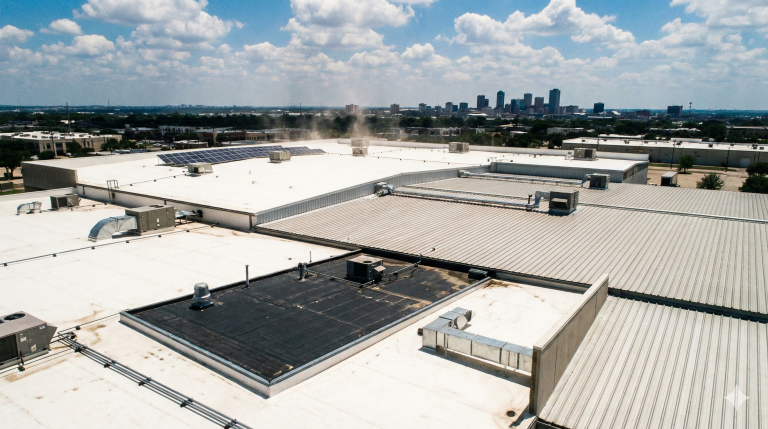
Types of Commercial Flat Roofing Materials
Understanding the various types of commercial flat roofing materials is crucial for property managers when selecting the right system for their buildings. Common materials include TPO, EPDM, PVC, and modified bitumen, each offering unique benefits and characteristics suitable for different business needs.
For example, TPO is favored for its reflective properties, which enhance energy efficiency, while EPDM is known for its long lifespan and resilience against harsh weather conditions. PVC, on the other hand, provides excellent resistance to chemicals and is ideal for businesses in industrial areas. Knowing these options helps property managers make informed decisions tailored to their specific environments.
Maintenance Tips for Commercial Flat Roofs
Regular maintenance is essential for extending the lifespan of commercial flat roofs. Property managers should schedule routine inspections to identify potential issues such as leaks, cracks, or ponding water, which can lead to more significant problems if left unaddressed.
Additionally, keeping the roof clear of debris and ensuring proper drainage can prevent water accumulation and damage. Implementing a proactive maintenance plan not only saves costs in the long run but also ensures the safety and functionality of the building’s roofing system.
Impact of Local Climate on Roofing Choices
The local climate in Fort Worth significantly influences the choice of commercial flat roofing systems. With extreme heat, hail, and seasonal storms, property managers must consider materials that can withstand these conditions while providing durability and protection.
For instance, roofs that reflect sunlight can help reduce cooling costs during the hot Texas summers, while materials with high wind resistance are essential for storm-prone areas. Understanding how climate affects roofing performance helps property owners make better investment decisions.
Cost Considerations for Commercial Roofing Projects
When planning a commercial roofing project, understanding the cost factors involved is vital. Costs can vary widely based on the type of material chosen, the complexity of the installation, and the contractor's labor rates.
Property managers should also factor in long-term savings from energy-efficient roofs and reduced maintenance costs. Investing in quality materials and experienced contractors may have higher upfront costs but can lead to significant savings over time due to lower repair needs and energy bills.