Importance of Specialized Roofing Systems
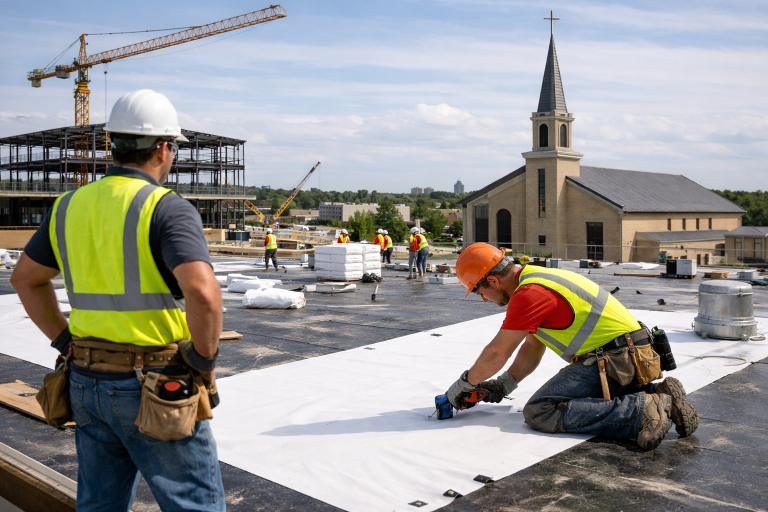
Specialized roofing systems are crucial for large commercial facilities, as they directly influence the building's overall performance and longevity. These systems are designed to withstand the unique challenges posed by larger structures, including increased weight, weather exposure, and energy efficiency demands.
For instance, a well-designed roofing system can enhance insulation, reducing energy costs significantly over time. Additionally, specialized materials can provide better resistance to leaks and damage, ensuring that the facility remains operational and compliant with safety regulations.
Key Considerations for New Construction Roofing
When embarking on a new construction project, several key factors must be considered regarding roofing. These include the type of materials used, the design of the roof, and the local climate conditions, all of which play a vital role in the roofing system's effectiveness and durability.
For example, selecting energy-efficient materials can not only lower operational costs but also contribute to sustainability goals. Furthermore, understanding local weather patterns helps in choosing a roofing system that can withstand extreme conditions, ensuring the long-term protection of the facility.
Benefits of Working with Experienced Contractors
Engaging with experienced roofing contractors is essential for the success of any new construction project. These professionals bring a wealth of knowledge and expertise, ensuring that the roofing system meets all regulatory requirements while also aligning with the specific needs of the facility.
Experienced contractors can also provide valuable insights into the latest roofing technologies and materials, helping facility managers make informed decisions. Their familiarity with local building codes and standards ensures that the project runs smoothly and efficiently from start to finish.
Maintenance Tips for Commercial Roofing Systems
Proper maintenance of commercial roofing systems is vital to extend their lifespan and maintain performance. Regular inspections and timely repairs can prevent minor issues from escalating into costly problems, ensuring that the roof continues to protect the facility effectively.
For instance, establishing a routine maintenance schedule that includes checking for leaks, cleaning gutters, and inspecting seams can significantly enhance the durability of the roofing system. Additionally, documenting maintenance activities can help in planning future repairs and budgeting for replacements when necessary.