Understanding Commercial Roofing Systems
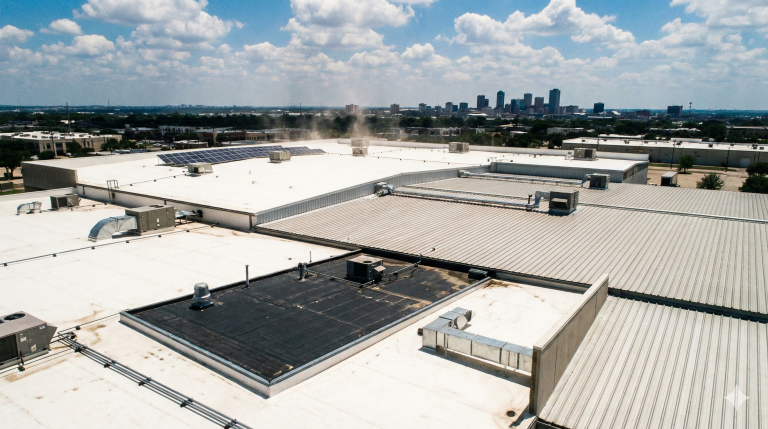
Commercial roofing systems come in various types, each designed to meet specific needs and conditions. Understanding the differences between options like TPO, EPDM, and built-up roofing is essential for property managers to make informed decisions.
For instance, TPO (Thermoplastic Olefin) is known for its energy efficiency and cost-effectiveness, making it a popular choice for flat roofs. EPDM (Ethylene Propylene Diene Monomer) is highly durable and offers excellent resistance to weathering, which is crucial in Texas's harsh climate.
Factors to Consider When Choosing a Roofing System
Selecting the right roofing system involves assessing several factors, including climate, building type, and budget. Property managers should evaluate how each roofing option can withstand local weather conditions, such as heat and hail, typical in Fort Worth.
Additionally, considering the long-term maintenance costs and expected lifespan of the roofing material can help in making a financially sound choice. For example, while a more expensive roofing system may have a higher initial cost, its durability could lead to lower maintenance expenses over time.
Common Commercial Roofing Issues in Texas
Texas's unique climate presents several challenges for commercial roofing systems, including thermal expansion and contraction, which can lead to leaks and material degradation. Understanding these common issues can help property managers take proactive measures.
Moreover, seasonal storms and hail can cause significant damage, making regular inspections and maintenance critical. Addressing minor problems early can prevent costly repairs or replacements down the line, ensuring the longevity of the roofing system.
Maintenance Tips for Commercial Roofs
Regular maintenance is vital for prolonging the life of commercial roofs. Property managers should schedule routine inspections to identify potential issues before they escalate into major problems.
Implementing a maintenance plan that includes cleaning debris, checking for leaks, and ensuring proper drainage can significantly enhance the roof's performance. For example, removing accumulated leaves and debris can prevent water pooling, which is a common cause of roof damage.