Environmental Benefits of Energy-Efficient Roofing
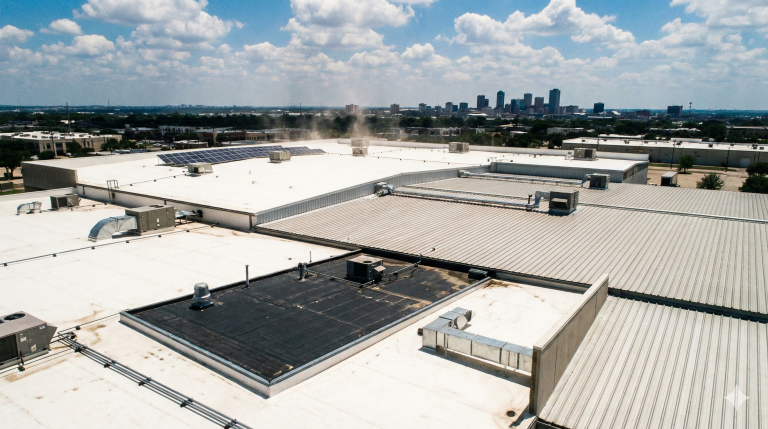
Energy-efficient roofing plays a crucial role in reducing environmental impact by minimizing energy consumption and lowering greenhouse gas emissions. By reflecting sunlight and reducing heat absorption, these roofing systems contribute to a cooler urban environment, which can help combat the urban heat island effect.
In addition to energy savings, energy-efficient roofs can also improve stormwater management. For instance, green roofs absorb rainwater, reducing runoff and improving water quality by filtering pollutants. This dual benefit underscores the importance of selecting energy-efficient roofing materials for both ecological and economic reasons.
Cost Savings Over Time
Investing in energy-efficient roofing can lead to significant cost savings over the lifespan of the roof. By reducing energy bills through improved insulation and reflective properties, property owners can recoup their initial investment more quickly than with traditional roofing options.
Moreover, many energy-efficient roofing systems come with extended warranties and longer lifespans, further decreasing the total cost of ownership. For example, reflective roofing materials can last up to 25 years or more, minimizing the need for frequent replacements and repairs.
Innovative Technologies in Energy-Efficient Roofing
The roofing industry is continually evolving with innovative technologies that enhance energy efficiency. Products such as photovoltaic shingles and advanced insulation materials are becoming increasingly popular, allowing homeowners to generate their own energy while improving thermal performance.
These technologies not only contribute to energy savings but also promote sustainability. For instance, solar shingles integrate seamlessly into the roof design while providing clean energy, making them an attractive option for environmentally conscious homeowners.
Regulatory Incentives for Energy-Efficient Roofing
Many regions offer regulatory incentives to encourage the adoption of energy-efficient roofing solutions. These can include tax credits, rebates, and grants aimed at reducing the upfront costs associated with energy-efficient installations.
In Texas, for example, homeowners may qualify for state tax incentives when they install approved energy-efficient roofing systems. These financial benefits can significantly offset the initial investment, making energy-efficient options more accessible to a broader range of property owners.