
Texas Roofing Contractors: Expert Guide to Hiring
Finding qualified texas roofing contractors requires careful research and due diligence, especially in a state where licensing requirements differ significantly from other parts of the country. Texas operates without mandatory state-level licensing for roofing professionals, placing greater responsibility on property owners to verify credentials, check references, and ensure they're hiring reputable contractors. Whether you're dealing with storm damage, planning a full replacement, or addressing emergency repairs, understanding how to identify skilled professionals will protect your investment and ensure quality workmanship.
Understanding Texas Roofing Contractor Licensing
The absence of state-mandated licensing for roofing contractors in Texas creates a unique landscape for property owners. Unlike many states that require contractors to pass exams and maintain specific credentials, Texas allows roofers to operate without state oversight, leaving quality assurance largely in the hands of consumers and voluntary industry organizations.
Voluntary Licensing Programs
The Roofing Contractors Association of Texas (RCAT) offers a voluntary licensing program designed to elevate industry standards. This program requires participating contractors to demonstrate insurance coverage, provide references, and commit to ethical business practices. While participation remains optional, contractors who pursue voluntary certification signal their commitment to professionalism and accountability.
Key benefits of RCAT licensing include:
- Verified insurance and bonding status
- Background checks and reference verification
- Commitment to continuing education
- Adherence to industry best practices
- Dispute resolution support for consumers
Property owners should recognize that voluntary credentials, while valuable, don't replace thorough vetting. Even contractors without formal licensing may deliver exceptional work if they maintain proper insurance, employ skilled crews, and demonstrate proven track records.
Local Permits and Regulations
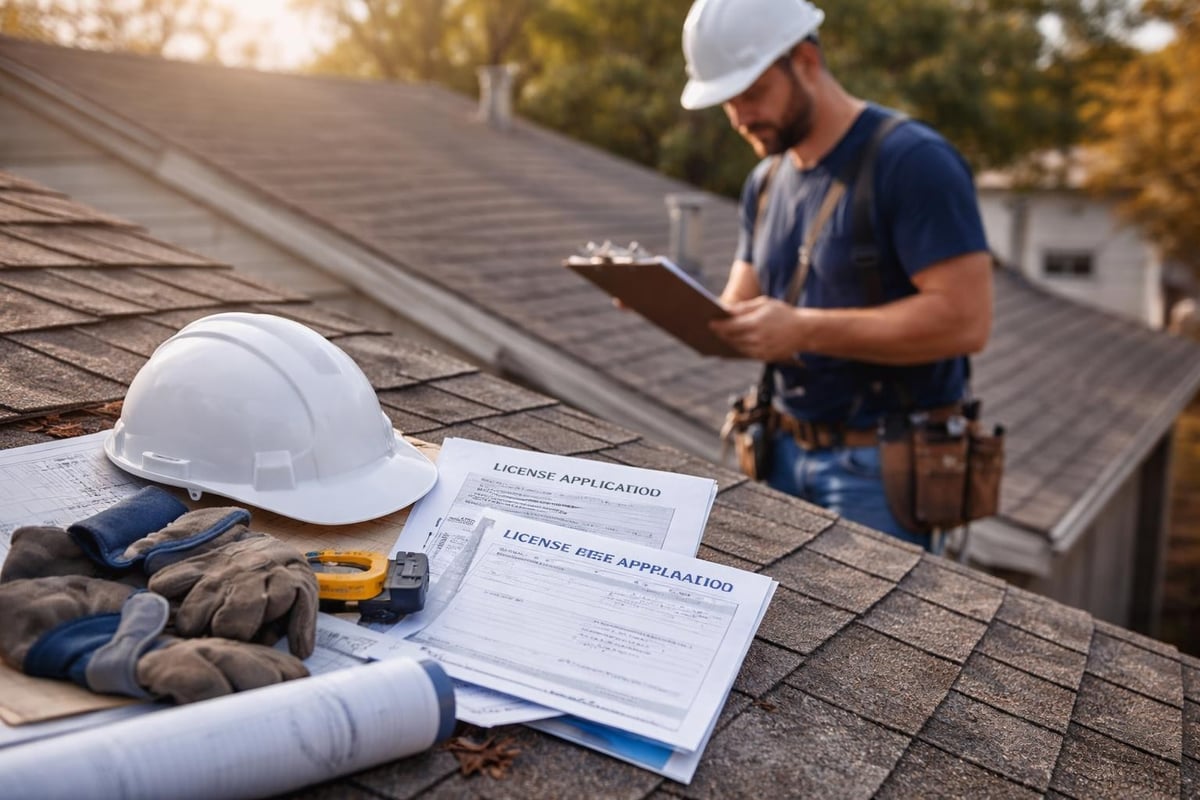
While Texas doesn't require state licensing, municipalities enforce their own building codes and permit requirements. Fort Worth, Dallas, Houston, and other major cities mandate permits for most roofing projects, ensuring work meets local standards for wind resistance, fire safety, and structural integrity.
Professional texas roofing contractors handle permit acquisition as part of their service, coordinating inspections and ensuring compliance with local codes. Contractors who avoid or dismiss permit requirements raise immediate red flags about their commitment to quality and legal compliance.
What to Look for When Hiring Texas Roofing Contractors
Identifying reliable roofing professionals requires evaluating multiple factors beyond price quotes. The most successful hiring decisions balance cost considerations with credentials, experience, and communication quality.
Essential Credentials and Documentation
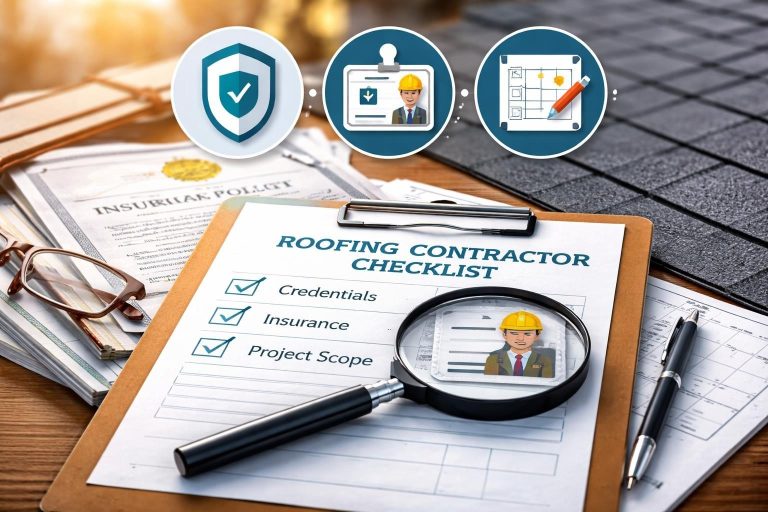
Before signing any contract, verify that potential contractors maintain comprehensive insurance coverage. General liability insurance protects your property during construction, while workers' compensation coverage ensures you're not liable if crew members suffer injuries on-site.
| Credential Type | Why It Matters | How to Verify |
|---|---|---|
| General Liability Insurance | Protects against property damage | Request certificate of insurance from provider |
| Workers' Compensation | Covers employee injuries | Verify coverage with Texas Department of Insurance |
| Local Business License | Confirms legal operation | Check with city or county clerk's office |
| References and Portfolio | Demonstrates experience | Contact previous clients directly |
Request copies of insurance certificates directly from insurance providers rather than accepting documents from contractors. This extra step prevents fraudulent claims and ensures coverage remains current.
In-House Crews vs. Subcontractors
The distinction between contractors who employ their own crews and those who rely on subcontractors significantly impacts project quality, communication, and accountability. Companies that maintain in-house teams provide greater consistency, better oversight, and clearer responsibility throughout the project lifecycle.
In-house crews mean:
- Direct supervision and quality control
- Consistent training and safety standards
- Clear communication channels
- Single point of accountability
- Better warranty support and follow-up service
When evaluating texas roofing contractors, ask directly whether they use their own employees or hire subcontractors for specific projects. Contractors should provide honest answers about their crew structure and explain how they maintain quality across their team.
Red Flags and Warning Signs
Consumer protection becomes particularly important in storm-prone regions where opportunistic contractors target vulnerable property owners. Storm chasers and fraudulent operators often appear after severe weather events, promising quick repairs while delivering substandard work or disappearing with deposits.
Common Scam Tactics to Avoid
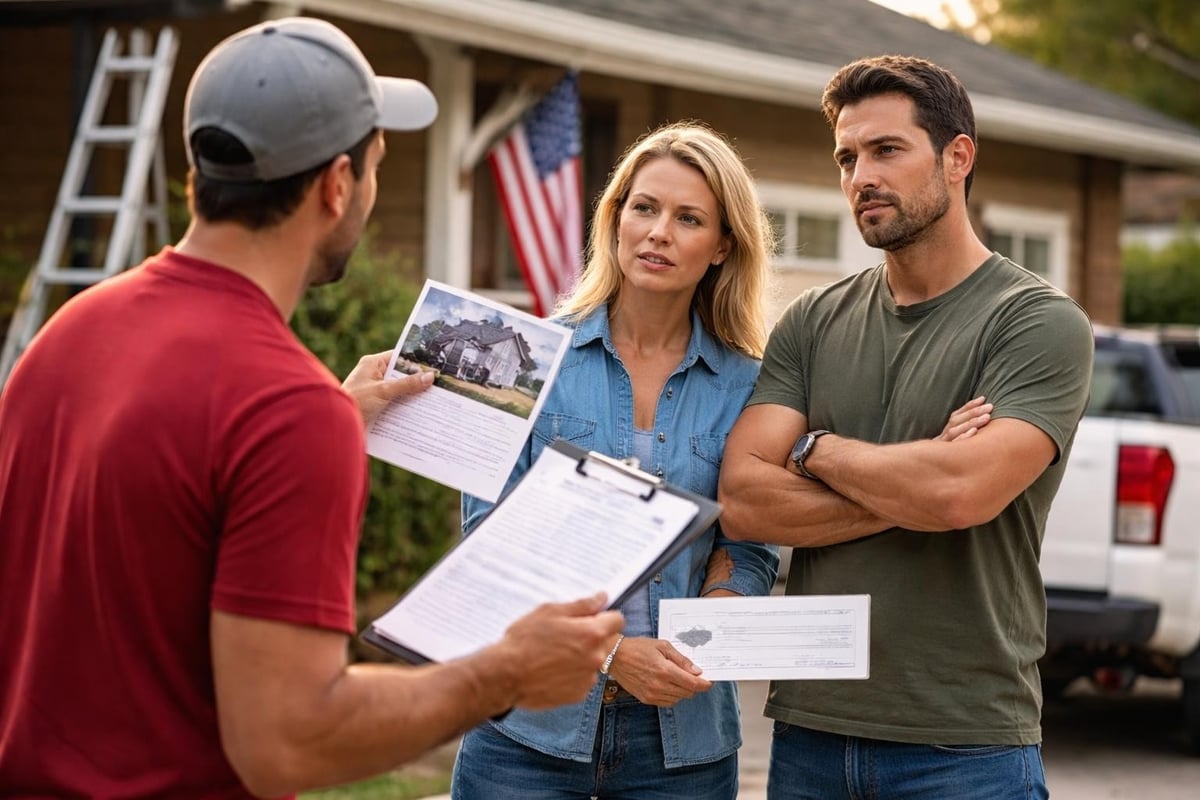
Storm-chasing contractors typically employ high-pressure sales tactics, demand large upfront payments, and offer deals that seem too good to be true. Legitimate professionals provide detailed written estimates, reasonable payment schedules, and sufficient time for decision-making without aggressive sales pressure.
Watch for these warning signs:
- Door-to-door solicitation immediately after storms
- Requests for full payment before work begins
- No physical business address or local presence
- Offers to waive insurance deductibles
- Missing or expired insurance documentation
- Unwillingness to provide local references
- Pressure to sign contracts immediately
Reputable contractors establish long-term community presence, maintain consistent contact information, and build reputations through quality work rather than aggressive marketing. They understand that property owners need time to review proposals and compare options before making decisions.
The Deductible Waiver Problem
Some contractors offer to "waive" insurance deductibles as an incentive to win business. This practice violates insurance contracts and may constitute fraud. Understanding these risks helps property owners avoid legal complications and ensures proper insurance claim handling.
When contractors inflate estimates to cover deductibles or misrepresent damage to insurance adjusters, they put property owners at risk of claim denial and potential fraud charges. Honest texas roofing contractors work transparently with insurance companies, provide accurate damage assessments, and help property owners understand their coverage without manipulating the claims process.
Evaluating Proposals and Estimates
Comprehensive written proposals provide the foundation for successful roofing projects. Detailed estimates should outline specific materials, labor costs, timeline expectations, and warranty terms in clear language that property owners can understand and compare across multiple contractors.
What Complete Estimates Should Include
Professional estimates go beyond simple price quotes to provide complete project roadmaps. This documentation protects both contractors and property owners by establishing clear expectations and preventing disputes about scope or quality.
Thorough proposals contain:
- Detailed material specifications including manufacturer and grade
- Square footage calculations and waste allowance
- Labor costs broken down by task
- Permit fees and inspection costs
- Project timeline with start and completion dates
- Payment schedule tied to project milestones
- Warranty coverage for materials and labor
- Cleanup and disposal procedures
When reviewing estimates from texas roofing contractors, compare not just bottom-line prices but also material quality, warranty terms, and project details. The lowest bid often indicates cut corners on materials, abbreviated labor, or missing essential steps that affect long-term performance.
Material Quality and Options
Roofing material selection significantly impacts project cost, durability, and long-term performance. Professional contractors explain material options, discuss advantages and limitations of different products, and help property owners make informed choices based on budget, climate considerations, and aesthetic preferences. For those interested in understanding various roofing materials and their applications, reviewing construction roofing materials can provide valuable context for making these decisions.
| Material Type | Typical Lifespan | Best For | Texas Climate Considerations |
|---|---|---|---|
| Asphalt Shingles | 20-30 years | Residential homes | Good hail resistance with impact-rated options |
| Metal Roofing | 40-70 years | Residential and commercial | Excellent wind resistance and energy efficiency |
| TPO | 15-30 years | Commercial flat roofs | Superior heat reflection in hot climates |
| EPDM | 20-30 years | Commercial applications | Durable and cost-effective for flat surfaces |
| Modified Bitumen | 15-20 years | Low-slope commercial | Good waterproofing in storm-prone areas |
Texas weather patterns demand materials that withstand high winds, intense sun exposure, hail impacts, and occasional freeze events. Experienced contractors recommend products tested for local conditions and explain how material choices affect energy costs, maintenance requirements, and replacement timelines.
The Importance of Documentation and Communication
Clear communication throughout the roofing process prevents misunderstandings, establishes accountability, and creates records that prove valuable for warranty claims, insurance documentation, and future maintenance.
Project Documentation Standards
Professional texas roofing contractors maintain detailed records at every project stage. Pre-work inspections document existing conditions, progress photos track work quality, and completion reports verify that all contract terms were fulfilled according to specifications.
Essential documentation includes:
- Pre-inspection reports with photos and measurements
- Material delivery receipts and manufacturer certifications
- Daily progress photos showing each installation phase
- Permit applications and inspection approvals
- Final walkthrough checklists
- Warranty registration and coverage details
This documentation protects property owners if disputes arise, supports insurance claims when storm damage occurs, and provides maintenance records that help future contractors understand roof history and specifications. Those navigating insurance claims benefit from understanding how roofing insurance claims documentation supports successful outcomes.
Communication Expectations
Establishing clear communication protocols before work begins prevents frustration and ensures property owners stay informed throughout the project. Discuss preferred contact methods, update frequency, and decision-making processes during initial consultations.
Reliable contractors provide direct contact information for project managers, respond to questions within reasonable timeframes, and proactively communicate about schedule changes, unexpected findings, or weather delays. They explain technical issues in accessible language and involve property owners in decisions that affect project scope or cost.
Insurance Claims and Storm Damage Support
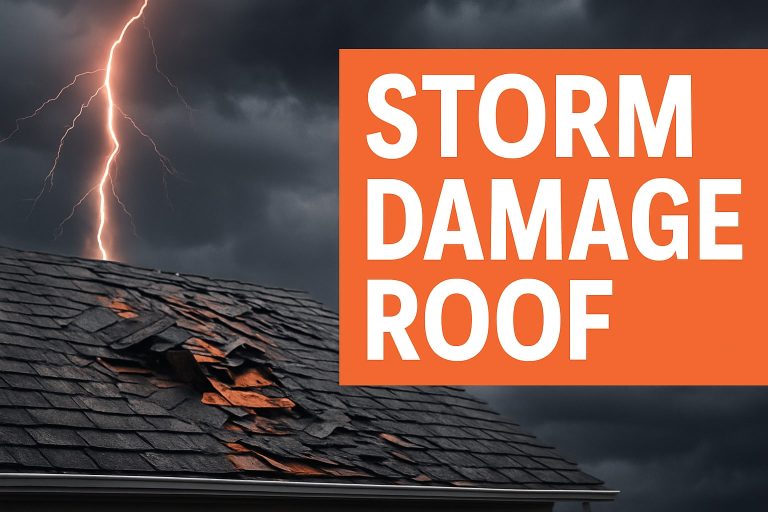
Texas property owners frequently face storm damage requiring professional assessment, documentation, and insurance claim support. The state's severe weather patterns, including hail storms, tornadoes, and high winds, make roofing one of the most common insurance claim categories.
Working with Insurance Adjusters
Experienced texas roofing contractors understand insurance processes and work collaboratively with adjusters to ensure accurate damage assessment and appropriate claim settlements. They document damage thoroughly, provide detailed repair estimates, and answer adjuster questions professionally without inflating claims or misrepresenting conditions.
Effective insurance claim support includes:
- Comprehensive damage documentation with photos and measurements
- Detailed repair estimates matching insurance requirements
- Availability for adjuster inspections and meetings
- Clear explanations of damage causes and repair needs
- Assistance with supplemental claims when additional damage appears
Property owners should select contractors who demonstrate insurance expertise without promising specific claim outcomes or guaranteeing that insurance will cover all costs. Honest professionals explain coverage limitations, help property owners understand deductibles, and provide options for addressing damage that falls outside insurance coverage. When dealing with complex claims, resources on storm damage and insurance claims offer additional guidance.
Emergency Response Capabilities
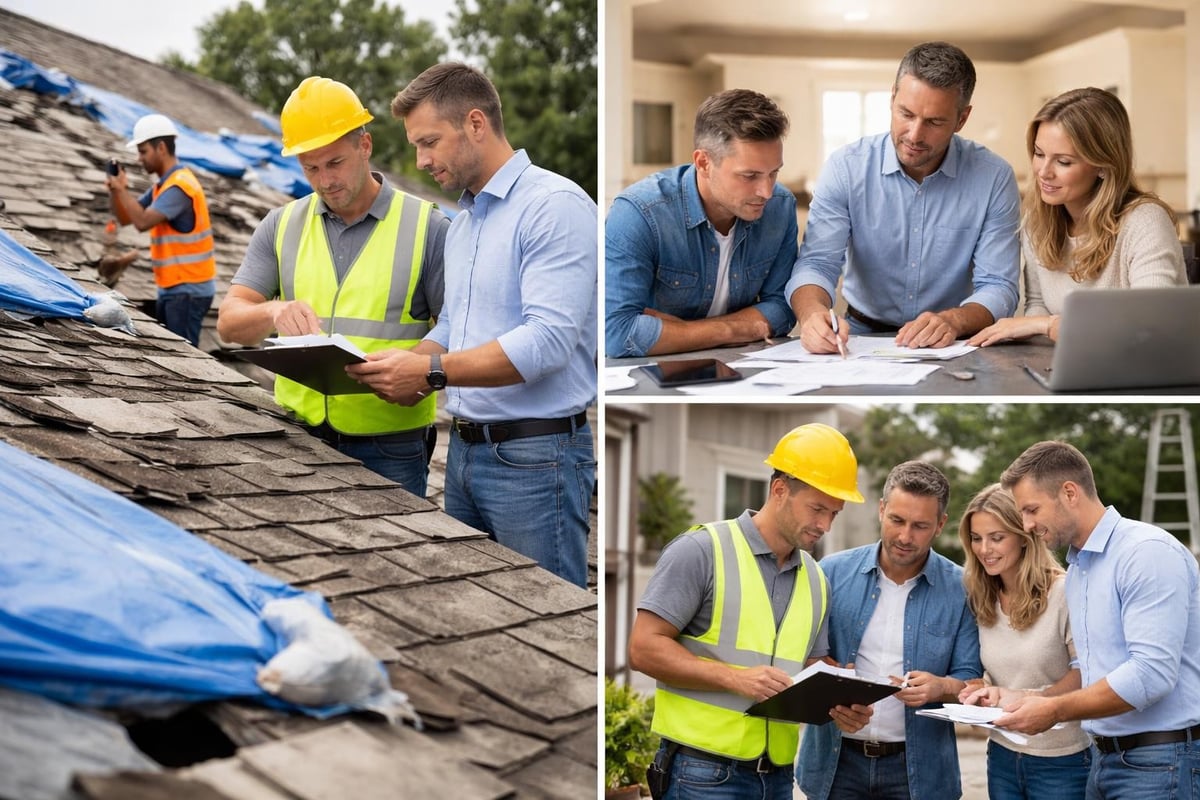
Storm damage often requires immediate attention to prevent water intrusion, structural deterioration, and interior damage. Contractors who offer emergency response services provide critical protection when unexpected damage occurs, particularly during severe weather seasons.
Emergency capabilities should include rapid assessment, temporary repairs or tarping, damage documentation for insurance purposes, and clear timelines for permanent restoration. Contractors who maintain 24/7 availability and same-day response demonstrate commitment to customer service and damage mitigation.
Commercial vs. Residential Specializations
While some contractors serve both markets, commercial and residential roofing involve distinct skills, materials, and project management approaches. Understanding these differences helps property owners select contractors with relevant experience for their specific needs.
Commercial Roofing Considerations
Commercial projects typically involve flat or low-slope roof systems, larger square footage, and specialized materials like TPO, EPDM, or modified bitumen. Commercial texas roofing contractors must coordinate with property managers, minimize business disruption, and meet commercial building codes that exceed residential requirements.
Commercial roofing demands expertise in:
- Large-scale project management and scheduling
- Specialized flat roofing systems and installation techniques
- Commercial warranty requirements and documentation
- Safety protocols for occupied buildings
- Coordination with facility managers and tenants
Property managers and business owners should verify that contractors demonstrate commercial experience, maintain appropriate insurance limits for larger projects, and understand the unique challenges of protecting occupied buildings during construction.
Residential Roofing Focus
Residential roofing contractors specialize in sloped roof systems, work directly with homeowners, and focus on aesthetic considerations alongside functional performance. They navigate homeowner association requirements, coordinate with residential insurance claims, and provide personalized service throughout smaller-scale projects. For homeowners exploring emergency roofing solutions, contractors with residential expertise understand the urgency and stress these situations create.
Residential specialists excel at explaining technical concepts to homeowners, offering material options that balance performance and budget, and completing projects with minimal disruption to daily household routines. They understand that roofing decisions represent significant investments for families and provide patient guidance through selection and installation processes.
Warranty Coverage and Long-Term Support
Comprehensive warranty protection separates professional contractors from those offering minimal post-installation support. Understanding warranty terms, coverage limitations, and claim processes ensures property owners receive promised protection when issues arise.
Material vs. Labor Warranties
Roofing warranties typically divide into manufacturer coverage for materials and contractor coverage for installation labor. Material warranties vary by product and manufacturer, while labor warranties reflect contractor confidence in workmanship quality.
| Warranty Type | Coverage Duration | What's Included | What's Excluded |
|---|---|---|---|
| Material Manufacturer | 20-50 years | Defects in roofing products | Improper installation, storm damage |
| Labor/Workmanship | 1-10 years | Installation errors and failures | Normal wear, acts of nature |
| System Warranty | 10-30 years | Complete roof system when using single manufacturer | Mixed materials, owner modifications |
Strong labor warranties, typically ranging from five to ten years, indicate contractor commitment to quality installation and customer satisfaction. Texas roofing contractors who offer extended labor coverage demonstrate confidence in their crews' skills and willingness to address installation-related issues without additional charges.
Warranty Registration and Maintenance
Many manufacturer warranties require registration within specific timeframes after installation. Professional contractors handle registration as part of project completion, ensuring property owners receive full warranty benefits without administrative burdens.
Warranty maintenance requirements may include periodic inspections, cleaning protocols, or documentation of regular maintenance. Understanding these obligations prevents warranty voidance and ensures coverage remains valid throughout the warranty period.
Industry Trends and Market Insights
The Texas roofing industry continues evolving in response to climate patterns, material innovations, and changing consumer expectations. Industry revenue data shows consistent growth reflecting both new construction demand and replacement needs driven by storm activity.
Technology Integration
Modern texas roofing contractors increasingly adopt technology for improved accuracy, efficiency, and customer service. Drone inspections provide detailed roof assessments without safety risks, thermal imaging identifies moisture intrusion invisible to visual inspections, and digital documentation systems create comprehensive project records.
Advanced contractors utilize:
- Aerial drone photography for damage assessment
- Satellite measurements for accurate estimates
- Project management software for real-time updates
- Digital documentation and photo libraries
- Online customer portals for estimate review
These technological capabilities enhance service quality, reduce project timelines, and provide property owners with transparent access to project information throughout the construction process.
Energy Efficiency Focus
Rising energy costs drive increased interest in cool roofing technologies, reflective coatings, and materials that reduce heat absorption. Texas property owners particularly benefit from roofing solutions that minimize air conditioning loads during extended summer heat.
Energy-efficient roofing options include reflective metal systems, cool-colored shingles with solar-reflective granules, and specialty coatings that reduce surface temperatures. Professional contractors explain energy savings potential, help property owners evaluate cost-benefit ratios, and recommend solutions appropriate for specific building types and usage patterns.
Questions to Ask Before Hiring
Thorough contractor interviews reveal important information about experience, capabilities, and business practices. Prepared property owners ask specific questions that uncover strengths, identify potential concerns, and support informed hiring decisions.
Essential Interview Questions
Direct questions about credentials, processes, and policies help property owners evaluate contractor suitability. Guidance on selecting contractors emphasizes the importance of verifying claims and checking references before making commitments.
Ask about:
- How long have you operated in Texas, and how many local projects have you completed?
- Do you employ in-house crews or use subcontractors?
- What insurance coverage do you maintain, and can you provide current certificates?
- How do you handle permit acquisition and inspection coordination?
- What warranty do you offer on labor, and what does it cover?
- Can you provide references from recent projects similar to mine?
- What is your typical project timeline, and what factors might cause delays?
- How do you handle unexpected findings or necessary scope changes?
- What is your payment schedule, and what forms of payment do you accept?
- Who will be my primary contact during the project, and how can I reach them?
Contractors who answer questions directly, provide documentation without hesitation, and demonstrate thorough knowledge of their processes inspire confidence. Evasive responses, reluctance to provide references, or pressure to decide quickly warrant caution and additional investigation.
Checking References and Reviews
Speaking directly with previous clients provides insights that marketing materials and sales presentations cannot convey. Request references from projects completed within the past year, focusing on similar project types and scopes. For commercial projects specifically, resources on commercial roofing help frame relevant questions about specialized expertise.
When contacting references, ask about communication quality, timeline adherence, problem resolution, job site cleanliness, and overall satisfaction. Inquire whether they would hire the contractor again and what advice they would offer to new clients considering the same company.
Online reviews provide additional perspective, though property owners should recognize that extreme reviews (both positive and negative) may not represent typical experiences. Look for patterns across multiple review platforms and pay attention to how contractors respond to criticism when addressing negative feedback.
Regional Considerations Across Texas
Texas's geographic diversity creates varying roofing challenges across different regions. Coastal areas face hurricane risks and salt air exposure, while inland regions contend with hail storms, tornadoes, and temperature extremes. Experienced texas roofing contractors understand regional weather patterns and recommend materials suited to local conditions.
Fort Worth and North Texas
The Fort Worth area experiences significant hail activity, strong wind events, and occasional ice storms that test roofing system durability. Impact-resistant shingles, proper fastening techniques, and materials designed for wind uplift resistance provide essential protection against common storm damage.
North Texas contractors should demonstrate expertise in hail damage assessment, insurance claim documentation, and storm-resistant installation methods. Property owners benefit from contractors who maintain strong relationships with insurance adjusters and understand the claims process specific to this region's weather patterns.
Gulf Coast and Houston Area
Coastal regions demand roofing systems that withstand hurricane-force winds, driving rain, and constant moisture exposure. Metal roofing and specialized fastening systems provide superior wind resistance, while proper ventilation and moisture barriers prevent deterioration in humid conditions.
Contractors serving coastal markets should understand building codes specific to hurricane zones, demonstrate experience with high-wind installation techniques, and recommend materials tested for coastal environments.
Central and West Texas
Intense sun exposure, temperature extremes, and occasional severe storms characterize central and west Texas climate patterns. Reflective roofing materials, UV-resistant products, and systems designed for thermal expansion provide optimal performance in these conditions.
Regional contractors recognize that different areas within Texas require tailored approaches to material selection, installation techniques, and maintenance recommendations based on specific climate challenges and weather patterns.
Selecting qualified texas roofing contractors requires careful evaluation of credentials, experience, and business practices in a state without mandatory licensing requirements. Property owners who verify insurance coverage, check references, review detailed proposals, and ask thorough questions position themselves to make informed hiring decisions that protect their investments and ensure quality results. When you need reliable roofing service backed by in-house crews, comprehensive documentation, and a five-year labor warranty, Texcore Construction delivers the expertise, accountability, and craftsmanship that Fort Worth property owners depend on for commercial and residential projects of all sizes.