Finding Qualified TPO Roofers Near Me: Complete Guide
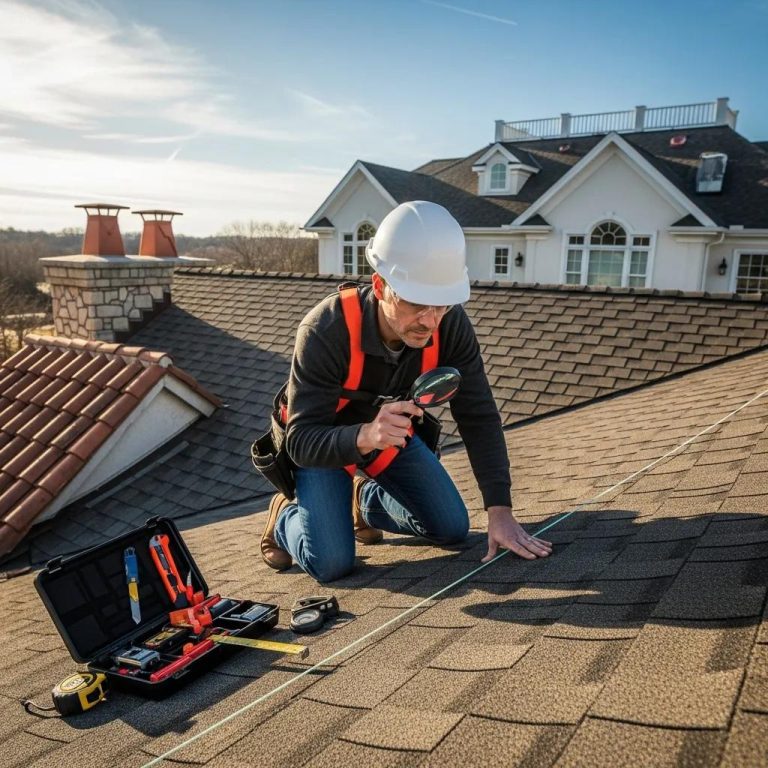
When commercial property managers and building owners search for "tpo roofers near me," they're often dealing with aging flat roofing systems, active leaks, or the need for a complete roof replacement. TPO (Thermoplastic Polyolefin) roofing has become one of the most popular single-ply membrane systems for commercial buildings, offering excellent energy efficiency, strong seam strength, and proven durability. However, TPO installation quality varies significantly based on contractor expertise, proper heat welding techniques, and adherence to manufacturer specifications. Finding qualified tpo roofers near me requires understanding what separates professional commercial roofing contractors from general roofers who occasionally work with membrane systems.
Why TPO Roofing Installation Quality Matters
TPO roofing systems deliver outstanding performance when installed correctly, but they're unforgiving when shortcuts are taken during installation. The heat-welded seams that make TPO so reliable can also become the primary failure point if welding temperatures aren't properly controlled or if the membrane isn't correctly prepared.
Professional installation protects your investment through:
- Proper substrate preparation and moisture mitigation
- Manufacturer-certified welding techniques and equipment
- Detailed flashing integration at penetrations and edges
- Quality control testing of all field and detail seams
- Complete documentation for warranty activation
The TPO Roofing Organization provides installation guidelines that emphasize test welds and seam integrity as non-negotiable quality standards. When searching for tpo roofers near me, verify that contractors follow these manufacturer protocols rather than relying on experience alone.
The Three TPO Installation Methods
Commercial roofing contractors typically offer three attachment methods for TPO systems, each with specific advantages depending on building type, roof structure, and local wind requirements.
| Installation Method | Best Applications | Key Advantages | Considerations |
|---|---|---|---|
| Fully Adhered | High wind zones, occupied buildings | Maximum wind resistance, quiet performance | Higher material costs, substrate requirements |
| Mechanically Attached | Most commercial buildings | Cost-effective, flexible substrate options | Visible fastener rows, wind noise potential |
| Ballasted | Low-slope industrial buildings | Lower installation costs, substrate protection | Structural load requirements, limited slope range |
Understanding these methods helps property managers evaluate contractor recommendations. Experienced commercial roofing contractors assess building-specific factors before proposing an attachment method, rather than defaulting to a single approach for every project.
Johns Manville’s design considerations outline how proper fastening patterns and flashing details vary significantly between these three systems. When evaluating tpo roofers near me, ask candidates to explain why they recommend a specific method for your building.
Essential Qualifications for TPO Roofing Contractors
Not all roofing contractors possess the specialized training and equipment required for quality TPO installation. The membrane welding process alone requires specific knowledge that residential roofers typically don't develop through standard asphalt shingle work.
Manufacturer Certifications and Training
Legitimate TPO roofing contractors maintain current certifications from major membrane manufacturers like GAF, Firestone, Johns Manville, or Carlisle. These certifications require:
- Annual training on installation specifications
- Demonstrated proficiency in heat welding techniques
- Knowledge of flashing and detail applications
- Understanding of warranty requirements and exclusions
Certified contractors gain access to:
- Extended warranty options unavailable to non-certified installers
- Technical support from manufacturer representatives
- Pre-approved specifications and detail drawings
- Priority service for material defect claims
When searching for tpo roofers near me, request proof of current manufacturer certifications rather than accepting verbal assurances. Certifications expire annually, and contractors sometimes claim credentials they no longer maintain.
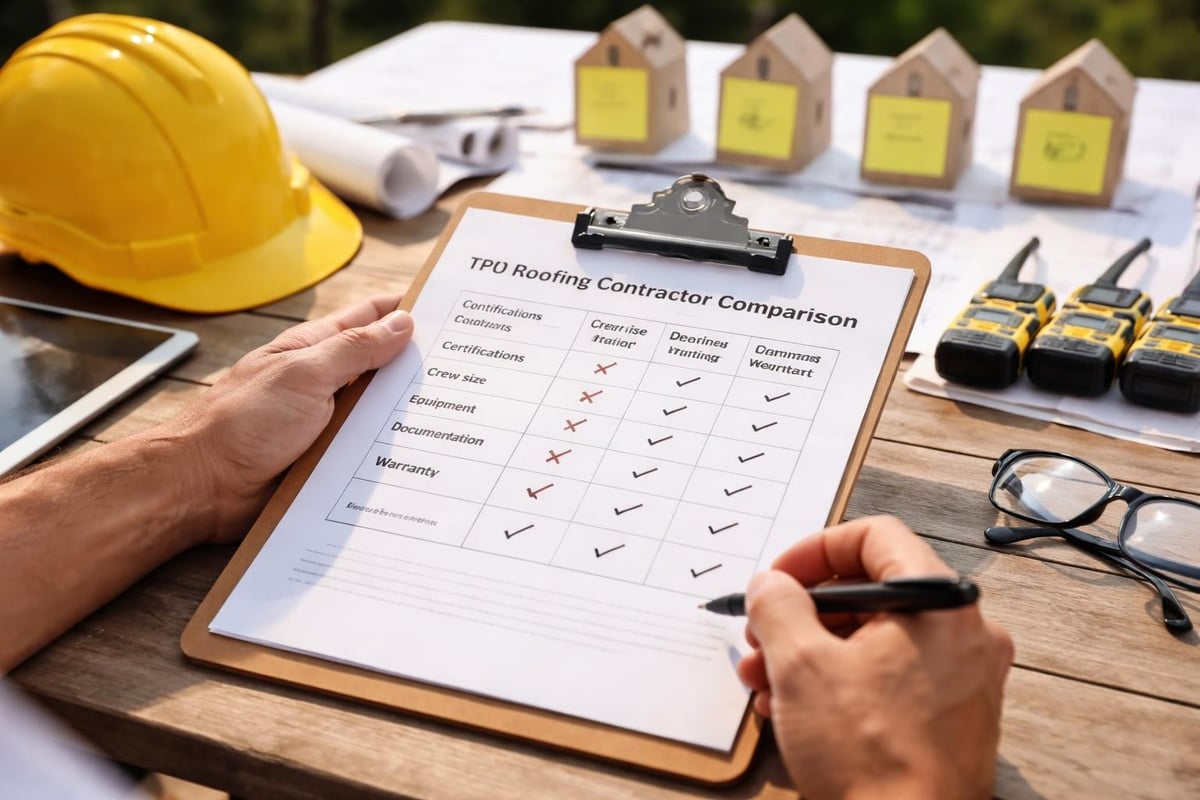
In-House Crews Versus Subcontractor Networks
The distinction between contractors using in-house crews and those relying on subcontractor networks significantly impacts installation quality and project accountability. Contractors with dedicated roofing crews maintain consistent training standards, equipment maintenance, and quality control processes.
In-house crews provide several critical advantages. Team members work together regularly, developing coordinated installation rhythms that reduce errors. Equipment stays properly calibrated and maintained. Quality issues receive immediate attention from supervisors who understand company standards. Project timelines remain reliable because crew availability doesn't depend on subcontractor schedules.
Subcontractor-based operations introduce variables that property managers can't control. Training levels vary between subcontractor crews. Equipment quality and maintenance differ. Accountability becomes diffused when problems emerge after installation. Response times for warranty service often lag because subcontractors move to other projects.
Evaluating TPO Installation Equipment and Technology
Professional TPO installation requires specialized equipment that general roofing contractors often don't maintain. The quality and condition of this equipment directly affects seam integrity and overall system performance.
Heat Welding Equipment Standards
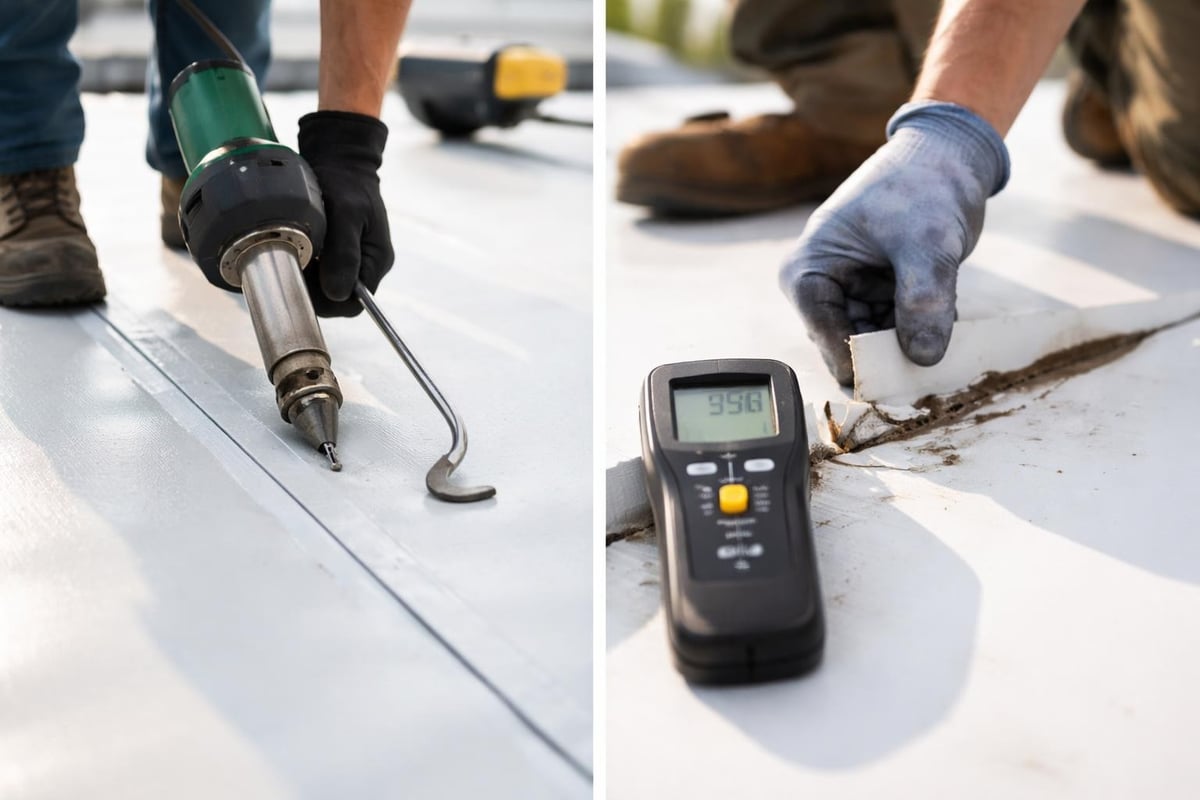
Automatic hot air welders produce the most consistent seam quality for TPO roofing systems. These machines maintain precise temperature control and welding speed, creating uniform seams throughout the membrane field. Handheld welders serve detail work and repairs but introduce more variation when used for primary field seams.
Quality contractors maintain multiple welders to prevent project delays from equipment failures. They calibrate equipment regularly and replace worn components before they affect weld quality. Infrared thermometers verify actual welding temperatures rather than relying solely on machine settings.
This installation tutorial demonstrates three different TPO installation methods, highlighting how equipment quality affects the final result. When interviewing tpo roofers near me, ask to see the actual equipment they'll use on your project.
Quality Control Testing Procedures
Every reputable TPO contractor performs destructive and non-destructive seam testing throughout installation. These tests verify that welding parameters produce proper seam strength before crews move to new roof sections.
Standard quality control includes:
- Probe testing of all detail seams and terminations
- Destructive peel tests at the beginning of each work shift
- Seam pulls at regular intervals across membrane field
- Documentation of test locations and results
- Immediate correction of any failed test sections
Contractors who skip systematic testing rely on visual inspection alone, missing internal seam defects that cause future leaks. The comprehensive TPO guide at Flat Roofing Insights emphasizes how installation quality determines long-term performance more than membrane thickness or brand selection.
Critical Questions for TPO Roofing Contractors
The initial contractor consultation reveals crucial information about installation approach, quality standards, and long-term accountability. Prepared questions help property managers differentiate between experienced TPO specialists and general contractors attempting commercial work.
Installation Process and Timeline Questions
Understanding the complete installation process helps identify contractors who plan thoroughly versus those who adapt on the fly. Professional contractors provide detailed schedules accounting for weather dependencies, building operations, and sequential work requirements.
Ask candidates about substrate evaluation procedures before membrane installation. Quality contractors inspect the existing roof deck, identify moisture damage, and address structural deficiencies. They explain ventilation requirements, insulation specifications, and how these elements integrate with the TPO system. Proper flat roof preparation prevents membrane failures that occur when underlying issues remain unaddressed.
Project management capabilities become apparent through timeline discussions. Experienced contractors coordinate material deliveries, equipment staging, and crew deployment to maintain consistent progress. They identify potential delays from weather, building access limitations, or material lead times before starting work.
Warranty Coverage and Service Response
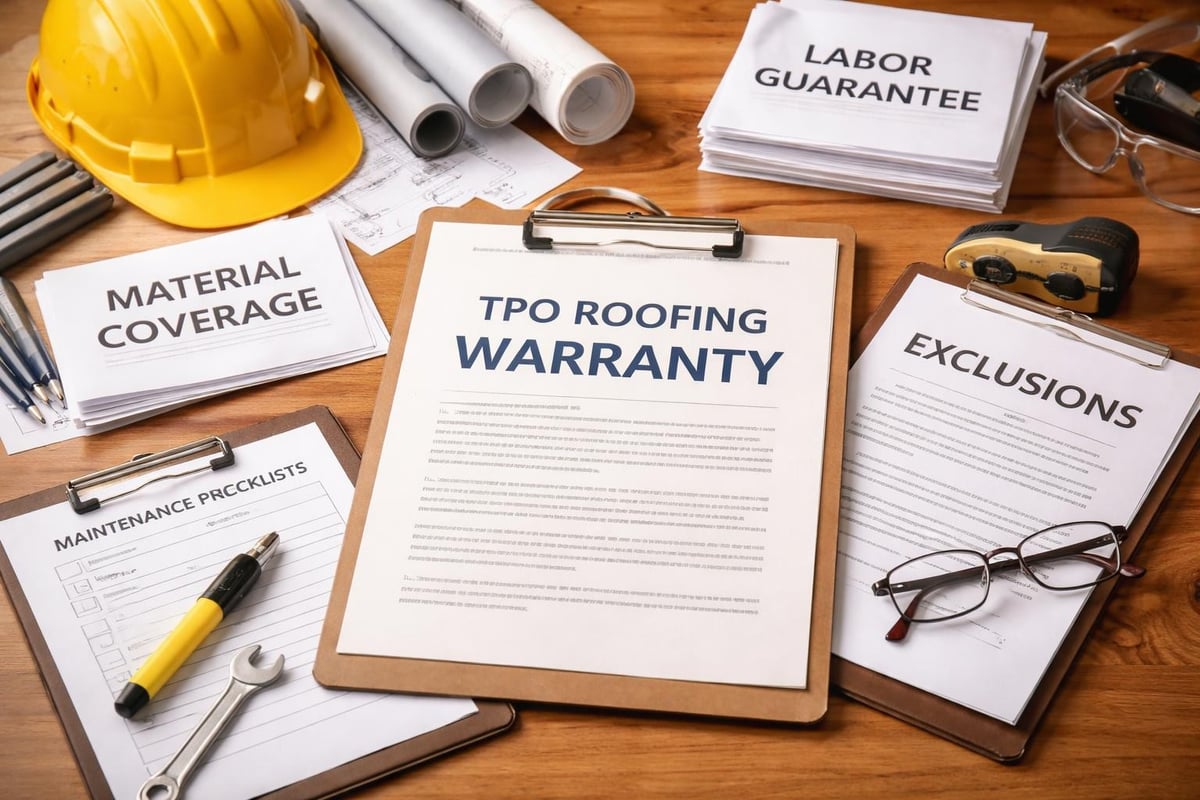
TPO roofing warranties contain numerous exclusions and conditions that property managers must understand before signing contracts. Manufacturer material warranties typically span 10 to 20 years, but installation labor warranties vary significantly between contractors.
Compare warranty terms across these dimensions:
| Warranty Component | Professional Standard | Warning Signs |
|---|---|---|
| Labor Coverage Period | 5-10 years minimum | Less than 5 years or undefined |
| Material Warranty Transfer | Full transferability with registration | Non-transferable or transfer fees |
| Emergency Service Response | 24-48 hour commitment | No defined timeframe |
| Preventive Maintenance | Available inspection programs | Maintenance voids warranty |
Preventive roof maintenance extends TPO system life and preserves warranty coverage, but some contractors discourage inspections to avoid identifying defects they'll need to repair. Quality contractors offer regular inspection programs and document roof conditions throughout the warranty period.
Understanding TPO Roofing Costs and Project Scope
Material costs for TPO roofing systems remain relatively consistent across contractors because major manufacturers maintain standard pricing structures. Installation labor costs, however, vary significantly based on contractor efficiency, crew expertise, and quality standards.
Cost Components Beyond Membrane Price
Complete TPO roofing project budgets include numerous elements beyond the membrane itself. Substrate preparation often represents 20-30% of total project costs when existing roof decks require repairs or moisture remediation. Insulation specifications affect both material costs and long-term energy performance.
Flashing and penetration details require custom fabrication that varies with roof complexity. Buildings with numerous HVAC units, plumbing vents, or skylights need more detail work than simple rectangular roofs. Edge metal, drainage modifications, and temporary weather protection add costs that simple per-square-foot estimates overlook.
Professional contractors provide itemized proposals separating these cost components rather than offering single lump-sum bids. Detailed proposals allow property managers to understand value differences between competing bids and make informed decisions about specification levels.
The installation cost breakdown demonstrates how installation method selection impacts overall project budgets. When comparing quotes from tpo roofers near me, verify that proposals include equivalent scopes of work and specification levels.
Documentation and Insurance Claim Support
Commercial property owners frequently need roof replacements or major repairs following storm damage. Contractors experienced with insurance work provide detailed documentation that supports claim processing and maximizes coverage.
Comprehensive damage assessment reports include photo documentation, moisture surveys, and detailed descriptions of all affected roof areas. Contractors familiar with insurance processes understand the documentation adjusters require and provide information in formats that facilitate claim approval.
Scope of work documents separate storm damage from pre-existing conditions, identifying exactly which repairs qualify for insurance coverage. Professional contractors attend adjuster meetings, explain technical aspects of required repairs, and advocate for complete restoration rather than minimal patch work. Insurance claim assistance can significantly impact out-of-pocket costs for property owners dealing with major roofing projects.
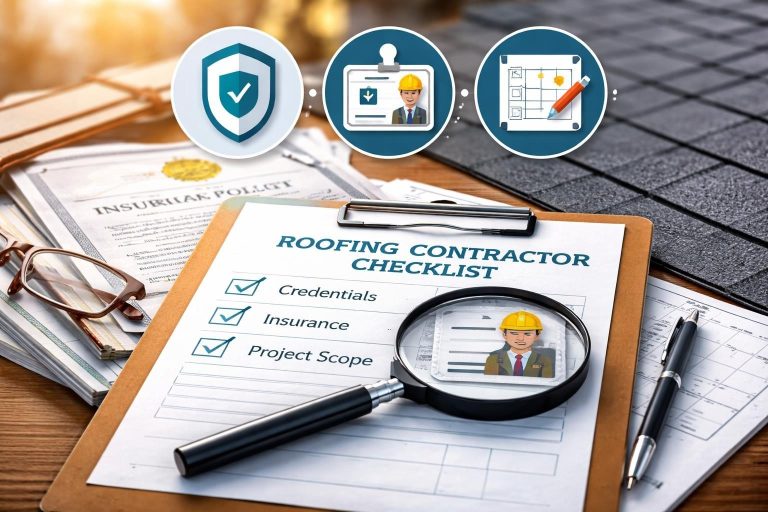
Verifying Contractor Credentials and References
Online searches for tpo roofers near me return numerous results, but contractor quality varies enormously across those listings. Verification processes help property managers identify legitimate commercial roofing specialists and avoid contractors who overstate their capabilities.
License and Insurance Verification
Every state requires roofing contractors to maintain specific licenses and insurance coverage, but verification requirements and coverage minimums differ significantly. Texas requires commercial roofing contractors to maintain general liability insurance with minimum coverage levels based on project size.
Essential coverage verification includes:
- Current general liability insurance with aggregate limits appropriate to project size
- Workers' compensation coverage for all crew members
- Commercial auto insurance for company vehicles
- Umbrella policies providing additional liability protection
Request certificates of insurance directly from insurance carriers rather than accepting copies contractors provide. Direct verification confirms coverage remains current and prevents issues from lapsed policies. Require that property owners receive additional insured status on contractor policies before work begins.
Professional licensing verification through state contractor boards confirms that contractors maintain current credentials and reveals any disciplinary actions or complaint histories. Comprehensive roofing services require proper licensing across multiple specialties, not just general contractor credentials.
Reference Checks and Project Inspections
Speaking with previous clients provides insights that proposals and interviews never reveal. Contact references from projects completed within the past two years, focusing on commercial TPO installations similar to your building type and roof size.
Specific questions about project experience uncover contractor performance patterns. Ask references about communication quality throughout the project, how contractors handled unexpected issues, whether timelines remained accurate, and if final costs matched original proposals. Job site cleanliness, crew professionalism, and responsiveness to concerns reveal operational standards.
Request permission to inspect completed projects when possible. Visual inspection of existing TPO installations shows seam quality, flashing details, and overall craftsmanship. Look for clean terminations, consistent membrane appearance, and properly integrated penetration flashings. Poor workmanship becomes obvious when examining actual installations rather than relying on photo portfolios.
Common TPO Roofing Problems and Prevention
Understanding frequent TPO system failures helps property managers evaluate whether contractors address these issues proactively during installation. Many common problems stem from installation shortcuts rather than membrane defects.
Seam Failures and Moisture Intrusion
TPO seam failures represent the most common source of leaks in membrane roofing systems. Improper welding temperatures, contaminated seam surfaces, or insufficient overlap create weak points where seams separate under thermal stress or wind uplift forces.
Common TPO roofing issues that facility managers should monitor include seam deterioration at detail areas, fastener pattern failures in mechanically attached systems, and membrane shrinkage causing edge metal separation. Professional contractors prevent these problems through proper installation techniques rather than addressing them through warranty repairs.
Moisture intrusion often begins at penetration flashings where membrane integration requires careful detailing. HVAC curbs, plumbing vents, and electrical conduits create vulnerability points that demand precise flashing application. Quality contractors use manufacturer-approved detail assemblies rather than improvising field solutions.
Thermal Movement and Fastening Issues
TPO membranes expand and contract significantly with temperature changes, creating stress on attachment points and seams. Mechanically attached systems require proper fastener patterns that accommodate thermal movement without creating stress concentrations.
Inadequate fastener density allows wind forces to lift membranes between attachment points. Excessive fastening restricts thermal movement, causing membrane tearing around fastener plates. Professional contractors follow manufacturer specifications for fastener spacing based on wind zone requirements and building height.
Detailed installation steps demonstrate how proper base sheet attachment and membrane fastening patterns work together to resist wind forces while accommodating thermal movement. When evaluating tpo roofers near me, verify that contractors calculate fastener requirements for your specific building rather than using standard patterns for all projects.
Local Expertise and Service Area Considerations
Geographic proximity affects contractor responsiveness for both routine service and emergency repairs. Local contractors familiar with regional climate patterns, building codes, and weather challenges provide advantages that distant contractors cannot match.
Regional Climate and Building Code Knowledge
Fort Worth's climate creates specific challenges for commercial roofing systems that contractors must understand and address. Summer heat causes significant thermal expansion requiring proper detailing at terminations and penetrations. Severe weather events demand robust wind resistance specifications and proper drainage design.
Local building codes specify minimum wind resistance requirements, insulation R-values, and drainage standards that vary from national model codes. Contractors experienced in local markets understand these requirements and design systems that meet or exceed local standards without over-specification.
Weather patterns affect project scheduling and installation timing. Experienced local contractors know which months provide optimal installation conditions and how to protect partially completed work during unpredictable weather. They maintain relationships with local material suppliers ensuring rapid access to components for repairs or project acceleration.
Emergency Response and Ongoing Service
Commercial roofing emergencies don't follow business hours or convenient schedules. Active leaks threaten building contents, interrupt operations, and create liability exposures that demand immediate response. Local contractors with established service departments respond faster than distant companies routing calls through regional offices.
Service response capabilities separate contractors who view roofing as project-based work from those committed to long-term client relationships. Professional roofing companies maintain service crews, stock emergency repair materials, and provide 24/7 contact numbers for urgent situations. The about page for established roofing companies typically highlights service capabilities and response commitments rather than focusing exclusively on new installation projects.
Ongoing maintenance relationships provide value beyond emergency repairs. Regular inspections identify minor issues before they require major repairs. Debris removal, drainage clearing, and sealant renewal extend system life and preserve warranty coverage. Local contractors invested in long-term relationships prioritize maintenance client needs over new project sales.
Selecting qualified tpo roofers near me requires thorough evaluation of contractor credentials, installation capabilities, and service commitment rather than relying solely on pricing comparisons. Property managers who verify manufacturer certifications, inspect completed projects, and confirm comprehensive insurance coverage protect their buildings and budgets. Texcore Construction serves Fort Worth commercial and residential properties with in-house crews, manufacturer certifications, and same-day emergency response backed by detailed documentation and five-year labor warranties. Contact our team for professional TPO roofing evaluation and transparent recommendations built around your building's specific requirements.