What to Expect From a Roof Inspection Service
What to Expect From a Roof Inspection Service: A Complete Guide to the Roof Inspection Process and Costs
A roof inspection service is a critical component of home maintenance, ensuring that your roof remains in optimal condition and can withstand the elements. This comprehensive guide will delve into what a professional roof inspection entails, the step-by-step process, common types of roof damage, associated costs, and the benefits of regular inspections. Homeowners often overlook the importance of roof inspections, which can lead to costly repairs down the line. By understanding the inspection process and its significance, you can make informed decisions about your roof’s maintenance. This article will cover the components of a roof inspection, the inspection process, common damages found, cost factors, and the long-term benefits of regular inspections.
What Does a Professional Roof Inspection Include?
A professional roof inspection includes a thorough examination of various roof components to assess their condition and identify potential issues. This process is essential for maintaining the integrity of your roof and preventing future problems. During the inspection, trained professionals evaluate critical elements such as shingles, flashing, and gutters, ensuring that each component is functioning correctly. Understanding what a roof inspection includes can help homeowners appreciate its value and necessity.
Which Roof Components Are Examined During Inspection?
- Shingles: Inspectors check for missing, cracked, or curled shingles that may compromise the roof’s waterproofing.
- Flashing: The metal strips that prevent water from seeping into joints and seams are assessed for rust, damage, or improper installation.
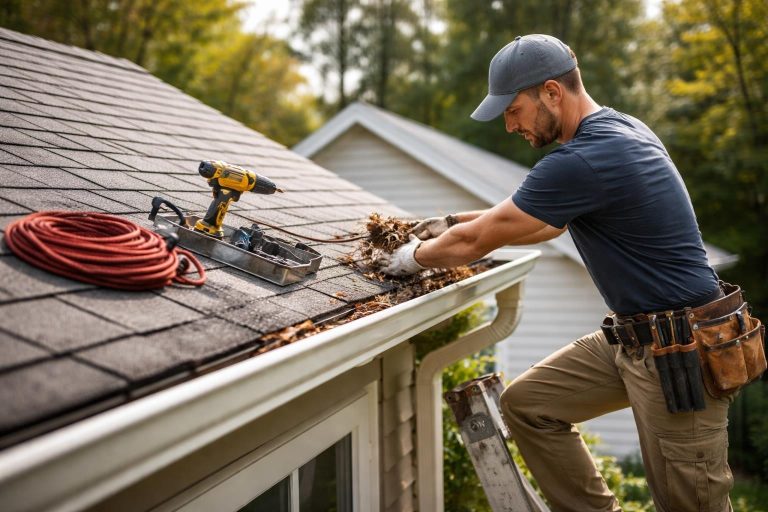
- Gutters: Clogged or damaged gutters can lead to water pooling and roof damage, making their inspection crucial.
These components play a vital role in protecting your home from water damage and other issues.
How Is the Attic and Interior Roof Structure Assessed?
The attic and interior roof structure are also critical areas of focus during a roof inspection. Inspectors look for signs of water damage, which can indicate leaks or poor ventilation. Common issues assessed include:
- Signs of Water Damage: Stains, mold growth, or dampness on the ceiling or attic surfaces can signal leaks.
- Ventilation Issues: Proper airflow is essential to prevent moisture buildup, which can lead to mold and structural damage.
- Insulation Quality: Inspectors evaluate insulation to ensure it is adequate and properly installed to meet energy efficiency standards and prevent heat loss.
A thorough assessment of these areas helps identify potential problems before they escalate.
What Is the Step-by-Step Roof Inspection Process?

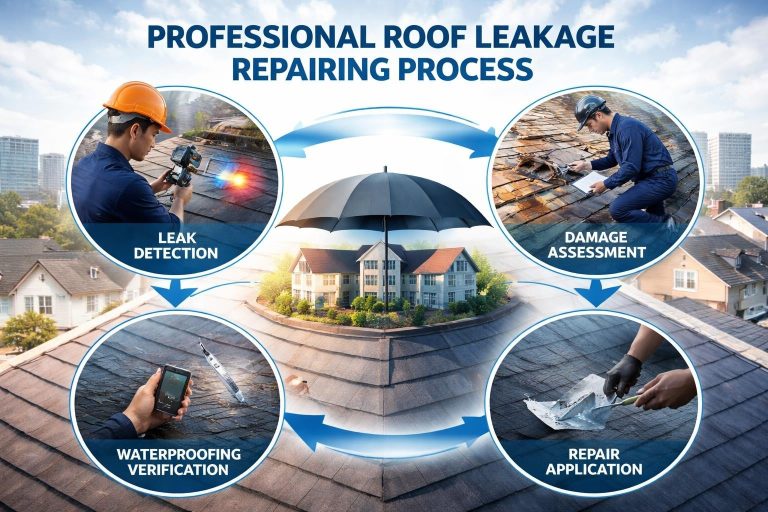
Understanding the step-by-step roof inspection process can help homeowners prepare for the assessment and know what to expect. The process typically involves several key stages, ensuring a comprehensive evaluation of the roof’s condition.
How Does the Pre-Inspection Consultation Prepare the Assessment?
Before the inspection begins, a pre-inspection consultation allows homeowners to discuss their concerns and provide information about the roof’s history. This stage is crucial for:
- Homeowner Concerns: Addressing specific worries can guide the inspector’s focus.
- Roof History: Knowledge of past repairs or issues can inform the inspection process.
- Property Details: Understanding the property layout helps inspectors plan their approach.
This consultation sets the stage for a thorough and tailored inspection.
What Happens During the Exterior Roof Examination?
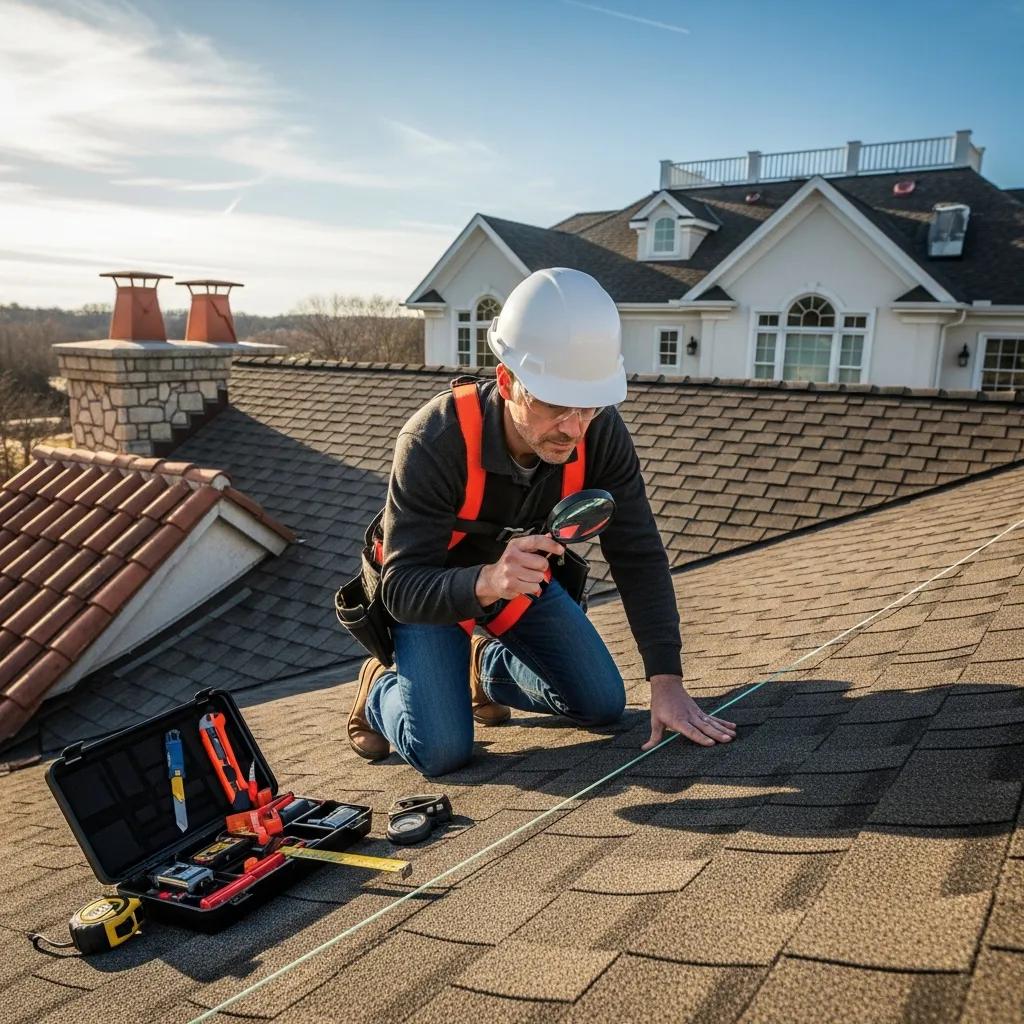
The exterior roof examination is a hands-on assessment where inspectors visually check the roof’s surface and components. Key areas inspected include:
- Visual Checks: Inspectors look for visible signs of damage or wear.
- Tools Used: Specialized tools such as moisture meters, binoculars, or drones may be employed to assess the roof’s condition accurately.
- Common Issues Found: Inspectors often identify problems such as loose or missing shingles, damaged flashing, cracked tiles, or debris accumulation.
This examination is vital for identifying issues that may not be apparent from the ground.
How Is Documentation and Reporting Conducted?
After the inspection, documentation and reporting are essential for communicating findings to the homeowner. This process includes:
- Types of Documentation: Inspectors provide detailed reports, often including photographs of issues found.
- Importance of Clarity: Clear documentation helps homeowners understand the condition of their roof.
- Follow-Up Recommendations: Inspectors typically suggest necessary repairs or maintenance steps based on their findings.
Thorough documentation ensures that homeowners are well-informed about their roof’s condition.
What Are the Post-Inspection Recommendations and Next Steps?
Following the inspection, homeowners receive recommendations for addressing any identified issues. Common next steps include:
- Repair Options: Homeowners may need to schedule repairs for any significant problems found.
- Maintenance Tips: Regular maintenance can help prolong the roof’s lifespan.
- Follow-Up Inspections: Scheduling future inspections can help monitor the roof’s condition over time.
These recommendations are crucial for maintaining the roof’s integrity and preventing future issues.
What Types of Roof Damage Are Commonly Found During Inspection?

Roof inspections often reveal various types of damage that can affect the roof’s performance and longevity. Understanding these common issues can help homeowners take proactive measures.
How to Identify Signs of Roof Leaks and Water Intrusion?
Identifying signs of roof leaks and water intrusion is essential for preventing extensive damage. Common indicators include:
- Water Stains: Discoloration on ceilings or walls can signal leaks.
- Mold Growth: The presence of mold often indicates moisture issues.
- Structural Damage: Warping, sagging, or rotting in the roof structure can result from prolonged water exposure.
Recognizing these signs early can help mitigate damage and repair costs.
What Are Typical Material and Structural Issues?
Material and structural issues are also common findings during roof inspections. These may include:
- Material Wear: Aging materials can lead to decreased effectiveness and increased vulnerability.
- Installation Errors: Poor installation practices can result in significant problems such as improper flashing or inadequate sealing.
- Environmental Impacts: Weather conditions like hail, wind, and UV exposure can accelerate wear and tear on roofing materials.
Understanding these issues can help homeowners make informed decisions about repairs and maintenance.
How Much Does a Roof Inspection Cost and What Factors Affect Pricing?
The cost of a roof inspection can vary based on several factors, making it essential for homeowners to understand what influences pricing.
What Is the Average Price Range for Roof Inspections?
On average, roof inspection costs typically range from $150 to $400, depending on various factors such as:
- Cost Variations by Region: Prices may differ based on geographic location and local market rates.
- Cost Based on Roof Type: Different roofing materials may require specialized inspections.
- Typical Pricing Models: Some inspectors charge flat rates, while others may base fees on the roof’s size and complexity.
Understanding these factors can help homeowners budget for inspections.
Which Factors Influence Roof Inspection Costs?
Several factors can influence the overall cost of a roof inspection, including:
- Roof Size: Larger roofs generally require more time and effort to inspect.
- Accessibility: Difficult-to-reach areas or steep roofs may increase inspection costs.
- Inspection Type: Specialized inspections, such as infrared thermography or drone inspections, may come at a premium.
Being aware of these factors can help homeowners choose the right inspection service for their needs.
Why Are Regular Roof Inspections Beneficial for Homeowners?
Regular roof inspections offer numerous benefits that can save homeowners money and stress in the long run. Understanding these advantages can encourage proactive maintenance.
How Do Inspections Extend Roof Lifespan and Prevent Costly Repairs?
Regular inspections can significantly extend the lifespan of a roof by identifying issues early. Benefits include:
- Regular Maintenance: Routine checks help maintain the roof’s integrity.
- Early Detection of Issues: Identifying problems before they escalate can prevent costly repairs.
- Long-Term Savings: Investing in inspections can save homeowners money by avoiding major repairs or premature roof replacement.
These benefits highlight the importance of prioritizing regular roof inspections.
What Insurance Benefits Are Available With Certified Roof Inspections?
Certified roof inspections can also provide insurance benefits for homeowners. These may include:
- Discounts Offered: Some insurance companies offer discounts for homes with regular inspections and maintenance.
- Insurance Claims Support: A certified inspection can support claims for roof damage by providing documented evidence.
- Importance of Certification: Certified inspectors provide credible documentation that can be beneficial during claims processes.
Understanding these benefits can help homeowners maximize their insurance coverage.
Regular roof inspections are essential for maintaining the integrity of your home. By understanding the inspection process, common issues, and the associated costs, homeowners can make informed decisions that protect their investment and ensure the longevity of their roofs.