Commercial Roof Repairs: A Complete Guide for Owners
Commercial properties face unique roofing challenges that demand swift, expert attention to prevent costly operational disruptions and property damage. Unlike residential systems, commercial roofs typically feature flat or low-slope designs with specialized materials like TPO, EPDM, or modified bitumen that require specific repair techniques. Understanding when repairs are sufficient versus when replacement becomes necessary can save property managers and building owners thousands of dollars while extending the functional life of their roofing systems. Proactive maintenance paired with professional commercial roof repairs keeps buildings watertight, energy-efficient, and compliant with building codes.
Identifying Common Commercial Roofing Problems
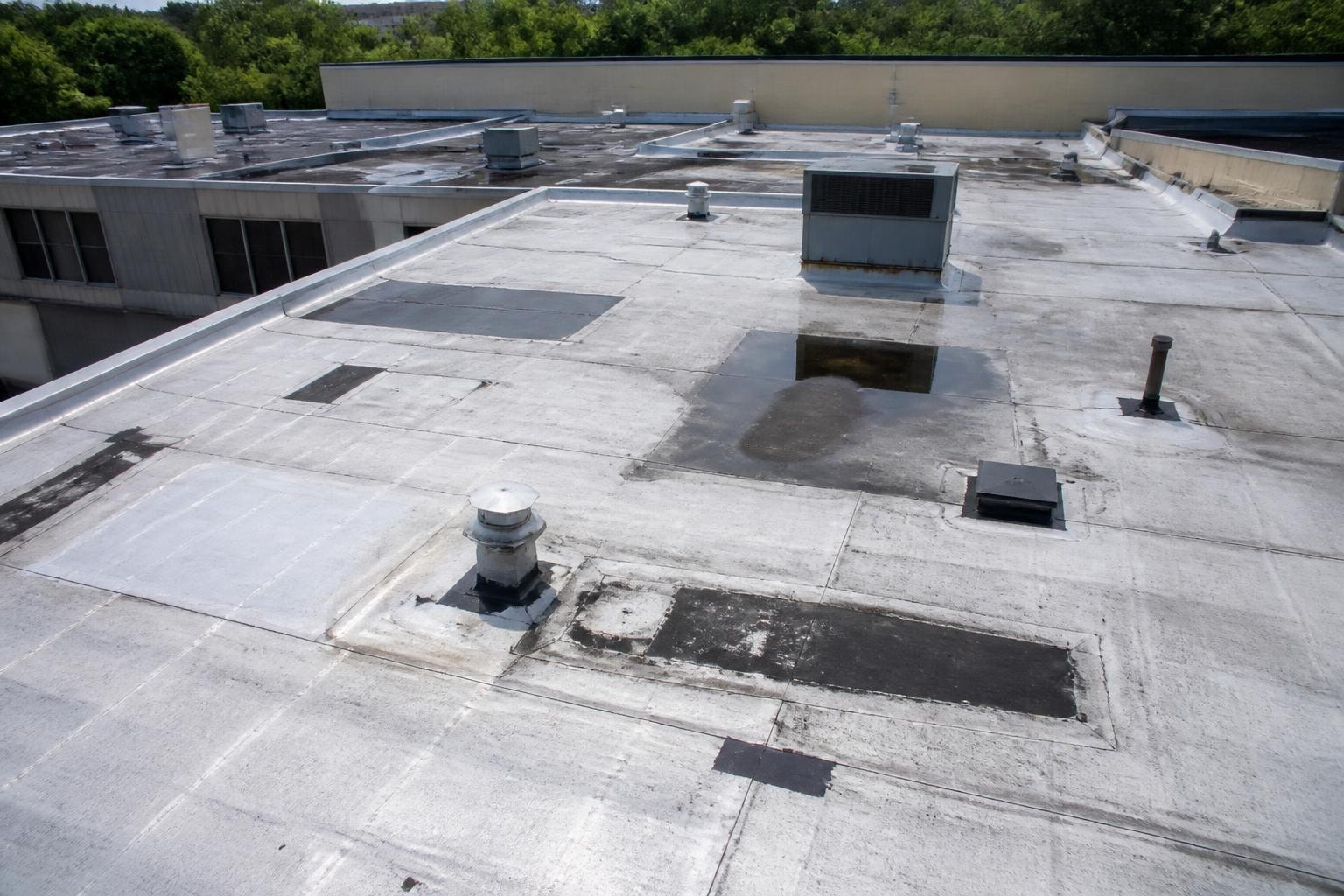
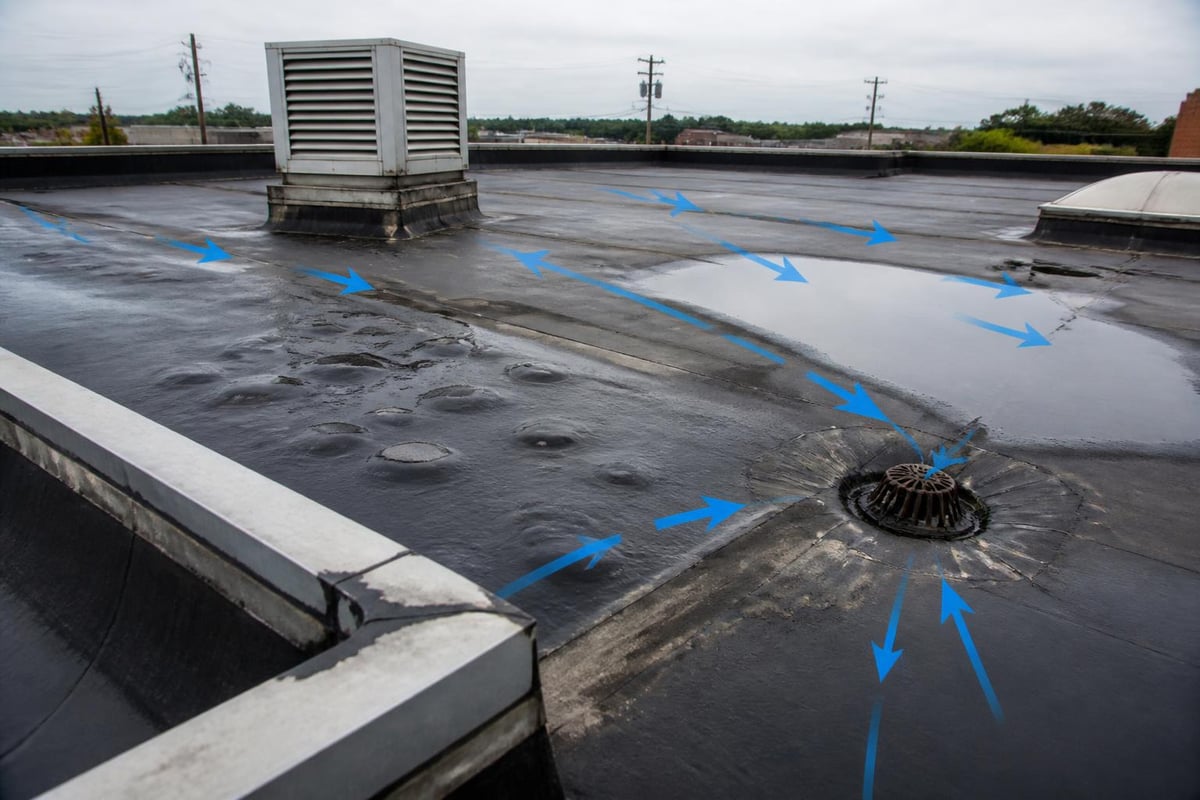
Commercial roofing systems deteriorate through various mechanisms, many of which remain invisible until significant damage occurs. Membrane punctures from foot traffic, HVAC maintenance, or falling debris create immediate leak risks that worsen rapidly if left unaddressed. Ponding water represents another critical concern, particularly on flat roofs where drainage issues allow water to pool for more than 48 hours after rainfall.
Material-Specific Deterioration Patterns
Different roofing materials fail in characteristic ways that require tailored repair approaches:
- TPO roofs experience seam separation and shrinkage over time
- EPDM systems develop punctures and lose adhesion at lap seams
- Modified bitumen surfaces crack, blister, and lose granular protection
- Metal roofs corrode at fastener points and panel overlaps
- Built-up roofing shows alligator cracking and aggregate loss
Weather conditions accelerate deterioration significantly. Fort Worth's intense summer heat causes thermal expansion and contraction cycles that stress membrane seams and flashings. Hail storms create surface bruising on membrane systems and dent metal panels, compromising protective coatings. Regular roof inspections help identify these issues before they evolve into emergency situations.
Early Warning Signs That Demand Action
Recognizing subtle indicators of roofing distress allows property managers to schedule commercial roof repairs before minor issues escalate. Interior water stains on ceilings or walls signal active leaks that may originate far from visible damage points. Increased energy costs often indicate deteriorated insulation or air leakage through compromised roof assemblies.
Physical roof inspections reveal additional warning signs. Cracked or missing sealant around penetrations creates pathways for water infiltration. Loose or damaged flashing at parapet walls, expansion joints, and equipment curbs compromises the building envelope. Standing water that persists beyond 48 hours indicates drainage failures requiring immediate attention.
Strategic Repair Methods for Commercial Roofs
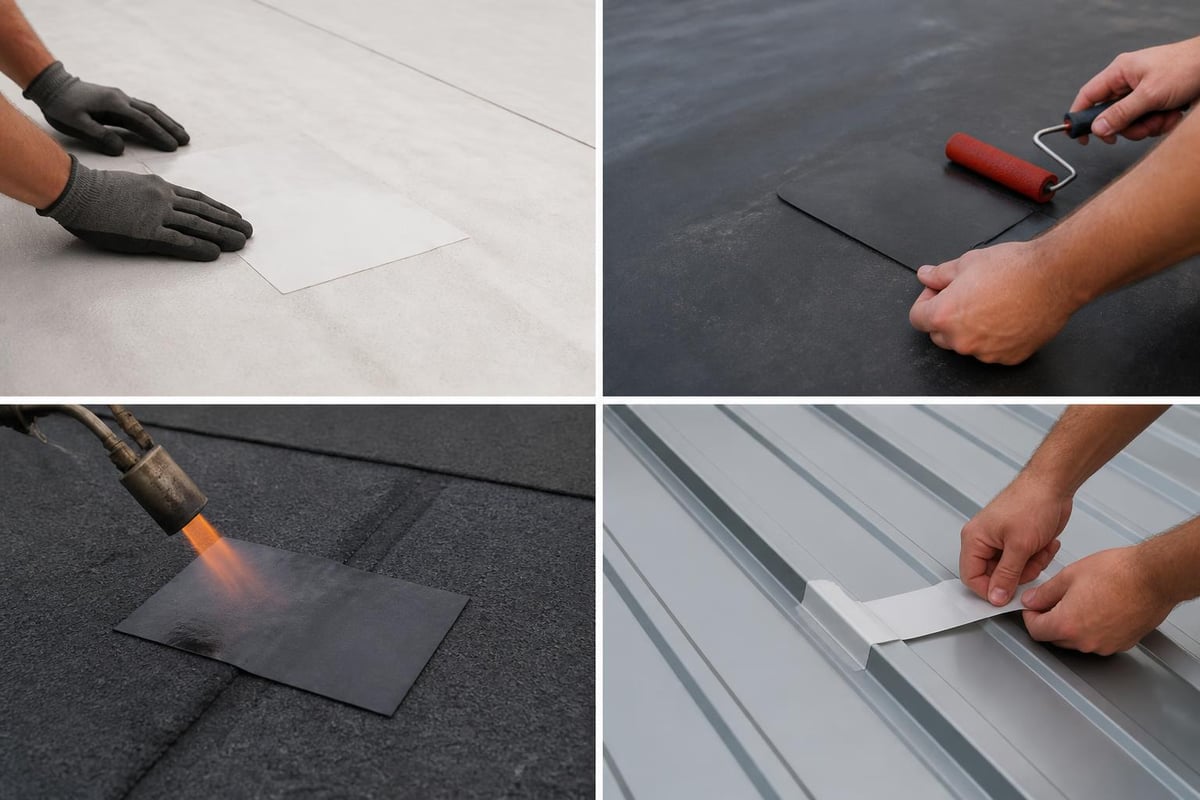
Professional commercial roof repairs employ various techniques matched to specific damage types and roofing materials. Patch repairs address localized damage efficiently when the surrounding membrane remains in good condition. This approach works particularly well for punctures, small tears, and isolated weathering damage. Contractors clean and prepare the damaged area, then apply compatible patching materials using heat welding, adhesives, or mechanical fastening depending on the roof type.
Seam restoration targets one of the most vulnerable aspects of membrane roofing systems. Over time, seams separate due to thermal movement, improper installation, or adhesive degradation. Repair crews clean existing seams, remove failed adhesive, and re-seal using appropriate methods for the specific membrane material. Heat-welded seams provide superior long-term performance compared to adhesive-only applications.
| Repair Method | Best Applications | Expected Lifespan | Cost Range |
|---|---|---|---|
| Patch Repairs | Punctures, localized damage | 5-10 years | $500-$2,000 |
| Seam Restoration | Failed lap seams, edge details | 8-12 years | $1,500-$5,000 |
| Flashing Replacement | Penetrations, transitions | 10-15 years | $1,000-$4,000 |
| Coating Systems | Widespread surface wear | 10-20 years | $3-$7 per sq ft |
| Section Replacement | Extensive damage zones | 15-25 years | $8-$15 per sq ft |
Flashing and Penetration Repairs
Flashing failures account for a significant percentage of commercial roof leaks. These critical transition points where roofing membrane meets vertical surfaces, pipes, vents, and equipment require meticulous installation and periodic maintenance. Commercial roof repairs focusing on flashing typically involve removing deteriorated materials, preparing substrates, and installing new flashing with proper overlap and sealant application.
HVAC units, plumbing vents, and other rooftop penetrations demand special attention. Curb-mounted equipment creates multiple potential failure points where flashing meets both the roof membrane and the equipment base. Professional repairs ensure proper counterflashing, pitch pans, and sealant applications that accommodate thermal movement without compromising waterproofing integrity.
Contractors may recommend storm damage restoration services when severe weather events cause widespread flashing and penetration damage requiring comprehensive repairs beyond routine maintenance. Coordinating roofing repairs with other building envelope restoration ensures complete protection against water intrusion.
Drainage System Restoration
Inadequate drainage accelerates roof deterioration and creates liability concerns when water accumulates beyond design loads. Commercial roof repairs often include drain cleaning, adjustment, or replacement to restore proper water flow. Clogged drains force water to seek alternative pathways, frequently resulting in edge overflow that damages building facades and landscaping.
Scupper upgrades improve drainage capacity on roofs with inadequate outlet systems. Additional drains or overflow scuppers provide secondary drainage paths that prevent catastrophic ponding during heavy rainfall. Proper drainage management represents a fundamental aspect of commercial roof longevity.
Cost-Effective Alternatives to Complete Replacement
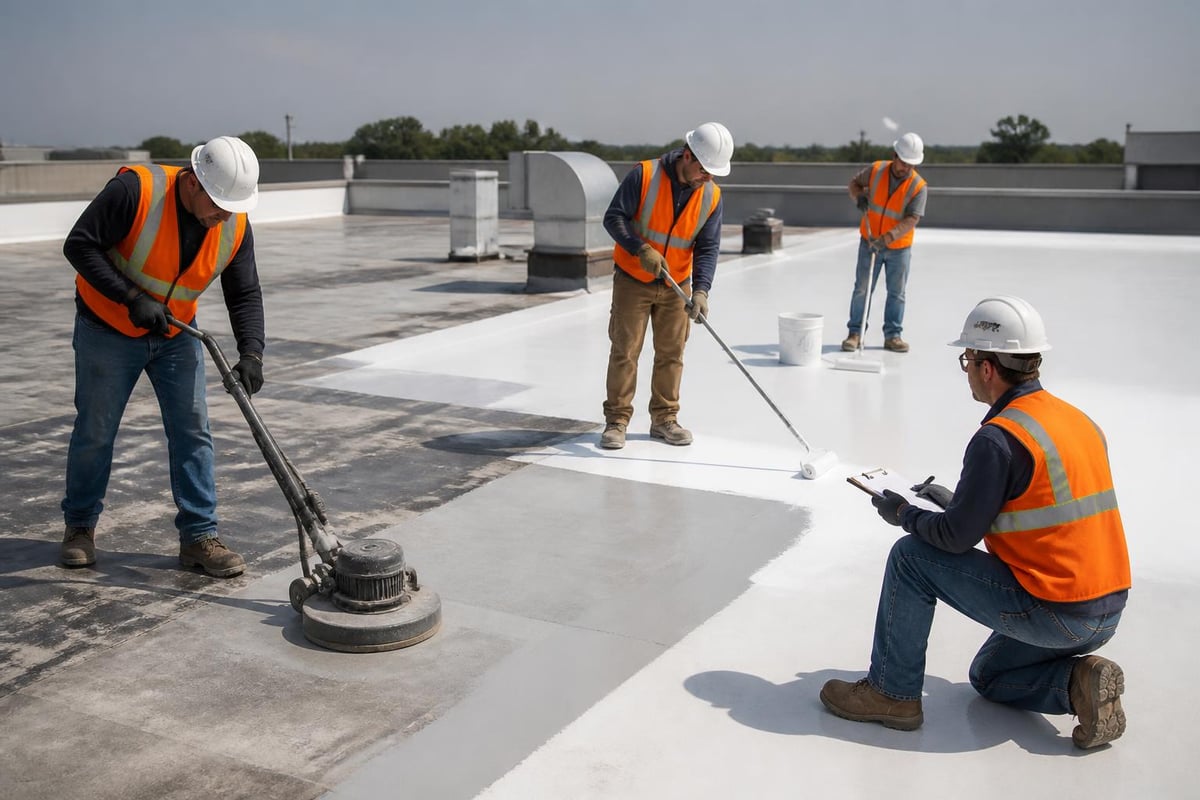
Many building owners face pressure to replace entire roofing systems when targeted commercial roof repairs could extend serviceable life at a fraction of replacement costs. Roof restoration offers particular value for buildings with structurally sound membranes showing surface-level deterioration. This approach typically involves thorough cleaning, minor repairs, and application of reflective coating systems that rejuvenate aged roofing materials.
Restoration benefits extend beyond immediate cost savings. Modern coating systems improve energy efficiency by reflecting solar radiation, reducing cooling loads during summer months. White or light-colored coatings can lower roof surface temperatures by 50-80 degrees Fahrenheit compared to aged, dark surfaces. These thermal benefits translate directly to reduced HVAC operating costs and improved occupant comfort.
When Restoration Makes Financial Sense
Several factors determine whether restoration represents a viable alternative to replacement:
- Existing roof age below 75% of expected lifespan
- Insulation condition remains dry and maintains R-value
- Structural deck shows no deterioration or damage
- Membrane condition exhibits surface wear but maintains integrity
- Budget constraints make full replacement cost-prohibitive
Property managers should request detailed assessments comparing restoration versus replacement costs over 10-year and 20-year horizons. While commercial roof restoration typically costs 30-50% less than complete replacement initially, projected maintenance requirements and warranty terms influence total lifecycle costs.
Emergency Repairs and Storm Response
Severe weather events create urgent situations demanding immediate response to prevent extensive interior damage and business interruption. Commercial properties cannot afford lengthy repair delays when active leaks threaten inventory, equipment, and operations. Professional contractors offering emergency roof repair services provide critical rapid response capabilities that minimize damage exposure.
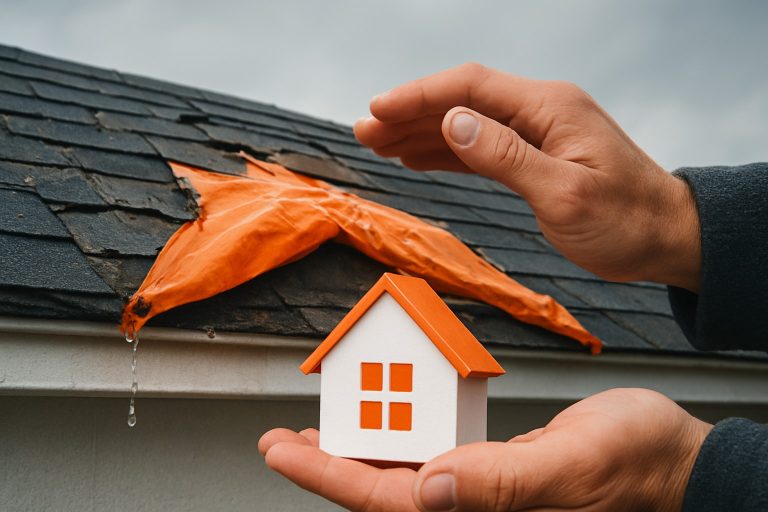
Emergency commercial roof repairs prioritize immediate water intrusion control through temporary measures like tarping, water diversion, and quick patches. These interim solutions protect property while allowing thorough damage assessment under safer conditions. Contractors document all damage meticulously, photographing affected areas and cataloging specific failures to support insurance claims.
Storm Damage Assessment Protocols
Comprehensive post-storm evaluations identify both obvious and hidden damage that may not produce immediate leaks. Hail impact bruises membrane surfaces, compromising material integrity even when punctures don't occur immediately. These damaged areas fail prematurely, often weeks or months after the weather event. Wind damage tears flashings, lifts membrane edges, and displaces rooftop equipment in ways that create multiple leak pathways.
Professional inspectors examine the entire roof assembly systematically:
- Document hail impact patterns and density
- Measure membrane indentations and material degradation
- Assess flashing condition at all transitions and penetrations
- Evaluate drainage system functionality and debris accumulation
- Inspect structural elements for displacement or damage
- Photograph all findings with detailed location references
This documentation becomes essential when filing insurance claims. Adjusters rely on thorough evidence to approve coverage for commercial roof repairs, making professional documentation invaluable for supporting your insurance claim with thorough documentation settlements.
Preventative Maintenance Programs
Structured maintenance programs dramatically reduce emergency repair frequency while extending overall roof lifespan. Regular inspections scheduled quarterly or biannually identify minor issues before they escalate into major failures requiring extensive commercial roof repairs. Commercial roof maintenance best practices emphasize proactive intervention over reactive emergency response.
Professional maintenance visits should include comprehensive checklists addressing all roof system components. Technicians clean drains and gutters, remove debris accumulation, inspect and reseal penetrations, check flashing condition, and document any changes from previous inspections. These routine services cost substantially less than emergency repairs while preventing the operational disruptions that accompany unexpected roof failures.
Documentation and Warranty Compliance
Detailed maintenance records serve multiple critical functions beyond simple record-keeping. Warranty requirements frequently mandate documented maintenance at specified intervals. Failure to maintain these records can void manufacturer warranties, leaving building owners financially responsible for premature material failures. Comprehensive documentation also demonstrates due diligence when selling properties or negotiating insurance coverage.
| Maintenance Task | Frequency | Typical Cost | Impact on Lifespan |
|---|---|---|---|
| Professional Inspection | Quarterly | $300-$600 | +30-40% |
| Drain Cleaning | Quarterly | $200-$400 | +20-30% |
| Debris Removal | Monthly | $150-$300 | +15-25% |
| Penetration Sealing | Annually | $500-$1,500 | +25-35% |
| Minor Repairs | As needed | $500-$2,000 | +40-50% |
Digital maintenance platforms increasingly replace paper-based systems, providing property managers with real-time access to inspection reports, repair histories, and scheduled service reminders. These systems facilitate multi-property portfolio management and simplify warranty claim processes through centralized documentation storage. Understanding industrial roof maintenance requirements becomes especially important for facilities with large roof areas or specialized operational needs.
Material Selection for Repair Longevity
Choosing appropriate materials for commercial roof repairs significantly impacts long-term performance and cost-effectiveness. Material compatibility represents the paramount consideration when selecting patch materials, sealants, or coating systems. Incompatible materials may initially appear successful but fail rapidly due to chemical interactions, differential thermal movement, or adhesion failures.
TPO repairs demand TPO-compatible materials welded or adhered using manufacturer-approved methods. EPDM systems require EPDM patches and primers specifically formulated for rubber membrane bonding. Modified bitumen repairs utilize torched or cold-applied bituminous materials that fuse with existing surfaces. Mixing incompatible material families virtually guarantees premature failure regardless of installation quality.
Advanced Repair Technologies
Modern commercial roof repairs incorporate innovative materials and methods that outperform traditional approaches. Spray polyurethane foam fills irregular voids and creates seamless waterproofing over complex geometries. This technology excels at difficult repairs around penetrations, transitions, and damaged insulation areas. Foam provides both waterproofing and insulation value, improving energy performance while addressing moisture intrusion.
Self-adhering membranes simplify repairs in challenging weather conditions where heat welding or torch applications pose safety concerns. These products bond mechanically and chemically to clean, prepared substrates without requiring specialized equipment or open flame operations. Installation speed and weather tolerance make self-adhering materials particularly valuable for emergency commercial roof repairs requiring immediate intervention.
Liquid-applied membranes offer seamless waterproofing for areas with multiple penetrations or complex details. These systems cure to form continuous, elastomeric barriers that accommodate substrate movement without cracking. Application flexibility allows contractors to address irregular surfaces, vertical transitions, and tight spaces that challenge sheet membrane installations.
Working with Professional Roofing Contractors
Selecting qualified contractors directly impacts repair quality, longevity, and overall project costs. Licensed, insured professionals bring essential expertise, proper equipment, and manufacturer certifications that ensure work complies with warranty requirements and building codes. In-house crews provide superior quality control compared to contractors who subcontract work to unknown third parties.
Reputable contractors provide detailed scope documents outlining specific work to be performed, materials to be used, and project timelines. These documents should specify repair methods, material specifications by manufacturer and model number, surface preparation requirements, and quality control measures. Vague proposals lacking specific details often indicate contractors unfamiliar with proper commercial roof repairs techniques.
Evaluating Contractor Credentials
Due diligence protects property owners from substandard work and potential liability issues:
- Verify active licenses and insurance coverage including general liability and workers' compensation
- Request references from commercial property managers with similar building types
- Review manufacturer certifications for specific roofing materials
- Examine previous project portfolios and completion timelines
- Confirm warranty offerings including both labor and material coverage
- Assess safety programs and OSHA compliance documentation
Working with specialized roofing contractors who focus exclusively on commercial applications ensures crews understand the unique challenges, material requirements, and performance expectations for commercial buildings. Residential-focused contractors often lack the equipment, expertise, and material knowledge necessary for proper commercial roof repairs.
Insurance Claim Navigation
Storm damage often triggers insurance claims requiring professional documentation and advocacy. Experienced roofing contractors familiar with insurance processes provide invaluable assistance preparing claim submissions, meeting with adjusters, and ensuring adequate coverage for necessary repairs. Detailed damage documentation, accurate repair scopes, and professional estimates strengthen claim approvals and minimize out-of-pocket costs.
Property managers should engage roofing professionals early in the claims process, ideally before initial adjuster inspections. Contractors identify damage that untrained observers might miss, ensuring comprehensive coverage for all necessary commercial roof repairs. They also help distinguish between storm damage and pre-existing conditions, clarifying coverage boundaries and preventing claim denials based on maintenance deferrals.
Long-Term Performance Monitoring
Successful commercial roof repairs require ongoing monitoring to verify performance and identify any emerging issues. Initial post-repair inspections within 30-60 days confirm proper installation and early performance. Annual inspections thereafter track repair area condition relative to surrounding roof sections, revealing potential compatibility issues or installation deficiencies requiring attention.
Thermal imaging surveys detect moisture intrusion invisible to visual inspection. These non-invasive assessments identify wet insulation areas that compromise thermal performance and indicate active or developing leaks. Early moisture detection enables targeted commercial roof repairs before widespread damage occurs, significantly reducing overall repair costs.
Property managers should maintain comprehensive digital files including repair specifications, material certifications, warranty documents, and inspection reports. This documentation proves invaluable when addressing warranty claims, planning future repairs, or transferring property ownership. Professional roofing service providers often offer digital documentation platforms that centralize this information for easy access and reference.
Performance Metrics and Benchmarks
Quantifiable metrics help property managers evaluate repair effectiveness and contractor performance:
- Leak recurrence rates within repaired areas
- Warranty claim frequency for materials and labor
- Energy consumption changes post-repair indicating thermal performance
- Repair longevity compared to projected service life
- Maintenance cost trends before and after major repairs
These metrics guide future repair decisions and contractor selection processes. Consistently high-performing repairs from specific contractors justify continued partnerships, while recurring failures indicate the need for alternative approaches or providers.
Regional Considerations for Fort Worth Properties
Fort Worth's climate creates specific challenges for commercial roofing systems that influence repair approaches and material selection. Extreme temperature swings between winter lows and summer highs stress membrane materials and sealants, accelerating deterioration at flashings and seams. Thermal cycling causes expansion and contraction that can exceed 200% of material resting dimensions, demanding flexible repair materials that accommodate movement.
Hail exposure ranks among the highest concerns for Fort Worth commercial properties. The region experiences frequent severe thunderstorms producing large hail that damages roofing materials through impact and abrasion. Understanding hail damage repair methods becomes essential for property managers in this geographic area, where annual inspections should specifically assess hail impact evidence.
UV radiation intensity in Texas accelerates material degradation, particularly affecting polymer-based membranes and sealants. Protective coatings and UV-resistant materials extend service life significantly compared to standard products. Commercial roof repairs in Fort Worth should prioritize UV-resistant material specifications to maximize longevity under intense solar exposure.
Protecting commercial property investments requires vigilant attention to roofing system condition and prompt professional intervention when issues arise. Strategic commercial roof repairs, comprehensive maintenance programs, and qualified contractor partnerships extend roof life while minimizing operational disruptions and capital expenditures. Whether addressing storm damage, age-related deterioration, or emergency leaks, property managers and building owners need responsive, knowledgeable partners who deliver lasting solutions backed by solid warranties and proven expertise. Texcore Construction provides Fort Worth property owners with in-house crews, same-day response capabilities, and comprehensive roofing solutions built around accountability, craftsmanship, and transparent communication from initial inspection through project completion.