Roof Claim: What to Expect From Start to Finish
Filing a roof claim can feel overwhelming, especially when you're already dealing with storm damage or an unexpected leak. Property owners throughout Fort Worth face unique challenges when navigating insurance claims for roof damage, from understanding policy coverage to documenting every detail of deterioration. The difference between a successful claim and a denied one often comes down to preparation, timing, and comprehensive documentation. Whether you're a homeowner facing hail damage or a property manager dealing with a commercial roof failure, understanding the claims process from start to finish protects your investment and ensures you receive the coverage your policy provides.
Understanding Your Roof Insurance Coverage
Before filing any roof claim, reviewing your insurance policy helps you understand what's covered and what exclusions might apply. Most homeowner and commercial property policies cover sudden, accidental damage from wind, hail, fire, and falling objects. They typically exclude damage from gradual wear, poor maintenance, or aging materials.
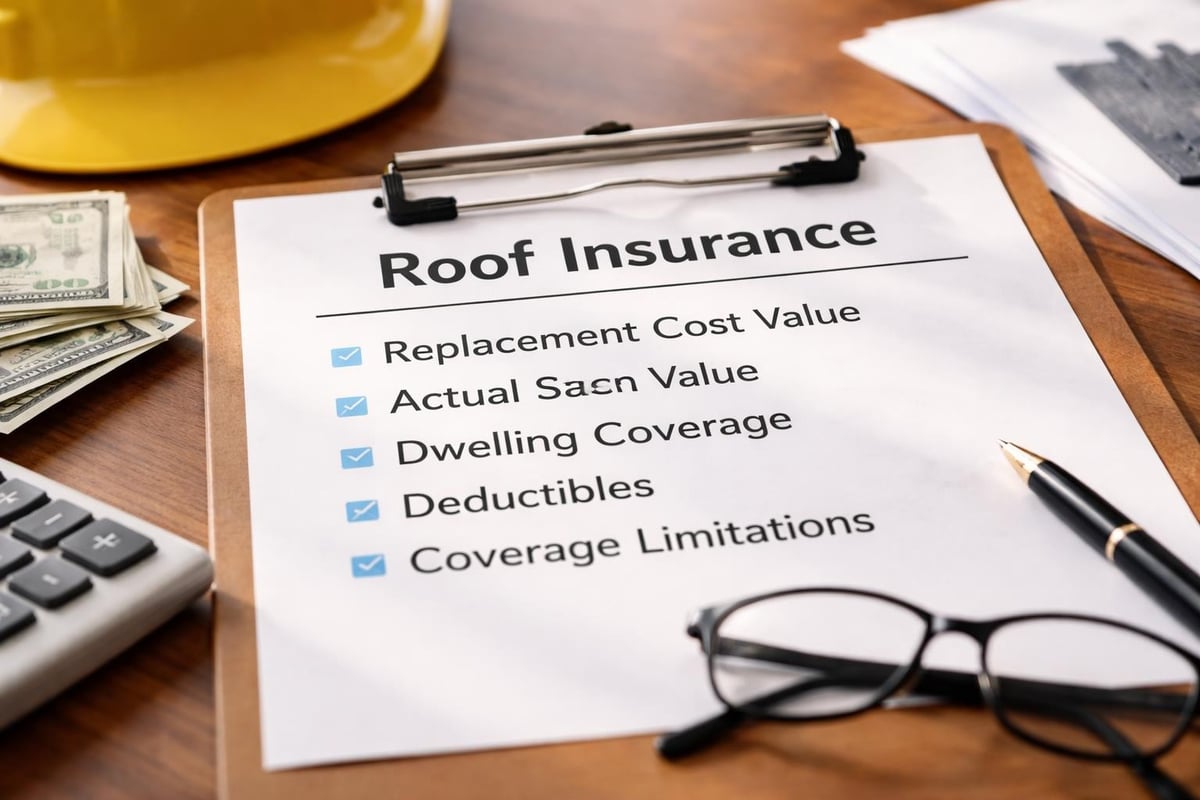
Your policy likely includes several key components:
- Replacement Cost Value (RCV) pays for new materials without depreciation
- Actual Cash Value (ACV) accounts for depreciation based on roof age
- Dwelling coverage protects the structure itself, including the roof
- Deductible amounts determine your out-of-pocket expense before coverage begins
Understanding depreciation matters significantly when filing a roof claim. As depreciation affects your payout, policies with ACV coverage pay less for older roofs, while RCV policies offer more comprehensive protection. Many Fort Worth property owners discover their coverage limitations only after filing, which can lead to unexpected costs.
Policy Exclusions and Limitations
Insurance companies exclude certain types of damage from standard coverage. Cosmetic damage that doesn't affect function, pre-existing conditions, and normal wear typically won't qualify for compensation. Some policies also have special limitations for roofs over a certain age, requiring actual cash value payments or limiting coverage to specific perils only.
Reading your policy declarations page reveals your exact coverage limits, deductibles, and any special endorsements. This document outlines the maximum amount your insurer will pay for roof damage and identifies any wind, hail, or age-related restrictions that might apply to your specific property.
Documenting Roof Damage Properly
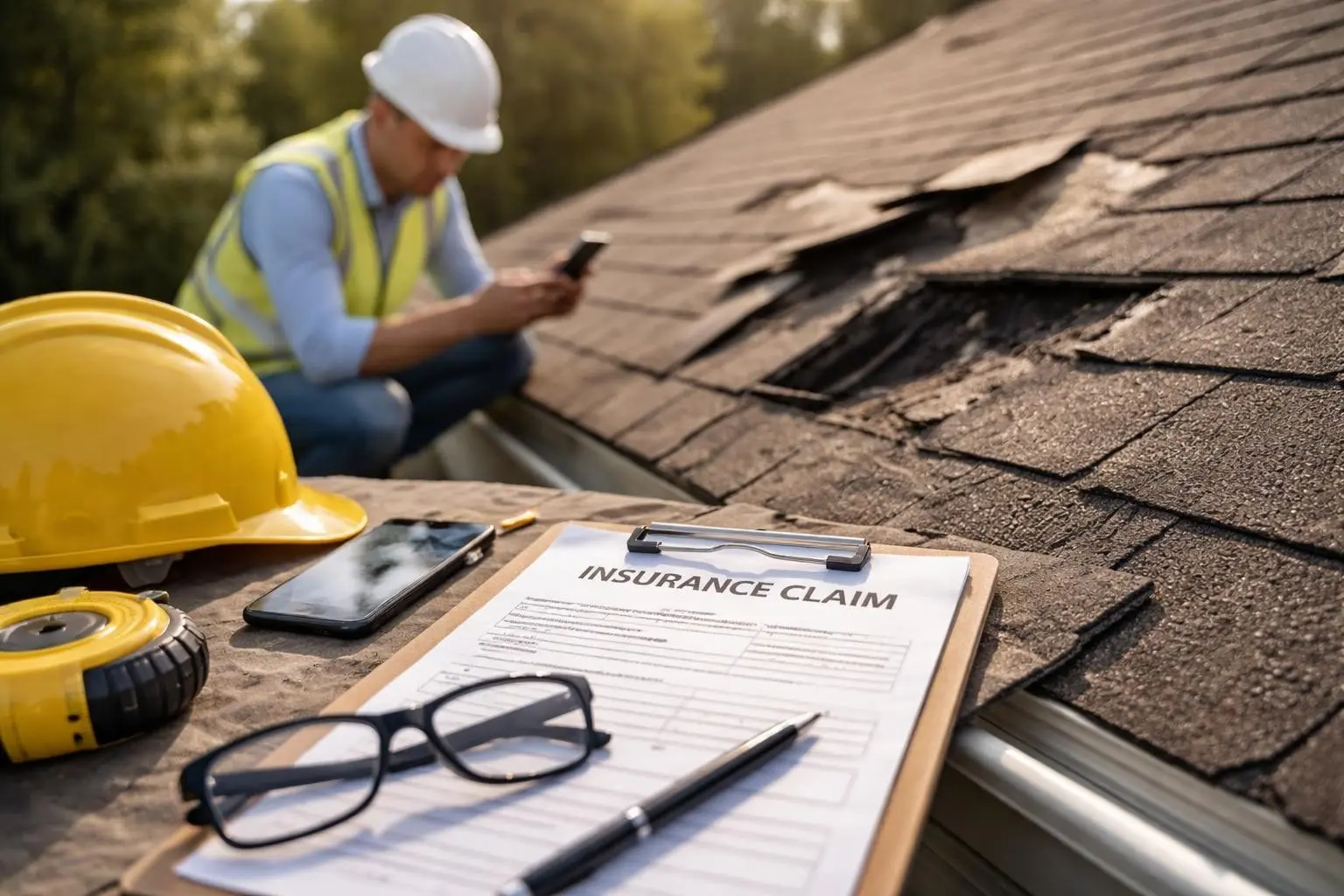
Thorough documentation makes or breaks a roof claim. Insurance adjusters rely on evidence to determine coverage, and incomplete records often result in denied claims or reduced settlements. Professional post-storm roof assessment documentation provides the detailed evidence adjusters need to approve claims quickly.
The moment you discover potential damage, begin creating a comprehensive record. Take dated photographs from multiple angles, showing both close-up details and wide shots that establish context. Capture interior damage like water stains, ceiling discoloration, or active leaks alongside exterior roof conditions.
| Documentation Type | Purpose | Best Practices |
|---|---|---|
| Exterior Photos | Show visible damage to shingles, flashing, vents | Take from ground level and safely accessible areas |
| Interior Photos | Document water intrusion and secondary damage | Include ceilings, walls, attic spaces, insulation |
| Video Walkthrough | Provide comprehensive view of affected areas | Narrate what you're showing with dates and descriptions |
| Written Notes | Record when damage occurred and conditions observed | Note weather events, discovery date, progression |
| Professional Reports | Establish expert assessment of damage scope | Obtain detailed inspection from insured contractors |
Professional roof inspections provide technical assessments that carry weight with insurance companies. insured contractors identify damage invisible to untrained eyes, such as compromised underlayment, granule loss patterns indicating hail impact, or subtle signs of wind uplift. These detailed reports include measurements, material specifications, and cost estimates based on current market rates.
Creating a Damage Timeline
Establishing when damage occurred helps insurers determine coverage eligibility. Filing an insurance claim late could cost you, so documenting the timeline from the initial weather event through discovery protects your claim. Note specific storm dates, when you first noticed problems, and how conditions have progressed since discovery.
Many Fort Worth property owners face challenges distinguishing new damage from existing wear. Comparing current conditions to previous inspection reports or maintenance records helps establish that damage is recent and claim-worthy rather than gradual deterioration.
Filing Your Roof Claim Step by Step
The roof claim process follows a predictable sequence, and knowing what to expect at each stage prevents delays and supporting your insurance claim with thorough documentation. Most insurance companies require notification within specific timeframes, typically ranging from a few days to a year depending on your policy and the type of damage.
Step 1: Contact Your Insurance Company Immediately
Report damage as soon as safely possible after discovery. Provide your policy number, property address, and a brief description of what happened. The insurer will create a claim number and assign an adjuster to your case. Request clarification on what temporary repairs you can make to prevent further damage, as most policies require you to mitigate ongoing losses.
Step 2: Schedule the Initial Inspection
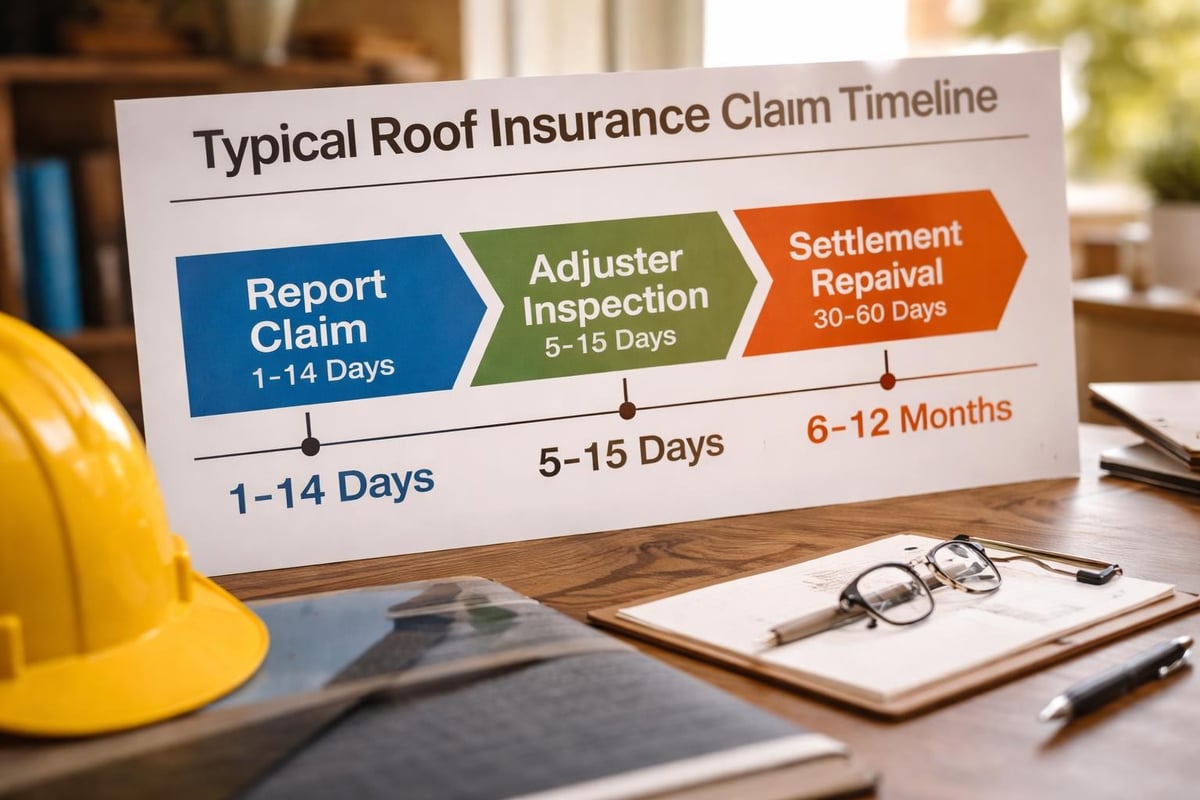
Your insurance company will send an adjuster to assess the damage, typically within a few days to two weeks depending on claim volume. Before this visit, complete your own documentation and consider having a professional roofing contractor present. Contractors experienced with roofing insurance claims can point out damage adjusters might overlook and ensure nothing gets missed during the evaluation.
Step 3: Review the Adjuster's Assessment
After inspection, the adjuster prepares a report estimating repair costs and determining coverage. This document outlines what the insurance company believes is necessary to restore your roof. Review it carefully against your contractor's assessment, looking for discrepancies in damage scope, material specifications, or labor costs.

Working With the Insurance Adjuster
Building a professional relationship with your adjuster facilitates smoother claim processing. Provide all requested documentation promptly, respond to questions thoroughly, and maintain detailed records of every conversation. Note the adjuster's name, contact information, and any commitments made during discussions.
Disagreements about damage extent or repair costs are common. When your contractor's estimate significantly exceeds the adjuster's, request a reinspection or provide additional documentation supporting the higher costs. Independent inspections from insured professionals carry substantial weight in these discussions.
Common Roof Claim Challenges and Solutions
Even well-documented roof claims face obstacles that can delay or reduce settlements. Understanding these common challenges helps you prepare effective responses and keeps your claim moving forward.
Denial for Pre-Existing Damage
Insurance companies frequently claim that roof problems existed before the covered event. Combat this by providing maintenance records, previous inspection reports, or photographs showing your roof's condition before the storm. Regular documentation of your roof's condition throughout ownership establishes a clear baseline.
Underpayment for Required Repairs
Adjusters sometimes provide estimates below actual repair costs, using outdated pricing or underestimating labor requirements. Detailed contractor estimates that break down material costs, labor hours, and overhead expenses help justify higher settlement amounts. The National Roof Certification and Inspection Association provides guidance on industry-standard pricing and repair protocols.
Dealing With Depreciation Disputes
Many property owners are surprised when their initial settlement check represents only the actual cash value rather than full replacement cost. RCV policies typically pay depreciation once repairs are completed and documented. Understanding this two-payment structure prevents confusion and ensures you providing updated damage documentation for the recoverable depreciation amount.
| Issue | Insurance Position | Property Owner Solution |
|---|---|---|
| Age-Related Exclusion | Roof too old for full coverage | Provide evidence of proper maintenance and recent upgrades |
| Cosmetic Damage Only | Won't pay for appearance issues | Show how damage affects function and longevity |
| Weather Event Timing | Can't confirm when damage occurred | Submit weather reports and discovery documentation |
| Repair vs. Replacement | Only covering patches, not full replacement | Demonstrate extent of damage requiring complete reroof |
Documenting Your Roof Claim Thoroughly
Strategic preparation and professional support significantly increase final settlement amounts. Many Fort Worth property owners leave money on the table by accepting initial offers without proper review or failing to document all damage-related expenses.
Hiring a roofing contractor experienced in insurance work provides valuable advocacy throughout the process. These professionals understand how adjusters calculate estimates and can identify gaps in coverage assessments. They also know when damage patterns indicate larger problems than surface-level inspection reveals, such as roof leak issues that originate from hidden structural damage rather than obvious exterior wear.
Supplementing Your Initial Claim
Additional damage often emerges once repair work begins. Insurance policies allow supplemental claims for hidden damage discovered during restoration. When contractors remove damaged materials and find compromised decking, deteriorated underlayment, or extensive water damage to structural components, document everything thoroughly and providing updated damage documentation immediately.
These supplements require the same level of documentation as your original claim. Photograph all newly discovered issues, obtain written assessments from your contractor, and provide detailed explanations of why the damage wasn't visible during initial inspection.
Key strategies for supporting your insurance claim with thorough documentation include:
- Obtaining multiple professional assessments to validate damage extent
- Requesting itemized breakdowns of all adjuster estimate line items
- Challenging low labor rates or material allowances with local market data
- Including all related damages like gutters, fascia, and ventilation systems
- Documenting code upgrade requirements triggered by extent of damage
Understanding Claim Timelines and Deadlines
The roof claim process follows specific timeframes that vary by insurer, policy type, and local regulations. Missing critical deadlines can result in claim denial or reduced settlements, making timeline awareness essential.
Most policies require damage reporting within reasonable timeframes after discovery. While "reasonable" isn't strictly defined, how to file tornado insurance claims guidance suggests immediate notification prevents disputes about when damage occurred and demonstrates your good faith effort to mitigate losses.
After filing, insurance companies typically have statutory obligations to respond within specific periods. Texas law, for example, requires insurers to acknowledge claims within 15 days, begin investigation promptly, and either accept or deny claims within reasonable timeframes based on complexity.
Repair Completion Requirements
Many policies impose deadlines for completing repairs after settlement approval. RCV policies particularly require finished work within specified periods, often six months to one year, before releasing recoverable depreciation. Planning repairs strategically ensures you meet these deadlines while maintaining quality standards.
Weather conditions, contractor availability, and permit requirements all affect repair timelines. Communicate with your insurance company if legitimate delays occur, requesting deadline extensions in writing with supporting documentation explaining the circumstances.
Working With Professional Roofing Contractors
Professional contractors who specialize in insurance work bring invaluable expertise to the roof claim process. They understand adjuster methodologies, recognize damage patterns that indicate coverage, and communicate effectively with insurance companies using industry terminology and documentation standards.
Choosing the right contractor involves verifying licensing, insurance coverage, local experience, and specific expertise with insurance claims. Contractors who complete work with in-house crews rather than subcontractors maintain better quality control and clearer communication throughout the claims and repair process.
Experienced roofing professionals also provide accurate scopes of work that withstand adjuster scrutiny. Their estimates include proper material specifications, realistic labor calculations, and all necessary components for complete restoration. This level of detail prevents low settlements based on incomplete damage assessments.
Red Flags in Contractor Selection
Not all contractors offer the same level of expertise or ethical practices. Avoid those who offer to waive deductibles, as this practice violates insurance agreements and potentially constitutes fraud. Similarly, be cautious of contractors who appear only after storms, pressure immediate decisions, or request large upfront payments before work begins.
Reputable contractors provide detailed written estimates, maintain proper licensing and insurance, offer warranties on workmanship, and communicate transparently about timelines and potential challenges. They should willingly provide references from recent insurance claim projects and demonstrate knowledge of local building codes and permit requirements.
Appealing Denied or Underpaid Claims
When insurance companies deny roof claims or offer inadequate settlements, property owners have multiple appeal options. Understanding these processes and acting promptly protects your rights and increases the chances of favorable resolution.
First-level appeals typically involve internal review by the insurance company. Submit a formal written appeal detailing why you believe the denial or underpayment is incorrect, supported by additional documentation, professional assessments, or policy language interpretation. Your guide to understanding the roof insurance claim process provides comprehensive strategies for challenging unsatisfactory claim outcomes.
Effective appeals include:
- Specific policy language supporting your coverage position
- Independent professional inspections contradicting adjuster findings
- Photographic evidence clearly showing damage extent
- Weather data correlating with your reported damage timeline
- Comparable claim settlements for similar damage in your area
When to Involve Legal Assistance
Some claim disputes require attorney involvement, particularly when insurance companies act in bad faith, deny legitimate claims without proper investigation, or significantly undervalue obvious damage. Insurance attorneys who specialize in property claims understand coverage laws, bad faith statutes, and effective negotiation strategies.
Legal representation becomes especially valuable when settlement amounts involve significant sums, policy interpretation questions arise, or insurers demonstrate patterns of unreasonable denial or delay. Many attorneys offer free consultations to evaluate claim viability and potential recovery amounts.
Preventing Future Claim Complications
Learning from the roof claim process helps prevent future complications and ensures smoother handling of any subsequent damage. Implementing proactive maintenance, documentation, and policy review strategies protects your property and streamlines future claims if damage occurs.
Regular professional inspections, ideally annually or after significant weather events, identify potential problems before they escalate into major damage. These inspections create dated records of your roof's condition, establishing baselines that prove future damage is new rather than pre-existing. Maintaining detailed records of all repairs, upgrades, and maintenance work further strengthens your documentation foundation.
| Prevention Strategy | Benefit | Implementation |
|---|---|---|
| Annual Inspections | Early problem detection and condition documentation | Schedule with insured contractors each spring |
| Maintenance Records | Proof of proper care and pre-damage condition | Keep dated receipts and inspection reports |
| Photo Archives | Visual timeline of roof condition over time | Take comprehensive photos quarterly |
| Policy Reviews | Understanding current coverage and identifying gaps | Review annually and after major life changes |
| Upgrade Documentation | Proof of improvements affecting replacement cost | Save all receipts for materials and labor |
Policy reviews ensure your coverage remains adequate as property values change and roofing costs increase. Replacement cost estimates from five years ago may significantly underestimate current repair or replacement expenses, leaving you underinsured when damage occurs. Annual reviews with your insurance agent identify coverage gaps and adjustment needs.
Understanding policy changes also prevents surprises during claims. Insurers sometimes modify coverage terms, add exclusions, or change valuation methods at renewal. Reviewing these changes carefully and questioning unclear provisions protects you from unexpected denials or reduced coverage when you need it most.
Successfully navigating a roof claim requires preparation, documentation, and professional support from initial damage discovery through final settlement. Understanding your policy coverage, documenting damage thoroughly, and working with experienced roofing professionals dramatically increases your chances of receiving fair compensation for repairs. When storm damage or roof failures impact your Fort Worth property, Texcore Construction delivers expert storm damage documentation backed by detailed documentation, transparent communication, and in-house crews who ensure quality restoration from start to finish.