Roofing Exterior: Essential Systems and Selection Guide
The roofing exterior represents the first line of defense against weather, moisture intrusion, and environmental stress for any commercial or residential structure. Understanding how exterior roofing components work together helps property owners, facility managers, and homeowners make informed decisions about material selection, installation standards, and long-term maintenance strategies. From material durability to climate-specific performance requirements, the roofing exterior demands careful consideration at every phase of planning, installation, and upkeep.
Understanding Roofing Exterior Components
A complete roofing exterior consists of multiple integrated layers designed to work as a unified system. The visible surface material is only one element within a comprehensive assembly that includes underlayment, flashing, ventilation, drainage, and protective barriers.
Primary Surface Materials
The outermost layer of the roofing exterior determines both aesthetic appearance and functional performance. Commercial properties typically rely on TPO, EPDM, modified bitumen, or metal roofing systems, while residential structures commonly feature asphalt shingles, metal panels, tile, or slate.
Material selection impacts several critical factors:
- Weather resistance and wind uplift ratings
- Thermal performance and energy efficiency
- Expected service life and warranty coverage
- Maintenance requirements and repair accessibility
- Code compliance and fire resistance classifications
Different materials offer distinct advantages depending on building type, regional climate, and budget constraints. Industrial Roofing installations for warehouses and manufacturing facilities often specify single-ply membranes or standing seam metal systems that accommodate large roof spans, thermal expansion, and equipment penetrations.
Underlayment and Water Barriers
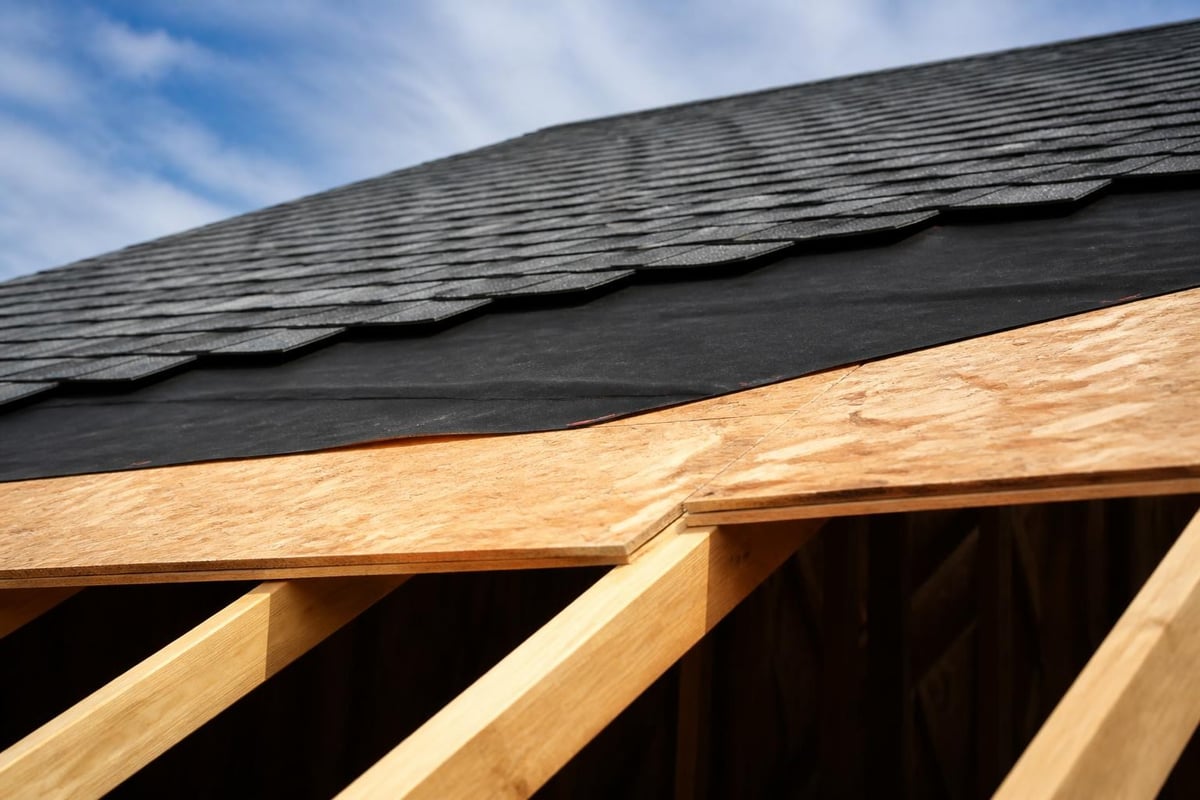
Beneath the visible roofing exterior surface lies a critical moisture protection layer that serves as the secondary weather barrier. Synthetic underlayment, felt paper, or self-adhering membranes prevent water infiltration if the primary surface is compromised.
Quality underlayment installation requires proper overlap, secure fastening, and integration with flashing details at all roof penetrations, valleys, and transitions. This layer also provides temporary weather protection during installation and creates a consistent surface over roof decking irregularities.
Material Performance Across Climate Zones
Regional weather patterns significantly influence roofing exterior material selection and installation methods. Fort Worth's climate presents specific challenges including intense summer heat, severe thunderstorms, hail events, and occasional winter freezes that demand durable, impact-resistant systems.
| Climate Factor | Material Impact | Recommended Solutions |
|---|---|---|
| High Heat | Thermal expansion, UV degradation | Reflective coatings, light-colored surfaces, proper ventilation |
| Hail Exposure | Impact damage, granule loss | Class 4 impact-rated shingles, metal systems, reinforced membranes |
| Wind Events | Uplift forces, fastener pullout | Enhanced attachment patterns, wind-rated products, sealed edges |
| Thermal Cycling | Material fatigue, seal failures | Flexible membranes, quality sealants, expansion joints |
Understanding how the roofing exterior responds to these conditions helps prevent premature failures and costly repairs. Storm damage roofers frequently encounter preventable issues stemming from material mismatches or installation shortcuts that compromise long-term performance.
Comparative Material Analysis
Various roofing materials offer different service lives, maintenance needs, and total cost of ownership. Asphalt shingles typically provide 20-30 years of service with moderate maintenance, while metal roofing systems can exceed 50 years with minimal upkeep. TPO and EPDM membranes commonly deliver 25-35 years on commercial applications when properly installed and maintained.
The roofing exterior choice should align with building use, occupancy requirements, and replacement planning. Properties with heavy equipment loads, frequent roof access, or specialized ventilation needs require materials that accommodate these demands without compromising waterproofing integrity.
Installation Standards and Best Practices
Proper installation determines whether the roofing exterior achieves its rated performance and expected lifespan. Even premium materials fail prematurely when installed without adherence to manufacturer specifications and industry best practices.
Critical Installation Details
Fastener patterns represent one of the most important installation variables affecting wind resistance and long-term attachment. Manufacturer specifications dictate exact fastener type, spacing, and placement based on roof slope, exposure zone, and wind rating requirements.
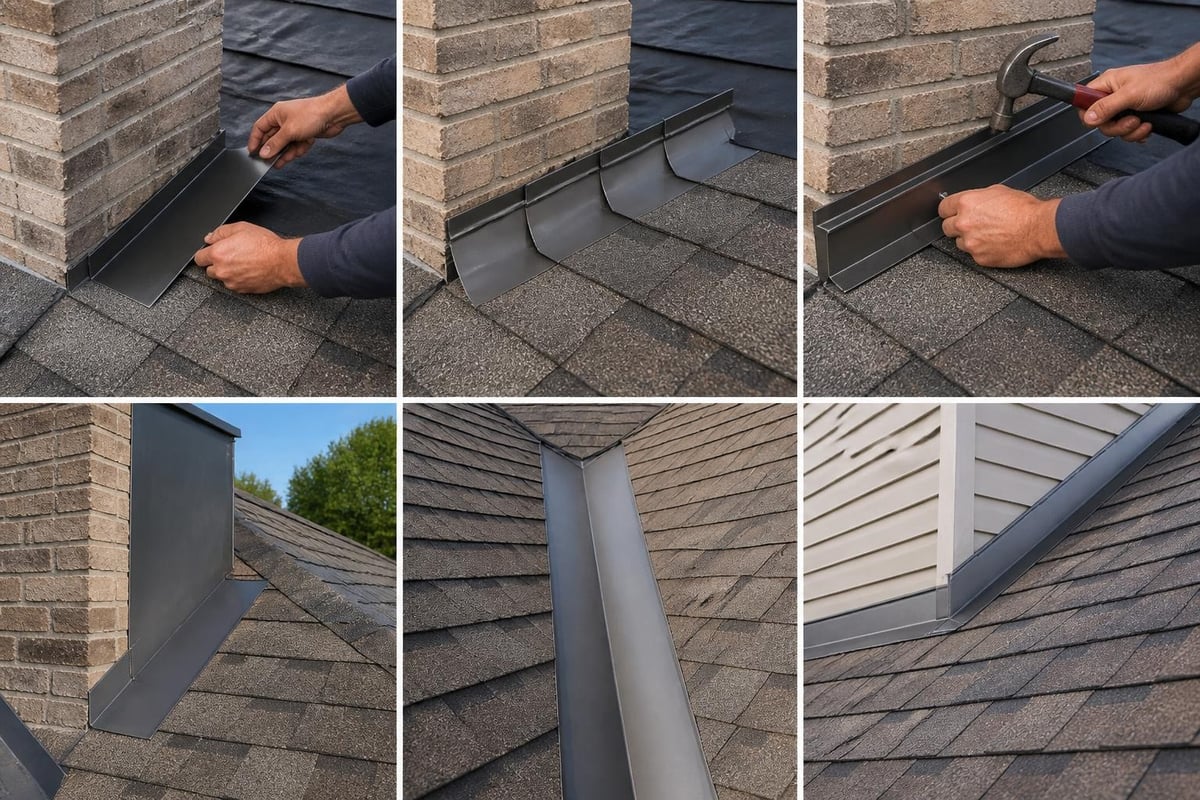
Flashing integration at chimneys, skylights, vent pipes, and wall transitions creates potential weak points where improper installation leads to water infiltration. Quality flashing work requires proper sequencing, adequate overlap, and compatible materials that won't corrode or separate over time.
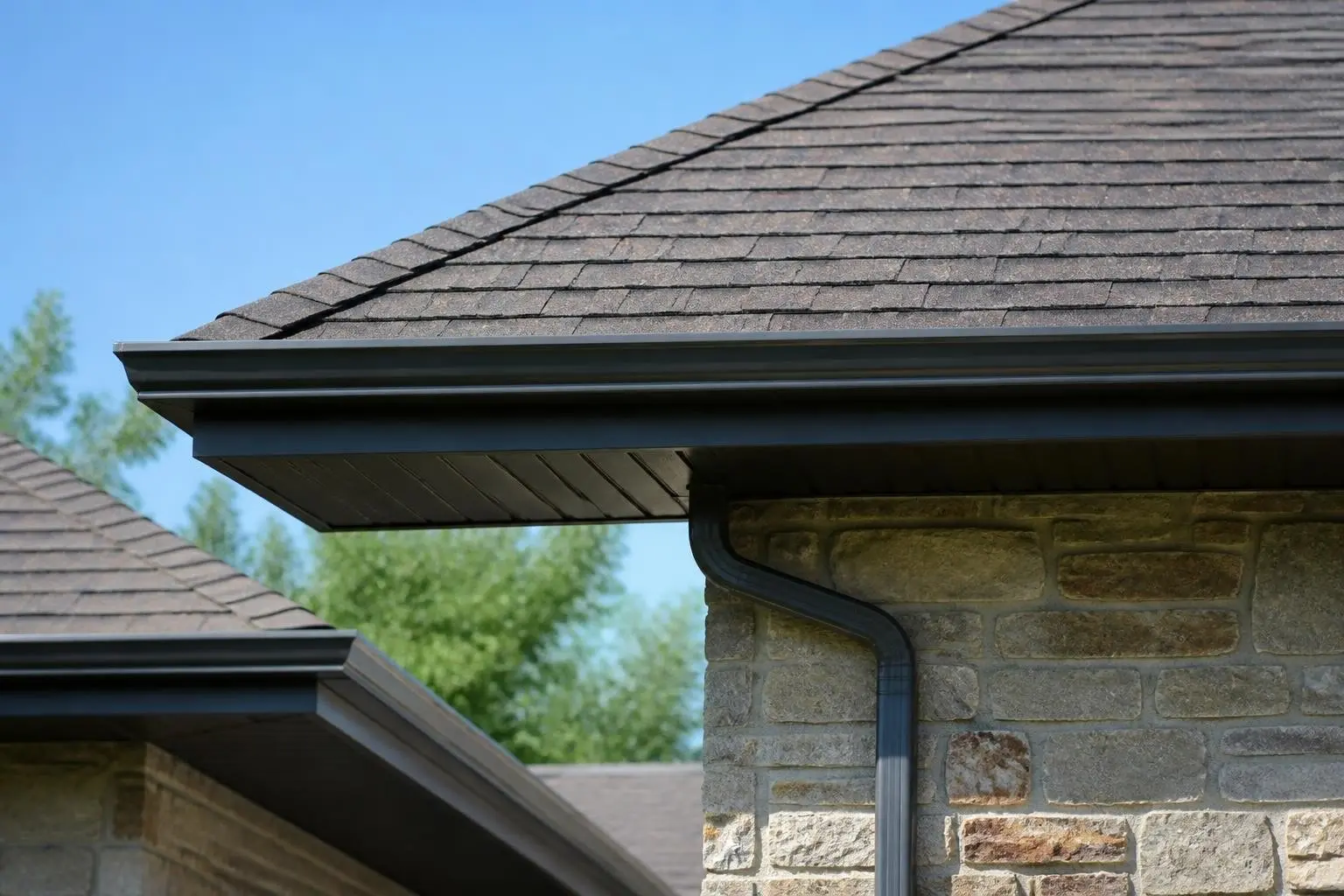
Edge metal and drip edge components protect vulnerable roof perimeters while directing water away from fascia boards and building exteriors. These seemingly minor details significantly impact moisture control and structural preservation.
- Verify roof deck condition and repair damaged sheathing
- Install ice and water shield in valleys and at eaves
- Apply underlayment with proper overlap and fastening
- Begin surface material installation from lowest point upward
- Integrate flashing at each penetration and transition
- Install ridge ventilation and cap materials
- Inspect completed work against manufacturer checklists
Common roofing mistakes include inadequate ventilation, improper valley construction, and insufficient flashing detail, all of which compromise the roofing exterior's protective function regardless of surface material quality.
Commercial Roofing Exterior Considerations
Commercial roofing exterior systems face distinct challenges compared to residential applications. Larger roof areas, lower slopes, equipment installations, and drainage complexities require specialized materials and installation approaches.
Low-Slope and Flat Roof Systems
Most commercial buildings feature low-slope roofing exteriors with minimal pitch that rely on membrane systems rather than overlapping shingles or panels. These installations demand absolute waterproofing integrity since gravity drainage is limited.
Common commercial membrane types include:
- TPO (Thermoplastic Polyolefin): Heat-welded seams, reflective surface, chemical resistance
- EPDM (Ethylene Propylene Diene Monomer): Proven durability, cold-applied or mechanically attached
- Modified Bitumen: Self-healing properties, multiple installation methods, excellent puncture resistance
- Built-Up Roofing: Multiple plies, gravel surface options, time-tested performance
Each system offers specific advantages for different building types and operational requirements. The detailed comparison of roofing materials helps decision-makers evaluate options based on cost, performance expectations, and maintenance capabilities.
Equipment Integration and Penetrations
Commercial roofing exteriors must accommodate HVAC units, exhaust fans, plumbing vents, electrical conduits, and other building systems that penetrate the weather barrier. Each penetration represents a potential failure point requiring professional flashing detail and ongoing inspection.
Proper equipment support prevents concentrated loads that damage membrane systems while maintaining waterproofing integrity around mounting hardware. Curbed openings with integrated flashing provide the most reliable penetration method for commercial roofing exteriors.
Maintenance and Inspection Protocols
Even the highest-quality roofing exterior requires regular maintenance and professional inspection to achieve its expected service life. Preventive maintenance costs substantially less than emergency repairs or premature replacement.
Recommended Inspection Schedule
| Building Type | Inspection Frequency | Focus Areas |
|---|---|---|
| Commercial Flat Roofs | Twice yearly (spring/fall) | Membrane seams, ponding water, drain function, flashing condition |
| Residential Steep Slope | Annually | Shingle condition, flashing integrity, ventilation, gutter function |
| After Severe Weather | Within 48 hours | Impact damage, displaced materials, emergency leaks |
| Before Warranty Expiration | 90 days prior | Document condition, identify warranty-covered issues |
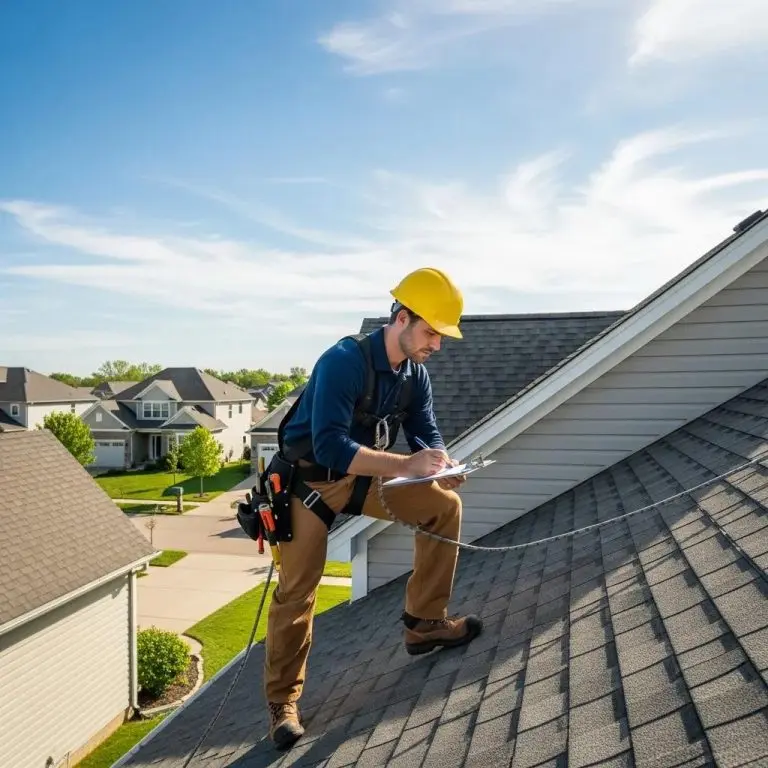
Professional inspections identify minor issues before they escalate into costly structural damage or interior water intrusion. Roof inspection services document current condition with detailed photography and measurements that support maintenance planning and insurance documentation when storm damage occurs.
Preventive Maintenance Tasks
Regular maintenance preserves the roofing exterior and prevents accelerated deterioration. Basic tasks include debris removal, drain cleaning, fastener inspection, and sealant renewal at flashing locations.
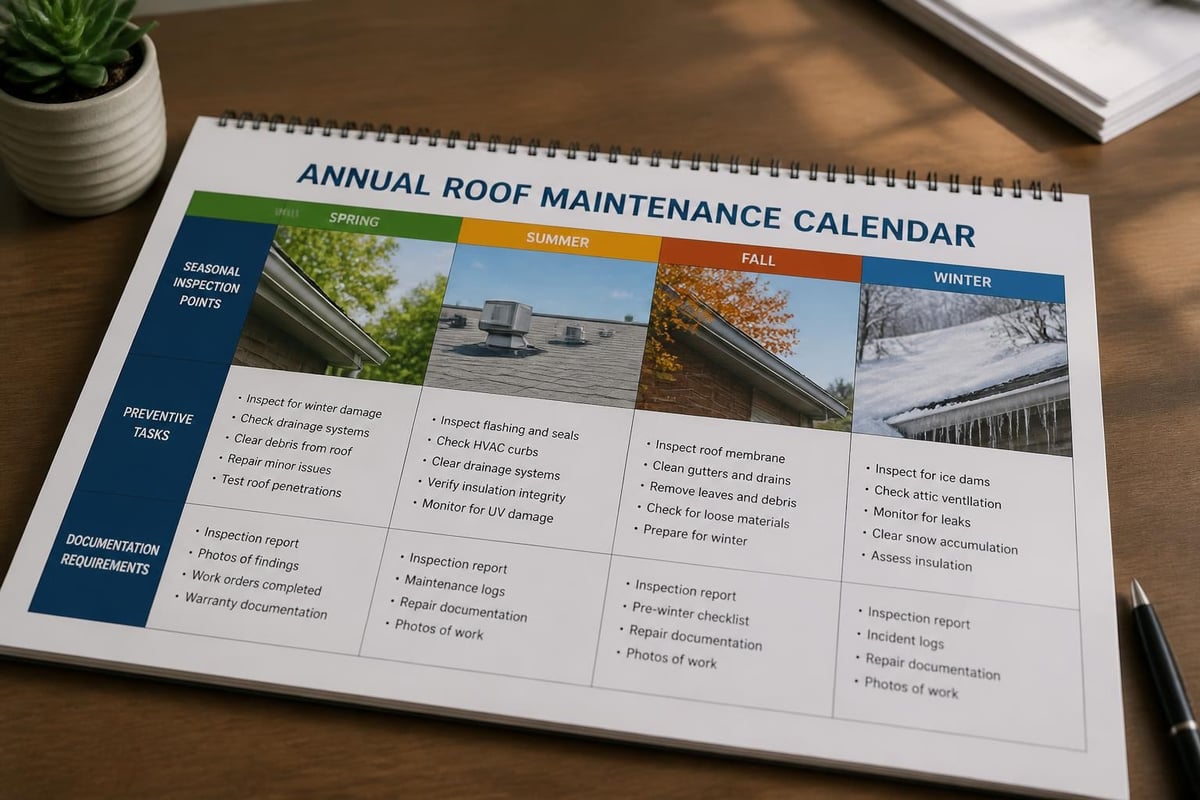
Seasonal maintenance should address:
- Spring: Winter damage assessment, drain clearing, fastener tightening
- Summer: Heat-related expansion issues, blister identification, sealant condition
- Fall: Debris removal, gutter cleaning, pre-winter preparation
- Winter: Ice dam prevention, snow load monitoring, emergency leak response
Property managers and facility maintenance teams should maintain detailed service logs documenting all inspection findings, repairs completed, and materials used. This documentation proves invaluable for warranty claims, insurance purposes, and replacement planning.
Storm Damage and Emergency Response
Severe weather events test the roofing exterior's resilience and expose any installation deficiencies or age-related deterioration. Fort Worth's exposure to hail, high winds, and severe thunderstorms makes storm preparedness and rapid response critical for property protection.
Documenting Weather-Related Damage
After significant weather events, professional damage assessment provides the documentation needed for insurance purposes and repair planning. Insurance claims for roof damage require detailed evidence including photographs, measurements, and professional evaluation of impact locations and severity.
Property owners should document damage promptly since delays can complicate claim processing and allow secondary damage from unaddressed leaks. Quality documentation includes close-up photos of individual impact points, wide-angle images showing distribution patterns, and measurements of damaged areas.
Effective damage documentation captures:
- Date and time of weather event with supporting weather service data
- Overall roof condition showing damage distribution
- Close-up images of specific damage locations
- Measurements of damaged areas and material quantities
- Interior damage evidence showing water intrusion consequences
This documentation supports accurate repair scoping and helps property owners make informed decisions about partial repairs versus full replacement based on damage extent and existing roof condition.
Emergency Leak Response
When the roofing exterior is compromised by storm damage or sudden failure, immediate response prevents escalating interior damage and business interruption. Emergency roof repair services provide temporary protection through tarping and emergency patching while permanent repairs are planned and executed.
Swift response limits water intrusion that damages insulation, ceiling systems, inventory, and building contents. Commercial properties face additional concerns including production interruption, environmental compliance issues, and safety hazards from active leaks over occupied spaces.
Material Selection Decision Framework
Choosing the appropriate roofing exterior material requires balancing multiple factors including initial cost, expected lifespan, maintenance requirements, building use, and aesthetic considerations.
Cost-Benefit Analysis Approach
Total cost of ownership extends beyond initial installation expense to include maintenance costs, energy performance, expected lifespan, and replacement planning. A comprehensive roofing materials comparison reveals how premium materials often deliver better long-term value despite higher upfront costs.
Financial considerations include:
- Material and installation costs per square foot
- Expected service life and annualized cost
- Maintenance requirements and associated labor costs
- Energy efficiency impact on operating expenses
- Warranty coverage and transferability
- Insurance premium adjustments for impact-resistant materials
Commercial property owners should also factor in business interruption costs associated with premature failure or extended replacement projects. Materials allowing occupied building reroofs without tenant disruption provide significant value beyond basic performance specifications.
Building-Specific Requirements
The roofing exterior must meet specific performance requirements based on building use, occupancy type, and operational needs. Industrial facilities with chemical exposure need chemically resistant membranes, while retail centers prioritize aesthetics and minimal maintenance.
Different types of roofing materials serve distinct building categories more effectively than others. Understanding these alignments prevents mismatched installations that underperform regardless of installation quality.
Quality Assurance and Contractor Selection
The roofing exterior's performance depends heavily on contractor expertise, quality control practices, and installation accountability. Selecting experienced contractors with proven track records significantly impacts project outcomes.
Verification Standards
Quality contractors provide detailed project documentation including material specifications, installation methods, quality control checkpoints, and warranty information. They maintain manufacturer certifications demonstrating technical training and adherence to installation standards.
Due diligence should verify:
- Current liability and workers compensation insurance
- Manufacturer certifications for specified materials
- References from similar building types and project scales
- In-house crew capabilities versus subcontractor reliance
- Quality control processes and inspection protocols
- Warranty terms covering both materials and labor
Contractors using in-house crews rather than subcontractors typically deliver more consistent quality, maintain better site control, and provide clearer communication throughout project execution. This approach ensures accountability from initial inspection through final completion.
Project Documentation Standards
Professional roofing contractors provide comprehensive documentation at each project phase. Pre-installation reports detail existing conditions, recommended solutions, and project scope. Installation documentation includes material receipts, daily progress logs, and quality control checklists. Post-completion deliverables include warranty certificates, maintenance guidelines, and as-built documentation.
This documentation proves essential for warranty claims, future maintenance planning, and property transfer situations where new owners need accurate roofing history. Local roofing contractors with established area presence provide better long-term support than transient operators without permanent facilities or ongoing customer relationships.
Warranty Coverage and Long-Term Protection
Roofing exterior warranty coverage varies significantly between manufacturers, materials, and installation contractors. Understanding warranty terms, coverage limitations, and maintenance requirements protects the investment and ensures recourse when premature failures occur.
Manufacturer Material Warranties
Material manufacturers offer warranties ranging from 10 years to lifetime coverage depending on product line and quality tier. These warranties typically cover manufacturing defects but exclude installation errors, storm damage, and failures from inadequate maintenance.
Standard warranty exclusions include:
- Improper installation or modifications
- Consequential damages from leaks
- Normal weathering and discoloration
- Damage from foot traffic or equipment
- Inadequate ventilation or substrate issues
Premium warranties may include wind coverage, algae resistance, and limited labor cost reimbursement, but these enhanced protections require specific installation methods and certified contractor participation.
Contractor Workmanship Warranties
Separate from material warranties, quality contractors provide workmanship warranties covering installation-related failures. These warranties should specify coverage duration, response timeframes, and exactly what installation elements are included.
A comprehensive labor warranty demonstrates contractor confidence in their installation quality and provides property owners with recourse if improper installation causes premature failures. The reference-grade roofing materials comparison includes warranty considerations alongside performance specifications.
Emerging Technologies and Innovations
Roofing exterior technology continues evolving with innovations in materials, installation methods, and performance monitoring. Cool roof coatings, solar integration, and smart monitoring systems expand functionality beyond basic weather protection.
Reflective and Cool Roof Systems
High-albedo roofing materials and reflective coatings reduce heat absorption, lowering cooling costs and extending material lifespan by reducing thermal stress. These systems particularly benefit commercial buildings in hot climates where air conditioning represents significant operating expense.
Cool roof benefits include reduced urban heat island effect, extended material service life, potential utility rebates, and improved occupant comfort in unconditioned spaces. Implementation requires careful selection of materials meeting specific reflectance and emissivity standards.
Integrated Solar Applications
Building-integrated photovoltaic systems and solar shingle products combine energy generation with weather protection. These installations require specialized knowledge of electrical codes, structural loading, waterproofing integration, and warranty coordination between roofing and solar components.
Successful solar integration demands collaboration between roofing professionals and electrical contractors to ensure proper flashing details, adequate ventilation, and load distribution that protect both roofing exterior integrity and solar system performance.
The roofing exterior represents a critical building system requiring informed material selection, professional installation, and ongoing maintenance to deliver long-term performance and weather protection. When you need expert guidance on commercial or residential roofing systems backed by detailed documentation, in-house crews, and a five-year labor warranty, Texcore Construction provides the accountability and craftsmanship Fort Worth property owners rely on for dependable roofing solutions built to last.