
Guide to Insurance Claims for Roof Damage in 2026
A sudden storm can leave your roof battered and your peace of mind shaken. Navigating insurance claims for roof damage often feels overwhelming, especially with evolving policies in 2026. This comprehensive guide breaks down the insurance claims for roof damage process, so you know exactly what to expect. Discover which damages are covered, the latest policy updates, and how to document your loss. Follow a clear, step-by-step approach, avoid common mistakes, and gain expert tips to maximize your settlement. Take control of your claim and secure the compensation you deserve with confidence.
Understanding Roof Damage and Insurance Coverage in 2026
Roof damage can occur suddenly or gradually, often leaving property owners facing complex insurance decisions. Understanding what triggers damage, how coverage works, and recent changes in 2026 policies is essential for navigating insurance claims for roof damage.
Common Causes of Roof Damage
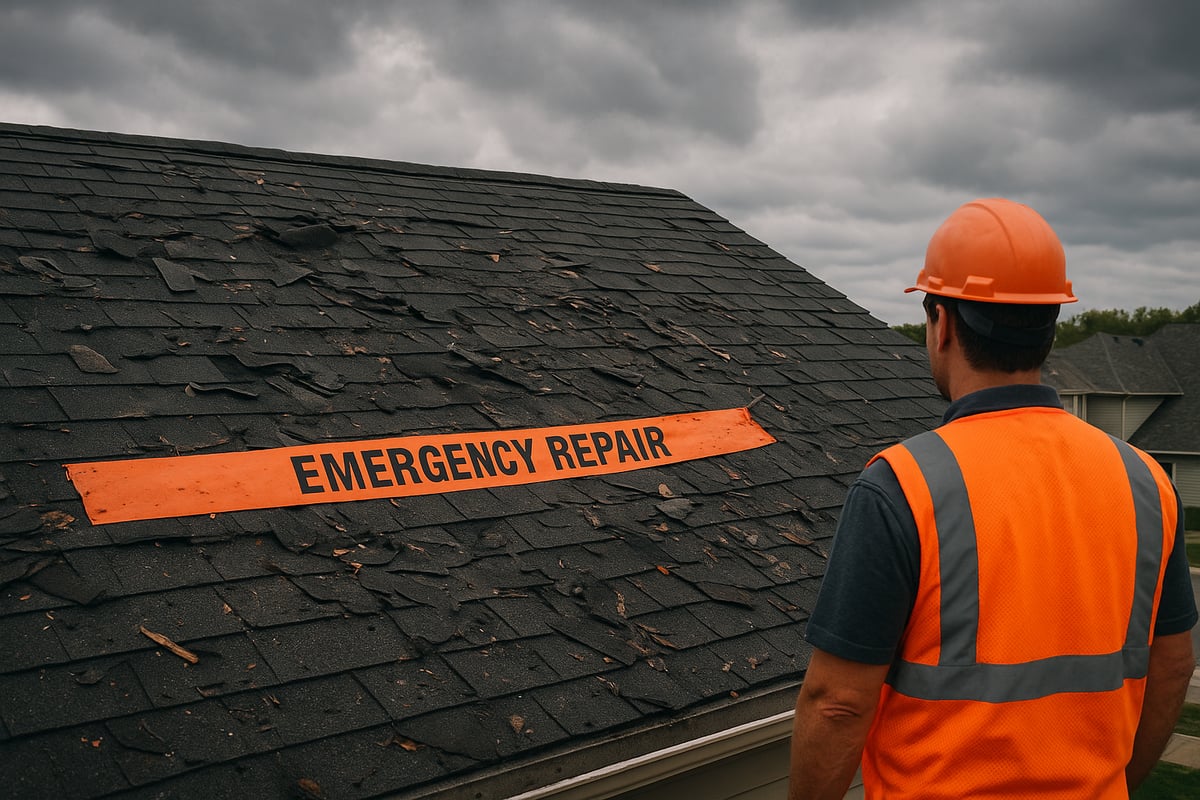
Severe weather is a leading culprit. Hailstorms, strong winds, and heavy rains can strip shingles, puncture membranes, and cause leaks. Fire and falling debris from trees or nearby structures also contribute to significant roof damage.
Changing climate patterns in recent years have increased the frequency and intensity of weather events. In 2025, wind and hail were responsible for 34% of all property insurance claims, highlighting the importance of robust coverage.
What Insurance Covers—and What It Does Not
Standard homeowners and commercial property insurance typically cover sudden and accidental roof damage. Covered perils often include:
- Hail impact
- Windstorms
- Fire
- Falling objects (like tree limbs)
- Vandalism
However, not all damage qualifies. Most policies exclude:
- Ordinary wear and tear
- Gradual deterioration
- Poor or improper maintenance
- Certain roofing materials with higher risk profiles
It is vital to understand these distinctions to avoid disappointment during insurance claims for roof damage. For a comprehensive breakdown of what is covered and what is not, see this Homeowners Insurance Roof Coverage resource.
Policy Updates and Industry Trends in 2026
Insurers have responded to rising losses with new policy clauses, stricter deductibles, and more defined coverage caps. In 2026, many policies now feature separate wind and hail deductibles, which are often higher than general deductibles.
Coverage restrictions may apply to older roofs or certain materials, and some policies require proof of regular maintenance. Endorsements for code upgrades or energy-efficient materials are becoming more common, but they must be specifically listed.
ACV vs RCV: How Your Settlement Is Calculated
When filing insurance claims for roof damage, it is crucial to know if your policy pays Actual Cash Value (ACV) or Replacement Cost Value (RCV). The difference can significantly affect your settlement.
| Settlement Type | What It Pays | Impact on Payout |
|---|---|---|
| ACV | Depreciated value of roof | Lower payout |
| RCV | Full replacement cost | Higher payout, after deductible |
ACV policies deduct for age and wear, while RCV policies reimburse the full replacement cost, once repairs are completed.
Why Reading the Fine Print Matters
Small details in your policy can make a big difference. Endorsements, exclusions, and special limits may affect insurance claims for roof damage. Take time to review your documents, ask questions, and clarify coverage with your insurer.
Being proactive and informed is the best way to secure the compensation you deserve.
Preparing for a Roof Damage Insurance Claim
Facing unexpected roof damage can feel overwhelming, but being prepared makes all the difference. The process for insurance claims for roof damage requires both quick action and careful organization. Knowing what to do in the first hours and days after discovering an issue will set the stage for a smoother claim and maximize your chances of fair compensation.
Immediate Actions After Discovering Damage
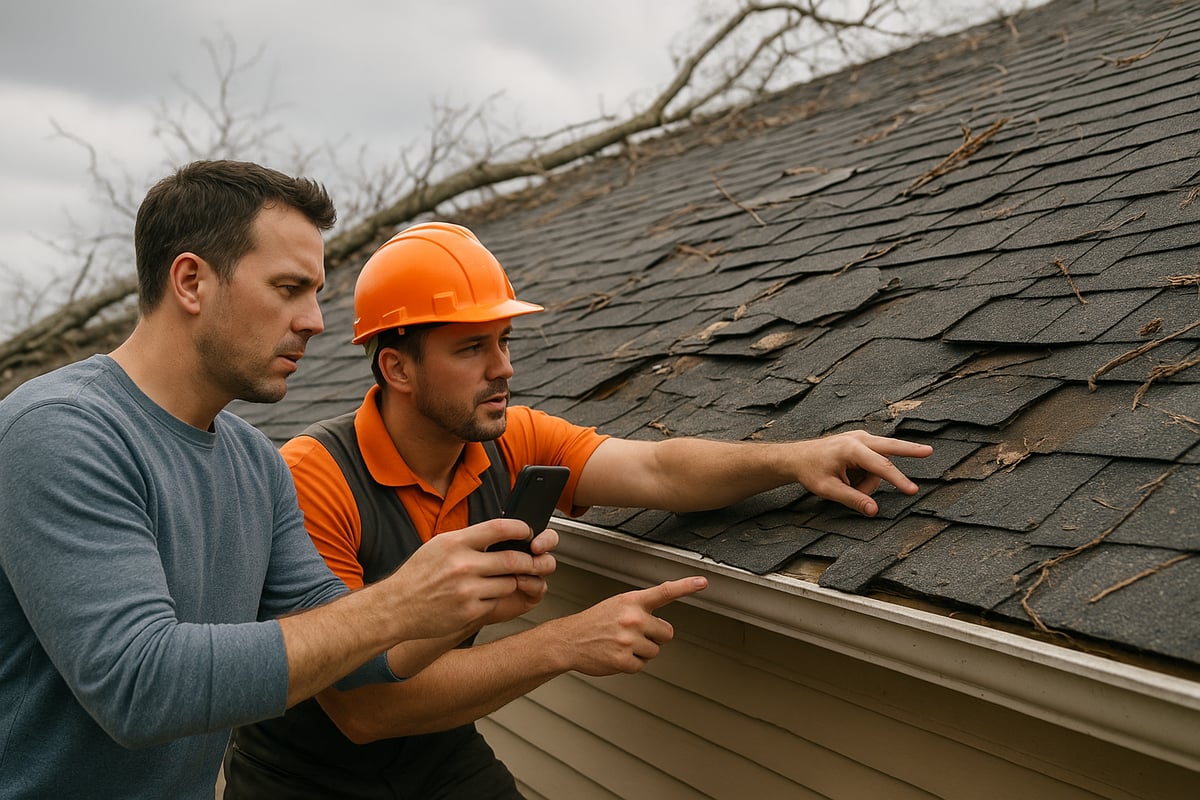
Your safety always comes first. If your roof has sustained damage from a storm, hail, or fallen debris, check for hazards before inspecting further. Avoid areas with exposed wiring or structural instability. Once safe, make temporary repairs to prevent further water intrusion, such as covering holes with tarps. These initial steps are critical for insurance claims for roof damage, as insurers may reduce payouts if additional damage occurs after the event.
Timely Reporting Requirements
Most insurance policies require that you report roof damage quickly, often within a few days of discovery. Delaying notification can jeopardize your claim. Contact your insurer as soon as possible using their claims hotline or online portal. Provide them with the date, time, and cause of the damage. Timely reporting is a fundamental part of all insurance claims for roof damage, and failing to do so may result in denial.
Documenting the Damage
Thorough documentation is essential. Take clear, date-stamped photos and videos of all visible damage from various angles, both inside and outside your property. Use drone footage if possible, especially for large or hard-to-reach roofs. Capture evidence of the event itself, such as local news, weather alerts, or radar screenshots. Keep all receipts for emergency repairs and materials.
A documentation checklist can help you stay organized:
| Documentation Type | Details to Include |
|---|---|
| Photos/Videos | Date, location, affected areas |
| Drone Footage | Overview of entire roof |
| Weather Reports | Date-stamped, event-specific |
| Repair Receipts | Materials, labor, temporary fixes |
| Maintenance Records | Previous inspections, repairs |
For more guidance, refer to this Roofing Insurance Claims Guide, which details best practices for evidence collection and claim submission.
Professional Inspections and Estimates
Hire a licensed, insured roofing contractor to perform a thorough inspection and provide a written assessment. Contractors can identify hidden issues that may affect your insurance claims for roof damage. Their detailed reports and repair estimates are valuable evidence for your insurer. It's also wise to get repair or replacement cost estimates before submitting your claim. Be aware that insurers may deny claims if they discover pre-existing damage during their investigation.
Organizing Your Claim File
Create a dedicated folder, physical or digital, to store all claim-related documents. Include your policy, correspondence with your insurer, inspection reports, photos, receipts, and estimates. This organization will help you respond quickly to requests for information and streamline the insurance claims for roof damage process. Staying organized can make the difference between a smooth settlement and a drawn-out dispute.
Being proactive and methodical in the early stages sets the foundation for a successful claim. The more prepared and thorough you are, the more likely you are to secure the compensation you deserve.
Step-by-Step Process for Filing a Roof Damage Insurance Claim
Filing insurance claims for roof damage can feel daunting, but breaking the process into manageable steps can help you stay organized and maximize your settlement. The following guide outlines each stage, ensuring you confidently navigate your claim from start to finish.
Step 1: Review Your Policy and Coverage
Start by locating your insurance policy documents and reading them carefully. Understanding your insurance claims for roof damage begins with knowing exactly what your policy covers. Pay close attention to deductibles, coverage caps, and exclusions, as these details directly impact your claim.
Some 2026 policies have separate wind or hail deductibles, which can be higher than standard deductibles. Be sure to look for any endorsements or recent changes that might affect roof damage coverage. If you have questions, reach out to your insurance agent for clarification.
Knowing your policy inside out is the foundation for a successful claim.
Step 2: Document the Damage Thoroughly
Accurate documentation is vital for insurance claims for roof damage. Begin by taking clear, date-stamped photos and videos of all visible roof damage from multiple angles. If the damage is extensive, consider using drone footage for a comprehensive view, especially for larger properties.
Do not overlook interior damage, such as ceiling stains or water leaks, as these can support your claim. Record weather conditions and gather any reports that confirm the event, like hail or wind storms. The more detailed your evidence, the stronger your claim will be.
Organize all files for easy reference throughout the process.
Step 3: Notify Your Insurance Company Promptly
Most policies require prompt notice when filing insurance claims for roof damage. Contact your insurance company using their claims hotline or online portal as soon as possible after discovering the damage.
Provide initial details about the incident, the type of damage, and any immediate repairs you have made to prevent further loss. The insurer will issue a claim number and explain the next steps. Delayed reporting can jeopardize your claim and may even lead to denial.
Timeliness demonstrates your commitment to resolving the issue efficiently.
Step 4: Schedule Adjuster Inspection
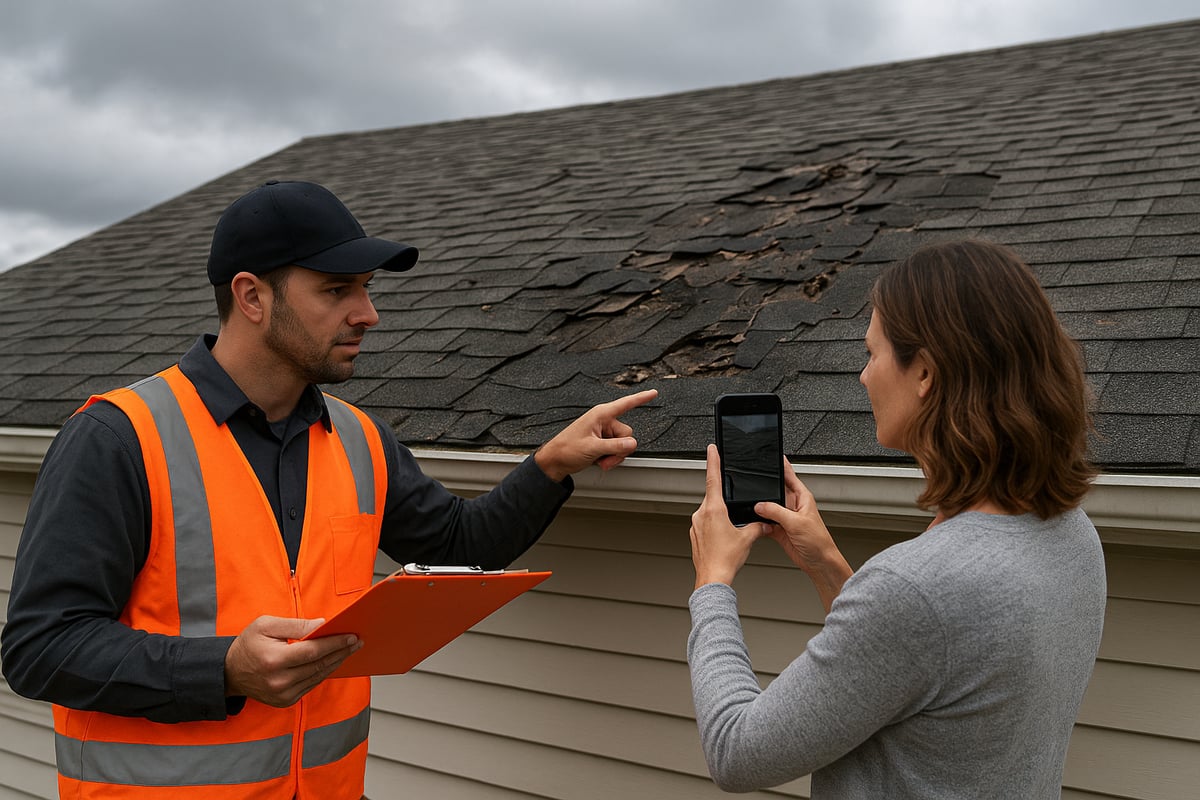
After notifying your insurer, you will be assigned an adjuster to evaluate your insurance claims for roof damage. Schedule the inspection promptly and, if possible, accompany the adjuster during their visit.
Prepare to share all your documentation, including photos, videos, and repair estimates. Being present allows you to point out areas of concern and answer questions directly. Policyholders who attend inspections often report higher satisfaction with claim outcomes.
Effective communication during this step lays the groundwork for a fair settlement.
Step 5: Obtain Repair Estimates and Submit Documentation
Gather written repair estimates from licensed contractors experienced with insurance claims for roof damage. Detailed inspection reports and itemized estimates are crucial in supporting your claim and can reduce the likelihood of disputes.
When submitting documents, include all evidence, such as photos, weather reports, and professional assessments. For a comprehensive overview of what insurers expect, see Claiming Roof Repairs on Insurance. Providing thorough documentation ensures your claim is processed efficiently.
Keep copies of everything submitted for your records.
Step 6: Review Settlement Offer and Negotiate if Needed
Once your insurer reviews your documentation, you will receive a settlement offer for your insurance claims for roof damage. Understand how the payout was calculated, including any depreciation or deductible applied.
If you believe the offer is too low or certain damages are excluded, request clarification and consider negotiating. You may use an appraisal or mediation process if needed. In 2025, 12 percent of roof claims required negotiation for a better outcome.
Never hesitate to advocate for the compensation you deserve.
Step 7: Complete Repairs and Finalize the Claim
After accepting a settlement, hire approved contractors to complete repairs for your insurance claims for roof damage. Ensure all work meets code requirements and that you receive warranties for labor and materials.
Submit final invoices and proof of completion to your insurer for any remaining payments. Keep records of all correspondence and expenses. Confirm that the repairs are documented and that your claim is officially closed.
A well-documented process ensures your property is restored and your claim is fully settled.
Common Challenges and Mistakes in Roof Damage Claims
Navigating insurance claims for roof damage can be overwhelming, especially when unexpected hurdles arise. Many policyholders encounter setbacks that delay repairs or reduce payouts. By understanding these common challenges, you can avoid costly mistakes and improve your chances of a successful outcome.
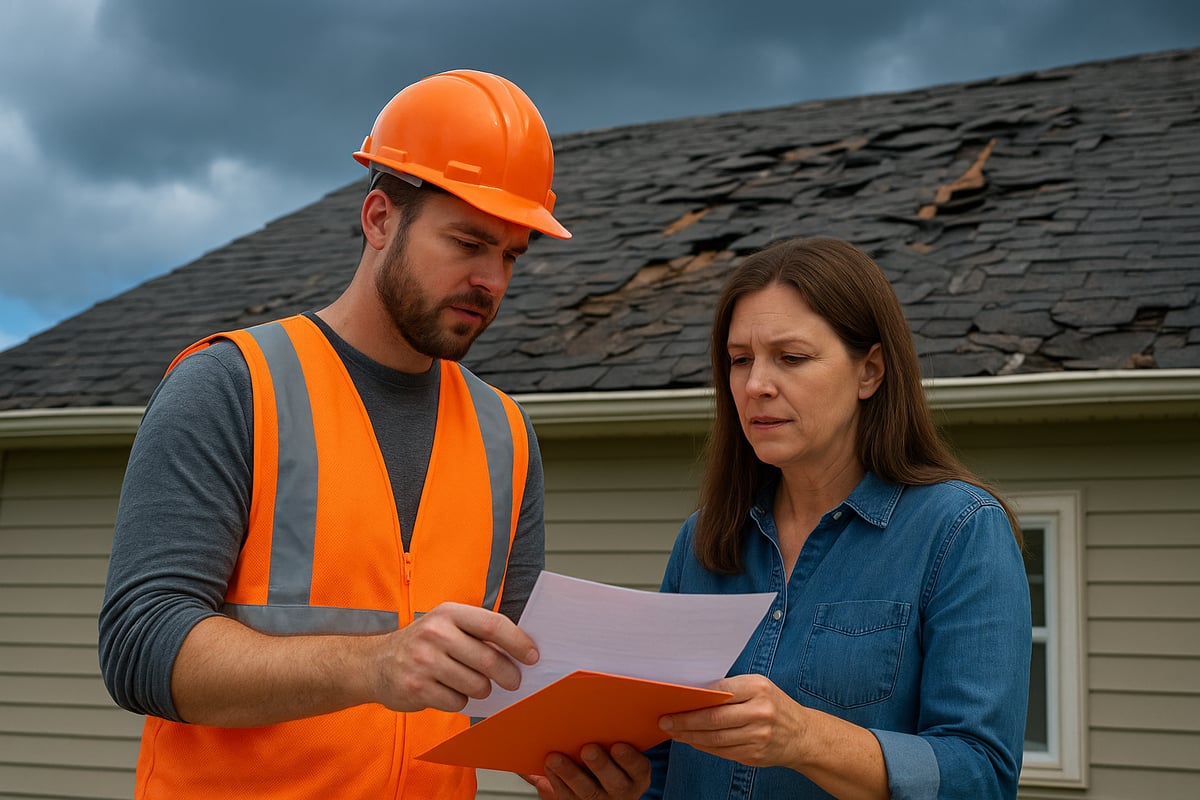
Delayed Filing and Incomplete Documentation
One of the biggest mistakes with insurance claims for roof damage is waiting too long to file. Most policies require prompt notification, sometimes within just a few days of discovering the damage. Delays may give insurers grounds to deny your claim.
Incomplete documentation is another frequent pitfall. Photos, videos, inspection reports, and maintenance records are essential. Missing or disorganized evidence can weaken your case and slow the process. Insurers may even suspect pre-existing damage if your documentation is lacking.
Underestimating Damage and Overlooking Details
It is easy to miss hidden or less visible roof problems after a storm. Water intrusion, structural issues, or subtle shingle damage might not be obvious at first glance. Relying only on a cursory inspection can lead to underestimating the full scope of loss in insurance claims for roof damage.
Professional roof inspections are vital. Experts can identify damage that homeowners often overlook. Overlooking these details could result in underpaid settlements or future out-of-pocket expenses if problems worsen over time.
Accepting Low Settlements and Lack of Negotiation
Some policyholders accept the first settlement offer from their insurer without question. However, initial offers may not always reflect the true cost of repairs. Insurers sometimes use depreciation or policy limits to justify lower payouts in insurance claims for roof damage.
Negotiating with your insurer is not just allowed, it is often necessary. Review the settlement calculation carefully. If you disagree with the offer, provide additional estimates or request a re-inspection. In 2025, 12% of roof claims required negotiation for a fair settlement.
Contractor Pitfalls and Policy Misunderstandings
Choosing the wrong contractor can jeopardize insurance claims for roof damage. Unlicensed or out-of-area contractors may lack the credentials required by insurers. Claims supported by poor documentation or subpar repairs often face delays or denials. According to recent industry analysis, rising peril severity and evolving policy terms are making claim requirements more stringent. The LexisNexis U.S. Home Insurance Trends Report Highlights Rising Peril Severity, reinforcing the need for policyholders to stay informed and proactive.
Misunderstanding policy exclusions, deductibles, or endorsements is another common issue. For example, neglecting regular maintenance can void coverage. In 2025, 15% of roof claims were denied due to lack of upkeep, underscoring the importance of reading your policy carefully.
| Common Mistake | Potential Consequence |
|---|---|
| Delayed claim filing | Claim denial |
| Incomplete documentation | Reduced or denied payout |
| Accepting low settlement | Out-of-pocket repair costs |
| Using unlicensed contractor | Further delays, possible denial |
| Misreading policy exclusions | No coverage for certain damages |
Avoiding these pitfalls in insurance claims for roof damage requires preparation, attention to detail, and clear communication. By staying organized and proactive, you can streamline the claims process and maximize your settlement.
Maximizing Your Roof Damage Insurance Settlement
Securing a fair payout for insurance claims for roof damage requires more than just filing paperwork. With roof claims surpassing $30 billion in 2024, competition for settlements is fierce, and insurers are more diligent than ever. To maximize your outcome, it is crucial to combine thorough preparation with strategic follow-through at every stage of the process.
Thorough Documentation Is Your Foundation
Meticulous documentation is the cornerstone of successful insurance claims for roof damage. Capture clear, date-stamped photos from multiple angles, and supplement them with videos to show the full scope of the damage. Include images of both exterior and interior impacts, such as ceiling stains or water intrusion.
Gather weather reports for the date of loss and keep all relevant receipts for emergency repairs. Maintain a log of all communications with your insurer. This organized approach ensures you have a robust case if your claim is questioned, and it can significantly speed up the assessment process.
Leverage Professional Inspections and Accurate Estimates
A licensed roofing contractor’s inspection can make your insurance claims for roof damage much more compelling. Detailed, written assessments help establish the true extent of loss and provide a clear basis for repair or replacement estimates. Insurers often rely on these expert reports to validate claims.
For step-by-step guidance, review Roof Replacement Insurance Claim Tips to avoid common pitfalls and present the strongest case possible. Accurate estimates also help you understand depreciation and how to recover withheld funds if your policy offers Replacement Cost Value (RCV) rather than Actual Cash Value (ACV).
Public Adjusters: When and Why to Hire One
If your insurance claims for roof damage are large or complex, consider hiring a public adjuster. These licensed advocates represent your interests, not the insurer’s, and can negotiate for a higher settlement. According to OPPAGA, public adjusters increase claim payouts by an average of 30 percent.
Public adjusters are especially valuable if you encounter disputes, underpaid claims, or unclear policy language. They handle documentation, communications, and negotiation, allowing you to focus on your property’s recovery. Assess the cost-benefit, as adjusters usually charge a percentage of your final payout.
Appealing Denied or Underpaid Claims and Using Extra Coverages
If your insurance claims for roof damage are denied or underpaid, do not accept the initial outcome without review. You have options such as requesting a reinspection, entering an appraisal process, or even pursuing mediation or litigation if needed.
Check your policy for additional living expense coverage in case your home becomes uninhabitable during repairs. This benefit can offset hotel or temporary rental costs, easing financial strain while you resolve your claim. Utilize every available coverage to minimize out-of-pocket expenses and maximize your settlement.
Stay Organized: Claim Diary and Final Tips
Keeping a detailed claim diary is vital for all insurance claims for roof damage. Record each interaction with your insurer, contractor, and adjuster, noting dates, times, and discussion points. Store all documents, estimates, and receipts in a dedicated folder for easy access.
Staying proactive and organized not only helps you track progress but also positions you to respond quickly to requests for more information. With these strategies, you can confidently navigate the claims process and secure the compensation you deserve.
Frequently Asked Questions About Roof Damage Insurance Claims
Navigating insurance claims for roof damage can be complex, especially as policies and risks evolve. Below, we answer the most frequent questions property owners have about filing insurance claims for roof damage in 2026.
What types of roof damage are covered in 2026?
Most policies for insurance claims for roof damage in 2026 cover sudden events like hail, wind, storms, fire, and falling debris. However, coverage varies by policy and region, with exclusions for wear, poor maintenance, or certain materials. With U.S. roof claims costs reaching over $30 billion in 2024, insurers are updating terms to address increased risks. Always review your policy for specific inclusions and exclusions.
How long do I have to file a claim after roof damage?
For insurance claims for roof damage, most policies require prompt reporting, often within a few days to a month after discovering damage. Delays can lead to denial or reduced settlements. Check your policy for the exact timeframe, and notify your insurer as soon as you notice roof issues to protect your right to compensation.
What if my claim is denied or underpaid?
If your insurance claims for roof damage are denied or underpaid, you have options. Review the denial letter for specific reasons. Gather additional documentation or request a reinspection. You may dispute the decision through appraisal, mediation, or, as a last resort, litigation. Many policyholders successfully negotiate higher settlements by presenting strong evidence.
Can I choose my own contractor for repairs?
Yes, you can select your own contractor for repairs in most insurance claims for roof damage. It is crucial to choose a licensed, insured professional with experience handling claims. Some insurers provide a preferred vendor list, but you are not required to use their recommendation. Always verify credentials and request detailed, written estimates.
How are deductibles applied to roof damage claims?
Deductibles are the out-of-pocket amounts you must pay before your insurer covers the rest of the claim. For insurance claims for roof damage, policies may have separate wind or hail deductibles, which can be higher than standard deductibles. Review your policy documents to understand how your deductible applies and impacts your potential payout.
What documentation do insurers require?
To support insurance claims for roof damage, insurers typically request date-stamped photos, videos, inspection reports, repair estimates, and maintenance records. Providing thorough, organized evidence speeds up the process and reduces disputes. Drones and professional inspections are increasingly used for large or complex roofs.
Are code upgrades or energy-efficient materials covered?
Coverage for code upgrades or energy-efficient materials depends on your policy endorsements. Some insurance claims for roof damage include ordinance or law coverage, which pays for improvements needed to meet current building codes. Ask your agent if your policy covers these enhancements before repairs begin.
How can I avoid scams and choose a reputable contractor?
To protect your insurance claims for roof damage, avoid storm chasers or unlicensed contractors. Verify licensing, insurance, and references. Request written contracts and clear estimates. Reputable contractors will help document damage and communicate professionally with your insurer, ensuring a smoother claims process.
As you navigate the roof damage insurance claims process, having a trusted expert by your side can make all the difference. We’ve covered how important clear documentation, timely action, and choosing the right contractor are for a smooth, successful claim. If you want guidance tailored to your situation or have questions about your coverage, you don’t have to handle it alone. Our experienced team is here to walk you through every step, help maximize your settlement, and ensure your property is protected for the long term.
Talk to Our Insurance Claims Team Today