Essential Guide to Roofing Insurance Claims in 2026
Roof damage can catch anyone off guard, leaving you worried about next steps and potential costs. Are you ready to handle roofing insurance claims with confidence, or would the process leave you feeling overwhelmed?
This how-to guide is designed to help property owners take control, offering clear and actionable steps for managing roofing insurance claims from start to finish. You will discover essential insurance basics, immediate actions to take after damage, documentation tips, guidance on working with adjusters, and strategies to avoid common mistakes.
Follow this roadmap to reduce stress, maximize your claim outcome, and protect what matters most.
Understanding Roofing Insurance Claims: The Basics
Roofing insurance claims can seem complex, but understanding the fundamentals helps you approach the process with confidence. This section explains what these claims are, when to file, key policy terms, and why documentation is vital. With the right knowledge, you can protect your property and avoid common pitfalls.

What Is a Roofing Insurance Claim?
A roofing insurance claim is a formal request to your insurer for coverage of roof repairs or replacement after qualifying damage. These claims often address sudden events like hail, wind, fire, or falling debris. Covered perils are specific events named in your policy, while exclusions may include age-related wear or neglect.
For example, if a hailstorm in Texas damages your roof, you can submit roofing insurance claims for repairs. However, gradual wear and tear from aging or lack of maintenance is usually excluded. Knowing your policy’s exact terms and covered perils is essential before starting a claim.
When Should You File a Roofing Insurance Claim?
Timing is crucial with roofing insurance claims. File as soon as you notice sudden, visible damage, ideally after a professional assessment. Most policies require claims within 30 to 60 days of the incident. Delays can result in denied claims or missed deadlines due to expiration clauses.
Consider this: filing right after a major storm gives you the best chance for approval, while waiting until a leak worsens may jeopardize your claim. Prompt action and clear documentation ensure your rights are protected throughout the process.
Key Insurance Policy Terms to Know
Understanding your policy’s language is vital when handling roofing insurance claims. Key terms include deductible (your out-of-pocket cost before coverage starts), actual cash value (ACV, which accounts for depreciation), and replacement cost value (RCV, which covers full replacement).
Depreciation reduces the payout based on your roof’s age and condition. Coverage limits cap the maximum reimbursement, and exclusions outline what is not covered. For example, ACV may result in a lower reimbursement for older roofs, while RCV pays for a full replacement, minus your deductible.
The Role of Documentation in Claims Success
Thorough documentation is the backbone of successful roofing insurance claims. Take clear, dated photos of all damage—before and after the event. Save inspection reports and receipts for repairs or maintenance. These records strengthen your claim and help prove the extent and timing of the damage.
For instance, before-and-after storm photos can clearly show new damage. According to industry data, insufficient documentation is a leading cause of denied claims. For a deeper dive into essential steps and paperwork, see this Guide to Roof Damage Insurance Claims.
Step-by-Step: What to Do Immediately After Roof Damage
Experiencing sudden roof damage can be overwhelming. Knowing how to respond quickly and methodically is crucial for successful roofing insurance claims. Follow this practical guide to protect your property, streamline your claim, and secure the best possible outcome.
Step 1: Ensure Safety and Prevent Further Damage
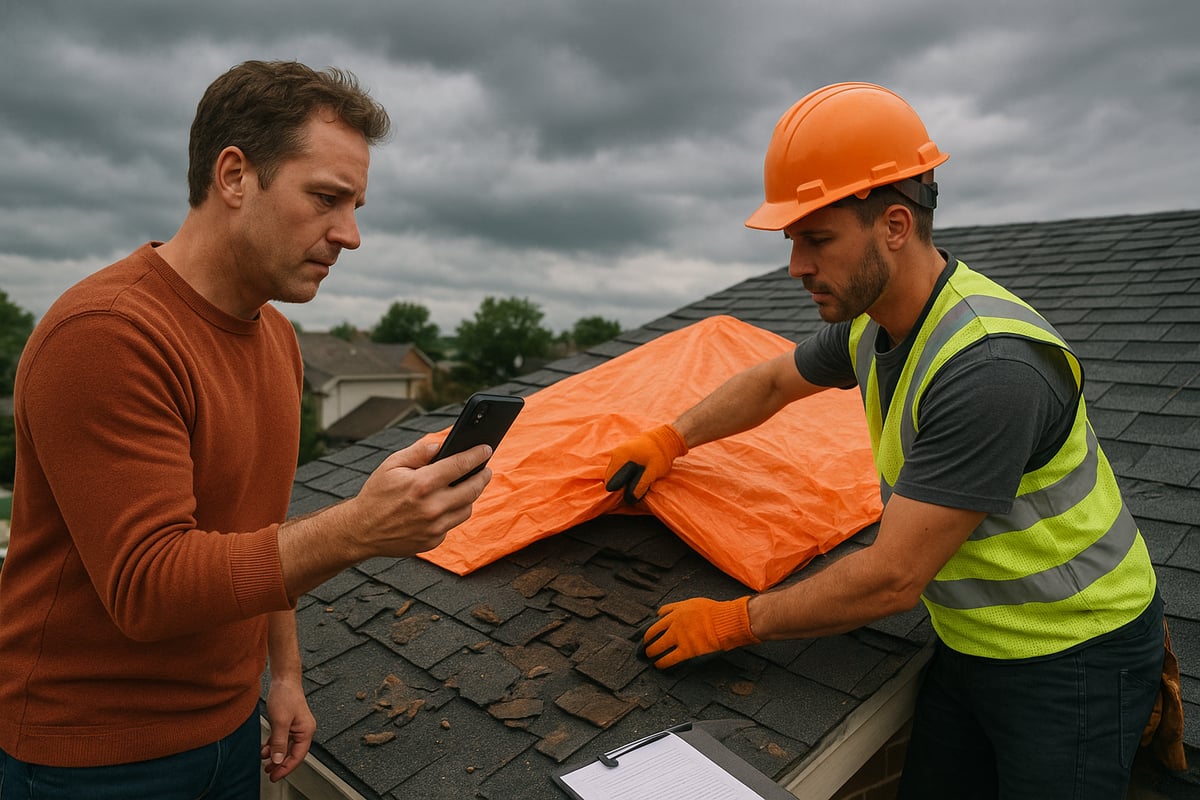
First, prioritize safety for everyone at the property. Avoid entering any area with visible roof collapse or exposed electrical wiring. If water is entering the home, use buckets or towels to minimize interior damage.
Cover damaged sections of the roof with tarps or sturdy plastic sheets to prevent additional water intrusion. Insurers require policyholders to take reasonable steps to reduce further loss.
If you cannot safely access the roof, contact professionals who offer emergency roof repair solutions to secure your home and start the roofing insurance claims process. Taking these steps helps protect both your property and your claim eligibility.
Step 2: Document All Damage Thoroughly
Careful documentation is the backbone of successful roofing insurance claims. Take clear, detailed photos of all affected areas, both inside and outside your property. Capture images from multiple angles to show the extent of the damage.
Maintain a written log describing the date, time, and circumstances of the incident. Save any local weather reports that confirm the timing and severity of the event.
Create a checklist to ensure nothing is missed:
- Photos of damaged shingles, flashing, and gutters
- Images of interior leaks, stains, or debris
- Notes on immediate actions taken
Comprehensive records strengthen your case.
Step 3: Notify Your Insurance Company Promptly
Once documentation is complete, reach out to your insurer to initiate roofing insurance claims. Use the company’s phone line or online portal, whichever is most convenient.
Provide your policy number, a summary of the damage, and any evidence you have collected. Request and write down your claim number for future reference.
Ask your insurance representative about the next steps, including timelines for adjuster visits and required forms. Prompt reporting is essential. Delays can jeopardize your claim or reduce your payout, so act as soon as possible after discovering roof damage.
Step 4: Schedule a Professional Roof Inspection
Arrange for a licensed roofing contractor to inspect the damage thoroughly. An expert assessment is vital for accurate roofing insurance claims, as professionals can spot hidden issues that may be missed from the ground.
Request a detailed inspection report and a written repair estimate. These documents will be critical when negotiating with your insurer.
Professional roofers can also identify code compliance requirements and potential hazards. Their findings often uncover additional claimable damage, ensuring your insurance claim reflects the true scope of repairs needed for your property.
Step 5: Keep a Claims Log and Save All Correspondence
Maintain a dedicated log for all roofing insurance claims communications. Record every call, email, and letter, noting the date, time, and name of the person you spoke with.
Store copies of all documentation, including inspection reports, claim forms, and repair receipts. Organize these records in a digital folder or physical binder for easy access.
A well-kept log supports your claim, streamlines follow-up, and is invaluable if you need to appeal or clarify information with your insurer. Meticulous recordkeeping can make the difference between a smooth claim and unnecessary delays.
Navigating the Insurance Adjuster Inspection
Preparing for the insurance adjuster’s visit is a critical step in the roofing insurance claims process. Knowing what to expect, how to advocate for your interests, and how to document every detail can make the difference between a denied claim and a fair settlement. Here’s how to approach each stage with confidence and clarity.

What to Expect During the Adjuster Visit
When you file roofing insurance claims, your insurer will schedule an adjuster to inspect the damage. The adjuster’s main role is to evaluate the roof, verify the cause of damage, and estimate repair or replacement costs.
Typically, the inspection involves a thorough review of the roof’s surface, gutters, and attic spaces for leaks or hidden issues. The adjuster may take measurements, photographs, and notes. For example, after a major storm, the adjuster checks both exterior shingles and attic insulation for water intrusion. Remember, the adjuster represents the insurer’s interests during roofing insurance claims, so their findings directly impact your outcome.
How to Advocate for a Fair Assessment
To ensure a fair evaluation during roofing insurance claims, invite your trusted roofing contractor to attend the inspection. Contractors experienced with claims can point out damage the adjuster may overlook and provide immediate context for repairs.
Have all documentation ready, including photos, inspection reports, and receipts. Ask the adjuster to clarify any exclusions or reductions in their assessment. For example, if your contractor notices hail impact the adjuster missed, speak up and provide supporting evidence. For more tailored support, you can review Roofing insurance claims in Fort Worth for practical tips and local expertise.
Common Adjuster Mistakes and How to Address Them
Even experienced adjusters can make mistakes during roofing insurance claims inspections. Common issues include:
- Overlooking less visible or hidden damage, such as underlayment tears
- Underestimating the scope or cost of repairs, especially code-required upgrades
- Missing storm-related damage that blends with older wear
If you notice these errors, request a second inspection and submit additional documentation. For instance, if the adjuster misses code upgrades after a storm, have your contractor provide a detailed report. Being proactive helps prevent costly out-of-pocket repairs and strengthens your roofing insurance claims.
The Importance of Detailed Documentation
Comprehensive documentation is the backbone of successful roofing insurance claims. Present the adjuster with pre-storm and post-damage photos, inspection reports, and receipts for any temporary repairs.
Show evidence of your roof’s condition before the incident to help confirm that new damage is storm-related. Claims with thorough, timestamped documentation are far more likely to be approved. For example, providing before-and-after photos can validate the exact timing of the damage, supporting your case during the roofing insurance claims process.
Next Steps After the Adjuster Visit
After the inspection, carefully review the adjuster’s estimate and compare it with your contractor’s scope of work. If you notice discrepancies, missing items, or undervalued repairs, discuss them directly with your insurer.
Be prepared to negotiate or escalate if necessary, especially if your contractor’s assessment supports a more extensive repair or full replacement. For example, appealing for a full reroof instead of a partial fix may be justified with strong documentation. Staying organized and proactive ensures the best possible outcome for your roofing insurance claims.
Overcoming Common Roofing Insurance Claim Challenges
Navigating roofing insurance claims can be challenging, especially when unexpected obstacles arise. Many property owners face hurdles such as denied claims, disputes over repairs, or confusion with documentation. Knowing how to address these issues can make the difference between a denied payout and a successful claim.
Dealing with Denied or Underpaid Claims
Denied or underpaid roofing insurance claims are common and can be frustrating. Insurers often cite insufficient evidence, delayed filing, or pre-existing damage as reasons for rejection. Always request a written explanation for any denial.
If your claim is denied for reasons such as "pre-existing damage," gather more documentation and consider a second inspection. Many claims are reversed on appeal when new evidence is provided. Staying proactive and organized gives you the best chance at overturning an initial decision.
Roof Leak Claims: Unique Hurdles and Solutions
Roof leak claims present unique challenges because insurers scrutinize the cause of leaks. Sudden events like wind-lifted shingles are typically covered, while gradual deterioration is not. To strengthen your roofing insurance claims, document ceiling stains, attic damage, and the specific cause of the leak.
A professional assessment can help confirm if the damage resulted from a covered peril. Submitting a clear timeline and photos increases your chances of approval and ensures you are not held responsible for maintenance-related issues.
Replacement vs. Repair: How Insurance Companies Decide
Insurers often opt for repairs instead of full replacements, especially for older roofs. The decision depends on factors like the age of your roof, the extent of damage, and code requirements. Understanding how roofing insurance claims are evaluated helps you advocate for the right solution.
For example, severe hail may warrant a complete reroof, while minor shingle loss could lead to patchwork repairs. A qualified contractor can provide evidence and argue for full replacement when justified, influencing the insurer’s decision.
Avoiding Common Mistakes in the Claims Process
Common mistakes can delay or derail your roofing insurance claims. These include failing to document all damage, missing claim deadlines, or accepting the first settlement offer without review.
- Always involve a qualified roofing contractor early.
- Keep thorough records of all communications.
- Review all offers carefully before accepting.
Missing hidden damage can result in costly, out-of-pocket repairs later. For more tips on navigating obstacles, see this storm damage insurance claims advice resource.
When and How to Appeal a Claim Decision
Appealing a denied or underpaid claim is a structured process. Start by requesting a reinspection and submitting new evidence, such as updated contractor reports or additional photos. If the insurer remains unresponsive, escalate your case to a public adjuster or your state insurance department.
Robust documentation is key to a successful appeal. Claims with well-organized evidence have a higher chance of reversal, so keep your records accessible and detailed throughout the process.
Texcore Construction: Expert Insurance Claim Support in Fort Worth
Texcore Construction supports Fort Worth property owners through every stage of the roofing insurance claims process. Their licensed crews provide same-day leak repairs and thorough documentation for insurance carriers.

Texcore coordinates directly with insurers and adjusters, ensuring accurate damage assessments and maximizing claim outcomes. With a five-year labor warranty and transparent communication, clients benefit from peace of mind. Rapid response and comprehensive inspection reports help secure full replacement approvals when storms strike.
Choosing the Right Roofing Contractor for Your Claim
Selecting the right professional is a critical step in navigating roofing insurance claims effectively. A qualified contractor can make the difference between a successful, stress-free process and a frustrating experience. By understanding what to look for, what to ask, and what to avoid, you can protect your investment and ensure your claim is managed properly.
Qualities of a Reliable Insurance Claim Contractor
When it comes to roofing insurance claims, not all contractors have the same expertise. Look for specialists with a proven track record in handling insurance documentation and negotiations. They should be licensed, insured, and recognized for their professionalism in your community.
A reliable contractor communicates clearly, provides detailed written estimates, and is willing to attend adjuster inspections on your behalf. Their experience with the roof repair insurance process ensures your claim is supported by strong evidence and proper paperwork.
- Licensed and insured
- Experienced with insurance claims
- Transparent and communicative
Selecting a contractor with these qualities sets a solid foundation for a successful claim outcome.
Questions to Ask Before Hiring
Before committing, interview potential contractors about their approach to roofing insurance claims. Ask how many claims they have managed and request references from previous insurance-related projects.
Sample questions include:
- How do you document and communicate with insurance companies?
- Can you share sample inspection reports?
- What is your process for advocating on behalf of clients during adjuster visits?
A reputable contractor will welcome your questions and provide clear, detailed answers. Reviewing their documentation samples can give you confidence in their methods.
Red Flags to Watch Out For
Be alert to warning signs that could indicate trouble. Contractors who pressure you to sign contracts before claim approval or offer to “cover your deductible” may not operate legally or ethically.
Other red flags include:
- Lack of proper licensing or insurance
- Unwillingness to provide references or a detailed scope of work
- Vague or incomplete estimates
If a contractor avoids your questions or makes promises that sound too good to be true, consider it a signal to look elsewhere. Protecting your roofing insurance claims process starts with due diligence.
The Value of Local Expertise
Choosing a contractor with local experience benefits your roofing insurance claims in several ways. Local professionals understand regional weather patterns, building codes, and insurance requirements unique to your area.
They can respond quickly after storms and are more likely to be available for follow-up service. For example, a contractor familiar with Texas insurance policies can help you navigate claim complexities specific to Fort Worth.
Local expertise ensures your claim is managed efficiently and that you have reliable support long after repairs are complete.
Proactive Strategies to Prevent Roofing Insurance Claim Issues
Staying ahead of problems is the best way to protect your property and avoid headaches with roofing insurance claims. Being proactive helps you reduce the risk of costly surprises, ensures smoother claim approvals, and supports your long-term investment in your roof.
Routine Roof Maintenance and Inspection
Regular roof inspections are a critical step in preventing unexpected roofing insurance claims. Schedule a professional assessment at least once a year, ideally before storm season. A licensed roofer can spot small issues, such as loose shingles or minor leaks, before they escalate into major damage.
Addressing repairs early keeps your roof in top shape and demonstrates responsible ownership to your insurer. According to the U.S. Roofing Realities Trend Report, roof repair and replacement costs have soared, making prevention more important than ever. A well-maintained roof is less likely to trigger denied or delayed claims.
- Schedule annual inspections
- Fix minor issues promptly
- Keep inspection reports for your records
Consistent care helps you avoid emergency repairs and supports your future roofing insurance claims.
Keeping Accurate Records Year-Round
Thorough documentation is a powerful tool when filing roofing insurance claims. Start by taking clear, date-stamped photos of your roof’s condition before and after severe weather. Maintain a folder with receipts for any repairs, maintenance, or upgrades completed throughout the year.
Log the dates of inspections and keep copies of contractor reports. Organized records not only simplify the claims process but also provide evidence if your insurer questions the timing or cause of damage.
- Photograph roof before and after storms
- Save all repair receipts and inspection reports
- Create a digital folder for easy access
With these habits, you’ll be prepared to support your roofing insurance claims with strong evidence.
Understanding Your Policy and Coverage Limits
Knowing exactly what your policy covers is essential for managing roofing insurance claims. Review your policy annually, focusing on coverage limits, exclusions, and deductibles. Ask your insurer about specific terms, such as code upgrade coverage or cosmetic damage exclusions.
Stay informed about changes in your policy, especially if you’ve recently made upgrades or repairs. Understanding the fine print helps you avoid surprises if you ever need to file a claim.
- Review policy every year
- Clarify exclusions and limitations
- Ask about deductible and code upgrade provisions
This knowledge empowers you to make informed decisions and maximize your roofing insurance claims.
Preparing for Storms and Emergencies
Preparation reduces risk and can make all the difference in the outcome of roofing insurance claims. Install impact-resistant roofing materials if you live in a storm-prone area. Identify emergency contacts, such as a trusted local roofing contractor, so you can act quickly if damage occurs.
Pre-arrange agreements for post-storm inspections and repairs. The recent surge in claim costs, as highlighted in Roof Claims Exceed $30B in 2024, underscores the value of readiness. Being proactive ensures you’re not left scrambling when storms hit.
- Upgrade to impact-resistant materials
- Keep emergency contacts handy
- Plan for rapid response after severe weather
With these strategies, you can minimize disruption and strengthen your future roofing insurance claims.
FAQs: Roofing Insurance Claims Answered
Navigating roofing insurance claims can be confusing, especially if you are filing for the first time. To help, we have compiled answers to the most common questions property owners ask. If you prefer a video explanation, check out this Roofing Insurance Claims EXPLAINED: The Ultimate Homeowner’s Guide for step-by-step visuals and definitions.
How long do I have to file a roofing insurance claim?
Most policies specify a filing window of 30 to 60 days after the incident. Check your policy documents or contact your agent for the exact deadline. Missing this window can result in denial of your roofing insurance claims, even for valid damage.
Always act quickly after a storm or accident. Delays can trigger expiration clauses, making recovery difficult. Set reminders and gather your documentation as soon as you notice damage.
Does my policy cover partial repairs or only full replacements?
Coverage for partial repairs or full replacements depends on the damage and your policy type. Some roofing insurance claims are settled with partial repairs for minor shingle loss, while extensive hail or wind damage may qualify for a full reroof.
Policies based on actual cash value (ACV) often pay less for older roofs, while replacement cost value (RCV) policies cover the full cost to restore your roof. Review your policy to understand how your claim will be assessed.
What documentation do I need to support my claim?
Strong roofing insurance claims rely on clear, dated photos, written inspection reports from a licensed contractor, and receipts for any temporary repairs or maintenance. Keep a copy of your policy handy for reference.
Organize these items in a folder or digital file. Detailed records make it easier to prove your loss and speed up the approval process.
Should I call a roofer or my insurance company first?
It is wise to contact a roofer first. A professional can assess the damage, provide a detailed inspection report, and help document issues before you contact your insurer. This strengthens your roofing insurance claims and ensures you do not miss hidden damage.
Once you have documentation, notify your insurance company to start the claim process. This approach gives you a clear advantage during adjuster inspections.
Will filing a claim increase my insurance premiums?
Submitting roofing insurance claims can sometimes lead to higher premiums, especially if you file multiple claims in a short period. The impact varies by insurer, region, and the nature of the claim.
Before filing, weigh the cost of repairs against potential premium increases. For smaller repairs, it may be more cost-effective to handle them without filing a claim.
Can I choose my own contractor for repairs?
Yes, you have the right to select your own contractor for roofing insurance claims repairs. You are not required to use the insurer’s preferred vendor. Choosing a qualified, experienced roofer ensures quality work and better advocacy during the claim.
Ask for references, check credentials, and confirm experience with insurance claims before making your selection.
What if the insurance adjuster missed some of the damage?
If you believe the adjuster overlooked damage, request a second inspection or submit additional documentation. Roofing insurance claims benefit from contractor advocacy, as a professional can identify issues that might be missed initially.
Provide new photos, inspection reports, or repair estimates to supplement your claim. Persistence and thorough documentation can make a difference.
Are interior damages from a roof leak covered?
Interior damage caused by a covered peril, such as hail or wind, is typically included in roofing insurance claims. You must link the interior issues directly to the roof event.
Take photos of ceiling stains, water intrusion, and save repair estimates. The clearer your documentation, the stronger your case for coverage of both exterior and interior repairs.
After reading this guide, you now have a clear path to tackling roofing insurance claims with confidence—from understanding your policy and documenting damage to working with adjusters and choosing the right contractor. But navigating the claims process can still feel overwhelming, especially when you want to maximize your coverage and avoid costly mistakes. If you have questions about your specific situation or want expert help every step of the way, you don’t have to handle it alone. You can get dedicated support and peace of mind by reaching out—Talk to Our Insurance Claims Team Today.