Claiming Roof Repairs on Insurance vs Paying Out of Pocket: 2026 Guide
Imagine waking up after a severe storm to discover your roof has suffered serious damage. In that stressful moment, you face a crucial decision: is claiming roof repairs on insurance the best move, or should you pay out of pocket? The financial stakes are high, as roof repairs can strain any budget and your choice could affect future premiums or even your coverage.
By understanding the pros and cons of each approach, you can save money, reduce stress, and protect your investment. This 2026 guide will walk you through claiming roof repairs on insurance versus paying out of pocket, covering everything from policy basics to real-world scenarios and expert advice. You will learn how to make a confident, informed decision for your home.
Understanding Roof Repair Insurance Coverage
When it comes to claiming roof repairs on insurance, knowing what your policy covers is the first step. Insurance coverage for roofs varies, so understanding the nuances helps you make informed decisions. Let's break down the essentials, from covered damages and policy structures to the claims process and when expert help is needed.
Types of Roof Damage Typically Covered by Insurance
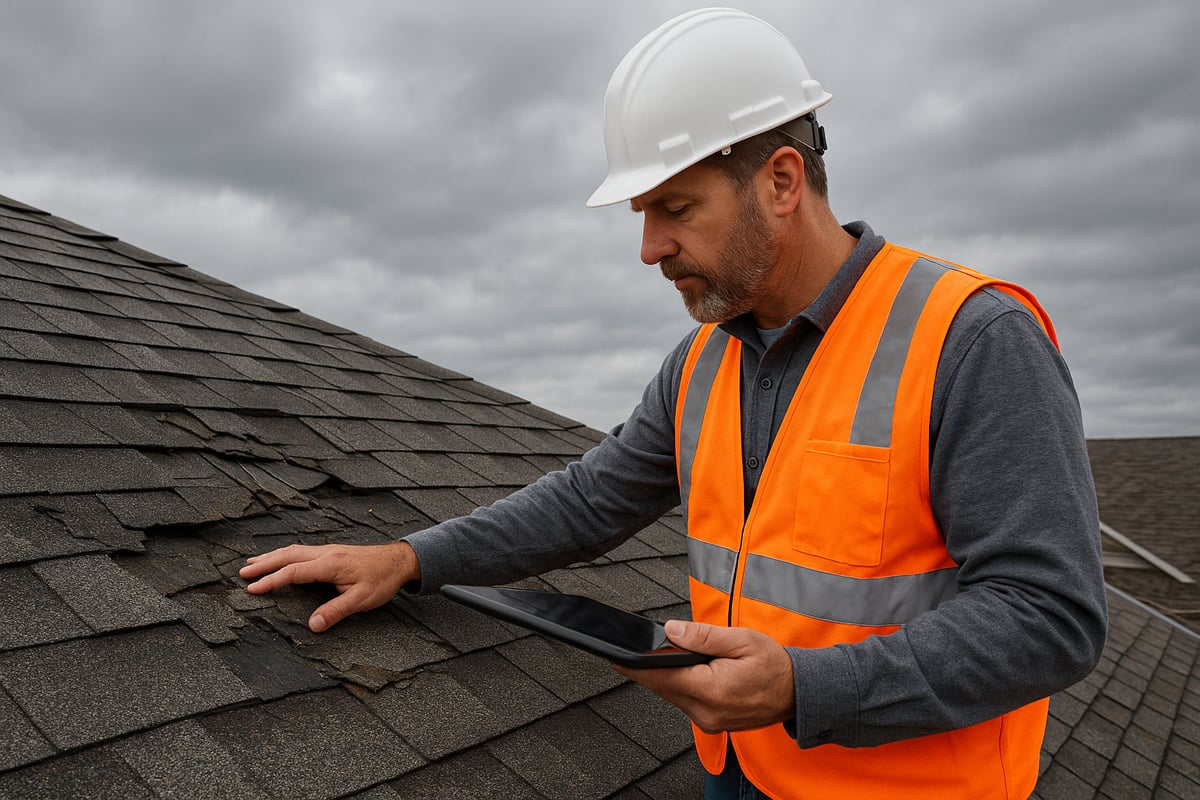
Most homeowner policies include coverage for sudden and accidental roof damage caused by storms, hail, wind, or fire. However, insurance often excludes wear and tear, lack of maintenance, and age-related deterioration. There are key differences between named-peril policies, which only cover specific events, and all-risk policies, which cover all causes not specifically excluded.
For example, after a hailstorm in Texas, insurance companies may cover shingle damage if the roof is in good condition. According to the Insurance Information Institute, over 70% of property insurance claims in the U.S. are weather-related. The age and material of your roof can influence eligibility when claiming roof repairs on insurance. Insurers typically assess the roof’s condition before approving a claim. For a detailed overview, see this Roof Repair Insurance Coverage Guide.
Policy Deductibles, Limits, and Depreciation
Understanding deductibles and policy structures is crucial when claiming roof repairs on insurance. The average deductible for roof claims in 2026 ranges from $1,500 to $3,000. There are two main types of policies: Actual Cash Value (ACV) and Replacement Cost Value (RCV).
ACV policies account for depreciation, so payouts for older roofs are often lower. For instance, if a $10,000 repair is needed and your deductible is $2,500 under an ACV policy, you may only receive a fraction of the repair cost. Policy limits cap the maximum payout, and filing multiple claims can affect your coverage terms, making it vital to weigh each claim carefully.
The Claims Process: Steps and Documentation Required
The process of claiming roof repairs on insurance starts with a thorough inspection and documentation. Take clear photos of the damage, gather receipts, and obtain detailed contractor reports. Contact your insurer promptly to file the claim, following their required timelines.
An insurance adjuster will inspect the damage and assess your documentation. Claims can be denied or underpaid for reasons such as insufficient evidence or unclear estimates. It’s important to use insured contractors for repair estimates and keep all paperwork organized. If your claim is denied, most insurers provide an appeals process, so persistence and accurate documentation matter.
When to Consider Professional Storm Damage Documentation
Some situations involving claiming roof repairs on insurance are complex enough to justify professional help. Public adjusters and experienced roofing contractors can assist with documentation, negotiations, and supporting your insurance claim with thorough documentation outcome. Companies offering storm damage documentation often help homeowners navigate the process, ensuring that all necessary paperwork is submitted correctly.
For example, a homeowner who hired a public adjuster after an underpaid claim was able to secure a higher payout by providing additional evidence. While professional support comes at a cost, the potential savings and reduced stress can make it worthwhile, especially for large or complicated claims.
Paying Out of Pocket for Roof Repairs: Pros, Cons, and Key Considerations
When your roof suffers damage, deciding between claiming roof repairs on insurance or paying out of pocket is a major financial choice. Handling the cost yourself can offer speed and flexibility, but it is important to weigh the benefits and risks before making a decision.
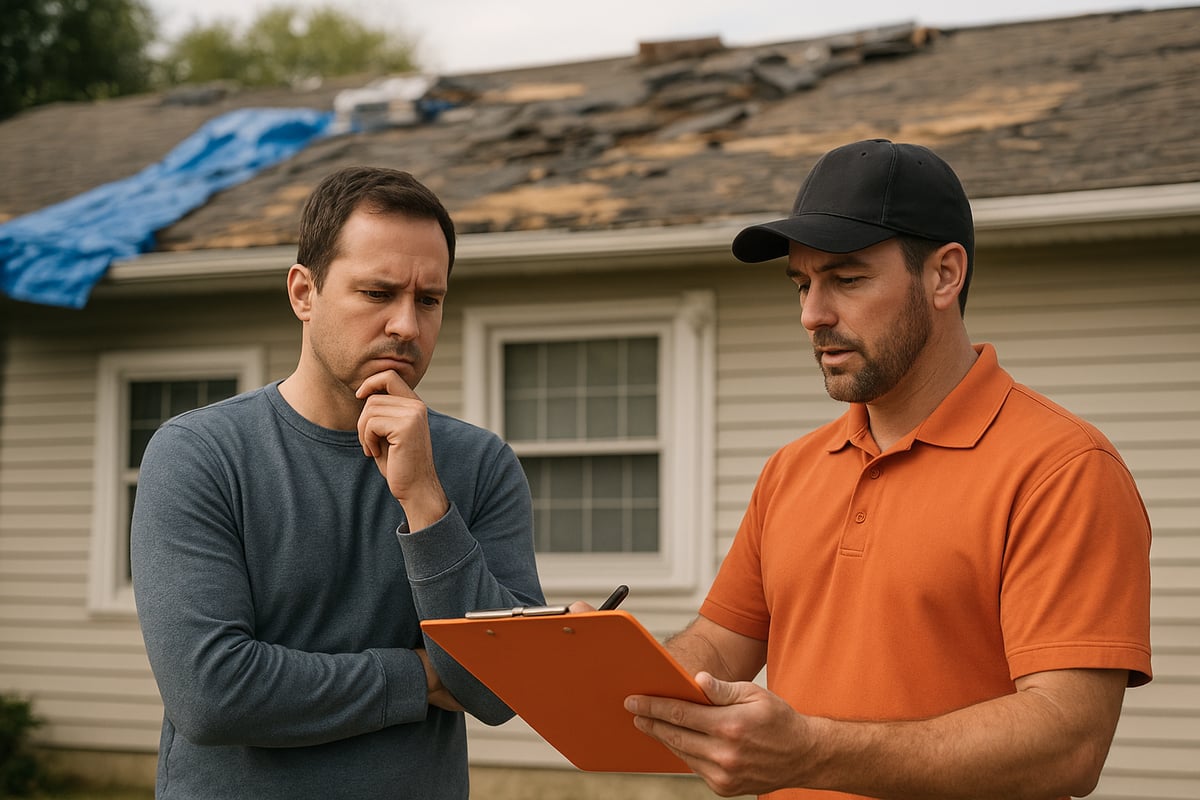
Advantages of Paying Out of Pocket
Choosing to skip claiming roof repairs on insurance can have several benefits for homeowners:
- Immediate action: You can start repairs right away, without waiting for claim approval.
- No premium hikes: Avoiding a claim can help keep your insurance premiums stable.
- Full control: Select your preferred contractor and determine the scope of work.
- No deductible: You pay only the repair cost, not a deductible.
- No depreciation: You receive full repair value, not a reduced payout.
For example, if you have a minor roof leak costing $800 to fix, paying out of pocket may be less expensive and faster than involving your insurer. Being proactive with small repairs helps you manage costs and avoid the potential headaches of the claims process.
Risks and Drawbacks of Self-Funding Repairs
While skipping the process of claiming roof repairs on insurance can be appealing, it is not without downsides:
- High upfront costs: Major repairs or full replacements can strain your finances.
- Hidden damage: If additional issues are found later, you cover those costs too.
- Missed benefits: You might lose out on policy coverage you have paid for.
- Code compliance: Using unlicensed contractors risks violating local building codes.
- Average replacement costs: Roof replacements in the U.S. typically run $9,000 to $15,000.
If you are considering a major repair, reviewing Roof Replacement Insurance Claim Tips can help you decide if insurance might be the smarter route. Paying out of pocket is best for minor, clear-cut repairs, but not always for larger, complex jobs.
How to Assess If Out-of-Pocket Makes Sense
To determine whether claiming roof repairs on insurance or paying out of pocket is best, start by comparing the total repair estimate to your policy deductible. If the repair is less than or only slightly more than your deductible, paying yourself may be more cost-effective.
Consider the following:
- Age and material of your roof
- Long-term maintenance plans
- Whether the issue is minor or recurring
- Availability of emergency funds or financing
If your insurer denies a claim due to wear and tear, handling the cost yourself may be the only option. Always balance the immediate cost against your long-term financial health.
Red Flags: When NOT to Pay Out of Pocket
There are clear situations where claiming roof repairs on insurance is the smarter choice:
- Widespread damage after storms or disasters
- Repair costs that exceed a significant portion of your home’s value
- Damage that is clearly covered by your policy
- Lack of emergency savings or affordable financing
- Risk of voiding roof warranties or jeopardizing future claims by not reporting damage
If any of these apply, filing a claim can protect your finances and your property. Evaluate every situation carefully to ensure you are making the best long-term decision for your home.
Cost Comparison: Insurance Claims vs. Out-of-Pocket Payments
When faced with roof repairs, understanding the financial differences between claiming roof repairs on insurance and paying out of pocket is vital. Each approach impacts your wallet, future coverage, and overall property value. Let’s break down the main factors to consider.
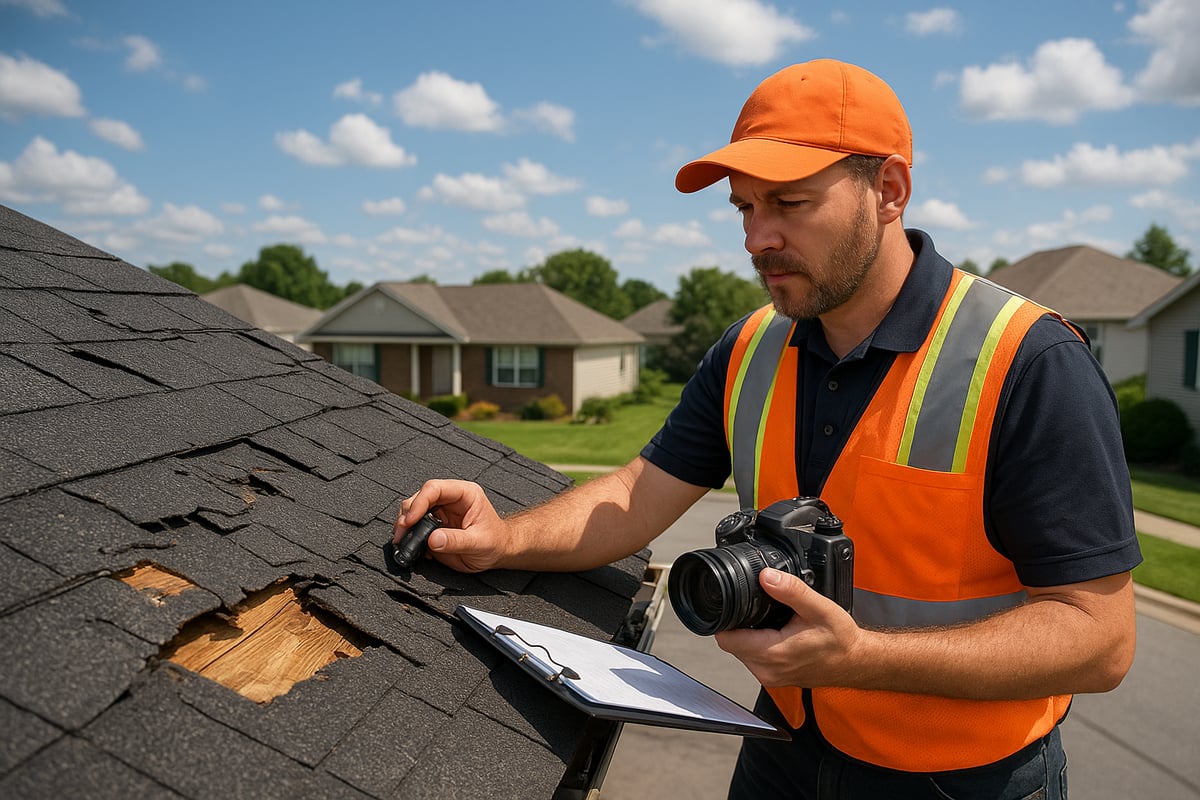
Typical Costs Covered by Insurance vs. Self-Funded Repairs
When claiming roof repairs on insurance, your policy typically covers materials, labor, necessary permits, and sometimes code upgrades if specified. Out-of-pocket payments place full responsibility for every expense directly on you. Consider this comparison:
| Repair Scenario | Insurance Pays | Out-of-Pocket Pays |
|---|---|---|
| $12,000 storm repair | $9,500 (after deductible) | $12,000 |
| Minor leak ($800) | $0 (below deductible) | $800 |
If the repair cost is less than your deductible, claiming roof repairs on insurance may not make sense. However, for major storm damage, insurance can significantly reduce your financial burden. Always review your policy to confirm what’s included.
Impact on Insurance Premiums and Future Coverage
Filing a claim for roof repairs can affect your insurance premiums. On average, homeowners see a 9 to 15 percent increase after making a claim. For example, a single claim could raise your premium by $400 per year. In regions prone to severe weather, these hikes can be even higher.
Some insurers may also choose not to renew your policy if you file multiple claims in a short period. According to the Impact of Roof Claims on Insurance Premiums, even first-time claimants may see a 7 to 10 percent increase. When claiming roof repairs on insurance, consider how it may influence both your rates and long-term insurability.
Deductibles, Depreciation, and Out-of-Pocket Maximums
Deductibles are a crucial factor when claiming roof repairs on insurance. If your deductible is $3,000 and the repair costs $10,000, your net insurance benefit is $7,000. For older roofs, depreciation can further reduce your payout, especially with actual cash value policies.
Policy limits also determine how much you can claim, particularly in catastrophic events. Out-of-pocket maximums set by some insurers can help cap your expenses during disasters. Always weigh these details before claiming roof repairs on insurance, as they directly affect your financial outcome.
Long-Term Financial Implications
The decision between claiming roof repairs on insurance and self-funding repairs has lasting effects. Higher premiums from claims can add up over five to ten years, possibly costing more than the original repair. Using savings for repairs ties up funds that could be invested elsewhere.
Additionally, insurance-backed repairs often reassure future homebuyers, supporting a higher resale value. Preventive maintenance can reduce the need for claims and lower long-term costs. Carefully evaluating your situation helps you make the most strategic choice when claiming roof repairs on insurance.
Real-World Scenarios: When to Claim Insurance vs. Pay Out of Pocket
Facing roof damage can be stressful, but real-life examples clarify when claiming roof repairs on insurance makes sense versus paying out of pocket. Let us explore four common scenarios that homeowners and property managers encounter, each illustrating the decision-making process and its impact.
Scenario 1: Minor Leak After Windstorm
After a recent windstorm, you discover a small leak in your attic. The damage is limited to a single spot, and the repair estimate is between $600 and $1,000. Since your insurance deductible is $2,000, claiming roof repairs on insurance would not be practical in this case.
Instead, many homeowners choose to handle minor leaks out of pocket for speed and simplicity. This approach avoids potential premium increases and lengthy claims processes. If you are unsure whether a small leak qualifies for insurance, review this guide on Claim Roof Leak on Insurance for more details.
Scenario 2: Major Hail Damage to Shingles
A severe hailstorm causes widespread shingle loss and interior leaks. The repair estimate reaches $15,000, and your insurance deductible is $2,500. In this situation, claiming roof repairs on insurance is financially beneficial.
The insurer covers most of the costs, so your out-of-pocket expense is limited to the deductible. However, be prepared for a possible premium increase at renewal. Documenting damage thoroughly and acting quickly ensures a smoother claims process and strengthens your documentation.
Scenario 3: Old Roof Near End of Lifespan
Your roof is over 20 years old and begins leaking, but there is no recent storm or accidental event. The insurance company investigates and attributes the damage to age and lack of maintenance, ultimately denying the claim. When claiming roof repairs on insurance is not an option, you must pay the full replacement cost yourself.
This scenario highlights the importance of regular inspections and timely maintenance. Investing in preventive care can help you avoid out-of-pocket expenses when your roof reaches the end of its lifespan.
Scenario 4: Multi-Unit Commercial Property Roof Failure
A large storm causes major roof failure on a multi-unit commercial property, affecting several tenants. The total repair cost exceeds $50,000. Here, claiming roof repairs on insurance is essential to manage such a substantial financial burden.
Commercial property owners often work with insured contractors and insurance professionals to document the damage and coordinate repairs. Having thorough records and expert support streamlines the process, helping restore the property efficiently and minimizing business disruption.
Expert Tips for Making the Right Decision in 2026
Making the right choice between claiming roof repairs on insurance or paying out of pocket can have long-term financial consequences. In 2026, a well-informed approach is more important than ever. Use these expert tips to confidently protect your property and budget.
How to Evaluate Your Insurance Policy Before Damage Occurs
Before ever needing to consider claiming roof repairs on insurance, review your policy in detail. Check which perils are covered, what exclusions apply, and the limits for roof-related damage. Understanding your deductible structure and any special endorsements, like code upgrade coverage, can prevent surprises.
Schedule annual roof inspections and keep thorough records of all repairs or maintenance. This documentation supports your claim if you ever need to start claiming roof repairs on insurance. By staying proactive, you reduce the risk of denied claims and ensure your home’s protection remains strong.
Working With Reputable Roofing Contractors
Choosing the right contractor is essential when claiming roof repairs on insurance. Licensed, insured, and experienced professionals provide detailed inspection reports that support your claim’s success. Avoid storm chasers or unverified contractors, as they can jeopardize both repair quality and insurance outcomes.
Look for contractors who offer storm damage documentation. For example, the Roofing Insurance Claims Process details how reputable firms streamline documentation and negotiation when claiming roof repairs on insurance. Working with trusted experts ensures your interests are protected from start to finish.
Texcore Construction: Local Experts in Roof Repairs and Insurance Claims
Texcore Construction stands out for homeowners and businesses considering claiming roof repairs on insurance or paying out of pocket. Their in-house, insured crews guarantee consistent quality and direct accountability—never subcontractors. With same-day response, thorough documentation, and clear communication, Texcore makes both insurance claims and self-funded repairs simple.

A five-year labor warranty and manufacturer-certified installations provide peace of mind. Whether you are claiming roof repairs on insurance or handling costs yourself, Texcore Construction is a trusted partner for Fort Worth property owners.
Questions to Ask Before Deciding How to Pay for Repairs
Before claiming roof repairs on insurance or paying out of pocket, ask yourself these critical questions:
- What is the total repair estimate compared to your deductible?
- Will a claim impact your premiums or future insurability?
- Is the damage explicitly covered under your policy?
- Do you have emergency savings or financing available?
- Are there time limits for filing a claim or completing repairs?
Considering these factors ensures you make the best decision when claiming roof repairs on insurance and avoid costly mistakes.
You've seen how the choice between filing an insurance claim or paying out of pocket can directly affect your finances, peace of mind, and long-term property value. Making the right call starts with knowing exactly what your policy covers and what your roof really needs—no guesswork. If you're unsure whether your recent roof damage qualifies for insurance coverage, let our experienced team help you cut through the confusion. We’ll review your situation, offer clear recommendations, and support you at every step, so you can make an informed decision with confidence.
See If Your Roof Damage Qualifies for Insurance Coverage