7 Smart Ways To Claim Roof Leak On Insurance In 2026
Did you know that most attempts to claim roof leak on insurance are denied due to mistakes that could have been avoided? Homeowners often miss key details in their policy or fail to document damage properly, which leads to frustration and lost money. In this article, you will discover proven strategies to help you successfully claim roof leak on insurance in 2026. We will guide you through common pitfalls, essential documentation, and actionable steps so you can maximize your payout and avoid unnecessary stress. Take control of your insurance claim with these expert tips.
Understanding Roof Leak Insurance Coverage in 2026
Many homeowners are surprised by what their insurance actually covers when they try to claim roof leak on insurance. Knowing the difference between covered and excluded scenarios is crucial for a successful claim.
What Types of Roof Leaks Are Covered?
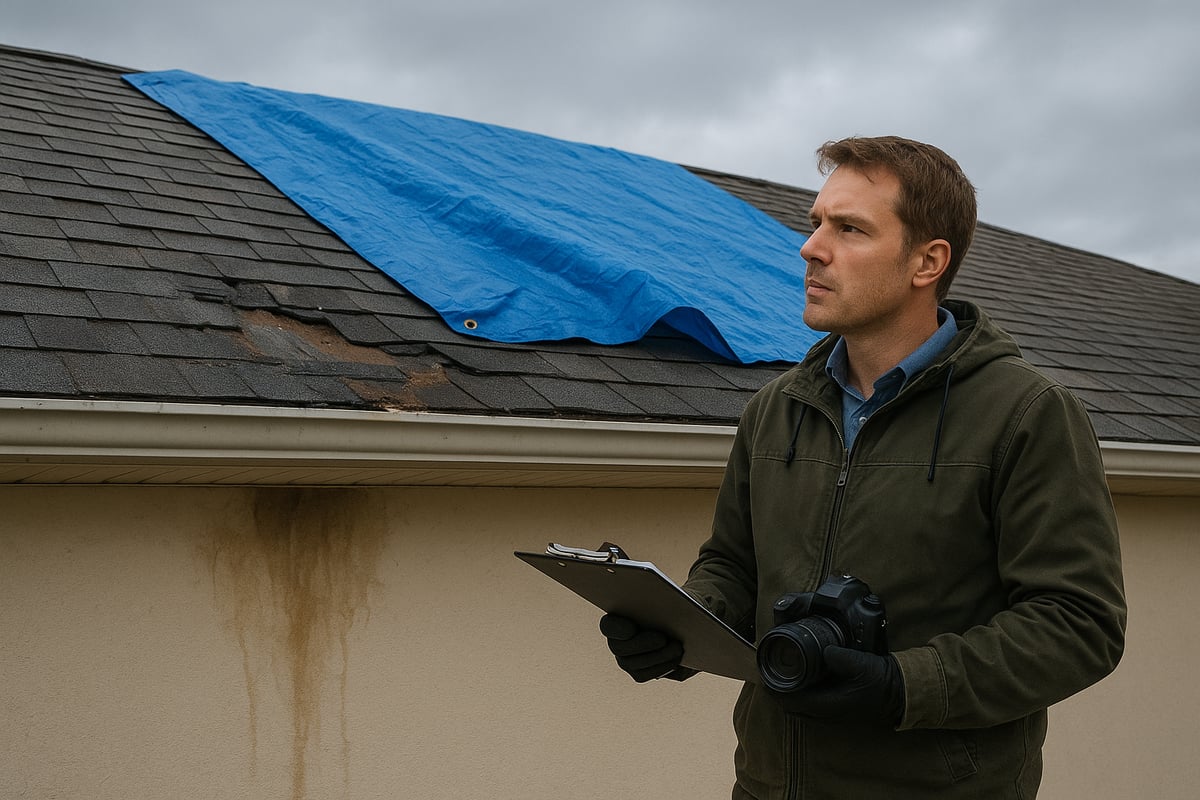
Insurance policies distinguish between sudden accidental leaks and gradual leaks. Sudden events, such as storm, hail, or wind damage, are usually covered when you claim roof leak on insurance. Gradual leaks, caused by wear and tear or neglect, are typically excluded. The type of policy you have matters: "named perils" only cover specific events listed in your policy, while "all risk" policies cover most causes except those specifically excluded. For example, most policies will pay for storm damage but not leaks from old age. To understand exactly what is covered, review resources like GEICO’s Guide on Roof Leak Coverage.
Common Exclusions and Limitations
Not every roof issue qualifies when you claim roof leak on insurance. Common exclusions include poor maintenance, old age, and faulty installation. Many policies set high deductibles for frequent perils, such as hail in Texas. There are often strict age limits for coverage; for example, roofs older than 20 years may be excluded from protection. These exclusions can catch homeowners off guard, so always check your policy details before filing a claim.
| Covered Events | Common Exclusions |
|---|---|
| Storm, hail, wind | Wear, neglect, old age |
| Fallen tree impact | Faulty installation |
Changes in 2026 Insurance Policies
In 2026, insurers have tightened their language and claims processes in response to rising severe weather events. This means closer scrutiny when you claim roof leak on insurance. Policies now often require more documentation and have added new exclusions. Industry data revealed a 12% increase in roof claim denials during 2025, reflecting this tougher environment. Homeowners must be prepared for more questions and stricter evidence requirements.
The Importance of Policy Review
To avoid surprises when you claim roof leak on insurance, it is essential to review your policy every year, especially before storm season. Many homeowners are caught off guard by exclusions for cosmetic damage or unclear terms. Consulting your insurance agent can clarify ambiguous language and ensure you know what is covered. Annual reviews help you adjust coverage and stay protected as weather risks and policy rules evolve.
Preparing for a Successful Roof Leak Insurance Claim
Taking the right steps in the first few hours after a leak can make the difference between a smooth payout and a denied claim. To successfully claim roof leak on insurance, preparation is everything. Follow these essential steps to improve your chances and reduce stress.
Immediate Steps After Discovering a Leak
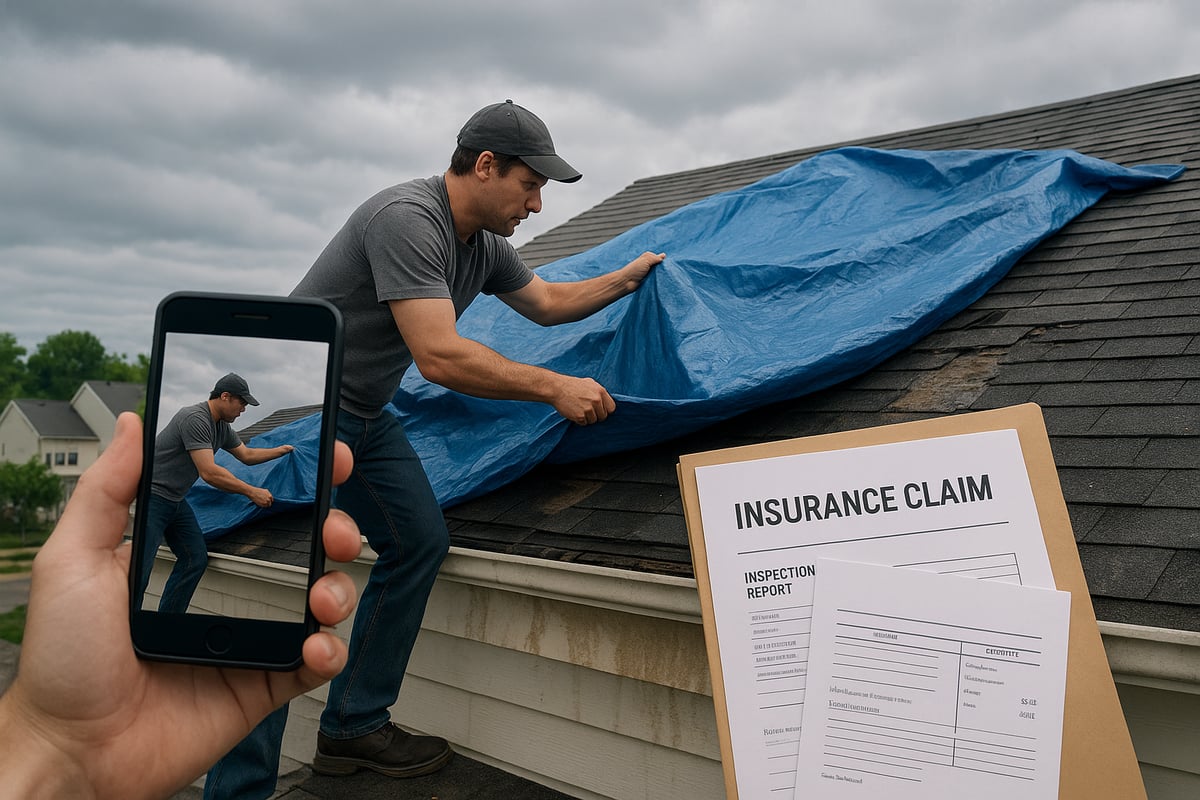
The moment you spot a roof leak, act quickly to prevent further damage. First, turn off electricity in affected areas if water is near outlets or appliances. Use buckets or towels to collect dripping water and cover the damaged section with a tarp or plastic sheeting to minimize exposure.
Take clear, date-stamped photos and videos of every area impacted by the leak. Save all receipts for emergency repairs, supplies, or mitigation efforts. These actions not only protect your home but also provide the initial proof needed to claim roof leak on insurance. For a step-by-step emergency checklist, see Emergency Ceiling Leak Repair Steps.
Documenting the Damage Thoroughly
Thorough documentation is crucial when you claim roof leak on insurance. Photograph every detail: interior walls, ceilings, floors, attic spaces, and the roof's exterior. Include images of personal belongings affected by water.
Write clear descriptions of what happened, when you noticed the leak, and any steps you took to limit damage. Keep a timeline of events. Well-organized documentation can speed up your claim by 30 percent and reduce disputes with the insurer.
Getting a Professional Roof Inspection
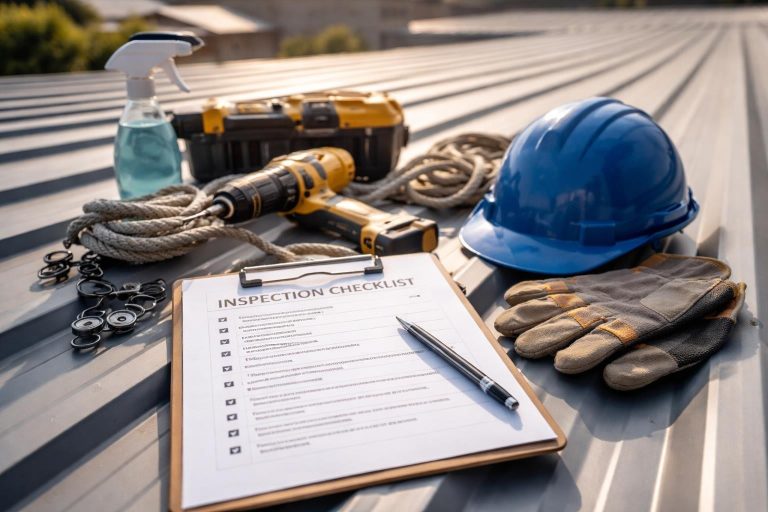
Hiring a licensed roofer for a detailed inspection is a smart move. Their expertise can help distinguish between storm-related damage and gradual wear, which is vital when you claim roof leak on insurance.
A professional inspection report serves as independent evidence, supporting your claim and clarifying the cause of the leak. Roofers can also estimate repair costs and recommend temporary fixes, increasing your credibility with the insurance adjuster.
Understanding Your Deductible and Coverage
Before you claim roof leak on insurance, calculate the estimated repair cost versus your deductible. If the repairs cost less than your deductible, filing a claim may not be worthwhile.
Review your policy for coverage limits and exclusions. For example, some policies exclude roofs over a certain age or damage from lack of maintenance. Knowing these details upfront prevents disappointment and helps you make informed decisions.
Communicating with Your Insurance Company
Prompt communication is essential. Notify your insurer as soon as possible after discovering the leak. Provide all required documentation, including photos, inspection reports, and receipts.
Keep detailed records of every call, email, and adjuster visit. Organized communication demonstrates your diligence and can expedite the claim process. Remember, delays or incomplete information can jeopardize your ability to claim roof leak on insurance successfully.
7 Smart Ways To Claim Roof Leak On Insurance In 2026
Filing a claim roof leak on insurance in 2026 is more complex than ever before. Insurers are scrutinizing every detail, and even small mistakes can lead to denials or underpaid settlements. To help you navigate the process with confidence, here are seven proven strategies that can maximize your chances of approval and ensure you receive the payout you deserve.
1. Identify the Exact Cause of the Leak
The first and most critical step to claim roof leak on insurance is to pinpoint the precise cause of the leak. Insurers typically cover "sudden and accidental" events, such as damage from storms, hail, wind, or falling trees, but rarely cover leaks caused by neglect or gradual wear.
Start by examining your roof for visible signs of recent damage. Look for missing shingles, punctures, or debris that could signal a storm event. If the leak followed a specific weather incident, note the exact date and time. Use local weather reports to corroborate your timeline, as insurers often verify claims against meteorological data.
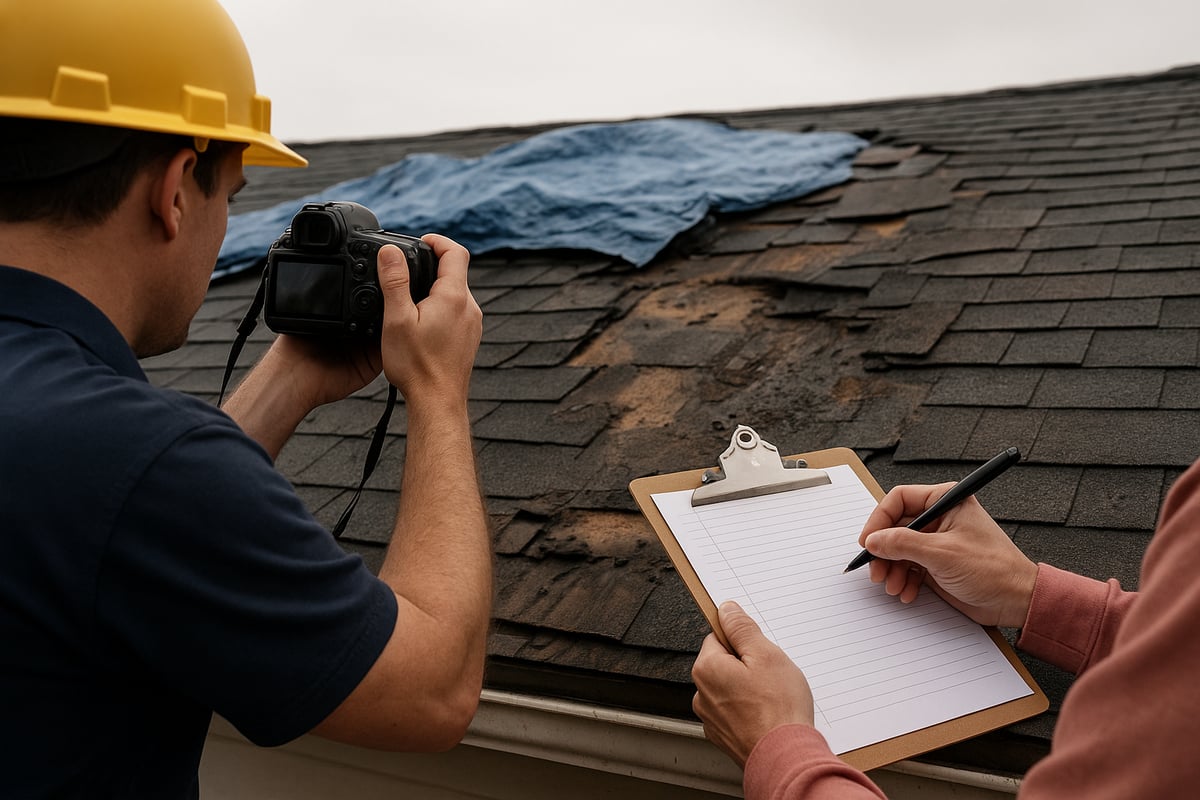
Next, enlist a licensed roofing contractor to provide a detailed inspection. Their assessment can help distinguish between storm-related damage and issues caused by poor maintenance. A professional report carries weight with insurance adjusters, strengthening your claim roof leak on insurance.
When explaining the cause to your insurer, avoid vague statements like "the roof just started leaking." Instead, specify, "A severe windstorm on March 12, 2026, dislodged shingles, allowing water to penetrate." This level of detail can boost approval rates significantly.
Finally, do not speculate or exaggerate. If unsure about the cause, let your roofer's documentation speak for itself. Accurate, evidence-based explanations are essential for a successful claim roof leak on insurance.
2. Review and Understand Your Insurance Policy
Before you file a claim roof leak on insurance, take time to thoroughly review your policy. Insurance documents can be dense and filled with industry jargon, but understanding what is covered, excluded, or limited is essential to building a strong case.
Start by identifying whether your policy operates on a "named perils" or "all risk" basis. Named perils policies only cover specific causes listed in the contract, such as wind or hail, while all risk policies are broader but still contain exclusions. Pay close attention to age restrictions; many insurers exclude coverage for roofs over 20 years old or impose higher deductibles for certain perils.
Next, check for requirements related to documentation and deadlines. Some policies require you to file a claim roof leak on insurance within 30 days of discovering the damage. Missing this window can result in automatic denial.
If any terms are unclear, reach out to your insurance agent for clarification. Do not rely on assumptions—ask direct questions about what documentation is needed and whether temporary repairs are reimbursable. Keep a copy of your policy in a safe, accessible place for reference throughout the process.
For a deeper dive into policy nuances and expert tips, consider reviewing this comprehensive Roofing Insurance Claims Tips resource, which can help you understand the fine print and avoid common pitfalls.
By mastering your policy’s details, you set yourself up for a smoother claim roof leak on insurance and reduce the risk of costly surprises.
3. Document the Damage with Detailed Evidence
Thorough documentation is the backbone of any successful claim roof leak on insurance. Insurers rely on clear, date-stamped evidence to validate your story and determine payout amounts.
Begin by taking high-resolution photos and videos from multiple angles. Capture both the exterior and interior of your home, including the roof surface, attic, ceilings, walls, and any personal property affected by the leak. Ensure your media files are time-stamped, as this helps verify when the damage occurred.
Supplement your visuals with written descriptions. Create a timeline of events: when you first noticed the leak, what steps you took to mitigate damage, and when repairs or inspections occurred. Include receipts for emergency repairs, materials, or professional services.
A helpful approach is to use a documentation checklist:
| Area | What to Capture | Notes |
|---|---|---|
| Roof Exterior | Missing shingles, debris | Wide and close-up shots |
| Attic/Interior | Water stains, mold | Include affected property |
| Personal Items | Damaged belongings | Serial numbers if possible |
| Repairs | Receipts, invoices | Dates and descriptions |
Licensed roofing contractors can provide inspection reports, which are highly valued during the claim roof leak on insurance process. Claims supported by detailed evidence are processed faster and are less likely to be disputed.
Remember, incomplete or unclear documentation often leads to delays or denials. Invest time in creating a comprehensive record to maximize your claim roof leak on insurance.
4. Mitigate Further Damage Immediately
Taking swift action to prevent additional harm is a non-negotiable part of the claim roof leak on insurance process. Insurers expect homeowners to act responsibly to minimize losses after discovering a leak.
Immediately after noticing water intrusion, turn off electricity in affected areas to prevent hazards. Use buckets, towels, or tarps to contain water and protect your belongings. If safe, cover the damaged section of your roof with a tarp to stop further moisture from entering.
Keep receipts for any materials or emergency repairs you purchase. Many insurance policies will reimburse reasonable costs for temporary fixes, provided you document them thoroughly.
Notify your insurer about the steps you have taken to mitigate damage. Include this information in your claim roof leak on insurance file, along with supporting photos and receipts.
Failing to act quickly can jeopardize your claim. Insurers may deny coverage if they determine that inaction allowed damage to worsen. Quick intervention not only preserves your property but also strengthens your position during the claim roof leak on insurance process.
5. Get Multiple Professional Estimates
Obtaining several written repair estimates is a strategic way to strengthen your claim roof leak on insurance. Insurers often require competitive bids to ensure repair costs are fair and accurate.
Contact at least two licensed roofing contractors to assess the damage. Ask each for a detailed, itemized estimate that outlines the scope of work, materials needed, and a breakdown of costs. The estimate should also specify the cause of the leak, which further supports your claim.
Comparing estimates can help you identify discrepancies and avoid inflated charges. Insurers may question unusually high repair costs or estimates from unfamiliar contractors. By providing multiple professional opinions, you demonstrate due diligence in the claim roof leak on insurance process.
Be cautious of "storm chasers"—unlicensed contractors who appear after severe weather events and may offer subpar or incomplete work. Always verify credentials before agreeing to any repairs.
Present all estimates to your insurance adjuster when filing your claim roof leak on insurance. This transparency builds trust and can expedite approval, ensuring you receive a fair payout for necessary repairs.
6. Communicate Clearly and Promptly with Your Insurance Company
Timely and organized communication is key to a smooth claim roof leak on insurance experience. Delays or miscommunications can stall your claim or lead to unnecessary disputes.
File your claim as soon as possible after discovering damage. Many insurers have strict deadlines, and late reporting is a common reason for denial. When submitting your claim roof leak on insurance, provide all required documentation up front, including photos, inspection reports, and repair estimates.
Keep a detailed log of every interaction with your insurance company. Record dates, names, and summaries of each conversation, whether by phone, email, or in person. Request written confirmation of your claim submission and ask for a timeline of next steps.
Be polite but persistent in your follow-ups. If you do not receive updates within the promised timeframe, reach out for clarification. Organized communication not only expedites your claim roof leak on insurance but also demonstrates professionalism and attention to detail.
7. Negotiate and Appeal if Your Claim is Denied or Underpaid
Even with careful preparation, some claim roof leak on insurance filings are initially denied or result in lower-than-expected payouts. Do not accept a denial or underpayment without a thorough review.
Start by reading the denial letter carefully to understand the insurer's reasoning. Common issues include insufficient documentation, disputes over the cause of damage, or policy exclusions. Gather additional evidence if necessary, such as expert opinions or updated repair estimates.
Submit a written appeal, addressing each point in the denial letter and attaching all supporting documentation. Many homeowners find that persistence pays off—appeals with new evidence often overturn initial decisions.
For complex or high-value claims, consider hiring a public adjuster. These professionals advocate on your behalf, negotiate with insurers, and can increase payouts by 15 to 30 percent. If disputes persist, consult an attorney who specializes in insurance claims to explore legal remedies.
Knowing your rights and standing firm can make a significant difference in the outcome of your claim roof leak on insurance.
Avoiding Common Mistakes When Claiming Roof Leaks on Insurance
Filing a claim roof leak on insurance can be challenging, especially if common mistakes trip you up. Many homeowners lose out on coverage or face delays simply because of missteps that are easy to avoid. By understanding these pitfalls, you can set yourself up for a smoother, more successful claims process.

Overlooking Policy Exclusions
One of the most frequent mistakes is failing to read your policy carefully. Many people assume their policy covers any roof leak, but exclusions often apply. For example, gradual leaks caused by old age or lack of maintenance are rarely covered. If you file a claim roof leak on insurance without knowing these limits, you risk denial.
Policy language can be confusing, especially around what counts as "sudden and accidental" damage. Reviewing resources like NerdWallet’s Analysis on Roof Leak Insurance can help clarify what your insurer might exclude. Always ask your agent to explain ambiguous terms before storm season.
Inadequate Documentation
Submitting a claim roof leak on insurance with incomplete or unclear evidence is a common error. Insurers need clear proof of the damage, its cause, and the timeline. Relying only on verbal descriptions or a few photos can delay your claim or result in disputes.
To avoid this, take high-quality, date-stamped photos of all affected areas, inside and out. Save receipts, inspection reports, and written descriptions. Full documentation speeds up claims and reduces pushback from your insurer.
Delaying Claim Filing
Time is critical when you claim roof leak on insurance. Waiting too long to report damage can void your coverage altogether. Data from industry studies reveal that in 2025, 18% of claims were denied simply because homeowners reported them too late.
Notify your insurer as soon as possible after discovering a leak. Keep a record of when you first noticed the issue and when you contacted your insurance company. Prompt action preserves your eligibility and helps demonstrate good faith.
Not Mitigating Further Damage
Insurance companies expect homeowners to take steps to prevent additional loss after a leak. If you fail to protect your property, your claim roof leak on insurance may be denied. For instance, not covering a damaged roof with a tarp after a storm can lead to further interior damage, which the insurer might refuse to pay for.
Always use buckets, tarps, or temporary repairs as soon as you spot a leak. Save receipts for materials and document your mitigation efforts with photos. This shows your insurer that you acted responsibly.
Hiring Unlicensed Contractors
Choosing the wrong contractor can jeopardize your claim roof leak on insurance. Insurers often require repairs to be done by licensed professionals. Work completed by unlicensed contractors may not only be rejected by your insurance company but could also void any warranties on your roof.
Before hiring anyone, verify their credentials and check for proper licensing. Get written estimates and keep all communication in writing. This protects you from disputes and ensures your claim meets your insurer's requirements.
Even small mistakes can derail your efforts to claim roof leak on insurance. By staying vigilant, documenting everything, and choosing qualified professionals, you can avoid the most common pitfalls and maximize your chances of a successful claim.
When to Seek Professional Help for Your Roof Leak Insurance Claim
Knowing when to bring in experts can make all the difference in getting your claim roof leak on insurance approved and paid fairly. While many homeowners start the process themselves, certain situations call for professional guidance. Here’s how to know when to seek help—and who to call.
The Role of Public Adjusters
Public adjusters are licensed professionals who represent you—not the insurance company. If your claim roof leak on insurance involves significant damage, complicated policy language, or a disputed payout, a public adjuster can be invaluable. They assess the loss, prepare documentation, and negotiate directly with your insurer.
Many homeowners find that public adjusters increase claim payouts by 15–30 percent. For storm-related claims or if you’re overwhelmed by the process, consider consulting resources like the Storm Damage Insurance Claims Guide for step-by-step support.
Working with Licensed Roofing Contractors
A licensed roofing contractor plays a key role in your claim roof leak on insurance. They provide detailed inspection reports, document the cause of damage, and supply accurate repair estimates. Insurers trust licensed professionals, so their documentation can tip the scales in your favor.
Choose contractors experienced with insurance claims. They can help communicate with your adjuster, spot hidden issues, and ensure repairs meet all requirements. Avoid unlicensed workers, as their repairs may be rejected or even void your policy coverage.
Legal Support for Denied or Underpaid Claims
If your claim roof leak on insurance is denied or underpaid, legal help may be necessary. Attorneys specializing in insurance law can review your policy, identify errors, and fight for your rights. Legal action is often a last resort, but it can be crucial for bad-faith denials or repeated disputes.
Look for red flags such as unclear denial reasons, repeated low offers, or excessive delays. According to J.D. Power’s 2025 U.S. Property Claims Satisfaction Study, claim resolution times now average 44 days, so prolonged delays may signal a need for expert support.
Frequently Asked Questions About Roof Leak Insurance Claims
Have questions about how to claim roof leak on insurance in 2026? Here are answers to the most common concerns homeowners have.
Can I claim a roof leak on insurance if my roof is old?
Most policies exclude coverage for roofs over 20 years old or those with pre-existing wear. Always review your policy to confirm your eligibility.
What if my insurer says the damage is “maintenance-related”?
Insurance typically does not cover leaks caused by neglect or lack of upkeep. If you believe the damage was sudden, gather documentation and consider referencing the Texas Emergency Roofing Guide for mitigation steps.
How long does the claim process take in 2026?
Most claims are processed within 30 to 60 days, but delays can occur if documentation is incomplete or if adjusters require more information.
Will my premiums increase after a roof leak claim?
Filing a claim roof leak on insurance may result in higher premiums, especially if you have a history of claims or if your area has frequent severe weather.
Can I claim interior damage caused by the leak?
Yes, if the damage resulted directly from a covered roof leak, interior repairs are usually included. Be sure to document all affected areas when filing your claim.
After reading these seven smart strategies, you’re already ahead of the curve when it comes to getting your roof leak covered by insurance in 2026. Still, navigating the details and paperwork can feel overwhelming, especially with policy changes and tighter claim requirements. If you want expert support to maximize your payout and avoid common pitfalls, you don’t have to figure it out alone. Our dedicated insurance claims team at Texcore Construction is ready to walk you through every step, from documentation to communication with your insurer. Let’s make your claim process smoother—Talk to Our Insurance Claims Team Today.