Roof Repair Insurance Guide: What Homeowners Need in 2026
Roof damage claims in Texas follow a process most homeowners only encounter once or twice in their lives—usually right after a storm, when they’re already short on time and dealing with a stressful situation. The important thing to understand upfront: your homeowners insurance policy, not your roofing contractor, determines what gets covered and at what value. Texcore Construction inspects storm-damaged roofs across Fort Worth and Tarrant County regularly, and the pattern we see most often is property owners who didn’t know what their policy actually said until after the damage happened. This guide covers how roof repair insurance typically works in Texas—what standard policies cover, where exclusions tend to appear, and what your inspection documentation needs to show for a claim to move forward.
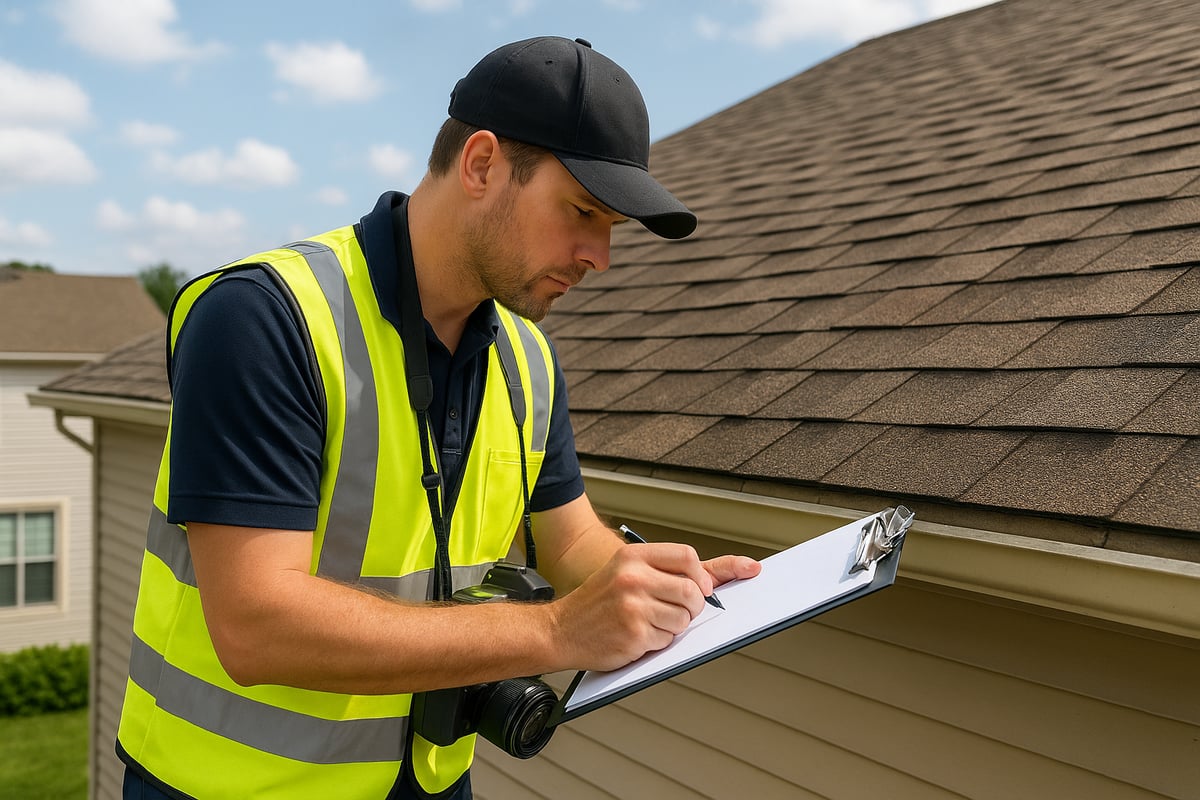
What is Roof Repair Insurance?
Roof repair insurance is a component of most homeowners insurance policies, designed to cover the cost of repairing damage caused by sudden, covered perils. It is important to note that roof repair insurance is not a separate policy, but rather part of your dwelling coverage. Many homeowners confuse roof repair with roof replacement coverage. While both address roof damage, repair coverage typically pays for fixing specific sections, while replacement covers the entire roof if the damage is extensive.
A common misconception is that all roof damage is covered equally. For example, storm damage from hail or wind is usually covered, but normal aging or wear and tear is not. For a comprehensive look at what is included, see this Insurance claims roofing overview.
Why Roof Coverage Matters in 2026
In 2026, roof coverage is more vital than ever. Severe weather events, such as hail, windstorms, and hurricanes, are becoming increasingly frequent across the country. This trend has led to a significant rise in claims and higher costs for materials and labor.
According to recent data, the average cost of roof repair has surged by nearly 30 percent since 2020. Local building codes are also evolving, often requiring more durable materials or specific installation methods. These changes can impact whether your roof repair insurance will respond fully to a claim or if you will face additional out-of-pocket expenses.
Types of Roof Insurance Policies
When reviewing roof repair insurance, it is essential to understand the different policy types available. The two main options are Actual Cash Value (ACV) and Replacement Cost Value (RCV). ACV policies pay out the depreciated value of your roof at the time of loss, while RCV policies cover the full cost to repair or replace with similar materials, minus your deductible.
Some insurers also offer scheduled loss or roof surface payment schedules, specifying a set payout based on the age or condition of the roof. Endorsements, such as ordinance or law coverage, can be added for extra protection. For example, an RCV policy may pay for a full replacement after hail damage, while an ACV policy might only cover a fraction of the cost.
| Policy Type | What It Pays | Example Scenario |
|---|---|---|
| ACV | Depreciated value | Older roof, payout reduced for age |
| RCV | Full replacement cost | Newer roof, full payout after hailstorm |
Key Policy Terms Every Homeowner Should Know
Understanding key policy terms is essential when evaluating roof repair insurance. Important definitions include:
- Deductible: The amount you pay out-of-pocket before insurance kicks in.
- Coverage limits: The maximum amount your policy will pay.
- Exclusions: Types of damage or causes not covered by your policy.
- Depreciation: Reduction in value due to age or wear.
Policy language can be complex, so always review it carefully. For example, a policy might state, "Wind-driven rain damage is covered only if the roof is less than 15 years old." Knowing these terms helps you anticipate claim outcomes and avoid surprises.
Factors That Affect Coverage and Premiums
Several factors influence your roof repair insurance coverage and premiums. The age and material of your roof are significant, as older roofs often qualify only for ACV coverage. Your home's location also matters. Houses in coastal, hail-prone, or wildfire zones may face higher premiums or special deductibles.
Maintenance history plays a key role. Insurance companies may require proof of regular inspections or recent repairs. For example, if your roof is over 20 years old and has not been maintained, your insurer might limit your coverage or deny your claim.
By understanding these factors, you can better manage your policy, ensure adequate protection, and avoid costly surprises when you need to file a claim.
What Roof Damage is Covered (and Not Covered) by Insurance?
Understanding what roof repair insurance actually covers can save you from costly surprises. Many homeowners assume their policy will pay for any roof problem, but coverage depends on the cause, roof condition, and the specifics of your insurance agreement. Let’s break down what’s typically covered, what’s not, and how you can make sure your roof is protected.
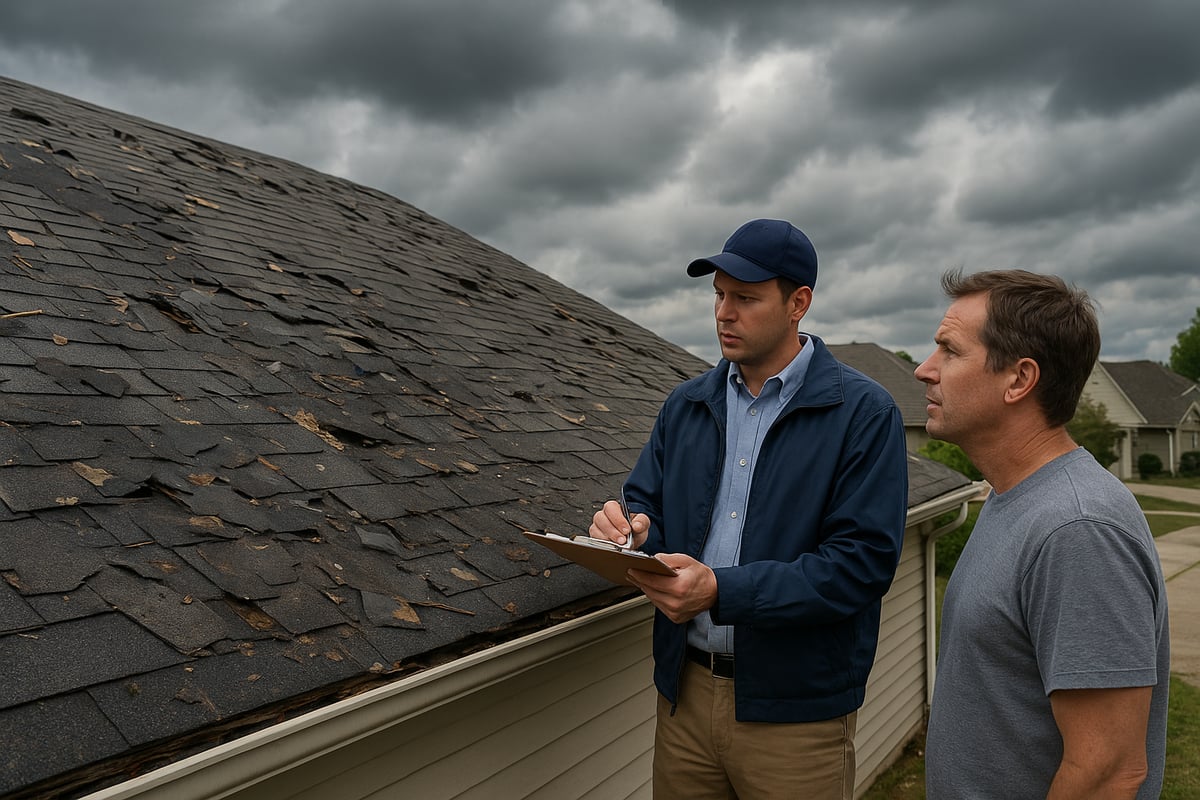
Common Covered Perils
Roof repair insurance usually protects you from sudden, accidental damage caused by specific events. Most policies cover:
- Wind, hail, and lightning strikes
- Fire and smoke damage
- Heavy rain leading to leaks or water entry
- Falling objects such as tree limbs or debris
- Weight of ice or snow causing structural issues
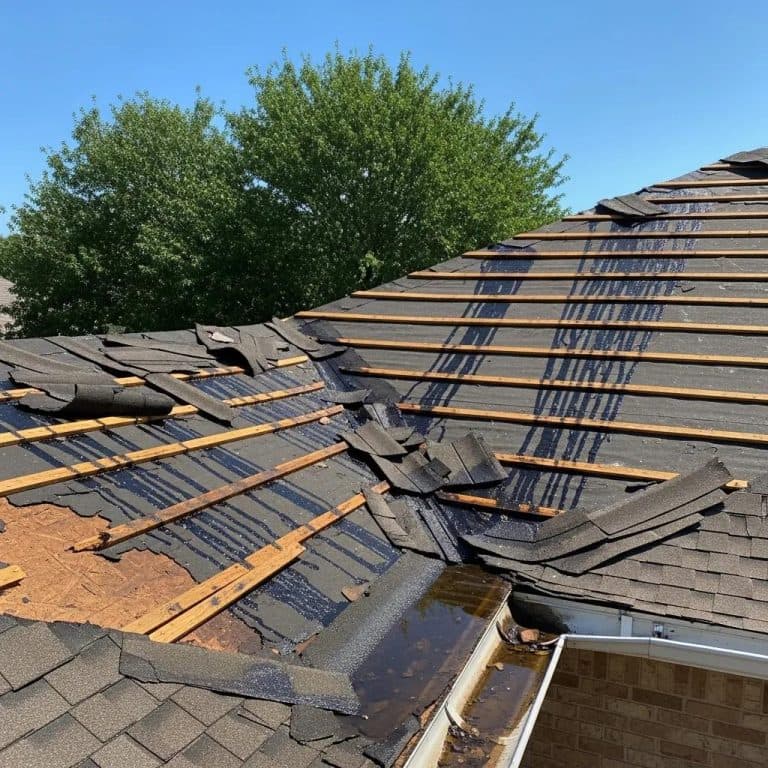
For example, if a hailstorm in Texas damages your shingles beyond repair, roof repair insurance may pay for a full replacement. Coverage only applies if the damage results from a covered peril, not gradual wear.
Typical Exclusions and Limitations
Not every type of roof damage qualifies for reimbursement. Standard roof repair insurance policies often exclude:
- General wear and tear or aging
- Lack of routine maintenance or neglect
- Gradual leaks, mold, or dry rot
- Animal or pest infestations
- Flood and earthquake damage, which require separate policies
Some policies also have state-specific exclusions, such as wind or hail in high-risk regions. Always review your policy for unique limitations that could affect your claim.
How Roof Age and Condition Impact Claims
The age and maintenance history of your roof play a big role in claim outcomes. Insurers may reduce payouts for roofs older than 15 or 20 years, using depreciation to calculate how much you receive. Roof repair insurance usually requires proof of regular upkeep.
If you cannot provide maintenance records, your claim might be reduced or denied. For instance, if an inspector finds missing shingles and clogged gutters, your insurer may argue that neglect contributed to the damage, limiting your compensation.
Regional and Weather-Related Considerations
Where you live affects what your roof repair insurance covers. Homeowners in hurricane, tornado, or wildfire zones often face higher premiums and special deductibles. Some states mandate minimum coverage amounts, while others allow windstorm exclusions.
For example, in Texas, many policies exclude windstorm damage unless you purchase a separate endorsement. Always ask your insurer about regional risks and state regulations that could influence your policy.
Policy Add-Ons and Endorsements to Consider
To strengthen your roof repair insurance, consider adding endorsements for specific risks:
- Ordinance or law coverage for building code upgrades
- Extended replacement cost for rising material prices
- Water backup and ice dam protection
Such add-ons are valuable if you live in an area with strict building codes or frequent severe weather. Review your policy annually to determine if additional endorsements make sense for your home.
Real-World Claim Scenarios
Roof repair insurance claims can play out in several ways:
- Approved: A windstorm knocks down a tree, damaging your roof. The insurer pays for a full replacement.
- Denied: Old shingles leak after years of neglect. The claim is denied due to lack of maintenance.
- Partial: Only one section of the roof is damaged, so the insurer pays for repairs, not a full replacement.
According to recent data, insurers approve most claims related to sudden storm damage, but denials are common for maintenance-related issues. If you want to learn more about the claims process and local best practices, the Roofing insurance claims Fort Worth page offers practical guidance for Texas homeowners.
2026 Roof Repair Insurance: Trends & Policy Updates
Staying ahead of the curve is vital as the landscape for roof repair insurance evolves in 2026. Homeowners face new rules, rising costs, and innovative technologies. Understanding these trends helps you make informed decisions and protect your property effectively.

2026 Policy Changes and Market Trends
In 2026, insurers are adjusting their approach to roof repair insurance due to increased catastrophic weather events and higher material costs. Stricter underwriting now targets older or complex roofs, sometimes requiring detailed inspections or limiting coverage. According to Verisk’s U.S. Roofing Realities Trend Report, roof repair costs have surged nearly 30% since 2022, with wind and hail claims driving much of this increase.
Policy exclusions are also expanding, especially in high-risk areas. Some carriers are reducing coverage options or increasing requirements for maintenance documentation. Homeowners must review their roof repair insurance annually to avoid surprises.
Advances in Roofing Materials and Their Insurance Impact
Modern roofing materials are influencing roof repair insurance policies in 2026. Impact-resistant shingles and metal roofing systems are now widely available, offering greater durability against hail and wind. Insurers often provide discounts for homes upgraded with these resilient materials.
For example, Class 4 impact-resistant shingles can lower premiums and improve claim approval odds. Choosing advanced materials not only strengthens your roof but can also make your roof repair insurance more affordable and comprehensive.
Technology in Claims and Inspections
Technology is transforming the roof repair insurance process. Drones and AI-powered software are now standard for roof inspections, providing faster, more accurate assessments after storms or accidents. Digital claim filing makes it easier to submit evidence and track progress.
Insurers also use satellite imagery to validate claims and monitor roof conditions. These innovations speed up settlements and enhance transparency, making roof repair insurance more efficient for homeowners.
Premium Increases and Deductible Shifts
Homeowners are experiencing notable premium hikes for roof repair insurance in 2026, especially in regions prone to wind, hail, or wildfire. Many insurers now use percentage-based deductibles for certain perils, meaning your out-of-pocket costs are tied to your home's insured value.
The average deductible has risen, with some policies requiring 2% or more of the dwelling coverage for wind or hail claims. Reviewing your policy details regularly ensures you understand how these changes affect your financial responsibilities.
How to Shop and Compare Roof Insurance in 2026
Shopping for roof repair insurance in 2026 requires careful research. Compare insurer reputations, claim service ratings, and policy wording. Look for exclusions or limitations that could impact your coverage.
Use online comparison tools and consult local agents who understand your region's risks. Always read the fine print and ask about special endorsements or discounts for upgraded roofing. This proactive approach helps you secure the best value and protection for your home.
How to File a Roof Repair Insurance Claim: Step-by-Step Guide
Filing a roof repair insurance claim can seem complex, especially after a stressful event like a storm or sudden leak. By following a clear process, you can improve your chances of a successful outcome and minimize delays. Here is a step-by-step guide designed for homeowners in 2026.
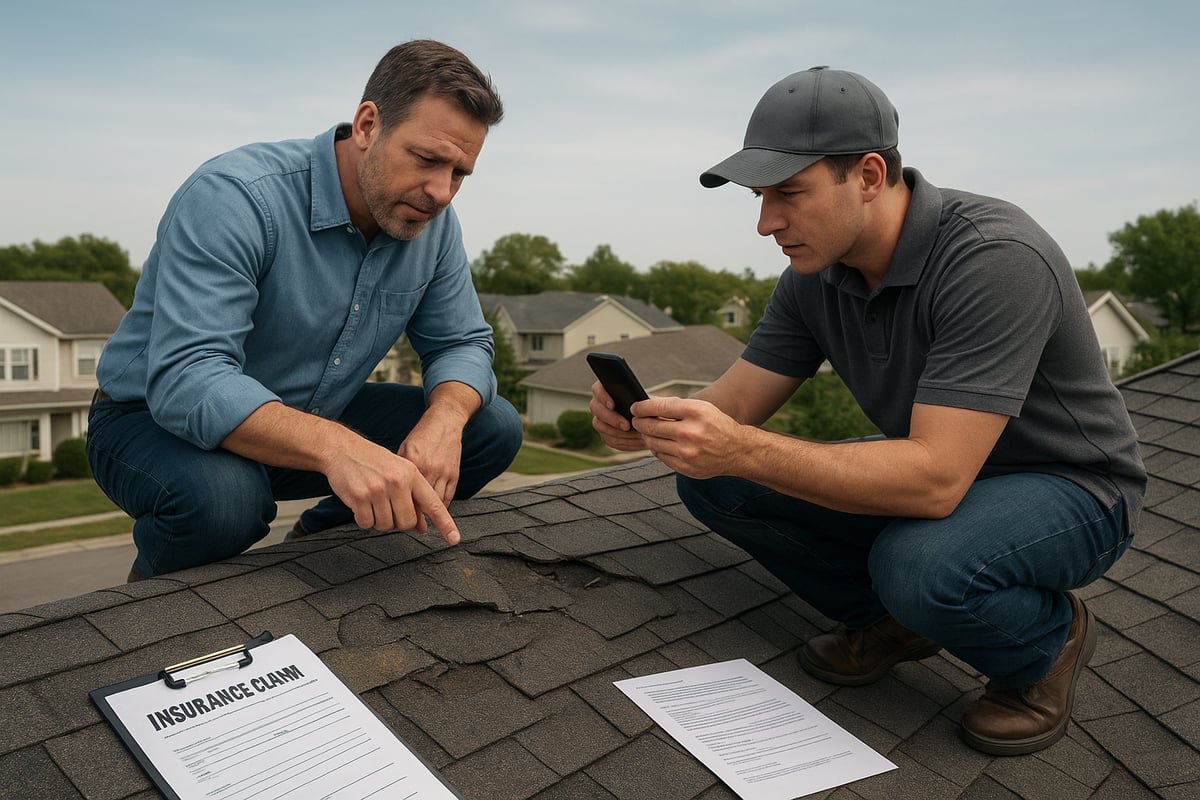
Step 1: Review Your Policy Details
Begin your roof repair insurance claim by carefully reading your policy. Confirm which perils are covered, such as wind, hail, or fire, and note any exclusions that could affect your claim. Pay attention to the deductible amount and whether your policy provides actual cash value or replacement cost coverage.
Some policies exclude wind damage in coastal counties or limit coverage for older roofs. Understanding these details helps you avoid surprises later. If you have questions, contact your agent for clarification before proceeding with your claim.
Step 2: Document the Damage Thoroughly
Thorough documentation is essential for a successful roof repair insurance claim. Start by taking clear, high-resolution photos of all damaged areas from multiple angles. Capture wide shots of the entire roof and close-ups of specific problem spots, such as missing shingles or punctures.
Record the date and time the damage occurred, and, if possible, note the cause (for example, hailstorm or falling tree). Save receipts for any emergency repairs or related expenses. This evidence will be crucial when working with your insurer and adjuster.
Step 3: Contact Your Insurance Company Promptly
After documenting the damage, contact your insurance company as soon as possible. Initiate your roof repair insurance claim via phone, a mobile app, or the insurer’s online portal. Timely reporting is important, as many policies require you to file within a specific number of days after the event.
Be prepared to provide detailed information, including your policy number, a description of the damage, and supporting photos. Early communication helps set expectations for the claims process and may speed up your settlement.
Step 4: Make Temporary Repairs to Prevent Further Damage
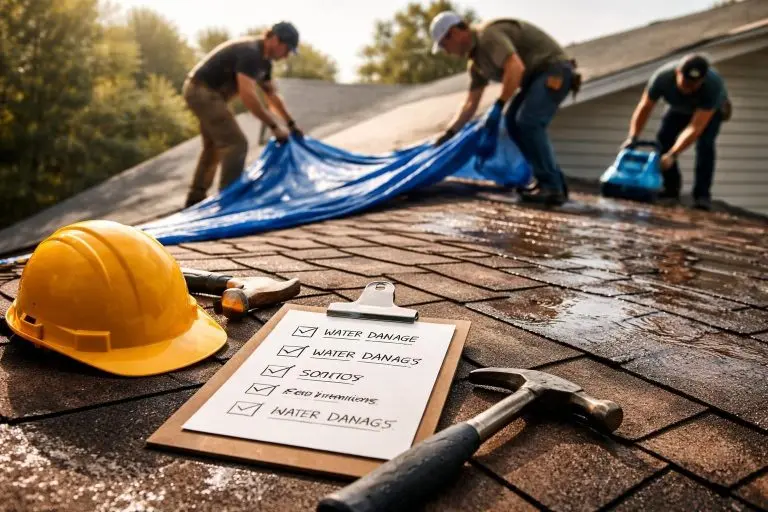
To protect your property and comply with your roof repair insurance policy, make temporary repairs as soon as it is safe. Cover exposed areas with tarps or patch holes to prevent water intrusion and additional loss. Save all receipts for materials and labor, as these may be reimbursable.
Insurers often require proof that you took reasonable steps to prevent further damage. For more detailed guidance on immediate steps and insurance considerations, consult the Emergency roof repair guide. Acting quickly can help preserve your claim eligibility.
Step 5: Meet with the Adjuster or Claims Specialist
Your insurer will assign an adjuster or claims specialist to inspect your roof. During this visit, be present to answer questions and provide your documentation. The adjuster will assess the cause and extent of the damage, take their own photos, and determine what repairs are covered by your roof repair insurance.
Prepare a list of observed issues and repair estimates to support your case. Ask the adjuster to explain their findings and next steps. Clear communication at this stage helps prevent misunderstandings.
Step 6: Obtain Repair Estimates and Select a Contractor
Gather multiple written estimates from insured roofing contractors. Your roof repair insurance may allow you to use your own contractor or choose from an insurer’s preferred network. Compare proposals for scope of work, materials, and warranties.
When selecting a contractor, look for experience, positive reviews, and proof of insurance. Avoid companies that require large upfront payments or lack proper credentials. Making an informed choice ensures quality repairs and compliance with your policy.
Texcore Construction: Local Storm Damage Documentation and Roof Repairs
Texcore Construction offers Fort Worth homeowners comprehensive storm damage documentation, including detailed inspections, photo documentation, and direct coordination with carriers.
All repairs are performed by in-house, insured crews, never subcontractors, ensuring quality and accountability.
Same-day emergency response for storm or leak damage minimizes property loss.
Free, no-obligation inspections help homeowners understand the true scope of roof damage before filing a claim.
Five-year labor warranty and transparent proposals provide peace of mind throughout the repair process.
Expert Tips for Maximizing Roof Insurance Coverage and Avoiding Claim Denials
Protecting your home with roof repair insurance is not just about having a policy in place. Homeowners must take proactive steps to supporting your insurance claim with thorough documentation and avoid claim denials. By following these expert tips, you can ensure your policy works for you when you need it most.
Maintain Your Roof Regularly
Routine maintenance is the cornerstone of any successful roof repair insurance claim. Insurers expect you to keep your roof in good condition. Schedule annual professional inspections to identify potential issues before they escalate.
Address minor repairs right away, such as replacing damaged shingles or clearing debris from gutters. Keep detailed records of each inspection and any work performed. These maintenance logs can be invaluable if you need to file a claim, as they show you have taken reasonable care to prevent damage. Consistent upkeep can make the difference between claim approval and denial when relying on roof repair insurance.
Understand and Document Your Policy
Understanding your roof repair insurance policy is essential for preventing unwelcome surprises. Store all policy documents, endorsements, and correspondence in a secure location. Review your coverage each year, especially after renovations or roof upgrades.
Do not hesitate to ask your insurance agent for clarification on any ambiguous terms or exclusions. Proper documentation, including photos of your roof’s condition before any damage, strengthens your position during a claim. The more you know about your roof repair insurance, the better prepared you will be to make informed decisions about your coverage.
Upgrade to Impact-Resistant Roofing When Possible
Investing in impact-resistant roofing pays off in multiple ways. Not only does it reduce the risk of storm-related damage, but many insurers offer premium discounts for Class 4 shingles or metal roofing systems. These modern materials can also lead to higher claim approval rates, as they are less likely to fail under severe weather.
Before you decide to repair or replace, it is wise to understand the differences between options. For more details, see this helpful Roof replacement vs. repair resource. Upgrading materials can help you get the most value from your roof repair insurance policy and may even extend the lifespan of your roof.
Act Quickly After Damage Occurs
Timeliness is critical when it comes to roof repair insurance claims. As soon as you notice damage, document everything thoroughly with clear photos and written notes. File your claim promptly, as most insurers require notification within a set timeframe, often as short as 14 to 30 days.
Make temporary repairs to prevent further harm, and save all receipts for potential reimbursement. Acting quickly not only protects your home but also increases the likelihood of a successful claim under your roof repair insurance policy.
Communicate Clearly with Adjusters and Contractors
Clear, organized communication with insurance adjusters and contractors greatly improves your chances of a favorable claim outcome. Provide all requested documentation, including inspection reports, photos, and estimates. Ask for written confirmation of all approvals and decisions.
Consider the findings of the J.D. Power 2025 U.S. Property Claims Satisfaction Study, which highlights that efficient and transparent communication leads to higher satisfaction and smoother claim processing. By being proactive and thorough, you strengthen your position when navigating roof repair insurance claims.
Avoid Common Mistakes That Lead to Denials
Certain missteps can jeopardize your roof repair insurance claim. Failing to maintain your roof, delaying your claim, or missing documentation deadlines are common reasons for denial. Always use licensed, insured contractors for repairs and keep receipts and contracts on file.
Do not ignore minor issues, as small problems can quickly become major ones. By avoiding these pitfalls, you ensure your roof repair insurance delivers the protection you expect when disaster strikes.
Preventing Roof Damage and Reducing Insurance Claims
Taking proactive steps to prevent roof damage is the most effective way to protect your home and keep your roof repair insurance claims low. The following strategies not only extend your roof's lifespan but also help you avoid costly surprises and potential coverage disputes.
Annual Roof Inspections and Maintenance
Routine roof inspections are essential for catching minor issues before they escalate into major damage. Schedule a professional inspection at least once a year. Inspectors look for leaks, damaged shingles, flashing gaps, and ventilation problems that could compromise your roof.
- Identify early signs of wear and tear
- Document maintenance for insurance purposes
- Address small repairs immediately
Regular inspections are key for roof repair insurance eligibility. Insurers may require proof of maintenance when processing claims. Early detection of problems can save thousands in repairs and help secure a smoother claims process.
Gutter Cleaning and Tree Management
Clogged gutters can cause water to back up and seep under roofing materials, leading to rot and leaks. Clean your gutters at least twice a year, especially before storm seasons.
- Ensure water flows away from the roof
- Remove debris and leaves regularly
- Trim overhanging branches to prevent impact damage
Proper tree management prevents falling limbs from causing sudden roof damage. Keeping gutters clear and trees maintained not only reduces the risk of claims but also supports your roof repair insurance requirements.
Upgrading Roofing Materials for Longevity
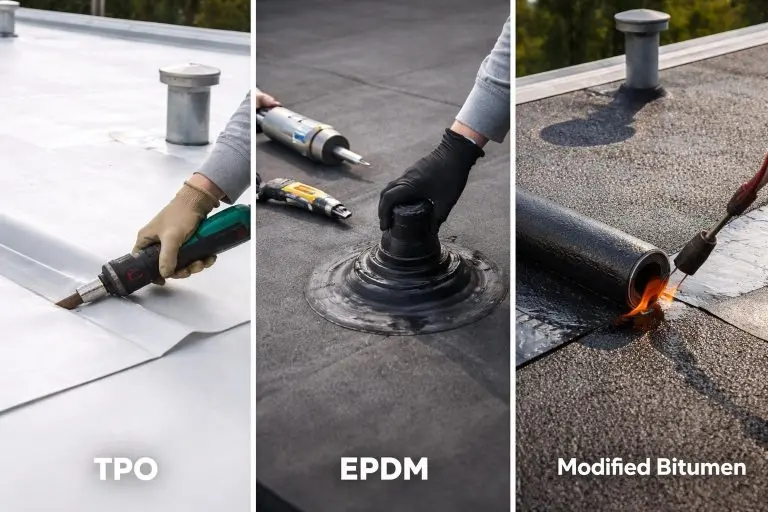
Modern materials can significantly extend your roof’s lifespan and reduce insurance claims. Consider impact-resistant shingles, metal roofing, or thermoplastic polyolefin (TPO) for improved durability.
| Material | Average Lifespan | Insurance Benefit |
|---|---|---|
| Asphalt Shingles | 15-30 years | Standard coverage |
| Impact-Resistant Shingle | 30-50 years | Discounted premiums |
| Metal Roofing | 40-70 years | Lower risk, premium savings |
| TPO | 20-30 years | Good for flat roofs, resilient |
Upgraded materials can help you qualify for roof repair insurance discounts and minimize future claims. Consult your insurer about eligibility for material-based premium reductions.
Preparing for Severe Weather Events
Severe weather is a leading cause of roof damage and insurance claims. Prepare your home by securing loose items, checking roof fasteners, and using emergency tarps if needed.
- Create a storm-readiness checklist
- Reinforce vulnerable areas
- Store important documents safely
Residents in high-risk states may benefit from the California FAIR Plan Overview, which provides coverage options for properties prone to wildfires and storms. Proactive preparation reduces the likelihood of damage and streamlines roof repair insurance claims.
Investing in Preventive Add-Ons and Endorsements
Certain endorsements can enhance your roof repair insurance policy. Ordinance or law coverage helps pay for code-required upgrades after a loss. Water backup and ice dam endorsements are valuable if you live in regions with heavy rainfall or winter storms.
- Assess your risk profile annually
- Consider extended replacement cost options
- Add preventive endorsements as needed
Investing in these add-ons ensures you have comprehensive protection and reduces the chance of unexpected claim denials.
Educating Yourself and Staying Proactive
Stay informed about policy changes and local regulations affecting roof repair insurance. Legislative updates, such as those detailed in the Florida Senate Bill 128 Text, may introduce new requirements for roof inspections or coverage for older roofs.
- Review your policy after home improvements
- Build a relationship with a reputable roofing contractor
- Use technology like drone inspections or home maintenance apps
Being proactive helps you adapt to changes and ensures your roof repair insurance remains effective. Regular education and vigilance are your strongest defenses against costly damage and denied claims.
Navigating roof repair insurance can feel overwhelming, especially with policy changes and rising repair costs in 2026. As you’ve learned, understanding your coverage—and documenting roof damage thoroughly—can make all the difference when the unexpected happens. But you don’t have to go it alone. If you’re wondering whether recent storm damage or leaks might qualify for an insurance claim, let a trusted local expert help you find answers and peace of mind. See If Your Roof Damage Qualifies for Insurance Coverage—and take the next step toward protecting your investment and home.