

Roof Leak Fix: Expert Repair Solutions for Property Owners
When water drips through your ceiling or stains appear on interior walls, the urgency of a roof leak fix becomes immediately apparent. Whether you manage a commercial property or own a residential home in the Fort Worth area, addressing roof leaks quickly prevents minor issues from escalating into costly structural damage, mold growth, and compromised building integrity. Understanding the proper approach to roof leak repair can save thousands of dollars in long-term damage while protecting your investment and ensuring occupant safety.
Understanding the Root Causes of Roof Leaks
Before implementing any roof leak fix, identifying the underlying cause is essential for achieving lasting results. Many property owners mistake symptoms for sources, leading to temporary patches that fail within months.
Common Leak Sources in Residential Properties
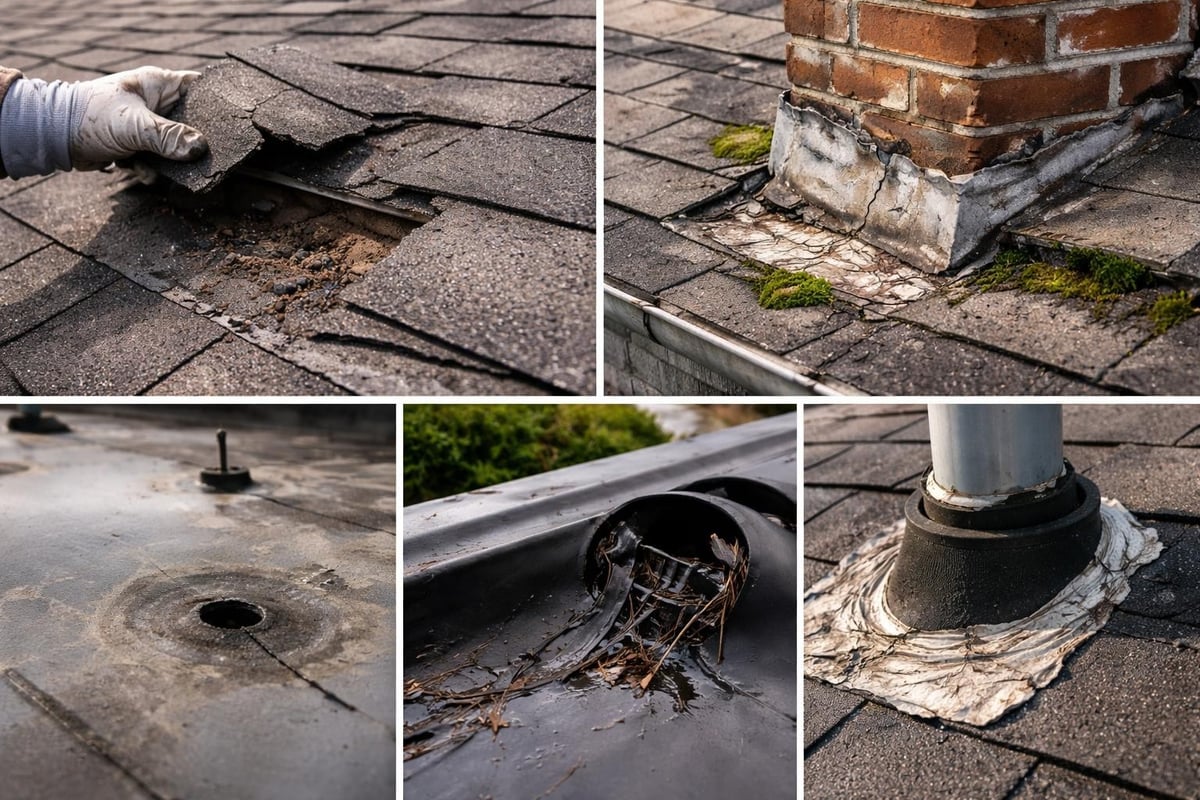
Asphalt shingle roofs develop leaks through several predictable failure points. Missing or damaged shingles create immediate vulnerabilities where water penetrates the underlayment, while deteriorated flashing around chimneys, skylights, and roof-to-wall intersections allows water to bypass primary roofing materials. Roof vent leak repairs often involve damaged vent boots that crack from UV exposure and temperature cycling.
Homeowners frequently overlook these additional residential leak causes:
- Cracked or damaged chimney caps allowing rain penetration
- Ice dam formation in northern climates forcing water under shingles
- Nail pops creating small punctures in shingle surfaces
- Granule loss from aging shingles reducing waterproofing capacity
- Storm damage from hail impact or wind-driven debris
Commercial Roof Leak Vulnerabilities
Flat and low-slope commercial roofs face distinct challenges requiring specialized roof leak fix approaches. TPO and EPDM membranes develop leaks at seam failures, punctures from foot traffic, and attachment point deterioration. Roof punctures from HVAC maintenance represent one of the most common commercial leak sources.
Modified bitumen systems experience problems with:
- Blistering from trapped moisture beneath the membrane
- Edge metal failures allowing wind-driven rain intrusion
- Drain flashing deterioration at roof penetrations
- Thermal expansion and contraction causing material fatigue
| Roof Type | Primary Leak Cause | Average Repair Timeline |
|---|---|---|
| Asphalt Shingle | Wind damage, missing shingles | Same-day to 2 days |
| TPO Membrane | Seam failures, punctures | 1-3 days |
| EPDM Rubber | Shrinkage, fastener backout | 1-2 days |
| Modified Bitumen | Blister formation, flashing | 2-4 days |
| Metal Roofing | Fastener corrosion, panel gaps | 1-3 days |
Immediate Actions When You Discover a Leak
The first minutes after discovering an active leak determine whether you face minor repairs or extensive water damage restoration. Taking proper emergency measures protects your property while professional help arrives.
Interior Damage Control Measures
Move furniture, electronics, and valuable items away from the leak zone immediately. Place buckets or containers to catch dripping water, and use towels to absorb standing water on floors. Document everything with photographs showing water stains, damaged materials, and the leak's extent for insurance purposes.
For ceiling leaks threatening to spread:
- Poke a small hole in bulging ceiling areas to drain trapped water
- Place plastic sheeting over furniture and floor surfaces
- Run dehumidifiers to reduce moisture levels
- Contact your insurance provider to report the damage
- Schedule immediate professional inspection and repair
Understanding signs of water ingress helps property owners recognize problems before they become emergencies.
Temporary Exterior Solutions
If safe to access the roof during daylight hours in dry conditions, temporary measures can reduce water intrusion until professionals arrive. Apply roofing tarps secured with boards and sandbags over the suspected leak area, ensuring the tarp extends beyond the damaged zone and water flows over rather than under the covering.
Never attempt roof access during storms, on wet surfaces, or without proper safety equipment. The risk of falls far outweighs any benefit from temporary fixes.
When emergency roof repair services provide same-day response, waiting for professional help is always the safer choice. In-house crews bring proper equipment, safety training, and insurance coverage that protects property owners from liability.
Professional Roof Leak Fix Procedures
Quality roof leak repairs follow systematic processes that address both visible damage and underlying vulnerabilities. Understanding professional approaches helps property owners evaluate contractor capabilities and ensure thorough work.
Comprehensive Leak Detection Methods
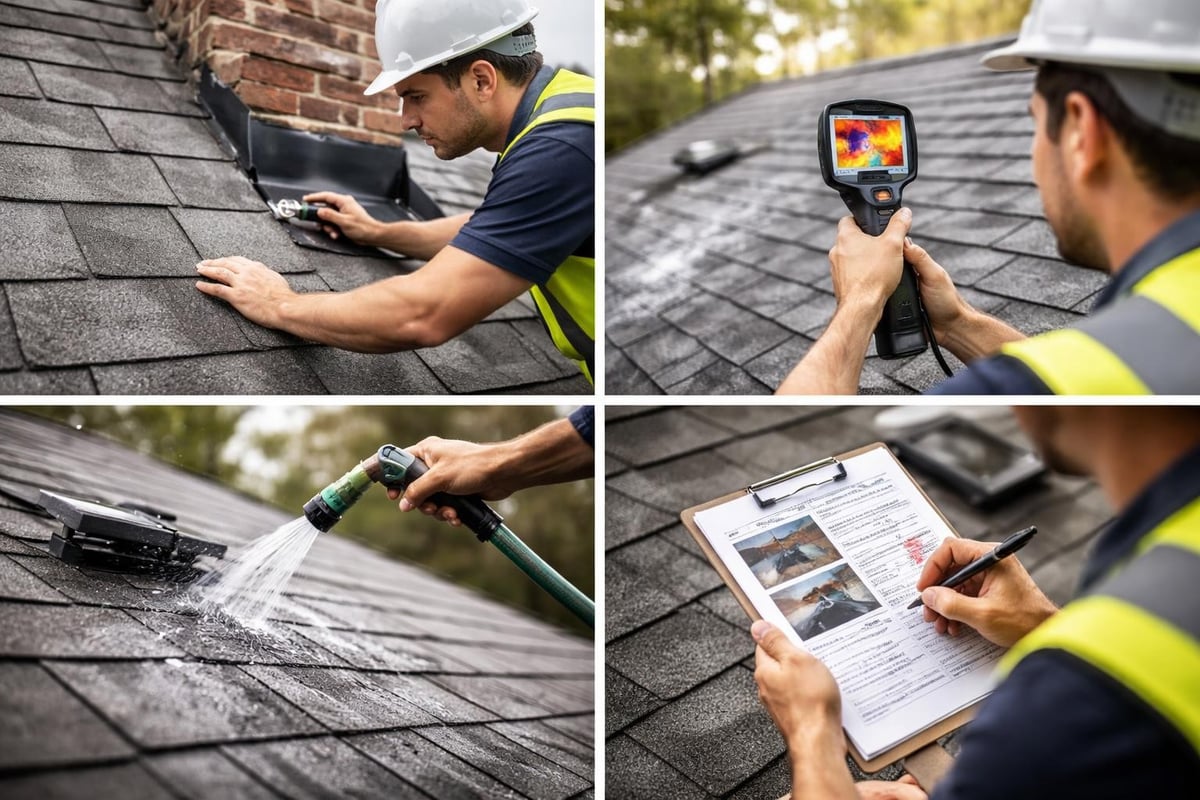
Professional roofers employ multiple detection techniques beyond visual inspection. Infrared thermography identifies moisture trapped in roof systems by detecting temperature variations, while electronic leak detection uses low-voltage electrical currents to pinpoint membrane breaches in commercial flat roofs.
Water testing involves controlled flooding of roof sections to observe water migration patterns and confirm leak locations. This method proves particularly effective for leaks around chimneys and complex flashing details where multiple potential entry points exist.
Step-by-Step Repair Implementation
Once leak sources are confirmed, professional roof leak fix procedures follow manufacturer specifications and building codes for permanent solutions.
For shingle roof repairs:
- Remove damaged shingles and inspect underlying felt paper
- Replace deteriorated underlayment in affected areas
- Install new shingles matching existing roof materials
- Seal edges and nail heads with roofing cement
- Inspect surrounding areas for potential future failures
For commercial membrane repairs:
- Clean and dry the damaged membrane section thoroughly
- Cut out punctured or deteriorated membrane material
- Apply compatible primer to prepared surfaces
- Install membrane patches with proper overlap specifications
- Heat-weld or adhesive-bond patches per manufacturer requirements
- Conduct flood testing to verify repair integrity
Flashing Restoration and Replacement
Flashing failures account for approximately 75% of roof leaks, making proper flashing work critical to any roof leak fix. Professional crews remove deteriorated flashing completely rather than attempting to patch over failing materials.
Step flashing replacement around chimneys involves removing siding, installing new metal step sections that integrate with shingle layers, and properly sealing all intersections. Valley flashing requires removing shingles on both valley sides, installing new metal or synthetic valley material, and reinstalling shingles with proper overlap.
Counter flashing, through-wall flashing, and drip edge components all demand precision installation that accounts for thermal expansion, water flow patterns, and material compatibility.
Preventing Future Roof Leaks
Proactive maintenance prevents most roof leak fix situations from occurring while extending roof lifespan significantly. Property owners who invest in prevention typically spend 40-60% less on roof maintenance over a roof's lifetime compared to reactive repair approaches.
Scheduled Inspection Programs
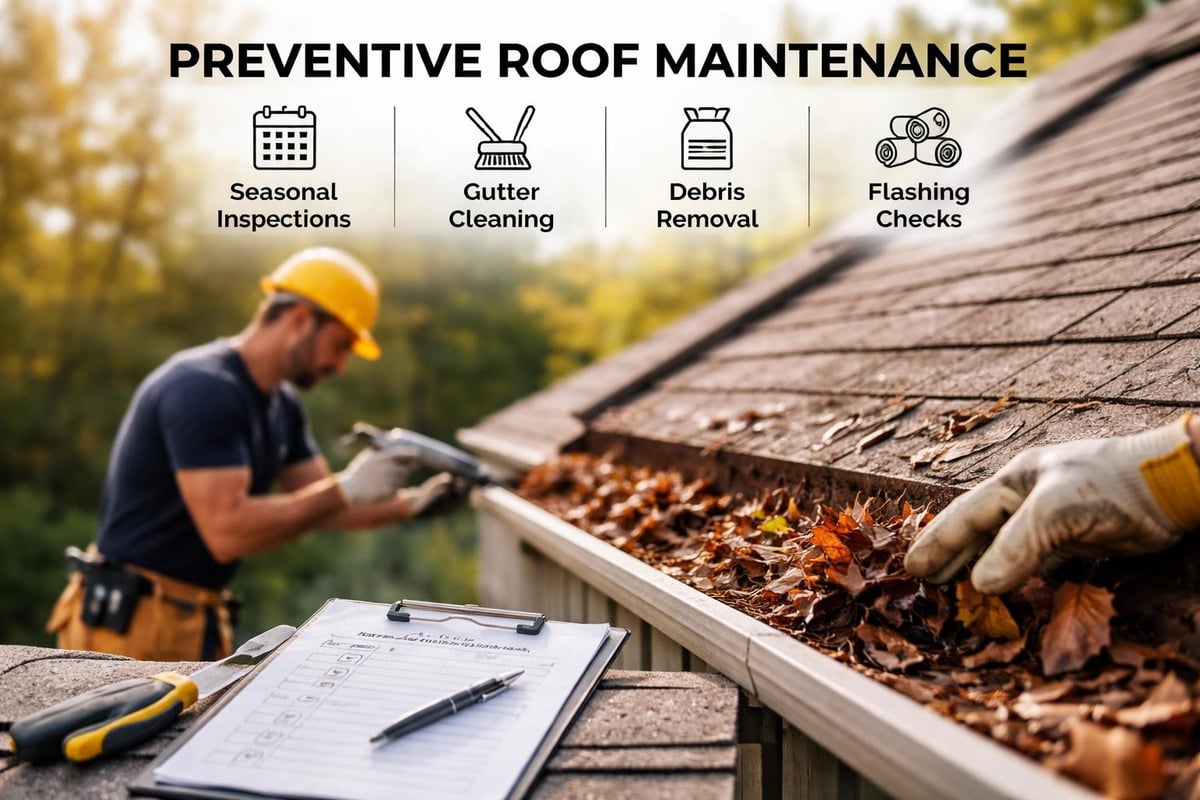
Professional roof inspections identify potential problems before water intrusion occurs. Twice-annual inspections in spring and fall allow contractors to spot winter storm damage and prepare roofs for summer heat and severe weather seasons.
Inspection priorities include:
- Shingle condition, granule retention, and edge security
- Flashing integrity at all roof penetrations and transitions
- Gutter and downspout functionality and debris accumulation
- Attic ventilation adequacy and moisture indicators
- Structural issues like sagging or damaged decking
Commercial roofing companies in Fort Worth typically offer maintenance agreements that include regular inspections, minor repairs, and detailed condition reports.
Maintenance Tasks That Reduce Leak Risk
Between professional inspections, property owners can perform basic maintenance that prevents common leak causes. Clogged gutters create roof leaks by forcing water to back up under shingles and into fascia boards, making quarterly gutter cleaning essential.
| Maintenance Task | Frequency | Leak Prevention Benefit |
|---|---|---|
| Gutter cleaning | Quarterly | Prevents ice dams, water backup |
| Debris removal | After storms | Eliminates puncture risks, drainage issues |
| Tree trimming | Annually | Reduces impact damage, leaf accumulation |
| Caulking inspection | Semi-annually | Maintains flashing and penetration seals |
| Attic inspection | Quarterly | Identifies leaks early, ventilation problems |
Trim tree branches that overhang roofs by at least six feet to prevent leaf accumulation and reduce impact damage during storms. Remove debris promptly after weather events, as standing water around debris accelerates material deterioration.
Cost Considerations for Roof Leak Repairs
Understanding roof leak repair costs helps property owners budget appropriately and evaluate contractor estimates. Pricing varies significantly based on leak severity, accessibility, materials required, and whether emergency response is necessary.
Residential Repair Pricing Factors
Simple roof leak fix projects like replacing a few damaged shingles and resealing flashing typically range from $300 to $800 for most Fort Worth homes. Complex repairs involving structural damage, multiple leak sources, or difficult access areas increase costs to $1,500-$4,000.
Factors affecting residential repair costs include:
- Roof pitch and height requiring specialized safety equipment
- Material type and availability of matching products
- Extent of water damage to decking and structural components
- Need for interior repairs to ceilings and walls
- Time of year and weather conditions affecting scheduling
Emergency repairs during active leaks command premium pricing due to immediate response requirements and after-hours service, but preventing extensive water damage typically justifies the additional cost.
Commercial Leak Repair Investment
Commercial roof leak fix costs reflect larger scales and specialized materials. Minor membrane repairs addressing isolated punctures or small seam failures range from $500 to $1,500, while extensive flashing replacement or large membrane sections reach $3,000-$10,000 depending on roof size and accessibility.
Flat roof repairs cost more per square foot than pitched roofs due to:
- Specialized membrane materials and installation equipment
- More complex water migration patterns requiring extensive investigation
- Business interruption considerations requiring efficient scheduling
- Warranty requirements demanding certified installation procedures
- Code compliance for commercial building standards
Property managers should budget 1-2% of building value annually for roof maintenance and repairs to address issues proactively. For Fort Worth roofing services, working with in-house crews eliminates subcontractor markups while ensuring accountability throughout the repair process.
When to Replace Rather Than Repair
Some roof conditions make full replacement more cost-effective than continued roof leak fix attempts. Understanding replacement indicators helps property owners make informed financial decisions.
Evaluating Roof Condition and Lifespan
Asphalt shingle roofs approaching or exceeding their 20-25 year expected lifespan warrant replacement consideration, especially when multiple leaks occur within short timeframes. Widespread granule loss, curling shingle edges, and numerous repairs indicate systemic failure rather than isolated problems.
Commercial roofs showing these conditions require replacement evaluation:
- Multiple membrane repairs in different roof areas within two years
- Widespread blistering or bubbling indicating moisture beneath the membrane
- Substrate deterioration requiring deck replacement
- Failed attachment systems with widespread fastener pullout
- Age exceeding manufacturer's warranty period with declining performance
Cost-Benefit Analysis for Replacement Decisions
Compare projected repair costs over the next five years against replacement investment to determine the most economical approach. When roof leaks become chronic, spending 50% or more of replacement cost on repairs rarely makes financial sense.
Replacement advantages include:
- Comprehensive warranty coverage for materials and labor
- Energy efficiency improvements reducing utility costs
- Enhanced property value and curb appeal
- Peace of mind eliminating ongoing maintenance concerns
- Modern materials offering superior performance and longevity
For commercial properties, replacement timing should account for tenant agreements, seasonal business cycles, and budget planning to minimize operational disruption while maximizing tax benefits.
Working With Professional Roofing Contractors
Selecting qualified contractors ensures your roof leak fix delivers lasting results backed by proper warranties and insurance protection. The Fort Worth market includes numerous roofing companies, but service quality and reliability vary significantly.
Contractor Qualification Criteria
Verify contractors maintain active Texas roofing licenses, comprehensive liability insurance, and workers' compensation coverage protecting property owners from accident liability. Request certificates of insurance and confirm coverage directly with insurance carriers rather than relying solely on contractor-provided documents.
In-house crews deliver superior results compared to companies relying on subcontractors because direct employment creates accountability, quality control, and consistent training. Ask whether the company completes work with its own employees or farms projects to third parties.
Key contractor evaluation factors:
- Years in business and local market presence
- Manufacturer certifications for specific roofing systems
- Customer references and online review profiles
- Detailed written estimates with scope specifications
- Warranty terms covering both materials and labor
- Response time for emergency situations
Communication and Documentation Standards
Professional contractors provide detailed inspection reports with photographs documenting existing conditions, identified problems, and recommended solutions. Transparent communication includes explaining repair options, cost differences between approaches, and long-term performance expectations.
Quality contractors offer multiple repair approaches rather than pushing single solutions, respecting property owner budget constraints while clearly explaining risks of deferred work. For insurance claims, detailed documentation helps supporting your insurance claim with thorough documentation and streamline adjuster interactions.
Understanding common roof leak causes allows informed discussions with contractors about prevention strategies specific to your roof type and local climate conditions.
Insurance Claims and Roof Leak Coverage
Navigating insurance coverage for roof leak fix projects requires understanding policy terms, documentation requirements, and claim processes. Many property owners leave coverage benefits unrealized due to inadequate claim preparation.
Coverage Scope and Limitations
Standard homeowners and commercial property policies cover roof damage from covered perils like wind, hail, falling objects, and sudden accidental events. Gradual deterioration from aging or deferred maintenance typically falls outside coverage, making timely repairs and maintenance documentation important.
Review your policy for:
- Wind and hail deductible amounts potentially differing from standard deductibles
- Actual cash value versus replacement cost coverage affecting payout amounts
- Depreciation schedules for roof age reducing claim values
- Exclusions for specific damage types or circumstances
- Requirements for timely damage reporting and repair completion
Maximizing Insurance Recovery
Document damage thoroughly with photographs showing overall roof condition, specific damaged areas, interior water damage, and any emergency measures taken. Obtain professional inspections immediately after storm events, as delays complicate linking damage to specific weather incidents.
Working with roofing contractors experienced in insurance claims streamlines the process through proper documentation, accurate scope development, and direct adjuster communication. Contractors familiar with insurance requirements present claims that withstand scrutiny while advocating for complete coverage.
Never sign agreements allowing contractors to "eat" deductibles or guarantee insurance approval, as these practices violate insurance fraud statutes and void policies. Legitimate contractors work within insurance parameters while helping property owners understand coverage and out-of-pocket costs.
Regional Considerations for Fort Worth Properties
Fort Worth's climate patterns and building practices create specific roof leak fix challenges requiring localized expertise. Understanding regional factors helps property owners maintain roofs effectively.
Weather Patterns Affecting Roof Performance
North Texas experiences intense summer heat exceeding 100°F that accelerates shingle aging, causes thermal expansion stress on commercial membranes, and deteriorates sealants around flashing. Severe thunderstorms with large hail and straight-line winds create sudden damage requiring immediate attention.
Temperature swings between winter lows in the 20s and summer highs above 100°F create expansion-contraction cycles that fatigue roofing materials faster than moderate climates. This cycling particularly affects metal roofing fasteners, membrane seams, and flashing connections.
Regional weather considerations include:
- Hail damage frequency requiring impact-resistant shingle selection
- Wind-driven rain testing flashing integrity during severe storms
- UV exposure intensity degrading organic roofing components
- Freeze-thaw cycles affecting mortar and chimney structures
- Drought conditions causing foundation movement that stresses roof structures
Local Building Code Requirements
Fort Worth building codes mandate specific wind resistance ratings, attachment patterns, and material specifications reflecting regional weather risks. Roof repairs must meet current code standards even when replacing sections of older roofs installed under previous requirements.
Understanding code requirements prevents failed inspections and ensures repairs deliver expected performance. Professional contractors familiar with local jurisdictions navigate permit requirements, inspection schedules, and compliance documentation efficiently.
For property owners across Texcore’s service areas including Frisco, Denton, McKinney, Carrollton, and Grapevine, working with locally-established contractors ensures familiarity with municipal variations in permitting and inspection processes.
Specialized Leak Scenarios Requiring Expert Attention
Certain roof leak fix situations demand specialized knowledge and equipment beyond standard repair capabilities. Recognizing complex scenarios helps property owners engage appropriate expertise quickly.
Multi-Layer Roof Systems
Properties with multiple roof layers installed over decades create challenging leak tracing scenarios where water enters at one point, migrates between layers, and appears inside at distant locations. Removing all layers to inspect substrate condition often proves necessary for permanent solutions.
Multi-layer complications include:
- Weight load exceeding deck design specifications
- Trapped moisture between layers promoting rot
- Incompatible materials causing chemical reactions
- Code violations from excessive layer counts
- Difficulty identifying original leak sources
Historic Building Considerations
Older commercial buildings and historic homes feature unique roofing materials, unconventional structural systems, and preservation requirements limiting repair approaches. Slate, clay tile, and metal roofs require specialized craftsmen familiar with traditional installation methods and compatible repair materials.
Historic property roof leak fix projects must balance preservation standards with modern performance expectations, often requiring custom flashing fabrication, specialty material sourcing, and approval from historical commissions for visible repairs.
Effective roof leak fix strategies combine immediate response, professional expertise, quality materials, and preventive maintenance to protect your property investment long-term. Whether addressing emergency water intrusion or planning systematic repairs, understanding proper approaches ensures lasting results that prevent recurring problems. When you need dependable roof leak repairs backed by in-house craftsmanship and same-day emergency response, Texcore Construction delivers expert solutions throughout the Fort Worth area. Our insured crews provide detailed inspections, transparent recommendations, and repairs backed by a five-year labor warranty, ensuring your roof performs reliably for years to come.


