Roofing Texas: Complete Guide for Property Owners
Texas presents unique challenges for property owners when it comes to roofing systems. The state's extreme weather conditions, ranging from intense heat and UV exposure to severe hailstorms and high winds, demand roofing solutions built for durability and performance. Understanding the regulatory landscape, material options, contractor selection criteria, and insurance processes helps property owners make informed decisions that protect their investments. Whether managing a commercial facility or maintaining a residential property, knowing what to expect from roofing texas projects ensures better outcomes and long-term reliability.
Understanding Texas Roofing Regulations and Requirements
The regulatory environment for roofing texas projects differs significantly from other states, creating both opportunities and challenges for property owners. Unlike many states that require mandatory licensing for roofing contractors, Texas does not mandate statewide roofing licenses, which places greater responsibility on consumers to verify contractor credentials and capabilities.
Property owners should verify that contractors carry appropriate insurance coverage, including general liability and workers' compensation. Texas roofing contractor insurance requirements establish baseline protection levels that safeguard both property owners and workers during projects.
Building Code Compliance Across Texas Regions
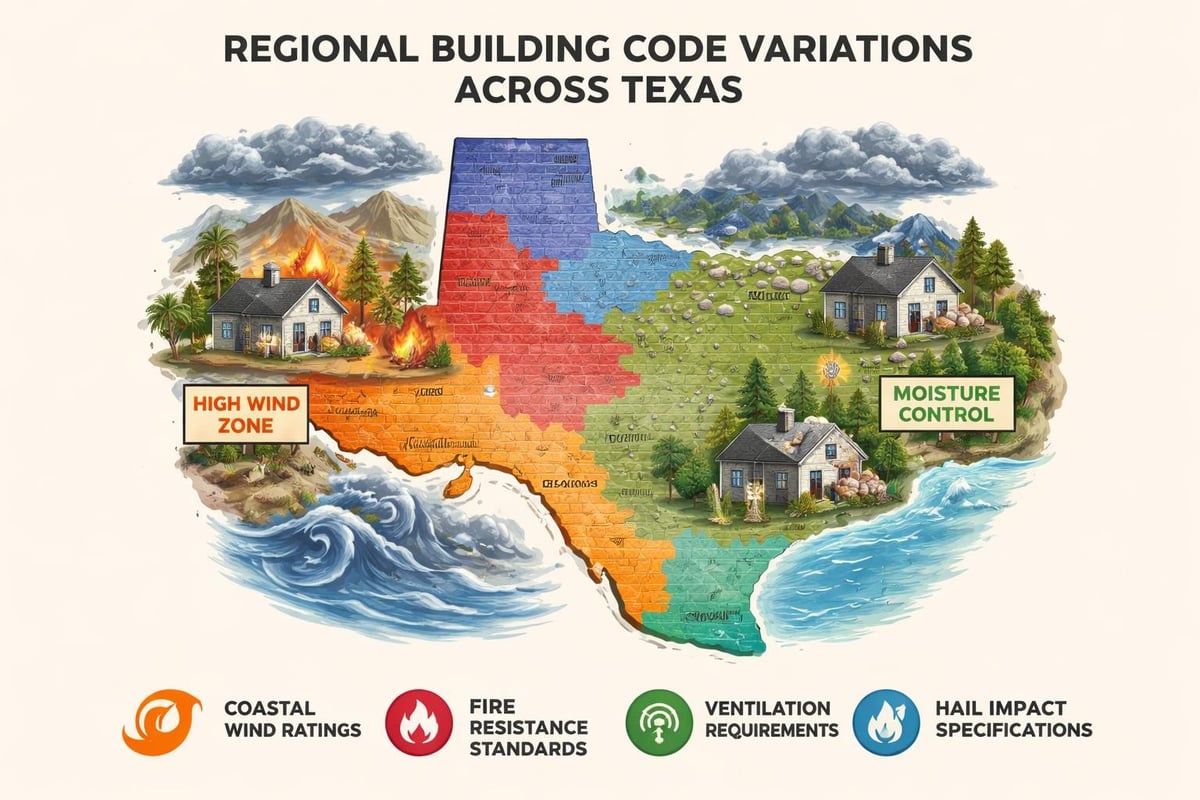
Texas building and roofing codes address specific challenges faced by different regions of the state. Coastal areas face stricter wind ratings due to hurricane exposure, while inland regions prioritize hail resistance and thermal performance.
Key code considerations include:
- Fire rating requirements based on property location
- Wind uplift resistance standards for high-wind zones
- Ventilation specifications to manage heat and moisture
- Slope requirements affecting drainage and material selection
- Flashing details for penetrations and transitions
Understanding how these codes apply to your specific property ensures compliance and optimal performance. Working with contractors who demonstrate thorough knowledge of regional requirements protects property owners from costly code violations and performance issues.
Material Selection for Texas Climate Conditions
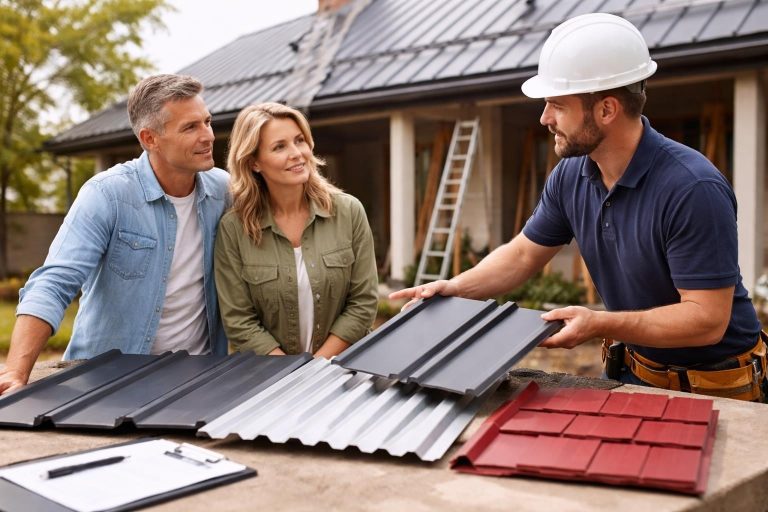
Material selection plays a critical role in roofing texas performance and longevity. The state's diverse climate zones require careful consideration of how different roofing systems respond to heat, UV exposure, moisture, and impact events.
Commercial Roofing Materials
Commercial properties typically utilize low-slope or flat roofing systems designed for larger surface areas and specific functional requirements.
| Material Type | Lifespan | Heat Resistance | Storm Performance | Best Application |
|---|---|---|---|---|
| TPO (Thermoplastic Polyolefin) | 15-20 years | Excellent | Very Good | Retail, warehouses |
| EPDM (Rubber) | 20-25 years | Good | Good | Industrial facilities |
| Modified Bitumen | 15-20 years | Very Good | Excellent | Multi-tenant buildings |
| Metal (Standing Seam) | 30-50 years | Excellent | Excellent | Large commercial structures |
| Built-Up Roofing (BUR) | 20-30 years | Good | Very Good | Flat roof applications |
Commercial material selection should balance initial investment, expected lifespan, maintenance requirements, and energy efficiency goals. Properties with high foot traffic need walkable membranes, while facilities in hail-prone areas benefit from impact-resistant systems.
Residential Roofing Options
Residential properties in Texas predominantly feature sloped roofs that shed water effectively and accommodate traditional shingle applications.
Common residential materials include:
- Asphalt shingles: Cost-effective with good performance in most Texas climates
- Metal roofing: Superior longevity and storm resistance with higher initial costs
- Clay or concrete tiles: Excellent for Mediterranean-style homes with proper structural support
- Synthetic slate: Aesthetic appeal of natural slate without weight concerns
The right material depends on architectural style, budget parameters, expected occupancy duration, and specific weather exposure. Properties in severe hail zones should prioritize impact-rated materials that meet Class 4 standards for insurance benefits and long-term protection.
Identifying and Addressing Common Texas Roofing Issues
The demanding Texas climate creates predictable stress patterns on roofing systems. Early identification of common problems prevents minor issues from escalating into major failures requiring complete replacement.
Heat and UV Damage
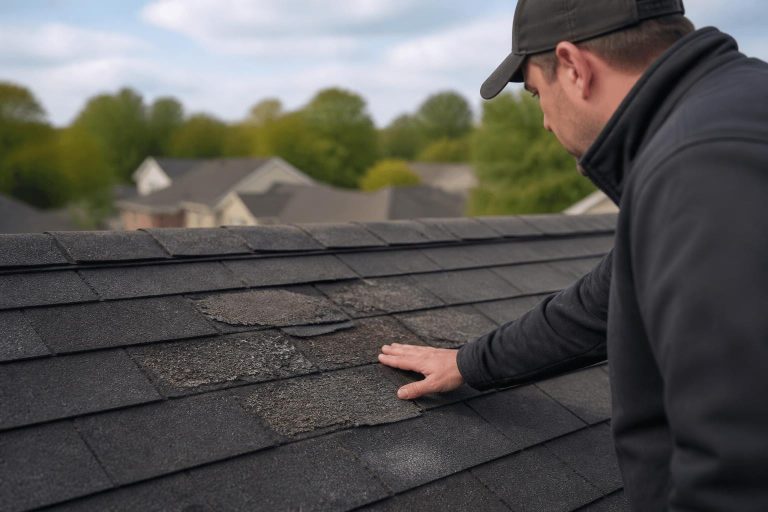
Sustained high temperatures and intense UV exposure cause thermal cycling that degrades roofing materials over time. Asphalt shingles become brittle and lose granules, while membrane systems experience accelerated aging and reduced flexibility.
Regular inspections should focus on:
- Granule loss on asphalt shingles indicating protective layer degradation
- Cracking or splitting in membrane seams from thermal movement
- Fastener back-out caused by expansion and contraction cycles
- Flashing deterioration at penetrations and transitions
Storm Damage Recognition
Severe weather events cause immediate and delayed damage that requires professional assessment. Hail impact creates bruising on shingles and punctures in membrane systems, while high winds lift materials and compromise attachment integrity.
Storm damage indicators:
- Dented or cracked shingles with exposed substrate
- Missing shingles or membrane sections
- Damaged or displaced flashing around vents and chimneys
- Granule accumulation in gutters following hail events
- Interior water stains appearing after storms
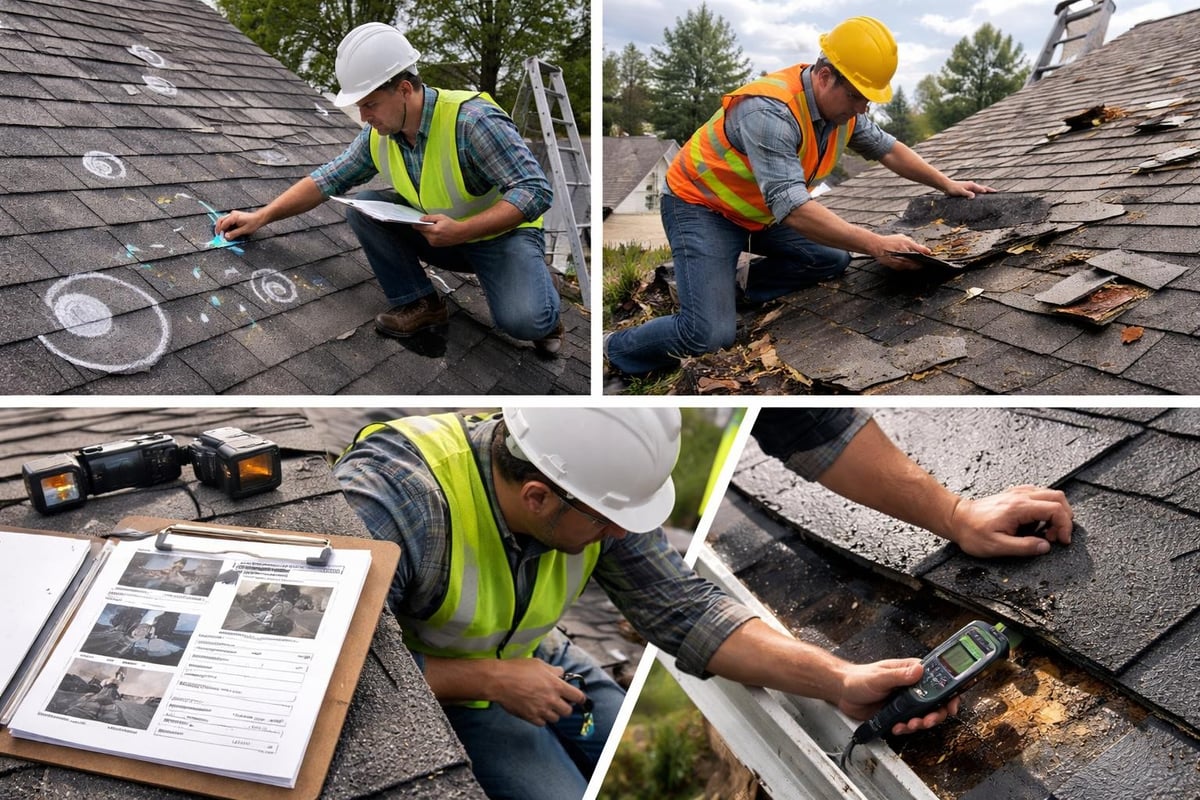
Property owners should document damage thoroughly with photographs and dates for insurance claim support. Professional inspections provide detailed assessments that identify both obvious and hidden damage requiring attention.
Selecting Qualified Roofing Contractors in Texas
Contractor selection represents one of the most critical decisions in any roofing texas project. The absence of mandatory state licensing requirements makes thorough vetting essential for protecting property investments and ensuring quality outcomes.
Essential Contractor Qualifications
Verify these credentials before engaging any roofing contractor:
- Valid business license and tax registration
- Comprehensive general liability insurance
- Workers' compensation coverage for all employees
- Manufacturer certifications for installed products
- References from recent projects of similar scope
- Documented safety protocols and training programs
In-house crews provide advantages over subcontractor models, including consistent quality control, direct communication, and accountability throughout the project lifecycle. Companies like Texcore Construction maintain dedicated teams that ensure reliability from initial inspection through final completion.
Red Flags to Avoid
Certain contractor behaviors signal potential problems that property owners should recognize immediately.
| Warning Sign | Risk | Proper Alternative |
|---|---|---|
| Requests for full payment upfront | Project abandonment | Progress payments tied to milestones |
| Offers to waive insurance deductibles | Illegal practice in Texas | Legitimate pricing and claims support |
| No physical business address | Accountability issues | Established local presence |
| Pressure for immediate decisions | Predatory tactics | Reasonable time for evaluation |
| Significantly lowest bid | Quality or scope concerns | Competitive but realistic pricing |
Property owners should obtain multiple written estimates that detail materials, labor, timeline, warranty terms, and exclusions. Comparing detailed proposals reveals differences in scope and approach that affect long-term value.
Navigating Insurance Claims for Roof Damage
Insurance claims represent a complex aspect of roofing texas projects, particularly following severe weather events. Understanding the claims process helps property owners secure appropriate coverage while avoiding common pitfalls.
Documentation and Timing Requirements
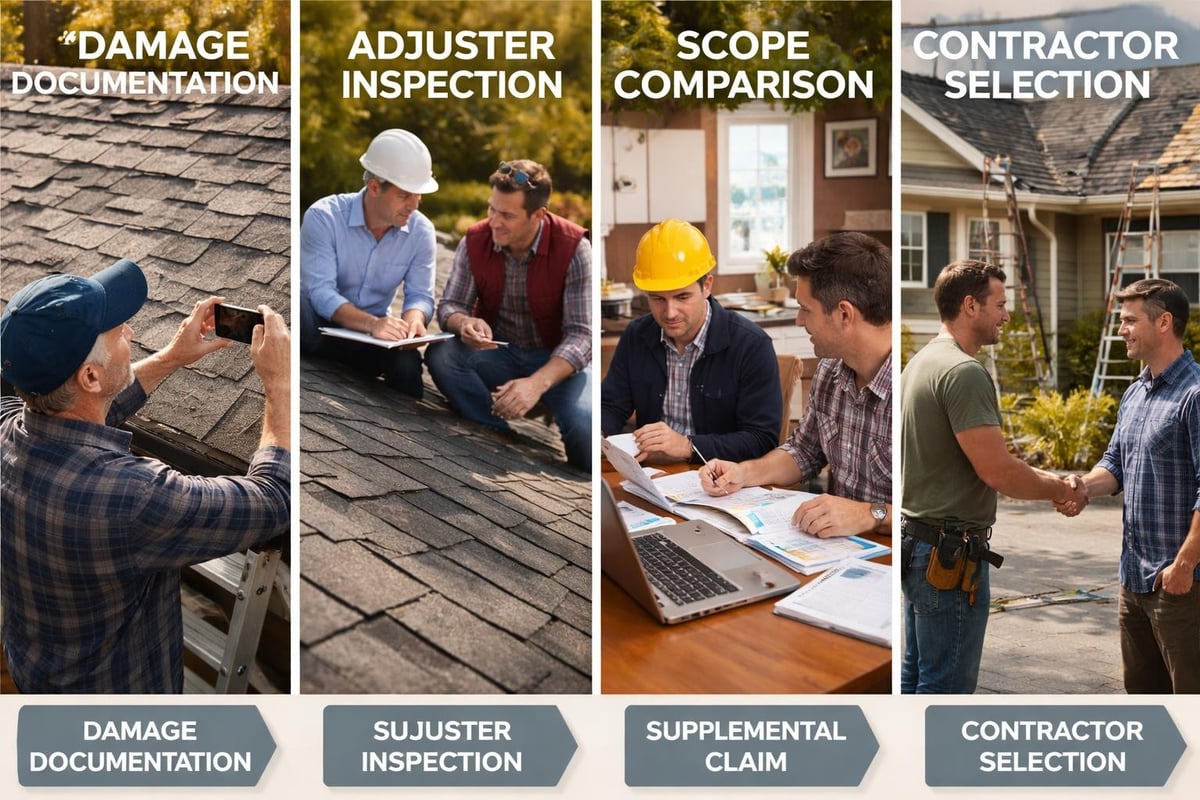
Prompt damage documentation strengthens claims and demonstrates diligence. Property owners should photograph damage from multiple angles, note the date and time of weather events, and maintain records of temporary repairs made to prevent further damage.
Effective claim documentation includes:
- Exterior photographs showing damaged areas
- Interior images of water intrusion or staining
- Close-up shots of specific damage points
- Overview images establishing context
- Written descriptions of observed damage
- Receipts for emergency mitigation work
Filing claims promptly after discovering damage prevents coverage disputes related to timing. Most policies require notification within specific timeframes, and delays can jeopardize claim approval.
Working with Adjusters and Contractors
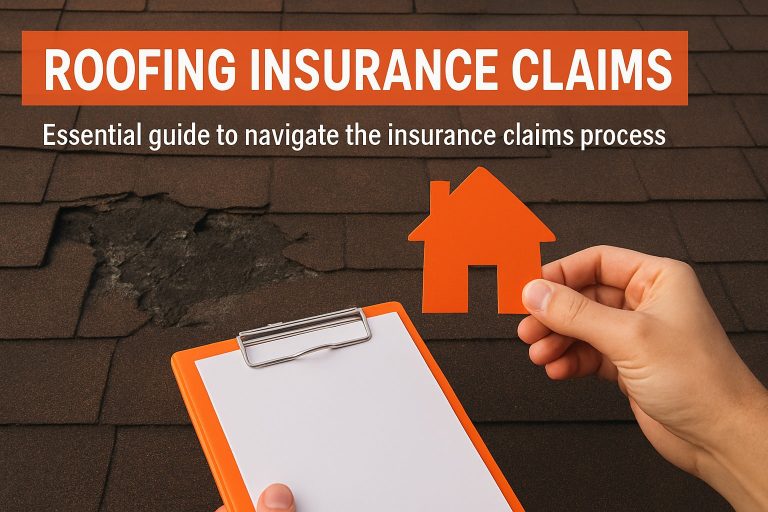
Insurance adjusters assess damage to determine coverage scope and payment amounts. Property owners benefit from having qualified contractors present during adjuster inspections to ensure comprehensive damage identification. Detailed knowledge of roofing insurance claims processes helps property owners understand their rights and responsibilities.
Contractors should provide independent damage assessments and detailed scopes of work that property owners can compare against adjuster findings. When disagreements arise, supplemental claims with supporting documentation can resolve coverage disputes.
Texas law prohibits contractors from acting as public insurance adjusters or offering to waive deductibles, as outlined in state regulations. Legitimate contractors support the claims process through documentation and expertise without crossing legal boundaries.
Emergency Response and Repair Services
Roofing emergencies require immediate professional response to prevent escalating damage and protect property contents. Texas weather patterns create sudden emergency situations that demand rapid, effective solutions.
When to Seek Emergency Services
Situations requiring immediate professional response:
- Active leaks during or after storms
- Large sections of missing roofing material
- Structural damage compromising roof integrity
- Interior water intrusion affecting operations or living spaces
- Fallen trees or debris creating penetrations
Emergency situations often occur outside normal business hours, making contractor availability a critical selection factor. Companies offering emergency roofing services provide rapid response that minimizes secondary damage and business interruption.
Temporary Mitigation Measures
While awaiting professional response, property owners can implement temporary measures to reduce damage progression. Tarping exposed areas, placing buckets to catch active leaks, and moving valuable items away from affected zones protect contents and demonstrate mitigation efforts for insurance purposes.
Professional emergency services include temporary weatherproofing, debris removal, damage assessment, and recommendations for permanent repairs. Same-day commercial roof leak repairs address urgent business needs while comprehensive damage documentation supports insurance claims and repair planning.
Maintenance Programs for Long-Term Performance
Proactive maintenance extends roofing system lifespan and prevents minor issues from becoming major problems. Regular professional inspections identify developing concerns before they cause damage or require emergency intervention.
Inspection Frequency and Focus Areas
Recommended inspection schedule:
- Bi-annual inspections in spring and fall
- Post-storm assessments following severe weather
- Pre-winter preparation inspections
- Annual detailed evaluations including moisture scans
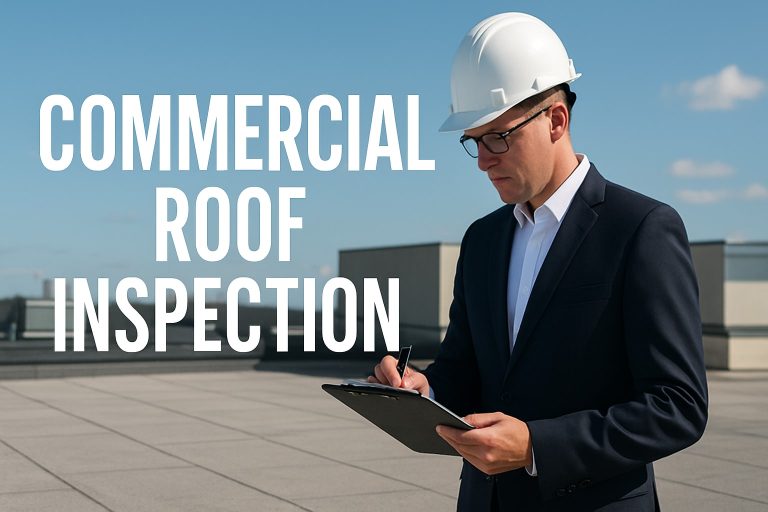
Professional inspections examine flashing integrity, drainage system function, membrane condition, fastener security, and penetration seals. Thermal imaging and moisture detection equipment identify hidden problems not visible during visual inspections.
Preventive Maintenance Tasks
Routine maintenance preserves roofing system integrity and prevents premature failure. Simple tasks performed regularly deliver significant long-term value.
- Clean debris from drains, gutters, and roof surfaces
- Trim overhanging branches that deposit leaves and pose impact risks
- Inspect and reseal penetration flashings showing wear
- Address minor repairs before they expand
- Maintain documentation of all maintenance activities
Maintenance records support warranty claims and provide valuable history for future contractors. Detailed documentation demonstrates proper care that extends manufacturer warranty coverage and validates expected performance standards.
Planning Complete Roof Replacement Projects
When repair costs approach replacement expenses or roofing systems reach the end of their useful life, complete replacement becomes the most cost-effective solution. Planning replacement projects carefully ensures optimal outcomes and value.
Replacement Timing Considerations
Several factors indicate when replacement makes more sense than continued repairs:
- Multiple leak locations requiring extensive patching
- Widespread material deterioration affecting large areas
- Age approaching or exceeding manufacturer life expectancy
- Energy efficiency improvements justifying upgrade investment
- Building sale or refinancing requiring improved roof condition
Understanding the complete roof replacement process helps property owners budget appropriately and schedule work to minimize disruption.
Project Planning and Execution
Successful replacement projects follow structured approaches:
| Phase | Activities | Duration | Considerations |
|---|---|---|---|
| Assessment | Inspection, measurements, recommendations | 1-3 days | Identify underlying issues |
| Planning | Material selection, scope definition, permits | 1-2 weeks | Secure required approvals |
| Preparation | Tear-off, disposal, deck inspection | 1-2 days | Weather-dependent scheduling |
| Installation | New system application | 2-5 days | Varies with size and complexity |
| Completion | Cleanup, final inspection, warranty | 1 day | Documentation delivery |
Commercial projects may require phased approaches that maintain operations during construction. Residential replacements typically proceed as single continuous projects to minimize household disruption.
Quality contractors provide detailed project timelines, daily progress updates, and thorough site cleanup. Five-year labor warranties combined with manufacturer material warranties provide comprehensive protection for the investment.
Regional Considerations Across Texas
Texas encompasses diverse climate zones and geographic regions that create distinct roofing requirements. Understanding regional differences helps property owners select appropriate materials and contractors with relevant experience.
Coastal Region Challenges
Properties near the Gulf Coast face hurricane-force winds, salt air exposure, and high humidity levels. Wind uplift resistance becomes paramount, requiring enhanced attachment methods and impact-resistant materials. Standing seam metal roofing performs exceptionally well in coastal applications due to superior wind resistance and corrosion-resistant coatings.
North Texas Weather Patterns
The Fort Worth and Dallas areas experience severe thunderstorms with large hail, damaging winds, and occasional tornadoes. Hail resistance ratings become critical for material selection, with Class 4 impact-rated products providing optimal protection and insurance benefits. Understanding commercial roofing options specific to Texas conditions helps property managers select systems matched to local weather patterns.
Central and South Texas Heat
Extreme sustained heat and intense UV exposure characterize central and south Texas climates. Light-colored reflective roofing materials reduce cooling costs and extend material lifespan by minimizing thermal stress. Cool roof technologies provide significant energy savings while reducing urban heat island effects.
West Texas Wind and Dust
Constant wind exposure and airborne dust create unique challenges for west Texas properties. Wind-driven debris impacts roofing surfaces, while dust infiltration can compromise roof assembly performance. Sealed systems with robust attachment methods perform best in these demanding conditions.
Texas property owners face unique roofing challenges that demand experienced professionals who understand regional weather patterns, building codes, and material performance characteristics. Whether addressing emergency storm damage, planning routine maintenance, or executing complete replacement projects, partnering with qualified contractors ensures reliable outcomes backed by proven expertise. Texcore Construction delivers comprehensive roofing solutions throughout the Fort Worth area with in-house crews, transparent communication, and quality workmanship designed for long-term performance. Contact their team for detailed assessments, accurate project scopes, and dependable service from inspection through completion.