Essential Guide to Commercial Roof Inspection in 2026
Protecting your building starts from the top. A timely commercial roof inspection can be the difference between catching minor issues early and facing major, costly repairs later.
This essential guide will lead you through the world of commercial roof inspection. Discover why these inspections matter, what you should expect from the process, and how to get the most out of your roofing investment.
You will learn about the risks of neglect, the steps involved in a thorough inspection, key areas to monitor, the latest technology trends, compliance requirements, and how to choose a trusted roofing partner.
Stay informed, stay protected, and make proactive maintenance a core part of your property strategy.
Why Commercial Roof Inspections Matter
Protecting your property investment starts with understanding the true value of a commercial roof inspection. Routine inspections are not just a maintenance task, but a financial and strategic decision that impacts your building's longevity, safety, and bottom line.
The Financial Impact of Roof Neglect and Common Risks
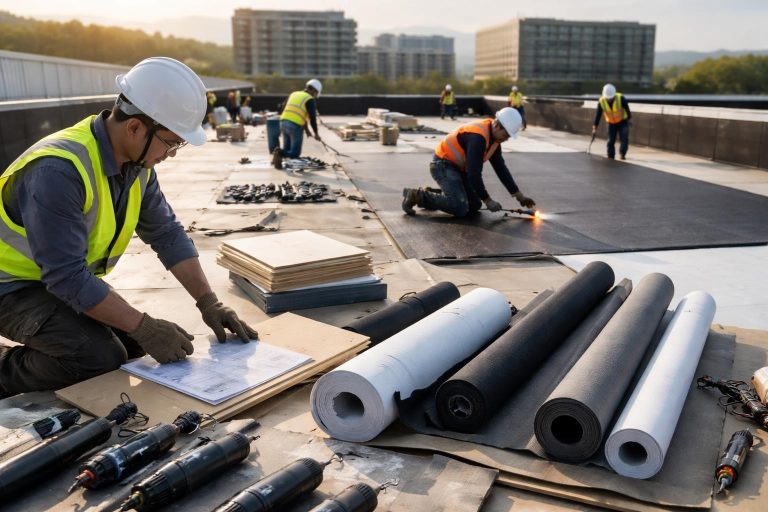
Neglecting a commercial roof inspection can lead to steep repair bills, business interruptions, and even structural failures. Preventive maintenance is always less costly than major repairs or full roof replacements. Consider the following comparison:
| Maintenance Approach | Average Annual Cost | Risk of Major Repairs | Typical Lifespan |
|---|---|---|---|
| Preventive Inspections | $0.10–$0.25/sq ft | Low | 20+ years |
| Deferred Repairs | $0.50–$1.00/sq ft | High | 10–15 years |
Common risks include:
- Leaks and water intrusion
- Mold growth and air quality issues
- Insulation damage
- Structural deterioration
Each of these risks can escalate if not identified early through a scheduled commercial roof inspection.
Extending Roof Lifespan and Protecting Warranties
Regular commercial roof inspection is the single most effective way to maximize your roof's service life. Inspections help spot minor issues before they become costly emergencies. Manufacturers often require documented inspections to keep warranties valid. Missing inspections may void coverage, leaving property owners responsible for avoidable damage.
Consistent maintenance, guided by inspection findings, ensures your roof performs as designed. This proactive approach saves money, reduces liability, and maintains optimal building performance.
Legal, Insurance, and Compliance Considerations
A commercial roof inspection is essential for meeting legal and insurance requirements. Insurers often request recent inspection reports when processing claims for roof damage. Detailed documentation supports faster, more successful claim approvals, and can protect you from liability in the event of tenant complaints or accidents.
For more insights on how inspections can streamline the insurance process, see the Insurance Claims for Roof Damage guide. Staying compliant with safety codes and insurance policies is much easier when inspections are part of your maintenance plan.
Inspections as a Tool for Asset Management and Value Preservation
A commercial roof inspection is not just about avoiding problems, but also about preserving the value of your asset. Well-maintained roofs contribute to higher property values, lower operational costs, and better tenant satisfaction.
Facility managers who prioritize inspections can plan repairs, budget accurately, and extend the functional life of the entire building envelope. This long-term thinking supports strong asset management strategies and enhances return on investment.
Industry Statistics and a Real-World Example
Studies show that up to 80 percent of premature commercial roof failures are caused by lack of maintenance. This statistic underscores the critical role of inspections.
Consider this real-world example: A distribution warehouse scheduled a commercial roof inspection and discovered a hidden leak. Early detection and repair saved the owner nearly $100,000 compared to a full roof replacement, demonstrating the tangible value of regular assessments.
When and How Often to Schedule Commercial Roof Inspections
Regular commercial roof inspection is the foundation of a proactive maintenance plan. Knowing when and how often to assess your roof can be the difference between minor repairs and major financial setbacks. By establishing a thoughtful inspection schedule, you protect your asset, minimize disruptions, and ensure long-term performance.
Recommended Frequency and Timing
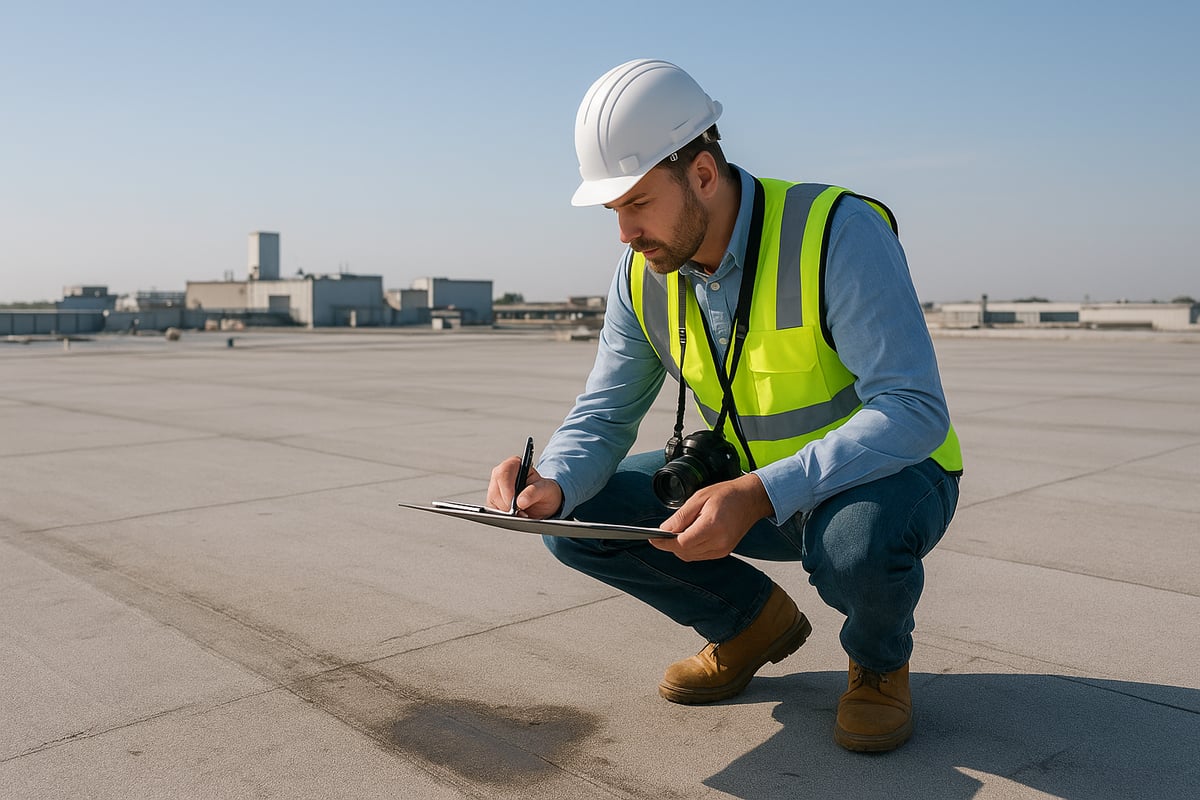
Experts recommend scheduling a commercial roof inspection at least twice a year—once in spring and again in fall. These seasons are ideal because they follow periods of harsh weather and help prepare the roof for upcoming climate changes. In addition to these biannual checks, always arrange an inspection after major weather events such as hail, heavy rain, or high winds.
The timing of your commercial roof inspection can directly impact maintenance costs and warranty coverage. According to Commercial Roof Inspection Frequency Guidelines, sticking to a consistent schedule helps identify small issues before they escalate, supporting both property value and insurance claims.
Inspection Frequency Table
| Event | Recommended Inspection Timing |
|---|---|
| Spring | After winter, before summer storms |
| Fall | After summer, before winter weather |
| Major Weather Event | As soon as conditions are safe |
| Visible Damage/Leak | Immediately |
Factors That Influence Your Inspection Schedule
Not every commercial roof is the same, and several factors can affect how often you should schedule a commercial roof inspection:
- Climate: Roofs in areas with extreme weather require more frequent checks.
- Roof Age: Older roofs are more prone to wear and should be inspected more often.
- Material Type: Some roofing systems, such as single-ply membranes, may need additional attention.
- Facility Use: Facilities with heavy equipment or high foot traffic on the roof benefit from more regular inspections.
By considering these variables, you can tailor your commercial roof inspection schedule to your property’s unique needs.
Signs That Indicate Immediate Inspection and Insurance Benefits
Certain warning signs signal the need for an immediate commercial roof inspection. Addressing these issues promptly can help avoid costly repairs and simplify insurance claims.
Look out for:
- Visible leaks or water stains inside the building
- Ponding water or blocked drains on the roof
- Unusual odors or signs of mold
- Damaged flashing, seams, or roof membrane
Prompt inspections after storms are especially important. Data shows that post-storm assessments can reduce insurance claim disputes by 30 percent, speeding up the approval process and minimizing financial risk.
Real-World Example and Benefits of Routine Checks
Facility managers who commit to a regular commercial roof inspection schedule report far fewer emergency repairs and unexpected expenses. For example, a distribution center that scheduled routine checks caught minor drainage issues early, saving thousands in potential water damage repairs.
A consistent inspection plan is not just a maintenance task, but an investment in your property’s future.
The Step-by-Step Commercial Roof Inspection Process
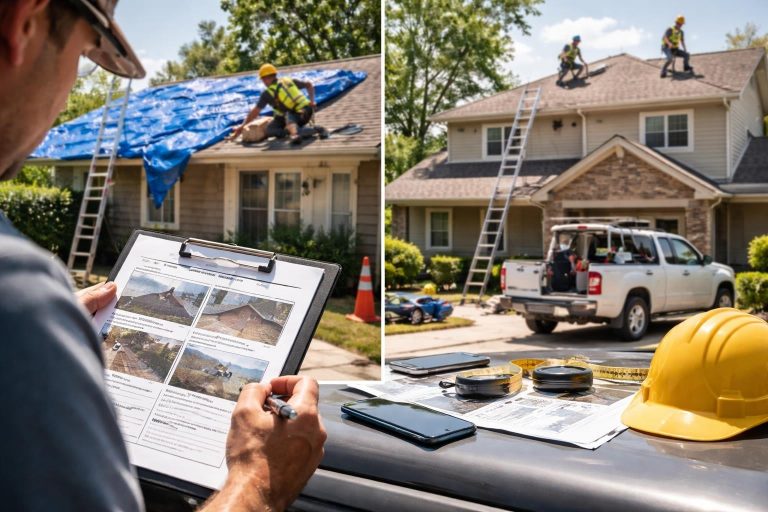
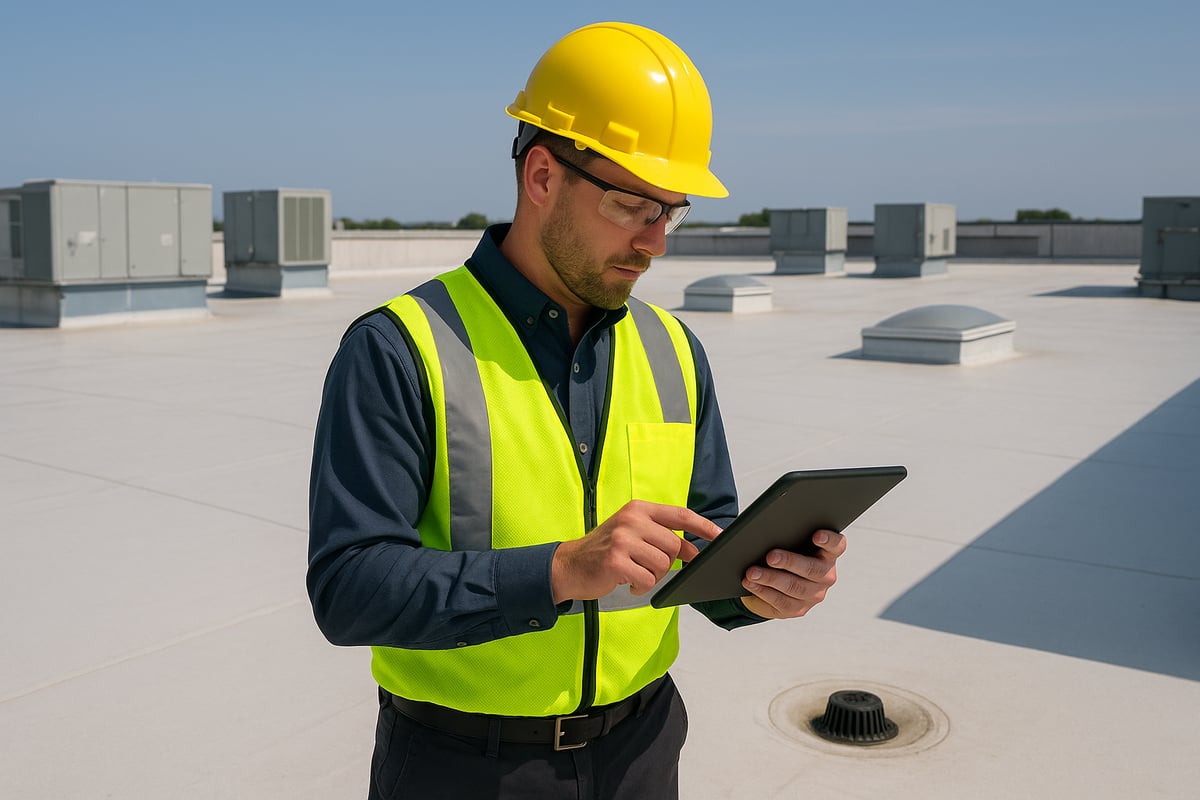
A thorough commercial roof inspection is vital for protecting your building investment. This process is more than a visual scan; it combines preparation, methodical assessment, advanced tools, and precise documentation. Understanding each step helps ensure your roof receives the care it needs to perform reliably year after year.
Pre-Inspection Preparation
Every effective commercial roof inspection begins with careful preparation. Before setting foot on the roof, inspectors gather essential building information. This includes reviewing maintenance logs, warranty documents, and records of previous repairs. Knowing the roof's history helps anticipate potential trouble spots.
Safety is a top priority. Inspectors establish access routes, confirm the use of appropriate fall protection equipment, and coordinate with property managers. If tenants occupy the building, clear communication ensures minimal disruption during the inspection.
A well-prepared inspection team brings the right tools and knows exactly what to look for. This organizational groundwork maximizes the efficiency and effectiveness of the commercial roof inspection.
Exterior Roof Assessment
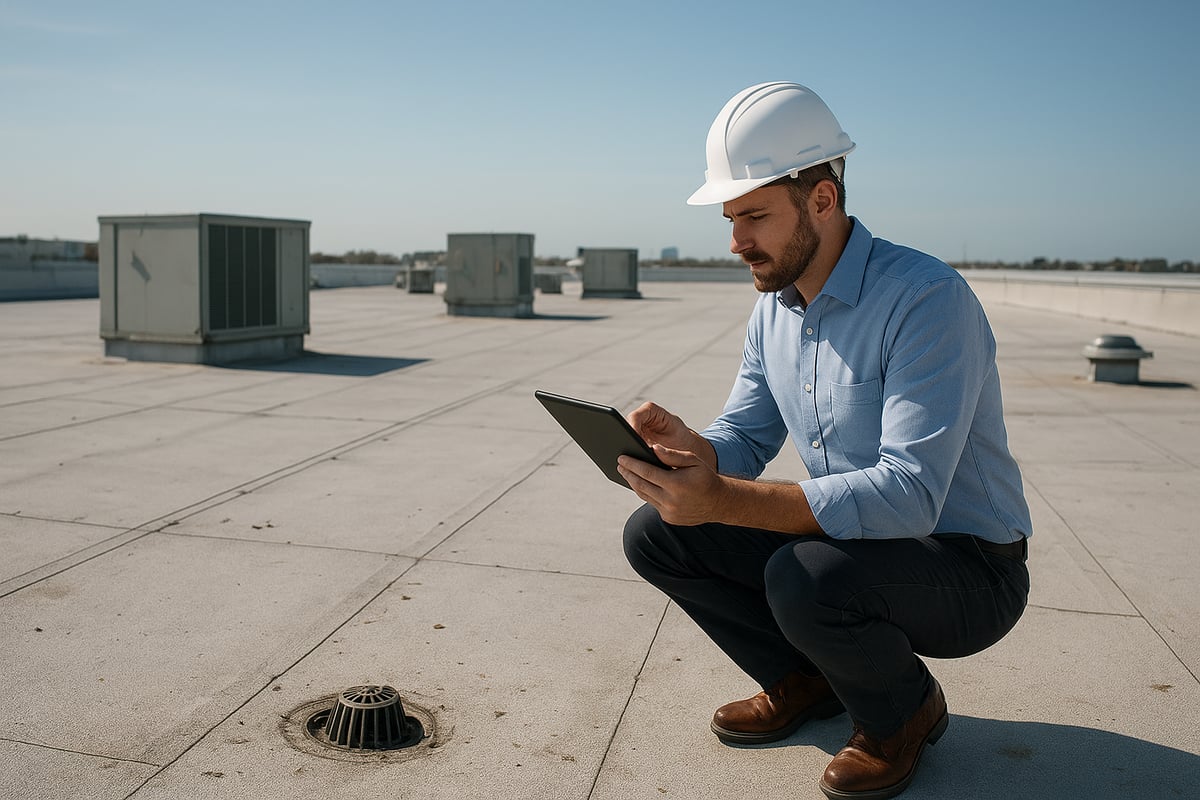
The exterior assessment is the heart of any commercial roof inspection. Inspectors start with a systematic visual survey, scanning for signs of membrane damage such as cracks, punctures, blisters, or areas of wear. Special attention is paid to seams, joints, and flashing, as these details are common sources of leaks.
Drainage systems play a critical role in roof health. Gutters, downspouts, and scuppers must be free from clogs and debris. Inspectors look for standing water, which can signal blocked drains or poor slope. Vegetation, trash, and loose objects are noted, as they can cause punctures or restrict water flow.
Roof edges and parapet walls are inspected for wind damage or signs of water intrusion. HVAC units, vents, skylights, and other penetrations receive close scrutiny to ensure seals remain watertight.
For an in-depth look at industry standards and methods for thorough assessments, review the Best Practices for Commercial Roof Inspections, which outlines key steps and checklists widely used by professionals.
A comprehensive exterior check during a commercial roof inspection identifies both urgent issues and early warning signs, supporting preventive maintenance and long-term performance.
Interior Building Inspection
A commercial roof inspection does not stop at the surface. Inspectors move inside the building to spot hidden problems. Ceilings, walls, and attic spaces are checked for water stains, discoloration, or bubbling paint—indicators of leaks above.
Insulation and ventilation systems are evaluated for moisture damage or mold growth. Poor insulation can lead to energy loss, while dampness may signal a breach in the roof membrane. Inspectors also look for signs of structural damage, such as sagging ceilings or warped beams.
Detecting interior issues early ensures repairs can be made before problems escalate. By including these steps, a commercial roof inspection protects both the building envelope and interior spaces.
Advanced Testing and Technology
Modern commercial roof inspection techniques leverage advanced technology to uncover hidden risks. Infrared thermography is used to detect trapped moisture beneath the surface, revealing leaks that are invisible to the naked eye.
Drones provide safe, aerial views of large or complex roofs, capturing detailed imagery quickly and efficiently. For layered roof systems, core sampling helps determine the condition of underlying materials.
Moisture meters and electronic leak detection equipment offer precise measurements, allowing inspectors to pinpoint areas needing attention. These tools make a commercial roof inspection more accurate, reducing guesswork and supporting data-driven decisions.
Using technology not only improves inspection quality but also helps document roof conditions for insurance and warranty purposes.
Documentation and Reporting
No commercial roof inspection is complete without detailed documentation. Inspectors compile comprehensive reports that include annotated photos, diagrams, and clear descriptions of all findings. Each issue is prioritized, distinguishing urgent repairs from routine maintenance needs.
Cost estimates for recommended work are provided, helping property managers plan and budget effectively. Maintenance schedules and action plans are outlined to support long-term roof performance.
Well-organized records from each commercial roof inspection serve as valuable references for warranty claims, insurance documentation, and ongoing asset management. This transparency empowers building owners to make informed decisions and protect their investments.
Key Areas and Common Issues Identified During Inspections
Understanding the most frequent issues found during a commercial roof inspection helps property owners prevent costly repairs and protect their investment. Each inspection covers several critical areas, ensuring that potential problems are detected before they escalate. Let us break down the key elements professionals assess during every commercial roof inspection.
Roof Surface: Cracks, Blisters, Punctures, and Membrane Wear
The roof membrane is the first line of defense against the elements. Inspectors look closely for cracks, blisters, and punctures, which can allow water to penetrate the building envelope. Wear and tear from weather, foot traffic, and UV exposure gradually degrade the membrane. Early detection of these issues during a commercial roof inspection can prevent leaks and extend the roof’s service life.
Flashing and Penetrations: HVAC Units, Vents, Skylights, and Pipes
Flashing and roof penetrations are common sources of leaks. HVAC units, vents, skylights, and plumbing pipes create openings that require robust sealing. During a commercial roof inspection, professionals check for loose or deteriorated flashing and ensure all penetrations are properly sealed. Even minor gaps can lead to significant water intrusion if not addressed promptly.
Drainage Systems: Clogged Drains Leading to Ponding Water and Leaks
A functional drainage system is crucial for any commercial roof. Inspectors assess gutters, downspouts, and scuppers for blockages that could cause ponding water. Standing water accelerates membrane deterioration and increases the risk of leaks. Regular commercial roof inspection routines help keep drainage systems clear and effective, reducing long-term maintenance costs.
Roof Edges and Parapets: Wind Uplift and Water Intrusion Risks
Edges and parapet walls are vulnerable to wind uplift and water entry. Inspectors examine these areas for signs of loose materials, separation, or deteriorated sealants. Properly maintained edges reduce the risk of severe storm damage. A commercial roof inspection will also check for secure coping and flashing along parapets to ensure maximum protection.
Interior Signs: Water Stains, Peeling Paint, and Ceiling Damage
Issues on the roof’s surface often show up inside the building. Inspectors look for water stains on ceilings, peeling paint, or warped drywall, which can signal hidden leaks. During a commercial roof inspection, these interior clues guide professionals to potential trouble spots, even when exterior damage is not obvious.
Safety Hazards: Loose Materials, Trip Hazards, and OSHA Compliance
Safety is a top priority during every commercial roof inspection. Inspectors identify loose debris, unsecured materials, or trip hazards that could endanger maintenance crews or tenants. They also ensure that safety rails, walkways, and other OSHA-required features are present and in good condition.
Example: Discovery of Hidden Moisture Beneath a TPO Membrane Using Thermal Imaging
Sometimes, serious issues are not visible to the naked eye. For instance, an inspector using thermal imaging technology discovered hidden moisture beneath a TPO membrane. This early detection allowed the facility manager to address the problem before mold and structural damage occurred. If you want to dive deeper into best practices and see more real-life examples, explore the Commercial Roof Inspection Guide.
A comprehensive commercial roof inspection is the best defense against unexpected repair costs and building damage. By covering all these key areas, property owners can ensure their roof remains in top condition and continues to protect their business assets.
Technology and Innovations in Commercial Roof Inspections
Advancements in technology are transforming the way commercial roof inspection is performed, making the process faster, safer, and more precise. Building owners and facility managers now have access to tools that deliver actionable insights while reducing risks and costs.
Drones and Aerial Mapping
Drones have become essential for commercial roof inspection. With high-resolution cameras and precise flight control, drones can capture detailed images of large or complex roofs quickly. Technicians no longer need to climb hazardous areas or set up extensive scaffolding.
- Drones map out entire roof surfaces in minutes
- Reach hard-to-access spots safely
- Capture thermal and visual data for later analysis
This technology not only improves safety but also ensures no area is overlooked during a commercial roof inspection.
Infrared and Thermal Imaging
Infrared and thermal imaging have revolutionized non-invasive moisture detection in commercial roof inspection. These tools identify temperature variations that often signal trapped moisture, leaks, or insulation gaps beneath the surface.
- Detect hidden leaks before visible damage occurs
- Pinpoint energy loss from poor insulation
- Reduce costly repairs by addressing issues early
By integrating these methods into routine commercial roof inspection, property managers can catch problems that would otherwise go unnoticed.
Digital Platforms and AI
Digital inspection platforms streamline the commercial roof inspection process. Cloud-based systems allow real-time data sharing, maintenance scheduling, and comprehensive reporting. AI-powered analysis can now predict potential issues based on historical data and inspection trends.
The adoption of AI is accelerating. According to recent AI in Commercial Roofing Industry Statistics, companies using advanced analytics report improved accuracy and efficiency, optimizing maintenance strategies.
- Automated report generation with photos and diagrams
- Predictive maintenance alerts
- Easy access to inspection history and compliance records
These innovations make every commercial roof inspection more actionable and transparent.
Case Study and Future Trends
A distribution center recently used drone technology for its commercial roof inspection and reduced inspection time by 40 percent. This efficiency freed up resources and allowed for faster repairs, minimizing operational disruptions.
Looking ahead, smart sensors embedded in roofing systems will provide real-time monitoring and instant alerts for leaks or structural changes. As digital tools and AI continue to evolve, commercial roof inspection will become even more proactive, helping property owners protect assets and extend roof lifespan.
Embracing these innovations ensures every commercial roof inspection delivers better outcomes with less risk and greater value.
Choosing the Right Commercial Roofing Partner
Selecting the right partner for your commercial roof inspection is a decision that impacts your building’s longevity, safety, and budget. With so many providers, how can you tell which one will deliver reliable, thorough results? Let’s break down the qualities, options, and questions that matter most.
Qualities to Look For in a Roofing Inspector
When evaluating a commercial roof inspection provider, credentials are essential. Look for companies holding up-to-date licensing, relevant certifications, and active memberships in trusted industry organizations. Affiliations with groups like the NTRCA or BBB often reflect a commitment to professional standards.
Experience with your specific roof system is equally important. Whether your facility has a TPO, EPDM, or built-up roof, choose inspectors who understand the unique challenges of your materials and building type. Transparent documentation is another must. A reputable provider gives you clear, detailed reports, complete with photos and prioritized recommendations.
Cleanliness and safety shouldn’t be overlooked. Inspectors should maintain organized job sites and follow strict safety protocols, protecting your staff and property. Finally, a reliable partner communicates proactively, keeping you informed before, during, and after the commercial roof inspection.
Texcore Construction: Your Local Commercial Roofing Expert
For property owners in Fort Worth and North Texas, Texcore Construction stands out as a leading choice for commercial roof inspection. Their in-house, insured crews handle every aspect of the process, ensuring consistent quality and accountability from start to finish.
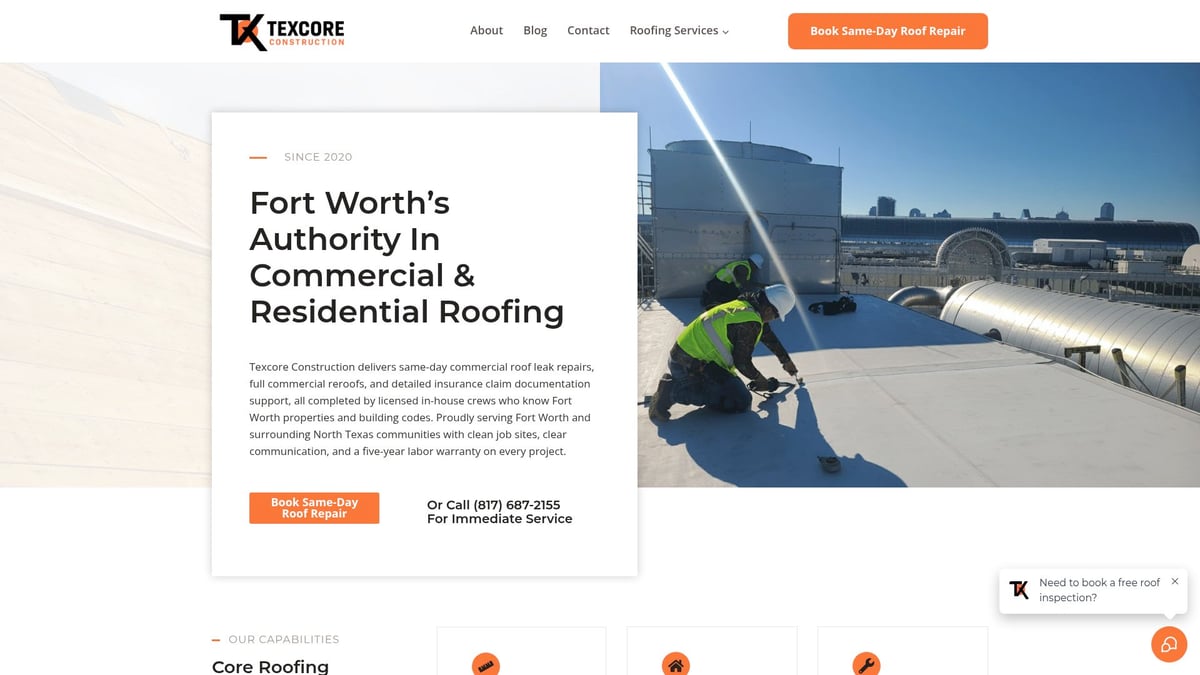
Texcore Construction offers same-day leak repairs, comprehensive inspection reports, and a five-year labor warranty for peace of mind. They understand the local climate and building codes, which helps them deliver solutions tailored to your facility’s specific challenges. Their Commercial Roofing Fort Worth Services page details the full range of inspection and maintenance options available.
Hundreds of property managers trust Texcore for honest recommendations, clean work sites, and prompt emergency response. If you need a partner who values transparency and long-term performance, Texcore Construction is a strong candidate for your next commercial roof inspection.
Questions to Ask Before Hiring
Before you commit to a commercial roof inspection provider, ask these critical questions:
- What inspection methods and technologies will you use?
- Are detailed reports and photo documentation included?
- How do you ensure safety and compliance during inspections?
- Can you help with insurance claims and coordinate repairs?
- What warranties and follow-up services do you offer?
Choosing the right partner for your commercial roof inspection means doing your homework. By prioritizing credentials, communication, and tailored solutions, you protect your investment and secure the long-term health of your roof.
Compliance, Safety, and Documentation Best Practices
Ensuring compliance, safety, and thorough documentation is central to any effective commercial roof inspection program. These best practices not only protect workers and property but also streamline insurance claims and maintain asset value. Let’s break down the essential elements every facility manager and inspector should follow.
OSHA Requirements for Rooftop Safety
Every commercial roof inspection must comply with OSHA standards to ensure worker safety. Inspectors are required to use proper fall protection systems, such as harnesses, guardrails, or warning lines, depending on the site’s setup. Before stepping on the roof, always assess hazards like loose debris or weather conditions.
Training is critical. All personnel involved in a commercial roof inspection should receive up-to-date training on rooftop safety, equipment use, and emergency procedures. Regular review of OSHA updates helps maintain compliance and reduces the risk of accidents.
Documentation Standards for Compliance and Insurance
Accurate, detailed records are essential for compliance and insurance. Every commercial roof inspection should generate a comprehensive report that includes photos, diagrams, repair recommendations, and a maintenance timeline. These documents serve as proof of due diligence, supporting regulatory compliance and insurance claims.
For industry-backed standards, refer to resources like the Commercial Roofs Best Practices Guide, which outlines what insurers and regulators look for in inspection documentation. Keeping well-organized files also speeds up claim processing and legal review if issues arise.
Supporting Warranty and Insurance Claims
Thorough documentation from each commercial roof inspection is your strongest asset when filing warranty or insurance claims. Insurers often require proof that routine inspections and maintenance were performed before approving payouts. By maintaining clear inspection records and repair histories, you reduce the risk of claim denials.
Timely reporting of roof conditions and prompt repair documentation can expedite multi-tenant and large facility claims. Properties with up-to-date logs are shown to have 50 percent faster claim approvals, making diligent record-keeping a direct financial benefit.
Inspection Logs and Repair Histories
A centralized logbook for every commercial roof inspection and repair event is invaluable for asset management. Each entry should include the inspection date, findings, photos, actions taken, and responsible personnel. This historical archive aids in trend analysis, budgeting, and proactive decision-making.
Ongoing maintenance is easier to manage when past inspections are easily accessible. For more on streamlining this process, review Roof Maintenance for Commercial Properties for tips on organizing and leveraging inspection data.
Safety Checklists and Best Practices
Consistent use of safety checklists ensures every commercial roof inspection follows the same rigorous procedures. Checklists should cover:
- Personal protective equipment (PPE) checks
- Fall protection system setup
- Weather and site condition reviews
- Hazard identification
- Communication protocols
Facility managers benefit from reviewing these checklists before and after every inspection. This approach not only enforces compliance but also fosters a culture of safety and accountability on every project.
Now that you understand the critical role regular roof inspections play in protecting your property and bottom line, it’s time to take the next step toward peace of mind. With all the complexities of commercial roofing—maintenance, documentation, emergency response, and insurance—you deserve clarity and confidence in your roof’s condition. That’s why a comprehensive, professional assessment is so valuable. If you want to truly know where your roof stands and make informed decisions for the future, don’t leave it to chance—Get a Commercial Roof Condition Report and let Texcore Construction’s in-house experts give you the detailed insights you need.