Understanding the Importance of Regular Roof Maintenance
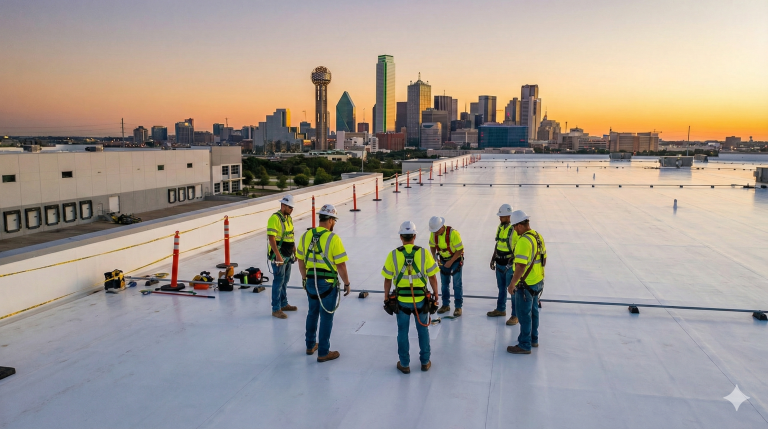
Regular maintenance of commercial roofs is crucial for preventing significant damage and ensuring the longevity of the structure. By conducting routine inspections and maintenance, property managers can identify potential issues before they escalate into costly repairs.
For instance, simple tasks such as clearing debris, checking for leaks, and maintaining proper drainage can extend the life of a roof significantly. According to industry studies, regular maintenance can increase a roof's lifespan by up to 50%, making it a worthwhile investment for any commercial property owner.
Common Commercial Roof Problems and Solutions
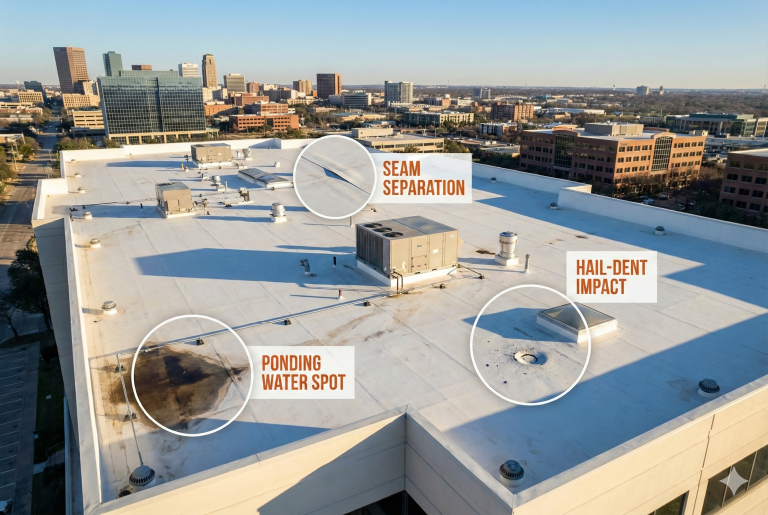
Commercial roofs face a variety of challenges, including leaks, ponding water, and damage from extreme weather conditions. Understanding these common issues can help property managers take proactive measures to address them effectively.
For example, leaks can often be traced back to poor installation or wear and tear over time. Implementing a regular inspection schedule can catch these issues early, allowing for timely repairs that prevent more extensive damage and costly replacements.
Choosing the Right Roofing Material for Your Commercial Property
Selecting the appropriate roofing material is essential for ensuring the durability and efficiency of a commercial roof. Factors such as climate, building design, and budget all play a critical role in this decision-making process.
For instance, TPO and EPDM are popular choices for flat roofs due to their energy efficiency and durability against harsh weather. A thorough evaluation of your property's specific needs can guide you in choosing the best roofing solution that balances cost and performance.
Cost-Effective Strategies for Roof Maintenance
Implementing cost-effective strategies for roof maintenance can save commercial property owners significant expenses over time. By prioritizing maintenance and utilizing preventative measures, businesses can avoid the high costs associated with emergency repairs and replacements.
For example, establishing a maintenance budget that includes regular inspections and minor repairs can prevent larger issues from developing. Additionally, investing in high-quality materials and workmanship from the outset can lead to long-term savings and reduced maintenance needs.