Roof Repair Solutions: Expert Guide for Property Owners
Property owners face a critical decision when roof damage strikes: selecting the right repair approach that balances immediate needs with long-term performance. Whether dealing with a sudden leak during a thunderstorm or addressing gradual deterioration from years of exposure, understanding available roof repair solutions ensures you protect your investment while avoiding unnecessary expenses. The choices you make today determine whether your roof continues to perform reliably for years or becomes a recurring source of problems and costs.
Understanding Common Roof Damage Types
Roof damage manifests in numerous forms, each requiring specific repair strategies. Identifying the type and extent of damage is the first step toward selecting appropriate roof repair solutions.
Weather-Related Deterioration
Wind, hail, and temperature fluctuations create distinct damage patterns. High winds lift shingles, compromise flashing, and expose underlayment to water infiltration. Hail creates surface bruising on asphalt shingles that may not appear severe initially but accelerates granule loss and shortens roof lifespan. Freeze-thaw cycles in winter months expand and contract roofing materials, creating cracks in sealant and gaps around penetrations.
- Wind damage typically affects ridge caps, eaves, and gable ends first
- Hail impact creates circular indentations visible upon close inspection
- Ice dams force water underneath shingles, causing interior leaks and insulation damage
- UV exposure breaks down asphalt binders over time, leading to brittleness
Temperature extremes common in Texas climates stress roofing materials beyond their design specifications. The National Roofing Contractors Association provides detailed repair guidelines that address these climate-specific challenges with industry-tested methods.
Structural and Installation Defects
Some roof problems stem from original construction issues rather than environmental damage. Poor ventilation creates heat buildup in attic spaces, cooking shingles from underneath and voiding manufacturer warranties. Inadequate flashing around chimneys, skylights, and vent pipes allows water to bypass the primary roofing membrane. Improper fastener placement or insufficient nailing patterns compromise wind resistance ratings.
| Defect Type | Common Symptoms | Repair Complexity |
|---|---|---|
| Poor ventilation | Premature shingle aging, ice dams, high cooling costs | Moderate to High |
| Flashing failures | Localized leaks near penetrations and transitions | Low to Moderate |
| Improper slope | Standing water, accelerated deterioration | High (may require structural modification) |
| Inadequate underlayment | Multiple leak points, widespread moisture damage | High (often requires tear-off) |
Repair Methods for Residential Roofing Systems
Residential properties predominantly feature asphalt shingle systems, though metal, tile, and composite materials are also common. Each material type demands specific roof repair solutions tailored to its unique characteristics.
Asphalt Shingle Repair Techniques
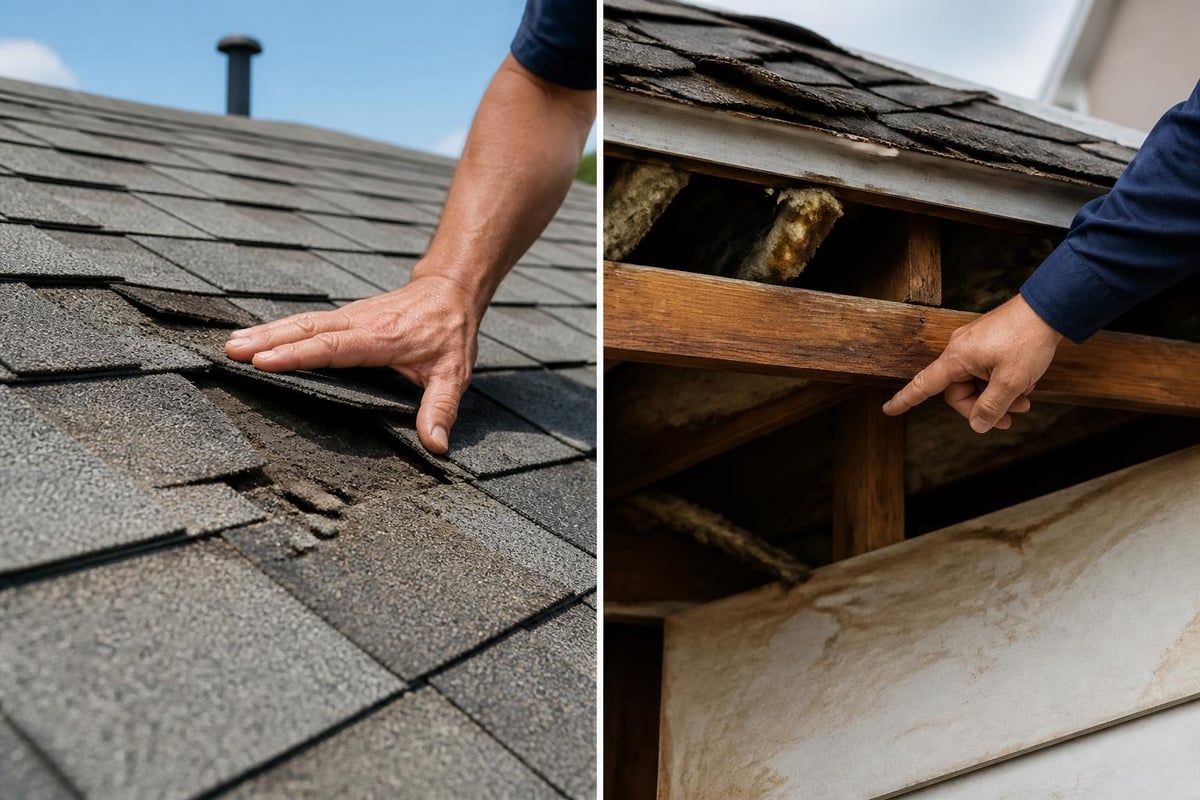
Spot repairs address isolated damage without disturbing surrounding materials. This cost-effective approach works well when damage affects fewer than 10-15 shingles in a concentrated area. Skilled technicians remove damaged shingles, inspect and repair underlayment if necessary, then install replacement shingles matching the existing color and style.
The NRCA Repair Manual for Asphalt Shingle Roof Systems provides step-by-step instructions with photo illustrations for proper repair procedures. Following these guidelines ensures repairs integrate seamlessly with existing roof sections.
Section replacement becomes necessary when damage covers larger areas or affects multiple roof planes. This approach removes all materials down to the decking across the damaged section, allows for inspection and repair of structural components, then rebuilds using current code-compliant materials and methods. Section replacement offers better long-term performance than spot repairs when dealing with widespread storm damage or aging roof sections.
Metal Roofing Repair Approaches
Metal roofs resist many common forms of damage but require specialized attention when problems occur. Fastener back-out creates gaps where water penetrates. Thermal movement loosens seams over time. Coating degradation exposes bare metal to corrosion.
Repair options include:
- Fastener replacement with larger-diameter screws and new EPDM washers
- Seam resealing using compatible sealants matched to panel type
- Panel replacement for severely dented or corroded sections
- Coating restoration to extend service life and improve energy efficiency
Metal roof repairs demand attention to material compatibility. Dissimilar metals in contact create galvanic corrosion that accelerates deterioration. Using proper isolation materials and matching metal types preserves roof integrity.
Commercial Roof Repair Solutions
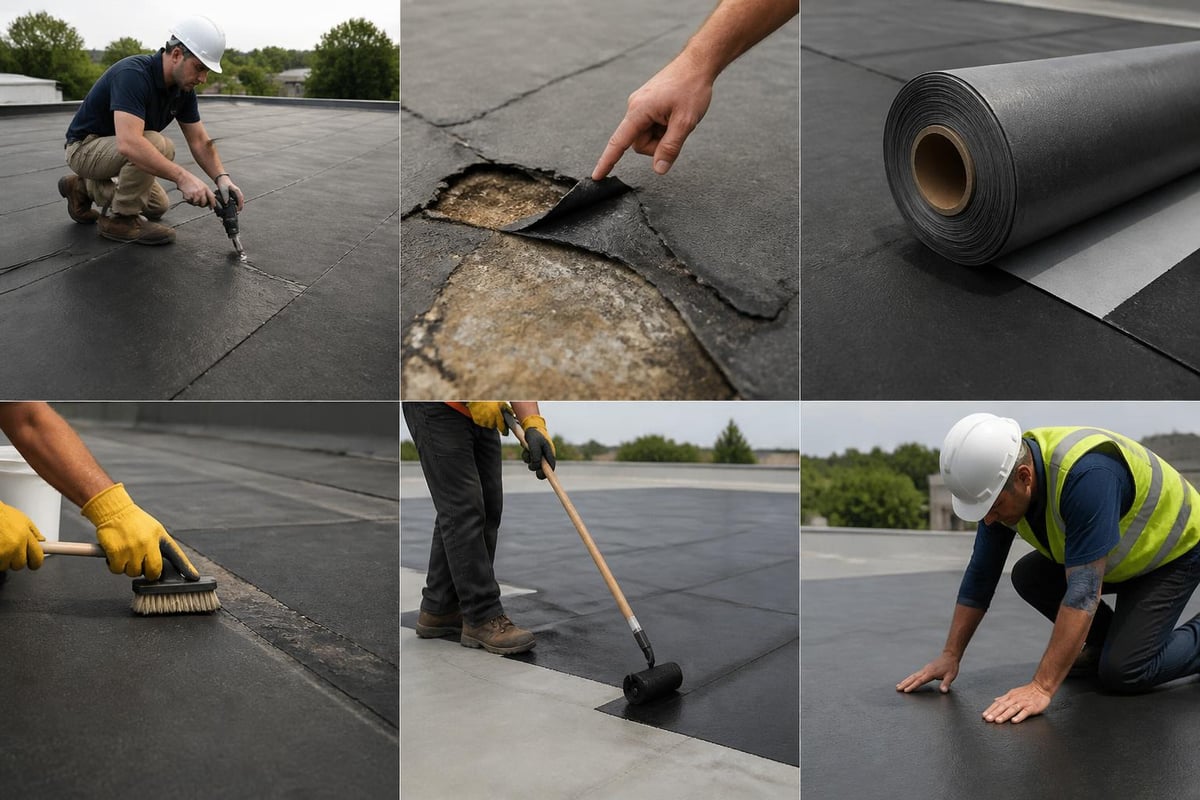
Commercial buildings typically feature low-slope or flat roofing systems constructed from TPO, EPDM, modified bitumen, or built-up roofing materials. These systems experience different stress patterns than residential steep-slope roofs and require specialized repair approaches.
Membrane System Repairs
TPO and EPDM single-ply membranes develop leaks at seams, penetrations, and areas with ponding water. Hot-air welding creates permanent seam repairs in TPO systems, while EPDM repairs utilize specialized adhesives or tape systems. Both approaches require surface preparation, material compatibility verification, and proper overlap dimensions to ensure watertight results.
For property managers seeking reliable commercial roof repairs, understanding these material-specific requirements helps evaluate contractor qualifications and proposal accuracy.
Modified Bitumen and Built-Up Roofing
These multi-layer systems develop blisters, cracks, and surface deterioration over time. Blister repair involves cutting away the damaged area, drying the substrate, applying new layers, and heat-sealing or adhering patches that integrate with surrounding materials.
Crack sealing addresses thermal stress cracks before they propagate. Proper crack repair includes routing the crack to a uniform width, filling with compatible sealant, and reinforcing with fabric and additional coating layers.
| Repair Method | Best For | Typical Lifespan Extension |
|---|---|---|
| Patch repair | Isolated damage points | 3-5 years |
| Section replacement | Localized severe damage | 8-12 years |
| Coating restoration | Widespread surface aging | 5-10 years |
| Full tear-off and replacement | Extensive damage or aged systems | 15-25+ years |
Emergency Repair Solutions
Roof emergencies demand immediate response to prevent escalating damage. Water intrusion spreads rapidly through building materials, compromising ceilings, insulation, electrical systems, and contents.
Temporary Protection Measures
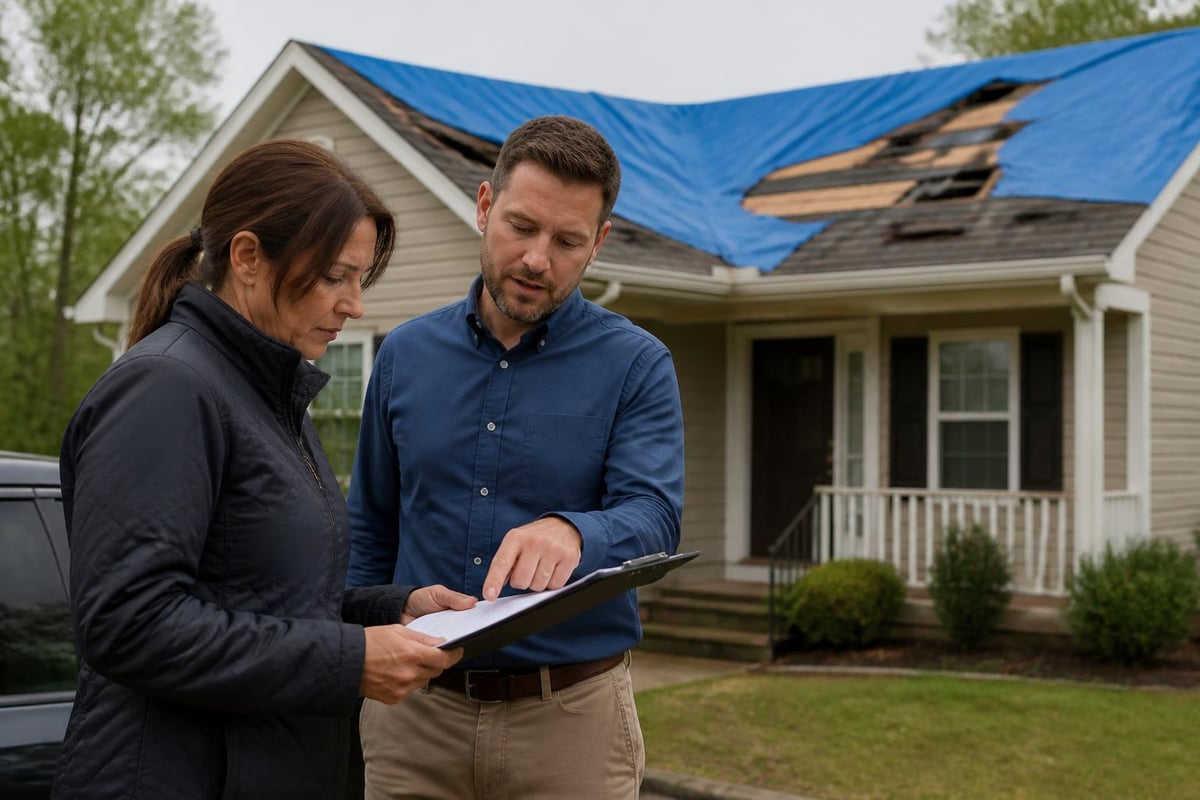
Emergency tarping provides crucial temporary protection when immediate permanent repairs aren't possible. Professional installation secures tarps to withstand wind loads without causing additional roof damage. Proper tarping extends over the ridge line, uses appropriate fastening methods, and creates water-shedding configurations.
Fast-response contractors offer same-day emergency services that stabilize situations until comprehensive repairs can proceed. This immediate action prevents thousands in additional water damage costs.
Rapid Permanent Repairs
Some emergency situations allow for immediate permanent repairs rather than temporary measures. Missing shingles can be replaced quickly in dry conditions. Small flashing failures respond well to targeted resealing. Professional roofing crews carry materials and equipment to execute these repairs without delay.
The value of working with contractors who maintain in-house crews rather than subcontractors becomes evident during emergencies. Direct employee oversight ensures rapid mobilization, consistent quality standards, and clear accountability throughout the repair process.
Repair Versus Replacement Decision Framework
Determining whether roof repair solutions adequately address your situation or full replacement becomes necessary requires systematic evaluation of multiple factors. This decision significantly impacts both immediate costs and long-term building performance.
Age and Condition Assessment
Roofs approaching or exceeding their expected service life rarely benefit from extensive repairs. Asphalt shingle roofs typically last 20-25 years in Texas climates. Metal roofing systems may perform for 40-50 years with proper maintenance. Commercial membrane systems generally require replacement after 15-30 years depending on material type and maintenance history.
When existing roofs have surpassed 75% of their expected lifespan, replacement usually offers better value than major repairs. The comprehensive analysis from National Roof Authority examines structural, regulatory, and economic factors influencing this critical decision.
Extent of Damage Evaluation
Damage affecting more than 30% of total roof area typically justifies replacement consideration. Multiple leak points scattered across the roof indicate systemic failure rather than isolated problems. Widespread granule loss, curling shingles, or membrane brittleness signal material degradation that repairs cannot reverse.
Localized damage confined to specific areas responds well to targeted roof repair solutions. Storm damage concentrated on one slope, flashing failures around a few penetrations, or mechanical damage in a defined section can be repaired cost-effectively when surrounding materials remain sound.
Financial Considerations
Beyond simple cost comparison, several financial factors influence the repair-versus-replace decision:
- Insurance coverage: Storm damage often qualifies for insurance claim support, potentially covering replacement costs
- Energy efficiency: New roofing systems significantly reduce cooling costs through improved insulation and reflective properties
- Property value: Complete roof replacement enhances market value and buyer confidence more than repair history
- Warranty coverage: New installations include comprehensive manufacturer and labor warranties
- Tax implications: Certain energy-efficient roofing improvements may qualify for tax credits
Property owners should request detailed documentation of damage extent, repair scope recommendations, and cost projections for both repair and replacement options. This information enables informed decisions aligned with financial circumstances and building objectives.
Storm and Hail Damage Considerations
Texas weather patterns subject roofs to severe hail, high winds, and intense storms that create unique damage patterns. Understanding these specific challenges helps property owners select appropriate roof repair solutions and navigate insurance claims effectively.
Hail Impact Documentation
Hail damage assessment requires trained eyes to identify subtle bruising that affects long-term performance. Surface impacts compress asphalt shingles, fracturing the mat and dislodging protective granules. This damage may not create immediate leaks but accelerates deterioration and voids manufacturer warranties.
Professional documentation includes:
- Detailed photo records showing impact patterns and severity
- Test square analysis examining multiple roof planes
- Collateral damage identification (gutters, vents, flashing)
- Written reports compatible with insurance adjuster requirements
For comprehensive assistance with insurance processes, property owners benefit from Storm and Hail Damage Restoration services that include damage assessment, claim documentation, and restoration coordination.
Wind Damage Patterns
High winds create progressive damage that worsens with subsequent weather events. Initial wind episodes lift shingle edges and break sealant bonds. Follow-up storms penetrate these compromised areas, tearing away larger sections and exposing underlayment. This progressive pattern makes prompt repairs critical to preventing escalation.
Material Selection for Roof Repairs
Matching repair materials to existing roof components ensures compatibility, performance, and aesthetic consistency. Material mismatches create weak points where different expansion rates, chemical compositions, or physical properties interact poorly.
Shingle Matching Considerations
Asphalt shingle manufacturers frequently update product lines, discontinuing colors and styles. Finding exact matches for repairs can be challenging on roofs more than five years old. Professional roofing contractors maintain relationships with suppliers and carry discontinued stock specifically for repair matching.
When exact matches aren't available, several strategies maintain acceptable results:
- Blend repairs across full roof planes to distribute color variation
- Use hip and ridge repairs where slight mismatches are less visible
- Replace full slopes rather than creating patchwork appearances
- Document manufacturer specifications for closest available alternatives
Commercial Membrane Compatibility
TPO, EPDM, PVC, and other membrane materials require compatible repair materials. Using incorrect adhesives, sealants, or patching membranes can create chemical reactions that accelerate failures rather than correcting problems. Manufacturers provide detailed compatibility guides specifying approved repair products for each membrane type.
Contractor Selection for Quality Repairs
The success of any roof repair solution depends heavily on contractor expertise, materials quality, and installation precision. Selecting qualified professionals protects your investment and ensures repairs perform as intended.
Verification and Credentials
Licensed contractors carry proper insurance coverage protecting property owners from liability. Manufacturer certifications demonstrate training in specific product installation and repair methods. Industry association memberships indicate commitment to professional standards and ongoing education.
Request documentation verifying:
- Current licensing for your state and municipality
- Liability insurance with appropriate coverage limits
- Workers compensation protecting against on-site injury claims
- Manufacturer certifications for products specified in your project
- References from recent projects similar to your needs
In-House Crews Versus Subcontractors
Contractors using in-house employees rather than subcontractors provide several advantages. Direct supervision ensures consistent quality standards across all projects. Communication flows directly between office staff and field crews. Accountability remains clear when questions or concerns arise. Warranty service receives prompt attention from crews familiar with the original work.
The difference becomes particularly evident during complex repairs requiring coordination between multiple trades or when emergency situations demand rapid response. In-house crews mobilize faster and execute with greater consistency than subcontracted labor arrangements.
Preventive Maintenance and Inspection Programs
Proactive roof maintenance extends service life, identifies minor issues before they escalate, and preserves warranty coverage. Regular inspection and maintenance programs represent cost-effective roof repair solutions that prevent major expenses.
Scheduled Inspection Protocols
Professional roof inspections should occur:
- Annually for routine condition assessment
- After severe weather events to identify storm damage
- Before and after winter to address ice dam risks and verify drainage
- Prior to property transactions for real estate due diligence
- When preparing insurance renewals to document condition
Inspections generate detailed reports documenting current conditions, identifying deficiencies, and recommending corrective actions. These records create maintenance histories valuable for insurance claims and property value documentation. Property owners can learn more about roof repair services near me that include comprehensive inspection protocols.
Maintenance Activities That Prevent Major Repairs
Regular maintenance activities preserve roof performance and identify problems early:
- Debris removal prevents drainage blockages and moisture retention
- Flashing inspection and resealing addresses common leak sources
- Fastener verification ensures wind resistance ratings remain valid
- Gutter and downspout cleaning maintains proper water evacuation
- Sealant inspection around penetrations catches deterioration before leaks develop
| Maintenance Task | Frequency | Prevents |
|---|---|---|
| Debris removal | Quarterly | Drainage issues, moisture retention, pest infestation |
| Flashing inspection | Annually | Penetration leaks, transition failures |
| Sealant verification | Annually | Fastener leaks, joint separation |
| Drainage check | Quarterly | Ponding water, membrane degradation |
| Surface inspection | Bi-annually | Undetected storm damage, material deterioration |
Documentation and Warranty Protection
Proper documentation throughout the repair process protects your investment and preserves legal recourse if problems develop. Comprehensive records also support insurance claims and property value assertions.
Pre-Repair Documentation
Before repairs begin, document existing conditions thoroughly. Photograph damage from multiple angles showing context and detail. Request written scope of work specifying materials, methods, affected areas, and exclusions. Obtain detailed cost breakdowns separating labor, materials, and disposal fees.
This documentation establishes baseline conditions and creates accountability for scope completion. When disputes arise about work quality or completeness, pre-repair records provide objective reference points.
Post-Repair Verification
After completion, verify all scope items were addressed properly. Inspect worksite cleanup and material disposal. Request warranty documentation covering both labor and materials. Obtain final photographs showing completed work. Secure receipts and invoices for your permanent records.
Many roof repair solutions carry warranties ranging from one to ten years depending on work type and materials used. Understanding warranty terms, coverage limitations, and claim procedures ensures you can access protection if premature failures occur. The National Roofing Directory’s comprehensive guide covers essential warranty considerations and contractor selection criteria.
Insurance Claim Support for Roof Repairs
Storm damage often qualifies for insurance coverage, but successfully navigating claims requires understanding policy language, documentation requirements, and adjuster expectations. Strategic claim management maximizes coverage while minimizing out-of-pocket expenses.
Damage Documentation Requirements
Insurance adjusters require specific documentation proving damage extent and cause. Professional roofing contractors experienced in insurance work provide:
- Detailed damage assessments identifying all affected components
- Photo documentation showing damage patterns consistent with covered events
- Material specifications and cost estimates using recognized pricing databases
- Comparative analysis of repair versus replacement economics
- Technical reports explaining damage mechanisms and necessary corrections
Thorough documentation prevents claim denials based on insufficient evidence. It also supports negotiations when initial adjuster assessments undervalue actual repair needs. Resources like InspectAPedia offer extensive guidance on roof damage assessment and documentation standards.
Adjuster Coordination Strategies
Working effectively with insurance adjusters requires understanding their perspective and constraints. Adjusters must verify damage relates to covered events, confirm repair necessity, and validate cost reasonableness. Providing clear evidence addressing these concerns facilitates claim approval.
Professional roofing contractors often attend adjuster site visits, pointing out damage details and explaining technical aspects. This collaborative approach typically produces more accurate damage assessments than adversarial relationships. When disputes arise, contractors can provide supplemental documentation supporting claim revisions.
Selecting appropriate roof repair solutions requires careful assessment of damage type, extent, and underlying causes combined with realistic evaluation of building age, material condition, and long-term performance needs. Whether addressing emergency storm damage, planning preventive maintenance, or deciding between repair and replacement, informed decisions protect your property investment and ensure reliable performance for years ahead. When you need expert guidance backed by proven craftsmanship, Texcore Construction delivers comprehensive roofing solutions throughout the Fort Worth area with in-house crews, transparent communication, and five-year labor warranties on every project.