
Finding Flat Roofing Companies Near Me
Searching for "flat roofing companies near me" typically signals an urgent need-whether you're managing a commercial property with an active leak, planning a building expansion, or dealing with storm damage on your warehouse. Flat roofing systems require specialized knowledge that differs significantly from pitched residential roofing, and choosing the right contractor can mean the difference between a roof that performs reliably for decades and one that becomes a constant source of problems and expense. This guide walks you through everything you need to know about finding, vetting, and hiring qualified flat roofing professionals in your area.
Understanding Flat Roofing System Types
Before you start calling contractors, knowing which flat roofing system suits your building helps you ask better questions and evaluate proposals more effectively. Different materials perform better in different climates and building applications.
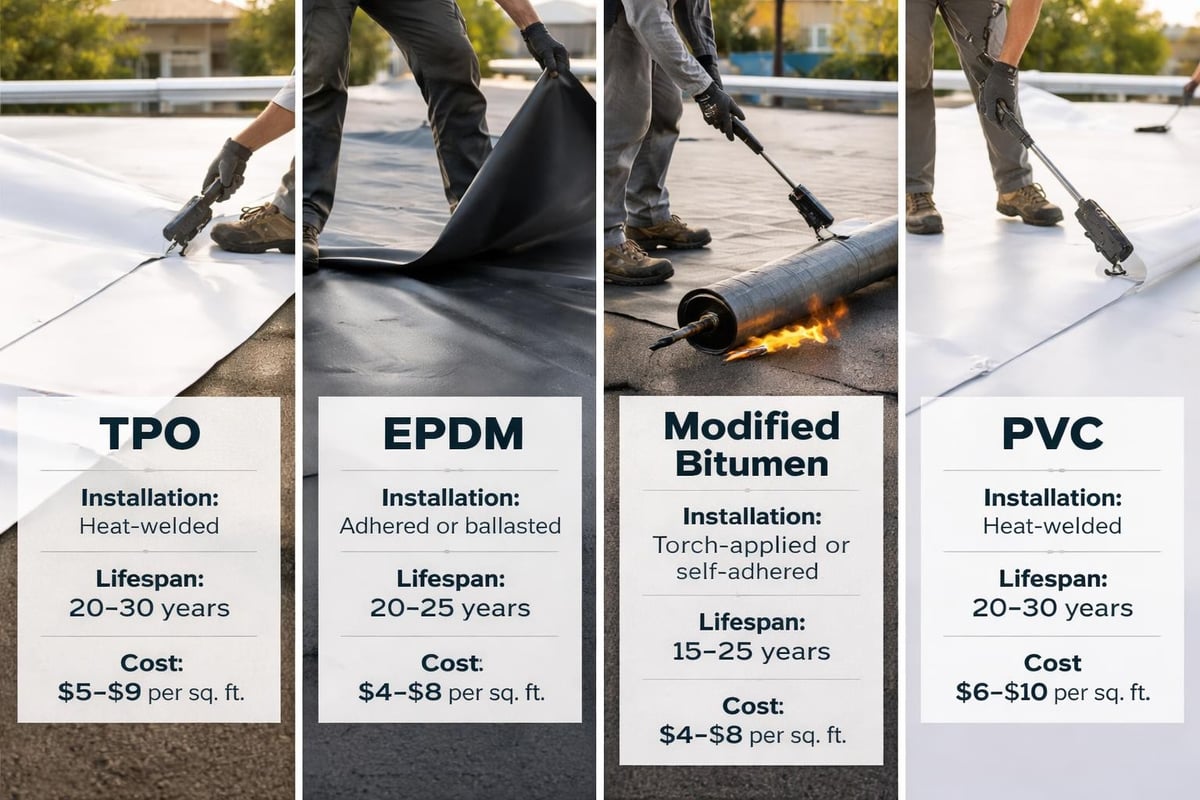
TPO (Thermoplastic Polyolefin) has become the most popular choice for commercial buildings due to its heat-reflective white surface, durability, and relatively straightforward installation. The seams are heat-welded, creating watertight bonds that resist weather penetration.
EPDM (Ethylene Propylene Diene Monomer) rubber roofing offers excellent longevity and weather resistance at a lower price point than many alternatives. This black rubber membrane performs well in all climates and can last 30 years or more with proper maintenance.
Modified Bitumen systems combine traditional built-up roofing technology with modern polymer modifications. These systems often feature a granulated cap sheet that provides UV protection and can be installed through torch-down, cold adhesive, or self-adhered methods.
Commercial Versus Residential Applications
While most flat roofing projects involve commercial buildings, some residential properties-particularly modern architectural designs-incorporate flat or low-slope sections. Commercial projects typically involve larger square footage, more complex drainage systems, and stricter building codes. Residential flat roofs often require integration with traditional pitched sections and may need special attention to aesthetic considerations.
When searching for flat roofing companies near me, verify that contractors have experience with your specific building type. A company that excels at 50,000-square-foot warehouse reroofs might not be the best choice for a 1,200-square-foot residential flat roof addition, and vice versa.
| Building Type | Typical Systems | Key Considerations |
|---|---|---|
| Office Buildings | TPO, PVC | Energy efficiency, minimal disruption |
| Warehouses | EPDM, Modified Bitumen | Cost-effectiveness, durability |
| Retail Centers | TPO, PVC | Aesthetic appeal, warranty requirements |
| Residential | Modified Bitumen, EPDM | Integration with existing architecture |
What to Look for in Local Contractors
Proper licensing and insurance represent the absolute minimum requirements when evaluating flat roofing companies near me. Request copies of both general liability insurance and workers' compensation coverage, then verify these documents directly with the insurance carriers. If a contractor balks at providing this documentation, eliminate them from consideration immediately.
Credentials That Matter
Beyond basic licensing, several credentials indicate a contractor's commitment to quality and ongoing education. Manufacturer certifications from companies like GAF Materials Corporation or Owens Corning demonstrate that crews have received specialized training in specific roofing systems. These certifications often unlock enhanced warranty options for building owners.
NRCA (National Roofing Contractors Association) membership suggests a contractor stays current with industry standards and best practices. While membership alone doesn't guarantee quality work, it indicates a level of professional commitment worth noting.
Look for contractors who use in-house crews rather than subcontractors. Companies that maintain their own teams typically deliver more consistent quality, clearer communication, and better accountability throughout your project. This approach also simplifies liability questions if issues arise during or after installation.
Evaluating Experience and Specialization
Years in business matters, but relevant experience matters more. A contractor with three decades installing residential shingle roofs may struggle with commercial flat roofing if they've only recently entered that market segment. Ask specifically about their flat roofing portfolio:
- How many flat roof installations have they completed in the past 24 months?
- What percentage of their business focuses on flat roofing versus other types?
- Can they provide references from similar projects?
- Do they have experience with your preferred roofing system?
Request detailed case studies or project summaries that demonstrate their capability with buildings similar to yours. Photos of completed work help, but documentation showing how they addressed challenges provides better insight into their problem-solving abilities.
The Inspection and Proposal Process
Quality flat roofing companies near me will insist on thorough roof inspections before providing detailed proposals. Be wary of contractors who quote prices over the phone or base estimates solely on square footage without examining your actual roof condition.
A comprehensive inspection should evaluate substrate condition, existing drainage patterns, penetrations, flashing details, and any structural concerns. The inspector should use moisture meters or infrared technology to identify trapped water in the existing roof system-a critical factor in determining whether a full tearoff is necessary or if a roof-over installation might work.
Understanding Proposal Components
Professional proposals break down costs clearly and include specific material specifications, not just generic categories. Instead of "TPO membrane," a detailed proposal specifies membrane thickness (45 mil, 60 mil, 80 mil), manufacturer and product line, attachment method, and insulation specifications.
Labor costs should appear separately from materials, giving you transparency into both components. This breakdown becomes especially important when comparing bids from different contractors. A low bid might reflect substandard materials rather than competitive pricing.
Warranty terms deserve careful attention. Most flat roofing systems include both manufacturer warranties (covering material defects) and contractor workmanship warranties (covering installation errors). Typical manufacturer warranties range from 10 to 30 years, while labor warranties vary from one to ten years. Companies confident in their installation quality offer longer labor warranty periods.

Pricing Factors and Budget Considerations
Flat roof replacement costs vary significantly based on multiple factors. Understanding these variables helps you evaluate whether quotes you receive fall within reasonable ranges or represent either lowball bids or excessive pricing.
Primary Cost Drivers
Roof size obviously impacts total cost, but per-square-foot pricing often decreases as project size increases. A 10,000-square-foot commercial roof might cost $6-8 per square foot installed, while a smaller 2,000-square-foot residential flat roof could run $9-12 per square foot for the same materials.
System selection creates substantial price differences. Basic EPDM installations typically cost less than premium PVC systems. Modified bitumen falls somewhere in the middle. However, the cheapest option isn't always the best value when you factor in expected lifespan and energy performance.
Existing roof removal adds significant expense to projects requiring complete tearoffs. Disposal fees, labor for removal, and potential substrate repairs all increase total investment. Some situations allow new roofing installation over existing layers, reducing costs but also limiting warranty options with some manufacturers.
Insulation upgrades represent smart long-term investments, especially on older commercial buildings with minimal or deteriorated insulation. Modern building codes often require specific R-values, potentially mandating insulation upgrades during reroofing projects. For property owners concerned about insurance documentation, understanding how to claim roof leaks on insurance can help offset some project costs.
| Project Scope | Price Range (per sq ft) | Typical Timeline |
|---|---|---|
| EPDM Replacement | $6.50 – $9.50 | 3-7 days |
| TPO Installation | $7.00 – $11.00 | 4-8 days |
| Modified Bitumen | $6.00 – $9.00 | 3-6 days |
| PVC Premium System | $9.00 – $14.00 | 5-10 days |
Getting Multiple Quotes
Industry experts recommend obtaining three to five detailed quotes when searching for flat roofing companies near me. This range provides adequate comparison data without overwhelming your decision-making process. Schedule all inspections within a concentrated timeframe to ensure quotes reflect current material costs-roofing material prices can fluctuate significantly based on petroleum costs and supply chain factors.
Beware of quotes that deviate dramatically from the middle range. A bid coming in 40% lower than others likely cuts corners through inferior materials, inadequate preparation, or unrealistic labor estimates. Conversely, the highest bid doesn't automatically deliver superior quality-some contractors simply charge premium rates without offering commensurate value.
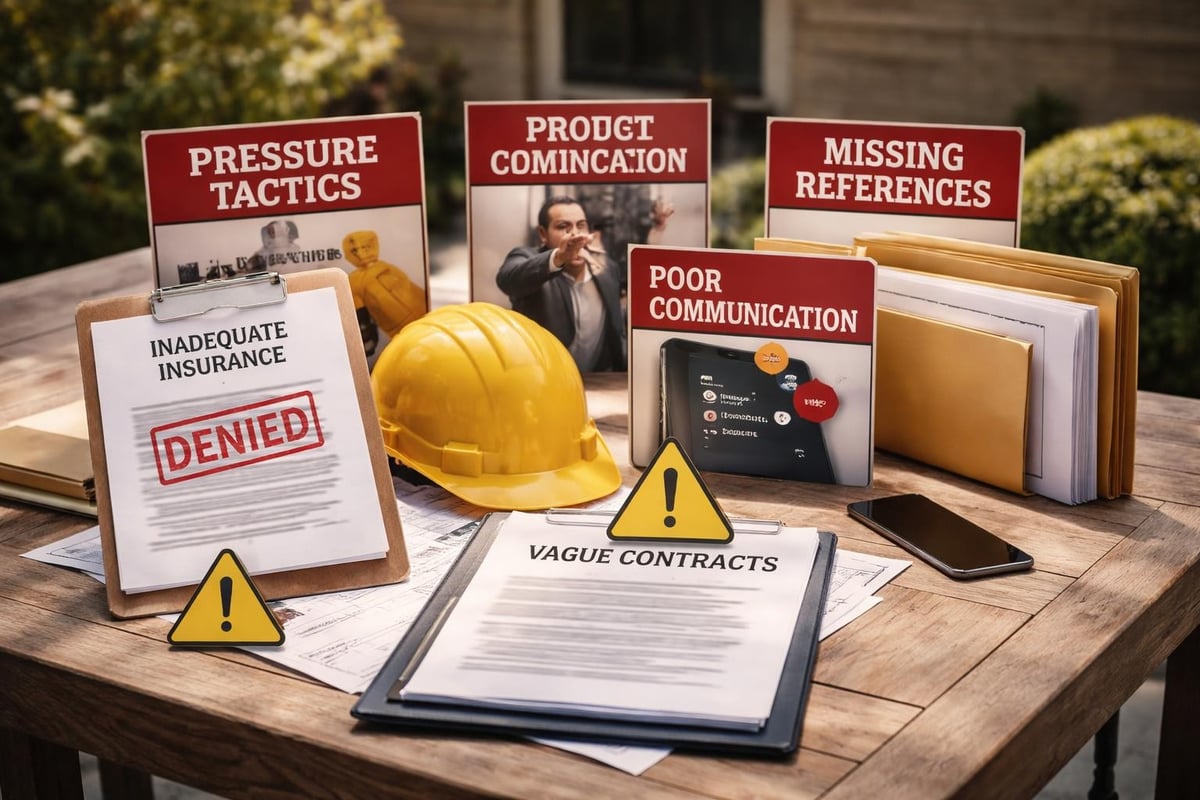
Red Flags and Warning Signs
Certain contractor behaviors should immediately raise concerns during your search for flat roofing companies near me. Recognizing these warning signs protects you from costly mistakes and substandard work.
Pressure Tactics and Limited-Time Offers
Legitimate roofing contractors don't need to pressure property owners into immediate decisions. High-pressure sales tactics-"this price is only good if you sign today"-typically indicate companies more focused on closing sales than delivering quality work. Quality contractors understand that significant roofing investments require careful consideration and won't penalize you for taking time to evaluate options.
Requests for large upfront deposits beyond reasonable material ordering costs merit scrutiny. Standard practice involves a modest deposit (10-25% of project cost) to secure scheduling and order materials, with the bulk of payment due upon satisfactory completion. Contractors demanding 50% or more upfront may have cash flow problems or lack confidence in their ability to satisfy clients.
Incomplete or Missing Documentation
Professional contractors provide comprehensive written proposals, detailed contracts, proof of insurance, and clear warranty documents. Any reluctance to provide these materials in writing suggests potential problems. Verbal agreements mean nothing when disputes arise-everything should be documented.
According to best practices for flat roof assemblies, proper documentation also extends to installation procedures. Contractors should follow manufacturer specifications precisely and provide you with installation documentation that may be required for warranty activation.
Lack of local references represents another concern. Established contractors maintain relationships with satisfied clients willing to serve as references. A contractor unable or unwilling to provide local references may be new to your market or have a history of dissatisfied customers.
Verifying Contractor Reputation
Online research provides valuable insights but requires careful evaluation. Not all review platforms carry equal weight, and some contractors manipulate ratings through fake reviews or by pressuring satisfied customers to post while ignoring dissatisfied ones.
Where to Research Contractors
Start with the Better Business Bureau (BBB), which tracks complaint history and resolution patterns. A clean BBB record with accreditation suggests reliability, though absence of BBB accreditation doesn't necessarily indicate problems-many quality contractors simply choose not to participate.
Google Business reviews offer recent customer feedback, though these can be manipulated. Look for detailed reviews that discuss specific aspects of the contractor's work rather than generic praise. Recent reviews (within the past 12 months) carry more weight than outdated feedback from years ago.
Check national roofing company directories that list established contractors by region and specialty. These curated lists often require verification of credentials and maintain quality standards for inclusion.
Direct Reference Checks
Don't skip the step of actually calling references. Prepare specific questions about project timeline accuracy, communication quality, cleanup practices, and how the contractor handled any issues that arose. Ask whether the reference would hire the contractor again-the most telling question you can pose.
- Did the crew arrive on time and work full days?
- How did the contractor communicate progress and any unexpected issues?
- Did the final cost match the quoted price?
- How thoroughly did they clean up daily and upon completion?
- Has the roof performed as expected since installation?
Request references from projects completed 2-5 years ago, not just recent work. This timeframe reveals whether installations hold up over time or develop premature failures.
Installation Quality Standards
Understanding what separates quality installations from substandard work helps you monitor your project and ask informed questions. Flat roofing success depends heavily on proper execution of critical details that casual observers might overlook.
Critical Installation Elements
Substrate preparation forms the foundation for long-term roof performance. Contractors should address any damaged decking, ensure proper slope for drainage (minimum 1/4 inch per foot), and create a clean, dry surface for new roofing installation. Rushing this step causes countless problems down the road.
Seam integrity represents the most critical factor in watertight performance. Whether heat-welded TPO seams, adhered EPDM seams, or torch-down modified bitumen, proper seam construction requires training, appropriate equipment, and quality control testing. Reputable contractors test seam strength throughout installation rather than hoping everything bonded correctly.
Flashing details around penetrations, edges, and transitions determine whether water finds entry points into your building. Proper flashing requires precision cutting, multiple layers of protection, and strict adherence to manufacturer specifications. This labor-intensive work separates skilled professionals from corner-cutting crews.
Companies specializing in commercial roofing systems understand these critical installation elements and maintain quality control protocols throughout every project phase.
Project Timeline Expectations
Flat roof installation timelines vary based on project size, weather conditions, and system complexity. Understanding realistic timeframes helps you plan around business operations and recognize when delays indicate problems versus normal project progression.
Small to medium commercial roofs (5,000-15,000 square feet) typically require 3-7 working days for complete replacement. Larger warehouses or multi-building complexes extend to several weeks. Weather delays represent the primary unpredictable factor-roofing contractors cannot install most flat roofing systems during rain or when moisture is present on the substrate.
Minimizing Business Disruption
Quality contractors develop installation strategies that minimize impact on your operations. This might involve working sections of the roof at a time, scheduling noisy work during off-hours, or coordinating with your team to avoid disruption during critical business periods.
Discuss disruption management during the proposal phase. Contractors experienced with occupied commercial buildings understand the importance of clear communication, controlled access, and daily cleanup. They should provide advance notice of particularly disruptive work phases and coordinate with building management to address concerns.
Safety protocols matter both for worker protection and your liability exposure. Professional crews maintain clean work areas, establish clear perimeters, and follow OSHA requirements. Sloppy job sites with tools and materials scattered everywhere indicate poor management and increase accident risk.
Maintenance and Long-Term Performance
The relationship with flat roofing companies near me shouldn't end when installation finishes. Establishing maintenance relationships extends roof life significantly and helps you identify small issues before they become major problems.
Most flat roofing manufacturers require documented maintenance to maintain warranty coverage. Typical requirements include semi-annual inspections, debris removal, drain clearing, and prompt repairs of any identified issues. Contractors who offer maintenance programs make compliance simple while protecting your investment.
Proactive Maintenance Benefits
Regular inspections identify problems like ponding water, membrane deterioration, or failing seams while repairs remain minor and inexpensive. Waiting until leaks develop often means more extensive damage requiring costlier repairs.
Drain and scupper maintenance prevents water backup that stresses roofing membranes and can lead to catastrophic failures. Simple drain cleaning costs a fraction of water damage repairs.
Minor repairs addressed promptly prevent progressive damage. A small puncture in the membrane can be patched inexpensively, but if left unaddressed, water penetration damages insulation and substrate, multiplying repair costs.
For comprehensive guidance on maintaining various roofing types, resources about metal roof maintenance offer insights applicable to proper care protocols across different commercial roofing systems.
Storm Damage and Emergency Services
Living in areas prone to severe weather makes emergency response capabilities a crucial factor when selecting flat roofing companies near me. Hail, high winds, and heavy rainfall can damage even well-maintained flat roofs, requiring immediate attention to prevent interior damage.
Emergency Response Capabilities
24/7 availability for emergency leak response separates full-service contractors from companies that disappear when urgent needs arise. Active leaks can cause thousands of dollars in interior damage within hours, making rapid response critical.
Temporary protection services like emergency tarping stop water intrusion while permanent repairs are scheduled. This interim step prevents damage escalation and demonstrates a contractor's commitment to client protection beyond just securing new installation contracts.
Verify emergency contact procedures during the selection process. Will you reach an answering service that pages an on-call technician, or does someone actually answer emergency calls 24/7? How quickly do they typically arrive for emergency calls? What's their approach to temporary repairs versus permanent solutions?
| Emergency Service | Response Time | Typical Cost |
|---|---|---|
| Emergency Tarping | 2-4 hours | $500-$1,500 |
| Temporary Patch | 4-8 hours | $300-$800 |
| Emergency Leak Repair | Same day | $750-$2,500 |
| Storm Damage Assessment | 24-48 hours | Often free with repair |
Understanding the insurance claims process for roofing helps you navigate storm damage situations more effectively and supporting your insurance claim with thorough documentation for necessary repairs.
Making Your Final Decision
After gathering quotes, checking references, and evaluating contractors, making your final selection requires balancing multiple factors. Price matters but shouldn't drive decisions alone. The cheapest option frequently costs more in the long run through premature failures, poor workmanship, or inadequate warranties.
Decision-Making Framework
Value versus cost represents the crucial distinction. A contractor charging 15% more than the lowest bid but offering superior materials, longer warranties, and proven reliability delivers better value. Calculate total cost of ownership over the roof's expected lifespan rather than focusing solely on initial investment.
Communication quality during the sales and estimation process predicts how contractors will communicate during your project. Did they return calls promptly? Answer questions clearly? Provide detailed written information? These behaviors continue throughout your working relationship.
Gut feeling shouldn't be dismissed. If something feels off about a contractor despite acceptable credentials and pricing, trust that instinct. You'll work closely with this company during your project and potentially for years of maintenance-comfort with their professionalism and integrity matters.
Schedule final meetings with your top two or three candidates. Ask any remaining questions, clarify contract terms, and discuss project-specific concerns. This final interaction often reveals which contractor truly understands your needs and will prioritize your satisfaction.
For comprehensive flat roofing services backed by in-house crews and transparent communication, exploring professional flat roof repair options provides insight into how experienced contractors approach both emergency repairs and planned replacements.
Finding the right flat roofing contractor requires careful evaluation of credentials, experience, and communication practices rather than simply choosing the lowest bid. Property owners who invest time in thorough vetting and clear communication with qualified contractors protect their buildings with reliable roofing systems built to last. Whether you need emergency repairs or planned replacement, Texcore Construction delivers expert flat roofing solutions throughout the Fort Worth area with in-house crews, transparent documentation, and a five-year labor warranty backing every project.