Industrial Roofing: Systems, Materials & Best Practices
Industrial facilities demand roofing solutions that go far beyond residential standards. These structures house critical operations, valuable equipment, and essential supply chains that cannot tolerate weather-related interruptions. Whether you manage a distribution center, manufacturing plant, or warehouse, understanding the complexities of industrial roofing helps protect your investment and maintain operational continuity. From material selection to maintenance protocols, every decision impacts your facility's long-term performance, energy efficiency, and bottom line.
Understanding Industrial Roofing Requirements
Industrial roofing systems must withstand demands that typical commercial buildings rarely face. These facilities often span vast footprints measuring tens of thousands of square feet, creating unique structural and drainage challenges.
The loads placed on industrial roofs differ significantly from other building types. Heavy HVAC equipment, ventilation systems, solar arrays, and maintenance walkways add concentrated weight that standard roofing systems cannot support. Temperature fluctuations from manufacturing processes create expansion and contraction cycles that stress roofing membranes and seams.
Structural Considerations
Load-bearing capacity represents the foundation of any industrial roofing decision. Facilities must account for:
- Snow accumulation and rain pooling across expansive flat surfaces
- Equipment weight including multiple HVAC units and industrial fans
- Maintenance personnel accessing the roof regularly
- Future additions such as solar panel installations or upgraded ventilation systems
Building codes mandate specific load requirements, but savvy facility managers plan beyond minimum standards. The guide to industrial roofing systems emphasizes that proper structural assessment prevents costly retrofitting and ensures safety compliance throughout the roof's lifespan.
Environmental Exposure Factors
Fort Worth industrial facilities face specific environmental challenges that accelerate roof deterioration. Intense summer heat, severe thunderstorms, and occasional hail events test roofing materials year-round.
UV radiation breaks down certain membrane types faster than others. Industrial roofs with minimal shade exposure need materials engineered specifically for prolonged sun contact. Chemical exposure from manufacturing processes, industrial exhaust, or nearby facilities also influences material selection.
Common Industrial Roofing Systems
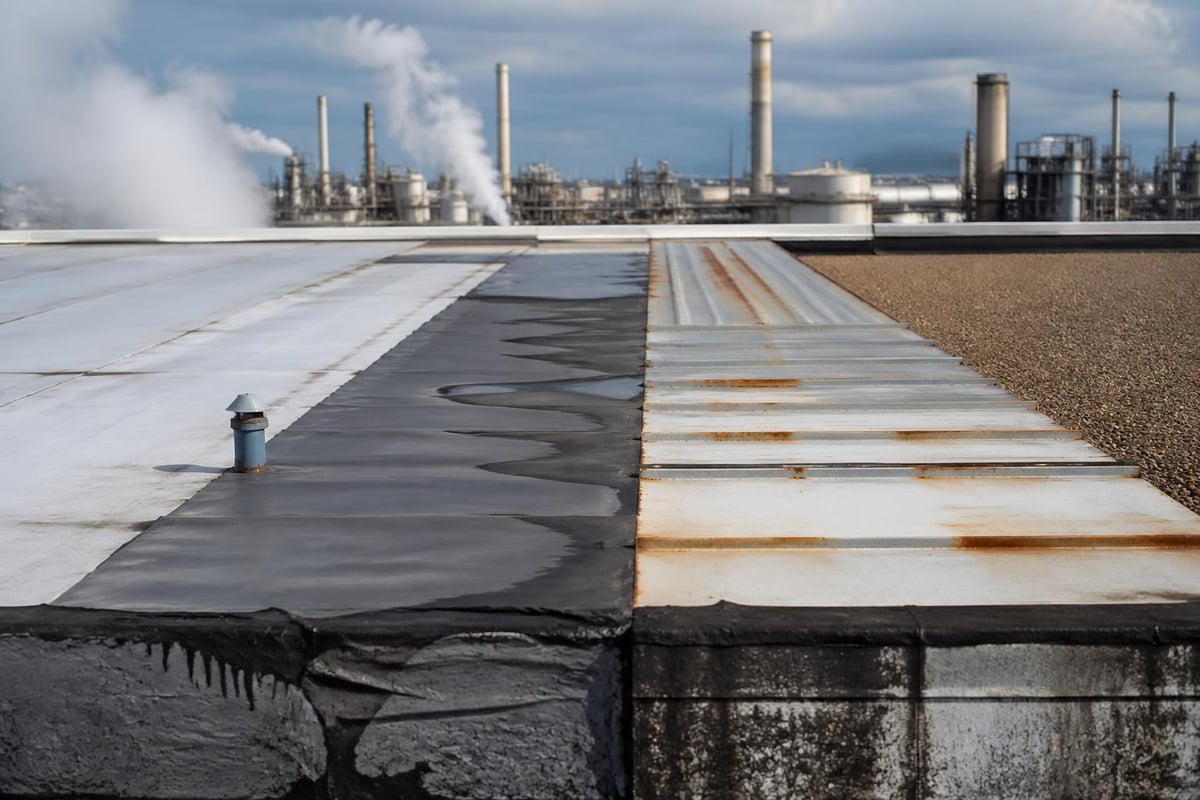
Different facilities require different approaches. Understanding industrial roofing types helps property managers match systems to operational needs and budget constraints.
| Roofing System | Typical Lifespan | Best Applications | Key Advantage |
|---|---|---|---|
| TPO Single-Ply | 15-20 years | Warehouses, distribution centers | Energy efficiency, reflectivity |
| EPDM Rubber | 20-25 years | Manufacturing, general industrial | Durability, weather resistance |
| Modified Bitumen | 15-20 years | Heavy equipment facilities | Puncture resistance, flexibility |
| Metal Systems | 30-50 years | Coastal, high-moisture areas | Longevity, minimal maintenance |
| Built-Up Roofing (BUR) | 20-30 years | High-traffic roof access | Multi-layer protection |
Single-Ply Membrane Systems
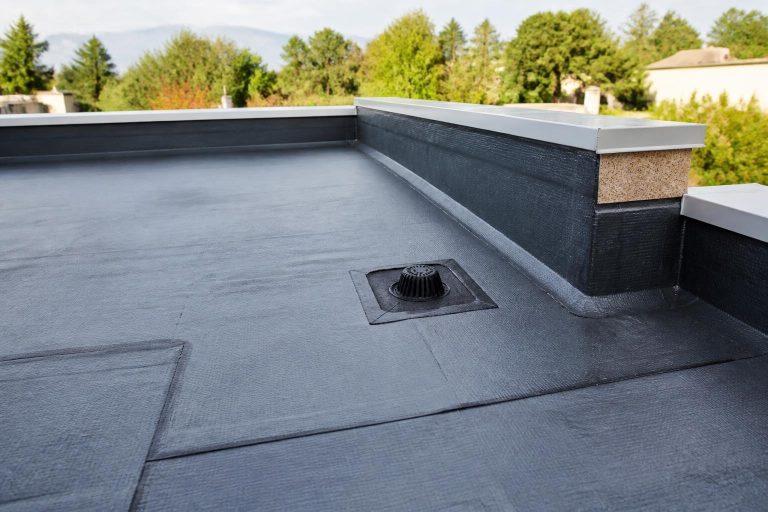
TPO and EPDM membranes dominate modern industrial installations because of installation speed and proven performance. These systems arrive in large rolls, allowing crews to cover substantial areas quickly while minimizing seams.
TPO's white or light-colored surface reflects solar radiation effectively. This reflectivity reduces cooling costs substantially in facilities with temperature-controlled environments. The heat-welded seams create watertight bonds stronger than the membrane itself.
EPDM provides exceptional resistance to temperature extremes and chemical exposure. Its dark color absorbs more heat, which can benefit facilities in colder climates or those with heating concerns during winter months.
Modified Bitumen Solutions
Modified bitumen combines the proven performance of traditional built-up roofing with modern polymer technology. This system excels in industrial settings with heavy foot traffic or equipment installations requiring frequent roof access.
The reinforced layers resist punctures from dropped tools, maintenance activities, and debris impact. Multiple application methods including torch-applied, cold-applied, and self-adhered options give contractors flexibility based on facility operations and fire code restrictions.
Metal Roofing Systems
Standing seam metal roofs deliver unmatched longevity for industrial applications. These systems handle significant snow loads, resist wind uplift, and require minimal maintenance over decades of service.
Corrosion resistance makes metal ideal for facilities near coastal areas or those exposed to industrial chemicals. The interlocking panel design accommodates thermal expansion without compromising waterproofing integrity. When properly maintained, metal systems frequently outlast the buildings they protect.
Material Selection Criteria
Choosing the right industrial roofing material requires balancing immediate costs against long-term value. Selecting appropriate materials for industrial roofing projects involves analyzing multiple factors simultaneously.
Climate compatibility tops the priority list. Materials performing excellently in moderate climates may fail prematurely in areas experiencing extreme heat, cold, or moisture. Fort Worth's combination of intense summer heat and occasional severe storms narrows suitable options.
Budget considerations extend beyond initial installation costs. A cheaper material requiring replacement in 15 years often costs more than a premium system lasting 30 years when factoring in business interruption, removal expenses, and inflation.
Performance Requirements
Industrial facilities cannot tolerate roof failures during peak operational periods. Warehouse distribution centers processing holiday shipments or manufacturers meeting production quotas need absolute reliability.
Energy efficiency directly impacts operating expenses. Reflective roof coatings and insulated systems reduce HVAC loads significantly. In large facilities, even small improvements in R-value translate to substantial annual savings.
Fire resistance matters especially in manufacturing environments with combustible materials or hot processes. Class A fire-rated systems provide the highest level of protection and often qualify for insurance premium reductions.
Maintenance Accessibility
Industrial roofing requires regular attention to maximize lifespan. Systems designed for easy inspection and repair reduce long-term maintenance costs.
Some materials allow flat roof repair materials to be applied directly over existing surfaces, eliminating costly tearoffs. Others require complete removal when problems develop, multiplying repair expenses.
Access points for HVAC maintenance, ventilation cleaning, and equipment servicing must be integrated into the roofing design. Properly positioned walkway pads protect the membrane while providing safe routes for maintenance personnel.
Installation Best Practices
Proper installation determines whether an industrial roofing system meets its expected lifespan or fails prematurely. Even premium materials underperform when installed incorrectly.
Pre-Installation Preparation
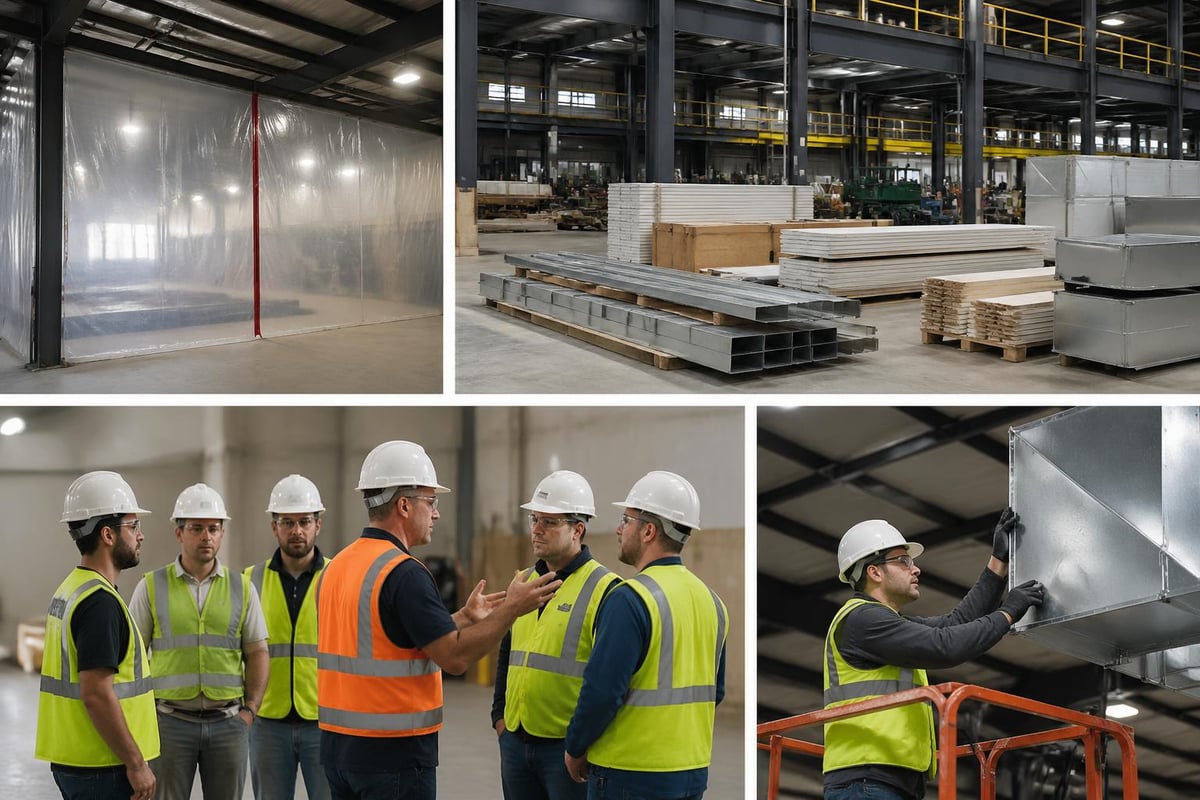
Thorough substrate evaluation identifies potential problems before new roofing installation begins. Structural engineers assess decking integrity, checking for rust, rot, or deflection that could compromise the new system.
Moisture surveys using infrared technology or nuclear moisture detection locate trapped water in existing roof assemblies. Installing new roofing over wet insulation creates ongoing problems and voids most manufacturer warranties.
Facility operations coordination ensures minimal disruption. Industrial facilities rarely shut down completely for roof replacement, requiring careful phasing that maintains production while protecting work areas from weather exposure.
Quality Control Measures
Professional contractors implement rigorous quality control throughout installation. Seam integrity testing verifies that every membrane joint meets manufacturer specifications.
Documentation photographing each installation phase protects both the building owner and contractor. These records prove proper installation procedures should warranty claims arise later.
Third-party inspections by manufacturer representatives ensure compliance with warranty requirements. Many industrial roofing warranties require certified installers and documented quality assurance protocols.
Maintenance and Longevity Strategies
Proactive maintenance extends industrial roofing lifespan significantly. Maximizing the lifespan of industrial roof sheets and cladding through systematic care prevents minor issues from becoming major failures.
Regular Inspection Schedules
Quarterly inspections catch developing problems early when repairs remain simple and inexpensive. Trained technicians check:
- Membrane condition including tears, punctures, or deterioration
- Seam integrity particularly around high-stress areas
- Drainage systems for blockages or standing water
- Flashing conditions at penetrations and perimeters
- Fastener tightness and corrosion signs
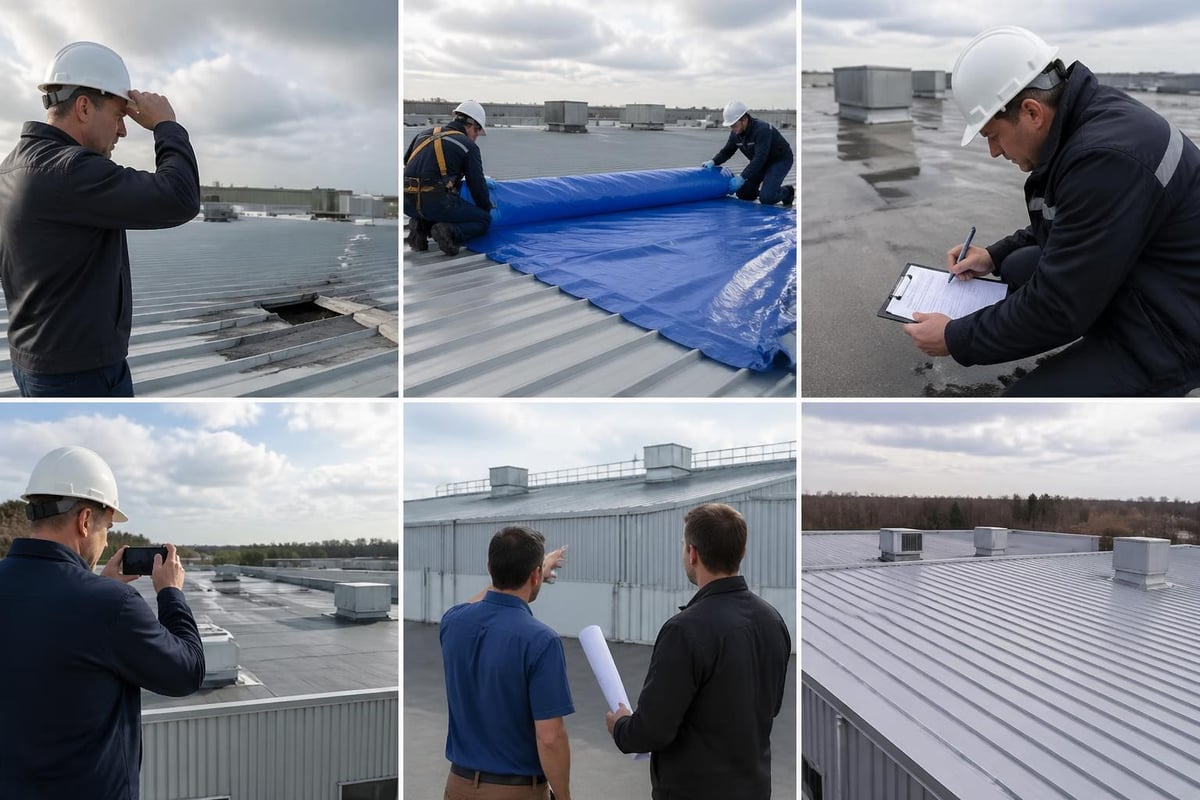
Post-storm inspections identify wind damage, hail impact, or debris accumulation requiring immediate attention. Even minor damage allows water infiltration that spreads rapidly in industrial facilities with climate-controlled environments.
Preventive Maintenance Programs
Scheduled maintenance programs cost a fraction of emergency repairs or premature replacement. Basic tasks include:
- Debris removal prevents drainage blockages and membrane damage
- Drain cleaning ensures proper water evacuation during storms
- Sealant renewal maintains waterproofing at vulnerable penetrations
- Minor repairs address small issues before they spread
- Coating reapplication restores reflectivity and protection
Documentation tracking all maintenance activities helps predict when major repairs or replacement becomes necessary. This information supports capital planning and prevents unexpected budget impacts.
Addressing Common Problems
Industrial roofing experiences specific failure patterns. Ponding water from inadequate drainage accelerates membrane deterioration and eventually causes leaks. Traffic damage from maintenance personnel or equipment installation creates punctures requiring immediate patching.
Thermal stress from temperature extremes causes seam separation in some systems. Regular resealing prevents water penetration while the overall membrane remains serviceable. When evaluating commercial roofing systems, understanding these common issues helps select materials resistant to your facility's specific challenges.
Cost Analysis and Budget Planning
Industrial roofing represents a significant capital expenditure requiring careful financial planning. Understanding true costs helps facilities allocate resources appropriately.
| Cost Factor | Percentage of Total | Timing Considerations |
|---|---|---|
| Material costs | 35-45% | Market fluctuations impact pricing |
| Labor and installation | 30-40% | Crew availability varies seasonally |
| Tear-off and disposal | 10-15% | Required for replacement projects |
| Equipment and access | 5-10% | Complex facilities need specialized lifts |
| Permits and engineering | 2-5% | Local requirements vary |
Life-Cycle Cost Evaluation
Comparing systems based solely on installation costs leads to poor decisions. Life-cycle analysis considers total ownership costs including maintenance, energy impact, and replacement timing.
A metal roof costing 50% more initially but lasting twice as long provides better value. Comparing roofing material types and lifespans reveals how material selection affects long-term budgets.
Energy savings from reflective coatings or improved insulation offset higher initial costs within a few years. In Fort Worth's climate, cooling load reductions generate measurable monthly savings throughout summer months.
Warranty Protection
Manufacturer warranties vary dramatically between industrial roofing systems. Standard warranties cover material defects but exclude installation errors, which cause most premature failures.
Comprehensive system warranties covering both materials and workmanship provide superior protection. These warranties typically require certified installers, specific installation procedures, and regular maintenance documentation.
Labor warranties from reputable contractors add another protection layer. A five-year labor warranty ensures the installation company stands behind their work long enough for any installation defects to become apparent.
Emergency Response and Storm Preparedness
Industrial facilities cannot afford extended downtime from roofing failures. Emergency response planning minimizes operational disruption when weather events strike.
Storm Damage Protocols
Severe weather can compromise even well-maintained industrial roofing. High winds lift membrane edges, hail punctures surfaces, and flying debris tears sections completely away.
Immediate temporary repairs prevent water damage to inventory, equipment, and production areas. Professional emergency tarping protects exposed areas until permanent repairs can be scheduled. For facilities requiring Industrial Roofing solutions, establishing relationships with qualified contractors before emergencies occur ensures rapid response when needed.
Post-storm documentation supports insurance claims and helps facility managers understand vulnerability points requiring reinforcement. Detailed damage assessment identifies whether repairs suffice or complete replacement becomes necessary.
Business Continuity Planning
Smart facility managers develop continuity plans addressing various roofing failure scenarios. These plans identify:
- Critical areas requiring priority protection
- Alternative space for relocated operations during repairs
- Emergency contact information for roofing contractors
- Insurance claim procedures and documentation requirements
- Communication protocols for staff and customers
Regular plan reviews ensure contact information remains current and procedures reflect operational changes. Annual tabletop exercises test response effectiveness without actual emergency pressure.
Sustainability and Energy Efficiency
Modern industrial roofing increasingly incorporates sustainable practices and energy-efficient technologies. These improvements reduce environmental impact while lowering operational costs.
Cool Roofing Technology
Reflective roofing membranes deflect solar radiation rather than absorbing it as heat. This simple technology reduces surface temperatures by 50 degrees or more during summer months.
Lower roof temperatures decrease heat transfer into building interiors. HVAC systems work less to maintain comfortable conditions, directly reducing electricity consumption. In large industrial facilities, these savings accumulate to substantial annual amounts.
Cool roof coatings can be applied to many existing systems, providing energy benefits without complete replacement. Regular recoating maintains reflectivity as surfaces age and accumulate dirt.
Renewable Energy Integration
Industrial roofs provide ideal platforms for solar panel installations. The expansive flat surfaces receive unobstructed sunlight while the robust structural capacity supports equipment weight.
Coordinating solar installations with roofing projects maximizes value. Installing roofing first ensures the membrane warranty remains valid, as roof penetrations for solar mounting can void coverage if not properly executed.
Some facilities incorporate vegetative roofing in appropriate sections. Green roofs reduce stormwater runoff, provide insulation, and extend membrane lifespan by protecting it from UV exposure and temperature extremes.
Regulatory Compliance and Code Requirements
Industrial roofing must satisfy multiple regulatory frameworks. Understanding these requirements prevents costly corrections and ensures safe, compliant installations.
Building codes specify minimum standards for fire resistance, wind uplift capacity, and structural loads. Local amendments often add requirements beyond national standards based on regional conditions.
Energy codes increasingly mandate minimum R-values and reflectivity standards. These requirements push industrial facilities toward higher-performance systems that might exceed what property managers would choose based solely on first cost.
Environmental regulations govern material disposal, particularly when removing systems containing asbestos or other hazardous substances. Proper handling and documentation protects facility owners from environmental liability.
Industrial roofing represents one of the most critical infrastructure investments facility managers make. The right system selection, proper installation, and consistent maintenance protect operations, equipment, and inventory while controlling long-term costs. When your facility needs expert guidance on roofing solutions built for durability and performance, Texcore Construction delivers the in-house expertise, transparent communication, and five-year labor warranty that industrial property owners throughout Fort Worth depend on for projects of any scale.