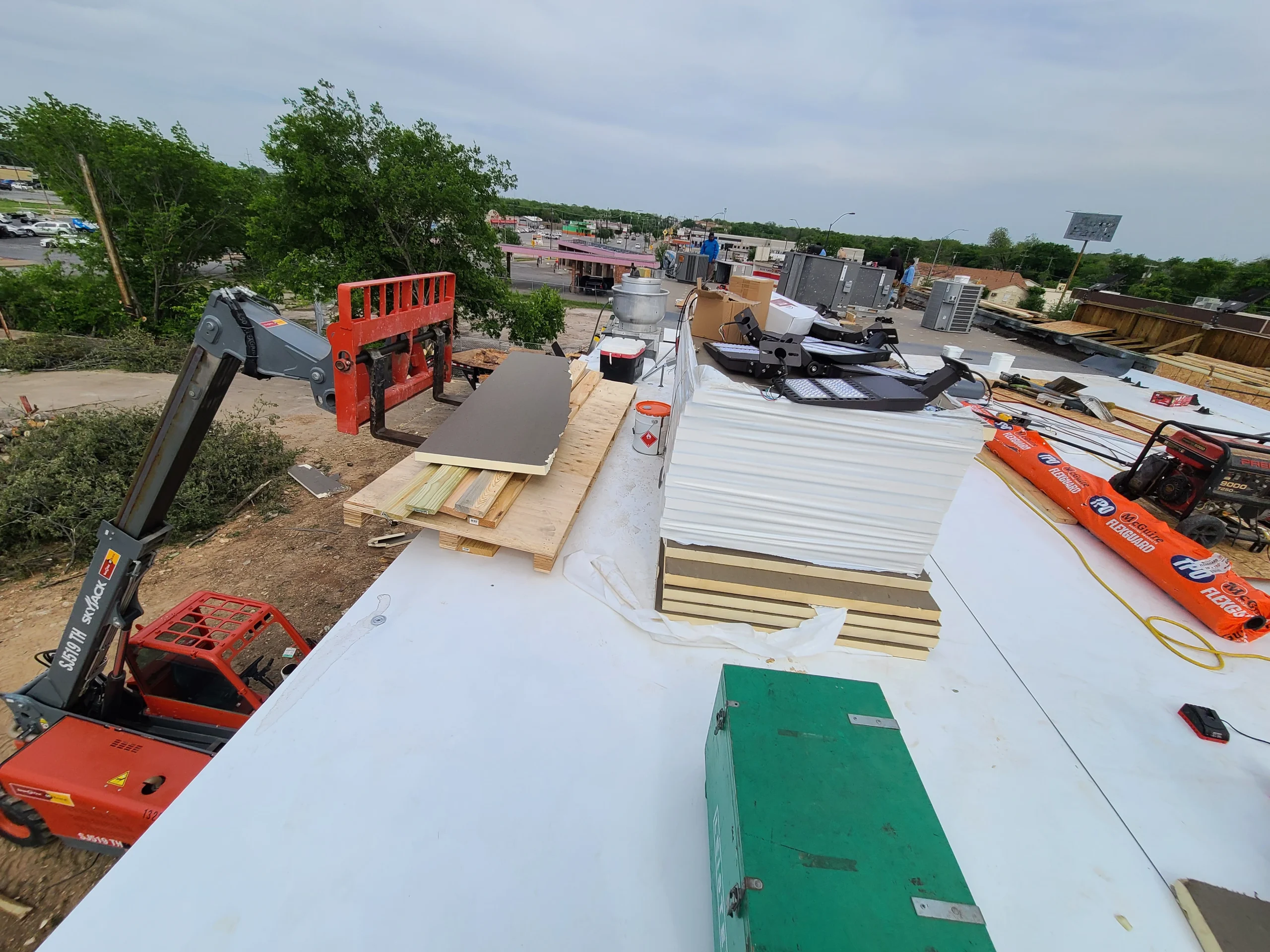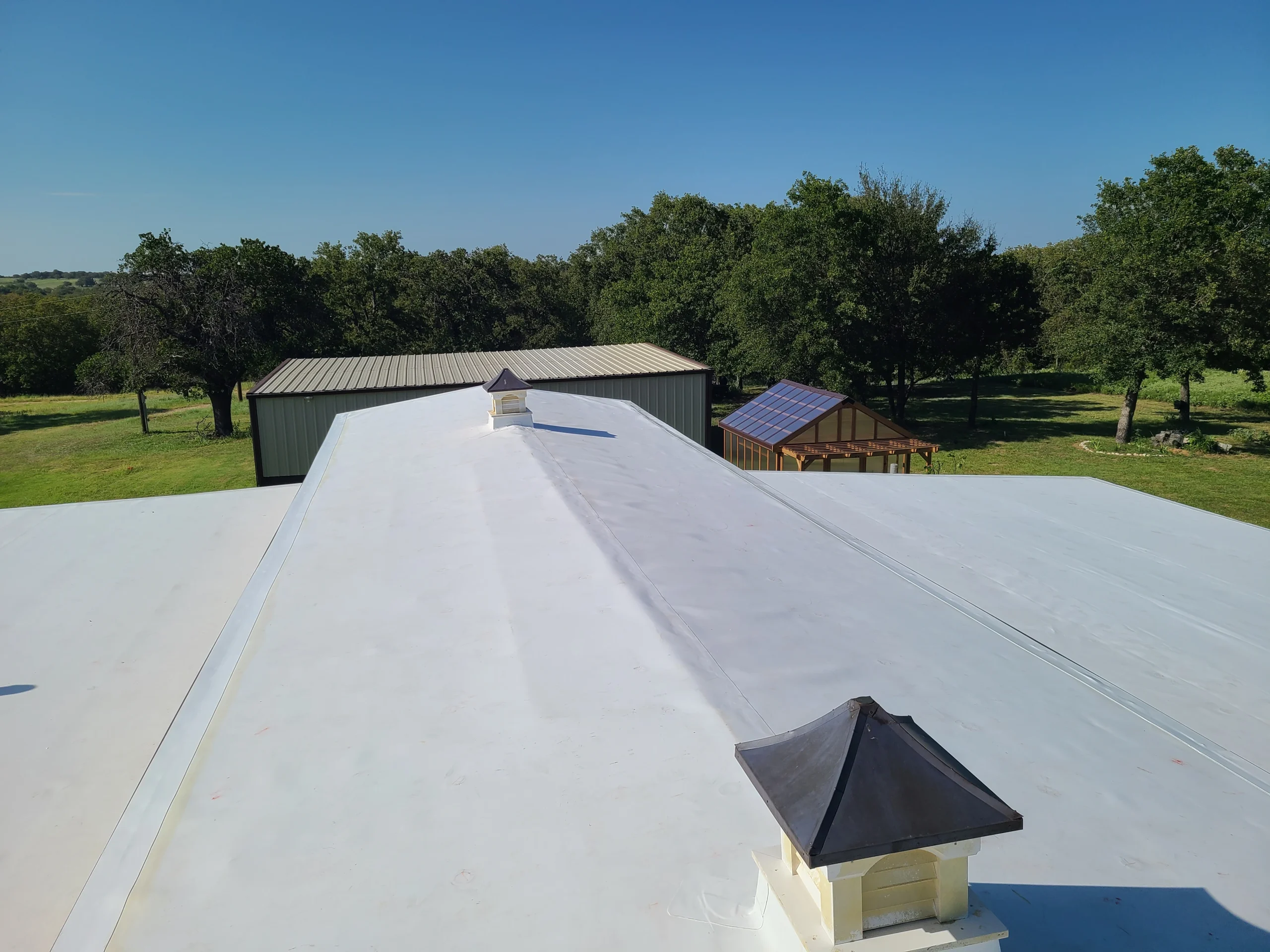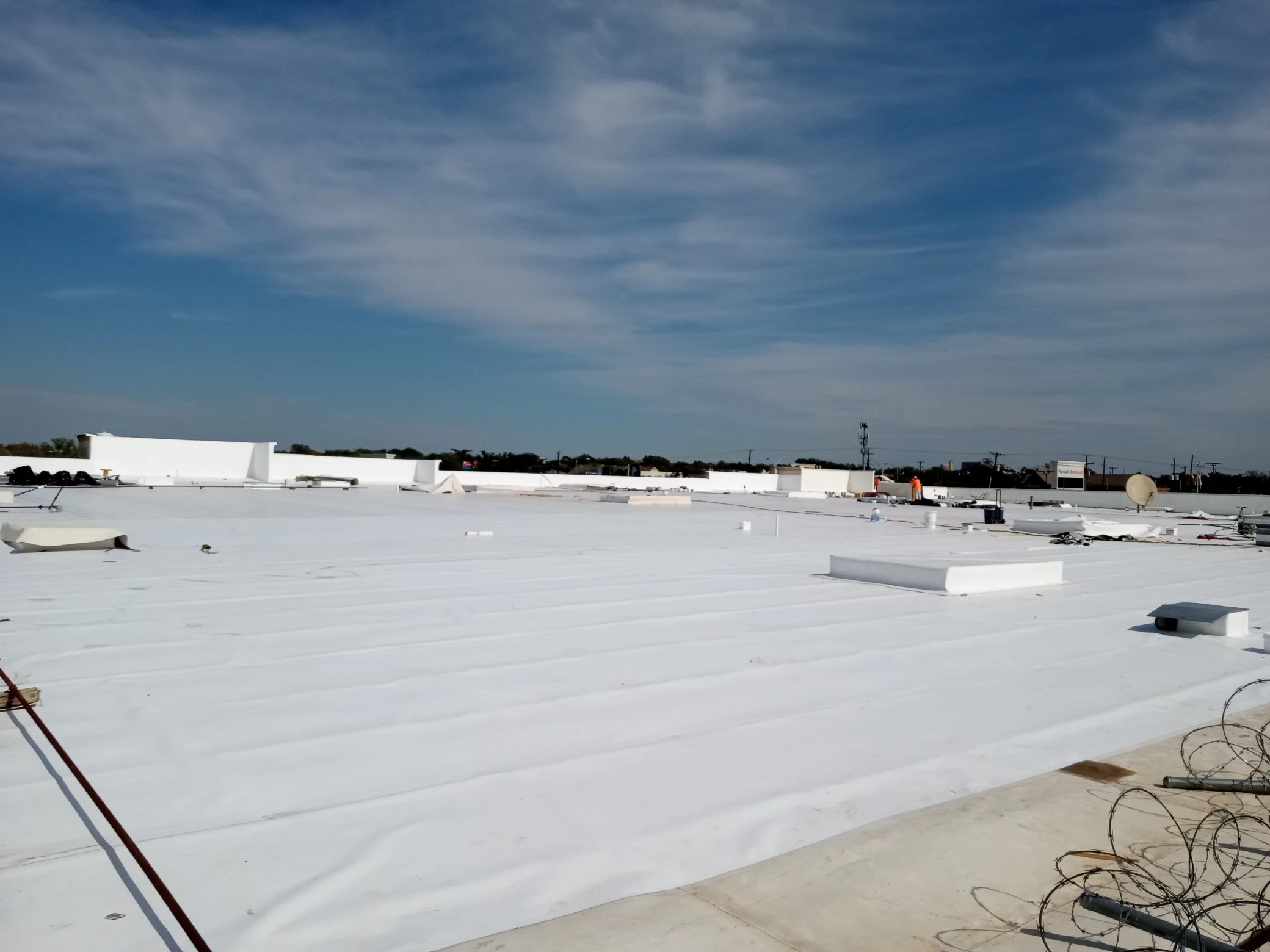
Flat roof repair techniques showcasing TPO, EPDM, and Modified Bitumen systems, with tools and materials used for maintenance and waterproofing.

Roof Repair Flat Roof: Expert Guide to Maintenance

Flat roofs present unique challenges that require specialized knowledge and repair techniques. Unlike traditional sloped roofing systems, flat roofs rely on waterproof membrane systems to prevent water intrusion, and even minor damage can quickly escalate into significant structural problems. Understanding proper roof repair flat roof techniques helps property owners maintain their investment and avoid costly emergency situations. Whether managing a commercial building or residential property, recognizing early warning signs and implementing effective repair strategies extends roof lifespan and protects against water damage.

Understanding Flat Roof System Types

Before addressing repairs, property owners must identify which flat roof system their building uses. Each material requires distinct repair approaches and maintenance protocols.

Common Flat Roofing Materials

TPO (Thermoplastic Polyolefin) represents one of the most popular modern flat roofing systems. This single-ply membrane offers excellent UV resistance and heat reflectivity, making it ideal for commercial applications. TPO seams are heat-welded together, creating strong bonds that resist water penetration when properly installed.

EPDM (Ethylene Propylene Diene Monomer) rubber roofing provides long-lasting protection with proven durability. This black membrane absorbs more heat than white TPO but demonstrates exceptional weather resistance. EPDM seams are typically adhered with specialized tape or liquid adhesives.

Modified Bitumen combines traditional tar-based roofing with modern polymer modifiers. This multi-layer system creates a robust waterproof barrier, typically installed through torch application or cold adhesive methods. Modified bitumen performs well in areas with temperature extremes.

TPO roofing installation with heat welding, EPDM membrane application using adhesive roller, and Modified Bitumen torch application for roofing repairs.

Roofing System Typical Lifespan Primary Advantage Common Repair Method
TPO 15-20 years Energy efficiency Heat welding patches
EPDM 20-25 years Durability Adhesive patches
Modified Bitumen 15-20 years Weather resistance Torch-applied patches
Built-up Roof (BUR) 20-30 years Multi-layer protection Hot tar application

Identifying Common Flat Roof Problems

Recognizing issues early prevents minor concerns from becoming major failures. Regular inspections help catch problems when roof repair flat roof solutions remain relatively simple and cost-effective.

Ponding Water

Water that remains on a flat roof longer than 48 hours after rainfall indicates drainage problems. Over time, standing water degrades roofing membranes, increases weight load, and promotes biological growth. Ponding water accelerates membrane deterioration and requires immediate attention.

Causes include:

  • Inadequate roof slope during installation
  • Sagging roof deck from structural issues
  • Blocked or insufficient drainage systems
  • Settled insulation creating low spots

Membrane Blistering and Bubbling

Trapped moisture or air beneath the membrane creates raised areas that compromise waterproofing integrity. These bubbles expand during hot weather and contract when temperatures drop, gradually weakening the membrane until it tears or splits.

Cracking and Splitting

Temperature fluctuations cause roofing materials to expand and contract. Over years of thermal cycling, membranes develop cracks that allow water penetration. Areas around penetrations, seams, and field sheets are particularly vulnerable to splitting.

Flashing Failures

Flashing creates waterproof transitions between the roof membrane and vertical surfaces like walls, vents, and HVAC units. When flashing separates, cracks, or degrades, these critical junctions become primary leak sources. Professional Emergency Roof Repair services address active flashing failures before water causes interior damage.

Essential Roof Repair Flat Roof Techniques

Proper repair methods vary based on the roofing system, damage extent, and environmental conditions. Quality repairs require appropriate materials and skilled application.

Patch Repairs for Minor Damage

Small punctures, tears, or cracks can often be effectively patched without full membrane replacement. The damaged area must be thoroughly cleaned and dried before applying patches that extend at least six inches beyond the damage on all sides.

For TPO systems, patches require heat welding to create seamless bonds with the existing membrane. This process demands specialized equipment and training to ensure proper adhesion without overheating or underheating the material.

For EPDM roofs, patches use primer and specialized adhesives or tape systems designed for rubber membrane bonding. The repair area must be completely clean and free of moisture for adhesives to bond effectively.

Modified Bitumen repairs typically involve torch-applied patches that melt into the existing layers, or cold-applied alternatives using compatible adhesives. Multiple overlapping layers create robust waterproof repairs.

Seam Repairs

Failed seams represent one of the most common flat roof issues. Avoiding common repair mistakes during seam restoration ensures long-lasting results.

The repair process involves:

  1. Cleaning the failed seam area thoroughly
  2. Removing any loose or deteriorated material
  3. Applying primer if required by the membrane type
  4. Installing new seam reinforcement using heat welding or appropriate adhesive
  5. Testing the repaired seam for proper adhesion

Coating Applications

Reflective roof coatings provide an additional protective layer over aging flat roof systems. These elastomeric coatings seal minor cracks, improve energy efficiency, and extend roof lifespan when the underlying membrane remains structurally sound.

Coating benefits include:

  • UV protection that reduces thermal stress
  • Waterproofing enhancement across the entire roof surface
  • Energy savings through increased reflectivity
  • Extended lifespan delaying full replacement costs

Preventive Maintenance Strategies

Proactive maintenance dramatically reduces the need for emergency roof repair flat roof interventions. Regular care catches small issues before they compromise the entire system.

Regular Inspection Schedules

Property owners should schedule professional inspections at least twice annually, typically in spring and fall. Additional inspections after severe weather events help identify storm-related damage before it causes leaks. Fort Worth roofing services provide detailed inspection reports that document current conditions and recommend preventive actions.

Annual flat roof maintenance timeline infographic showing seasonal tasks: spring inspections, summer debris removal, fall preparation, and winter monitoring, with workers performing roof care activities.

Debris Removal

Leaves, branches, and other debris trap moisture against the roof membrane and clog drainage systems. Monthly debris removal prevents organic material from breaking down into soil that supports plant growth, which can penetrate and damage roofing membranes.

Drain and Scupper Maintenance

Clear drainage systems prevent ponding water and associated problems. Essential flat roof maintenance emphasizes keeping drains, scuppers, and gutters free from blockages that impede water flow.

Maintenance tasks include:

  • Removing debris from drain strainers and scuppers
  • Flushing downspouts to ensure proper flow
  • Inspecting drain components for cracks or separation
  • Clearing gutters and conductor heads regularly

Penetration Inspections

Vents, pipes, HVAC equipment, and other roof penetrations require special attention. Flashing around these elements experiences more thermal movement and weather exposure than field areas. Checking sealants and flashing conditions prevents the most common leak sources.

When Professional Intervention Becomes Necessary

While some property owners handle minor maintenance tasks, certain situations demand professional roof repair flat roof expertise. Understanding these boundaries prevents inadequate repairs that worsen problems.

Complex Structural Issues

Sagging roof decks, compromised structural supports, or widespread membrane failure require professional assessment and repair. These conditions often indicate underlying problems that surface repairs cannot adequately address. Professional roofing contractors have the equipment and expertise to diagnose structural concerns accurately.

Extensive Damage

When damage exceeds 25% of the roof area, or when multiple systems (membrane, insulation, deck) are compromised, partial or full replacement often proves more cost-effective than extensive patching. Professional evaluation helps property owners make informed decisions about repair versus replacement.

Warranty Considerations

Many roofing system warranties require professional installation and certified contractors for repairs. Attempting DIY fixes or hiring unqualified contractors may void manufacturer warranties, leaving property owners without recourse if problems persist.

Safety Concerns

Flat roof work involves fall hazards, electrical equipment, and specialized tools. Professional crews use proper safety equipment, maintain insurance coverage, and understand OSHA compliance requirements that protect both workers and property owners from liability.

Material Selection for Lasting Repairs

Choosing appropriate materials ensures roof repair flat roof efforts provide long-term protection rather than temporary fixes.

Repair Type Material Options Durability Rating Best Applications
Small patches Membrane-specific patch kits 5-10 years Punctures, small tears
Seam repairs Heat-welded membrane strips 10-15 years Separated or failed seams
Flashing Metal or membrane flashing 15-20 years Penetrations, transitions
Coatings Acrylic, silicone, or urethane 7-15 years Roof-wide protection

Compatibility Matters

Repair materials must be compatible with the existing roof system. Using incompatible products leads to adhesion failure, chemical reactions, or accelerated deterioration. TPO patches work exclusively with TPO membranes, while EPDM requires EPDM-compatible materials.

Quality Over Cost

Premium repair materials cost more initially but provide superior performance and longevity. Budget products may save money short-term but often fail prematurely, requiring repeat repairs that ultimately cost more than quality materials would have.

Documentation and Insurance Considerations

Proper documentation supports insurance claims and helps track maintenance history for future reference.

Photographic Evidence

Before and after photos document damage extent and repair quality. Date-stamped images create valuable records for warranty claims, insurance purposes, and maintenance tracking. Comprehensive photo documentation should include:

  • Wide-angle shots showing overall roof condition
  • Close-ups of specific damage areas
  • Repair process stages
  • Completed work from multiple angles

Detailed Repair Records

Maintaining records of all roof repair flat roof work helps property managers track recurring issues, plan maintenance budgets, and demonstrate proper care to insurance carriers. Records should note dates, materials used, contractor information, and warranty details.

Working with Adjusters

When storm damage or sudden failures occur, professional roofing contractors who understand insurance processes provide valuable assistance. Comprehensive insurance claim support helps maximize coverage and ensures repairs meet insurance requirements.

Construction worker inspecting flat roof damage and documenting repairs with clipboard and smartphone, highlighting maintenance tracking and repair quality.

Long-Term Performance Optimization

Beyond immediate repairs, strategic planning extends flat roof system lifespan and optimizes total cost of ownership.

Planned Replacement Strategies

Even well-maintained flat roofs eventually require replacement. Planning replacement before catastrophic failure allows property owners to budget appropriately, schedule work during favorable weather, and avoid emergency costs. Most flat roof systems signal replacement needs through:

  • Multiple simultaneous leak points
  • Widespread membrane deterioration
  • Failed substrate or insulation
  • Recurring repairs in different areas

Energy Efficiency Improvements

Modern flat roof repair flat roof approaches often incorporate energy-saving improvements. Cool roof coatings, enhanced insulation during repairs, and reflective membrane choices reduce cooling costs while extending system life. These improvements frequently qualify for utility rebates or tax incentives.

Transition Planning

Property owners managing aging flat roof systems benefit from transition planning that phases repairs while budgeting for eventual replacement. This approach maximizes the existing system's remaining life without investing heavily in a roof nearing end of service.

Common Mistakes to Avoid

Understanding frequent errors helps property owners and contractors achieve better repair outcomes. Common flat roof repair mistakes can compromise waterproofing and shorten repair lifespan.

Overusing caulk represents a widespread error. While caulk provides quick fixes, it degrades rapidly under UV exposure and temperature extremes. Proper membrane patches and flashing repairs outlast caulk-based solutions significantly.

Inadequate surface preparation causes repair failures more often than any other factor. Dirty, wet, or improperly prepared surfaces prevent adhesives and welded seams from bonding correctly. Taking time to clean and dry repair areas thoroughly ensures lasting results.

Ignoring underlying causes leads to recurring problems. Repairing leak symptoms without addressing root causes like inadequate drainage or structural issues wastes resources and allows damage to continue.

Delaying repairs allows minor problems to escalate. Small leaks spread laterally through insulation and decking, turning simple patch repairs into major restoration projects. Prompt attention to emerging issues minimizes total repair costs.

Using incompatible materials creates chemical reactions or adhesion failures that compromise repairs immediately or over time. Always verify material compatibility before proceeding with any roof repair flat roof work.

Seasonal Considerations for Flat Roof Repairs

Weather and temperature significantly impact repair timing and methodology. Strategic scheduling improves repair quality and longevity.

Spring Repairs

Spring offers ideal conditions for most flat roof repairs in Fort Worth. Moderate temperatures allow proper material curing, while lower humidity supports adhesive bonding. Spring repairs address winter damage before summer heat intensifies problems.

Summer Challenges

High temperatures create both opportunities and obstacles. Heat-activated materials like modified bitumen work well, but extreme surface temperatures can make some repairs difficult. Early morning or late afternoon work avoids peak heat that can damage materials or create unsafe working conditions.

Fall Preparation

Fall repairs prepare roofs for winter weather while conditions remain favorable for most repair methods. Preventive flat roof maintenance completed in fall prevents winter leak emergencies.

Winter Limitations

Cold temperatures limit many roof repair flat roof options. Most adhesives and coatings require minimum temperatures for proper curing. Emergency repairs during winter often use temporary solutions until spring allows permanent fixes.

Cost Factors and Budgeting

Understanding repair costs helps property owners budget appropriately and make informed decisions about repair scope and timing.

Factors affecting repair costs include:

  • Damage extent: Small patches cost significantly less than widespread repairs
  • Roof accessibility: Difficult access increases labor costs
  • Material type: Premium materials and specialized systems cost more
  • Repair urgency: Emergency repairs typically carry premium pricing
  • Contractor expertise: Experienced crews charge more but deliver superior results

Property owners should obtain multiple detailed estimates that specify materials, labor, warranty coverage, and completion timelines. Transparent scoping and accurate estimates help clients make informed decisions without surprise costs.

Return on Investment

Quality roof repair flat roof work protects property value and prevents exponentially more expensive interior damage. Water intrusion damages ceilings, walls, insulation, electrical systems, and stored inventory. Investing in proper repairs avoids these cascading costs while maintaining comfortable, safe building environments.

Tools and Equipment Requirements

Professional flat roof repairs require specialized tools that ensure proper installation and long-lasting results. Essential repair tools vary based on roofing system type.

Heat welding equipment for TPO repairs includes hot air welders with precise temperature controls. Proper training ensures consistent seam quality without burning through membranes.

Adhesive application tools range from simple rollers for EPDM tape to spray equipment for liquid adhesives. Clean, calibrated equipment produces uniform coverage critical for waterproof integrity.

Surface preparation tools include power washers, scrub brushes, and solvents specific to each membrane type. Thorough cleaning creates the foundation for successful repairs.

Safety equipment protects workers from falls, chemical exposure, and heat-related illness. Professional contractors maintain comprehensive safety protocols that exceed minimum requirements.


Effective flat roof maintenance and timely repairs protect your property investment while preventing costly emergency situations. By understanding your roof system, recognizing early warning signs, and implementing proper repair techniques, you can maximize roof lifespan and maintain weatherproof protection. When professional expertise becomes necessary, Texcore Construction delivers dependable roof repair flat roof solutions throughout the Fort Worth area with in-house crews, transparent communication, and a five-year labor warranty on every project. Contact Texcore today for a detailed inspection and honest assessment of your flat roof system.

Explore Related Flat Roof Repair Articles