Commercial Roofing Systems and Materials Guide
Commercial roofing represents one of the most significant investments in any facility's lifecycle, directly impacting operational efficiency, energy costs, and asset value. Unlike residential roofing, commercial systems demand specialized materials, installation techniques, and maintenance protocols designed for large-scale applications, flat or low-slope configurations, and the unique demands of business operations. Property managers, building owners, and facility directors must navigate complex decisions involving material selection, contractor qualifications, warranty structures, and long-term performance expectations. Understanding the fundamentals of commercial roofing systems empowers decision-makers to protect their investments, minimize disruption, and plan strategically for both immediate needs and future roof lifecycles.
Understanding Commercial Roofing System Categories
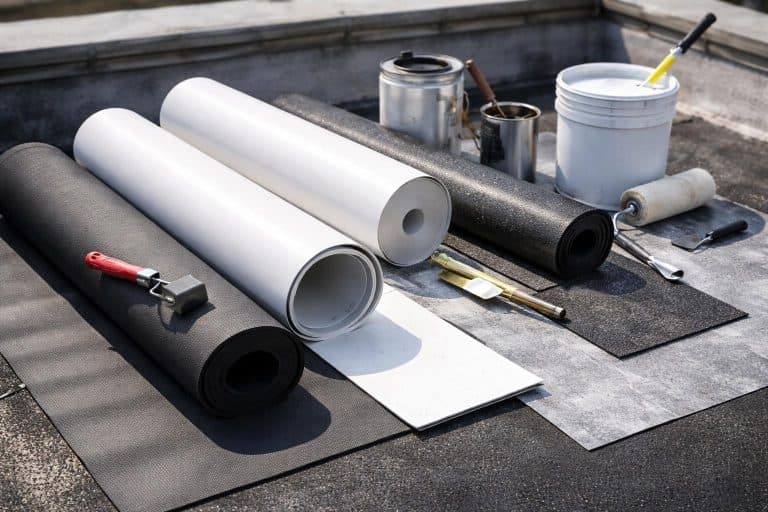
Single-ply membrane systems dominate the commercial roofing landscape due to their versatility, cost-effectiveness, and proven performance across diverse climates. These systems consist of large sheets of synthetic material that form a continuous waterproof barrier over the roof deck.
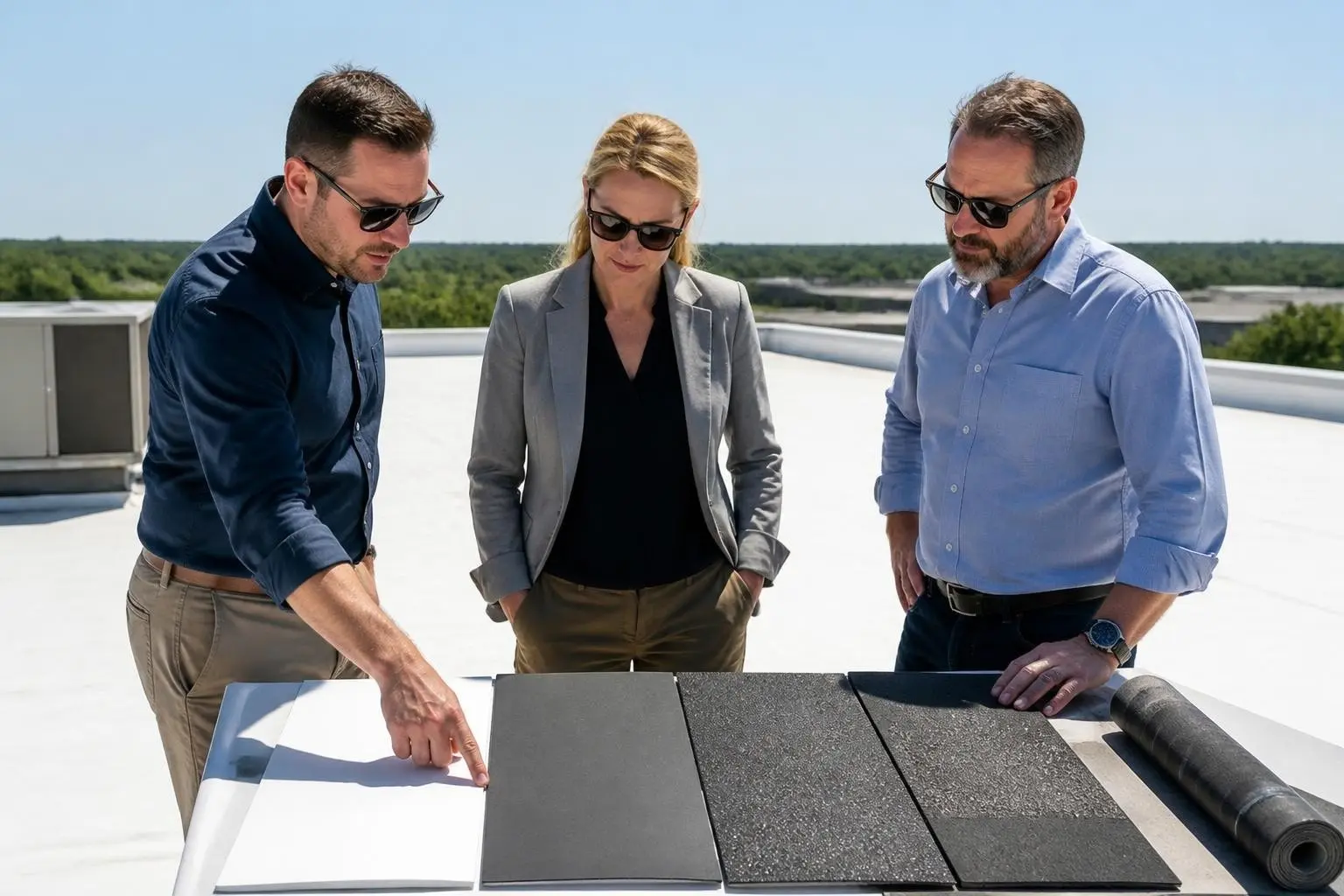
TPO (thermoplastic polyolefin) leads the market in new installations, offering heat-reflective white surfaces that reduce cooling costs and meet modern energy codes. The material resists UV degradation, punctures, and chemical exposure while providing flexibility in both mechanically attached and fully adhered applications.
EPDM (ethylene propylene diene monomer) remains a reliable choice for building owners prioritizing longevity and proven performance. This synthetic rubber membrane has served commercial applications for over five decades, demonstrating exceptional weather resistance and straightforward repair protocols.
- Durability in extreme temperature fluctuations
- Resistance to ozone and UV radiation
- Lower material costs compared to premium alternatives
- Simplified maintenance and patch repair processes
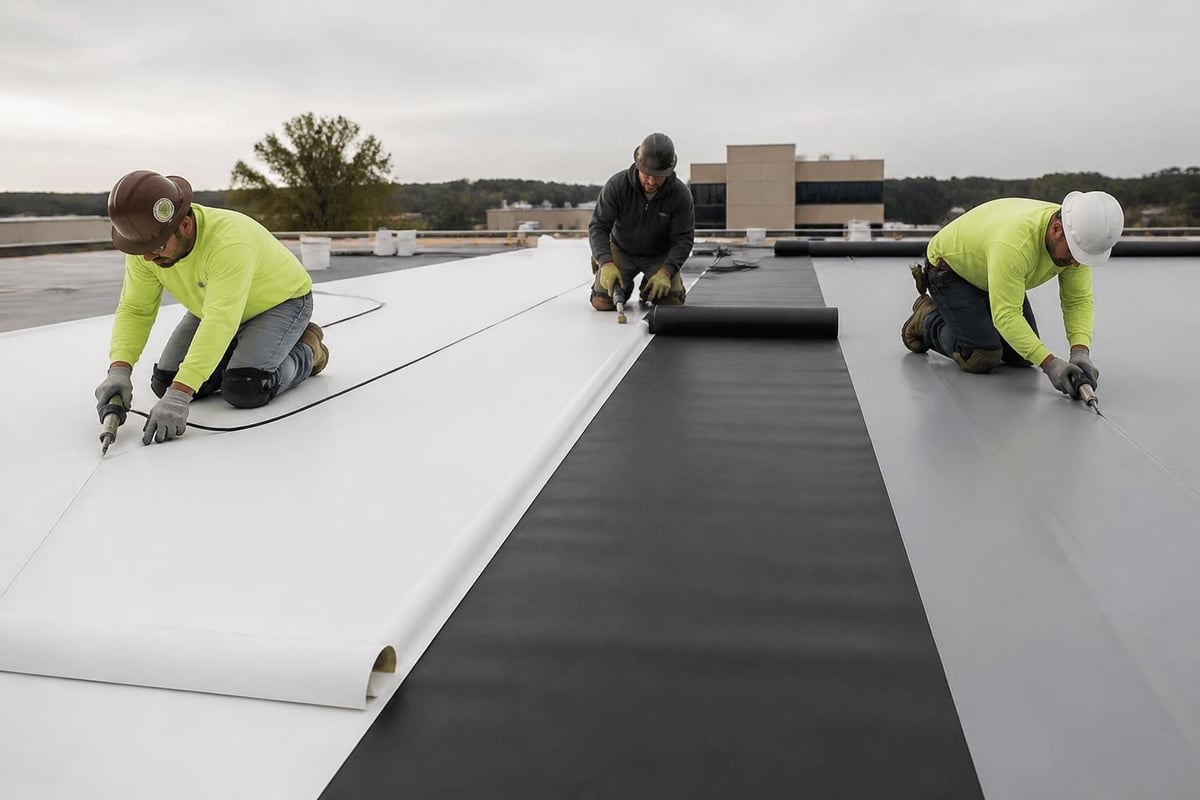
Built-up roofing (BUR) systems represent traditional commercial roofing technology, layering alternating sheets of roofing felt and hot-applied asphalt or coal tar to create a multi-ply waterproof assembly. Despite newer alternatives, BUR systems continue to serve facilities requiring heavy-duty protection, high foot traffic tolerance, and redundant waterproofing layers. The installation process allows for customization through varied ply counts, with three to five layers common depending on performance requirements and budget considerations.
Modified bitumen roofing evolved from BUR technology, incorporating polymer-modified asphalt sheets that combine traditional reliability with modern installation efficiency. These systems offer either APP (atactic polypropylene) or SBP (styrene-butadiene-styrene) formulations, each providing distinct performance characteristics suited to specific climate conditions and application methods.
Material Selection Factors for Commercial Applications
Climate conditions dictate material performance more significantly in commercial roofing than nearly any other selection factor. Understanding different commercial roofing materials requires evaluating how extreme temperatures, precipitation patterns, and weather events impact long-term system integrity.
Temperature Extremes and Thermal Movement
Commercial roofs in regions experiencing significant temperature swings face continuous expansion and contraction cycles that stress membrane seams, fasteners, and flashing details. Materials must accommodate thermal movement without compromising waterproof integrity or developing stress cracks at penetrations and terminations.
TPO and PVC systems excel in environments with high heat exposure, maintaining flexibility and UV resistance across decades of service. Their reflective surfaces reduce substrate temperatures by 30 to 50 degrees compared to darker materials, translating to measurable energy savings and extended material life.
EPDM performs reliably across temperature ranges but absorbs more heat in black formulations, potentially increasing cooling demands in hot climates. White EPDM alternatives address this limitation while maintaining the material's inherent durability and proven track record.
| Material Type | Temperature Range | UV Resistance | Thermal Movement Accommodation |
|---|---|---|---|
| TPO | -40°F to 180°F | Excellent | High flexibility |
| EPDM | -60°F to 300°F | Very Good | Moderate flexibility |
| PVC | -30°F to 175°F | Excellent | High flexibility |
| Modified Bitumen | -20°F to 250°F | Good | Moderate flexibility |
Building Use and Roof Deck Access
Facilities with regular roof access require systems capable of withstanding foot traffic, maintenance equipment, and HVAC servicing without membrane damage or premature wear. Modified bitumen and certain reinforced TPO formulations provide superior puncture resistance compared to standard single-ply options.
Warehouses and distribution centers often house numerous rooftop units demanding frequent service access. These applications benefit from walkway pads, equipment curbs, and reinforced areas that protect the primary roofing membrane while facilitating maintenance operations. The installation of commercial roofing systems should account for anticipated traffic patterns and incorporate protective measures from initial installation.
Restaurant facilities present unique challenges through grease-laden exhaust, high HVAC loads, and potential chemical exposure from kitchen operations. PVC systems demonstrate superior resistance to fats, oils, and chemicals compared to other single-ply alternatives, making them the preferred choice for food service applications.
Installation Methods and Quality Considerations
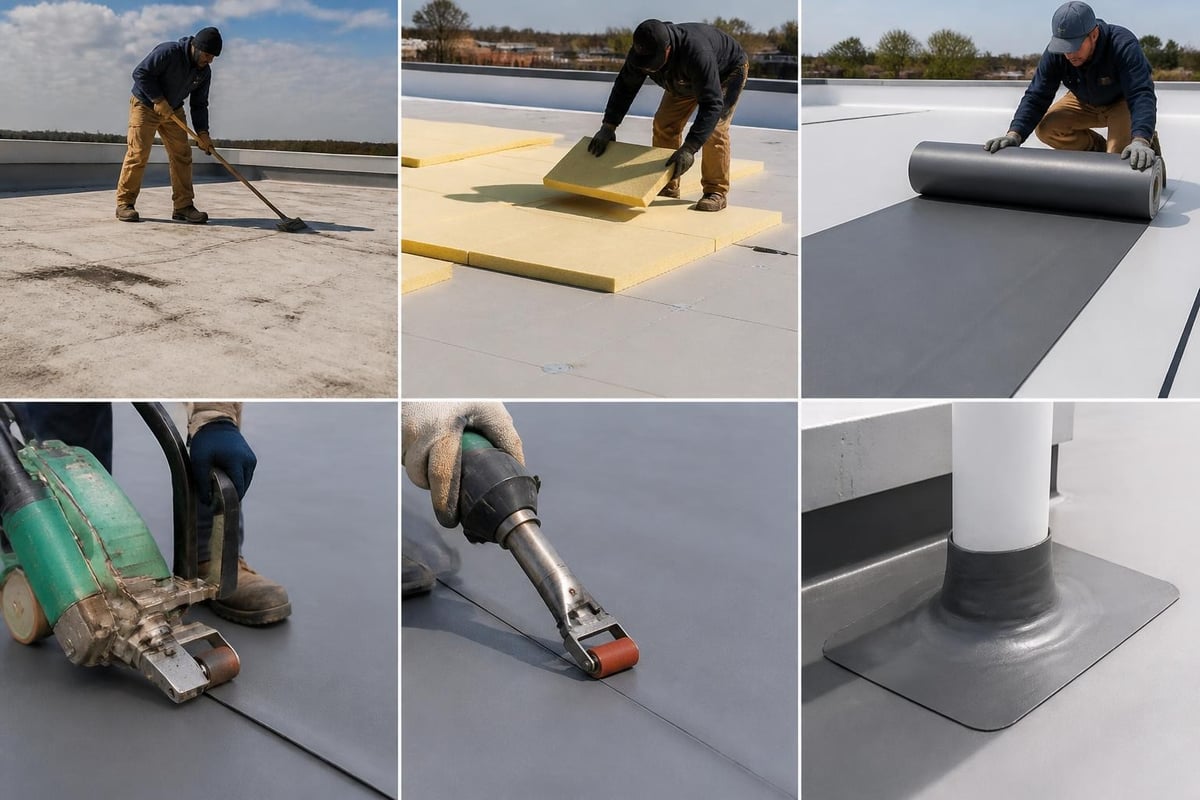
Commercial roofing installation quality determines system longevity more definitively than material selection alone. Three primary attachment methods serve different building types, structural capacities, and performance requirements.
Fully adhered systems bond the membrane directly to the substrate using specialized adhesives, creating a monolithic assembly that resists wind uplift and eliminates billowing or ponding between attachment points. This method requires clean, dry substrate conditions and precise adhesive application rates but delivers superior wind performance and aesthetic appearance.
Mechanically attached installations use specialized fasteners and plates to secure the membrane to the roof deck, offering faster installation speeds and greater tolerance for substrate moisture compared to fully adhered alternatives. Fastener patterns follow engineered specifications based on wind zone requirements, building height, and roof geometry.
- Base sheet installation with appropriate fastener density
- Membrane placement with proper overlap and alignment
- Hot-air or chemical welding of seams to manufacturer specifications
- Fastener pattern verification against approved drawings
- Quality assurance testing of seam strength and waterproofing integrity
Ballasted systems employ river rock, pavers, or concrete blocks to hold the membrane in place through weight rather than adhesion or mechanical attachment. This approach reduces installation costs and simplifies future tear-offs but requires structural capacity verification and may limit application to specific roof slopes and building types.
Contractor Qualifications and In-House Crews
The distinction between roofing companies operating with dedicated in-house crews versus those relying on subcontractors significantly impacts project outcomes, quality consistency, and accountability. In-house teams develop specialized expertise in specific systems, follow standardized quality protocols, and maintain direct communication channels with project managers throughout installation.
Subcontractor models introduce variables in crew experience, quality standards, and supervision that can compromise installation integrity. Building owners should verify that all workers on-site are direct employees of the contracting company, covered by appropriate insurance, and trained in the specific system being installed.
Manufacturer certifications provide another quality indicator, demonstrating that contractors have completed formal training programs and maintain approved installer status. These certifications often unlock enhanced warranty options and technical support access that benefit building owners throughout the system lifecycle.
Maintenance Requirements and Lifecycle Planning
Commercial roofing systems demand proactive maintenance protocols to achieve projected lifespans and maintain warranty coverage. Comparing commercial roofing materials reveals significant variation in maintenance intensity, inspection frequency, and common failure modes that building owners must address.
Semi-Annual Inspection Protocols
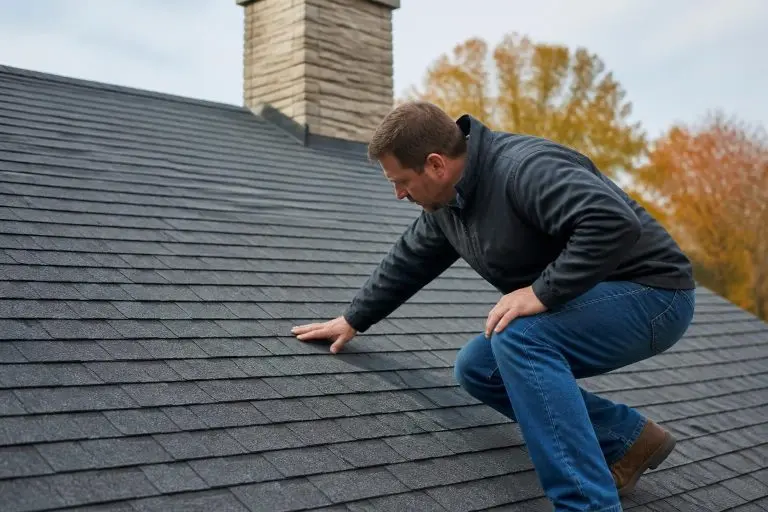
Spring inspections following winter weather assess damage from ice, snow loads, and freeze-thaw cycles that compromise flashing details, membrane seams, and drainage components. Inspectors examine penetration seals, check for standing water indicating drainage problems, and identify debris accumulation requiring removal.
Fall inspections prepare roofs for winter demands, clearing drainage pathways, securing loose materials, and addressing minor issues before cold temperatures complicate repairs. These preventive measures reduce emergency repair likelihood and extend system life by preventing small problems from escalating into major failures.
- Drain and scupper clearing to ensure positive drainage
- Membrane inspection for punctures, tears, or seam separation
- Flashing examination at parapets, penetrations, and equipment curbs
- Fastener verification in mechanically attached systems
- Documentation of conditions with dated photographs and notes
Common Failure Modes and Early Detection
Ponding water represents the most common commercial roofing issue, indicating inadequate drainage design, structural deflection, or insulation compression. Standing water accelerates membrane degradation, promotes vegetation growth, and increases leak risk at seams and penetrations. Property managers should address ponding within 48 hours of precipitation events to prevent long-term damage.
Flashing failures cause more commercial roof leaks than membrane defects, particularly at complex transitions, equipment curbs, and parapet walls. Quality flashing installation requires experience with metal fabrication, proper lap sequences, and compatible sealant selection. Working with local roofing companies experienced in commercial applications ensures proper flashing details that resist Fort Worth's severe weather patterns.
Puncture damage from foot traffic, falling tools, or hail impact compromises waterproofing and requires immediate attention. Single-ply membranes are particularly vulnerable to sharp objects, making protective walkways and equipment pads essential in high-traffic areas.
Energy Efficiency and Reflectivity Standards
Cool roofing technology has transformed commercial roofing specifications, driven by energy code requirements, utility incentive programs, and measurable operational savings. Reflective roofing materials reduce cooling loads by reflecting solar radiation rather than absorbing it as heat.
The Cool Roof Rating Council (CRRC) provides standardized testing and rating of roofing products based on solar reflectance and thermal emittance values. These ratings allow building owners to compare materials objectively and verify compliance with energy codes like ASHRAE 90.1 and California Title 24.
| Material | Initial Solar Reflectance | Aged Solar Reflectance | Thermal Emittance |
|---|---|---|---|
| White TPO | 0.85 | 0.72 | 0.88 |
| White EPDM | 0.83 | 0.70 | 0.87 |
| White PVC | 0.83 | 0.71 | 0.90 |
| Gray Modified Bitumen | 0.25 | 0.20 | 0.90 |
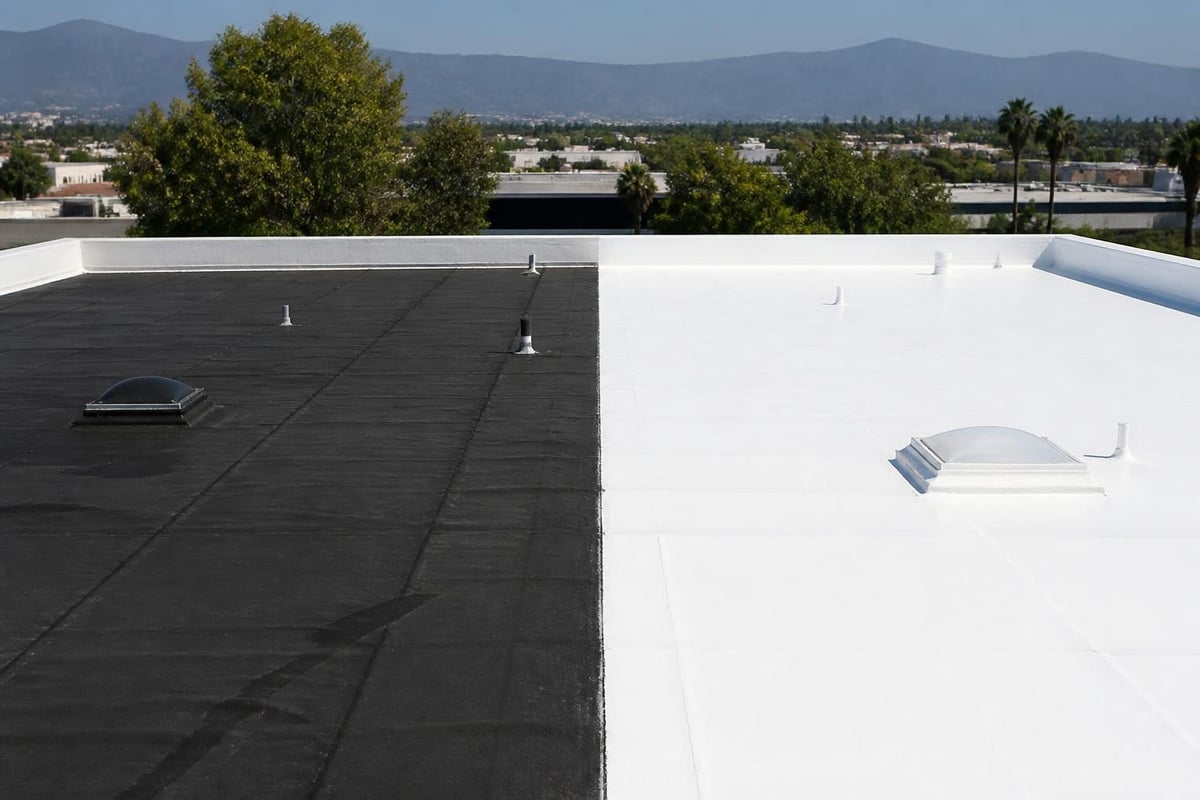
Reflective coatings offer retrofit solutions for existing dark-colored roofs, restoring energy performance without complete replacement. These coatings extend roof life by reducing thermal cycling while improving building energy efficiency, often qualifying for utility rebates that offset application costs.
Insulation Integration and R-Value Requirements
Commercial roofing systems incorporate rigid insulation boards that provide thermal resistance, structural support for the membrane, and surface leveling over irregular decks. Insulation selection balances R-value requirements, compressive strength needs, and moisture resistance characteristics.
Polyisocyanurate (polyiso) insulation dominates commercial applications through its high R-value per inch, cost-effectiveness, and compatibility with multiple roofing systems. However, its thermal performance decreases at low temperatures, requiring consideration in cold climate applications.
Expanded polystyrene (EPS) and extruded polystyrene (XPS) alternatives maintain consistent R-values across temperature ranges while offering superior moisture resistance. These materials cost more per R-value than polyiso but may prove more economical in specific applications requiring stable performance or high compressive strength.
Storm Damage Assessment and Documentation
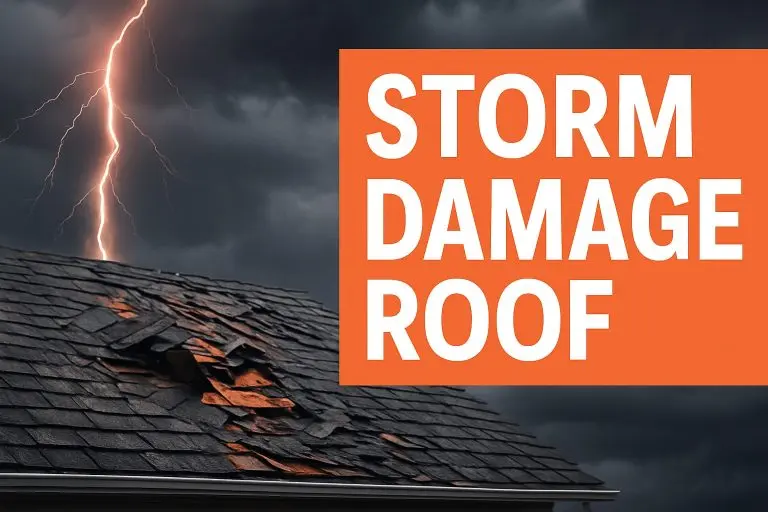
Commercial facilities face significant storm exposure, particularly in regions experiencing hail, high winds, and severe thunderstorms. Proper damage assessment following weather events protects building owners through accurate documentation and timely repairs that prevent secondary water damage.
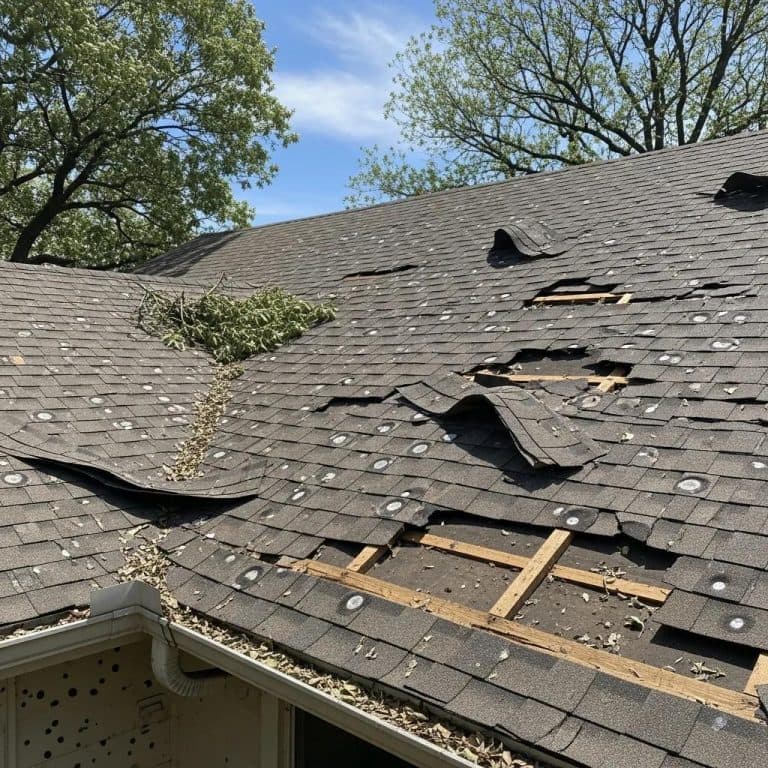
Hail damage to commercial roofing manifests differently across material types, requiring trained inspectors to identify impact indicators and assess severity. TPO and PVC membranes may show punctures, fractures, or compression damage at impact sites. EPDM typically demonstrates better hail resistance but can develop concealed damage requiring careful examination.
Wind events compromise commercial roofs through membrane uplift, fastener pullout, and debris impact. Edge metal and perimeter areas experience the highest wind pressures, making these locations particularly vulnerable to damage during severe weather. Understanding roof damage repair processes helps property managers act quickly when storms impact their facilities.
Documentation Best Practices
Professional documentation captures damage extent, location, and severity through detailed photographs, measurements, and written descriptions. This evidence supports property owners when they submit claims to their insurance adjusters and establishes baseline conditions for repair scoping.
Quality documentation includes:
- Overview photographs showing entire roof sections and building context
- Close-up images of specific damage with measurement references
- Notes on damage patterns, concentrations, and severity variations
- Sketches or marked-up drawings indicating damage locations
- Date stamps and weather event correlation
Property managers should engage qualified roofing contractors to perform thorough inspections following significant weather events, even when visible damage appears minimal. Concealed damage to fasteners, seams, or substrate components can compromise system integrity without obvious surface indicators.
Warranty Structures and Performance Guarantees
Commercial roofing warranties vary significantly in coverage scope, duration, and exclusions that impact long-term value. Understanding warranty types and limitations helps building owners make informed decisions and avoid gaps in protection.
Manufacturer material warranties cover defects in the roofing membrane and components, typically ranging from 10 to 30 years depending on material quality and system design. These warranties exclude installation defects, improper maintenance, and damage from external sources, limiting their practical value when problems arise.
Contractor labor warranties protect against installation defects and workmanship failures, with responsible contractors offering five-year minimum coverage. Labor warranties gain significance when installation errors cause leaks or system failures, as material warranties provide no protection against improper application.
System warranties combine material and labor coverage under a single agreement backed by the manufacturer, offering comprehensive protection when properly structured. These warranties require certified installers, specific material combinations, and adherence to manufacturer specifications throughout installation. The added coverage justifies premium costs for building owners prioritizing long-term protection and single-source accountability.
Warranty maintenance requirements demand attention, as failure to perform specified inspections or maintenance voids coverage. Building owners should document all maintenance activities, retain inspection reports, and address identified issues promptly to preserve warranty validity throughout the coverage period.
Roof Replacement versus Restoration Decisions
Commercial building owners facing aging roof systems must evaluate replacement versus restoration options based on remaining service life, damage extent, and financial considerations. This decision impacts facility operations, capital planning, and long-term building value.
Complete tear-off and replacement becomes necessary when substrate damage, multiple leak sources, or extensive deterioration compromise system integrity beyond economical repair. Replacement allows for insulation upgrades, drainage improvements, and modern material selection that enhance performance and energy efficiency.
Restoration through coating systems extends serviceable roof life when the existing membrane remains structurally sound without extensive damage. Silicone and acrylic coatings provide seamless waterproofing, reflectivity enhancement, and protection against UV degradation at costs significantly below replacement.
| Decision Factor | Replacement | Restoration |
|---|---|---|
| Typical Cost | $8-$15/sq ft | $3-$6/sq ft |
| Service Life Extension | 20-30 years | 10-15 years |
| Building Disruption | Moderate to High | Low |
| Insulation Upgrade Opportunity | Yes | No |
| Substrate Repair Capability | Full | Limited |
The decision timeline matters significantly, as delaying necessary replacement increases leak risk, interior damage potential, and emergency repair costs. Detailed roofing assessments from experienced commercial contractors provide objective condition evaluations that support sound financial decisions.
Selecting Commercial Roofing Contractors
Contractor selection represents one of the most critical decisions in commercial roofing projects, directly impacting installation quality, project timeline, and long-term system performance. Building owners should evaluate multiple factors beyond quoted pricing when comparing contractors.
Insurance verification protects property owners from liability exposure through comprehensive general liability coverage and workers' compensation policies covering all on-site personnel. Responsible contractors provide certificates of insurance naming the building owner as additional insured and maintain coverage limits appropriate for project scope.
Experience with specific material systems and building types indicates contractor competency in addressing unique installation challenges. Roofing companies in Fort Worth serving commercial clients should demonstrate project portfolios including similar facilities, references from property managers, and familiarity with local building codes.
In-house crew utilization versus subcontractor models affects quality consistency, communication effectiveness, and accountability structures. Contractors employing dedicated installation teams maintain better quality control, provide clearer project oversight, and eliminate coordination issues common with subcontractor arrangements.
Reference checks with previous commercial clients reveal contractor reliability, communication quality, and problem-resolution approaches. Specific questions about schedule adherence, site cleanliness, change order handling, and post-installation support provide insights beyond marketing materials and proposals.
Commercial roofing demands strategic planning, quality materials, and expert installation to protect facility operations and maximize asset value over decades of service. Property managers and building owners benefit from understanding system options, maintenance requirements, and contractor selection criteria that ensure successful outcomes. Texcore Construction delivers professional commercial roofing services throughout Fort Worth with in-house crews, detailed documentation, and transparent recommendations backed by manufacturer certifications and a five-year labor warranty. Whether you need emergency leak repairs, comprehensive inspections, or complete roof replacement, Texcore provides the expertise and accountability your facility deserves.