
Residential Roofing Services Near Me: What to Know
Finding quality residential roofing services near me requires more than a quick internet search. Homeowners throughout Fort Worth and surrounding areas face a critical decision when selecting a roofing contractor, as the integrity of your roof directly impacts property value, safety, and long-term maintenance costs. With numerous contractors advertising similar services, understanding how to evaluate qualifications, verify credentials, and recognize signs of craftsmanship becomes essential. This guide examines the key factors that separate professional roofing companies from those who cut corners, helping you make informed decisions backed by industry standards and best practices.
Understanding Residential Roofing Service Categories
Residential roofing encompasses several distinct service categories, each requiring specific expertise and equipment. When searching for residential roofing services near me, homeowners should recognize the difference between routine maintenance, repair work, and complete replacement projects.
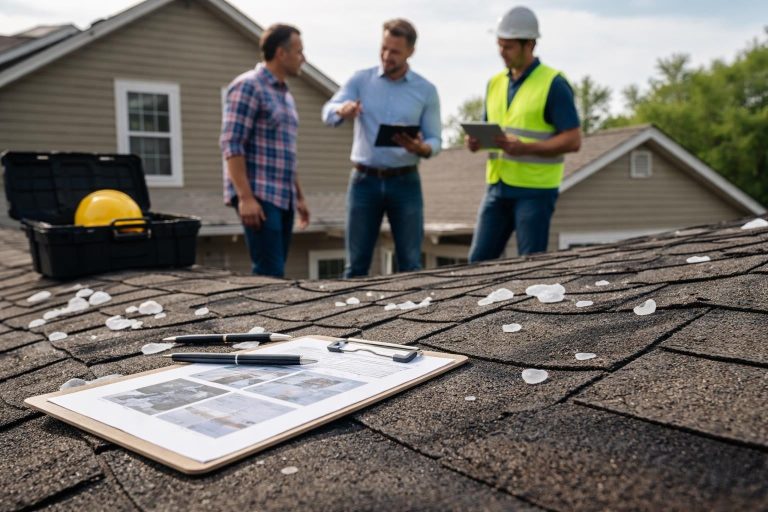
Inspection services form the foundation of proper roof management. Professional contractors conduct comprehensive assessments that identify potential vulnerabilities before they escalate into costly damage. These inspections typically include structural evaluation, material condition assessment, and documentation of any existing issues.
Repair services address localized problems such as:
- Missing or damaged shingles
- Flashing failures around chimneys and vents
- Leak remediation in specific areas
- Wind damage restoration
- Minor structural corrections
Replacement projects involve complete roof removal and installation of new roofing systems. According to National Roofing Authority standards, full replacements provide opportunities to upgrade materials, improve ventilation, and address underlying deck issues that would otherwise remain hidden.
Emergency Response Capabilities
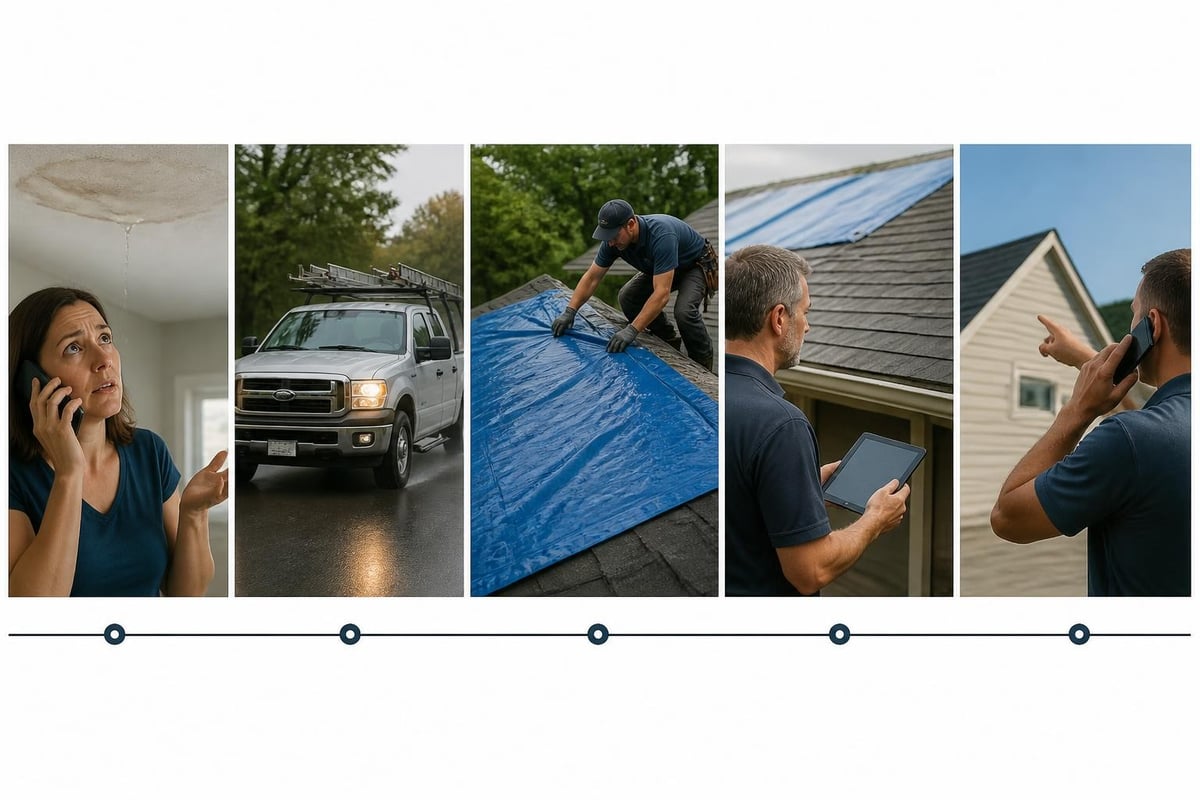
Storm events create urgent roofing needs that cannot wait for scheduled appointments. Quality contractors maintain emergency response protocols designed to prevent secondary water damage and protect property immediately after severe weather.
Same-day emergency service separates professional operations from companies that lack adequate crews or organizational systems. When evaluating residential roofing services near me, verify whether the contractor maintains in-house crews capable of rapid deployment rather than relying on subcontractor networks that introduce delays and communication gaps.
Evaluating Contractor Qualifications and Credentials
The roofing industry operates without state-level licensing in Texas, creating significant variation in contractor qualifications. This regulatory landscape places additional responsibility on property owners to verify credentials and evaluate competency before signing contracts.
| Credential Type | What It Verifies | Why It Matters |
|---|---|---|
| Manufacturer Certifications | Training on specific product lines | Ensures proper installation per warranty requirements |
| Insurance Coverage | General liability and workers' compensation | Protects homeowners from liability exposure |
| Industry Memberships | Commitment to professional standards | Indicates ongoing education and ethical standards |
| Accreditation | Third-party verification of practices | Validates business operations and customer service |
Professional roofing companies maintain comprehensive documentation of their credentials and provide this information upon request. ARCO accreditation standards establish benchmarks for professionalism that help homeowners identify contractors committed to industry best practices.
The In-House Crew Advantage
Contractors who employ in-house teams rather than subcontracting labor provide several distinct advantages. Direct employment creates accountability structures that ensure consistent quality across all projects. Homeowners can verify that the same trained professionals who conducted the initial inspection will complete the actual installation work.
Benefits of in-house crews include:
- Consistent quality control across all phases
- Direct communication with actual workers
- Streamlined project timelines without coordination delays
- Comprehensive warranties backed by the employing company
- Predictable job site management and cleanup standards
When researching residential roofing services near me, ask contractors directly about their employment structure. Companies that rely heavily on subcontractors often struggle to maintain quality standards and may face challenges honoring long-term warranties if their subcontractor network changes.
Material Selection and Performance Considerations
Residential roofing materials vary significantly in performance characteristics, lifespan expectations, and maintenance requirements. Best practices in material selection emphasize matching system types to specific climate conditions, building characteristics, and homeowner preferences.
Asphalt Shingle Systems
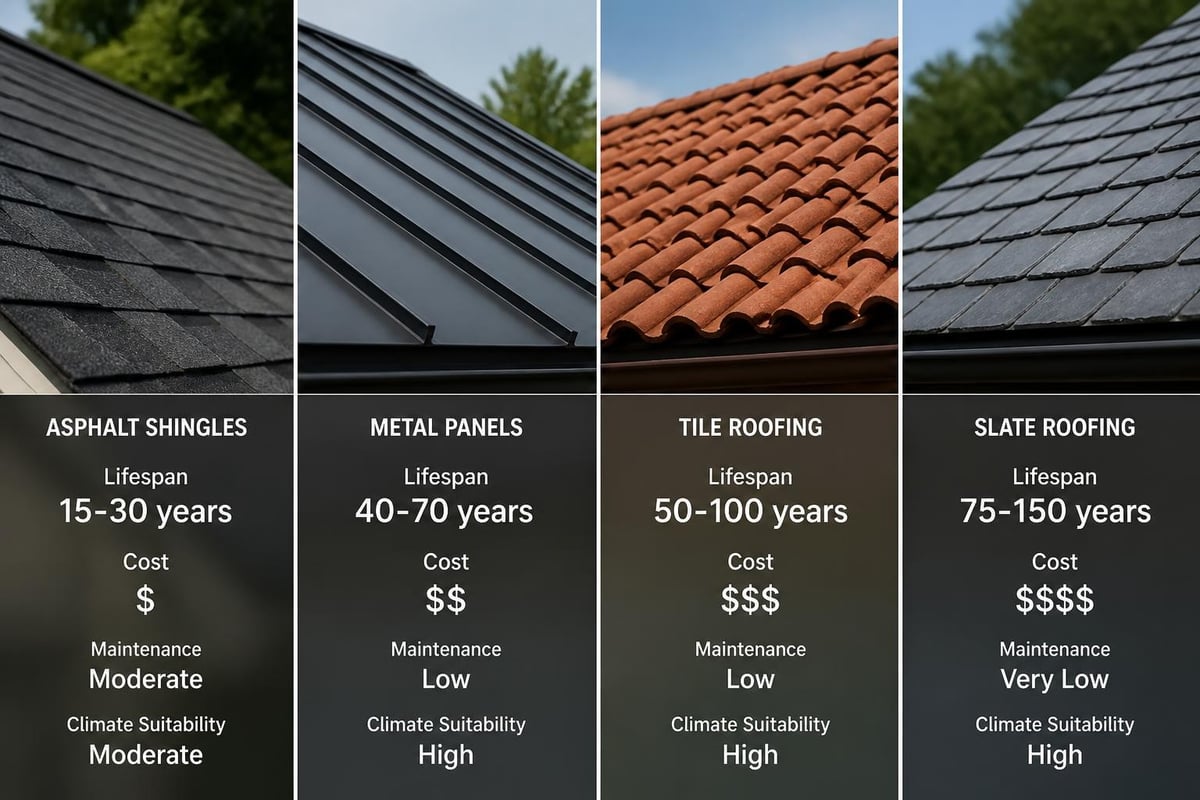
Asphalt shingles dominate the residential market due to their combination of affordability, versatility, and proven performance. Modern architectural shingles offer improved wind resistance and aesthetic appeal compared to traditional three-tab designs.
Key performance factors:
- Wind resistance ratings (Class D, G, or H)
- Impact resistance classifications
- Warranty coverage duration
- Color retention properties
- Algae resistance treatments
Premium shingle products carry higher upfront costs but deliver extended service life and enhanced protection against severe weather common in North Texas. Professional contractors evaluate roof pitch, exposure factors, and ventilation requirements to recommend appropriate material specifications.
Alternative Roofing Systems
While asphalt shingles serve most residential applications effectively, certain properties benefit from alternative materials. Metal roofing systems provide exceptional durability and energy efficiency, particularly for homes with specific architectural styles or performance requirements.
Tile and slate materials offer premium aesthetics and extraordinary longevity but require structural verification to ensure adequate load-bearing capacity. When exploring residential roofing services near me, discuss material options thoroughly and request detailed explanations of performance tradeoffs specific to your property.
Installation Standards and Quality Indicators
Proper installation techniques directly determine roof system performance and longevity. NRCA roofing guidelines establish comprehensive installation standards that professional contractors follow to ensure structural integrity and weather resistance.
Critical Installation Components
Quality roofing installations address multiple integrated systems beyond visible shingle placement. Underlayment selection, ventilation design, and flashing details require expert attention to prevent premature failures.
Essential installation elements:
- Deck preparation: Complete inspection and repair of damaged sheathing before new material installation
- Ice and water barrier: Strategic placement in vulnerable areas including eaves, valleys, and penetrations
- Ventilation balance: Proper intake and exhaust ratios to prevent moisture accumulation and heat buildup
- Flashing systems: Custom-fitted metal components at all transitions and penetrations
- Fastener patterns: Manufacturer-specified nail placement and quantities for warranty compliance
Homeowners should request detailed scope of work documentation that outlines each installation phase. Professional contractors provide transparent specifications rather than generic descriptions that obscure potential shortcuts.
Documentation and Project Communication
Clear documentation separates professional operations from contractors who avoid accountability. Comprehensive project documentation includes pre-installation condition assessments, detailed material specifications, installation photographs, and post-completion verification reports.
Effective contractors maintain consistent communication throughout project timelines, providing regular updates about schedule progression, material deliveries, and any unexpected conditions discovered during installation. This transparency allows homeowners to make informed decisions when scope adjustments become necessary.
Storm Damage Assessment and Documentation
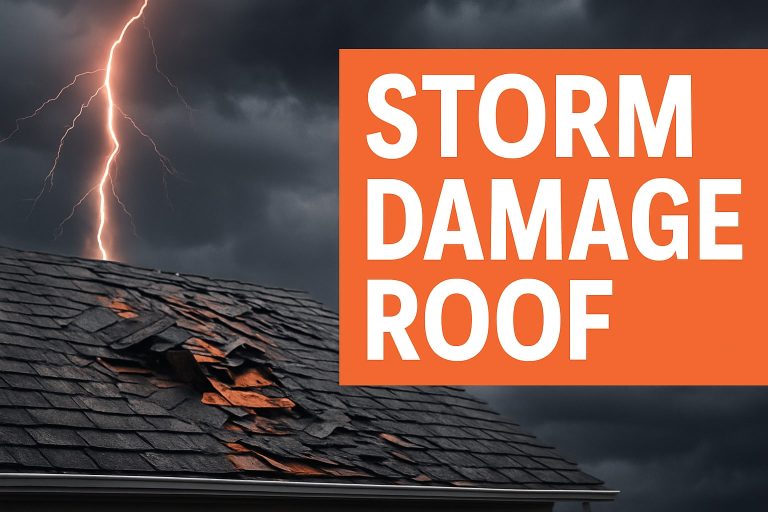
North Texas weather patterns create frequent hail and wind events that cause significant roof damage. Professional assessment after severe weather helps property owners understand the full extent of damage and make informed decisions about necessary repairs.
When searching for residential roofing services near me following storm events, prioritize contractors who provide thorough damage documentation. Detailed inspection reports with measurements and photographs support accurate repair scoping and provide valuable information for property owners navigating the restoration process.
| Documentation Element | Purpose | Homeowner Benefit |
|---|---|---|
| Hail strike measurements | Quantifies impact damage across roof zones | Establishes damage severity and patterns |
| Photo documentation | Visual evidence of specific damage locations | Supports informed decision-making |
| Material condition assessment | Evaluates overall system integrity | Determines repair versus replacement needs |
| Structural evaluation | Identifies underlying deck or framing issues | Prevents incomplete restoration |
Residential Roofing Services performed by qualified teams include comprehensive damage assessment as a standard service component. Contractors should never rush homeowners toward immediate commitments but instead provide complete information that supports careful evaluation.
Understanding Documentation vs. Representation
Texas regulations prohibit roofing contractors from acting as public adjusters or representing homeowners in negotiation processes. Professional contractors provide detailed inspection reports documenting damage conditions but leave all decisions about filing, pursuing, or negotiating insurance matters to property owners and their chosen representatives.
This regulatory framework protects homeowners by ensuring contractors focus on technical roofing expertise rather than attempting to influence insurance processes. When evaluating residential roofing services near me, verify that contractors maintain appropriate boundaries and provide documentation without overstepping into prohibited activities.
Warranty Coverage and Long-Term Performance
Comprehensive warranty coverage protects homeowners from installation defects and premature material failures. Understanding warranty structures helps property owners evaluate the true value of competing proposals beyond initial price comparisons.
Labor Warranty Components
Labor warranties cover workmanship defects that emerge after project completion. Professional contractors stand behind their installation quality with multi-year labor warranties that address failures resulting from improper techniques or installation errors.
Standard labor warranty provisions:
- Coverage duration (typically five years minimum)
- Specific inclusions and exclusions
- Transferability terms for property sales
- Claim filing procedures
- Response timelines for warranty service
Companies that employ in-house crews can fulfill warranty obligations directly without coordinating through third-party subcontractors who may no longer be available when issues arise. This structural advantage provides meaningful protection that paper warranties from subcontractor-dependent companies cannot match.
Manufacturer Material Warranties
Material warranties from shingle manufacturers cover product defects but typically exclude installation-related failures. Understanding the interaction between labor and material warranties helps homeowners recognize comprehensive coverage.
Premium material selections often include enhanced warranty terms, but these benefits only apply when certified installers complete the work according to manufacturer specifications. Local roofing contractors with manufacturer certifications ensure compliance with installation requirements that activate full warranty coverage.

Project Timeline Expectations and Scheduling
Realistic timeline expectations prevent frustration and help homeowners plan around construction activities. Residential roofing projects involve multiple phases that require appropriate duration for quality execution.
Typical Project Phases
Pre-construction activities include final material selection, permit acquisition, material ordering, and crew scheduling. Professional contractors coordinate these elements efficiently while maintaining flexibility for weather-related adjustments.
Installation duration varies based on roof size, complexity, and weather conditions. Most residential roofs require one to three days for complete installation, though larger or more complex projects extend beyond this range.
Post-installation activities involve final inspections, cleanup verification, warranty documentation, and any necessary touch-up work. Quality contractors complete these phases thoroughly rather than rushing to move onto subsequent projects.
Weather Contingency Planning
Roofing installations require dry conditions for proper material application and adhesion. Professional contractors monitor weather forecasts continuously and communicate proactively about potential delays rather than attempting installations during unsuitable conditions.
When evaluating residential roofing services near me, ask contractors about their weather policies and rescheduling procedures. Companies that prioritize quality over speed demonstrate commitment to long-term performance rather than short-term convenience.
Cost Structures and Pricing Transparency
Understanding roofing cost structures helps homeowners evaluate proposals accurately and identify potential red flags. Professional contractors provide detailed line-item pricing that breaks down material, labor, and ancillary costs rather than offering single lump-sum figures that obscure component values.
Price Variation Factors
Multiple variables influence residential roofing costs beyond basic square footage calculations. Roof pitch, complexity, material selection, removal requirements, and structural repairs all impact final project costs.
Primary cost drivers include:
- Material grade and performance specifications
- Roof accessibility and safety equipment requirements
- Removal and disposal of existing materials
- Deck repair or replacement needs
- Ventilation system upgrades
- Flashing complexity around penetrations
- Permit and inspection fees
Contractors should explain how these factors apply to specific properties rather than providing generic per-square estimates that fail to account for project-specific conditions. According to roofing best practices, thorough pre-project assessments identify cost factors accurately and prevent surprise expenses during installation.
Payment Terms and Financing
Professional contractors structure payment schedules that protect both parties throughout project progression. Typical arrangements include deposit requirements, progress payments, and final payment upon completion and homeowner satisfaction.
Reasonable payment structures:
| Payment Stage | Typical Percentage | Purpose |
|---|---|---|
| Initial deposit | 10-20% | Material ordering and scheduling |
| Material delivery | 30-40% | Covers major material costs |
| Installation completion | 30-40% | Compensates labor investment |
| Final inspection | 10-20% | Released after verification |
Contractors who demand large upfront payments or full payment before completion create unnecessary risk for homeowners. Similarly, avoid contractors who offer suspiciously low prices, as these often indicate material substitutions, inexperienced crews, or incomplete scope coverage.
Identifying Professional vs. Problematic Contractors
The residential roofing industry includes both highly professional companies and problematic operators who damage homeowner interests. Understanding warning signs helps property owners avoid contractors who prioritize quick profits over quality results.
Red Flags to Avoid
Storm-chasing contractors who appear immediately after severe weather often employ high-pressure tactics and disappear before warranty issues emerge. These operators typically lack local presence, permanent facilities, and long-term commitment to customer satisfaction.
Warning signs of problematic contractors:
- Unsolicited door-to-door solicitations after storms
- Pressure to sign contracts immediately
- Requests for large upfront payments
- Reluctance to provide references or credentials
- Generic proposals lacking property-specific details
- Promises to "cover" deductibles or offer "free" roofs
- No verifiable local business address
Professional contractors build reputations through consistent quality and customer satisfaction rather than aggressive sales tactics. Roofing contractors in Fort Worth with established track records provide verifiable references and maintain transparent business practices.
Verification Steps Before Signing
Before committing to any contractor, homeowners should complete basic verification steps that confirm legitimacy and competence. These due diligence activities require minimal time but provide significant protection against problematic contractors.
Essential verification activities:
- Check references from recent projects of similar scope
- Verify insurance coverage through direct carrier contact
- Review online presence and customer feedback
- Confirm physical business location rather than post office boxes
- Request detailed written proposals with specific material specifications
- Compare proposals from multiple qualified contractors
- Verify warranty terms in writing before contract signing
Professional contractors welcome this verification process and provide requested information promptly. Contractors who resist transparency or pressure homeowners to bypass verification steps demonstrate concerning priorities.
The Role of Inspections in Roof Management
Regular professional inspections extend roof system lifespan and identify minor issues before they escalate into major failures. Homeowners who invest in periodic inspections achieve significantly better long-term performance and lower total ownership costs.
Inspection Timing Recommendations
Annual inspections provide baseline documentation of roof condition and identify developing problems early. Scheduled inspections typically occur in spring or fall when weather conditions allow thorough access and temperatures support detailed assessments.
Post-storm inspections assess damage immediately after severe weather events. Even roofs that show no obvious signs of damage benefit from professional evaluation, as hail impacts and wind damage may not become apparent to untrained observers until subsequent failures occur.
Pre-purchase inspections protect homebuyers from inheriting deferred maintenance or hidden damage. Understanding roof condition before closing allows accurate budgeting for necessary repairs or negotiation of purchase terms.
Professional local roof companies provide comprehensive inspection services that include detailed documentation suitable for various purposes including maintenance planning, real estate transactions, and damage assessment.
What Professional Inspections Include
Thorough roof inspections examine multiple integrated systems beyond visible shingle conditions. Professional inspectors evaluate structural components, ventilation systems, flashing details, and material integrity to provide complete condition assessments.
Inspection reports should include specific findings rather than vague generalizations, photographic documentation of identified issues, and clear recommendations prioritized by urgency. This detailed information supports informed decision-making about repair timing and budget allocation.
Making the Final Contractor Selection
After completing research, verifying credentials, and reviewing proposals, homeowners face the final selection decision. This choice should balance multiple factors rather than focusing exclusively on price comparisons.
Evaluation Criteria Beyond Price
While cost considerations matter, selecting contractors based solely on lowest price often leads to disappointing results. Professional contractors deliver value through quality materials, skilled installation, comprehensive warranties, and reliable customer service that budget operators cannot match.
Decision factors to weigh:
- Crew composition (in-house vs. subcontracted)
- Warranty coverage terms and duration
- Material specifications and performance ratings
- Communication quality throughout proposal process
- Timeline commitments and scheduling flexibility
- Documentation thoroughness and transparency
- Company stability and local presence
- Reference feedback and project examples
Contractors who invest in quality crews, maintain comprehensive insurance, and stand behind their work with meaningful warranties necessarily charge more than operators who cut these corners. Understanding this relationship helps homeowners recognize true value rather than chasing artificially low prices.
Questions to Ask Before Signing
Final contractor meetings provide opportunities to clarify remaining questions and verify understanding of project scope, timeline, and expectations. Prepared homeowners ask specific questions that reveal contractor competence and commitment.
- How long have you maintained operations in this market?
- What percentage of your work uses in-house crews versus subcontractors?
- How do you handle unexpected conditions discovered during installation?
- What specific steps ensure job site cleanliness and safety?
- How quickly do you respond to warranty service requests?
- What communication methods do you use during project execution?
- How do you verify crew members working on my property?
Professional contractors answer these questions confidently with specific rather than vague responses. Companies that struggle to provide clear answers may lack the organizational systems necessary for quality project execution.
Selecting qualified residential roofing services near me requires careful evaluation of credentials, installation standards, and long-term support capabilities. Homeowners who prioritize comprehensive documentation, in-house crews, and transparent communication achieve superior results compared to those who focus exclusively on lowest initial cost. Texcore Construction serves Fort Worth property owners with manufacturer-certified in-house crews, detailed damage documentation, and five-year labor warranties backed by consistent quality and accountability. Contact our team to schedule a thorough roof assessment and receive transparent recommendations based on your specific property conditions and performance requirements.