Commercial Roofing Installation: A Complete Guide
Commercial roofing installation represents one of the most significant investments a property owner can make. Whether you're constructing a new building or replacing an aging roof system, the installation process demands careful planning, expert execution, and attention to detail. A properly installed commercial roof protects assets, ensures operational continuity, and delivers decades of reliable performance. Understanding the key factors that influence installation success helps property managers, building owners, and facility directors make informed decisions that maximize return on investment while minimizing future maintenance costs.
Understanding Commercial Roofing Installation Requirements
Commercial roofing installation differs substantially from residential projects in scope, complexity, and technical requirements. The size of commercial buildings, the variety of roofing systems available, and the need for minimal business disruption all contribute to unique challenges.
Building Assessment and Structural Considerations
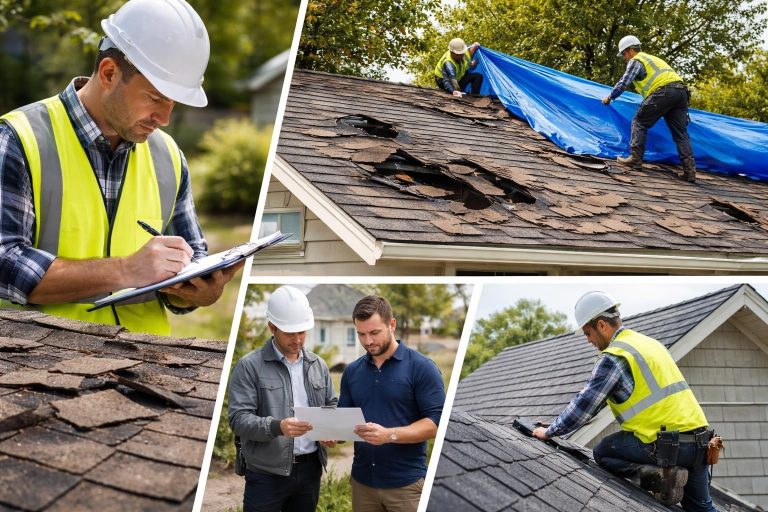
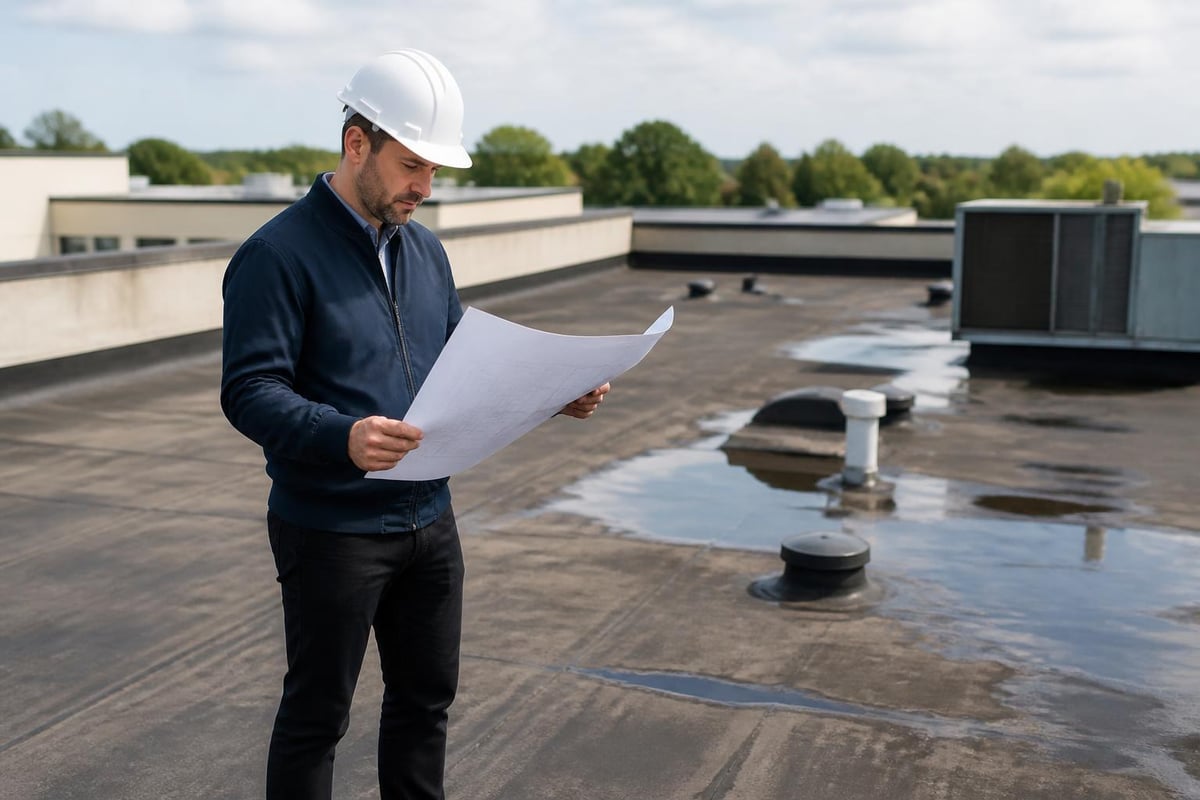
Before any commercial roofing installation begins, a thorough structural assessment determines whether the existing building can support the planned roofing system. Engineers evaluate load-bearing capacity, drainage patterns, and structural integrity to ensure the building can accommodate the new roof's weight and performance requirements.
Key factors include:
- Roof deck condition and material composition
- Structural load capacity for different roofing systems
- Existing drainage infrastructure and slope requirements
- HVAC equipment locations and rooftop penetrations
- Building code compliance and local regulations
The assessment also identifies potential obstacles such as skylights, vents, pipes, and mechanical equipment that require special detailing during installation. According to best practices for commercial roofing installations, proper attention to transitions and penetrations significantly impacts long-term roof performance.
Material Selection for Your Installation
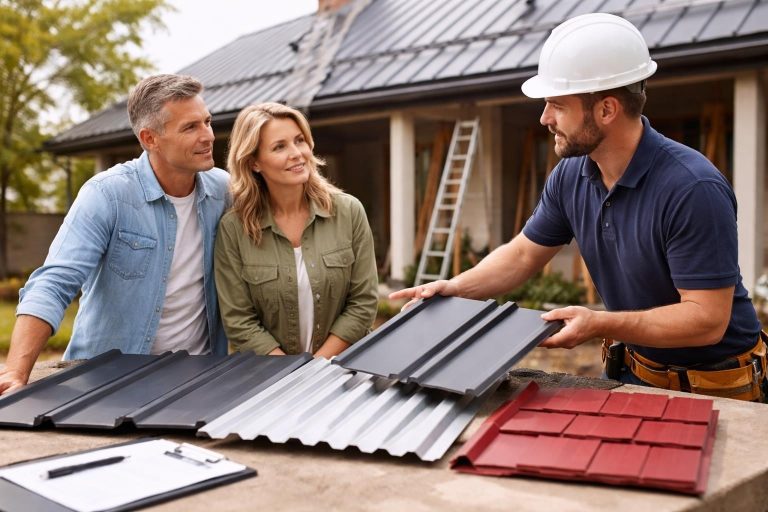
Choosing the right roofing system involves balancing performance characteristics, budget constraints, and long-term maintenance considerations. Commercial properties have several proven options, each with distinct advantages.
| Roofing System | Lifespan | Best Applications | Key Benefits |
|---|---|---|---|
| TPO (Thermoplastic Polyolefin) | 15-30 years | Retail, office buildings | Energy-efficient, heat-welded seams, UV resistant |
| EPDM (Rubber) | 20-30 years | Warehouses, industrial | Cost-effective, durable, easy repairs |
| Modified Bitumen | 15-20 years | Low-slope buildings | Weather resistance, proven performance |
| Built-Up Roofing (BUR) | 20-30 years | Heavy-traffic roofs | Multiple layers, puncture resistant |
| Metal Roofing | 30-50+ years | Industrial, high-slope | Long lifespan, fire resistance, recyclable |
Climate conditions significantly influence material selection. Fort Worth's hot summers and occasional severe weather require roofing systems that withstand temperature extremes, high winds, and hail impact. Property owners should discuss various roofing materials with experienced contractors who understand regional performance requirements.
Planning and Preparation Phase
Successful commercial roofing installation begins long before crews arrive on site. Detailed planning ensures projects stay on schedule, within budget, and meet quality standards.
Project Timeline Development
Commercial roofing projects require coordination between multiple stakeholders. Property managers must plan around business operations, weather windows, and material lead times.
A typical installation timeline includes:
- Initial inspection and proposal development (1-2 weeks)
- Material procurement and crew scheduling (2-4 weeks)
- Site preparation and safety setup (1-3 days)
- Tear-off and deck preparation (varies by size)
- New system installation (varies by complexity)
- Quality inspection and final walkthrough (1 day)
Weather contingencies add flexibility to the schedule. Unexpected rain delays or temperature fluctuations can impact installation quality, particularly for systems requiring specific application temperatures. Professional contractors build buffer time into schedules to accommodate these variables without compromising results.
For property managers coordinating with real estate professionals during transactions or lease negotiations, understanding installation timelines helps establish realistic expectations. Working with experienced real estate advisors who understand commercial property considerations can streamline communication between all parties involved.
Budgeting and Cost Factors
Commercial roofing installation costs vary widely based on system type, building size, access challenges, and existing roof condition. Property owners should understand all cost components when budgeting.
Primary cost drivers include:
- Square footage and roof complexity
- Chosen roofing system and material quality
- Tear-off and disposal requirements
- Insulation upgrades and energy improvements
- Warranty coverage levels
- Project timeline and urgency
Transparent contractors provide detailed scopes of work that itemize costs and explain pricing rationale. This documentation helps property owners make informed decisions and compare proposals accurately. When working with insurance claim roofers, understanding how replacement costs align with policy coverage becomes particularly important.
Installation Process and Best Practices
The physical installation represents the culmination of planning efforts. Quality execution during this phase determines roof performance for decades.
Safety Protocols and Site Management
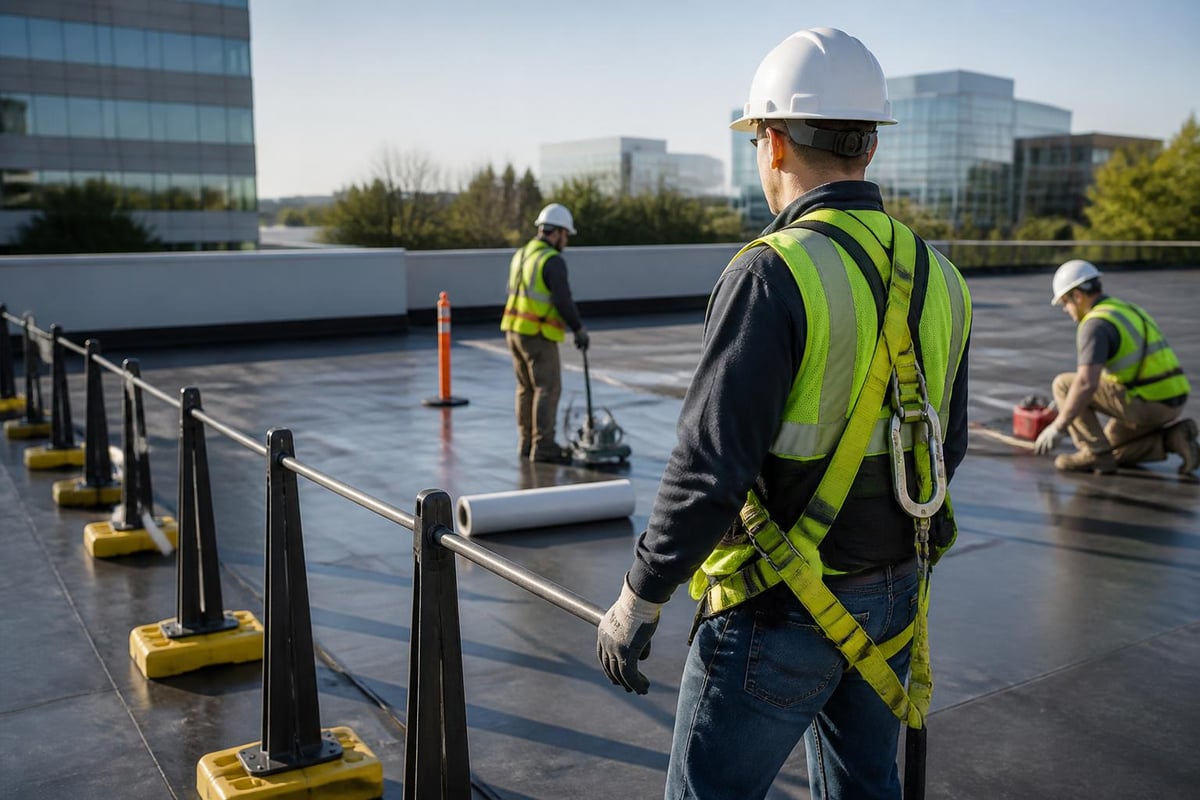
Commercial roofing installation involves significant safety considerations. Crews work at height, handle heavy materials, and operate specialized equipment in potentially hazardous conditions.
Commercial roofing safety protocols emphasize:
- Fall protection systems and perimeter safeguards
- OSHA compliance and regular safety training
- Proper equipment maintenance and inspection
- Weather monitoring and work stoppage procedures
- Clean site management and debris removal
Reputable contractors maintain detailed safety programs and carry comprehensive insurance coverage. Property owners should verify contractor credentials, licensing status, and insurance adequacy before project commencement. Companies using in-house crews rather than subcontractors typically maintain tighter safety control and more consistent quality standards.
Tear-Off and Deck Preparation
Proper substrate preparation creates the foundation for long-term roof performance. Rushing this phase or cutting corners leads to premature failures and costly callbacks.
The tear-off process involves:
- Systematic removal of existing roofing materials
- Inspection of roof deck for damage or deterioration
- Repair or replacement of compromised deck sections
- Cleaning and preparation of installation surface
- Installation of new insulation layers if specified
Deck inspection often reveals hidden damage invisible during preliminary assessments. Wood rot, rusted fasteners, or structural deficiencies require immediate attention before new roofing installation proceeds. Experienced crews recognize these issues and communicate promptly with property owners about necessary repairs.
System Installation and Quality Control
Installation techniques vary by roofing system type, but all require meticulous attention to manufacturer specifications and industry standards.
Critical installation elements include:
- Proper membrane alignment and fastening patterns
- Heat-welded or adhesive-bonded seam integrity
- Flashing details at walls, penetrations, and edges
- Drainage component installation and testing
- Insulation placement and attachment
- Quality control checkpoints throughout installation
Professional installers follow commercial roof inspection protocols during installation to catch and correct issues before they become problems. In-house crews familiar with company quality standards deliver more consistent results than rotating subcontractor teams.
For specialized applications such as Industrial Roofing projects involving warehouses or manufacturing facilities, installation crews must coordinate around operational equipment and maintain strict contamination control.
System-Specific Installation Considerations
Different commercial roofing systems require specialized installation techniques and equipment. Understanding these nuances helps property owners appreciate the complexity involved.
Single-Ply Membrane Installation
TPO and EPDM systems dominate the commercial flat roofing market due to their proven performance and relatively straightforward installation process.
Single-ply installation methods:
| Method | Description | Advantages | Best Applications |
|---|---|---|---|
| Fully Adhered | Membrane bonded across entire surface | Wind resistance, no fastener penetrations | High-wind zones, smooth decks |
| Mechanically Attached | Fastened at seams with plates/bars | Cost-effective, fast installation | Most commercial applications |
| Ballasted | Membrane weighted with stone/pavers | Minimal roof penetrations | Low-wind areas, adequate load capacity |
Heat welding creates permanent, watertight seams that typically outlast the membrane itself. Proper welding technique requires trained operators and quality control testing to verify seam strength. Amateur installation or inadequate equipment produces weak seams that fail prematurely.
Built-Up and Modified Bitumen Systems
Traditional built-up roofing and modified bitumen systems involve multiple layers of materials applied in sequence. These systems offer proven durability but require different installation expertise than single-ply membranes.
The layered approach provides redundancy and puncture resistance valuable for roofs experiencing regular foot traffic or maintenance activity. Hot-applied systems require specialized kettles and safety protocols, while torch-applied modified bitumen demands trained applicators aware of fire safety requirements.
Metal Roofing Installation
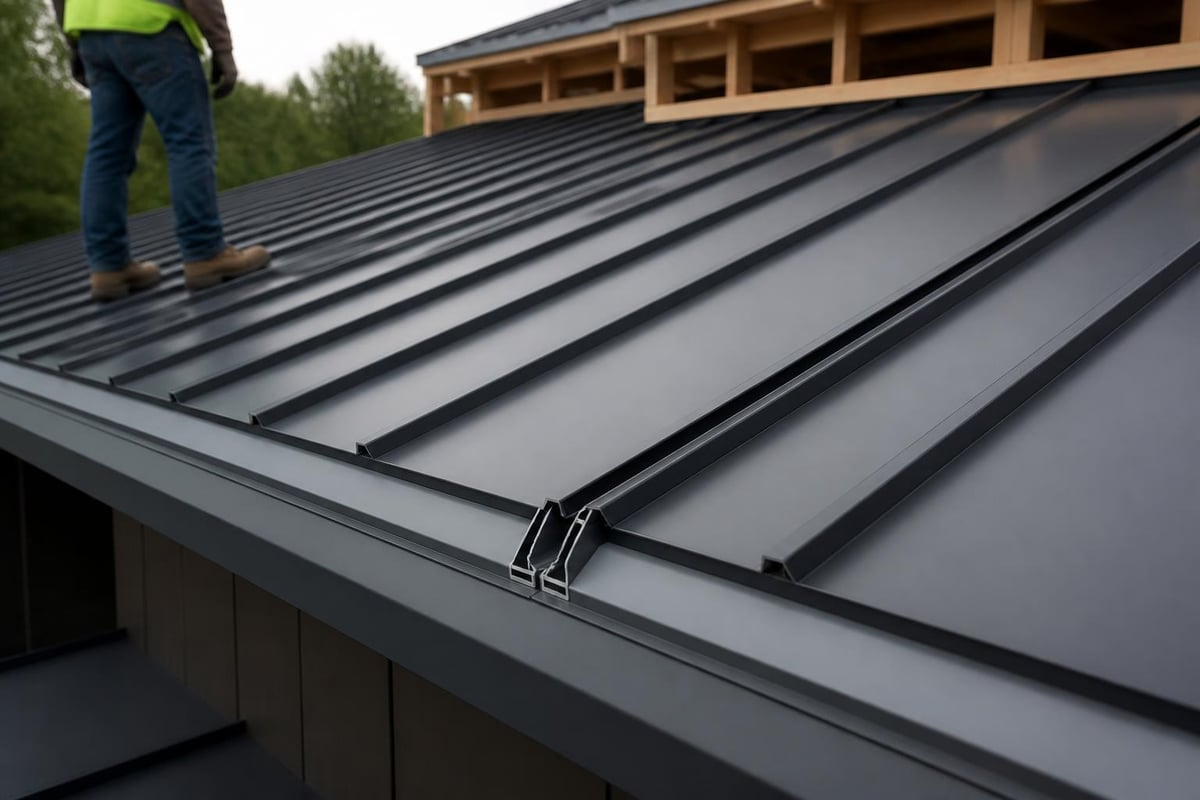
Metal roofing systems suit commercial buildings requiring maximum longevity, fire resistance, or architectural appeal. Standing seam metal roofs expand and contract with temperature changes, requiring specialized fastening systems that accommodate movement.
Panel alignment, fastener spacing, and sealant application all impact water tightness and aesthetic appearance. Metal roofing crews need different skill sets than membrane installers, emphasizing the importance of contractor specialization matching project requirements.
Post-Installation Documentation and Warranty
Commercial roofing installation doesn't end when crews leave the site. Proper documentation and warranty activation protect the investment for years to come.
Final Inspection and Quality Verification
Thorough final inspections identify any deficiencies requiring correction before project closeout. Property owners or their representatives should participate in walkthroughs to understand roof features and maintenance requirements.
Inspection checklist items:
- Seam integrity and membrane attachment
- Flashing details and terminations
- Drainage functionality and ponding evaluation
- Edge metal and parapet cap installation
- Penetration seals and equipment curbs
- Overall workmanship and site cleanup
Detailed photo documentation creates a baseline reference for future inspections and maintenance activities. This documentation proves particularly valuable when filing insurance claims after storm events or coordinating industrial roof replacement projects in subsequent years.
Warranty Coverage and Maintenance Requirements
Commercial roofing warranties typically include both material warranties from manufacturers and labor warranties from installing contractors. Understanding coverage scope and maintenance obligations prevents unexpected expenses.
Material warranties range from 10 to 30 years depending on system type and quality tier. These warranties cover manufacturing defects but exclude damage from improper installation, lack of maintenance, or external factors. Labor warranties protect against installation defects and workmanship issues for specified periods, typically ranging from one to ten years.
Many contractors offer enhanced warranty programs providing comprehensive coverage when specific maintenance protocols are followed. Regular inspections, documented maintenance activities, and prompt repairs of minor issues often constitute warranty requirements. Property owners should review warranty terms carefully and establish maintenance schedules aligned with coverage obligations.
Choosing the Right Installation Partner
Contractor selection significantly impacts project outcomes. The lowest bid rarely delivers the best value when quality, reliability, and long-term performance are considered.
Evaluating Contractor Qualifications
Property owners should verify contractor credentials, experience, and reputation before signing contracts. Essential qualifications include:
- Current licensing and insurance coverage
- Manufacturer certifications for specified systems
- References from comparable commercial projects
- Financial stability and bonding capacity
- Safety program documentation and OSHA compliance
- In-house crew composition versus subcontractor reliance
Companies maintaining experienced in-house crews deliver more consistent quality than those coordinating multiple subcontractors. Direct employee relationships foster accountability, enable better training, and simplify communication throughout projects.
Communication and Project Management
Effective communication prevents misunderstandings and keeps projects on track. Professional contractors provide:
- Detailed written proposals with clear scope definitions
- Regular progress updates and schedule adjustments
- Transparent documentation of changes or discoveries
- Accessible project managers and decision makers
- Prompt response to questions or concerns
Property managers juggling multiple responsibilities appreciate contractors who proactively communicate rather than requiring constant follow-up. Clear documentation throughout the process creates accountability and reduces disputes.
Long-Term Performance and Maintenance
Commercial roofing installation quality ultimately shows in decades of reliable performance. Proper maintenance extends system life and maximizes return on investment.
Establishing Maintenance Programs
Proactive maintenance identifies minor issues before they escalate into major failures. Regular inspection schedules should align with seasonal changes, storm events, and warranty requirements.
Effective maintenance programs include:
- Biannual professional inspections (spring and fall)
- Post-storm damage assessments
- Drain and gutter cleaning to prevent ponding
- Immediate repair of identified deficiencies
- Detailed documentation of all maintenance activities
Property owners can handle some basic maintenance tasks in-house, but professional contractors should perform technical repairs to maintain warranty coverage. Establishing relationships with qualified roofing service providers ensures prompt response when issues arise.
Recognizing When Replacement Becomes Necessary
Even well-maintained commercial roofs eventually require replacement. Recognizing the signs early allows for planned replacement rather than emergency response.
Indicators suggesting replacement consideration include:
- Multiple leak locations despite repeated repairs
- Widespread membrane deterioration or cracking
- Persistent ponding water and drainage issues
- Energy costs increasing due to insulation degradation
- Major roof penetrations or equipment changes requiring extensive modification
Property managers should consult experienced contractors when evaluating repair versus replacement decisions. Detailed assessments help determine the most cost-effective approach based on remaining roof life, repair costs, and long-term building plans.
Commercial roofing installation requires careful planning, expert execution, and ongoing maintenance to deliver decades of reliable protection. From initial structural assessment through final inspection and warranty activation, every phase contributes to long-term performance and value. When you're ready to discuss your commercial roofing installation project with a team that prioritizes quality, transparency, and accountability, Texcore Construction brings the expertise and in-house craftsmanship Fort Worth property owners trust. Our detailed documentation, experienced crews, and commitment to long-term performance ensure your investment delivers the protection and peace of mind your property deserves.