

Insurance Claim Roofers Guide: Navigating Claims in 2026
In 2026, insurance claim roofers face more challenges than ever, with new regulations, increased adjuster scrutiny, and higher homeowner expectations shaping the industry. Staying ahead requires a clear understanding of the evolving landscape.
This comprehensive guide equips insurance claim roofers with proven strategies to navigate claim processes, secure fair payouts, and safeguard client interests. Whether you are new to claims or an experienced professional, actionable insights will help you succeed.
We’ll break down every step, from initial assessment to closing the claim, highlight critical documentation practices, explore 2026 changes, address common challenges, and offer a roadmap for thriving in this dynamic market.
Understanding Insurance Claims for Roofers
Navigating the world of insurance claim roofers is essential for any roofing contractor aiming to thrive in 2026. Insurance claims now drive the majority of roofing projects, and understanding the process is key to maximizing both client satisfaction and business success.

What Is an Insurance Claim in Roofing?
An insurance claim in roofing is a formal request by a policyholder to their insurance company for coverage on roof damage caused by perils like hail, wind, fire, or storms. The process begins when a homeowner reports damage, often after a severe weather event, and seeks compensation for repairs or replacement.
Key parties include the policyholder, the roofer, and the insurance adjuster. The roofer’s involvement is crucial, as they assess the damage, document findings, and help the homeowner understand their coverage. There is a distinction between initial claims—filed right after damage occurs—and supplemental claims, which address items missed or discovered later.
For example, after a hailstorm, a homeowner might contact their insurer, and insurance claim roofers are called in to inspect the property. Notably, over 60% of roof replacements in the US are now driven by insurance claims (2024). For those seeking deeper insights, the Roofing Insurance Claims Guide offers a comprehensive overview of foundational claim concepts.
The Roofer’s Role in the Claims Process
Insurance claim roofers serve as advocates and guides for homeowners during the claim journey. Their first responsibility is to conduct thorough inspections and document every detail of the damage, using photos, measurements, and notes. This documentation forms the backbone of a strong claim and supports accurate repair estimates.
Beyond inspection, roofers prepare detailed estimates that match insurance company requirements, communicate with adjusters, and ensure all repairs meet building codes and manufacturer specifications. Effective communication with adjusters is essential, especially when discrepancies arise in scope or pricing.
Ethical conduct and compliance with state laws are central to this role. Insurance claim roofers must avoid exaggerating damages and always document their findings. For instance, if an adjuster misses key repairs during the assessment, the roofer’s detailed evidence can help secure proper compensation for the client.
Types of Claims: Initial, Supplemental, and Reopened
There are three primary types of insurance claims in roofing: initial, supplemental, and reopened claims.
- Initial claims are filed immediately after a loss, covering all visible damages.
- Supplemental claims are submitted when additional issues arise during repairs, such as hidden water damage or code-required upgrades. These supplements are common, as insurance claim roofers often discover new problems once repairs begin.
- Reopened claims address situations where a claim was denied or underpaid. Roofers may gather more evidence or clarify code requirements to justify additional compensation.
Supplements frequently involve hidden structural damage, updated building codes, or increases in material and labor costs. For example, a roofer might identify the need for code-mandated upgrades—like improved decking or underlayment—after the initial repair estimate was approved. By understanding all types of claims, insurance claim roofers can better advocate for their clients and ensure every aspect of the job is properly funded.
Step-by-Step: The Insurance Claim Process for Roofers in 2026
Navigating the insurance claim process in 2026 requires precision, preparation, and a keen understanding of new industry standards. Insurance claim roofers must approach each step with a documented strategy to maximize approvals and ensure clients receive the coverage they deserve. Below, we break down the process into five essential steps, providing the tools and insights needed to succeed in the evolving insurance landscape.

Step 1: Initial Inspection and Damage Assessment
The first step for insurance claim roofers is conducting a meticulous inspection immediately after a storm or damage event. Begin by surveying the entire roof surface, noting both visible and subtle signs of damage. In 2026, many roofers use drones equipped with high-resolution cameras and AI-powered analysis to spot issues that may be missed from the ground.
Detailed photo and video documentation is crucial. Capture every affected area, from missing shingles to granule loss and flashing damage. For hidden issues, leverage moisture meters or thermal imaging tools to reveal problems beneath the surface.
Insurance claim roofers who invest in advanced technology gain a competitive edge. For example, drone mapping can uncover shingle damage invisible to the naked eye, helping build a stronger case for the claim. Remember, the more comprehensive your evidence, the higher the likelihood of claim approval.
Step 2: Documentation and Estimate Preparation
Once the inspection is complete, insurance claim roofers should compile a thorough documentation package. This includes high-quality photographs, precise measurements, and detailed notes about the type and extent of damage. Material specifications and code requirements must also be included.
Next, prepare a comprehensive repair estimate using industry-standard software like Xactimate or Symbility. Ensure your estimate matches the insurance carrier's formatting and line-item requirements. Incorporate all necessary repairs, such as underlayment, decking, and code upgrades, right from the start.
Well-prepared documentation increases the chance of a smooth claim process. In fact, claims with detailed evidence are 40 percent more likely to be approved without dispute. For complex or full replacement claims, review the Roof Replacement Insurance Claim Process for step-by-step guidance tailored to major repairs. Insurance claim roofers who master this phase set the foundation for claim success.
Step 3: Filing the Claim and Meeting with Adjusters
With documentation and estimates ready, insurance claim roofers move on to filing the claim. Submit all materials to the insurer, ensuring every document is clear and organized. Schedule a meeting with the insurance adjuster, and be present during their inspection to answer questions and provide additional context.
Effective communication is essential at this stage. Insurance claim roofers should address any discrepancies between their estimate and the adjuster’s findings. Present supporting evidence for repairs that may not be immediately obvious, such as flashing or code-mandated upgrades.
Approaching this step with professionalism and preparedness increases the chance of a fair settlement. Consistent follow-up keeps the claim on track and demonstrates your expertise as an advocate for the homeowner.
Step 4: Navigating Supplemental Claims
During the repair process, insurance claim roofers often encounter additional damage or items missed in the initial estimate. Common supplemental items include decking, underlayment, or updated code requirements. When this happens, submit a supplemental claim with complete documentation and a clear explanation for each new item.
Supplements are a normal part of the process, especially as material costs and building codes evolve. Collaborate with supplement specialists or use in-house expertise to justify these additions. On average, supplemental claims now account for 30 percent of total claim value, making this step vital for full project funding.
Insurance claim roofers who proactively identify and document supplemental needs help clients avoid out-of-pocket expenses. Timely and accurate supplements support both your business reputation and the homeowner’s interests.
Step 5: Finalizing Repairs and Closing the Claim
After all repairs are completed, insurance claim roofers must ensure every aspect meets code and manufacturer specifications. Take final completion photos, gather invoices, and prepare any required warranties. Submit these documents to both the client and the insurer as proof of work.
Clear communication is key to closing the claim efficiently. Explain the payment process to the homeowner, including any differences between Actual Cash Value (ACV) and Replacement Cost Value (RCV) disbursements. Provide a signed certificate of completion to finalize the claim.
This last step not only secures payment but also builds trust with clients and carriers. Insurance claim roofers who excel at closing claims position themselves as reliable partners for future projects.
Key Changes and Trends in Insurance Claims for 2026
Staying ahead in the roofing industry means understanding how the landscape for insurance claim roofers is evolving. As we move into 2026, shifting regulations, rapid technological advances, and changing insurance carrier practices are reshaping how claims are managed. Roofers who adapt to these trends will be best positioned to serve clients and maximize claim success.

Regulatory and Policy Updates Impacting Roofers
In 2026, insurance claim roofers face a more rigorous regulatory environment. Many states have updated their building codes, requiring roofers to include additional code-compliant materials and installation methods. For example, Texas now mandates enhanced ice and water shield protection, raising both material standards and documentation demands.
At the federal level, new consumer protection rules require insurance claim roofers to provide transparent documentation at every claim stage. Insurers and adjusters are also requesting more detailed estimates, including line-item breakdowns and photo evidence for each repair component. Failing to comply can result in claim delays or denials.
Industry experts note that stricter timelines for claim submission and completion are now enforced. Roofers must stay informed about these deadlines and evolving policy language. For a comprehensive analysis of how extreme weather and tightening insurer practices are influencing these changes, see Extreme Weather – Insurers Tighten Grip.
Technology’s Role in Claims Management
Technology is transforming how insurance claim roofers operate in 2026. Drones and AI-powered platforms are now essential for thorough inspections and accurate documentation. These tools help roofers identify hidden damage, generate high-resolution imagery, and create digital models of affected areas.
Digital claim management systems automate communication with carriers, track claim status, and store all supporting documents securely. AI-driven estimating software reduces errors and ensures that estimates align with carrier requirements. In fact, 70% of leading roofing companies now use digital solutions to streamline claims, resulting in faster approvals and fewer disputes.
For insurance claim roofers, investing in technology is no longer optional. It is a competitive necessity. Embracing these tools not only speeds up the process but also builds credibility with both clients and insurers.
Insurance Carrier Trends and Adjuster Practices
Insurance carriers are shifting toward virtual and desk adjusting, relying more on digital documentation submitted by insurance claim roofers. This trend increases the importance of submitting comprehensive, well-organized evidence with every claim.
Carriers are also intensifying their scrutiny of supplements and requiring line-item justification for each additional expense. Standardized estimating practices are now the norm, and any discrepancies between roofer and adjuster estimates must be resolved with clear, documented proof.
Insurance claim roofers who want to succeed in this environment must focus on transparency, professionalism, and proactive communication. By understanding adjuster tactics and preparing for increased pushback, roofers can achieve better claim outcomes and foster long-term trust with clients and carriers.
Overcoming Common Challenges in Roofing Insurance Claims
Navigating the hurdles of insurance claim roofers work in 2026 requires skill, patience, and up-to-date knowledge. Each claim presents its own set of obstacles, from denied payments to communication breakdowns. By understanding the most common challenges, insurance claim roofers can position themselves—and their clients—for success, even in the most complex situations.
Dealing with Denied or Underpaid Claims
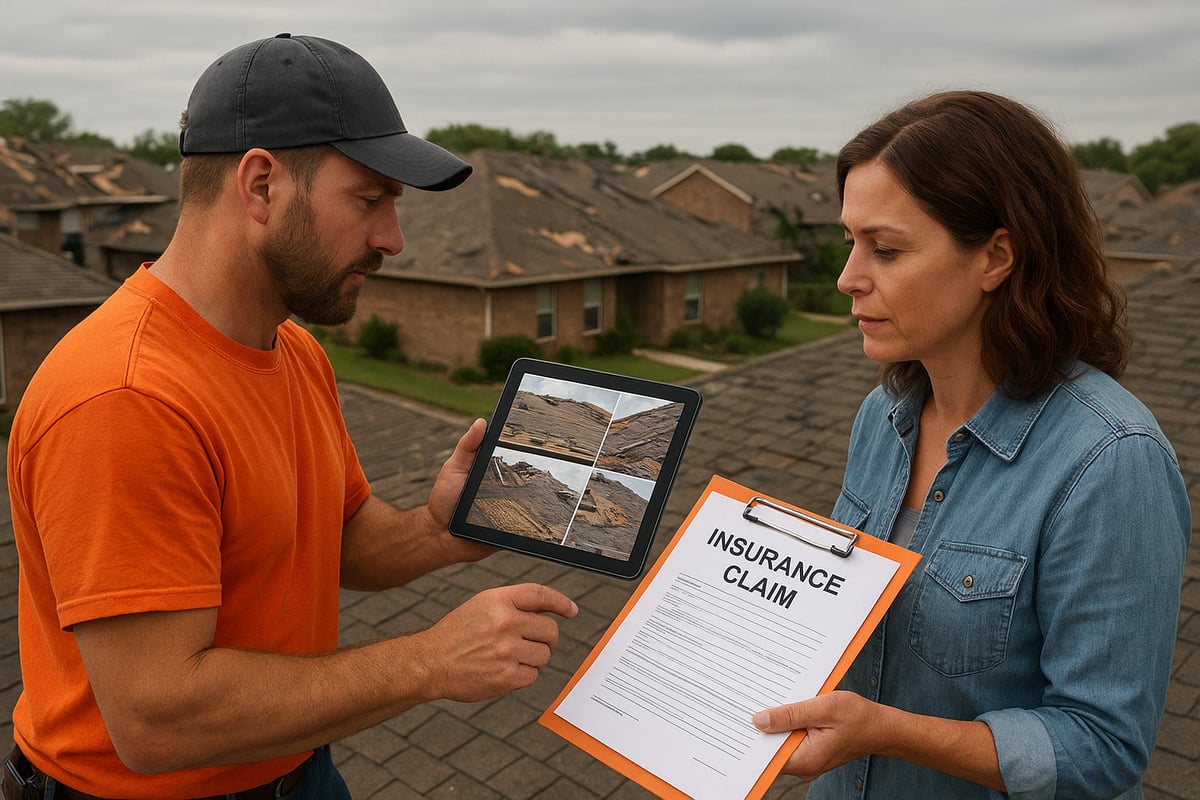
Denied or underpaid claims are a frequent frustration for insurance claim roofers. These outcomes often stem from insufficient documentation, disagreements over damage scope, or policy exclusions.
Common reasons for denials and underpayments:
- Incomplete or unclear inspection reports
- Disputes over cause of damage (storm vs. wear)
- Missed code upgrades or hidden damages
To overcome these setbacks, insurance claim roofers should review all correspondence and policy language thoroughly. Initiating an appeal or reopening the claim can be effective, especially when new evidence is available. Persistent follow-up is crucial. For example, if storm-related decking damage is overlooked, submitting updated photos and repair invoices can lead to a successful resolution.
Handling Disputes with Adjusters and Carriers
Disputes between insurance claim roofers and adjusters are common, especially when estimates do not align. Building rapport and maintaining professionalism can turn a contentious negotiation into a productive discussion.
Approaches to resolving estimate discrepancies include:
- Presenting clear photo and video documentation
- Providing third-party code references or manufacturer specs
- Offering to meet onsite to review disputed items
Sometimes, involving a public adjuster or legal counsel is necessary if discussions stall. For instance, when negotiating code upgrade coverage, a well-documented argument referencing local building codes can support the roofer’s position. Maintaining open communication and an evidence-based approach keeps the process on track.
Managing Homeowner Expectations and Communication
Client satisfaction hinges on clear, honest communication. Insurance claim roofers must set realistic timelines and explain the claims process in detail to avoid misunderstandings.
Key strategies include:
- Outlining each step of the claim and repair process
- Providing regular updates on claim status
- Explaining payment terms, such as ACV vs. RCV settlements
For example, guiding homeowners through the difference between initial and supplemental payments helps prevent confusion. By being proactive and transparent, insurance claim roofers foster trust and encourage repeat business.
Ensuring Compliance and Avoiding Pitfalls
Staying compliant with regulations and insurance requirements is essential for insurance claim roofers. Unethical practices or documentation errors can lead to disputes or even legal consequences.
Best practices for compliance:
- Adhering to state laws and carrier guidelines
- Keeping thorough, organized records of all supplement requests
- Educating teams on current industry standards
Regularly reviewing Insurance Claims Roofing Tips can help insurance claim roofers stay updated on best practices and avoid pitfalls. Documenting every step and supplement not only protects your business but also strengthens your reputation as a trusted advocate for property owners.
Best Practices for Roofers Navigating Insurance Claims
Staying ahead as insurance claim roofers in 2026 requires more than technical skill. It demands a proactive approach to business operations, a commitment to integrity, and the ability to adapt to evolving industry standards. The following best practices will help you build a resilient, claims-ready roofing company prepared for any insurance scenario.
Building a Claims-Ready Roofing Business
For insurance claim roofers, a strong foundation begins with training and consistent processes. Every crew member should understand inspection protocols, documentation standards, and insurance requirements. Regular workshops and role-based training sessions ensure everyone is up to date on code changes and claim regulations.
Implementing standardized workflows is essential. Use checklists for inspections, claim submissions, and follow-ups. Invest in technology like drones, mobile apps, and digital measurement tools to enhance accuracy and speed. Photo documentation protocols should be non-negotiable, capturing every detail from multiple angles.
A claims-ready business also leverages data. Track claim approval rates, supplement acceptance, and cycle times. Use this information to identify bottlenecks and areas for improvement. According to recent reports, U.S. roof claims costs exceeded $30 billion in 2024, emphasizing the need for insurance claim roofers to optimize every step. In this landscape, preparation and process are your strongest assets.
Partnering with Insurance Claim Specialists
Not every roofing company has the resources to manage complex claims in-house. Insurance claim roofers should assess when to outsource supplementing or claims management to specialists. This decision often hinges on claim volume, staff expertise, and the complexity of local regulations.
Working with experienced claim consultants can increase approval rates and reduce disputes. Specialists stay updated on carrier trends, code upgrades, and documentation requirements. For smaller companies, outsourcing can be cost-effective, allowing your team to focus on production. Larger firms may benefit from building an in-house claims team for better control and scalability.
A cost-benefit analysis is crucial. Weigh consultant fees against the potential increase in claim payouts and reduced administrative burden. Many insurance claim roofers report a 15% revenue boost after outsourcing supplements. For guidance on specific claim types, such as roof leaks, resources like How to Claim Roof Leak on Insurance offer step-by-step insights for both roofers and clients.
Maintaining Integrity and Transparency
Integrity is the backbone of any reputable insurance claim roofers operation. Only claim what is necessary and justified by evidence. Avoid inflating estimates or submitting unsupported supplements, as this can lead to denied claims and reputational harm.
Educate clients about their policy coverage and rights. Set clear expectations regarding timelines, possible outcomes, and payment processes. Transparent communication builds trust and empowers homeowners to make informed decisions.
Foster long-term relationships with insurance carriers and adjusters. Professionalism in every interaction can lead to smoother negotiations and repeat business. Document all supplement requests and claim interactions thoroughly. Case studies show that insurance claim roofers who restore properties to pre-loss condition through justified supplementing earn higher client satisfaction and more referrals.
Future-Proofing Your Roofing Business for Insurance Claims Success
Staying ahead is essential for insurance claim roofers as the landscape continues to evolve. Future-proofing your roofing business means adapting to new regulations, leveraging technology, responding to changing weather events, and building a reputation that attracts homeowners seeking expertise. Let’s explore the strategies that will keep your team at the forefront of the industry.
Adapting to Industry Shifts and Market Demands
Insurance claim roofers must be proactive in responding to industry shifts. Regulations change quickly, so regular training is vital. Encourage your team to attend annual workshops or webinars focused on insurance claims and compliance. This keeps everyone updated and builds confidence when handling complex cases.
Monitor carrier requirements and adjust your processes as needed. Networking with peers, associations, and legal professionals can help you anticipate changes. When new technologies emerge, consider pilot programs to evaluate their impact before full adoption.
A practical approach is to set up a quarterly review of state and federal regulations. This ensures insurance claim roofers always operate within the law and maintain their reputation for integrity. Staying informed is not just about compliance, but about providing the highest level of service to your clients.
Leveraging Data and Analytics for Smarter Claims
Using data effectively sets insurance claim roofers apart in a competitive marketplace. Start by tracking claim outcomes, such as approval rates, supplement values, and claim cycle times. This data provides insight into where your process excels and where it can be improved.
Invest in claim management software that integrates with your CRM. These platforms help identify bottlenecks and optimize workflow, ensuring no documentation is missed. By benchmarking key metrics, you can set measurable goals for your team and celebrate improvements.
For example, a roofer who reviews analytics monthly may notice that supplement approval rates rise when additional documentation is provided upfront. Sharing these findings across your company empowers everyone to contribute to better outcomes. Embracing analytics ensures insurance claim roofers remain efficient and responsive.
Preparing for the Next Wave: Climate, Codes, and Consumer Expectations
The next decade will bring more intense storms, frequent code updates, and rising demands from property owners. Insurance claim roofers should anticipate these shifts by offering free post-storm inspections and policy reviews. This proactive approach builds trust and positions your business as a resource.
Staying ahead of code changes is crucial. Regularly review local and national building codes, and train staff to understand new requirements. This reduces delays and helps clients receive full coverage for necessary upgrades.
Industry data shows that roof-related insurance claims exceeded $30 billion in 2024, reflecting both climate impacts and evolving materials. Insurance claim roofers who monitor these trends can better advise clients, ensuring they are prepared for future events and policy shifts.
Building a Reputation as a Claims-Ready Roofer
Reputation is everything for insurance claim roofers. Market your expertise by sharing educational content and case studies from successful claims. Collect testimonials from satisfied clients to build credibility and trust.
Encourage your team to develop soft skills that foster positive relationships with homeowners and adjusters. Transparent communication and setting clear expectations turn clients into advocates for your business.
Position your company as a trusted partner by consistently delivering on promises. Insurance claim roofers who focus on long-term relationships, rather than short-term gains, will thrive as the industry continues to evolve. Your reputation will become your most valuable asset in the years ahead.
After learning how complex insurance claims can be for roofers in 2026 and why detailed documentation matters, it is clear that having an experienced partner by your side makes all the difference. At Texcore Construction, we know how to advocate for you, communicate with insurers, and get your project moving quickly—every step backed by licensed crews and transparent recommendations. If you are facing storm damage or navigating the next insurance claim, you do not have to do it alone. Let’s make the process smoother together—Talk to Our Insurance Claims Team Today.