7 Expert Commercial Flat Roof Repair Tips for 2026
Unexpected leaks, ponding water, and sudden interior damage are just a few of the high-stakes risks that come with neglecting commercial flat roof repair. For facility managers and property owners, overlooking small issues can quickly lead to costly repairs, business disruptions, and even structural failures.
This article delivers actionable, expert-approved commercial flat roof repair tips designed to protect your property investment. You will discover seven essential strategies, ranging from early leak detection to proven preventive maintenance, that can help extend your roof’s lifespan, minimize downtime, and safeguard your bottom line.
If you want to avoid expensive surprises and keep your building secure, read on for practical guidance every professional should know.
Understanding Common Commercial Flat Roof Issues
Commercial flat roof repair is essential because even the smallest issues can quickly escalate into major headaches. Facility managers and property owners often underestimate how vulnerable flat roofs are to damage, especially without regular attention. Understanding the most common issues is the first step to effective maintenance.
Typical Flat Roof Problems
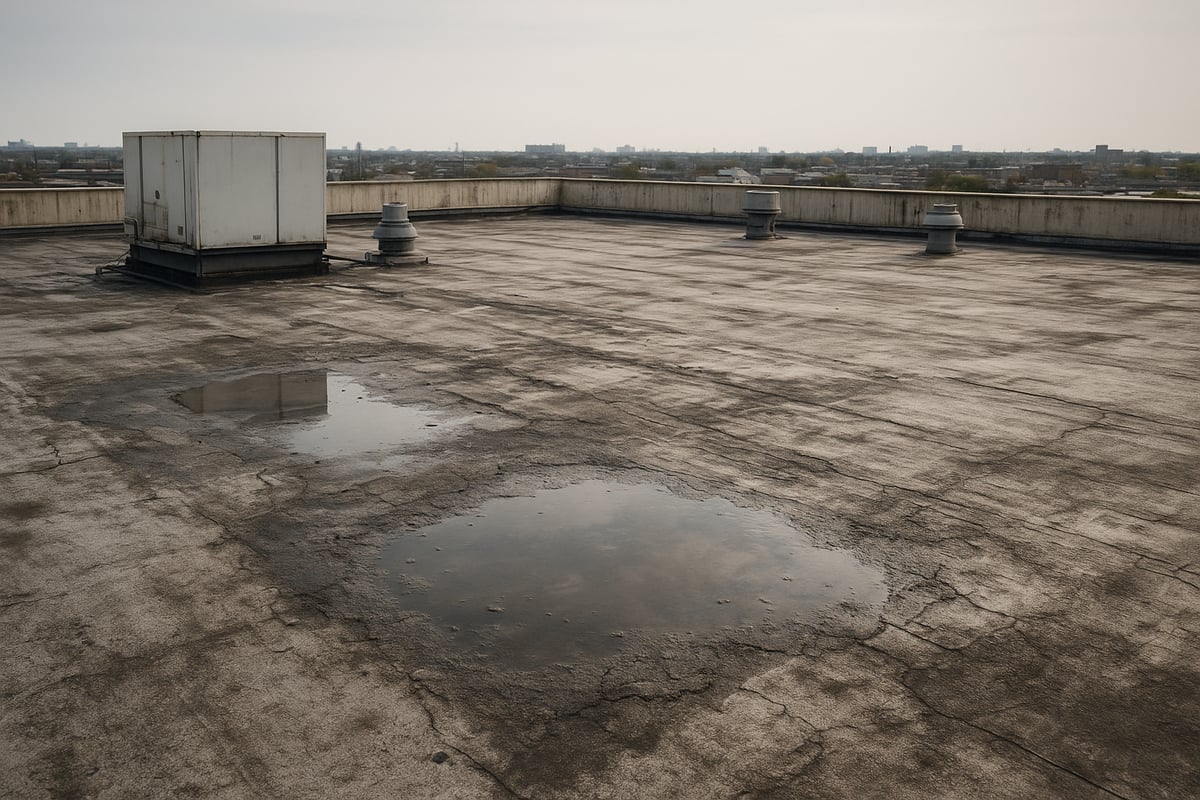
The most frequent problems in commercial flat roof repair involve ponding water, blistering, membrane punctures, and seam separation. These issues often start small but can lead to significant water intrusion if left untreated. In fact, over 70% of commercial roof leaks originate at seams or penetrations, making them critical areas to monitor.
Weather extremes, such as intense heat or freezing temperatures, worsen these vulnerabilities. Foot traffic from maintenance crews or equipment installation also increases the risk of damage. For example, a Dallas warehouse suffered $30,000 in interior losses after a missed membrane puncture went unnoticed. For a deeper dive into these typical issues and why inspections matter, see Common Flat Roof Issues and Maintenance Strategies.
Causes of Flat Roof Damage
Several root causes contribute to the need for commercial flat roof repair. Poor drainage is a leading culprit, allowing water to pool and accelerate membrane wear. UV exposure weakens materials over time, while aging membranes become brittle and prone to cracks.
Improper installation can create long-term vulnerabilities, especially at seams and flashing. Freeze-thaw cycles cause materials to expand and contract, opening up gaps for water intrusion. Neglecting annual inspections is another major factor, as small issues go undetected. Rooftop HVAC units and other equipment can compromise roof integrity, especially if not properly installed or maintained.
Signs Your Flat Roof Needs Repair
Recognizing early warning signs is vital for timely commercial flat roof repair. Look for water stains on ceilings, bubbling or blistering on the membrane, visible cracks, and musty odors inside the building. These symptoms indicate that moisture is penetrating the roof system.
Early detection is key. Regular visual inspections can reduce emergency repair costs by up to 40%. For instance, a retail center that spotted leaks early was able to save thousands in restoration expenses. Training staff to recognize these signs can help prevent expensive surprises.
The Importance of Timely Repairs
Prompt commercial flat roof repair can mean the difference between a minor fix and a major structural issue. Addressing problems quickly prevents further damage, reduces the risk of business interruption, and protects your investment.
Industry best practices recommend a proactive approach to roof maintenance. Data shows that proactive repairs can extend roof lifespan by 30% or more. Creating a regular repair and inspection schedule maximizes return on investment and helps avoid unnecessary costs down the road.
7 Expert Commercial Flat Roof Repair Tips for 2026
Maintaining your commercial flat roof repair strategy can make the difference between a trouble-free facility and a costly emergency. Every building manager and property owner knows that proactive care is essential, but the right approach is not always obvious. Here are seven expert, evergreen tips to help you extend roof life, minimize downtime, and protect your investment.
1. Prioritize Regular Professional Inspections
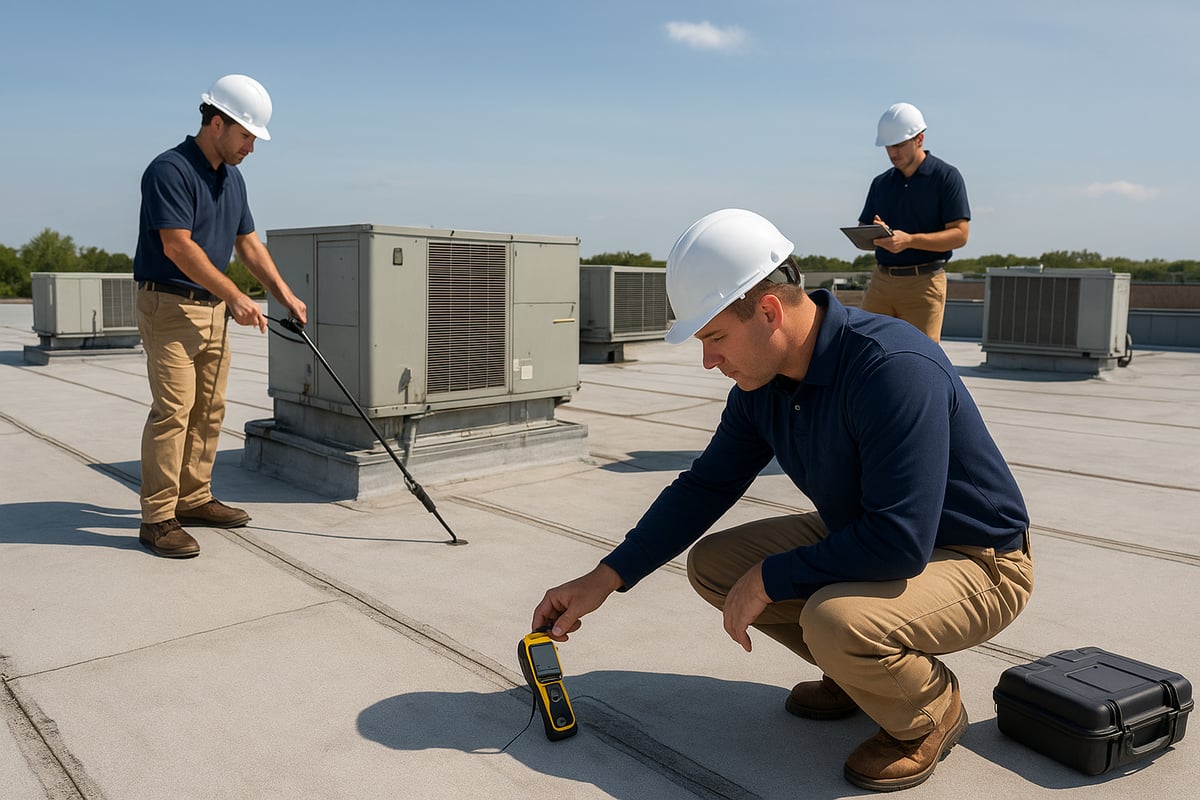
A robust commercial flat roof repair plan starts with regular professional inspections. Experts recommend scheduling these assessments at least twice a year, ideally in spring and fall. Qualified roofing professionals can identify hidden issues such as membrane shrinkage, flashing failures, or early seam separation that untrained eyes might miss.
Visual checks combined with advanced tools like moisture meters and infrared thermography are essential for detecting problems beneath the surface. Facilities that invest in scheduled inspections report up to 50 percent fewer emergency leaks, saving significant time and money.
Consider the example of a logistics company that scheduled annual roof audits. Their diligence paid off when a small puncture was discovered and repaired before it led to operational disruptions. Incorporating commercial flat roof repair into your facility maintenance calendar is the first step toward long-term roof performance.
2. Address Drainage Issues Immediately
Effective drainage is a cornerstone of successful commercial flat roof repair. Ponding water, even for a short period, can put stress on the structure, degrade the membrane, and encourage leaks. Studies show that standing water can reduce a roof’s lifespan by up to 20 percent, making prompt action crucial.
Solutions include clearing debris from drains and gutters, installing tapered insulation to promote runoff, and ensuring all drainage components are functional. Seasonal cleaning is vital to prevent clogs from leaves and debris, especially after storms.
A hospital avoided extensive interior flooding by upgrading its rooftop drainage system, demonstrating the importance of vigilance. Never overlook drainage as part of your commercial flat roof repair checklist. Regular attention to this detail helps prevent costly water damage and structural complications.
3. Use High-Quality, Compatible Repair Materials
When it comes to commercial flat roof repair, using the right materials is non-negotiable. Each roof system—TPO, EPDM, PVC, or modified bitumen—requires compatible products for patches and restoration. Modern repair materials offer superior adhesion, flexibility, and UV resistance, but only if matched correctly to the existing membrane.
Manufacturer recommendations should always guide your choices. Using incompatible materials can void warranties and accelerate deterioration. For example, a shopping center avoided expensive rework by selecting manufacturer-approved patches for their TPO roof.
Prioritizing quality and compatibility in your commercial flat roof repair process ensures seamless integration and long-lasting results. Always document repairs and keep records for warranty compliance and future reference.
4. Master Leak Detection Techniques
Leaks are among the most challenging aspects of commercial flat roof repair. Water can travel far from the entry point, making identification complex. Advanced detection methods like infrared thermography, electronic leak detection, and moisture meters are invaluable tools for pinpointing hidden trouble.
Statistics indicate that 80 percent of commercial roof leaks originate around penetrations or seams. Early identification is key to minimizing water damage, preventing mold growth, and reducing repair costs.
A tech firm used thermal imaging to locate a hidden leak threatening sensitive equipment. Their swift action prevented both water damage and potential data loss. By mastering modern leak detection, you safeguard your facility and streamline commercial flat roof repair efforts.
5. Reinforce Vulnerable Areas Proactively
Most commercial flat roof repair issues begin at vulnerable points—seams, flashing, penetrations like vents or skylights, and the bases of rooftop equipment. Reinforcing these high-risk zones with additional membranes, advanced sealants, or metal flashing can prevent failures before they start.
Annual touch-ups and upgrades to areas like HVAC curbs and pipe boots are a smart investment. The majority of flat roof failures do not occur in open field areas, but at these critical details.
A school district significantly extended the life of its roofs by focusing on vulnerable spots. Proactive reinforcement should be a core component of your commercial flat roof repair plan, reducing the risk of leaks and extending service life.
6. Schedule Preventive Maintenance Programs
Preventive care is the backbone of effective commercial flat roof repair. Planned maintenance activities—such as debris removal, minor repairs, and periodic resealing—drastically reduce long-term costs and eliminate unplanned downtime.
Facilities that implement preventive maintenance can cut lifecycle roofing expenses by as much as 50 percent. Documentation of all maintenance activities is crucial for both tracking work and maintaining warranty protection.
A distribution center saw emergency repair calls drop by 60 percent after launching a scheduled maintenance plan. For more detailed strategies, explore these Flat Roof Repair Tips and Maintenance to further enhance your approach.
7. Partner with Certified, In-House Roofing Professionals
The expertise of your repair team can make or break your commercial flat roof repair results. Always hire certified and insured professionals who specialize in commercial systems. In-house teams or trusted contractors ensure consistent quality, safety, and accountability for every project.
Reputable providers offer transparent documentation, clear scopes of work, and warranty-backed repairs. Industry certifications from manufacturers like GAF, CertainTeed, or Versico are reliable indicators of skill and commitment.
A property manager avoided costly insurance disputes by working exclusively with credentialed professionals. Trusting your commercial flat roof repair to qualified experts is the best way to protect your building and investment.
Choosing the Right Repair Solutions for Your Flat Roof
Selecting the best approach for commercial flat roof repair requires careful evaluation. The right decision protects your investment, maximizes roof performance, and helps control long-term costs. Let us break down the key factors every property manager should consider when determining the most effective repair solution.
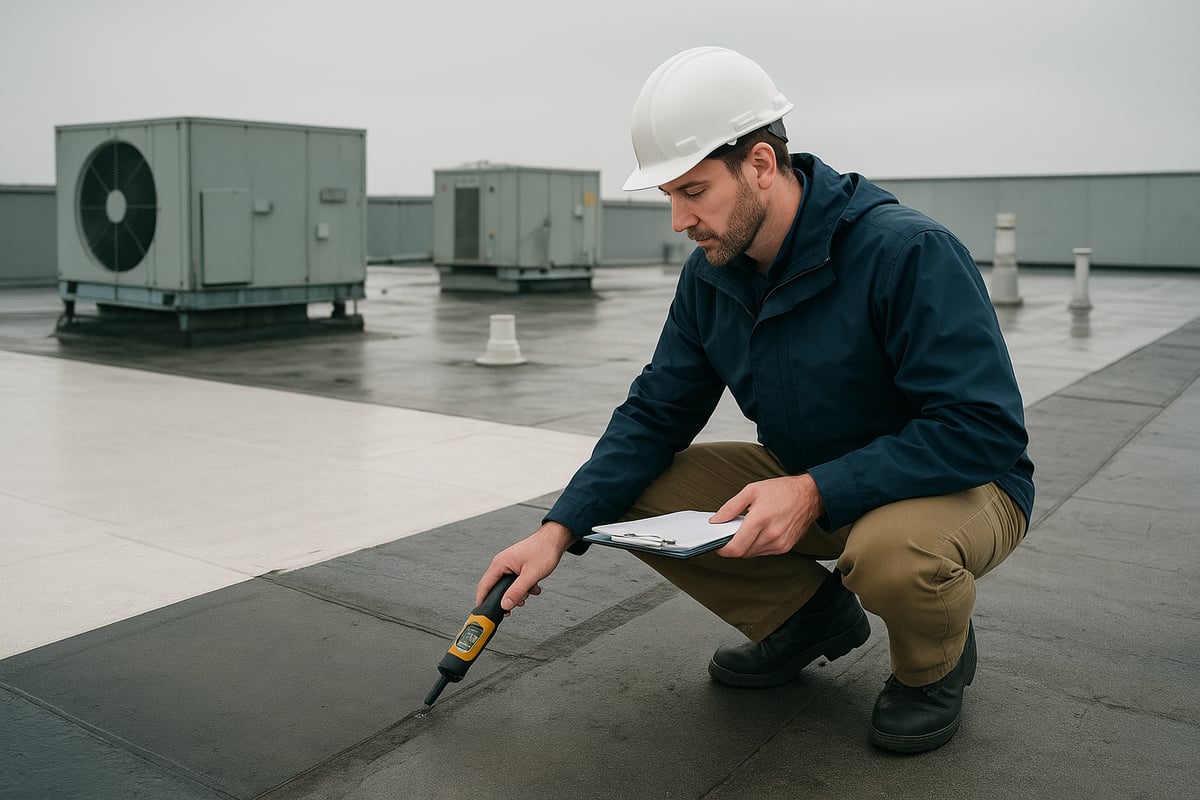
Assessing Roof Type and Age
The type and age of your roof play a pivotal role in choosing the right commercial flat roof repair strategy. Different materials, such as TPO, EPDM, built-up, and modified bitumen, have unique repair requirements and lifespans. For example, TPO membranes are highly reflective, while built-up roofs excel in durability.
| Roof Type | Typical Lifespan | Repair Complexity |
|---|---|---|
| TPO | 15–20 years | Moderate |
| EPDM | 20–25 years | Moderate |
| Built-up | 20–30 years | High |
| Modified Bitumen | 15–25 years | Medium |
If your roof is over 15 years old, a professional assessment is vital. In one case, a warehouse team opted for restoration instead of replacement after evaluating the membrane’s condition, saving both time and money.
Evaluating Repair vs. Replacement
Determining whether to repair or replace is a critical step in commercial flat roof repair planning. When less than 25% of the roof is damaged, targeted repairs are usually the most cost-effective solution. However, if damage is widespread or the roof is nearing the end of its service life, full replacement may be the smarter investment.
Conduct a cost-benefit analysis that factors in repair costs, potential future failures, and the value of uninterrupted operations. For additional guidance on this decision, see the detailed comparison at Commercial Roofing Repair vs Replacement. For instance, after a severe storm, a retail plaza weighed patching sections against complete reroofing to achieve the best long-term outcome.
Considering Energy Efficiency and Sustainability
Modern commercial flat roof repair solutions offer opportunities to boost energy savings and sustainability. Options like cool roof coatings, reflective membranes, and green roofing systems can reduce cooling costs by up to 30 percent. Many property owners also benefit from tax credits and incentives for implementing sustainable upgrades.
Consider these energy-efficient solutions:
- Reflective coatings to deflect sunlight
- Insulation upgrades for thermal performance
- Green roof modules to improve stormwater management
An office building that installed a reflective coating reported significant savings on summer energy bills, illustrating the value of sustainable repairs.
Ensuring Warranty Compliance
Maintaining your manufacturer’s warranty is essential during commercial flat roof repair. Always use approved repair materials and hire certified contractors to avoid voiding coverage. Typical warranty requirements include detailed documentation of inspections, repairs, and all maintenance activities.
Keep thorough records, as warranty claims may require proof of compliance. A hotel that followed manufacturer guidelines for every repair successfully preserved its full coverage, ensuring peace of mind and financial protection for years to come.
Preventing Future Flat Roof Problems
Proactive measures are the cornerstone of reliable commercial flat roof repair. By focusing on prevention, facility managers and property owners can avoid unexpected expenses, extend roof lifespan, and maintain building value. The following strategies will help you stay ahead of potential issues and protect your investment.

Implementing a Roof Asset Management Plan
A roof asset management plan is essential for effective commercial flat roof repair and long-term performance. This approach involves tracking inspections, repairs, and roof system performance over time. By maintaining detailed records, you can identify patterns, forecast budgets, and schedule preventive maintenance before small issues escalate.
Digital tools and software simplify asset management, making it easy to set reminders for inspections and repairs. Many organizations have reduced annual roofing costs by up to 25% using structured asset management. For more information on setting up a proactive maintenance plan, explore Commercial Roof Maintenance Strategies.
Training Staff for Early Problem Detection
Your maintenance team is the first line of defense for commercial flat roof repair. Training staff to recognize early warning signs—such as bubbling, ponding water, or musty odors—allows for quicker intervention and less costly repairs. Simple checklists for routine visual inspections can make a significant difference.
Early reporting ensures that minor concerns are addressed before they become major problems. One hospital’s maintenance team prevented a major leak by noticing subtle bubbling on the roof surface. Empowering your staff with knowledge is a cost-effective way to support roof longevity.
Budgeting for Ongoing Roof Care
Consistent budgeting is a crucial component of successful commercial flat roof repair. Allocate 1 to 2% of your roof replacement value annually for inspections, minor repairs, and preventive maintenance. This planned approach helps avoid financial shocks from sudden emergency repairs.
A school district that budgeted for regular roof expenses avoided overruns and kept their roofs in top condition. Planned budgets provide peace of mind and ensure that funds are available for both routine maintenance and unexpected needs, supporting the stability of building operations.
Leveraging Technology for Monitoring
Modern technology is transforming the way commercial flat roof repair is managed. Drones, moisture sensors, and thermal imaging tools enable faster, more accurate inspections. These technologies help identify moisture intrusion, insulation gaps, or hidden leaks before they cause widespread damage.
Using advanced leak detection methods can also reduce inspection time and improve documentation by up to 40%. For a closer look at innovative solutions, see Advancements in Flat Roof Leak Detection. Staying current with technology ensures your roof is monitored efficiently and issues are caught early.
After reading these expert tips, you can see how proactive maintenance, timely repairs, and working with the right professionals can make all the difference in protecting your commercial flat roof investment. If you want peace of mind and real results, it starts with expert attention to your roof’s current condition. Let’s help you spot small issues before they become big ones and create a plan that keeps your building safe and efficient for years to come. Ready to take the next step? Book Your Same-Day Commercial Roof Repair and experience the Texcore Construction difference today.