
Roof Inspection for Insurance Guide: Essential Steps 2026
As 2026 approaches, roof inspections are becoming essential for insurance approval, especially with insurers tightening their requirements in response to more frequent storms and higher claims.
A thorough roof inspection for insurance can make the difference between a smooth claim process and unexpected repair costs. Property owners, managers, and homeowners are seeking peace of mind, lower premiums, and faster claims through proper documentation.
This guide is your step-by-step resource for navigating every aspect of roof inspections for insurance. Discover why inspections matter, what insurers expect, how to prepare, and how to choose the right inspection partner to protect your investment.
Why Roof Inspections Matter for Insurance in 2026
The landscape of roof inspection for insurance is rapidly changing in 2026. As insurers face an uptick in storm-related claims, they are tightening their approval standards and demanding more thorough documentation. For property owners, understanding why roof inspection for insurance is now essential can help ensure coverage, avoid costly mistakes, and protect your investment.

The Evolving Insurance Landscape
Insurance companies have raised the bar for roof inspection for insurance, especially in regions prone to severe weather. Increased storm frequency means insurers are more cautious in underwriting policies. Today, many providers require a current, detailed inspection before issuing or renewing coverage, particularly for roofs over ten or fifteen years old.
A roof inspection for insurance plays a vital role in risk assessment. Insurers use inspection results to evaluate the property’s condition, estimate potential liabilities, and set premium rates. Well-maintained roofs often translate into lower risk, which can lead to more favorable policy terms for owners.
Impact on Premiums and Claim Approval
A comprehensive roof inspection for insurance is more than a formality. It can be the deciding factor in whether a claim is approved or denied. Insurers rely on these inspections to confirm the roof’s age, material, and condition at the start of your policy. If a storm hits, having a recent inspection on file can speed up the claims process and reduce disputes about pre-existing damage.
Many policies now require periodic inspections, especially after significant weather events. Non-compliance or outdated documentation can result in denied or limited coverage. For example, if your roof shows signs of wear or storm damage that were never addressed, your insurer may reject your claim or require costly repairs before reinstating full coverage.
Compliance and Mortgage Requirements
Roof inspection for insurance is not only about claims and premiums. Lenders are joining insurers in demanding proof of roof condition, especially for older homes or properties in high-risk areas. Without proper documentation, you may face delays or obstacles when refinancing or selling your property.
In some cases, insurance companies set policy limits based on the roof’s remaining life expectancy. According to industry standards, asphalt shingles typically last 20–30 years, while metal or tile roofs can endure up to 50 years with regular maintenance. Insurers use these benchmarks to evaluate risk and determine if coverage conditions or exclusions should apply.
Documentation Standards and Insurer Expectations
Insurers now require more than a quick visual check. A proper roof inspection for insurance involves detailed, dated photographs, written assessments, and a record of past repairs and maintenance. Reports must address all key elements, including shingle condition, flashing, drainage, and any evidence of prior storm damage.
To help readers understand what insurers look for, here’s a quick comparison table:
| Inspection Requirement | Benefit for Policyholder |
|---|---|
| Dated, location-specific photos | Faster claim approval, proof of condition |
| Written material/age report | Eligibility for better rates |
| Maintenance/repair log | Demonstrates proactive care |
| Documentation of storm damage | Supports valid claims |
For more details on what is covered and how inspections impact claims, see this homeowners insurance roof coverage guide.
Why a Proactive Approach Pays Off
In summary, a well-documented roof inspection for insurance is your best defense against unexpected expenses and denied claims. By meeting insurer requirements and keeping thorough records, you can secure lower premiums, satisfy mortgage lenders, and enjoy peace of mind knowing your property is protected. Inspections are no longer optional—they are a critical component of responsible property ownership in 2026.
Insurance Requirements: What Insurers Look for in Roof Inspections
The process of roof inspection for insurance has become more rigorous in 2026 as providers respond to increased storm activity and rising claims. Insurers now demand thorough, well-documented evaluations of your roof before issuing or renewing a policy. This approach helps them accurately assess property risk, set premiums, and determine eligibility for coverage.
Property owners, managers, and homeowners should understand that a roof inspection for insurance is not just a checklist—it's a critical part of protecting your investment. Insurers want to know the precise age, installation date, material type, and current condition of your roof. These details allow them to benchmark risk and decide if your property qualifies for their policy.
Below is a table summarizing what insurers typically require during a roof inspection for insurance:
| Inspection Element | Details Insurers Require |
|---|---|
| Material Type | Shingle, tile, metal, flat, etc. |
| Installation Date | Documented proof or estimate |
| Roof Age | Years since installation |
| Condition Assessment | Current state, visible wear |
| Flashing & Seals | Intactness around penetrations |
| Drainage | Gutter and downspout functionality |
| Prior Repairs | Evidence and documentation |
| Storm Damage | Hail, wind, debris impact |
Insurers expect each roof inspection for insurance to address these elements in detail. Reports must include dated, location-specific photos and written observations, following best practices set by organizations like the International Code Council.

Documentation Standards and Red Flags
Documentation is paramount during a roof inspection for insurance. Insurers require clear, dated photographs of all roof sections, especially areas showing wear or prior repair. Written notes should specify the type of roofing material, installation date, measurements, and any observed defects.
For a comprehensive breakdown of inspection standards, the National Roof Certification and Inspection Association Guide offers valuable insights into industry-approved reporting practices and what insurers expect.
Insurers are vigilant for red flags that could indicate future claims or immediate risk. Common issues flagged during a roof inspection for insurance include:
- Leaks or water stains on ceilings or attic structures
- Sagging or uneven roof areas
- Missing, cracked, or curled shingles or tiles
- Improper drainage or clogged gutters
- Deteriorated or missing flashing around chimneys or vents
- Signs of unaddressed storm damage, such as hail bruising or wind uplift
If major problems are found during a roof inspection for insurance, insurers may deny coverage or require repairs before approving a policy. Properties in high-risk regions or with older roofs often face stricter scrutiny.
Maintenance History and Insurance Impact
Maintenance records are an asset during any roof inspection for insurance. Insurers often request documentation of past repairs, upgrades, and regular maintenance to assess how well the roof has been cared for. A well-documented history can tip the balance toward lower premiums or even qualify you for special discounts.
Some insurers offer premium reductions for properties with certified, well-maintained roofs and a consistent record of roof inspection for insurance. In storm-prone areas, annual inspections are now a standard requirement. Failing to provide inspection documentation may result in denied or limited coverage, especially for roofs older than 10-15 years.
By ensuring your roof inspection for insurance meets current standards, you not only stay compliant but also protect your property investment and position yourself for smoother claims in the future.
Preparing for a Roof Inspection: Essential Pre-Inspection Steps
Preparing for a roof inspection for insurance is a proactive way to ensure your property is protected and your insurance claim process is as smooth as possible. With insurers in 2026 placing greater emphasis on detailed documentation and roof condition, taking the right steps before the inspection can make a significant difference.
Gathering Essential Documents and Records
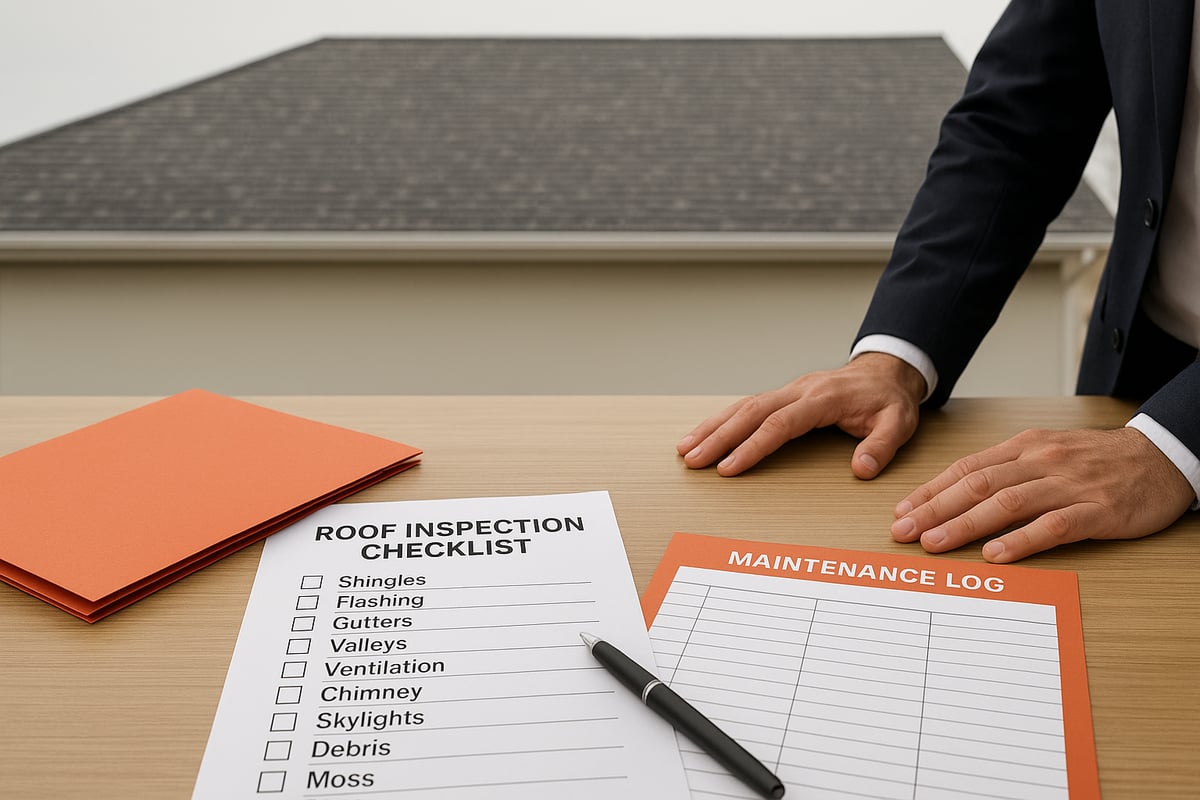
Begin your roof inspection for insurance by collecting all relevant paperwork. Gather previous inspection reports, recent maintenance records, and your current insurance policy documents. These records provide valuable context for the inspector and demonstrate ongoing care to your insurer.
Having a maintenance log and receipts for repairs or upgrades is especially important. It shows that you have addressed any problems promptly, which can positively influence both your inspection outcome and premium rates.
Conducting a Visual Pre-Check and Minor Maintenance
Before the scheduled roof inspection for insurance, walk around your property and visually assess the roof and surrounding areas. Look for missing or damaged shingles, obvious debris, clogged gutters, and any visible leaks or water stains.
Addressing small maintenance issues like clearing gutters or removing branches can help present your roof in its best condition. Taking these steps not only improves inspection results but may also prevent minor problems from becoming major insurance concerns.
Ensuring Access and Preparing for the Inspector
Safe and easy access is essential for a thorough roof inspection for insurance. Make sure the inspector can reach the roof, attic, and the entire property perimeter without obstacles. Clear away any outdoor furniture, trim back overgrown trees, and unlock gates or doors that might block entry.
Additionally, prepare a list of known issues, recent leaks, or any storm events that have affected your roof. Sharing these details with your inspector ensures that nothing important is overlooked during the assessment.
Reviewing Insurance Policy and Scheduling
Understanding your insurance policy’s requirements is a crucial step in the roof inspection for insurance process. Review your policy for specific roof age limits, approved roofing materials, and required documentation. Some insurers demand inspections after major storms or for roofs older than 10 to 15 years.
If you are in a region with unique requirements, such as Texas, you can find more specific guidance by reviewing roof inspection requirements Fort Worth to ensure full compliance with local standards. Schedule your inspection at a time that avoids harsh weather and allows for any necessary repairs beforehand.
Tips for Older Roofs and Storm Response
Older roofs or those recently exposed to severe weather require extra attention before a roof inspection for insurance. Proactively repair minor damage, replace worn materials, and document all updates with photos and receipts.
Many insurers mandate inspections after significant storms or before renewing policies on roofs nearing the end of their expected lifespan. By staying ahead of these requirements, you can avoid coverage gaps and secure the best possible terms for your property.
Step-by-Step Roof Inspection Process for Insurance
A roof inspection for insurance is a structured process designed to fulfill insurer requirements and protect your investment. Understanding each phase ensures your property stands up to scrutiny, and your documentation supports a successful claim. Let us walk through each critical step so you know what to expect.
Exterior Inspection: What Inspectors Evaluate
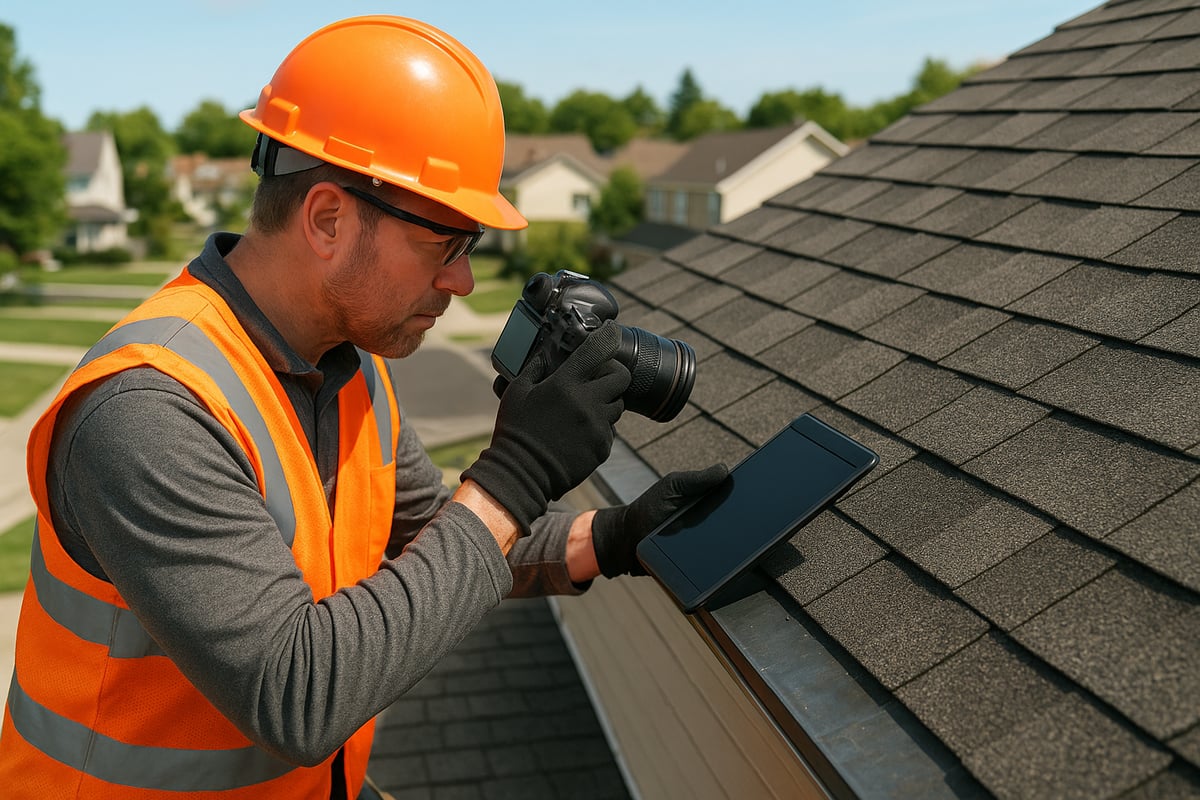
The exterior phase of a roof inspection for insurance focuses on visible components and overall roof health. Inspectors begin by identifying the roofing material, such as shingle, tile, metal, or flat systems, and estimate the age based on installation records or visual cues.
They then assess the condition of the material, looking for cracked, curled, missing, or loose shingles or tiles. Flashing and seals around chimneys, vents, and skylights are closely examined for any gaps or signs of deterioration that could lead to leaks.
Proper drainage is critical. Inspectors check gutters, downspouts, and the roof’s pitch to ensure water flows away from the structure. Debris or clogged gutters are noted, as these issues can cause water damage and affect insurance eligibility.
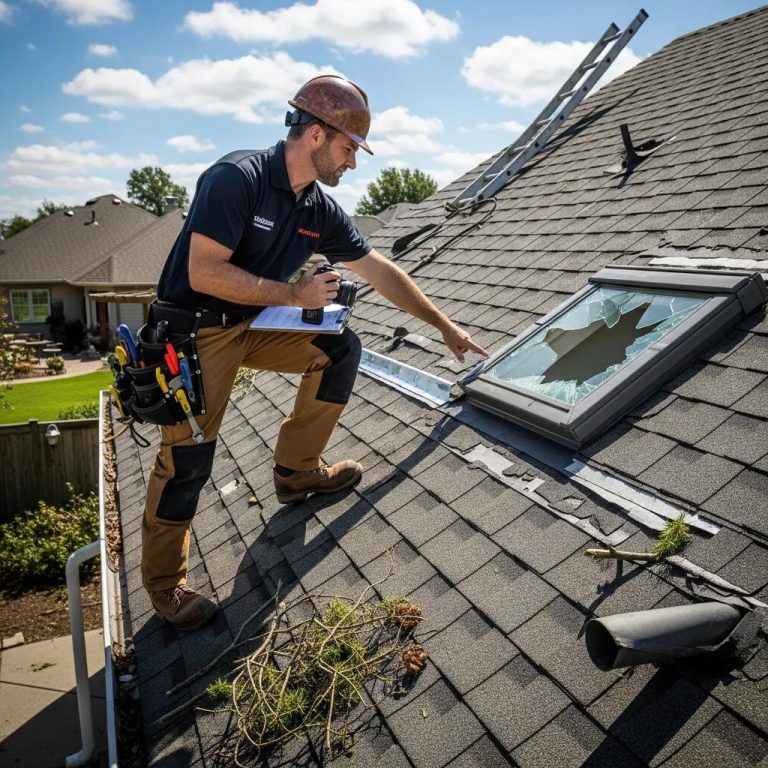
Storm damage is a major concern during a roof inspection for insurance. Hail strikes, wind uplift, and impacts from falling branches are documented with photos. Inspectors also look for sagging or uneven areas that might indicate structural issues with the roof deck or supports.
For example, after severe storms in Texas, insurance inspectors often document hail bruising or missing shingles. Each finding is carefully recorded, as it directly impacts claim outcomes and coverage.
Interior Inspection: Attic and Structural Review
The interior portion of a roof inspection for insurance focuses on hidden indicators of roof health. Inspectors access the attic to check for water stains, mold, mildew, or rot on rafters and decking. These signs suggest leaks or chronic moisture problems.
Insulation and ventilation are also evaluated. Adequate airflow and insulation help prevent moisture buildup, which can otherwise lead to mold and compromise structural integrity. Inspectors will trace any visible leaks or water stains on ceilings and walls back to their source.
Structural integrity is another key area. Sagging, compromised trusses, or framing damage are red flags that must be addressed before insurance approval. Evidence of pest or animal intrusion, such as nests or droppings, is noted as these can damage the roof system.
Mold or water stains in the attic, for instance, often serve as evidence of pre-existing issues during a roof inspection for insurance. Insurers will use this information to determine claim eligibility and may require repairs before issuing or renewing a policy.
Documentation and Reporting: Meeting Insurance Standards
Accurate documentation is crucial in a roof inspection for insurance. Inspectors must capture clear, dated photos of all roof sections, visible damage, and key components. Written notes should specify material types, installation dates, and exact measurements for problem areas.
A well-structured report is essential. Findings are organized by roof area, such as main roof, additions, penetrations, and drainage systems. Urgent issues are clearly highlighted, distinguishing between immediate concerns and routine maintenance needs.
Insurers now require maintenance logs showing prior repairs, upgrades, and routine care. Including a record of all work performed supports your case and can help qualify for lower premiums.
Here is a table summarizing essential report elements:
| Report Section | Required Details | Example Evidence |
|---|---|---|
| Roof Material | Type, installation date, age | Shingle, 2014, 10 years old |
| Condition | Missing, cracked, or damaged areas | 3 curled shingles, 1 missing tile |
| Flashing & Seals | Integrity of seals, gaps, rust | Flashing rusted near chimney |
| Drainage | Gutter and downspout status | Gutter clogged, downspout detached |
| Storm Damage | Hail, wind, debris evidence | Hail dents, limb impact |
| Maintenance Log | Repairs, upgrades, cleaning dates | Repaired flashing June 2025 |
| Photo Documentation | Dated, location-specific images | Photos of damage, before/after |
To meet insurer standards, reports should be digital, with embedded images for each issue. Reports with before and after repair photos, along with clear timestamps, are especially favored by insurance adjusters.
For more details on what happens after your inspection, see the Roof insurance claims process for step-by-step guidance on filing and managing a claim.
By following these documentation best practices, your roof inspection for insurance will be thorough, compliant, and ready to support your claim, reducing the risk of delays or denials.
Common Roof Issues That Affect Insurance Coverage
A thorough roof inspection for insurance is essential for identifying issues that can jeopardize your coverage. Insurers scrutinize every detail, as even minor problems may impact your eligibility or lead to denied claims. Understanding the most common roof issues helps you prepare and maintain compliance with your policy requirements.
Age-Related Wear
Over time, roofing materials naturally deteriorate. Shingles may crack, curl, or lose granules, while tiles can become brittle or shift out of place. The typical lifespan ranges from 20 to 50 years, depending on the material and climate conditions. During a roof inspection for insurance, inspectors will compare your roof's age and condition to industry benchmarks. If your roof is nearing the end of its expected life, insurers may require documentation of recent maintenance or even replacement before providing full coverage.
Storm Damage
Severe weather events like hailstorms, high winds, and falling debris frequently cause roof damage. Inspectors look for dents, punctures, or missing shingles that expose the underlayment. Even minor storm impacts can compromise the integrity of your roof, creating future risks. A roof inspection for insurance will document these issues with detailed photos and notes, as insurers often require proof that storm damage was not pre-existing when processing a claim.
- Hail bruises on shingles
- Torn or uplifted shingles from wind
- Broken tiles from falling branches
Water Intrusion
Leaks, water stains, and mold growth are red flags during any roof inspection for insurance. Moisture can enter through damaged shingles, failed flashing, or clogged drainage systems. Once inside, water can rot decking, damage insulation, and promote mold or mildew. Insurers are often wary of water-related issues, as they can lead to expensive structural repairs and health hazards. Early detection and repair of leaks is crucial for maintaining coverage.
Poor Drainage
Proper water flow is essential for roof longevity. Clogged gutters, blocked downspouts, or inadequate roof pitch can cause ponding water, which accelerates wear and increases the risk of leaks. A roof inspection for insurance will assess your drainage system to ensure it is clear and functioning. Persistent drainage issues are often cited by insurers as reasons for higher premiums or claim denials.
Flashing Failure
Flashing seals the joints around chimneys, skylights, and vents. Over time, it can corrode, crack, or become dislodged. Failed flashing is a common source of leaks and water damage. Inspectors pay close attention to flashing during a roof inspection for insurance, as unaddressed deterioration can signal neglect or improper past repairs, both of which may affect your claim.
Improper Repairs
Unpermitted, DIY, or substandard repairs can create more problems than they solve. Insurers want to see evidence that all work was performed by qualified professionals and complies with code. During a roof inspection for insurance, inspectors look for mismatched materials, uneven surfaces, or signs of patchwork that could void warranties or coverage. Maintaining a record of professional repairs supports your claim and demonstrates proper maintenance.
Lack of Maintenance
Neglected roofs are among the top reasons for denied insurance claims. Missing routine inspections, failing to clear debris, or ignoring small leaks can lead to larger issues over time. Insurers may interpret lack of upkeep as increased risk. For best practices, consult resources like the Insurance Information Institute Roof Maintenance Tips to stay proactive and compliant. Regular maintenance not only protects your property but also improves your standing with insurance providers.
A comprehensive roof inspection for insurance helps you spot these common issues before they threaten your coverage. Addressing problems early and keeping thorough records is the key to successful claims and lasting property protection.
Choosing a Qualified Roof Inspector for Insurance Purposes
Selecting the right professional for your roof inspection for insurance is essential. Insurers are increasingly strict about documentation and inspector qualifications. The wrong choice can lead to denied claims, higher premiums, or even policy cancellation. To protect your property and ensure insurance compliance, you must understand what makes a roof inspector truly qualified.
Credentials and Professional Certifications
Begin your search for a roof inspection for insurance by prioritizing inspectors with credible certifications. Look for professionals certified by respected organizations such as the National Roof Certification and Inspection Association (NRCIA) or the American Society of Home Inspectors (ASHI). These certifications demonstrate that the inspector is trained in both technical roofing standards and insurance documentation.
Proper credentials signal expertise and a commitment to industry best practices. Insurers often require inspection reports from certified professionals, and some even reject reports from non-certified or inexperienced inspectors.
Insurance, Licensing, and Reputation
Before scheduling your roof inspection for insurance, verify that the inspector holds current liability insurance and all required state or local licenses. This protects you in case of accidents or property damage during the inspection.
Reputation is equally important. Check references, read online reviews, and ask for examples of past inspection reports. A reputable inspector should have a strong track record of thorough, insurance-compliant inspections. Consistent positive feedback is a good indicator that the inspector will provide reliable service and accurate documentation.
Inspection Scope and Report Quality
A comprehensive roof inspection for insurance must cover every critical component. Confirm that your inspector will evaluate the attic, flashing, drainage, ventilation, and all visible roofing materials. The inspection should include both exterior and interior assessments to catch hidden issues.
Insist on detailed, photographic reports with clear, dated images, written observations, and actionable recommendations. High-quality documentation is essential for smooth insurance claims. If you need more information on how your inspection links to your claim, review this guide on insurance coverage for roof repairs.
Local Expertise and Compliance
Choose an inspector who understands regional weather patterns, building codes, and local insurance requirements. Local knowledge helps identify common risks and ensures your roof inspection for insurance meets all necessary standards.
If you reside in areas with specific legislative mandates, such as Florida, be sure your inspector is familiar with local regulations, including new rules like those outlined in Florida Senate Bill 128 on Roof Inspections. This ensures full compliance and reduces the risk of insurance disputes.
Inspector Qualification Checklist
| Requirement | Why It Matters | What to Look For |
|---|---|---|
| Certification | Proves technical and documentation skills | NRCIA, ASHI, or similar |
| Insurance & Licensing | Protects homeowner, ensures legality | State license, liability insurance |
| Reputation | Indicates reliability and quality | Reviews, references |
| Inspection Scope | Ensures thoroughness | Attic, flashing, drainage, ventilation |
| Report Quality | Supports successful claims | Detailed, photographic, actionable |
| Local Knowledge | Ensures compliance and risk identification | Regional experience |
A qualified inspector is your partner in navigating the roof inspection for insurance process. By following these guidelines, you’ll minimize surprises, prevent coverage gaps, and increase your claim success rate.
Maximizing Insurance Claim Success After Your Roof Inspection
Securing a successful insurance claim after a roof inspection for insurance requires careful attention to detail and prompt action. Once your inspection is complete, it is crucial to act quickly and submit all required documents to your insurer. Insurers often have specific requirements for documentation, including detailed inspection reports, photos, and proof of roof age. For properties with older roofs, reviewing Citizens Property Insurance Roof Age Requirements can help you understand which documents are necessary to support your roof inspection for insurance claim.
Open communication with your insurance company is essential. Share the full findings from your roof inspection for insurance, along with any repair estimates or recommendations provided by your inspector. If urgent repairs are needed, address them quickly to prevent further damage or lapses in coverage. Insurers are more likely to process claims efficiently when they receive comprehensive and timely updates supported by clear documentation.
Staying organized is another key factor in maximizing your claim success. Maintain a file with all roof inspection for insurance records, repair invoices, and communication logs with your insurer. This organized approach makes it easy to provide additional information if requested and helps resolve any questions that may arise during the claim review process.
Finally, work closely with roofing professionals who have experience in insurance claims. Their expertise in roof inspection for insurance can help ensure your documentation meets insurer standards. After submitting your claim, follow up regularly with your adjuster to track progress and address any outstanding issues. Well-prepared claims, supported by thorough inspection documentation and clear repair records, are more likely to be approved quickly and without complications.
As you now understand, a thorough, well-documented roof inspection is essential for smooth insurance approvals and lasting peace of mind—especially as requirements tighten in 2026. Whether you are a homeowner or property manager, having a certified inspection isn’t just about meeting insurer standards; it’s about protecting your investment and avoiding costly surprises. If you want clear answers about your roof’s condition and expert guidance through the insurance process, let’s take the next step together.
Schedule Your Free Certified Roof Inspection
and ensure your property is fully prepared for whatever comes next.