Storm Damage Roofers Guide: Your 2026 Restoration Handbook
Every year, storms cause billions in roof damage, leaving property owners wondering how to respond quickly and correctly. The aftermath can be overwhelming, with stress and uncertainty clouding the path to recovery.
Both homeowners and commercial property managers need a clear, step-by-step plan to navigate the chaos. Having guidance from storm damage roofers makes the restoration process more manageable and effective.
This handbook walks you through each critical stage: spotting storm damage, taking immediate safety measures, handling insurance claims, choosing reliable contractors, restoring your roof, and protecting it against future storms. Get ready to take control and restore your property with confidence.
Understanding Storm Damage: Types, Signs, and Risks
Storms can wreak havoc on roofs, leaving property owners unsure where to begin. The expertise of storm damage roofers is essential in navigating this uncertainty. Understanding the types, signs, and risks of storm damage is the first step toward effective restoration.
The Most Common Types of Storm Damage
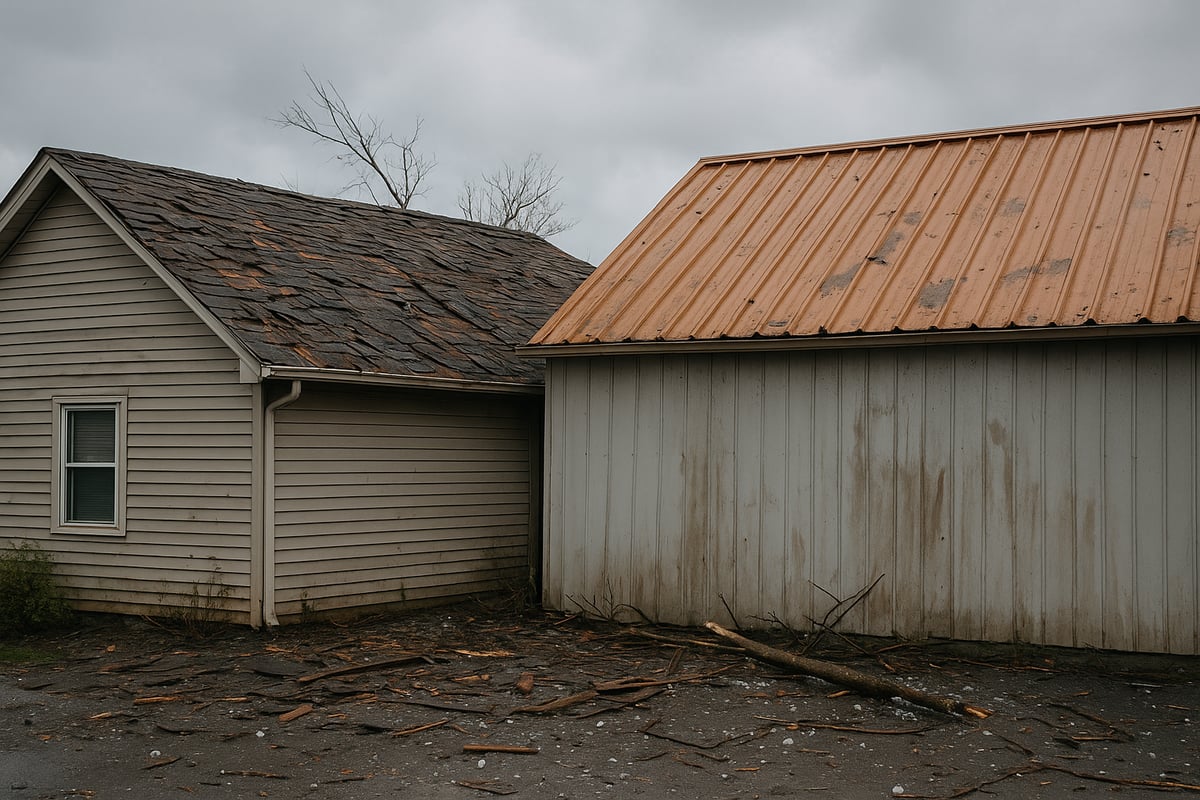
Storm damage roofers frequently encounter a range of issues following severe weather. The most common types include hail strikes that bruise or puncture shingles, high winds that tear off roofing materials, and heavy rain that leads to leaks. Debris impacts, such as falling branches, can create both visible and hidden problems.
Residential roofs often suffer from shingle loss and granule wear, while commercial roofs are more prone to membrane punctures and pooling water. Not all damage is immediately obvious; hidden issues like moisture intrusion or insulation compromise may only be found during a professional inspection.
For a detailed checklist of what to look for and how to address these challenges, see the Storm Damage Roof Repair Guide. Storm damage roofers rely on such resources to ensure no threat goes undetected.
Key Signs Your Roof Has Been Damaged
After a storm, storm damage roofers recommend looking for several telltale signs that indicate roof distress. Start by scanning for missing, cracked, or curled shingles. Granule loss often exposes the underlayment, making the roof vulnerable to water penetration.
Other warning signs include dented metal panels, punctured membranes on flat roofs, and water stains on ceilings or interior walls. Mold, mildew, and insulation issues may signal ongoing leaks or trapped moisture. If any of these signs are present, contacting storm damage roofers promptly is advised to prevent further deterioration.
Risks of Ignoring Storm Damage
Neglecting roof damage after a storm can have serious consequences. Structural integrity may be compromised, escalating repair costs over time. Unchecked moisture can foster mold growth, leading to indoor air quality hazards and potential health risks for occupants.
Insurance companies may deny claims if damage is not reported quickly, making prompt action vital. Delays also increase the risk of safety issues, such as falling debris or weakened support structures. Industry statistics reveal that 60% of major roof leaks are traced back to storm damage that was left unaddressed. Storm damage roofers stress the importance of timely inspections and repairs to avoid these pitfalls.
Immediate Steps After a Storm: Safety and Assessment
When severe weather passes, knowing what to do next can make the difference between a manageable repair and a costly disaster. Acting swiftly and safely is essential. Storm damage roofers recommend a clear, step-by-step approach to protect your property, your investment, and your peace of mind.
Ensuring Safety First
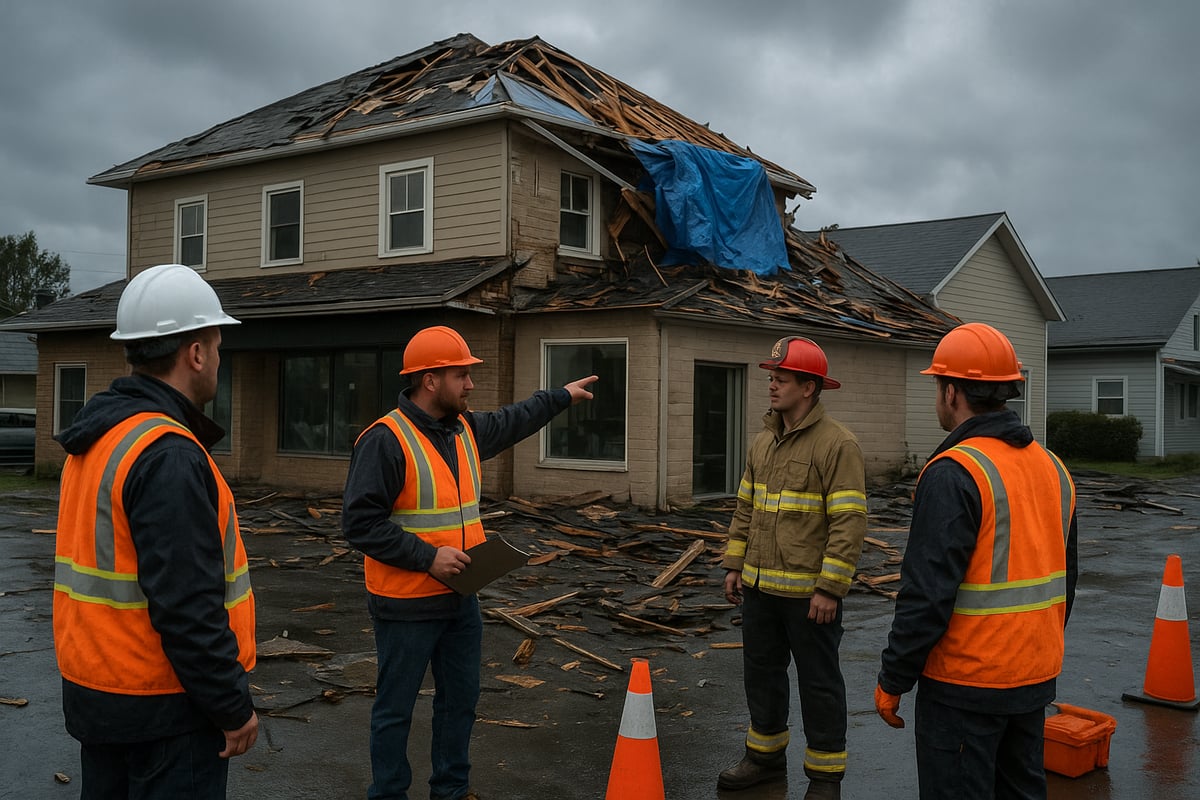
Your safety and that of your occupants must come before anything else. If you suspect structural instability, evacuate the building immediately and keep everyone at a safe distance. Never approach downed power lines or exposed electrical systems, as these can be life-threatening.
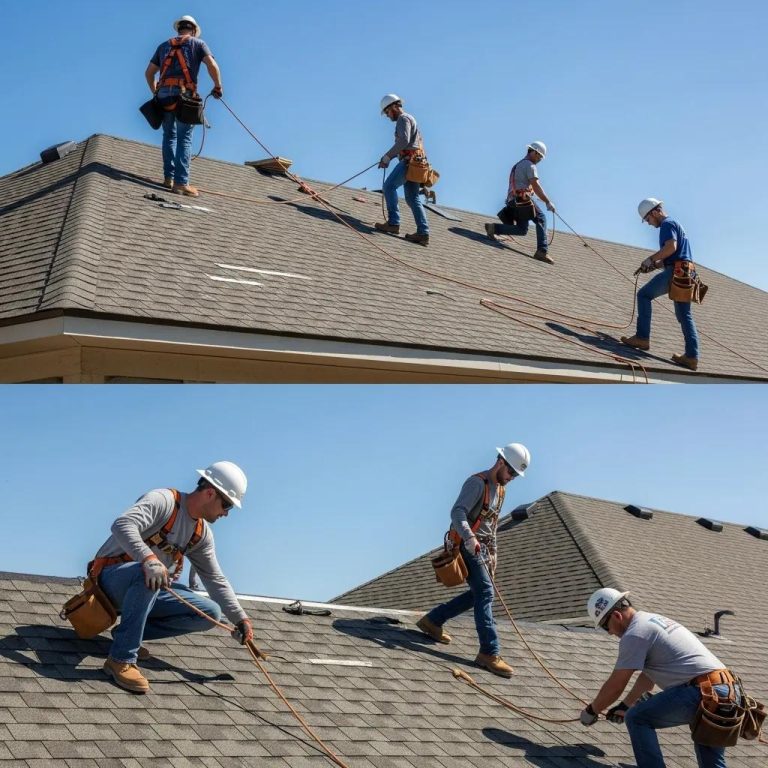
Before inspecting any storm damage, roofers advise using proper personal protective equipment like gloves, boots, and hard hats. If the area is secure, take steps to prevent further harm, such as closing off hazardous rooms or placing warning signs near unsafe zones. These precautions help storm damage roofers avoid injuries and additional complications.
Conducting a Preliminary Roof Assessment
Once safety is confirmed, begin a careful evaluation of your property. Start with an exterior walk-around, looking for missing or damaged shingles, visible debris, or sagging rooflines. Only inspect from the ground—never climb onto a potentially compromised roof.
Inside, check attics, ceilings, and upper walls for water stains, leaks, or unusual odors. Document all findings with clear photos and detailed notes. Following FEMA guidelines for post-storm inspections ensures the process is systematic and thorough. Storm damage roofers stress that this documentation is vital for both repair planning and insurance claims.
Temporary Protection Measures
Immediate action can prevent minor damage from escalating. Use tarps to cover breached sections of the roof and place sandbags or plywood over exposed areas to stop water intrusion. These temporary fixes help shield your home or business from further harm until permanent repairs can be arranged.
In cases of severe destruction or ongoing leaks, do not hesitate to call emergency services. For detailed emergency response tips and step-by-step mitigation advice, consult Emergency Roofing Services in Fort Worth. Storm damage roofers always recommend prioritizing quick, safe solutions over risky DIY attempts.
When to Contact a Professional Roofer
Recognizing your limits is essential. While basic assessments and temporary fixes are helpful, only professional storm damage roofers can provide a full inspection and identify hidden hazards. Contact a trusted roofer within 24 to 48 hours after the storm to avoid insurance complications and ensure all issues are addressed.
Industry best practices emphasize prompt, expert evaluations to safeguard your property’s integrity. Waiting too long may result in denied claims or escalating repairs. By relying on storm damage roofers, you set the foundation for a smooth, successful restoration process.
Navigating Insurance Claims for Storm Damage
Facing storm damage can feel overwhelming, especially when dealing with insurance claims. Storm damage roofers know that understanding your coverage and the right steps to take can make a significant difference in your recovery. Let’s break down what you need to know to make the process as smooth as possible.
Understanding Your Policy Coverage
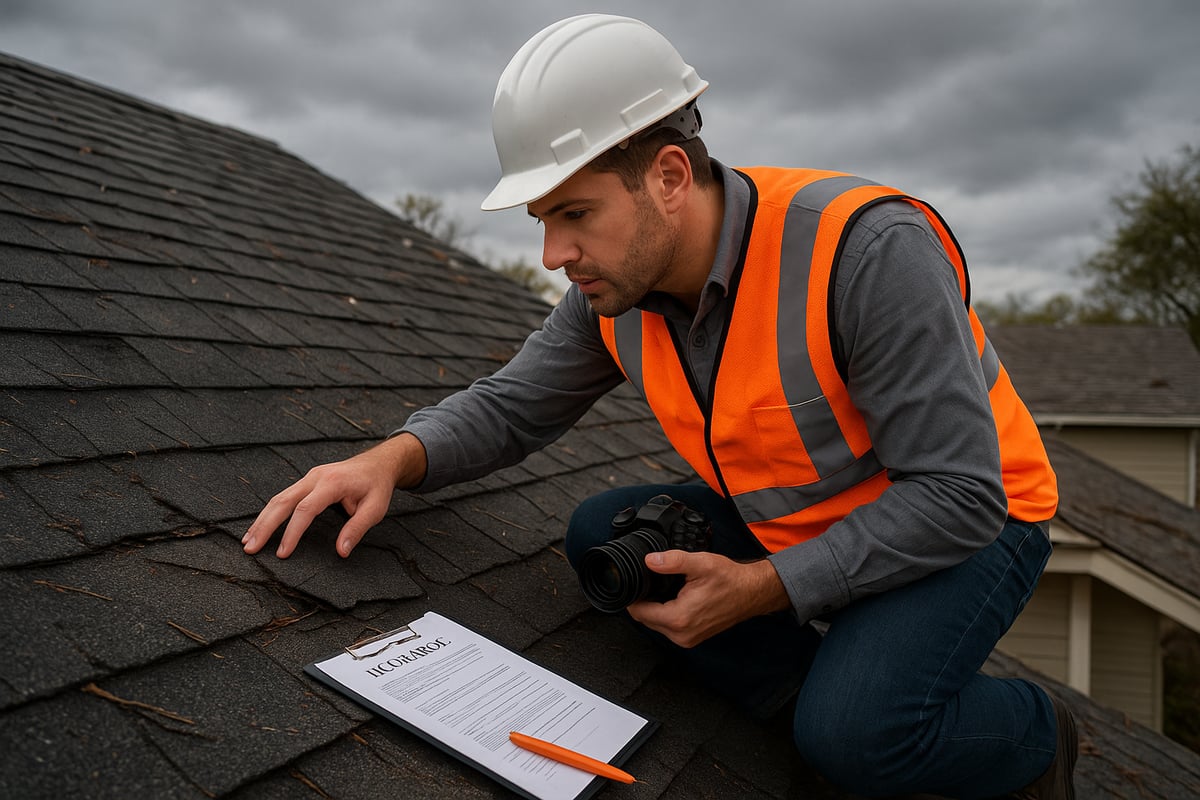
Before contacting storm damage roofers, review your insurance policy thoroughly. Policies can differ in how they cover roof repairs, with terms like Actual Cash Value (ACV) and Replacement Cost Value (RCV) playing crucial roles.
ACV policies reimburse for the depreciated value of your roof, while RCV policies pay for the full replacement cost, minus your deductible. Commercial and residential policies also vary, often with different limits, exclusions, and documentation requirements.
Key terms to look for include:
- Deductibles: What you pay out of pocket before insurance kicks in.
- Exclusions: Types of damage not covered, such as wear and tear.
- Covered perils: Specific storm events included in your policy.
Storm damage roofers recommend keeping a copy of your policy accessible and understanding these terms ahead of time. This helps you respond quickly after a storm and prevents surprises during the claims process.
Step-by-Step Claims Process
Acting promptly is essential when filing a claim. Storm damage roofers suggest reporting damage to your insurer as soon as it’s safe to do so. Here’s a typical process:
- Contact your insurance company and start a claim.
- Schedule an adjuster inspection; be present if possible.
- Document all visible damage with photos and notes.
- Obtain repair estimates from reputable storm damage roofers.
Timelines can vary, but most insurers respond within a few days. Average claim payouts depend on damage severity and documentation quality.
For a detailed walkthrough on documentation and communication, see Insurance Claims for Roof Damage.
Maintaining organized records and clear communication with your insurer can help speed up the process and ensure a fair settlement.
Common Pitfalls and How to Avoid Them
Mistakes during the claims process can delay repairs or lead to denied claims. Storm damage roofers often see these pitfalls:
| Pitfall | How to Avoid |
|---|---|
| Underestimating damage | Get multiple professional assessments |
| Accepting low settlements | Negotiate and provide detailed estimates |
| Missing documentation | Keep thorough photo records and receipts |
| Delayed reporting | Notify your insurer immediately |
Statistics show that up to 25% of claims are initially underpaid or denied. Acting quickly and staying organized helps you avoid these common issues.
Storm damage roofers also recommend reviewing your insurer’s requirements for documentation and deadlines. This proactive approach protects your interests and ensures you receive the coverage you deserve.
Working with Public Adjusters and Roofing Experts
Sometimes, navigating complex claims requires extra support. Storm damage roofers may advise working with a licensed public adjuster if your claim is large or disputed.
Public adjusters represent your interests, help interpret policy language, and negotiate with insurers. Roofing experts can provide detailed assessments and repair estimates that strengthen your claim.
Real-world examples show that involving professionals can lead to faster resolutions and higher payouts. If you feel overwhelmed, don’t hesitate to seek help from experienced storm damage roofers or claim experts. Their guidance can be invaluable in restoring your property and peace of mind.
Storm Restoration: Step-by-Step Process for Lasting Results
Restoring your roof after a storm requires a methodical approach to ensure long-term protection and value. Storm damage roofers follow a proven process, combining advanced tools and materials with industry expertise. Below, explore the essential steps for a successful restoration that stands the test of time.

Step 1: Comprehensive Roof Inspection and Damage Assessment
The first step storm damage roofers take is a thorough inspection. Using drones and infrared cameras, professionals identify both visible and hidden damage. This technology pinpoints problems such as membrane punctures, shingle bruising, or moisture trapped under roofing materials.
A detailed inspection includes:
- High-resolution photo documentation for insurance and repair records
- Checking flashings, vents, skylights, and roof edges
- Evaluating gutters and drainage systems for blockages
Storm damage roofers often follow best practices found in Hail Damage Roof Repair & Claims, ensuring every issue is documented for a smoother claims process. Early, accurate assessment prevents missed problems and supports a faster recovery.
Step 2: Temporary Repairs and Water Mitigation
Once inspection is complete, storm damage roofers prioritize emergency measures. Quick action limits further harm to your property and keeps repair costs manageable.
Key emergency steps include:
- Tarping exposed areas to stop water intrusion
- Sealing punctures or leaks with roofing cement
- Clearing debris from the roof surface and gutters
Water mitigation is critical. Storm damage roofers may use industrial fans or dehumidifiers to dry affected areas. These temporary repairs protect structural elements until permanent solutions are in place, reducing the risk of mold and interior damage.
Step 3: Scope of Work and Repair Planning
After stabilizing the property, storm damage roofers develop a comprehensive repair plan. This scope of work covers every detail needed to restore your roof’s function and appearance.
The planning stage includes:
- Creating an itemized list of damage and required repairs
- Matching shingle types and colors for seamless restoration
- Aligning work with local building codes and manufacturer specifications
Accurate repair planning helps property owners understand timelines, costs, and material needs. Storm damage roofers also provide clear estimates and schedules, ensuring transparency throughout the process.
Step 4: Full Restoration and Quality Control
With a plan in place, storm damage roofers begin the full restoration. This phase covers everything from shingle replacement to membrane repair or even a complete reroof, depending on the extent of the damage.
Quality control measures include:
- On-site supervision of all work
- Daily cleanup to maintain safety and site organization
- Ensuring proper ventilation and waterproofing throughout the roof system
Storm damage roofers perform final checks at each stage, verifying that every repair meets industry standards. This attention to detail leads to lasting results and fewer callbacks.
Step 5: Final Inspection and Warranty Handover
The restoration process concludes with a final inspection. Storm damage roofers walk the property with the owner, reviewing all repairs and ensuring satisfaction.
At this stage, you receive:
- Warranty documentation for labor and materials
- Maintenance tips to extend your roof’s life
- Guidance on routine inspections and care
Industry data shows that thorough final inspections significantly reduce the need for follow-up repairs. Storm damage roofers are committed to delivering peace of mind along with a restored roof.
Materials and Technology Advancements
Modern storm damage roofers rely on advanced materials to provide better protection and durability. Impact-resistant shingles, cool roof coatings, and sustainable roofing products are now standard choices for storm-prone regions.
Benefits of these upgrades include:
- Fewer insurance claims due to improved shingle durability
- Enhanced energy efficiency and UV protection
- Better resistance to future storms and weather extremes
For actionable ways to strengthen your property, see these home hardening projects to reduce storm damage. Investing in the latest technologies and materials ensures storm damage roofers deliver lasting results that protect your investment.
Future-Proofing Your Roof: Maintenance and Prevention Strategies
Protecting your property from future storms starts with a proactive approach. While storm damage roofers can repair and restore, ongoing maintenance and smart upgrades are essential to minimize risks and costs. The strategies below help you stay ahead of the weather and keep your roof resilient year after year.
Routine Roof Maintenance Essentials
Regular inspections are the first defense against costly repairs. Storm damage roofers recommend bi-annual roof checkups and additional inspections after every major storm. These checkups should include:
- Cleaning gutters and downspouts to prevent water pooling
- Inspecting for missing, cracked, or curled shingles
- Checking roof flashing and seals for signs of wear
Early detection of issues helps prevent minor problems from escalating. According to roof maintenance’s role in preventing storm damage, consistent upkeep significantly reduces the likelihood of severe storm-related failures. Storm damage roofers can also provide maintenance agreements for added peace of mind.
Upgrades for Storm Resistance
Modern materials and techniques offer significant protection. Storm damage roofers often recommend upgrades such as:
- Impact-resistant shingles or metal roofing systems
- Reinforced flashing, fasteners, and roof edges
- Advanced roof coatings for waterproofing and UV protection
Case studies show that properties with these upgrades endure storms with less damage. Consult storm damage roofers about options tailored to your region’s risks. Investing in these improvements now can reduce future repair expenses and enhance long-term property value.
Building a Relationship with Your Roofer
A strong partnership with trusted storm damage roofers ensures rapid response and expert care. Many professionals offer preventive maintenance agreements, providing:
- Scheduled inspections and priority emergency service
- Ongoing documentation to support future insurance claims
- Guidance on routine care and best practices
This relationship fosters trust and helps you stay prepared for unexpected weather events. Storm damage roofers who know your property can identify vulnerabilities and recommend timely solutions, making restoration smoother if a storm ever strikes again.
Local Building Codes and Weather Trends
Staying informed about building codes and regional weather patterns is crucial for resilience. Storm damage roofers keep up with local regulations, ensuring your repairs and upgrades comply with evolving standards.
With extreme weather events, such as those highlighted in the 2020 Midwest derecho impact analysis, becoming more frequent, adapting your roof is more important than ever. Monitor NOAA and local data for trends, and consult storm damage roofers to adjust your strategy accordingly. Proactive compliance can protect your investment and ensure eligibility for insurance coverage.
After everything we've discussed—spotting storm damage, knowing your risks, and understanding how a thorough restoration process works—you might be wondering what your next step should be. The truth is, acting quickly and getting expert help can make all the difference between a quick recovery and costly headaches down the line. If you're unsure about your roof’s condition after a recent storm, or simply want to be proactive, I encourage you to Schedule Your Free Certified Roof Inspection today. It’s a simple way to get peace of mind with honest answers from trusted professionals.