
How to Choose the Right Roofing Contractor
How to Choose the Right Roofing Contractor: Your Ultimate Guide to Hiring a Reliable Roofer
Choosing the right roofing contractor is crucial for ensuring the success of your roofing project. A reliable roofer not only guarantees quality workmanship but also protects your investment in your home. This guide will help you navigate the process of selecting a roofing contractor by outlining key qualities to look for, how to verify credentials, essential questions to ask, and tips for obtaining detailed estimates. By understanding these aspects, you can avoid common pitfalls and make an informed decision that meets your needs. We will cover the key qualities of a good roofing contractor, how to verify their license and insurance, important questions to ask, how to obtain and compare estimates, common roofing materials, and how to avoid scams.
What Are the Key Qualities of a Good Roofing Contractor?
When selecting a roofing contractor, certain qualities can indicate their reliability and professionalism. A good roofing contractor should possess experience, effective communication skills, and a commitment to safety and quality. These traits not Pre-Insertion Validationonly ensure that the job is done correctly but also foster a positive working relationship between the contractor and the homeowner.
How Does Experience and Expertise Impact Roofing Success?
Experience plays a vital role in the success of roofing projects. A contractor with years of experience is likely to have encountered various challenges and developed effective solutions. They should be familiar with different roofing materials and techniques, which can significantly impact the durability and aesthetics of your roof. Additionally, expert certifications and training can further enhance a contractor’s ability to deliver high-quality work.
Why Are Communication and Professionalism Essential When Hiring a Roofer?
Clear communication and professionalism are essential when hiring a roofing contractor. A contractor who communicates effectively can set realistic expectations regarding timelines, costs, and project details. Professional behavior, such as punctuality and respect for your property, reflects a contractor’s commitment to quality service. Real-life scenarios often demonstrate that effective communication can prevent misunderstandings and ensure a smoother project experience.
How Can You Verify a Roofing Contractor’s License and Insurance?

Verifying a roofing contractor’s license and insurance is a critical step in the hiring process. This ensures that the contractor is legally allowed to perform roofing work and that they have the necessary coverage to protect you from potential liabilities.
What Steps Ensure Proper Licensing Verification?
To verify a contractor’s license, you can start by checking with your state’s licensing board. Most states provide online databases where you can search for insured contractors. Look for the license number and ensure it is active and in good standing. Additionally, inquire about any complaints or disciplinary actions against the contractor.
How to Confirm Adequate Insurance Coverage for Your Roofing Project?
Confirming that a contractor has adequate insurance coverage is equally important. Request proof of insurance, including liability and workers’ compensation coverage. This protects you from financial responsibility in case of accidents or damages during the project. If a contractor cannot provide proof of insurance, it is a significant red flag.
What Questions Should You Ask a Roofing Company Before Hiring?
Asking the right questions can help you assess a roofing contractor’s experience and reliability. Here are some essential inquiries to make during your selection process.
Which Questions Reveal a Roofer’s Experience and Reliability?
- What is your experience with similar projects? This question helps gauge the contractor’s familiarity with your specific roofing needs.
- Can you provide references from past clients? Speaking with previous clients can give you insight into the contractor’s work quality and reliability.
- How do you handle challenges that arise during a project? Understanding their problem-solving approach can indicate their level of expertise.
How to Assess Project Timeline, Cleanup, and Warranty Details?
- What is the estimated timeline for project completion? A clear timeline helps you plan accordingly and sets expectations.
- How will you manage cleanup after the project? Knowing how the contractor handles debris and cleanup can prevent future headaches.
- What warranty do you offer on your work? A solid warranty reflects the contractor’s confidence in their workmanship and provides you with peace of mind.
How Do You Obtain and Compare Detailed Roofing Estimates?
Obtaining multiple estimates is crucial for making an informed decision about your roofing project. This process allows you to compare costs and services offered by different contractors.
Why Is Getting Multiple Estimates Important for Cost Comparison?
Getting multiple estimates helps you understand the average cost of your roofing project. It also allows you to identify any outliers, whether they are significantly higher or lower than the average. This can help you avoid overpaying or falling victim to scams.
What Should a Comprehensive Roofing Estimate Include?
- Detailed breakdown of costs: This should cover materials, labor, and any additional fees.
- Timeline for project completion: Knowing when the work will start and finish is essential for planning.
- Materials and labor included: Ensure that the estimate specifies the type of materials to be used and the scope of labor involved.
What Are the Most Common Roofing Materials and Their Benefits?
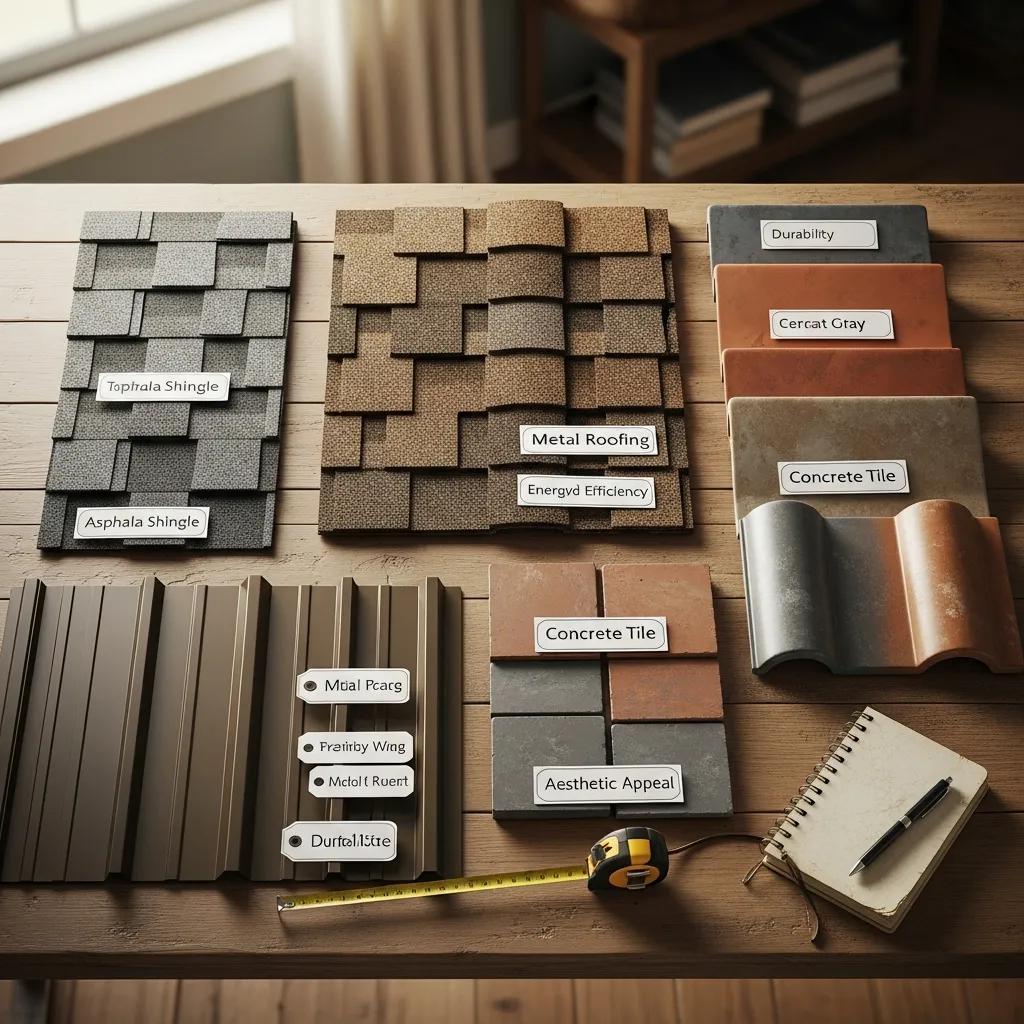
Understanding the different types of roofing materials can help you make an informed choice that suits your needs and budget. Each material has its own set of benefits and considerations.
How Do Asphalt, Metal, and Tile Roofing Compare in Durability and Cost?
- Asphalt Shingles: These are the most common roofing material due to their affordability and ease of installation. They typically last 15-30 years.
- Metal Roofing: Known for its durability, metal roofing can last 40-70 years and is resistant to extreme weather conditions. However, it can be more expensive upfront.
- Tile Roofing: Tile roofs are highly durable and can last 50+ years. They offer excellent insulation but are heavier and may require additional structural support.
Which Roofing Materials Are Best for Energy Efficiency and Climate?
- Cool Roofing Materials: These reflect more sunlight and absorb less heat, making them ideal for warmer climates.
- Insulated Roofing Systems: These provide better thermal performance, reducing energy costs in both hot and cold climates.
- Sustainable Options: Materials like recycled shingles or green roofs can enhance energy efficiency while being environmentally friendly.
How Can You Avoid Roofing Scams and Identify Red Flags?
Being aware of common roofing scams can help you protect yourself from fraud. Knowing what to look for can save you time and money.
What Are Common Roofing Scams and How to Recognize Them?
- Storm Chasers: These contractors often appear after a storm, offering quick repairs. They may not be licensed or insured.
- High-Pressure Sales Tactics: Be wary of contractors who pressure you to sign a contract immediately without giving you time to think.
- Unsolicited Offers: If someone knocks on your door offering roofing services, it’s best to be cautious and do your research.
Which Prevention Strategies Protect Homeowners from Fraud?
- Research Contractors Thoroughly: Check online reviews and ratings to gauge a contractor’s reputation.
- Use Contracts and Written Agreements: Always get a written contract that outlines the scope of work, costs, and timelines.
- Trust Your Instincts and Seek Second Opinions: If something feels off, don’t hesitate to get a second opinion from another contractor.
This table summarizes the key characteristics of common roofing materials, helping homeowners make informed decisions based on durability, cost, and energy efficiency.
In conclusion, selecting the right roofing contractor involves careful consideration of their qualifications, communication skills, and the materials they use. By following the guidelines outlined in this article, you can ensure a successful roofing project that meets your needs and expectations.