Why Regular Roof Maintenance Saves You Money
How Roof Maintenance Cuts Energy Bills and Boosts Efficiency
Regular roof maintenance is crucial for homeowners looking to protect their investment and save money in the long run. By understanding the importance of maintaining your roof, you can avoid costly repairs and extend its lifespan. This article will explore the financial benefits of regular roof maintenance, including how it can prevent emergency repairs, reduce energy bills, and enhance your home’s value. We will also discuss practical maintenance strategies that can save you money and ensure your roof remains in optimal condition.
What Are the True Costs of Neglecting Roof Maintenance?
Neglecting roof maintenance can lead to significant financial consequences for homeowners. The costs associated with emergency repairs can far exceed the expenses of regular maintenance. For instance, a small leak that goes unnoticed can lead to extensive water damage, requiring costly repairs and potentially even roof replacement.
How Do Emergency Repairs Compare to Preventive Maintenance Costs?

Emergency repairs can be substantially more expensive than preventive maintenance. For example, while a routine inspection may cost around $200 to $300, an emergency repair due to a leak can range from $1,000 to $4,000, depending on the extent of the damage. This stark contrast highlights the financial wisdom of investing in regular maintenance to avoid unexpected costs.
What Structural Damages and Water Issues Can Result from Neglect?
Neglecting roof maintenance can result in various structural damages, including rotting wood, mold growth, and compromised insulation. Water intrusion can lead to significant issues, such as weakened structural integrity and increased energy costs due to poor insulation. The long-term repair costs associated with these damages can easily escalate into thousands of dollars, making regular maintenance a financially sound choice.
How Does Regular Roof Maintenance Extend Your Roof’s Lifespan?
Regular roof maintenance plays a vital role in extending the lifespan of your roof. By addressing minor issues before they escalate, homeowners can significantly delay the need for a full roof replacement, which can be a major financial burden.
What Maintenance Actions Help Prevent Premature Roof Aging?
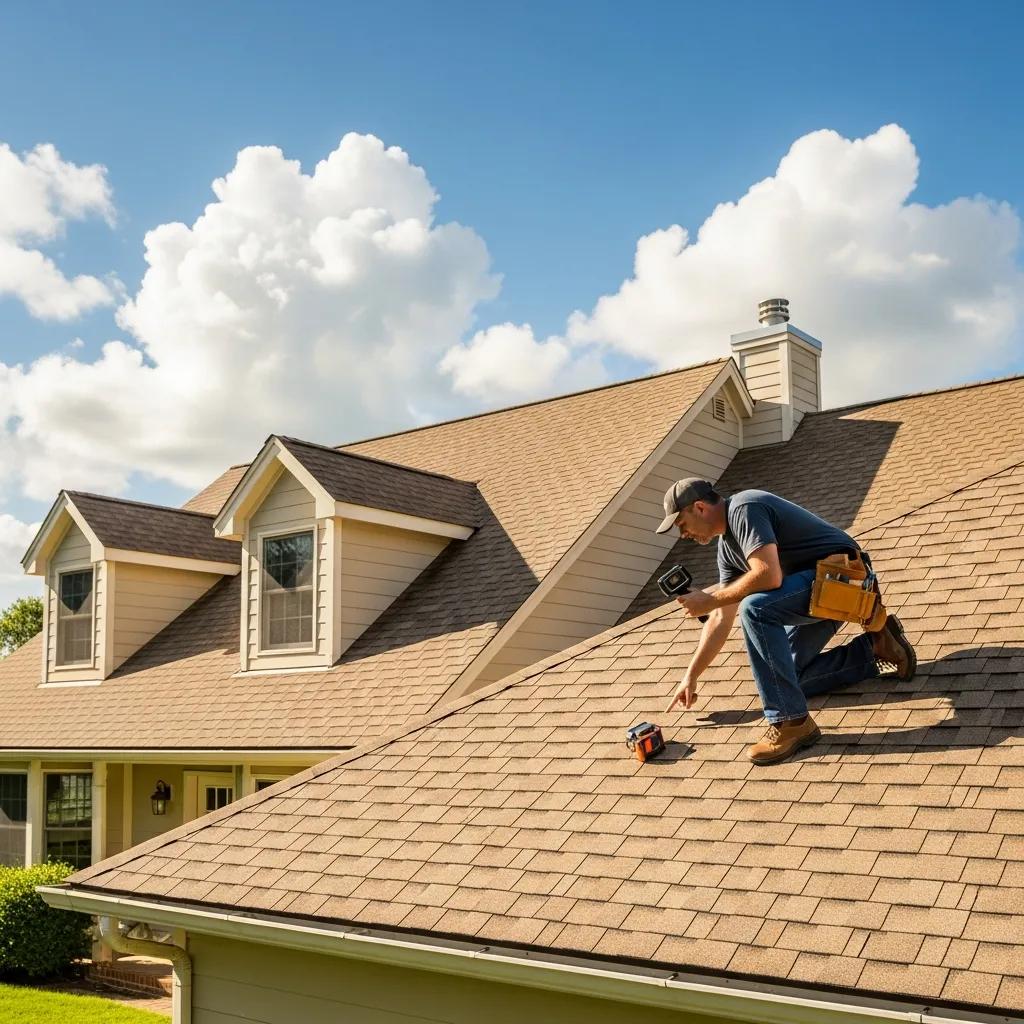
Key maintenance actions include regular inspections, cleaning gutters, and addressing minor repairs promptly. Homeowners should schedule inspections at least twice a year and after severe weather events. Cleaning gutters prevents water buildup, which can lead to leaks and structural damage. Additionally, promptly repairing minor issues, such as missing shingles or small leaks, can prevent more extensive damage.
How Much Can Lifespan Extension Save You Financially?
Extending your roof’s lifespan can lead to substantial financial savings. For instance, if a roof replacement costs around $10,000 to $15,000 and regular maintenance can add five years to its lifespan, homeowners can save approximately $2,000 to $3,000 annually by delaying the replacement. This financial benefit underscores the importance of regular maintenance in protecting your investment.
In What Ways Does Roof Maintenance Reduce Energy Bills and Improve Efficiency?
Regular roof maintenance can significantly reduce energy bills by improving your home’s energy efficiency. A well-maintained roof helps regulate indoor temperatures, reducing the need for heating and cooling systems to work overtime.
How Do Insulation and Ventilation Affect Energy Savings?
Proper insulation and ventilation are critical for energy savings. A well-insulated roof prevents heat loss in winter and keeps your home cool in summer. Additionally, adequate ventilation helps regulate temperature and moisture levels, further enhancing energy efficiency. Homeowners can save up to 15-20% on energy bills by ensuring their roofs are properly insulated and ventilated.
What Are the Benefits of Energy-Efficient Roofing Materials?
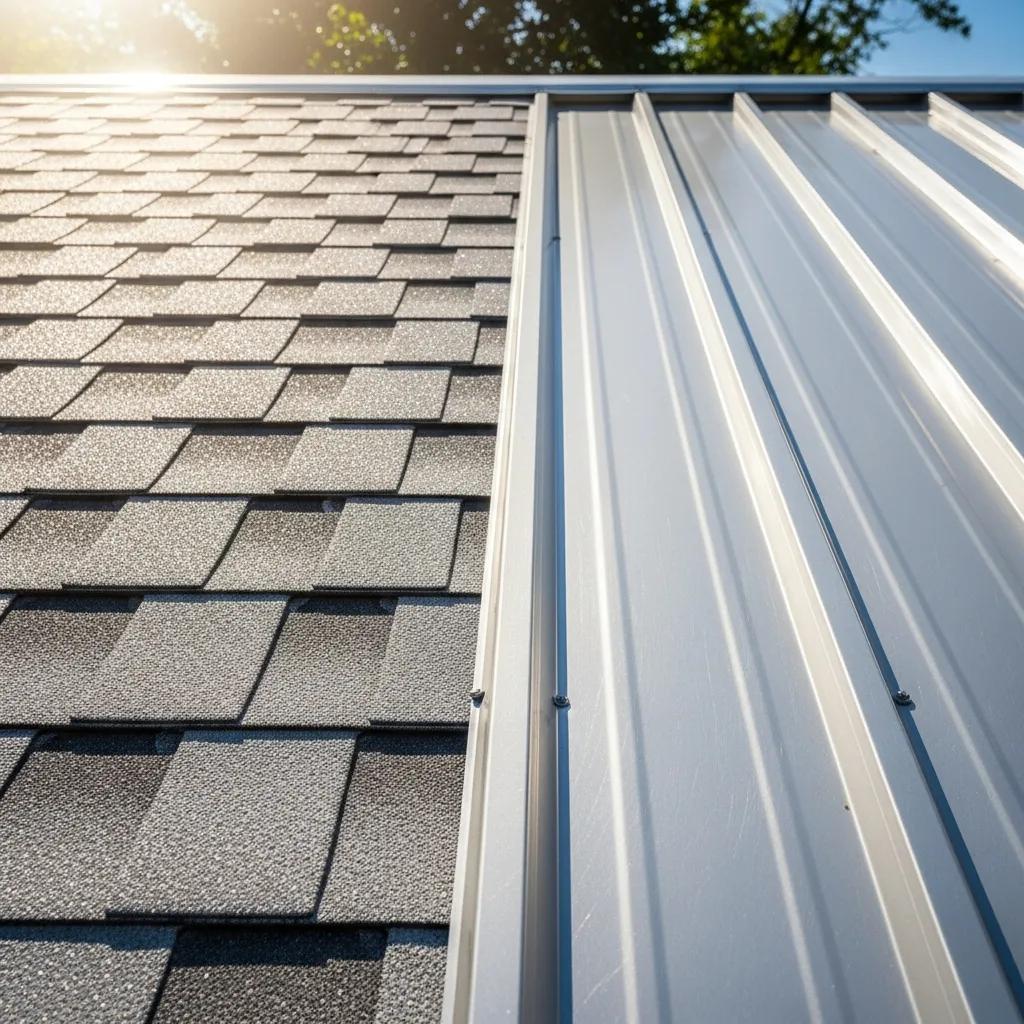
Investing in energy-efficient roofing materials can lead to long-term savings. Materials such as reflective shingles can reduce heat absorption, lowering cooling costs during hot months. Additionally, energy-efficient roofs often come with warranties that can save homeowners money on repairs and replacements over time.
What Preventative Roof Care Practices Save on Costly Repairs?
Implementing preventative roof care practices is essential for saving on costly repairs. Regular maintenance not only protects your roof but also enhances its overall performance and longevity.
How Often Should Roof Inspections and Gutter Cleanings Be Performed?
Homeowners should schedule roof inspections at least twice a year, ideally in the spring and fall. Gutter cleanings should be performed seasonally, especially in areas with heavy foliage. This proactive approach helps identify potential issues early and prevents costly repairs.
Why Is Prompt Repair of Minor Issues Crucial to Cost Savings?
Addressing minor issues promptly is crucial for cost savings. For example, a small leak can lead to extensive water damage if left untreated. By repairing minor issues as they arise, homeowners can avoid the high costs associated with major repairs and maintain the integrity of their roofs.
How Does Regular Maintenance Protect Your Home Value and Warranty?
Regular roof maintenance is essential for protecting your home’s value and ensuring warranty validity. A well-maintained roof enhances curb appeal and can significantly impact property value.
How Does Roof Condition Influence Property Value and Curb Appeal?
The condition of your roof plays a significant role in your home’s overall value. A well-maintained roof can increase curb appeal, making your home more attractive to potential buyers. Conversely, a neglected roof can deter buyers and lower your property’s market value.
What Maintenance Steps Ensure Warranty Validity?
To ensure warranty validity, homeowners must adhere to specific maintenance requirements outlined by their roofing manufacturers. This typically includes regular inspections and documentation of maintenance activities. Failing to meet these requirements can void warranties, leading to costly repairs that would otherwise be covered.
What Are the Latest Roofing Industry Trends and Costs Impacting Maintenance Decisions?
Staying informed about the latest roofing industry trends and costs is crucial for homeowners making maintenance decisions. Understanding these trends can help homeowners choose the best materials and practices for their roofs.
How Have Material and Labor Costs Changed in 2025?
In 2025, material and labor costs have seen moderate increases due to supply chain challenges and rising demand for roofing services. Homeowners should expect to pay approximately 5-10% more for roofing materials compared to previous years. This trend emphasizes the importance of regular maintenance to extend the life of existing roofs and delay costly replacements.
Why Is Demand Increasing for Durable Materials Like Metal Roofing?
There is a growing demand for durable materials like metal roofing due to their longevity and energy efficiency. Metal roofs can last 40 to 70 years with proper maintenance, making them a cost-effective choice for homeowners. Additionally, their reflective properties contribute to energy savings, further enhancing their appeal in the current market.
This table illustrates the cost-effective nature of regular maintenance actions compared to the potential costs of neglecting them. By investing in these practices, homeowners can save significantly in the long run.
Regular roof maintenance is not just about preserving the physical structure of your home; it is a strategic financial decision that can lead to substantial savings and increased property value. By understanding the costs associated with neglect and the benefits of proactive care, homeowners can make informed decisions that protect their investments for years to come.