Residential Roofers Near Me: Your Local Hiring Guide
Finding reliable residential roofers near me has become one of the most important searches homeowners conduct when facing roof repairs or replacements. Your roof protects your most valuable asset, and choosing the wrong contractor can lead to costly mistakes, safety issues, and years of frustration. The challenge isn't just finding someone who can install shingles-it's identifying experienced professionals who deliver quality craftsmanship, stand behind their work, and operate with transparency throughout every phase of your project. This guide walks you through the essential steps to evaluate local roofing contractors, understand what separates exceptional teams from mediocre ones, and make informed decisions that protect both your home and your investment.
Understanding What Residential Roofing Contractors Offer
Residential roofing encompasses far more than simply nailing down shingles. Professional residential roofers provide comprehensive services that address every aspect of your home's roofing system, from initial assessment through final inspection and warranty support.
A complete residential roofing company typically offers the following core services:
- Full roof replacements for aging or severely damaged roofing systems
- Roof repairs addressing leaks, missing shingles, flashing failures, and storm damage
- Roof inspections to identify potential problems before they escalate
- Emergency response for sudden leaks and weather-related damage
- Insurance claim assistance to document damage and supporting your insurance claim with thorough documentation
Material Expertise and Installation
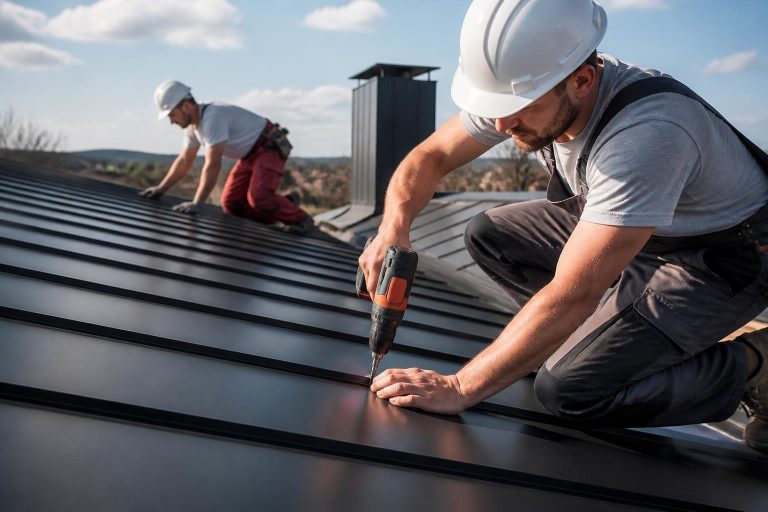
Quality residential roofers demonstrate expertise across multiple roofing materials. Asphalt shingles remain the most popular choice, but homeowners also select metal roofing, tile, slate, and specialty materials based on climate, budget, and architectural style.
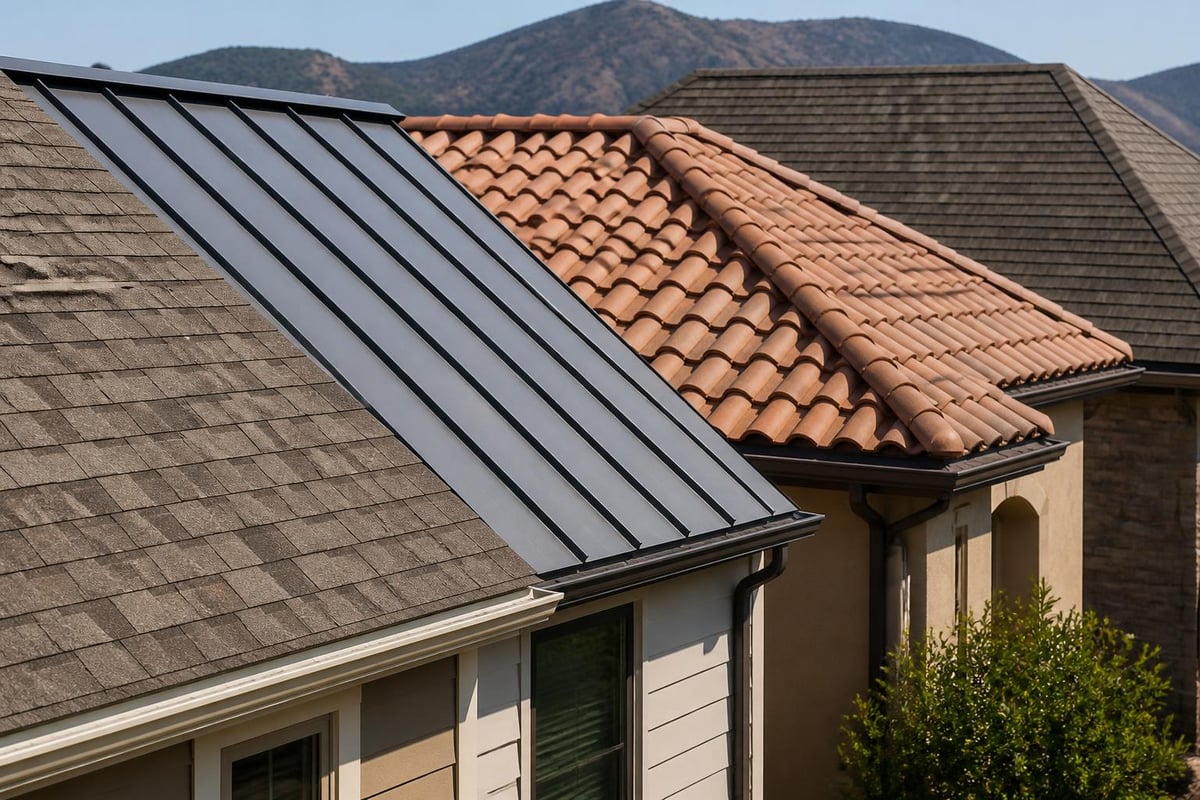
When evaluating contractors, ask about their experience with your preferred material. Installation techniques vary significantly between roofing types, and proper installation directly impacts performance and longevity. Companies that specialize exclusively in one material may offer deeper expertise than generalists, while full-service contractors provide flexibility if you're still deciding between options.
Evaluating Local Roofing Contractors
The search for residential roofers near me should begin with a systematic vetting process. Not all contractors operate with the same standards, and taking time to research thoroughly prevents costly mistakes and project failures.
Licensing, Insurance, and Credentials
Start by verifying basic credentials. Every legitimate roofing contractor should carry:
| Requirement | Why It Matters | What to Verify |
|---|---|---|
| General Liability Insurance | Protects your property from damage during work | Request certificate of insurance with current dates |
| Workers' Compensation | Covers injuries to crew members on your property | Confirm coverage or independent contractor exemption |
| State/Local Licensing | Demonstrates legal compliance and basic competency | Check license number with state or municipal authority |
| Manufacturer Certifications | Shows training on specific roofing products | Ask for certification documentation from material suppliers |
Never hire a contractor who cannot immediately provide proof of insurance. If a worker is injured on your property and the company lacks proper coverage, you may face personal liability.
Experience and Track Record
Years in business matter, but so does the quality of that experience. Look for contractors with:
- Minimum five years serving your local market
- Verifiable references from recent residential projects
- Physical business address rather than just a P.O. box or mobile number
- Established relationships with local suppliers and building departments
Professional residential roofing contractors understand local building codes, weather patterns, and permit requirements. These contractors navigate municipal inspections smoothly and know which materials perform best in your climate.
The In-House Crew Advantage
One critical factor separates exceptional residential roofers from average contractors: whether they employ in-house crews or rely on subcontractors. This distinction significantly impacts quality, accountability, and your overall experience.
Quality Control and Consistency
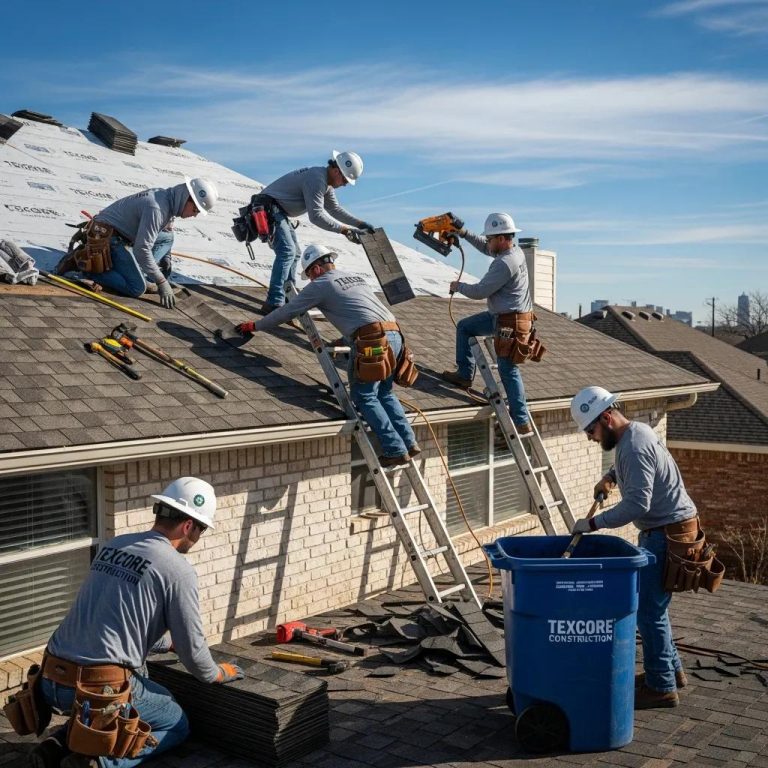
Companies using in-house teams maintain direct control over workmanship. Every crew member receives consistent training, follows company protocols, and answers directly to company management. When problems arise, you communicate with the same organization that performed the work.
Subcontractor-based models introduce variables. The quality of work depends on whichever subcontractor the company assigns that week. Training standards vary, communication becomes fragmented, and accountability dilutes across multiple businesses.
In-house crews also ensure cleaner job sites and better project coordination. Team members know company expectations for debris removal, material staging, and property protection because they follow standardized procedures daily.
Warranty Implications
Labor warranties hold more value when the company employs its own installers. If issues emerge two years after installation, in-house teams return to address problems directly. With subcontractor models, the original installer may no longer work with that contractor, complicating warranty service.
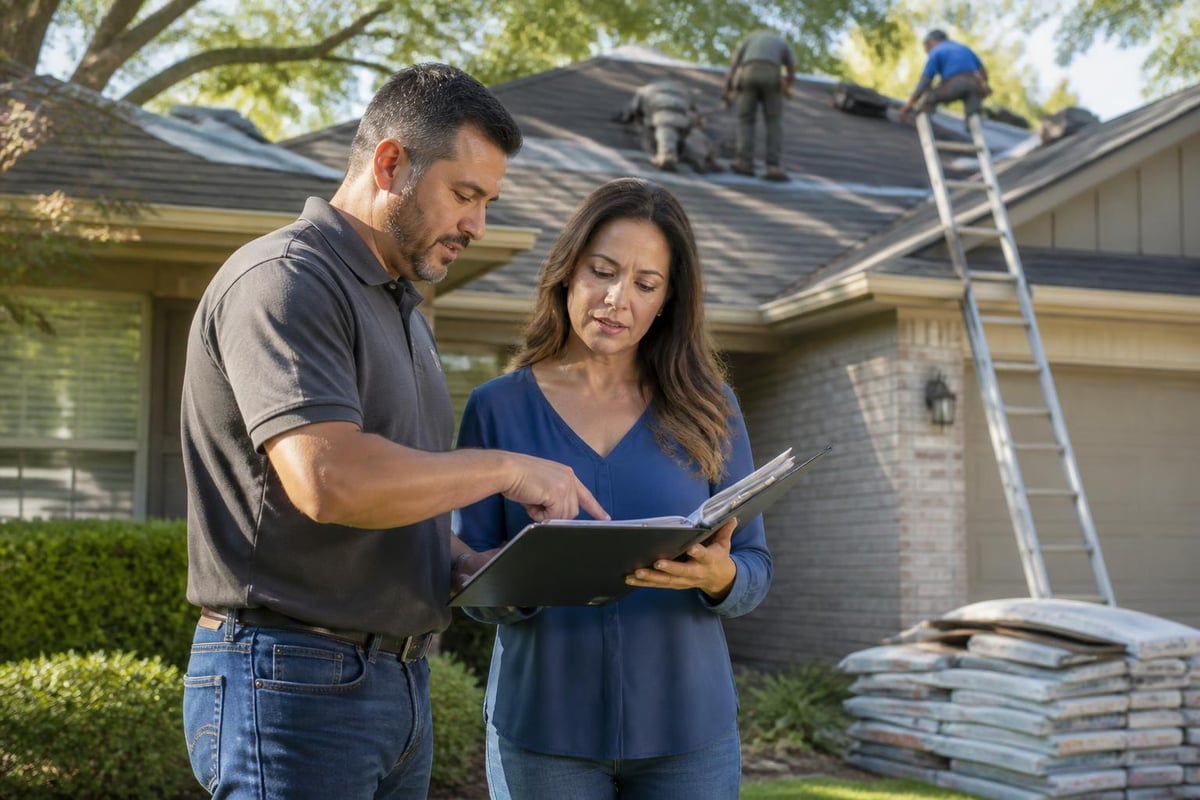
Ask potential contractors directly: "Do you use your own crews or subcontract the installation?" The answer reveals much about how they operate and their commitment to long-term quality.
Getting and Comparing Estimates
When searching for residential roofers near me, collecting multiple estimates provides essential market perspective. However, comparing quotes requires understanding what each proposal includes.
What Detailed Estimates Should Contain
Professional estimates go beyond simple square footage calculations. Comprehensive proposals specify:
- Exact materials including manufacturer, product line, color, and warranty coverage
- Scope of work detailing tear-off procedures, decking repairs, ventilation improvements, and flashing replacement
- Project timeline with start date, estimated duration, and weather contingencies
- Cleanup and disposal procedures for old materials and debris
- Labor warranty terms separate from manufacturer material warranties
- Payment structure with deposit amount and final payment conditions
Be wary of estimates that provide only total project cost without itemization. Detailed breakdowns allow you to understand where your money goes and compare proposals accurately.
Red Flags in Pricing
Exceptionally low bids often signal problems. Contractors who underbid competitors may:
- Use substandard materials or lower-grade product lines
- Skip essential steps like proper ventilation or ice and water shield installation
- Lack proper insurance, shifting liability risk to you
- Plan to request additional payment for "unforeseen issues" mid-project
Conversely, the highest bid doesn't guarantee superior quality. Evaluate what each contractor includes and how they justify their pricing. The best value combines quality materials, skilled installation, comprehensive warranties, and transparent communication.
Assessing Communication and Professionalism
Your interaction with residential roofers during the estimate process previews how they'll operate during your project. Responsive, professional communication from the start indicates reliable service throughout.
Questions to Ask During Consultations
Prepare specific questions that reveal contractor priorities and capabilities:
- How do you handle unexpected decking damage discovered during tear-off?
- What ventilation improvements do you recommend for my roof configuration?
- How do you protect landscaping, gutters, and siding during installation?
- What happens if weather delays the project timeline?
- Who will supervise the crew, and how can I reach them during installation?
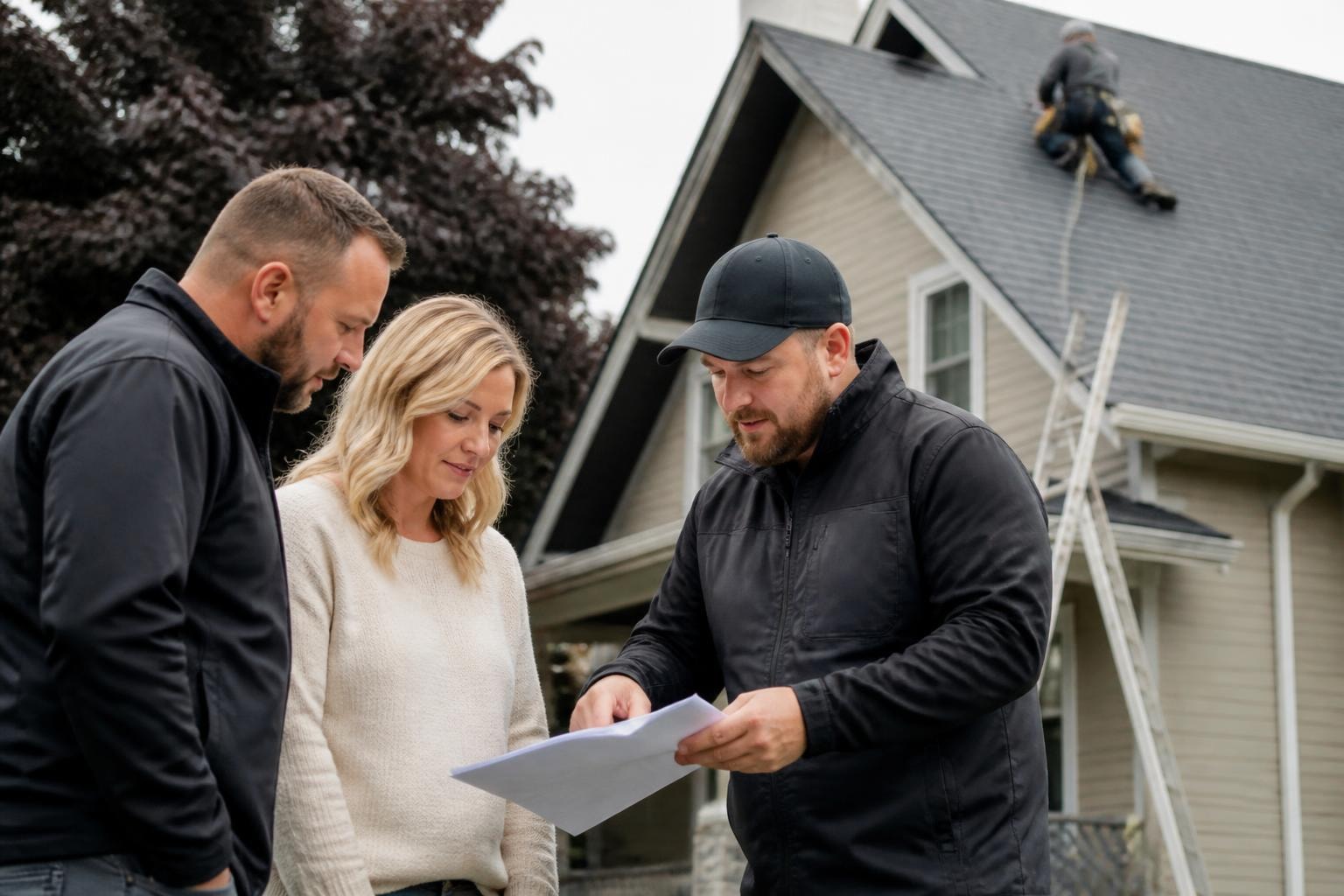
Quality contractors answer thoroughly, explain their processes clearly, and demonstrate genuine interest in your specific situation. They discuss potential challenges proactively rather than discovering problems after work begins.
Documentation Standards
Professional roofing companies provide detailed documentation throughout the project. This includes:
- Written estimates with complete scope specifications
- Contracts outlining all terms, timelines, and payment schedules
- Pre-installation photographs documenting existing conditions
- Material delivery receipts and manufacturer certifications
- Post-installation inspection reports
- Warranty documentation for both materials and labor
This documentation proves invaluable if issues arise during installation or in future years. It also demonstrates the contractor's commitment to transparency and accountability.
Material Selection Guidance
Experienced residential roofers help homeowners navigate material choices based on budget, climate, and aesthetic preferences. Your contractor should explain options without pushing specific products based solely on their profit margins.
Common Residential Roofing Materials
| Material | Typical Lifespan | Cost Range | Best For |
|---|---|---|---|
| 3-Tab Asphalt Shingles | 15-20 years | $ | Budget-conscious projects |
| Architectural Shingles | 25-30 years | $$ | Balance of value and performance |
| Metal Roofing | 40-70 years | $$$ | Long-term investment, energy efficiency |
| Clay/Concrete Tile | 50+ years | $$$$ | Mediterranean or Spanish architecture |
| Slate | 75-100+ years | $$$$$ | Historic homes, premium applications |
For most Fort Worth homeowners, architectural asphalt shingles offer excellent performance at moderate cost. They withstand high winds, resist hail impact reasonably well, and come in numerous colors to match any home style.
Metal roofing continues gaining popularity for its longevity, energy efficiency, and low maintenance requirements. While initial costs run higher than asphalt, the extended lifespan and reduced cooling costs often justify the investment for homeowners planning to stay in their homes long-term.
Storm Damage and Insurance Claims
Texas weather produces frequent hail storms and severe wind events that damage roofs. Finding residential roofers near me who understand insurance claim processes protects you financially when storm damage occurs.
Professional Documentation Services
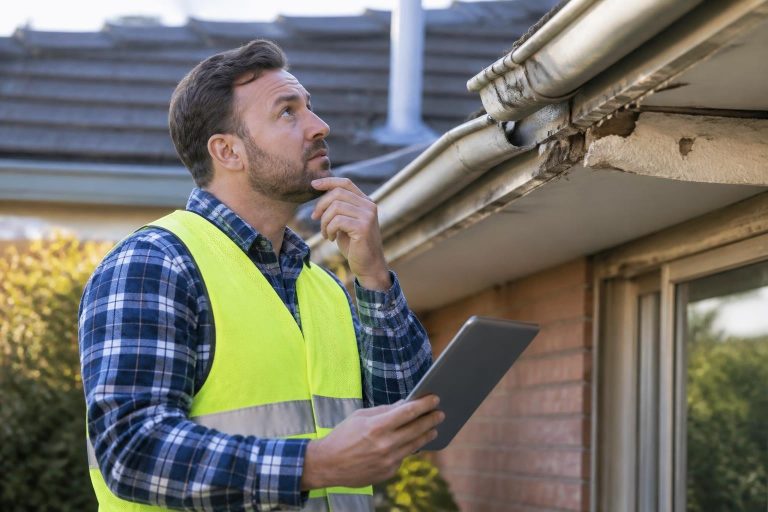
When severe weather strikes, prompt professional assessment protects your claim. Quality contractors provide professional roof inspections that document damage thoroughly, photograph affected areas from multiple angles, and prepare detailed reports for insurance adjusters.
This documentation should identify:
- Specific hail impact points with measurements
- Wind-damaged or missing shingles with location mapping
- Compromised flashing, vents, or penetrations
- Interior water intrusion evidence
- Comparison to pre-storm conditions when available
Thorough documentation increases claim approval rates and ensures adequate coverage for complete repairs rather than inadequate partial fixes.
Working With Adjusters
Experienced roofing contractors know how to communicate effectively with insurance adjusters. They understand what documentation adjusters require, how to demonstrate damage meets policy thresholds, and when supplemental claims become necessary for additional damage discovered during repairs.
Some contractors attend adjuster meetings on your behalf, explaining technical aspects of roof damage and advocating for comprehensive coverage. This advocacy often means the difference between partial repair allowances and full replacement approvals.
Timeline Expectations and Project Management
Understanding realistic timelines helps you plan and evaluate contractor capabilities. Quality residential roofers provide honest schedule estimates and communicate proactively when circumstances change.
Typical Project Phases
Standard residential roof replacement follows this general timeline:
- Initial consultation and estimate: 1-2 hours onsite, 2-3 days for detailed proposal
- Contract signing and scheduling: 1-3 weeks out for non-emergency projects
- Material ordering and delivery: 3-7 days before installation
- Installation: 1-3 days depending on roof size and complexity
- Final inspection and cleanup: Same day as installation completion
- Warranty documentation: Within one week of project completion
Weather significantly impacts roofing schedules. Rain delays installation, extreme heat affects installer safety and material performance, and high winds prevent safe work. Contractors cannot control weather, but they should communicate delays promptly and reschedule efficiently.
Emergency Response Capabilities
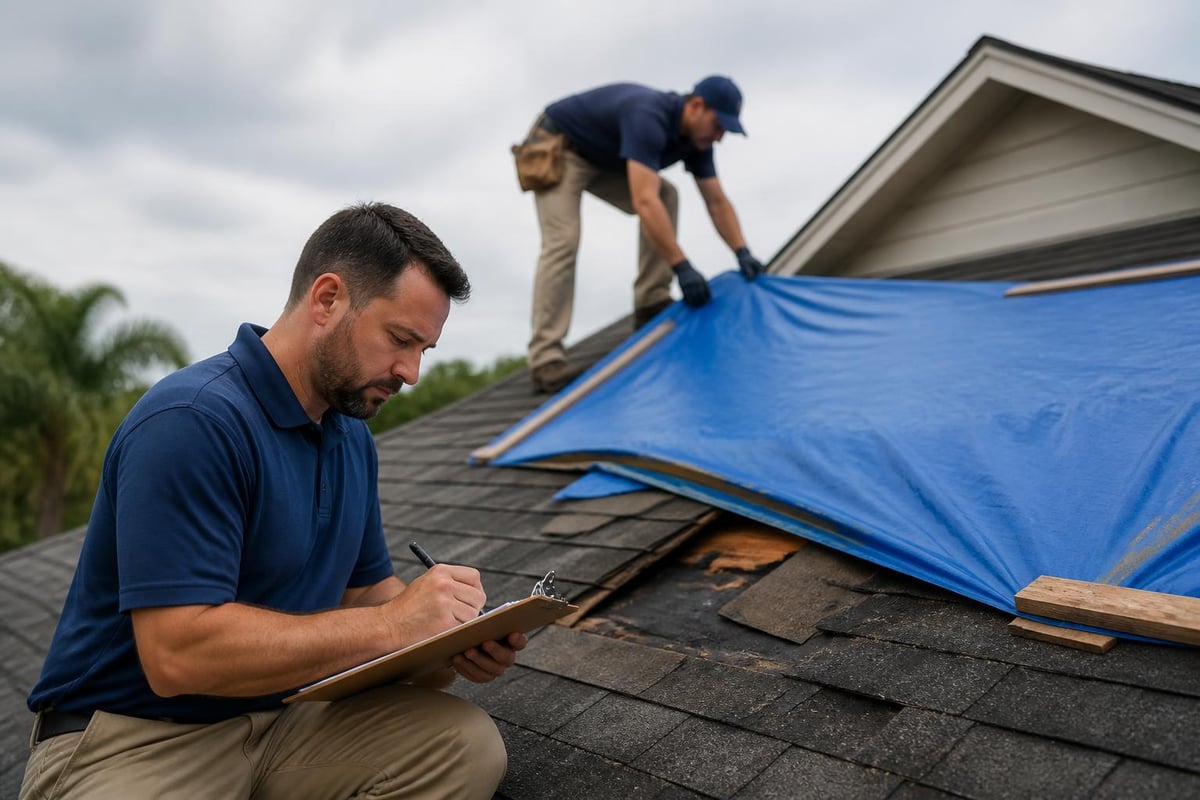
For active leaks or storm damage requiring immediate attention, response time becomes critical. Some Fort Worth roofing contractors offer same-day emergency service to stop water intrusion and protect your property while planning permanent repairs.
Emergency tarping, temporary patches, and rapid leak diagnosis prevent minor problems from escalating into major damage. When searching for residential roofers near me, ask about emergency availability and typical response times for urgent situations.
Warranty Coverage and Long-Term Support
Warranties protect your investment, but not all roofing warranties offer equal protection. Understanding what coverage each contractor provides helps you evaluate true project value.
Material vs. Labor Warranties
Roofing warranties typically split into two categories:
Manufacturer material warranties cover defects in the roofing products themselves. These range from 25 years to lifetime coverage depending on product grade. However, material warranties don't cover installation errors, improper flashing, inadequate ventilation, or other workmanship issues.
Labor warranties cover installation quality. If leaks develop due to improper installation techniques, flashing failures, or other workmanship problems, labor warranties ensure the contractor returns to correct issues at no additional cost.
Standard labor warranties run one to two years. Premium contractors offer extended labor coverage-five years or longer-demonstrating confidence in their installation quality. This extended coverage provides significant peace of mind and protection.
What Warranties Exclude
Read warranty terms carefully. Most exclude:
- Damage from severe weather events (covered by homeowners insurance instead)
- Normal wear and tear beyond expected material lifespan
- Issues caused by homeowner modifications or other contractors' work
- Problems resulting from deferred maintenance or clogged gutters
Legitimate exclusions protect contractors from liability for circumstances beyond their control. However, warranties should clearly cover defects in materials and workmanship for their stated duration.
Local Knowledge and Community Reputation
Contractors serving your specific community bring valuable local expertise. Residential roofers near me understand regional building codes, climate challenges, and permitting requirements that affect your project.
Why Local Matters
Fort Worth's weather patterns differ significantly from other regions. Local contractors understand:
- Which materials withstand frequent hail storms most effectively
- Proper ventilation configurations for Texas heat
- Wind resistance requirements for severe thunderstorms
- Building code specifics and permit processes
- Relationships with local inspectors and suppliers
This knowledge streamlines your project and ensures compliance with all regulations. Out-of-area contractors may lack familiarity with local requirements, leading to delays, failed inspections, or improper installations.
Checking Community Reputation
Before hiring any contractor, verify their standing through:
- Better Business Bureau ratings and complaint history
- Google reviews spanning multiple years
- References from neighbors in your community
- Local contractor licensing board records
- Social media presence and customer interactions
Look for contractors with established local reputations, not just recent startups or companies that operate from multiple distant locations. Longevity in your specific market indicates satisfied customers and sustainable business practices.
Making Your Final Decision
After researching options, collecting estimates, and evaluating contractors, compare your finalists systematically. Create a decision matrix weighing factors most important to your situation.
Key Comparison Factors
| Factor | Contractor A | Contractor B | Contractor C |
|---|---|---|---|
| In-house crews vs. subcontractors | |||
| Years serving local area | |||
| Insurance/licensing verified | |||
| Labor warranty length | |||
| Material quality/grade | |||
| Total project cost | |||
| References checked | |||
| Communication quality |
Assign weights to factors based on your priorities. If warranty coverage matters most, weight that factor higher than price. If timeline is critical, prioritize contractors with immediate availability.
Trust Your Instincts
Beyond objective criteria, consider your comfort level with each contractor. You'll work closely with this team for days or weeks. Choose contractors who:
- Answer questions thoroughly without condescension
- Respect your property and time
- Demonstrate pride in their workmanship
- Communicate proactively rather than making you chase updates
- Stand behind their work with confidence
If something feels off during initial interactions, that discomfort likely reflects legitimate concerns. Trust professional contractors who earn your confidence through knowledge, transparency, and genuine customer focus.
Understanding Project Costs and Payment Terms
Roofing represents a significant investment. Understanding cost structures and payment expectations helps you budget appropriately and avoid financial surprises.
Average Cost Ranges
Residential roofing costs vary based on:
- Home size and roof complexity
- Material selection and grade
- Extent of decking repairs needed
- Additional features like new ventilation or upgraded flashing
- Geographic location and market conditions
For Fort Worth homes, expect these approximate ranges for complete roof replacement:
- Budget asphalt shingles: $5,000-$8,000 for 1,500 sq ft home
- Premium architectural shingles: $8,000-$12,000 for 1,500 sq ft home
- Metal roofing: $12,000-$20,000 for 1,500 sq ft home
- Tile roofing: $18,000-$30,000+ for 1,500 sq ft home
These estimates include materials, labor, permits, and disposal. Complex roof configurations with multiple valleys, chimneys, or skylights increase costs due to additional labor and material requirements.
Payment Structure Best Practices
Reputable contractors follow reasonable payment schedules:
- Deposit: 10-25% upon contract signing to order materials
- Progress payment: 25-50% when materials arrive or work begins
- Final payment: Remaining balance upon completion and your satisfaction
Avoid contractors demanding large upfront payments before ordering materials or beginning work. Never pay in full before project completion and final inspection.
Selecting the right residential roofing contractor protects your home and your investment for decades to come. By thoroughly vetting local contractors, understanding what separates quality teams from mediocre ones, and evaluating both technical capabilities and communication standards, you position yourself to make confident decisions that deliver lasting results. If you're searching for residential roofers near me in the Fort Worth area, Texcore Construction delivers the craftsmanship, accountability, and transparent communication homeowners deserve, backed by in-house crews, comprehensive warranties, and a proven commitment to quality that stands the test of time.