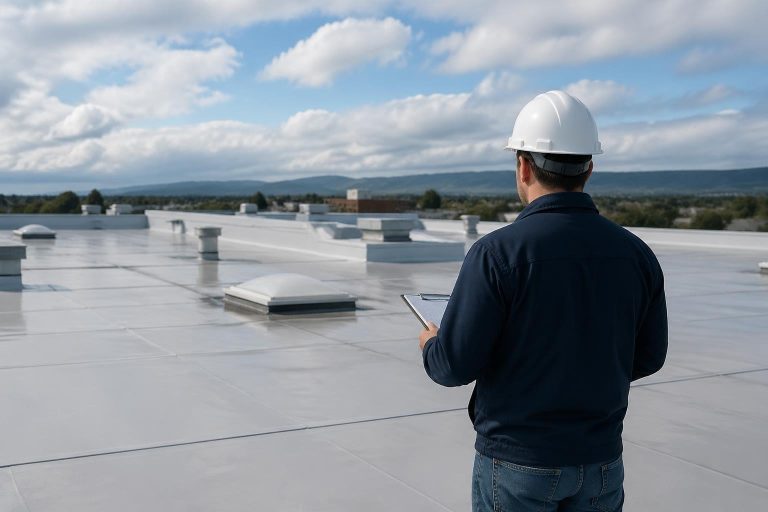

Guttering Replacement Near Me: Complete Guide for 2026
When property owners search for "guttering replacement near me," they're typically facing one of two scenarios: visible damage that's causing immediate water intrusion, or proactive planning to prevent future structural issues. Understanding when replacement is necessary, what it costs, and how to select the right contractor can save thousands of dollars and protect your property from water damage that compromises foundations, siding, and landscaping. This comprehensive guide walks through everything Fort Worth property owners need to know about modern gutter systems, replacement timelines, and contractor selection criteria.
Understanding When Gutters Need Replacement vs Repair
Not every gutter issue requires a complete replacement. Distinguishing between repair scenarios and full replacement situations helps property owners make cost-effective decisions.
Clear Indicators for Full Replacement
Several conditions signal that repair won't provide adequate protection:
- Widespread rust or corrosion affecting more than 30% of the gutter system
- Multiple sagging sections that indicate compromised structural integrity
- Persistent leaks at seams despite previous repair attempts
- Visible cracks or splits in multiple locations along the gutter runs
- Separation from fascia boards in three or more locations
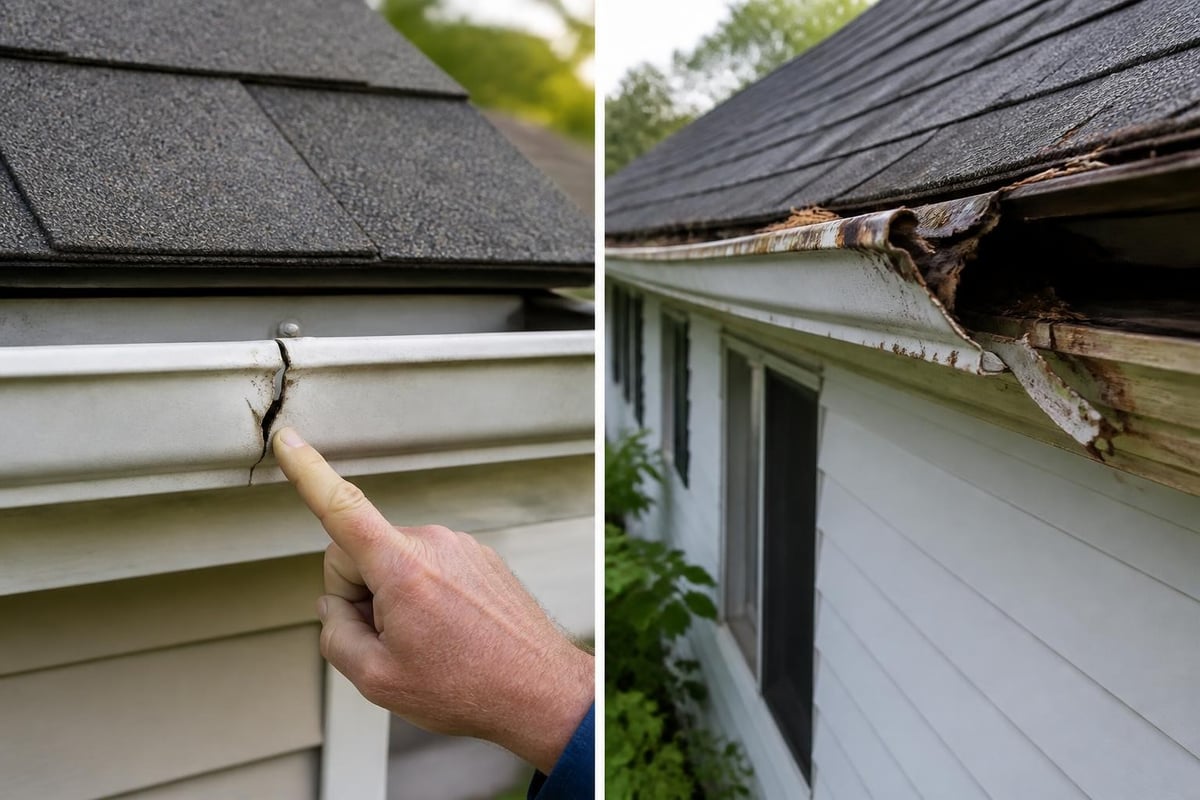
When damage affects isolated areas and the rest of the system remains structurally sound, targeted repairs often suffice. A single dented section, one failing bracket, or a small leak at a joint can typically be addressed without replacing the entire system.
Age and Material Deterioration
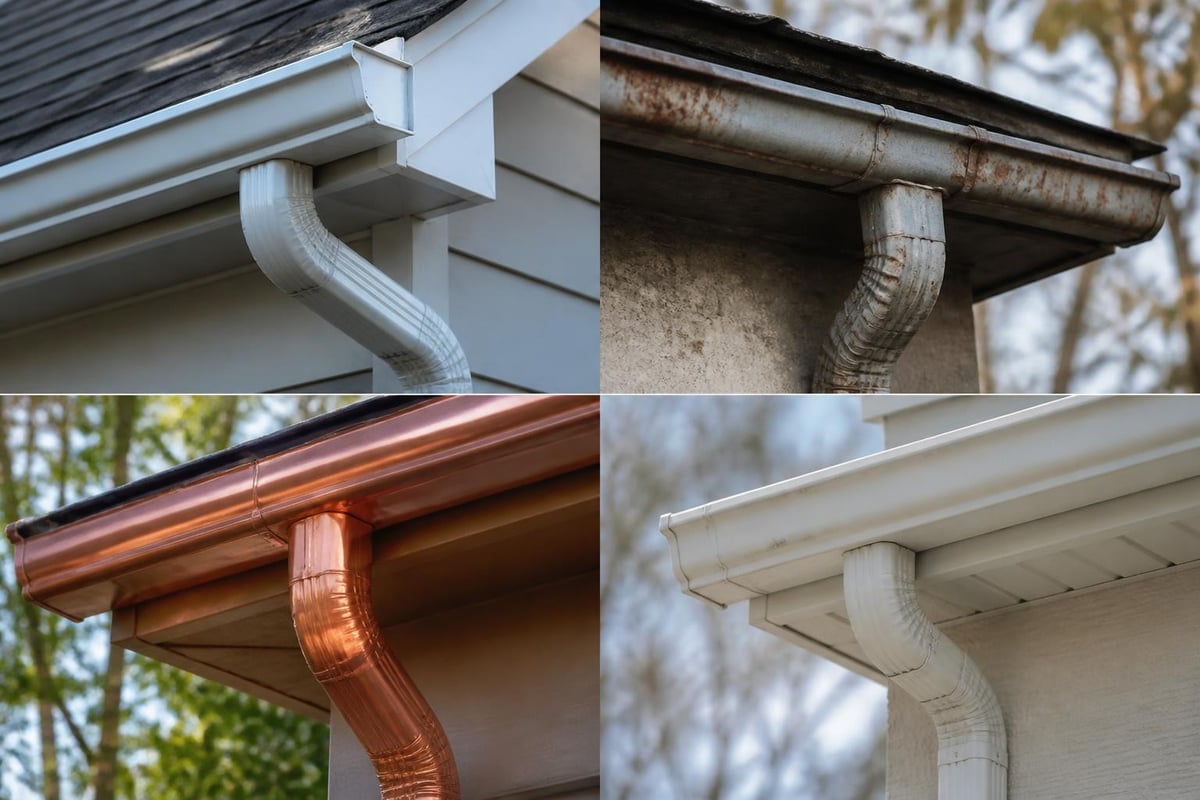
Standard aluminum gutters last 20 to 25 years under normal conditions, while galvanized steel systems typically require replacement after 15 to 20 years. Copper gutters can last 50 years or more but represent a significant initial investment.
| Material | Average Lifespan | Replacement Indicators |
|---|---|---|
| Aluminum | 20-25 years | Thinning metal, frequent repairs |
| Galvanized Steel | 15-20 years | Rust spots, structural weakness |
| Copper | 50+ years | Rare, usually cosmetic patina only |
| Vinyl | 10-15 years | Cracking, UV damage, brittleness |
Properties in regions with severe weather, including Fort Worth's hail storms and high winds, often see accelerated deterioration. Homeowners who need storm damage documentation for insurance purposes should have a professional contractor assess both roof and gutter systems simultaneously.
Guttering Replacement Cost Factors in 2026
When researching "guttering replacement near me," understanding pricing components helps property owners budget accurately and compare contractor quotes effectively.
Material Costs and Installation Variables
National average gutter installation costs range from $1,200 to $2,400 for a typical single-family home, but several factors influence the final price.
Primary cost drivers include:
- Linear footage of guttering required
- Material selection (aluminum, steel, copper, or vinyl)
- Property height and accessibility challenges
- Existing gutter removal and disposal fees
- Downspout quantity and extension requirements
- Gutter guard or protection system installation
Two-story homes typically cost 30% to 50% more than single-story installations due to additional safety equipment, labor time, and accessibility complexity. Texas-specific pricing considerations also factor in regional labor rates and material availability.
Seamless vs Sectional Gutter Systems
Seamless gutters cost approximately $3 to $5 more per linear foot than sectional systems but offer significant long-term advantages. These custom-formed gutters eliminate seams along straight runs, reducing leak points by up to 90%.
Sectional gutters, priced between $3 and $8 per linear foot installed, use pre-cut lengths joined with connectors. While initially less expensive, they require more frequent maintenance and develop leaks at connection points over time.
Choosing the Right Gutter Material for Your Property
Material selection directly impacts system longevity, maintenance requirements, and overall performance during severe weather events.
Aluminum: The Standard Choice
Aluminum dominates residential gutter installations due to its optimal balance of cost, durability, and performance. This lightweight material resists rust, supports custom color matching, and handles expansion and contraction without cracking.
Key aluminum advantages:
- Lightweight installation reduces structural stress on fascia boards
- Rust-resistant composition extends system lifespan
- Available in seamless configurations for leak prevention
- Color coating options match or complement exterior finishes
- Recyclable material supports sustainable building practices
For Fort Worth properties, aluminum's thermal expansion characteristics accommodate Texas temperature swings between summer heat and occasional winter freezes.
Steel, Copper, and Alternative Materials
Galvanized steel offers superior strength for properties with heavy debris loads or areas prone to physical impact. However, rust development remains inevitable, especially at cut edges and fastener points. Understanding comprehensive comparison data on gutter materials helps property owners weigh durability against initial investment.
Copper gutters deliver unmatched longevity and distinctive appearance but cost $15 to $30 per linear foot installed. These premium systems develop a protective patina over time and integrate seamlessly with historic or high-end architectural styles.
Vinyl gutters represent the most budget-friendly option at $3 to $6 per linear foot but become brittle in extreme temperatures and rarely last beyond 15 years in Texas climates.
The Professional Installation Process
Understanding what happens during professional guttering replacement helps property owners prepare their homes and set realistic timeline expectations.
Pre-Installation Assessment and Measurement
Qualified contractors begin with detailed property assessment, measuring all roof edges that require gutter coverage. This evaluation identifies:
- Total linear footage needed
- Downspout placement for optimal drainage
- Fascia board condition and repair requirements
- Pitch requirements for proper water flow
- Obstacles like utility lines or landscaping features
Professional installers calculate gutter slope at approximately one-quarter inch per 10 feet of run. This subtle grade ensures water flows toward downspouts without creating visible sag or standing water.
Removal and Disposal
Existing gutter removal typically adds $50 to $150 to project costs, depending on system complexity and disposal requirements. Contractors should protect landscaping, siding, and other exterior features during removal.
Standard removal process:
- Disconnect downspouts from underground drainage systems
- Remove hangers, brackets, and fasteners from fascia boards
- Lower gutter sections carefully to prevent damage to siding or windows
- Inspect and repair fascia boards as needed
- Dispose of old materials according to local regulations
Properties with asbestos-containing materials in older gutter sealants may require specialized disposal procedures and additional costs.
Installation and Quality Checkpoints
Professional installation follows manufacturer specifications and industry best practices. Detailed installation guides demonstrate proper techniques, but professional contractors bring experience with local building codes and weather considerations.
Quality installations include:
- Properly spaced hangers every 24 to 36 inches
- Secure fascia board attachment with corrosion-resistant fasteners
- End caps sealed with professional-grade sealant
- Downspouts positioned to direct water away from foundations
- Testing with water flow to verify proper pitch and drainage
Most professional crews complete standard single-family home installations in one to two days, weather permitting.
Finding Qualified Contractors for Guttering Replacement Near Me
Contractor selection significantly impacts both installation quality and long-term system performance. Fort Worth property owners should prioritize specific qualifications and business practices.
Essential Contractor Qualifications
Verify these credentials before signing contracts:
- Active general liability insurance with adequate coverage limits
- Workers' compensation insurance for all crew members
- Manufacturer certifications for specific gutter systems
- References from recent projects in your area
- Written warranties covering both materials and labor
Texas doesn't require state-level roofing contractor licensing, so manufacturer certifications and insurance verification become even more critical. For properties needing both roof and gutter work, contractors like Texcore Construction who maintain in-house crews eliminate coordination issues between separate subcontractors.
Red Flags and Warning Signs
Certain contractor behaviors should trigger immediate concern:
- Requiring large upfront deposits before work begins
- Pressure tactics or limited-time offers
- Inability to provide proof of insurance
- Unwillingness to provide detailed written estimates
- No physical business address or local references
Storm-chasing contractors who appear after severe weather often lack local accountability and disappear when warranty issues arise.
Gutter Protection Systems and Add-Ons
Modern gutter systems often incorporate protection features that reduce maintenance requirements and extend system lifespan.
Gutter Guard Options
Gutter guards add $4 to $12 per linear foot to installation costs but dramatically reduce cleaning frequency. Understanding detailed cost breakdowns helps property owners evaluate whether protection systems justify the additional investment.
| Guard Type | Cost Per Foot | Debris Blocking | Maintenance |
|---|---|---|---|
| Mesh screens | $4-$7 | Good for large debris | Annual inspection |
| Reverse curve | $8-$12 | Excellent all-around | Minimal |
| Foam inserts | $4-$6 | Moderate effectiveness | Replacement every 3-5 years |
| Micro-mesh | $10-$15 | Superior performance | Rare cleaning needed |
Properties with significant tree coverage, particularly oak or pine trees that drop needles and small debris, benefit most from premium micro-mesh systems.
Downspout Extensions and Drainage Solutions
Proper water management extends beyond gutter installation. Underground drainage systems, splash blocks, and extension pipes direct water away from foundations, preventing basement flooding and soil erosion.
Downspout extensions cost $10 to $25 per downspout for above-ground solutions, while buried drainage pipes range from $50 to $150 per downspout installed. For properties in Fort Worth with clay soil that expands when saturated, proper drainage becomes critical for foundation protection.
Timing Your Guttering Replacement Project
Seasonal considerations affect both installation quality and contractor availability for property owners searching "guttering replacement near me."
Optimal Installation Seasons
Spring and fall offer ideal conditions:
- Moderate temperatures improve sealant curing
- Lower contractor demand may reduce pricing
- Dry conditions facilitate efficient installation
- Preparation before severe weather seasons
Summer heat can affect sealant application and increase crew fatigue, while winter installations risk improper adhesive curing in freezing temperatures. However, experienced contractors successfully complete installations year-round using temperature-appropriate materials.
Planning Around Storm Seasons
Fort Worth property owners should consider gutter replacement timing relative to spring and early summer hail seasons. Installing new systems before peak storm months ensures maximum protection when severe weather strikes.
Properties that sustained damage during recent storms should document all exterior damage, including gutters, roofing, and siding, in a single comprehensive assessment. This approach streamlines the documentation process and ensures nothing gets overlooked when preparing reports.
Maintenance Requirements After Installation
Even professionally installed gutter systems require regular maintenance to achieve their full lifespan potential.
Inspection Schedule
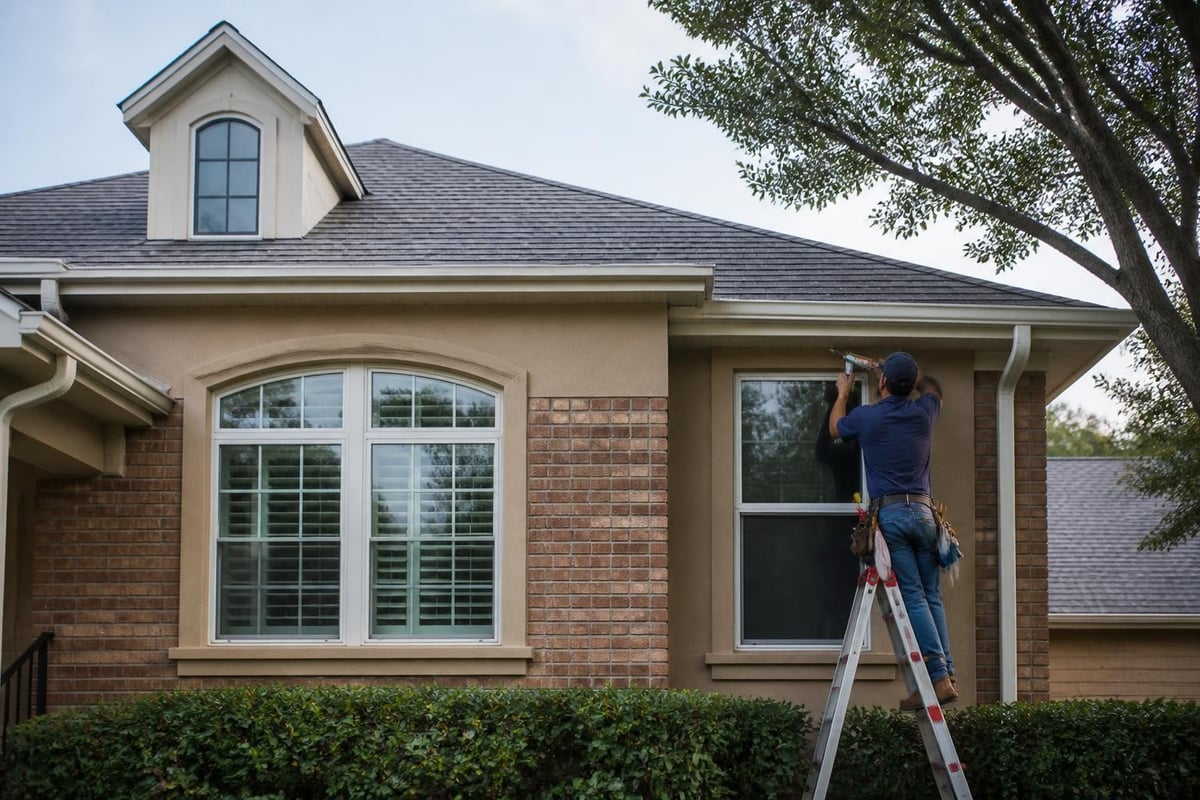
Property owners should inspect gutters at least twice annually, typically in spring and fall. Additional inspections after severe storms help identify damage before minor issues become major problems.
Inspection checklist:
- Check for standing water indicating improper pitch
- Look for rust spots or deterioration starting
- Verify all hangers and brackets remain secure
- Clear downspouts of obstructions
- Examine seams and end caps for leaks
Many residential roofing service providers include gutter inspections as part of comprehensive roof maintenance programs.
Cleaning and Debris Removal
Gutter cleaning frequency depends on surrounding vegetation and whether protection systems are installed. Properties without gutter guards typically require cleaning two to four times annually, while protected systems may need attention only every one to two years.
Professional cleaning services cost $100 to $250 per service for standard homes. Property owners comfortable with ladder safety can perform cleaning themselves, though safety risks and time investment should factor into the decision.
Getting Accurate Quotes and Comparing Contractors
Effective contractor comparison requires understanding what comprehensive quotes should include and how to evaluate proposals objectively.
Essential Quote Components
Detailed estimates should specify:
- Total linear footage being replaced
- Specific material brands and gauges
- Hanger spacing and fastener types
- Downspout quantity and placement
- Removal and disposal of existing gutters
- Fascia board repair if needed
- Warranty terms for materials and labor
- Project timeline and payment schedule
Vague quotes lacking material specifications or detailed scope descriptions make accurate comparison impossible. Understanding what should be included in replacement quotes helps property owners identify incomplete or potentially misleading proposals.
Payment Structures and Contract Terms
Reputable contractors typically require modest deposits (10% to 25% of total cost) with the majority due upon completion. Payment schedules tied to project milestones protect both parties and ensure contractor motivation to complete work properly.
Contract essentials include:
- Detailed scope of work matching the written estimate
- Specific start and completion dates
- Payment schedule with amounts and timing
- Material specifications including brands and grades
- Warranty coverage for both labor and materials
- Process for handling change orders or unexpected issues
Never sign contracts with blank sections or verbal agreements not captured in writing. All terms affecting project cost, scope, or timeline belong in the signed contract.
Choosing the right guttering replacement involves balancing material quality, contractor expertise, and long-term value rather than simply selecting the lowest bid. For Fort Worth property owners who need reliable gutter installation backed by professional craftsmanship and clear communication, Texcore Construction delivers the same accountability and quality standards to gutter projects as our comprehensive roofing services. Our in-house crews ensure consistent results without the coordination issues and quality concerns that come with subcontracted work, and every project includes detailed documentation and transparent recommendations to help you protect your property investment.