
How to Choose the Right Local Roof Company
Selecting a local roof company requires more than comparing quotes. Property owners, facility managers, and homeowners need contractors who deliver consistent quality, maintain accountability throughout the project, and stand behind their work long after completion. The right contractor protects your investment with proper insurance, experienced crews, and transparent communication. The wrong choice leads to delayed timelines, hidden costs, warranty disputes, and potentially costly failures that emerge months or years after installation. Understanding what separates reliable roofing companies from fly-by-night operators helps you make informed decisions that protect both your property and your budget.
Essential Credentials Every Local Roof Company Must Have
Valid insurance coverage protects you from liability. Any contractor working on your property should carry general liability insurance and workers' compensation coverage for every crew member. Request certificates of insurance directly from the carrier, not copies provided by the contractor. Verify the policy remains active and covers the full scope of work planned for your project.
Manufacturer certifications demonstrate technical competency and ongoing training. Major roofing material manufacturers like GAF, Owens Corning, and Carlisle require contractors to meet specific installation standards, maintain proper insurance, and complete continuing education to maintain certification status. These credentials aren't just marketing tools; they unlock enhanced warranty options and ensure the contractor understands proper installation protocols for the materials they install.
Business stability matters more than most property owners realize. Check how long the company has operated under the same business name and ownership. Contractors who frequently change business names or operate under multiple entities may be avoiding warranty claims, legal judgments, or poor reputation. The National Roofing Contractors Association provides guidelines on verifying contractor credentials and assessing business stability before making hiring decisions.
Verify Local Presence and Track Record
Physical office location indicates long-term commitment to the community. Storm chasers operate from temporary addresses, cell phones, and rented trucks. Established companies maintain permanent facilities, equipment yards, and local vendor relationships. Visit the office if possible and verify the address matches business registration records.
Review the contractor's project portfolio in your area:
- Recent installations within 30 miles of your property
- Similar building types and roof systems
- Projects completed during the past 24 months
- References from property managers or facility directors
Local experience means familiarity with regional weather patterns, building codes, and permit requirements. A local roof company understands how Fort Worth's hail seasons, summer heat, and occasional ice storms affect different roofing materials and installation techniques.

In-House Crews vs. Subcontractor Networks
The crew structure directly impacts quality control, accountability, and communication. Companies that maintain in-house installation teams provide consistent supervision, standardized training, and direct oversight of every project phase. When issues arise, you communicate with the same company that performed the work.
Subcontractor-based models introduce coordination challenges and accountability gaps. The roofing company you hire may not employ the workers on your roof. These arrangements create confusion about warranty coverage, quality standards, and who resolves problems when they occur.
| Factor | In-House Crews | Subcontractor Model |
|---|---|---|
| Quality Control | Direct supervision daily | Variable, depends on sub |
| Accountability | Single point of contact | Multiple parties involved |
| Training Standards | Company-wide protocols | Individual sub standards |
| Warranty Coverage | Clear labor warranty | Potential coverage gaps |
| Communication | Direct to crew leadership | Filtered through layers |
Ask specific questions about crew structure during the vetting process. Find out who actually performs the work, how long those teams have worked for the company, and what happens if problems emerge during or after installation. Companies like Texcore Construction use exclusively in-house crews for all commercial and residential projects, eliminating the coordination issues and warranty confusion that plague subcontractor-dependent operations.
Documentation Standards and Scope Clarity
Detailed documentation separates professional contractors from amateur operations. Before work begins, you should receive a comprehensive scope that specifies materials, installation methods, timeline, payment schedule, and warranty terms. Vague proposals that list only square footage and total price leave room for disputes and change orders.
Proper roof inspections generate specific findings with photo documentation, measurements, and material condition assessments. Professional contractors document existing damage, identify underlying issues, and explain how proposed repairs address root causes rather than just visible symptoms. This thoroughness proves particularly valuable when documenting storm and hail damage for submission to insurance carriers.
Review these documentation elements before signing any agreement:
- Detailed material specifications including manufacturer, product line, and color selections
- Square footage calculations with methodology explained
- Removal and disposal procedures for existing materials
- Flashing, penetration, and transition details
- Ventilation assessment and recommendations
- Cleanup protocols and site protection measures
- Warranty coverage for both materials and labor
Contractors who resist providing detailed scopes often cut corners during installation or add unexpected charges as work progresses. Selecting a qualified contractor requires careful review of documentation standards and willingness to walk away from incomplete proposals.
Response Time and Communication Protocols
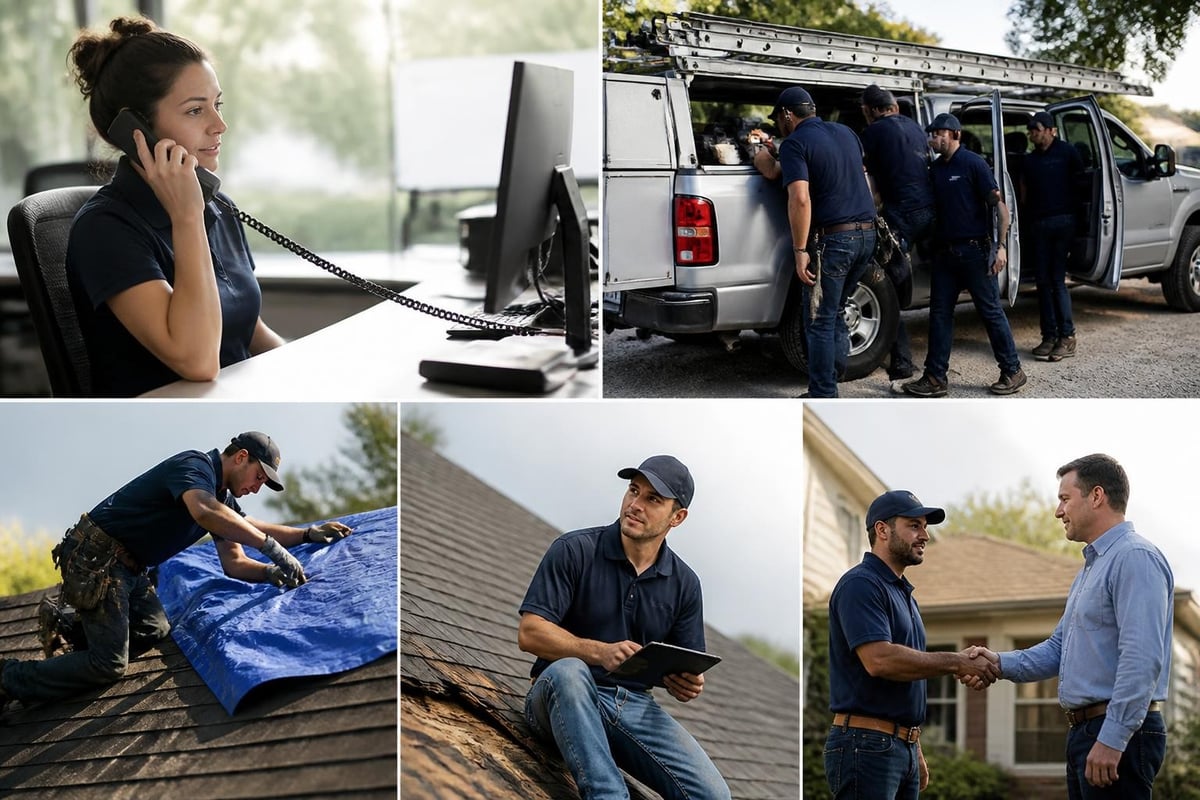
Emergency situations reveal contractor reliability. Water intrusion doesn't wait for business hours. A responsive local roof company maintains systems for urgent calls, deploys crews quickly, and communicates clearly about timeline and temporary solutions.
Same-day response capability requires specific infrastructure including standby crews, material inventory, and dispatch coordination. Ask potential contractors about their emergency protocols, typical response times, and how they prioritize urgent calls against scheduled work.
Communication extends beyond crisis response. Throughout routine projects, you should receive regular updates about progress, weather delays, and any field conditions that differ from initial assessments. Project managers should be accessible by phone and email, respond within reasonable timeframes, and proactively address questions before they become problems.
Establish expectations during initial conversations:
- Primary contact person for project questions
- Preferred communication methods and response timeframes
- Update frequency during multi-day projects
- Notification protocols for unexpected conditions
- Process for approving change orders or additional work
Companies that prioritize communication typically implement customer relationship management systems and structured workflows. Businesses that invest in proper marketing systems and operational infrastructure demonstrate professionalism that often translates to better project execution and customer service.
Pricing Structure and Payment Terms
Transparent pricing builds trust. Detailed quotes break down costs by material, labor, disposal, permits, and other project components. This transparency allows you to compare proposals accurately and understand what you're paying for at each stage.
Beware of significant outliers. Quotes substantially below market rate often indicate material substitutions, inexperienced crews, or inadequate insurance coverage. Unusually high bids may reflect inefficiency or attempts to capitalize on property owner urgency. This comprehensive checklist helps evaluate pricing alongside other critical contractor selection factors.
Payment Schedule Red Flags
Legitimate contractors structure payments around project milestones, not upfront cash demands. Reasonable payment terms typically include:
- Small deposit (10-20%) to secure scheduling and order materials
- Progress payment after tear-off and deck preparation
- Substantial payment upon installation completion
- Final payment after inspection and cleanup
Never pay the full amount before work is complete. Avoid contractors who demand large upfront payments, claim they need money to buy materials, or pressure you to pay cash for discounts. These practices often signal financial instability or fraudulent intent.
Texas law prohibits roofing contractors from advertising or offering to waive insurance deductibles, provide "free" roofs, or guarantee specific settlement amounts. Any contractor making these claims violates state regulations and should be avoided regardless of other qualifications.
Warranty Coverage and Long-Term Support
Warranty terms reveal contractor confidence in their work. Comprehensive coverage should include both material warranties from manufacturers and separate labor warranties from the installing contractor. These two coverage types protect against different failure modes and should be clearly documented in your contract.
Material warranties typically range from 10 to 50 years depending on product tier. Premium materials carry longer coverage periods but only provide protection when installed according to manufacturer specifications. Improper installation voids most material warranties, making contractor workmanship the critical factor in long-term performance.
Labor warranties cover installation defects and workmanship failures. Professional contractors stand behind their work with multi-year labor coverage that addresses leaks, attachment failures, flashing issues, and other installation-related problems. Five-year labor warranties represent industry standard for quality-focused companies, while shorter terms may indicate less confidence in crew skill or business longevity.
| Warranty Type | Typical Coverage | What It Protects |
|---|---|---|
| Material Manufacturer | 10-50 years | Product defects, material failures |
| Labor/Workmanship | 1-10 years | Installation errors, workmanship issues |
| System (Enhanced) | 20-30 years | Both materials and labor combined |
Request warranty documents in writing before work begins. Verbal promises provide no protection when problems emerge years later. Verify the contractor's warranty transferability if you plan to sell the property, and understand what actions might void coverage.
Project Timeline and Job Site Management
Realistic scheduling demonstrates professionalism. Experienced contractors account for weather windows, material lead times, crew availability, and permit processing when establishing timelines. Be skeptical of promises to start immediately or complete work in unrealistic timeframes.
Multi-day projects require proper job site management. Roofs left partially completed overnight create vulnerability to weather damage. Professional crews properly secure work areas, protect exposed deck sections, and ensure the building remains weathertight at the end of each work day.
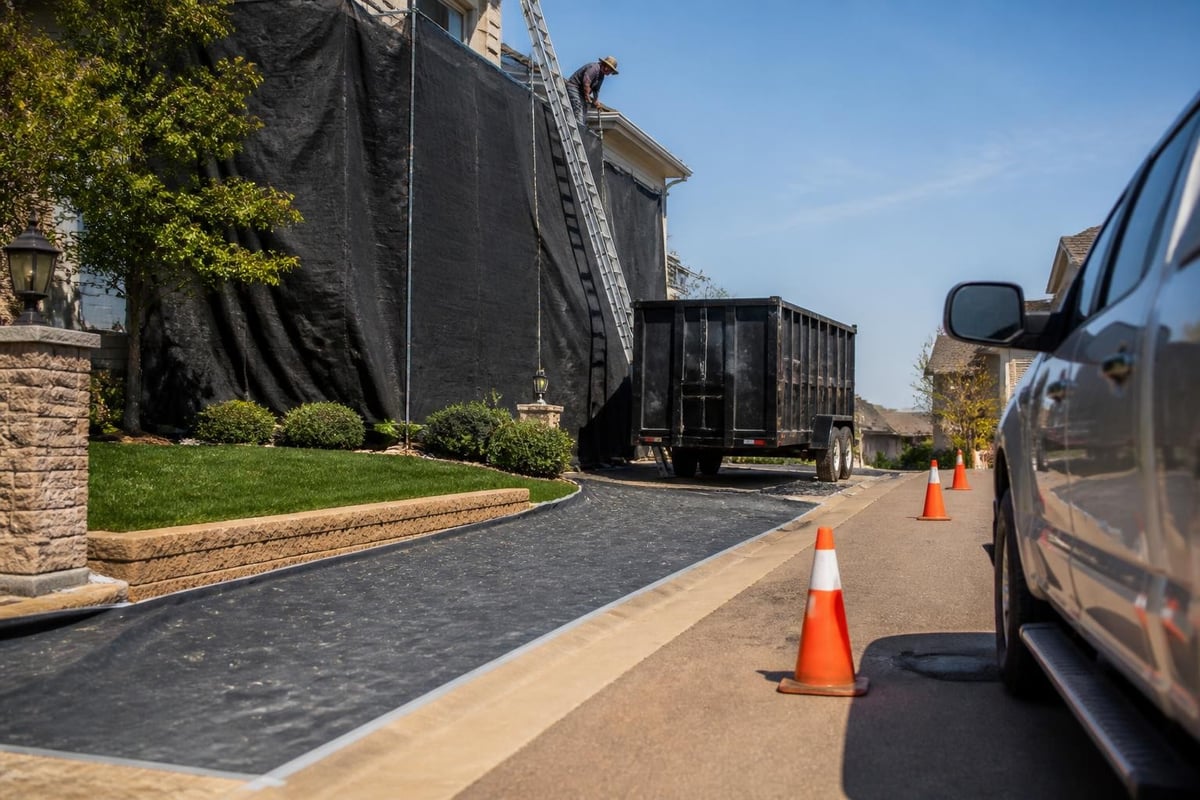
Clean job sites reflect attention to detail. Roofing generates substantial debris including old shingles, packaging materials, fasteners, and material scraps. Contractors should provide dumpsters, use magnetic sweepers to collect loose nails, and remove all waste before final payment. Poor cleanup often correlates with poor workmanship in less visible project aspects.
Evaluate these job site management factors:
- Daily cleanup protocols and debris removal frequency
- Property protection for landscaping, vehicles, and adjacent structures
- Noise mitigation for occupied buildings
- Parking and equipment staging areas
- Restroom facilities for crews on residential properties
The selection process for roofing contractors should include questions about job site logistics and how the contractor minimizes disruption to normal business or residential activities.
Evaluating Commercial Roofing Expertise
Commercial projects demand specialized knowledge beyond residential capabilities. Flat and low-slope roofing systems use different materials, installation methods, and waterproofing strategies than steep-slope residential applications. A local roof company serving commercial clients should demonstrate expertise in TPO, EPDM, modified bitumen, and built-up roofing systems.
Industrial and commercial roof failures create business interruption costs far exceeding repair expenses. Manufacturing facilities, warehouses, retail centers, and office buildings cannot afford extended downtime or recurring leak issues. Commercial-focused contractors understand these stakes and structure their operations around rapid response and minimal disruption.
Ask commercial roofing candidates about:
- Experience with your specific roof system type
- Familiarity with your building occupancy and operational requirements
- After-hours and weekend work capabilities
- Hot work permits and safety protocols
- Manufacturer training and certifications for commercial systems
Commercial projects also require thorough documentation for facility management records, capital improvement tracking, and insurance purposes. Detailed inspection reports support long-term asset management and inform maintenance planning across multi-building portfolios.
Understanding Regional Weather Challenges
Fort Worth's climate creates specific roofing challenges. Summer temperatures regularly exceed 100 degrees, creating thermal stress on roofing materials and accelerating aging. Spring and early summer bring severe thunderstorms with large hail, high winds, and intense rainfall. Occasional winter storms introduce freeze-thaw cycles that exploit existing damage.
Local expertise means understanding how these weather patterns affect different roofing materials and building types. Asphalt shingles, metal roofing, and flat roof membranes each respond differently to hail impact, thermal expansion, and moisture exposure. Contractors familiar with regional conditions make better material recommendations and identify weather-related damage more accurately.
Storm damage assessment requires technical knowledge and thoroughness. Impact damage isn't always immediately visible. Trained inspectors identify bruising on shingles, membrane punctures, flashing displacement, and structural issues that might not produce active leaks until months after the weather event. This expertise proves essential when working with roofing contractors to document damage for insurance submissions.
Questions to Ask Before Signing
Direct questions reveal contractor capabilities and business practices. Don't rely solely on marketing materials or sales presentations. Ask specific questions and evaluate the quality and honesty of responses:
About the company:
- How long have you operated under your current business name?
- Do you maintain in-house crews or use subcontractors?
- What manufacturer certifications do your crews hold?
- Can you provide references from projects completed in the past 12 months?
About the project:
- Who will supervise daily work on my roof?
- What happens if weather delays the project?
- How do you handle unexpected conditions discovered during tear-off?
- What is your typical response time for warranty service calls?
About pricing and payment:
- What does your quote include and exclude?
- How do material upgrades affect the total cost?
- What is your payment schedule?
- Do you offer financing options?
About warranties and guarantees:
- What labor warranty do you provide?
- How does your warranty transfer if I sell the property?
- What actions might void warranty coverage?
- How quickly do you respond to warranty claims?
Listen carefully to how contractors answer these questions. Avoiding common pitfalls requires recognizing evasive answers, high-pressure tactics, and promises that seem too good to be true.
Checking References and Online Reputation
Past customer experiences predict future performance. Request at least three recent references from projects similar to yours in scope and building type. Contact these references directly and ask specific questions about communication, timeline adherence, quality, cleanup, and warranty support.
Online reviews provide additional perspective but require critical evaluation. Look for patterns across multiple platforms rather than isolated complaints. Consider the contractor's responses to negative reviews; professional companies address concerns constructively rather than defensively.
Verify credentials through independent sources:
- Better Business Bureau rating and complaint history
- State contractor licensing board (where applicable)
- Manufacturer certification databases
- Local building department permit history
Be cautious of contractors with numerous business name changes, legal judgments, or unresolved complaints. While every company occasionally faces dissatisfied customers, patterns of similar complaints indicate systemic problems rather than isolated incidents.
Professional roofing companies invest in their online presence and reputation management. Comprehensive websites, detailed service descriptions, and transparent pricing information demonstrate commitment to customer education and informed decision-making. Companies that prioritize effective digital communication typically maintain similar standards in customer service and project execution.
Making the Final Decision
Combine all evaluation factors rather than selecting based on price alone. The lowest bid often becomes the most expensive choice when it leads to callbacks, warranty disputes, or premature replacement. Balance cost against credentials, experience, communication quality, and warranty coverage.
Create a simple comparison framework:
| Evaluation Criteria | Company A | Company B | Company C |
|---|---|---|---|
| Insurance Verified | Yes/No | Yes/No | Yes/No |
| In-House Crews | Yes/No | Yes/No | Yes/No |
| Labor Warranty Years | X years | X years | X years |
| Response Score (1-10) | Score | Score | Score |
| Total Investment | $X,XXX | $X,XXX | $X,XXX |
Trust your instincts about communication and professionalism. Contractors who are difficult to reach, provide vague answers, or pressure you to sign immediately will likely create frustration throughout the project. Choose companies that demonstrate respect for your time, answer questions thoroughly, and provide documentation without prompting.
The right local roof company becomes a long-term resource for maintenance, inspections, and future projects. This relationship value extends beyond any single installation and justifies careful evaluation during the selection process.
Choosing a qualified local roof company protects your property investment and ensures reliable performance for decades. The evaluation process requires attention to credentials, crew structure, documentation standards, and communication practices that separate professional operations from inadequate alternatives. Texcore Construction delivers the craftsmanship, accountability, and transparency that Fort Worth property owners and managers need for commercial and residential roofing projects. Our in-house crews, detailed inspection reports, and five-year labor warranty provide the confidence you need to make informed roofing decisions. Contact Texcore Construction to discuss your roofing needs with a team built around speed, quality, and long-term performance.