Guttering Installation: Professional Guide for Homeowners
Proper guttering installation represents one of the most critical yet often overlooked aspects of building protection. When installed correctly, gutters channel thousands of gallons of water away from your foundation, prevent soil erosion, protect landscaping, and preserve structural integrity. However, poor installation practices can lead to water damage, foundation issues, and costly repairs that far exceed the initial investment. Understanding the fundamentals of professional guttering installation helps property owners make informed decisions and recognize quality workmanship when evaluating contractors.
Understanding Gutter System Components and Planning
Before any guttering installation begins, comprehensive planning ensures long-term performance and proper water management. The planning phase involves assessing roof dimensions, calculating water volume, determining optimal placement, and selecting appropriate materials for your specific climate and building type.
Critical Measurements and Calculations
Accurate measurements form the foundation of successful guttering installation. Contractors must measure roof square footage to determine water volume during peak rainfall events. This calculation directly influences gutter size selection and downspout placement frequency.
- Roof area calculation: Multiply length by width for each roof section
- Pitch consideration: Steeper roofs require larger gutters due to increased water velocity
- Rainfall intensity: Regional weather patterns dictate sizing requirements
- Downspout ratio: One downspout per 30-40 feet of gutter for optimal drainage
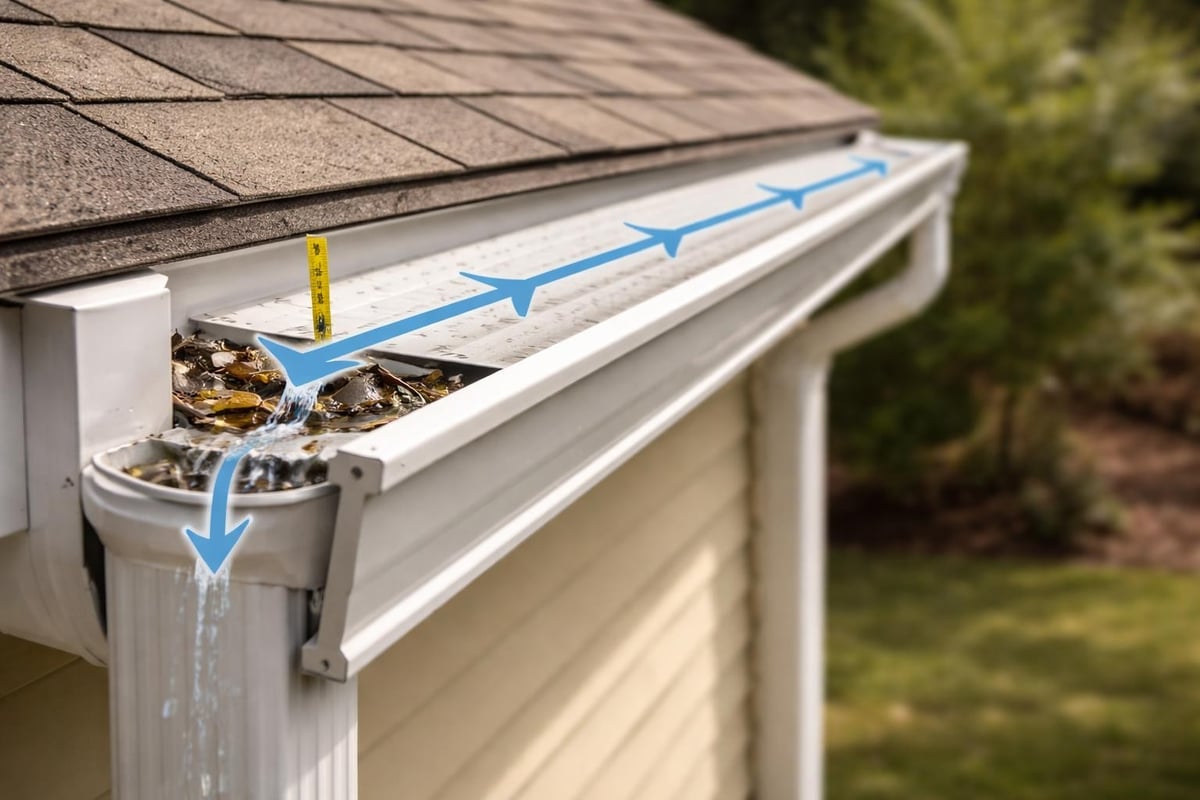
The slope calculation deserves particular attention during guttering installation planning. While gutters may appear level to the eye, they require a precise slope of one-quarter inch per ten feet toward downspouts. This gradient ensures water flows efficiently without creating standing pools that attract debris and mosquitoes. Proper gutter placement techniques require careful attention to this slope throughout the entire installation process.
Material Selection for Long-Term Performance
Different materials offer distinct advantages depending on building type, climate conditions, and aesthetic preferences. Aluminum remains the most popular choice due to its rust resistance, lightweight properties, and affordability. Copper provides superior durability and develops an attractive patina over time, though it commands a premium price point.
| Material | Lifespan | Cost Level | Best Application |
|---|---|---|---|
| Aluminum | 20-30 years | Moderate | Residential and light commercial |
| Copper | 50+ years | High | Historic homes and premium installations |
| Galvanized Steel | 15-25 years | Moderate | Industrial and heavy-duty applications |
| Vinyl | 10-15 years | Low | Budget-conscious residential projects |
Steel gutters offer exceptional strength for commercial applications and areas experiencing heavy snow loads. Installing steel gutters requires specialized techniques to ensure proper joint sealing and prevent corrosion at connection points.
Professional Installation Techniques and Best Practices
The quality of guttering installation depends heavily on proper execution of fundamental techniques. Professional contractors follow systematic processes that ensure structural integrity, proper water flow, and long-term durability. These practices separate amateur installations from professional work that protects buildings for decades.
Fascia Board Preparation and Assessment
Before mounting any gutter components, experienced installers thoroughly inspect fascia boards for rot, damage, or weakness. Compromised fascia cannot support gutter weight, especially when filled with water and debris. Replacing damaged sections before guttering installation prevents future failures and ensures secure mounting.
The fascia must be straight, level, and properly attached to rafter tails. Any irregularities create challenges for achieving proper gutter slope and alignment. Professional installers address these issues before proceeding, often consulting with roofing specialists when structural repairs are necessary. For properties requiring comprehensive assessment, scheduling a Roof Inspection can identify underlying issues that might compromise gutter performance.
Hanger Spacing and Attachment Methods
Proper hanger placement represents one of the most critical aspects of guttering installation. Avoiding common gutter installation mistakes starts with understanding correct hanger spacing and attachment techniques that prevent sagging and failure.
Optimal hanger spacing guidelines:
- Position hangers every 24 inches in moderate climates
- Reduce spacing to 18 inches in snow-prone regions
- Place hangers within 6 inches of seams and corners
- Ensure each hanger penetrates solid wood, not just fascia facing
- Use stainless steel or coated screws to prevent rust staining
Hidden hangers provide cleaner aesthetics and superior strength compared to traditional spike-and-ferrule systems. These brackets attach directly to the fascia board and hook over the gutter lip, distributing weight more evenly and reducing stress on individual mounting points.
Seam and Joint Sealing
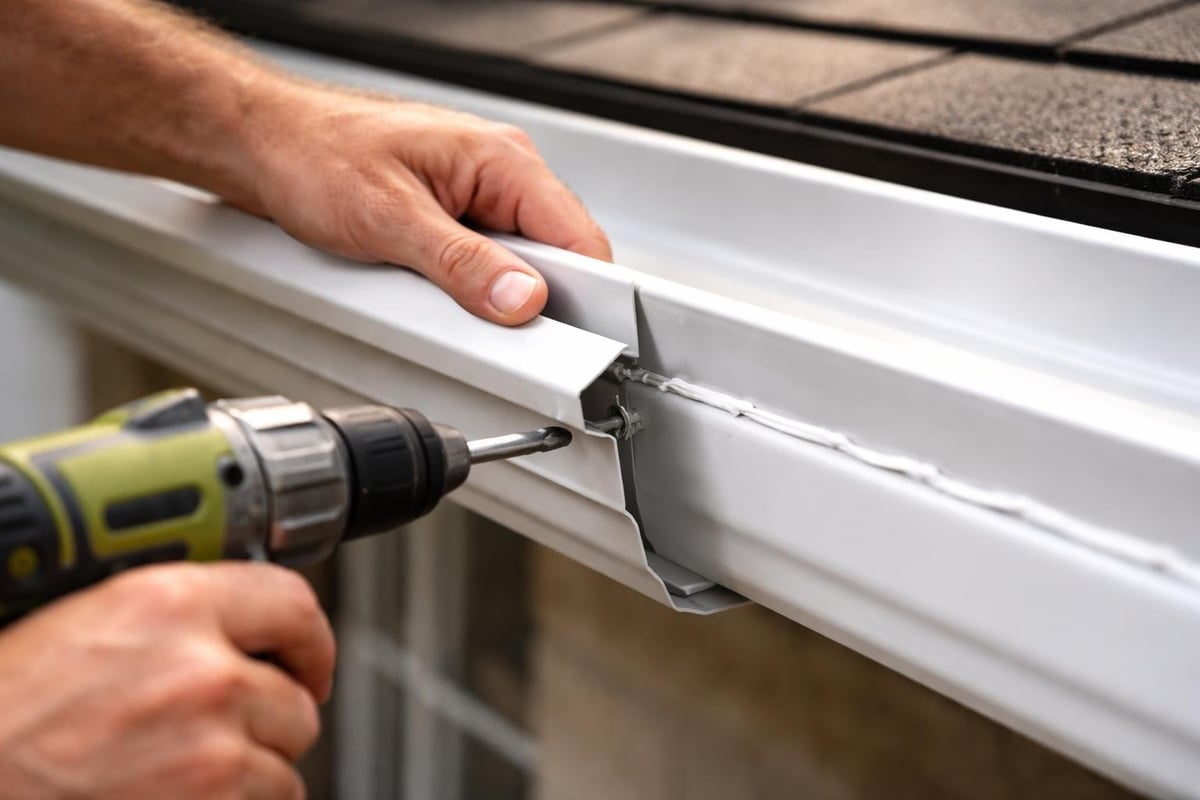
Every connection point in a guttering installation represents a potential leak location. Professional installers apply high-quality sealants specifically formulated for gutter systems, avoiding generic caulks that deteriorate quickly when exposed to UV radiation and temperature fluctuations.
Seamless gutters eliminate many potential leak points by custom-forming continuous sections on-site. For installations using sectional gutters, overlap joints require special attention. Installers position overlaps to shed water in the direction of flow, applying sealant to both surfaces before fastening sections together.
Downspout Positioning and Water Management Strategy
Strategic downspout placement determines how effectively guttering installation protects your property. Downspouts must direct water far enough from foundations to prevent soil saturation, settling, and basement infiltration. This critical aspect of water management often receives insufficient attention during planning phases.
Calculating Downspout Requirements
The number and size of downspouts directly impact system performance during heavy rainfall. Undersized or insufficient downspouts cause gutters to overflow, defeating their protective purpose. Comprehensive gutter installation best practices emphasize proper downspout sizing and placement as essential elements.
Commercial buildings and properties in high-rainfall regions often require oversized downspouts or additional outlets. A standard residential downspout measures 2×3 inches, while commercial applications may need 3×4 inches or larger. Property owners should discuss climate considerations with contractors to ensure adequate drainage capacity.
Extension and Drainage Solutions
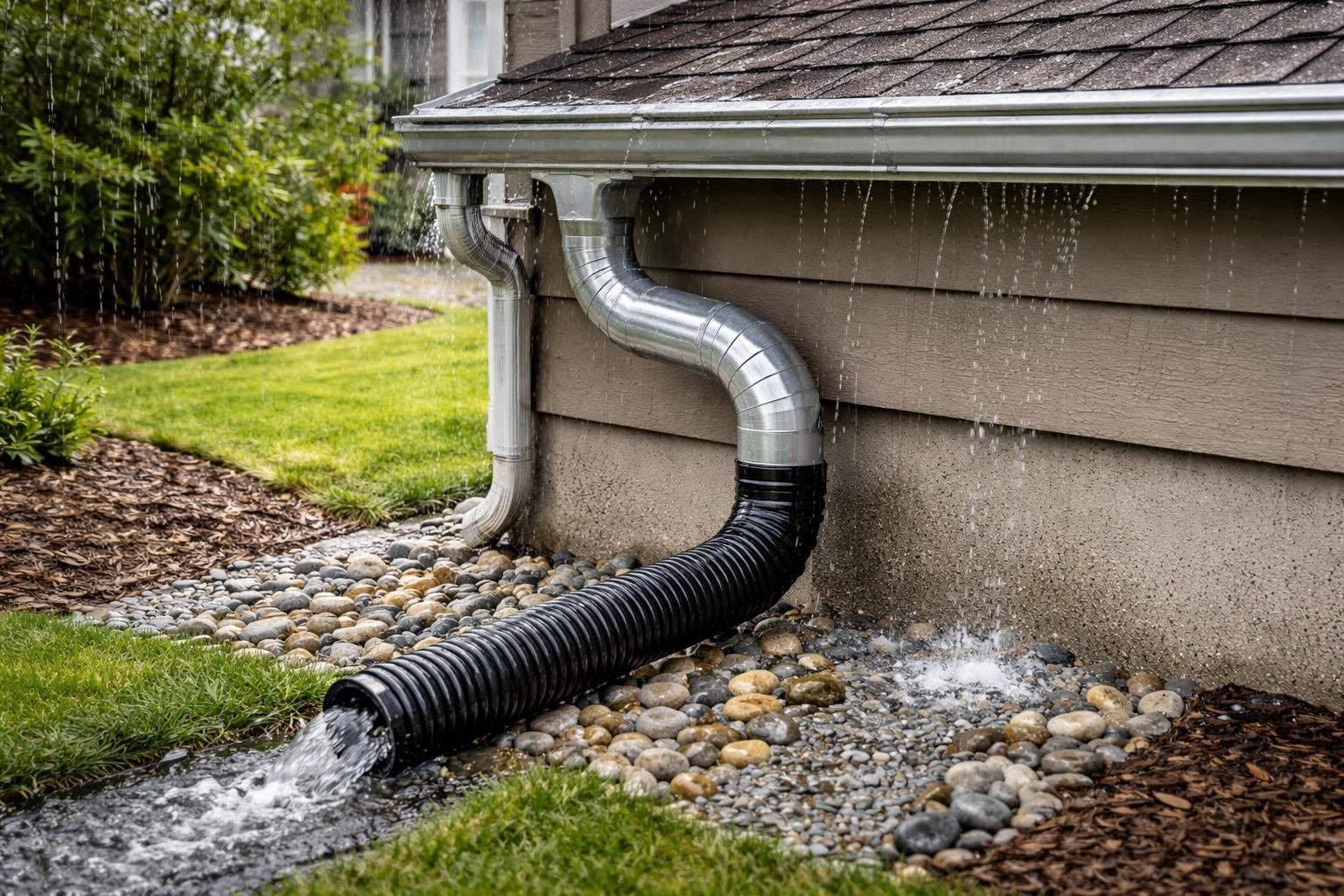
Downspouts must extend at least five to ten feet from foundation walls to prevent water from seeping back toward the building. Extensions come in various forms, from simple splash blocks to underground drainage systems that connect to storm sewers or rain gardens.
- Splash blocks: Affordable solution for moderate water volumes
- Flexible extensions: Adjustable length for seasonal yard maintenance
- Rigid extensions: Permanent solution with clean appearance
- Underground drainage: Most effective foundation protection method
- Rain barrels: Eco-friendly water conservation option
Underground drainage systems provide the most comprehensive protection but require proper slope and installation depth to prevent freezing in winter months. These systems connect downspouts to perforated pipes that distribute water away from structures through drainage fields.
Regional Considerations for Fort Worth Properties
Guttering installation requirements vary significantly based on local climate patterns, building codes, and regional weather challenges. Fort Worth property owners face unique considerations that influence material selection, sizing decisions, and maintenance requirements.
Texas Weather Patterns and Gutter Performance
Fort Worth experiences intense rainfall events, occasional ice storms, and extreme temperature fluctuations that stress gutter systems. Summer storms can dump several inches of rain in short periods, requiring gutters sized to handle high water volumes without overflowing.
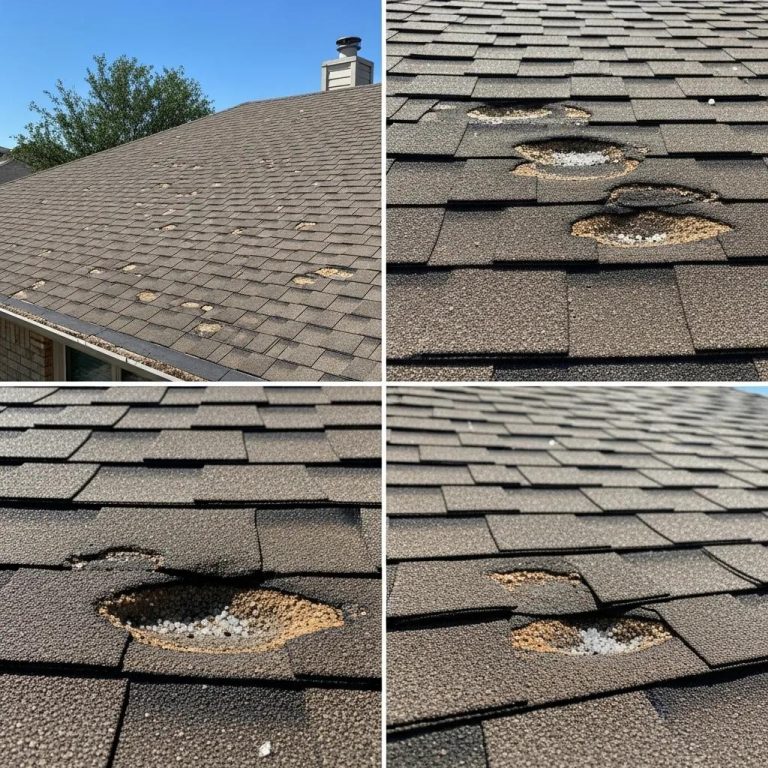
Spring hail storms present another challenge for North Texas properties. While gutters themselves rarely suffer hail damage, associated roof damage can compromise gutter attachment points and fascia boards. Property owners throughout the Dallas-Fort Worth service area should inspect guttering installation points after severe weather events to identify potential issues before they escalate.
| Season | Primary Concern | Installation Impact |
|---|---|---|
| Spring | Heavy rainfall and hail | Requires larger capacity systems |
| Summer | Heat expansion | Demands expansion joints and quality sealants |
| Fall | Leaf accumulation | Benefits from gutter guard integration |
| Winter | Freeze-thaw cycles | Needs proper slope to prevent ice dams |
Integration with Roofing Systems
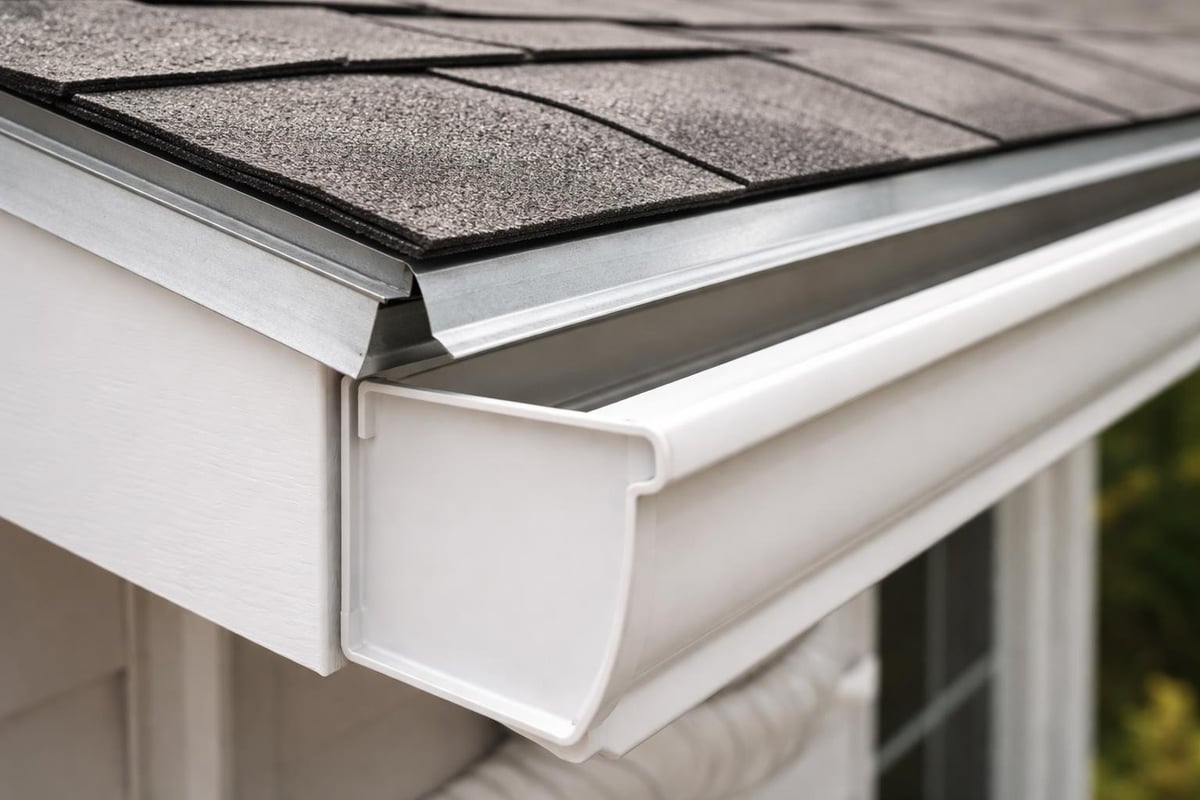
Effective guttering installation requires coordination with roofing components, particularly drip edges and fascia protection. The drip edge should extend slightly into the gutter to direct water flow while preventing wind-driven rain from infiltrating behind the fascia board.
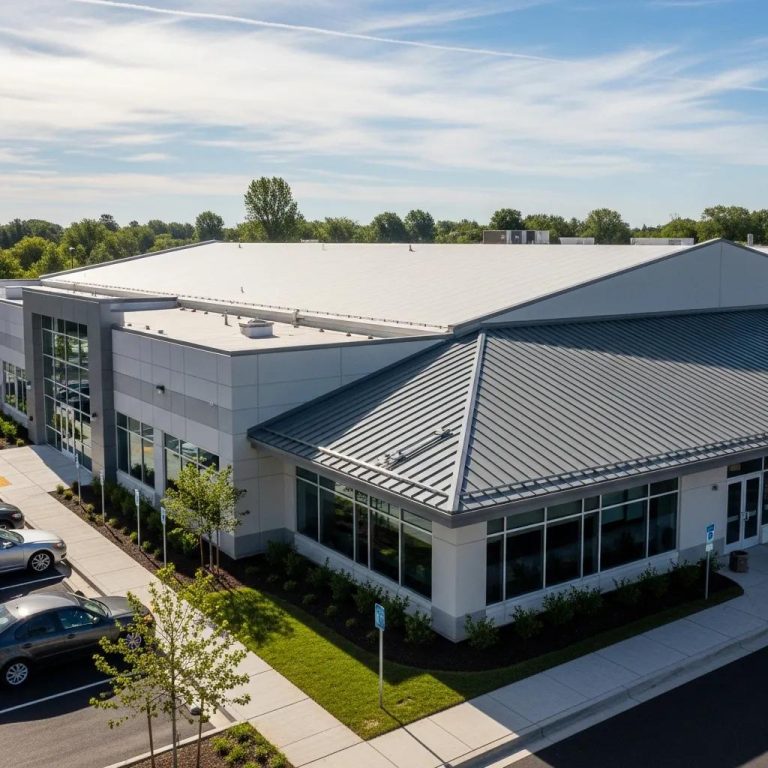
Properties with low-slope or flat roofing systems face unique drainage challenges. Commercial buildings throughout Arlington, Grapevine, and Irving often require larger commercial-grade gutters designed for the higher water volumes characteristic of flat roof drainage systems.
Gutter Guards and Maintenance Considerations
While not strictly part of guttering installation, gutter guards significantly impact long-term performance and maintenance requirements. Understanding gutter guards helps property owners make informed decisions about whether these additions justify their cost and potential complications.
Types of Gutter Protection Systems
Gutter guards range from simple mesh screens to sophisticated micro-mesh systems and reverse-curve designs. Each type offers different levels of protection, installation complexity, and maintenance requirements.
Screen guards provide basic protection against large debris like leaves and twigs. These affordable options attach easily to existing gutters but may allow smaller particles through and require periodic cleaning. Micro-mesh systems filter out even pine needles and shingle grit while allowing water to flow freely. These premium solutions cost more initially but reduce maintenance frequency significantly.
Reverse-curve guards use water surface tension to direct flow into gutters while debris falls to the ground. These systems work well in moderate climates but can struggle during intense rainfall events or when dealing with sticky debris like tree sap.
Professional vs. DIY Installation Decisions
DIY gutter installation appeals to handy homeowners seeking to reduce costs, but this approach carries significant risks. Working at heights requires proper safety equipment, ladder positioning skills, and fall protection awareness. Even minor miscalculations in slope or hanger placement can lead to performance issues that necessitate complete reinstallation.
Professional guttering installation offers several advantages that justify the investment. Experienced contractors bring specialized tools, accurate measuring equipment, and knowledge of local building codes. They understand how different roof types, architectural features, and regional weather patterns influence installation requirements.
insured contractors also carry insurance protecting property owners from liability if accidents occur during installation. This protection becomes particularly important for multi-story buildings or complex architectural designs requiring scaffolding or lift equipment.
Common Installation Errors and How to Avoid Them
Even experienced contractors occasionally make mistakes during guttering installation that compromise system performance. Understanding these common errors helps property owners evaluate work quality and recognize potential issues before they cause damage.
Incorrect Slope and Pitch Problems
The most frequent guttering installation error involves improper slope calculation or implementation. Gutters pitched too steeply drain quickly but create unsightly appearance and may pull away from fascia boards over time. Insufficient slope causes water pooling, increased debris accumulation, and mosquito breeding grounds.
Professional installers use laser levels or string lines to establish consistent slope across entire gutter runs. They account for thermal expansion in long sections, sometimes incorporating slight variations to prevent standing water as materials expand and contract with temperature changes.
Inadequate Fastener Penetration
Fasteners that penetrate only fascia facing rather than solid wood backing create weak mounting points destined to fail. This shortcut saves installers time but costs property owners significantly when gutters pull away during the first major storm.
Quality guttering installation requires fasteners long enough to penetrate at least one inch into solid wood. In areas where fascia boards are thin or damaged, installers should use longer screws reaching rafter tails or add backing boards to provide adequate support.
Poor End Cap and Corner Installation
End caps and corners represent the most stress-prone points in any gutter system. These components must be sealed thoroughly and fastened securely to prevent leaks and separation. Following best gutter installation practices ensures these critical connection points receive the attention they deserve.
Mitered corners provide cleaner appearance than pre-formed corner pieces but require precise cutting and extensive sealing. Strip miters involve cutting gutter sections at angles and joining them with rivets and sealant. Box miters use separate corner boxes that sections feed into, creating stronger joints with better water flow characteristics.
Sizing Calculations and Capacity Planning
Undersized gutters represent a common yet completely avoidable guttering installation failure. Proper sizing requires understanding rainfall intensity, roof area, and regional climate patterns. Comprehensive gutter installation guides provide detailed formulas for calculating appropriate gutter and downspout dimensions.
Standard Sizing Guidelines
Residential properties typically use five-inch K-style gutters with 2×3-inch downspouts for roofs up to 5,500 square feet in moderate rainfall regions. Properties with larger roofs or those located in high-rainfall areas require six-inch gutters with 3×4-inch downspouts.
Capacity factors affecting gutter size:
- Total roof square footage including overhangs
- Roof pitch (steeper slopes require larger gutters)
- Regional rainfall intensity from weather data
- Valley and dormer concentration points
- Tree coverage affecting debris accumulation
Commercial buildings often require custom sizing calculations based on specific architectural features and local building codes. Industrial facilities may need eight-inch or larger gutters to handle massive roof areas and concentrated drainage points.
Overflow Prevention Strategies
Even properly sized gutters can overflow if downspouts become clogged or debris accumulates at valley points. Strategic overflow scupper placement provides emergency drainage preventing water from backing under roof edges during extreme events.
Scuppers should be positioned at low points where water naturally accumulates, typically near building corners or at the end of long gutter runs. These emergency outlets direct overflow away from entrances, windows, and other vulnerable areas while signaling the need for maintenance attention.
Quality Assurance and Post-Installation Testing
Professional guttering installation includes thorough testing to verify proper function before considering the job complete. This quality assurance process identifies potential issues while correction remains simple and inexpensive.
Water Flow Testing Procedures
Contractors should conduct water testing by running hoses at various points along the gutter system while observing flow patterns and checking for leaks. This process reveals improper slope, inadequate sealing, or blockages that escaped notice during installation.
Testing should occur at both moderate and high flow rates to simulate different rainfall intensities. Observers should check for overflow at seams, proper drainage through downspouts, and adequate distance from foundation walls where extensions discharge water.
Documentation and Warranty Coverage
Reputable contractors provide detailed documentation including material specifications, installation date, warranty terms, and maintenance recommendations. This documentation proves valuable for insurance purposes, future maintenance planning, and property value assessments.
Quality guttering installation should include warranties covering both materials and labor. Material warranties typically span 20-30 years for aluminum and copper systems, while labor warranties range from one to five years depending on the contractor and installation complexity. Property owners should verify warranty terms before approving any installation contract.
Integration with Comprehensive Roofing Systems
Guttering installation represents just one component of complete building water management. The most effective installations coordinate with roofing, siding, and foundation waterproofing to create comprehensive protection against moisture intrusion.
Coordinating with Roof Replacements
Property owners planning roof replacements should coordinate guttering installation with roofing work to ensure proper integration and avoid duplicate mobilization costs. New roofs provide ideal opportunities to upgrade gutter systems, replace damaged fascia boards, and implement modern water management solutions.
Coordination also prevents damage to new gutters during roofing work. When roofing occurs first, contractors can install drip edges and prepare fascia boards specifically for gutter attachment. This approach creates superior integration compared to retrofitting gutters onto existing roof edges.
Fascia and Soffit Protection
Properly installed gutters protect fascia boards from water exposure, but the installation process itself can damage these components if contractors aren't careful. Professional installers take precautions to avoid cracking paint, denting metal fascia, or splitting wood during bracket attachment.
Detailed rainwater gutter installation guides emphasize the importance of pre-drilling pilot holes, using appropriate fastener types, and avoiding over-tightening that can compress or crack fascia materials.
Successful guttering installation requires careful planning, quality materials, and expert execution to deliver long-term building protection and peace of mind. When you need professional roofing and guttering services backed by skilled in-house crews, transparent communication, and a five-year labor warranty, Texcore Construction delivers dependable solutions throughout Fort Worth and surrounding communities. Our insured team handles everything from emergency repairs to complete roof replacements with the same commitment to quality, safety, and customer satisfaction that has built our reputation across North Texas.