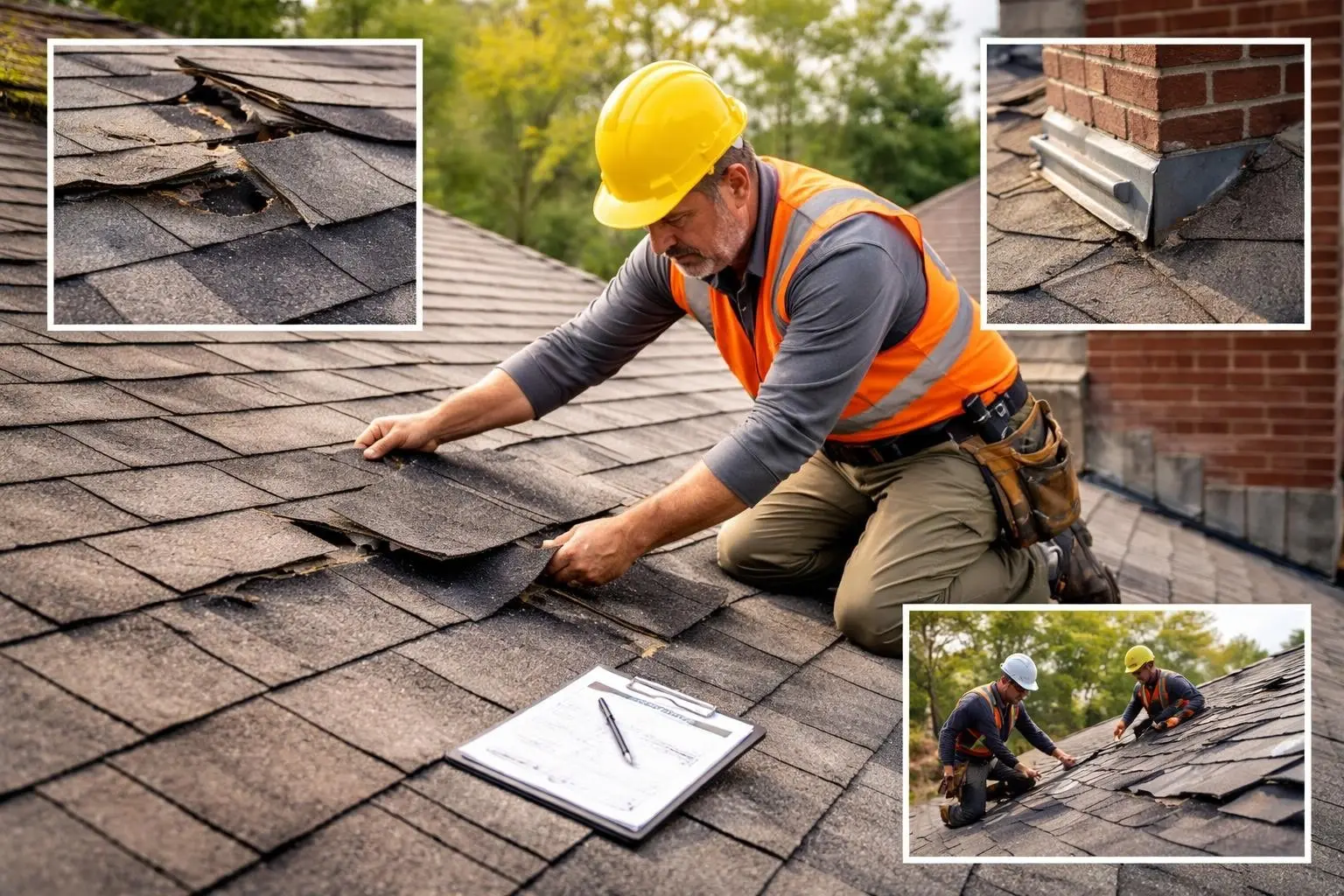
Roof Wind Damage Repair: Complete Guide for Property Owners
Wind damage to roofing systems represents one of the most common yet underestimated threats to residential and commercial properties. While dramatic storms capture headlines, even moderate wind events can compromise roofing integrity through subtle damage that worsens over time. Understanding how to identify, assess, and properly execute roof wind damage repair — often part of broader storm damage restoration — ensures property protection, maintains structural integrity, and prevents cascading failures that lead to interior water damage, mold growth, and costly emergency interventions. Property owners throughout Fort Worth and North Texas face particular vulnerability due to severe thunderstorms, straight-line winds, and occasional tornado activity that test roofing systems year-round. This guide provides comprehensive information on recognizing wind damage, navigating the repair process, working with insurance claims, and selecting qualified contractors who deliver lasting solutions rather than temporary patches.
Understanding Wind Damage to Roofing Systems
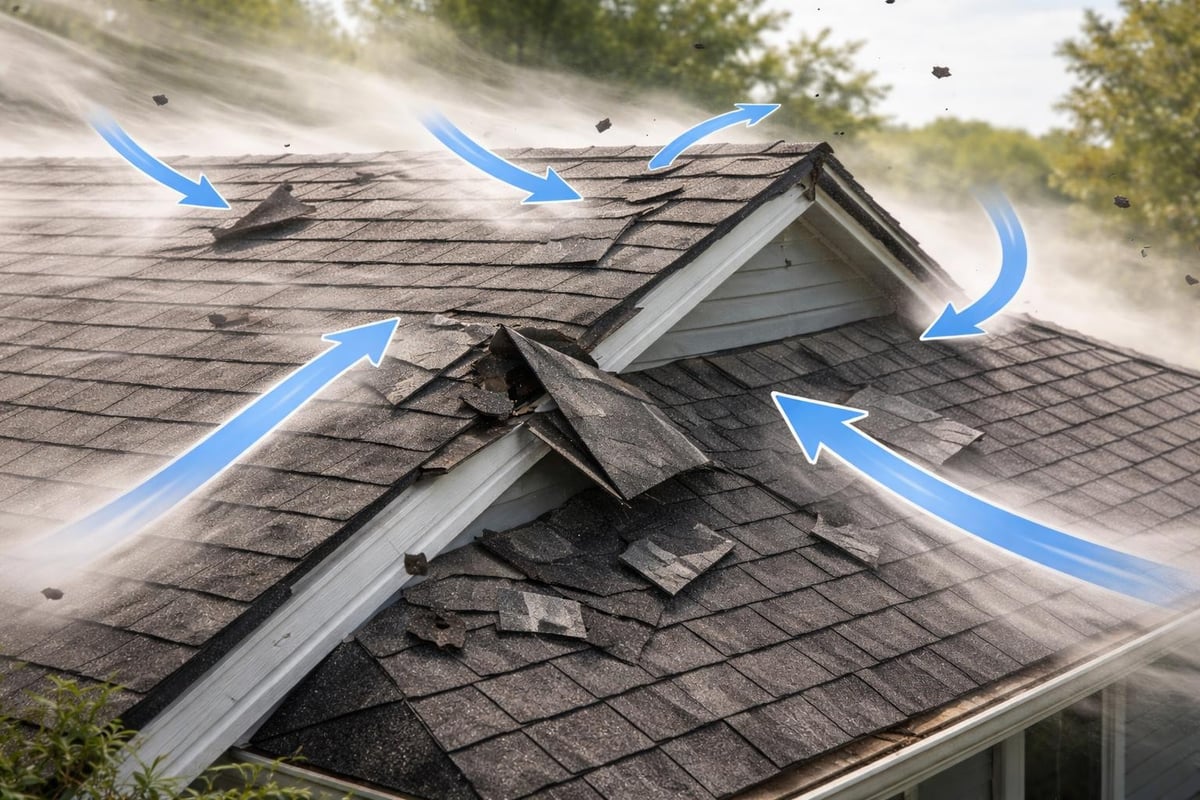
Wind affects roofing systems through multiple mechanisms that vary based on roof design, material composition, installation quality, and exposure conditions. Uplift forces created when wind flows over a roof surface generate negative pressure that literally pulls roofing materials upward and away from the structure. This phenomenon intensifies at roof edges, corners, and ridges where wind speeds accelerate.
The most common manifestations of wind damage include:
- Lifted or missing shingles that expose underlayment and decking
- Broken or cracked tiles on clay and concrete roof systems
- Torn or punctured membrane on flat commercial roofs
- Compromised flashing around chimneys, vents, and roof penetrations
- Fastener pullout where nails or screws release from decking
- Granule loss on asphalt shingles from surface abrasion
Research from the National Roofing Contractors Association demonstrates that proper installation and maintenance significantly reduce wind damage vulnerability, with correctly fastened shingles withstanding substantially higher wind speeds than those installed with inadequate nail placement or spacing.
Wind Speed Thresholds and Damage Patterns
Different roofing materials exhibit distinct failure points under wind stress. Asphalt shingles typically begin experiencing damage at sustained winds of 50-60 mph, while properly installed architectural shingles may resist winds exceeding 110 mph. Metal roofing systems generally offer superior wind resistance but remain vulnerable at panel seams and fastening points.
| Roofing Material | Typical Wind Rating | Common Failure Points |
|---|---|---|
| 3-Tab Asphalt Shingles | 60-70 mph | Tab edges, corners |
| Architectural Shingles | 110-130 mph | Ridge caps, starter strips |
| Metal Panels | 120-140 mph | Panel seams, fasteners |
| Clay/Concrete Tile | 125-150 mph | Individual tile breakage |
| TPO/EPDM Membrane | 90-110 mph | Seam separation, flashing |
Understanding these thresholds helps property owners assess risk after specific weather events and determine whether professional inspection becomes necessary even when obvious damage isn't immediately visible.
Conducting Post-Storm Roof Inspections
Immediate post-storm assessment represents the critical first step in effective roof wind damage repair. Safety considerations must govern all inspection activities, with ground-level observations preferred for property owners without professional training or proper safety equipment. Professional roof inspections provide comprehensive documentation that serves both repair planning and insurance claim purposes.
Ground-Level Warning Signs
Begin inspection from a safe vantage point, examining visible roof areas through binoculars if necessary:
- Scan for missing or displaced shingles across the entire roof surface
- Check gutters and downspouts for excessive granule accumulation indicating shingle deterioration
- Examine the property perimeter for fallen roofing materials
- Inspect siding and fascia for impact damage from wind-blown debris
- Look for daylight visible through roof decking from attic spaces
Many property owners overlook less obvious indicators that signal the need for professional assessment. Sagging areas, water stains on interior ceilings, and musty odors in attic spaces may indicate structural damage requiring immediate attention.
Professional Inspection Components
Insured roofing contractors conduct systematic evaluations that document every aspect of roof condition. These inspections typically include:
- Deck integrity assessment checking for soft spots, rot, or structural compromise
- Underlayment examination to identify tears, deterioration, or moisture penetration
- Fastener evaluation measuring withdrawal resistance and pattern compliance
- Flashing inspection at all transitions, penetrations, and roof-to-wall interfaces
- Drainage system review ensuring proper water flow away from the structure
Detailed documentation through photographs, measurements, and written descriptions creates the foundation for accurate repair scopes and supports insurance claims processing. According to Texas commercial roof inspection protocols, early identification of damage patterns prevents minor issues from escalating into major structural problems.
Essential Roof Wind Damage Repair Methods
Effective repair strategies depend on damage extent, roofing system type, building age, and long-term performance goals. Property owners face decisions between targeted repairs addressing specific damage and comprehensive restoration that may prove more cost-effective for aging or extensively damaged systems.
Shingle Replacement Procedures
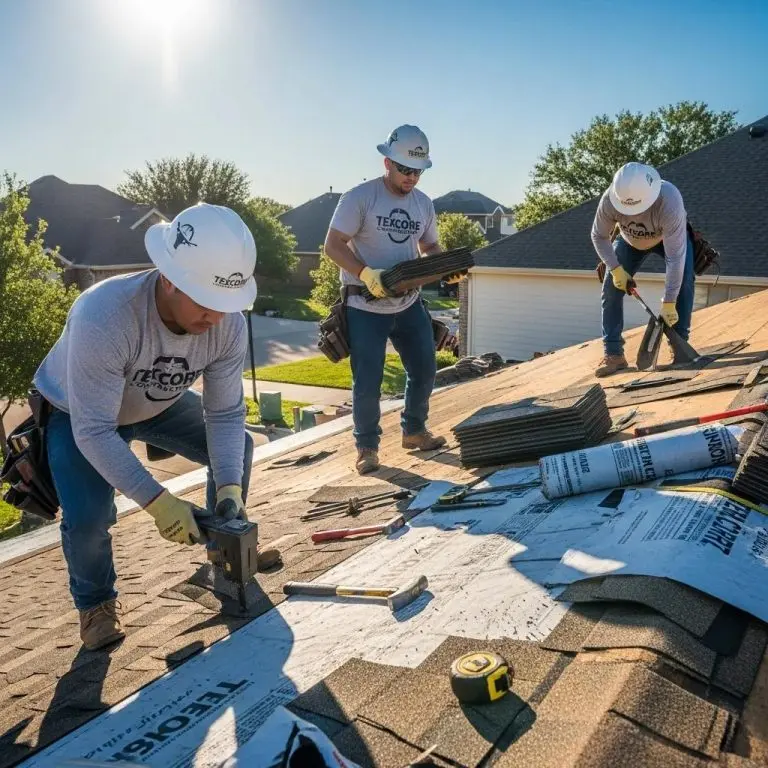
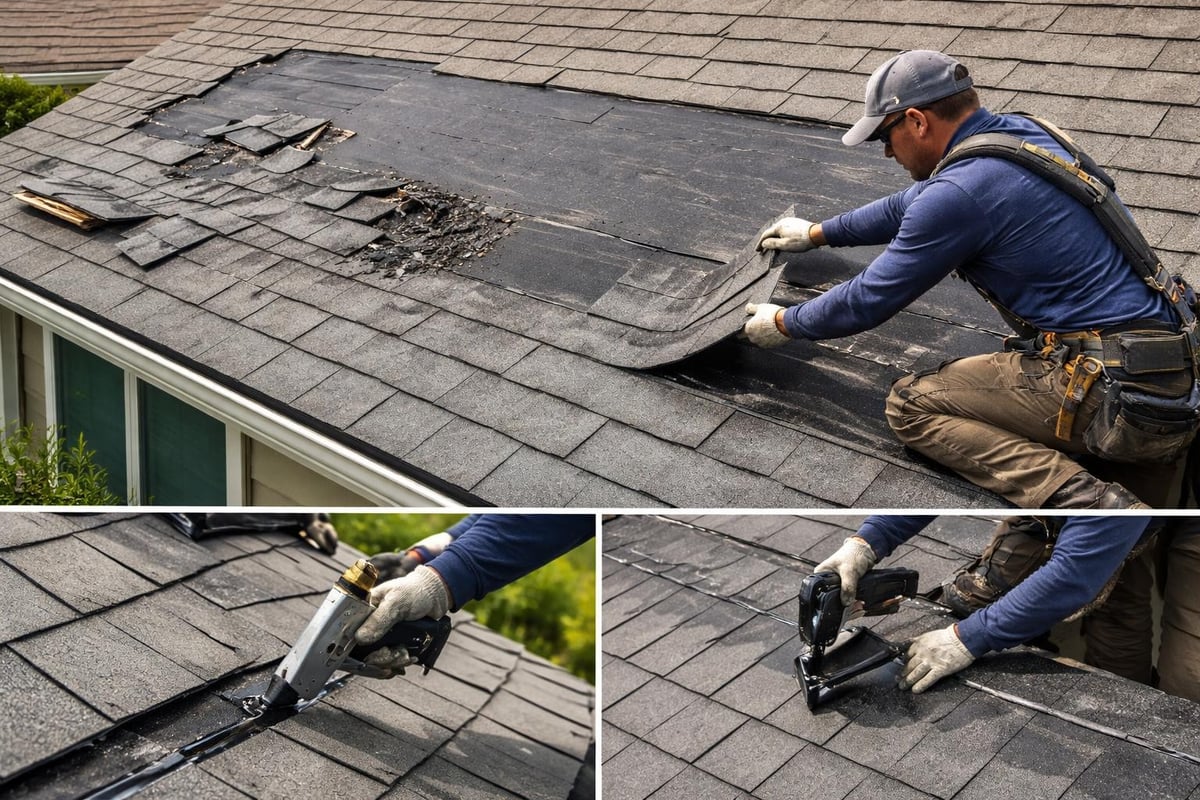
Asphalt shingle repair requires careful attention to matching, fastening patterns, and sealing protocols. Simply replacing visible damaged shingles without addressing underlying issues creates false security while leaving vulnerabilities that manifest during the next weather event.
Proper shingle replacement involves:
- Removing damaged shingles plus one course above to ensure proper overlap
- Inspecting and repairing underlayment where exposed
- Installing new shingles with manufacturer-specified nail patterns
- Hand-sealing tabs in high-wind-exposure areas
- Matching color, style, and age as closely as possible to maintain aesthetic consistency
Color matching presents particular challenges on roofs more than five years old, where weathering and UV exposure alter shingle appearance. Professional contractors maintain supplier relationships that facilitate access to discontinued products and close color matches.
Flashing Restoration and Sealing
Flashing failures account for a disproportionate percentage of wind-related leak problems because these transition points concentrate stress forces during wind events. Metal flashing around chimneys, skylights, vent pipes, and roof valleys must maintain complete water-tight integrity to prevent moisture intrusion.
Wind-damaged flashing typically requires complete replacement rather than patching. Temporary sealants deteriorate rapidly under UV exposure and temperature cycling, creating liability for contractors and false confidence for property owners. The Spray Polyurethane Foam Alliance guidelines on wind and hail damage repair emphasize proper material selection and installation techniques that address root causes rather than symptoms.
Flat Roof Membrane Repairs
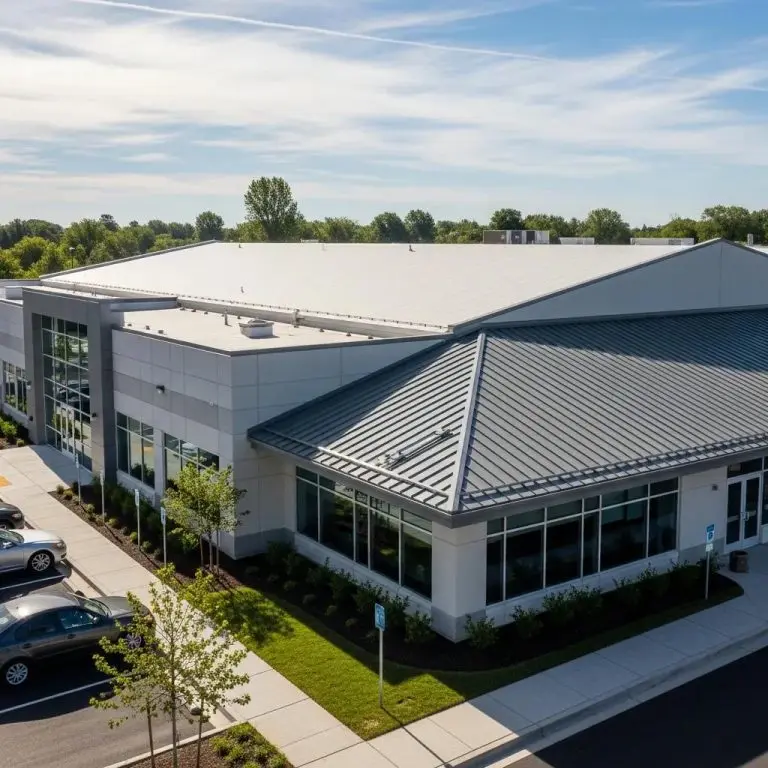
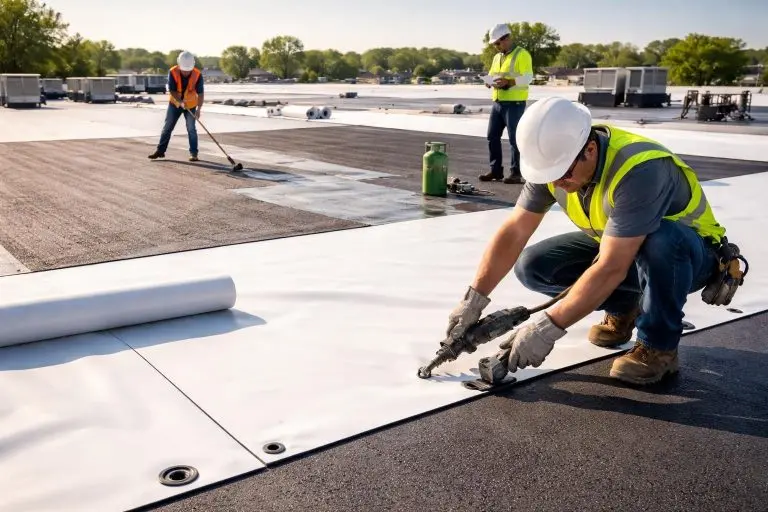
Commercial properties with TPO, EPDM, or modified bitumen systems face unique repair challenges when wind damages membrane integrity. Unlike pitched roofs where gravity assists water shedding, flat roofs rely entirely on membrane continuity to prevent leaks.
| Repair Method | Best Application | Typical Lifespan | Cost Factor |
|---|---|---|---|
| Heat-Welded Patches | TPO/PVC tears and punctures | 15-20 years | Medium |
| Adhesive Patches | EPDM small damage areas | 10-15 years | Low |
| Torch-Applied Patches | Modified bitumen systems | 12-18 years | Medium-High |
| Spray Foam Restoration | Widespread deterioration | 20-25 years | High |
Professional contractors assess whether localized repairs sufficiently address damage or whether membrane age and condition warrant comprehensive restoration. This honest evaluation separates reputable contractors from those prioritizing short-term revenue over long-term client interests.
Navigating Insurance Claims for Wind Damage
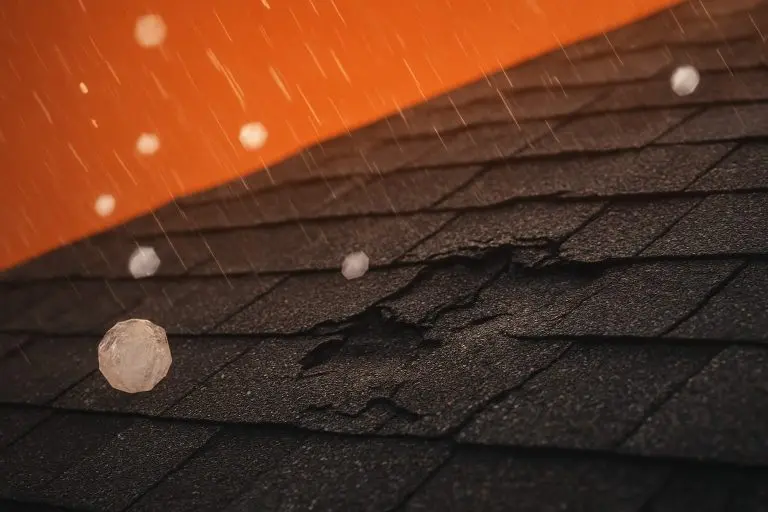
Understanding insurance policy provisions and claim procedures dramatically impacts roof wind damage repair outcomes. Most homeowner and commercial property policies cover sudden wind damage while excluding deterioration from maintenance neglect. The distinction, much like sorting out hail versus wind damage, creates gray areas where documentation quality determines claim approval or denial.
Documentation Requirements
Insurance adjusters require specific evidence to substantiate wind damage claims:
- Timestamped photographs showing damage extent and patterns
- Weather service reports confirming wind speeds and storm timing
- Contractor inspection reports detailing damage mechanisms and repair needs
- Repair estimates with itemized costs and material specifications
- Before-damage photos if available to establish baseline condition
Many property owners benefit from a thorough written damage report. Contractors experienced in storm work know what documentation an adjuster reviews and record the damage in that format. Companies like Great Roofing and other reputable contractors nationwide emphasize thorough documentation that supports fair claim settlements.
The Independent Insurance Agents of Texas publication on roof damage claims highlights common issues including partial damage assessments where insurers approve repairs for only a portion of affected areas, creating patchwork results that compromise long-term performance.
Common Claim Challenges
Property owners frequently encounter obstacles during the claims process:
- Depreciation deductions that reduce payout for older roofing systems
- Cosmetic damage exclusions particularly affecting hail claims on shingles
- Policy limits that may not cover full replacement on high-value properties
- Deductible structures including percentage-based wind/hail deductibles
- Matching limitations where insurers refuse to replace undamaged sections
Understanding these potential issues before filing claims enables property owners to gather appropriate documentation and prepare effective responses to adjuster positions. Contractors who provide detailed scopes and evidence based damage assessments give you a complete record to submit. For comprehensive support, Emergency Roof Repair services often include insurance documentation assistance as part of their storm response protocols.
Cost Factors in Wind Damage Repairs
Roof wind damage repair costs vary dramatically based on damage extent, roofing system type, property access, and material availability. Property owners should understand cost components to evaluate estimates effectively and identify potential red flags indicating underpriced bids that may compromise quality.
Typical Repair Cost Ranges
Residential wind damage repairs generally fall within these ranges:
- Minor shingle replacement (10-20 shingles): $300-$800
- Moderate damage (50-100 shingles plus flashing): $1,500-$3,500
- Extensive damage (multiple roof sections): $5,000-$15,000
- Full roof replacement: $8,000-$25,000+ depending on size and materials
Commercial flat roof repairs typically cost more due to material specifications and installation complexity:
- Small membrane patches (under 100 sq ft): $500-$1,500
- Medium repairs (100-500 sq ft): $2,000-$6,000
- Large-scale restoration: $15,000-$50,000+
- Complete reroof: $25,000-$150,000+ based on building size
These ranges reflect quality materials, proper installation by insured crews, and warranty backing. Estimates significantly below market rates often indicate shortcuts in materials, inadequate surface preparation, or reliance on inexperienced labor.
Hidden Cost Considerations
Beyond obvious repair expenses, property owners should budget for related costs:
- Deck replacement where wind damage reveals underlying rot or deterioration
- Insulation upgrades when repairs expose inadequate or damaged insulation
- Ventilation improvements to address moisture problems contributing to damage
- Code compliance updates required when repairs exceed certain thresholds
- Temporary protection including tarping and emergency leak mitigation
Reputable contractors provide transparent estimates that itemize these components rather than hiding costs in vague line items. The investment in professional roofing warranty coverage provides long-term protection that justifies slightly higher upfront costs compared to budget alternatives.
Selecting Qualified Repair Contractors
Contractor selection represents the most critical decision in the roof wind damage repair process. Quality variations among roofing companies create outcomes ranging from excellent long-term solutions to problematic installations that fail prematurely and void manufacturer warranties.
Essential Contractor Qualifications
Verify these credentials before engaging any roofing contractor:
- Established local business registration appropriate for commercial or residential work
- General liability insurance with minimum $1 million coverage
- Workers compensation insurance protecting property owners from liability
- Manufacturer certifications for systems they install
- Established business history with verifiable local references
The distinction between contractors using in-house crews versus subcontractors significantly impacts quality control, accountability, and communication throughout projects. Companies employing their own insured teams maintain consistent standards and respond more effectively to issues compared to general contractors who broker work to the lowest bidder.
Warning Signs of Unreliable Contractors
Certain red flags indicate contractors to avoid:
- Requesting large upfront deposits before work begins
- Offering to waive insurance deductibles through inflated claims
- Providing verbal estimates without detailed written documentation
- Pressuring immediate decisions without allowing time for comparison
- Lacking permanent business address or verifiable contact information
Storm chasers who arrive after major weather events often lack local accountability and disappear before warranty issues emerge. Established local contractors with long-term community presence provide more reliable service and stand behind their work.

Preventive Measures Against Future Wind Damage
Proactive maintenance and strategic upgrades significantly reduce wind damage vulnerability. Property owners who invest in prevention typically save substantially compared to those who address only acute failures through reactive repairs.
Installation and Fastening Upgrades
Modern installation techniques and materials provide superior wind resistance compared to older standards:
- Enhanced fastening patterns with additional nails at shingle edges and corners
- High-wind shingle products rated for 130+ mph wind speeds
- Sealed shingle tabs using manufacturer-approved adhesives
- Reinforced starter strips that prevent edge uplift
- Impact-resistant materials that withstand debris strikes
These upgrades prove particularly valuable in high-exposure locations including coastal areas, elevated properties, and buildings surrounded by open terrain. While initial costs exceed standard installations, the long-term lifespan extensions justify the investment through reduced repair frequency and enhanced property protection.
Routine Maintenance Protocols
Systematic maintenance programs identify and address minor issues before they escalate into major problems:
- Quarterly visual inspections from ground level after major weather events
- Annual professional inspections documenting roof condition and needed repairs
- Gutter cleaning preventing water backup that compromises roof edges
- Tree trimming removing branches that could impact roofs during storms
- Immediate repair of any identified damage regardless of apparent severity
Research in advanced roof assessment techniques demonstrates that systematic evaluation protocols combined with data-driven risk analysis enable more accurate vulnerability assessments and targeted improvement recommendations.
The AmTrust Financial guide on protecting commercial roofs from wind damage emphasizes that maintenance investments typically cost 10-15% of replacement expenses while extending roof lifespan by 50% or more.
Emergency Response and Temporary Protection
When severe wind damage occurs, immediate action — including emergency roof repair — prevents escalating problems. Water intrusion through compromised roofing causes exponentially increasing damage with each passing hour as moisture saturates insulation, penetrates wall cavities, and creates conditions for mold growth.
Immediate Post-Storm Actions
Take these steps immediately after discovering wind damage:
- Document everything through photographs and videos before any temporary repairs
- Contact insurance carrier to initiate claims process and verify coverage
- Arrange temporary protection through professional tarping or emergency patching
- Mitigate interior damage by moving contents and placing collection containers
- Schedule professional inspection as soon as contractors become available
Property owners should never delay emergency protection waiting for insurance adjuster arrival. Policies typically require reasonable efforts to prevent additional damage, and temporary protection costs generally receive full reimbursement when documented properly.
Recognizing urgent signs requiring immediate roof repair enables faster response that minimizes total damage and accelerates return to normal operations for commercial properties or safe occupancy for residences.
Temporary Repair Limitations
While emergency measures prevent immediate catastrophic damage, property owners must understand their limitations. Tarps, roof cement, and temporary patches provide only short-term protection and require prompt replacement with permanent repairs.
Temporary solutions create several risks:
- UV degradation of tarps and sealants within weeks
- Wind uplift of improperly secured tarps causing additional damage
- False security leading property owners to delay permanent repairs
- Warranty voidance if temporary materials remain beyond intended periods
- Code violations when structures remain in compromised condition
Professional contractors balance urgent protection needs against the imperative for permanent restoration. The forensic evaluation standards for storm damage claims developed by engineering experts provide frameworks that distinguish between appropriate emergency response and inadequate long-term solutions.
Material Selection for Lasting Repairs
Choosing appropriate materials for roof wind damage repair significantly affects performance longevity and future vulnerability. Property owners face decisions balancing cost considerations against durability requirements and aesthetic preferences.
Matching Versus Upgrading
When replacing damaged sections, property owners must decide whether to match existing materials or upgrade to higher-performance alternatives:
Matching advantages:
- Lower upfront costs for limited repair areas
- Maintains aesthetic consistency across roof surfaces
- Simpler installation without system transitions
- Faster project completion with readily available materials
Upgrading benefits:
- Superior wind resistance reducing future damage risk
- Extended lifespan justifying higher initial investment
- Potential insurance premium reductions for impact-resistant products
- Enhanced property value and marketability
For roofs nearing the end of their design life, comprehensive replacement with upgraded materials often proves more economical than repairing old systems that will require replacement within several years regardless of current repairs.
Material Performance Comparisons
Understanding how different roofing materials perform under wind stress informs better repair and replacement decisions:
| Material Category | Wind Resistance | Typical Lifespan | Maintenance Needs | Repair Complexity |
|---|---|---|---|---|
| Asphalt Shingles | Good to Excellent | 15-30 years | Low to Moderate | Low |
| Metal Panels | Excellent | 40-70 years | Very Low | Moderate |
| Clay/Concrete Tile | Excellent | 50-100 years | Low | High |
| Slate | Exceptional | 75-150 years | Very Low | Very High |
| TPO/EPDM Membrane | Good | 15-30 years | Moderate | Moderate |
Professional contractors provide honest assessments of whether current materials meet property needs or whether alternatives deliver better long-term value. This consultation separates contractors focused on client success from those simply selling products with highest profit margins.
For comprehensive repair solutions and detailed project guidance, exploring the full range of residential roofing services helps property owners understand available options and make informed decisions aligned with their specific situations and goals.
Wind damage to roofing systems demands prompt, professional attention to protect property value and prevent cascading failures that exponentially increase repair costs. Understanding damage patterns, proper repair methods, insurance claim processes, and contractor selection criteria empowers property owners to make informed decisions that deliver lasting solutions rather than temporary fixes. When wind damage affects your Fort Worth property, Texcore Construction provides rapid response, thorough assessment, transparent recommendations, and quality repairs backed by in-house crews and comprehensive warranties that ensure your roof performs reliably for years to come.