Metal Shake Roofing: Benefits, Costs & Installation
Metal shake roofing represents a significant evolution in roofing technology, blending traditional aesthetic appeal with modern durability and performance. This roofing solution captures the rustic, dimensional look of natural wood shakes while delivering the weather resistance, fire safety, and longevity that metal construction provides. For property owners seeking both visual impact and lasting protection, metal shake roofing offers a compelling alternative to conventional materials. Understanding the characteristics, benefits, installation requirements, and long-term value of this roofing system helps property owners make informed decisions about roof replacements or new construction projects.
Understanding Metal Shake Roofing Construction
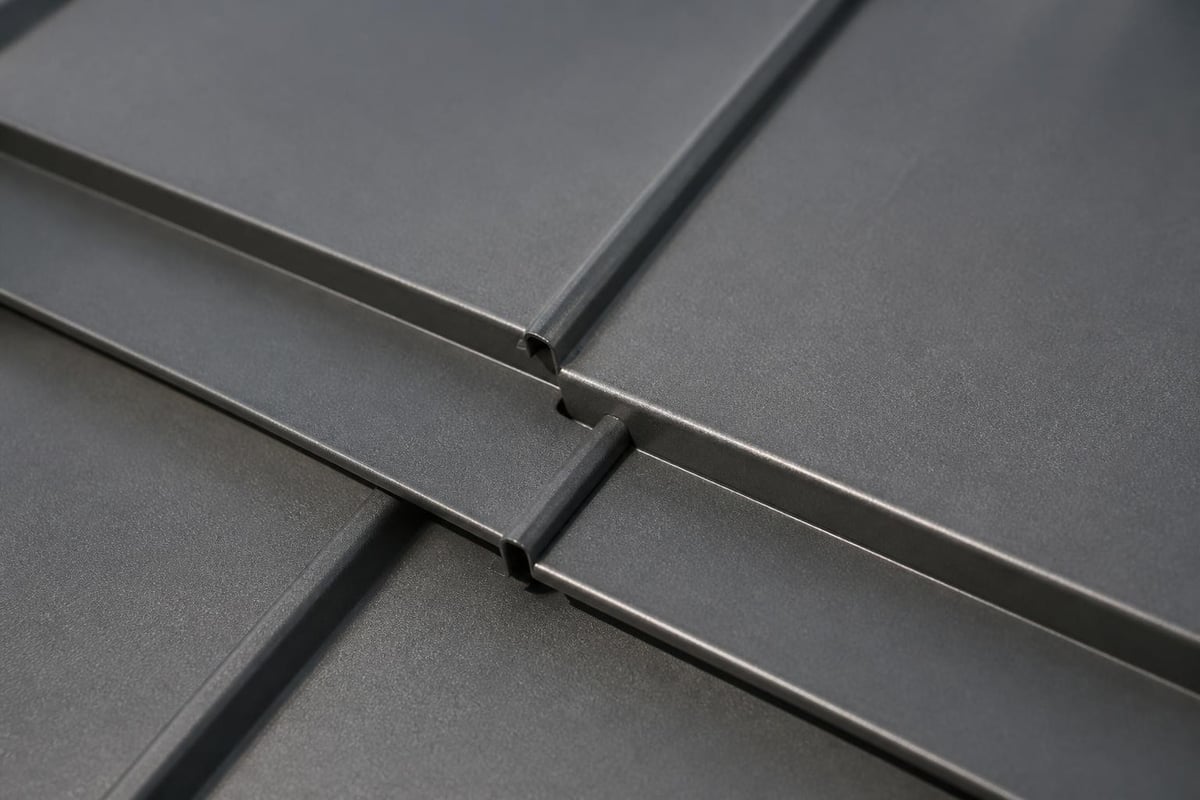
Metal shake roofing consists of interlocking metal panels engineered to replicate the appearance of traditional cedar or wood shakes. Manufacturers produce these panels from steel, aluminum, copper, or zinc alloy materials, each offering distinct performance characteristics and aesthetic qualities.
The manufacturing process involves stamping or forming metal sheets into individual shake profiles that feature realistic textures, shadows, and dimensional depth. Advanced coating technologies apply multi-layer finishes that resist fading, chalking, and corrosion while providing authentic wood-grain patterns and color variations.
Installation systems vary by manufacturer but typically include:
- Interlocking panel designs that ensure weathertight seams
- Concealed fastening systems that protect against wind uplift
- Ventilated underlayment compatible with metal roofing requirements
- Specialized flashing components for valleys, ridges, and penetrations
Most metal shake systems arrive at job sites as pre-finished panels ready for installation. This factory finishing ensures consistent color application and eliminates the need for on-site painting or staining. The panels connect through mechanical interlocking mechanisms that create continuous weather barriers across the entire roof surface.
Material Composition Options
Steel-based metal shake roofing dominates the residential and commercial market due to favorable cost-to-performance ratios. Galvanized or galvalume steel substrates receive multiple protective coating layers including zinc, corrosion inhibitors, primers, and decorative top coats. Steel systems typically carry 26 to 29-gauge thickness specifications.
Aluminum metal shake roofing provides superior corrosion resistance in coastal environments or areas with high humidity exposure. The lighter weight of aluminum simplifies installation and reduces structural loading requirements. Aluminum naturally resists rust and maintains finish integrity without galvanized coatings.
Copper and zinc alloy options deliver premium aesthetics with natural patina development over time. These specialty materials appeal to high-end residential projects, historic restorations, and architectural applications where distinctive appearance justifies higher material costs. The comprehensive guide to metal roofing materials explains how different metal compositions affect performance and longevity.
Performance Advantages and Benefits
Metal shake roofing delivers exceptional durability compared to organic roofing materials. Properly installed systems routinely achieve 50-year or longer service lives with minimal maintenance requirements. This longevity stems from fundamental material properties that resist degradation mechanisms affecting asphalt shingles, wood shakes, and tile roofing.
Weather resistance characteristics include:
- Class 4 impact resistance ratings against hail damage
- 140+ mph wind resistance when installed to manufacturer specifications
- Non-combustible construction earning Class A fire ratings
- Dimensional stability that prevents warping, cracking, or splitting
The energy efficiency of metal shake roofing reduces cooling costs in warm climates like Fort Worth. Reflective coatings bounce solar radiation before it penetrates the building envelope, maintaining lower attic temperatures and reducing air conditioning loads. Cool roof coating options enhance this thermal performance further, potentially qualifying for utility rebates or energy efficiency incentives.
Weight advantages become critical for certain projects. Metal shake roofing weighs approximately 1.5 to 2 pounds per square foot compared to 7-12 pounds for conventional asphalt shingles and 6-15 pounds for concrete tiles. This reduced weight allows installation over existing roofing in some applications and simplifies structural requirements for new construction.
Aesthetic Versatility
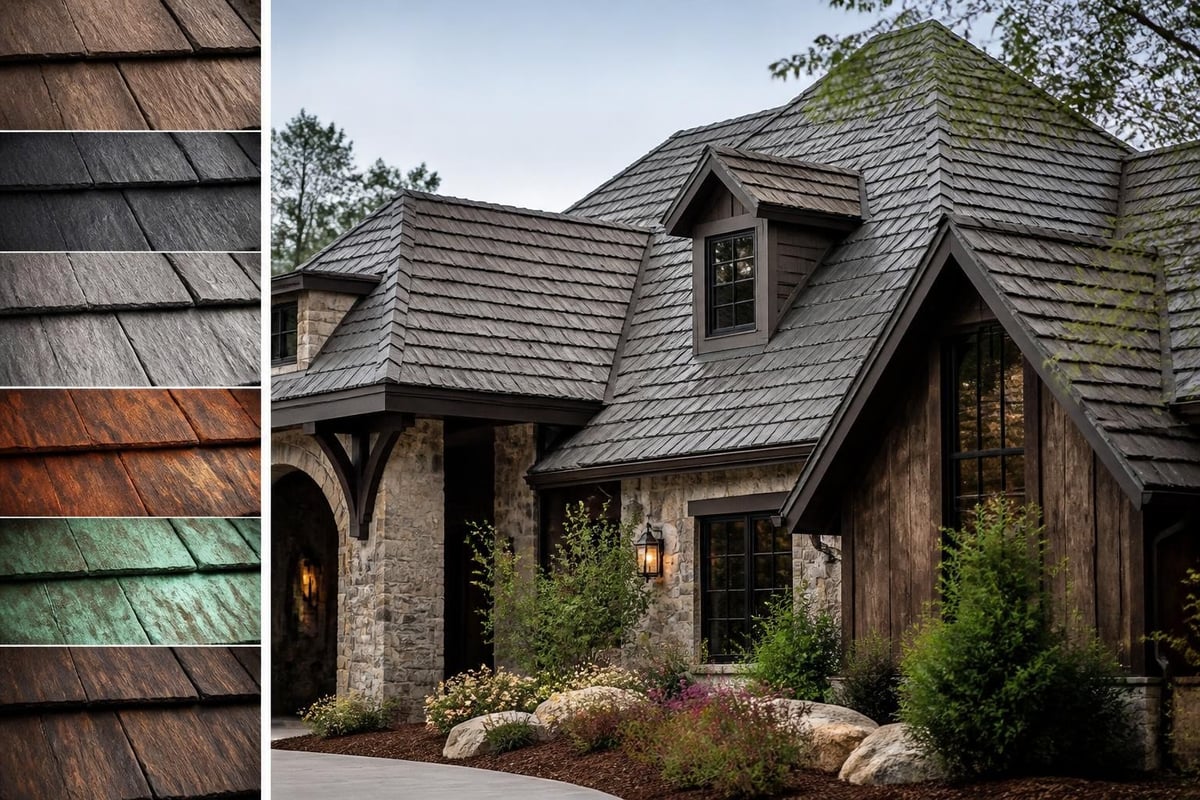
Modern metal shake roofing systems replicate numerous architectural styles through varied profile designs and finish options. Manufacturers offer shake patterns ranging from traditional split-shake appearances to more refined Victorian or Craftsman profiles. The dimensional depth created by overlapping panels produces authentic shadow lines that enhance curb appeal.
| Feature | Metal Shake Roofing | Natural Wood Shakes | Asphalt Shingles |
|---|---|---|---|
| Lifespan | 50+ years | 20-30 years | 15-25 years |
| Fire Rating | Class A | Class C | Class A (fiberglass) |
| Maintenance | Minimal | High | Moderate |
| Weight | 1.5-2 lbs/sq ft | 4-5 lbs/sq ft | 7-12 lbs/sq ft |
| Wind Resistance | 140+ mph | 60-90 mph | 60-110 mph |
Color retention represents another significant advantage. Factory-applied finishes utilize advanced resin technologies that maintain color integrity for decades. Many manufacturers warranty their finishes against fading, chalking, and peeling for 30 to 40 years, ensuring the roof appearance remains consistent throughout its service life.
Installation Requirements and Considerations
Metal shake roofing installation demands specialized knowledge and proper technique to achieve warranted performance. Unlike standard asphalt shingle applications, metal systems require precise alignment, proper fastening patterns, and correct accessory integration. Professional installation by experienced crews ensures the roofing system performs as engineered.
Roof preparation begins with comprehensive deck inspection and repair. Metal roofing transmits loads differently than shingle systems, requiring solid substrate attachment. Installers verify proper decking attachment, repair damaged sections, and ensure adequate ventilation pathways exist before starting panel installation.
Critical installation steps include:
- Installing appropriate underlayment compatible with metal roofing thermal expansion
- Establishing proper panel alignment using manufacturer-specified starter strips
- Following precise fastening schedules that account for thermal movement
- Integrating flashing components at all penetrations, valleys, and transitions
- Installing ridge caps and edge trim with proper sealing and attachment
Thermal expansion management differentiates metal shake installation from other roofing types. Metal expands and contracts with temperature fluctuations, requiring installation techniques that accommodate this movement without compromising weather resistance. Proper fastener selection, spacing, and torque specifications prevent panel distortion or fastener backup.
Complexity and Labor Factors
Installation complexity directly affects project timelines and labor costs. Metal shake roofing typically requires 50 to 100 percent longer installation time compared to standard three-tab shingles. This extended timeline reflects the precision required for proper panel alignment, fastening, and trim integration.
Roof pitch, complexity, and architectural details influence installation difficulty. Simple gable roofs with minimal penetrations install more efficiently than complex hip roofs with multiple valleys, dormers, and skylights. The detailed analysis of metal roofing pros and cons discusses how installation challenges affect project costs and timelines.
Weather conditions during installation require careful management. While metal shake roofing itself withstands extreme weather, installation quality suffers in high winds, rain, or extreme temperatures. Professional contractors schedule work during favorable weather windows and implement proper job site protection to maintain installation quality.
Cost Analysis and Value Considerations
Metal shake roofing material costs range from $8 to $14 per square foot for standard steel systems, with premium materials like copper or specialty finishes commanding $15 to $30 per square foot. These material costs exceed asphalt shingles by 200 to 400 percent but remain competitive with high-end tile or slate alternatives.
Installation labor typically adds $4 to $8 per square foot depending on roof complexity, accessibility, and regional labor rates. Combined material and labor costs position metal shake roofing at $12 to $22 per square foot for most residential and commercial applications. The comprehensive cost breakdown and pricing factors provides detailed regional cost expectations.
Long-term value calculations favor metal shake roofing despite higher initial investment. When comparing lifecycle costs over 50 years, metal shake roofing often proves more economical than materials requiring multiple replacements. The calculation includes initial installation, maintenance expenses, energy savings, and replacement costs over the comparison period.
Financial considerations include:
- Reduced insurance premiums due to fire resistance and impact ratings
- Lower cooling costs from reflective surface properties
- Minimal maintenance requirements eliminating periodic treatment costs
- Increased property resale value from premium roofing materials
- Extended warranty coverage protecting long-term investment
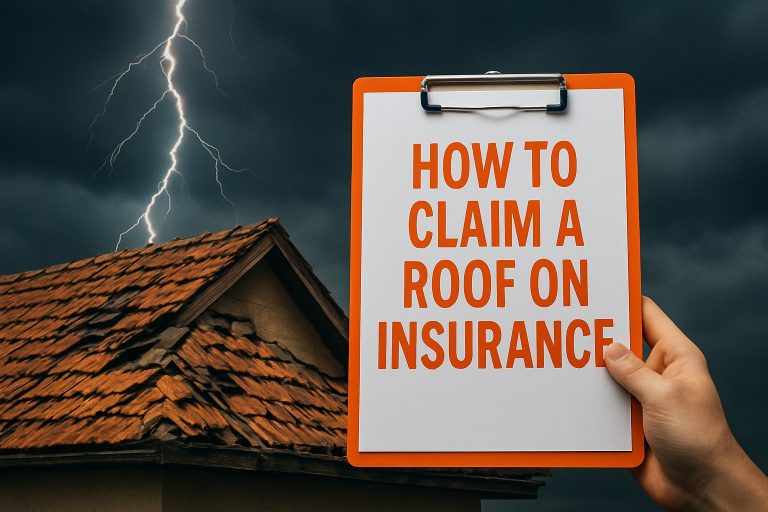
Some property owners pursue metal shake roofing during major renovations or insurance claims for roof damage situations. While insurance coverage depends on policy terms and damage circumstances, the durability of metal shake systems can justify the investment when replacing storm-damaged roofing.
Return on Investment Factors
Energy savings contribute measurably to metal shake roofing return on investment. Reflective metal surfaces can reduce cooling costs by 10 to 25 percent in warm climates. These annual savings accumulate over the roof's 50-plus-year lifespan, offsetting the initial cost premium compared to conventional materials.
Property value enhancement varies by market and architectural context. Homes and commercial buildings featuring premium metal shake roofing often command higher selling prices and attract quality-conscious buyers. Real estate professionals report that metal roofing appeals particularly to buyers prioritizing low maintenance and long-term durability.
The maintenance cost avoidance represents another value component. Wood shakes require periodic treatment, cleaning, and individual shake replacement. Asphalt shingles need granule loss monitoring and eventual replacement. Metal shake roofing requires only occasional debris removal and minor sealant maintenance at penetrations.
Maintenance and Longevity
Metal shake roofing maintenance requirements remain minimal compared to organic roofing materials. Annual inspections identify potential issues before they compromise roof performance, but the inherent durability of metal construction prevents most common roofing problems.
Recommended maintenance activities include:
- Annual debris removal from valleys and behind chimneys
- Inspection of sealants at penetrations and transitions
- Verification of fastener integrity on exposed trim components
- Gutter and downspout cleaning to prevent water backup
- Touch-up of scratched or damaged coating areas
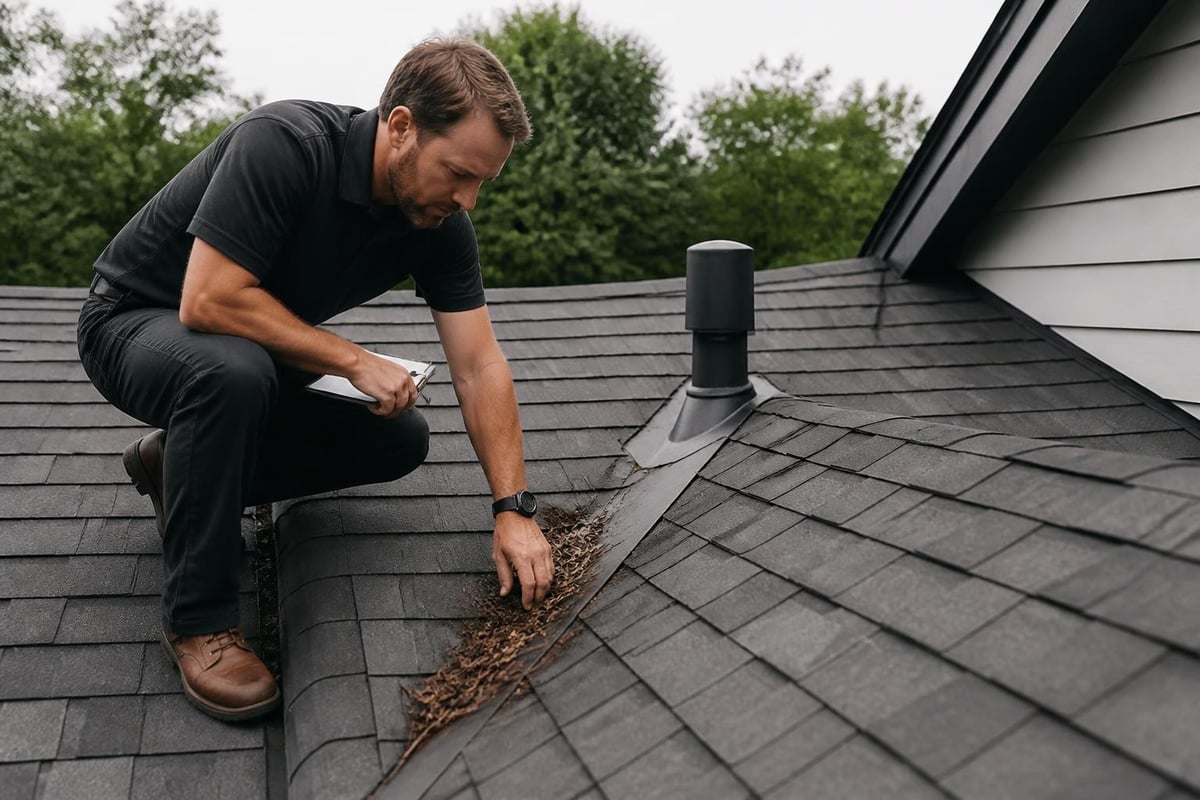
Professional roof inspection services provide comprehensive assessments that identify minor issues before they escalate. Qualified roofing contractors understand metal roofing systems and recognize signs of improper installation, thermal stress, or accessory deterioration that property owners might overlook.
Weather events occasionally impact even durable metal shake roofing. Severe hail, falling tree limbs, or extreme wind events can dent panels, displace trim components, or damage flashing details. Prompt repair of weather damage prevents water intrusion and maintains roof integrity.
Performance Over Time
Properly installed metal shake roofing maintains structural integrity and weather resistance for five decades or longer. The metal substrate does not deteriorate like organic materials, and factory-applied coatings protect against corrosion and UV degradation. This consistent performance eliminates the progressive failure common in asphalt shingle systems.
Coating systems on quality metal shake products resist fading through advanced resin chemistry and UV stabilizers. While some color shift may occur over 20 to 30 years, the change remains subtle and uniform across the roof surface. Manufacturers typically warranty coating performance for 30 to 40 years against excessive fading or chalking.
Fastener integrity proves critical to long-term performance. Quality metal shake systems use corrosion-resistant fasteners with weather-resistant washers that maintain seal integrity through thermal cycling. Proper installation torque prevents fastener backup while avoiding panel distortion from over-tightening.
Comparing Metal Shake to Alternative Roofing
Metal shake roofing competes directly with premium roofing materials including natural slate, clay tile, concrete tile, and high-end composite shingles. Each material category offers distinct advantages and limitations affecting suitability for specific applications.
Natural slate provides unmatched longevity exceeding 100 years but carries extreme weight requiring substantial structural support. Installation costs surpass metal shake by 50 to 100 percent, and brittleness creates handling challenges and limits walkability. Metal shake delivers comparable aesthetics at lower cost with superior impact resistance.
Clay and concrete tile systems offer excellent durability and fire resistance but share the weight limitations of slate. Tile installation requires specialized expertise, and individual tiles break under impact or improper foot traffic. The comparison of metal roofing advantages and disadvantages highlights how metal shake addresses tile system limitations.
High-end composite shingles attempt to replicate the appearance of natural materials while providing improved performance over standard asphalt products. These composites typically cost less than metal shake but lack the longevity, fire resistance, and impact protection metal construction provides. Service life rarely exceeds 30 years even for premium composites.
Application Suitability
Metal shake roofing suits diverse architectural styles from traditional craftsman homes to contemporary commercial buildings. The material versatility accommodates steep-slope residential applications, moderate-pitch commercial structures, and specialty architectural projects requiring distinctive visual character.
Climate considerations influence material selection. Metal shake roofing excels in regions experiencing temperature extremes, high winds, or significant hail exposure. The Fort Worth market particularly benefits from metal roofing's storm resistance and energy efficiency in hot summer conditions.
Building code compliance varies by jurisdiction. Most areas accept metal shake roofing for all building types, but local amendments may impose specific requirements regarding fire ratings, wind resistance, or installation methods. Professional roofing contractors understand local code requirements and ensure compliant installations.
Certain historic preservation districts or homeowner associations regulate roofing material selection and appearance. Metal shake systems often gain approval in restricted areas due to authentic appearance and superior performance compared to materials they replace. Some manufacturers offer specialty profiles designed specifically for historic restoration applications, as detailed in the Country Manor Shake metal roofing guide.
Manufacturer Selection and Product Quality
Metal shake roofing quality varies significantly across manufacturers and product lines. Premium systems feature thicker metal substrates, advanced multi-layer coatings, and comprehensive warranty coverage. Budget products sacrifice substrate thickness, coating durability, and warranty terms to achieve lower price points.
Quality indicators include:
- Metal gauge thickness (26-gauge minimum for residential applications)
- Kynar 500 or equivalent premium coating systems
- Comprehensive finish warranties covering 30-40 years
- Structural warranties protecting against panel failure or perforation
- Industry certifications including UL 2218 Class 4 impact ratings
Manufacturer reputation and market presence indicate product reliability and warranty support. Established manufacturers maintain consistent product quality, stock replacement components, and honor warranty obligations. New market entrants may offer attractive pricing but lack the proven track record supporting long-term confidence.
Testing certifications verify claimed performance characteristics. Reputable manufacturers submit products for independent testing confirming wind resistance, impact ratings, fire classifications, and coating durability. Third-party certifications from organizations like UL, FM Global, or Miami-Dade County provide objective performance validation.
Installation Warranty Considerations
Material warranties protect against manufacturing defects but exclude installation-related failures. Comprehensive roofing protection requires both quality products and proper installation backed by contractor workmanship warranties. Professional roofing companies provide labor warranties covering installation quality separate from manufacturer material coverage.
Installation warranty terms vary but should extend at least five years covering workmanship defects. Some contractors offer extended warranty options providing 10 to 25-year coverage when combined with specific manufacturer products. These comprehensive warranty packages deliver maximum protection but require using approved contractors and following prescribed maintenance protocols.
Documentation requirements support warranty claims when issues arise. Property owners should retain installation contracts, warranty certificates, product specifications, and maintenance records. Detailed documentation proves proper installation, identifies installed products, and demonstrates compliance with warranty terms.
Storm Resistance and Impact Performance
Metal shake roofing delivers exceptional storm resistance protecting buildings from hail, wind-driven rain, and flying debris. The inherent strength of metal construction withstands impacts that penetrate or damage organic roofing materials.
Hail resistance ratings classify impact performance through standardized testing protocols. UL 2218 Class 4 rating represents the highest impact resistance category, indicating the material withstands impacts from 2-inch steel balls dropped from specific heights. Most quality metal shake products achieve this top rating.
Wind resistance depends on proper installation following manufacturer specifications. Metal shake systems installed to code requirements and manufacturer guidelines routinely withstand winds exceeding 140 mph. The interlocking panel design and concealed fastening systems resist wind uplift forces that strip conventional shingles.
Hurricane-prone and severe weather regions particularly benefit from metal shake roofing performance characteristics. The combination of impact resistance and wind rating provides superior protection during extreme weather events. Many building codes in coastal areas now require enhanced wind ratings that metal shake systems readily satisfy.
Property owners concerned about roof repair insurance costs recognize that durable roofing materials reduce claim frequency. While insurance coverage terms vary, the proven storm resistance of metal shake roofing often translates to lower premium rates and reduced lifetime repair expenses.
Environmental Considerations and Sustainability
Metal shake roofing supports sustainable building practices through multiple environmental benefits. The longevity of metal construction reduces waste generation by eliminating repeated roof replacements over a building's lifespan. A single metal shake roof may replace three to four asphalt shingle installations.
Recycled content varies by product but typically ranges from 25 to 95 percent depending on metal composition. Steel products incorporate significant recycled content from post-consumer and post-industrial sources. Aluminum systems often contain 90 percent or greater recycled material while maintaining full performance specifications.
End-of-life recyclability ensures metal shake roofing avoids landfill disposal. When eventual replacement becomes necessary after decades of service, the entire roofing system returns to recycling streams for reprocessing into new products. This closed-loop lifecycle contrasts sharply with asphalt shingles that overwhelmingly end up in landfills.
Environmental advantages include:
- Reduced urban heat island effect through reflective surfaces
- Lower cooling energy consumption decreasing carbon emissions
- Extended service life minimizing resource consumption
- Complete recyclability preventing landfill waste
- Potential LEED certification contribution
Cool roof programs sponsored by utilities and government agencies often include metal shake roofing as qualified products. These programs recognize the energy efficiency benefits and may offer rebates or incentives reducing initial installation costs. Property owners should investigate available programs when planning metal shake roofing projects.
Manufacturing efficiency continues improving as producers optimize processes and reduce waste. Modern metal coating lines capture and recycle overspray, minimize volatile organic compound emissions, and reduce water consumption. These production improvements enhance the overall environmental profile of metal shake roofing products.
Metal shake roofing delivers a powerful combination of authentic aesthetics, exceptional durability, and long-term value that few roofing materials match. The investment in quality metal shake systems pays dividends through decades of reliable performance, minimal maintenance requirements, and superior weather protection. When Fort Worth property owners need expert roofing services backed by in-house crews, detailed documentation, and transparent recommendations, Texcore Construction provides dependable solutions built around craftsmanship, accountability, and lasting performance.