Roofing Shingles Near Me: Complete Selection Guide
When homeowners search for "roofing shingles near me," they're typically at a critical decision point in protecting their most valuable investment. Whether you're planning a complete roof replacement, repairing storm damage, or upgrading an aging system, selecting the right shingles requires understanding material options, local climate factors, installation expertise, and long-term performance expectations. This comprehensive guide walks you through everything you need to know about finding, evaluating, and purchasing roofing shingles in your local market, with specific insights for Fort Worth area property owners facing unique weather challenges and quality considerations.
Understanding Your Roofing Shingle Options
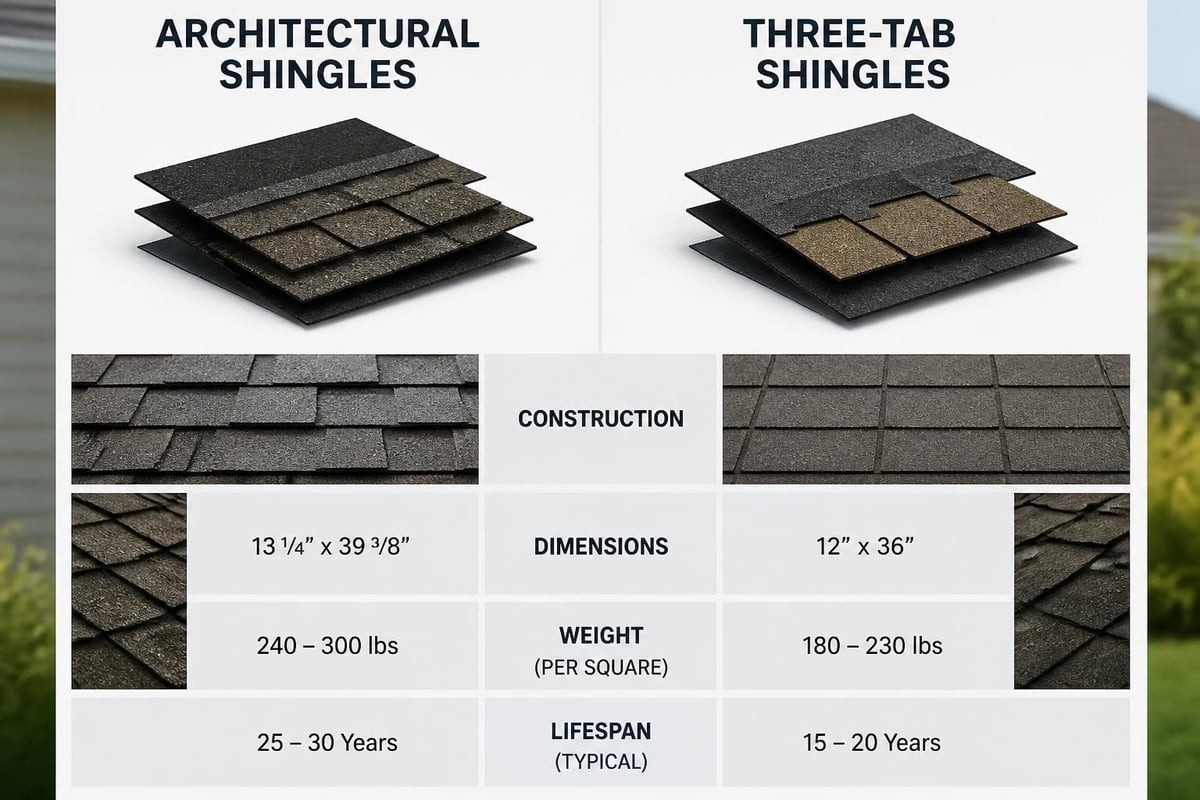
The shingle market offers several distinct categories, each engineered for specific performance characteristics and budget requirements. Asphalt shingles dominate residential roofing across North America due to their balance of affordability, durability, and installation efficiency. These versatile materials come in two primary configurations: three-tab shingles and architectural (dimensional) shingles.
Three-tab shingles represent the entry-level option, featuring a flat, uniform appearance with cutouts that create three distinct tabs. These lightweight shingles typically last 15-20 years and offer the most economical upfront investment. Architectural shingles, by contrast, use multiple layers to create depth and visual texture that mimics premium materials like slate or wood shake.
Premium and Specialty Shingle Materials
Beyond standard asphalt options, homeowners can explore enhanced materials designed for specific aesthetic goals or performance requirements. Luxury shingles incorporate heavier base materials, enhanced granule coatings, and advanced weatherproofing technologies that extend service life to 30-50 years.
Composite shingles blend various materials including recycled plastics, rubber, and polymers to create environmentally conscious alternatives. According to research on composite roofing materials, these products often replicate the appearance of natural materials while offering superior weather resistance and lower maintenance demands.
For property owners seeking distinctive aesthetics, specialty options include:
- Designer shingles with custom color blends and enhanced shadow lines
- Impact-resistant shingles rated for severe hail zones
- Cool roof shingles with reflective granules that reduce heat absorption
- Algae-resistant shingles treated with copper granules to prevent streaking
Each material category carries different pricing structures, installation requirements, and warranty provisions that directly impact total project costs and long-term value.
Evaluating Local Shingle Suppliers and Retailers
Finding quality roofing shingles near me involves more than identifying the closest building supply store. Supplier selection significantly influences material availability, pricing structures, warranty support, and contractor relationships that affect installation quality.
National chain retailers like Home Depot and Lowe's offer convenient access to major shingle brands including GAF, CertainTeed, and Owens Corning. These outlets provide transparent pricing and broad selection but may limit access to professional-grade products or specialized installation support. Local roofing supply distributors maintain deeper inventories of premium materials and often provide technical expertise, delivery scheduling, and contractor-specific pricing that streamlines project execution.
| Supplier Type | Product Range | Pricing | Technical Support | Professional Access |
|---|---|---|---|---|
| National Retailers | Moderate | Published | Limited | Homeowner-focused |
| Local Distributors | Extensive | Negotiable | Comprehensive | Contractor-preferred |
| Manufacturer Direct | Brand-specific | Variable | Excellent | Credentialed only |
When researching roofing shingles near me, prioritize suppliers who stock materials appropriate for your regional climate. Fort Worth's exposure to severe weather including hail storms, high winds, and intense summer heat demands shingles rated for impact resistance and heat cycling. Understanding different roofing shingle types helps homeowners match material specifications to local weather patterns and performance expectations.
Building Relationships with Quality Suppliers
Professional roofing contractors maintain established relationships with preferred suppliers, ensuring priority access to materials, competitive pricing, and streamlined logistics. These partnerships translate to faster project completion, reduced material costs, and enhanced warranty protection for property owners.
When homeowners work with experienced local contractors for residential roofing services, they benefit from the contractor's supplier network without managing procurement directly. This approach eliminates material selection errors, ensures code compliance, and provides single-point accountability for both product quality and installation craftsmanship.
Calculating Shingle Costs and Project Budgets
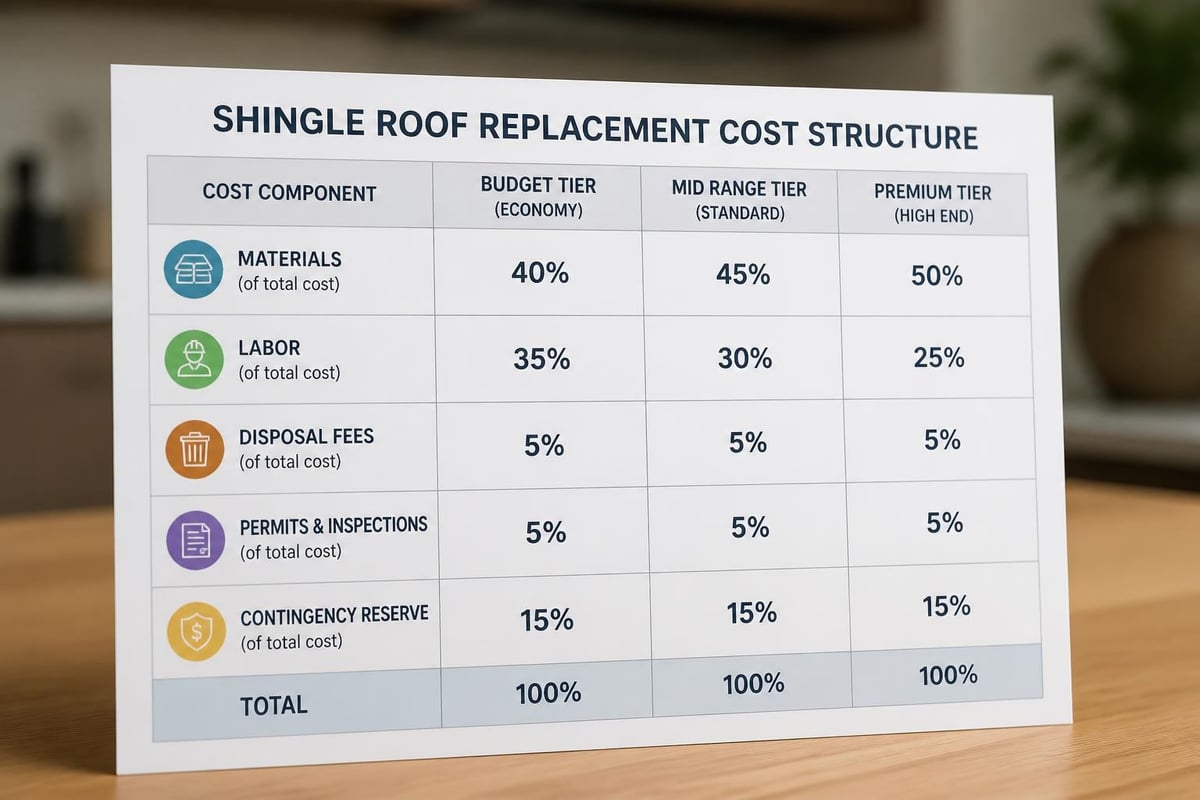
Understanding total project costs requires breaking down materials, labor, disposal, and ancillary components that contribute to final pricing. Shingle costs represent only one element of comprehensive roof replacement expenses, typically accounting for 40-50% of total project investment.
Material pricing varies significantly based on shingle type, quality tier, and regional market conditions. According to detailed cost analysis by roofing experts, three-tab asphalt shingles range from $90-$120 per square (100 square feet), while architectural shingles typically cost $150-$250 per square. Premium and designer options can exceed $400-$600 per square for luxury materials with extended warranties.
Additional material components include:
- Underlayment systems (synthetic or felt)
- Ice and water barrier membranes
- Drip edge and flashing materials
- Ridge cap shingles
- Starter strips
- Ventilation components
- Fasteners and adhesives
Labor costs typically range from $150-$300 per square depending on roof complexity, pitch steepness, and access challenges. Two-story homes, multiple dormers, and intricate architectural features increase installation time and specialized equipment requirements that elevate labor expenses.
Hidden Costs and Budget Considerations
Comprehensive project budgets account for expenses beyond basic materials and installation. Removal and disposal of existing roofing materials typically adds $100-$150 per square, varying with local landfill fees and material type. Properties requiring structural repairs, decking replacement, or extensive wood rot remediation face additional carpentry costs that impact total investment.
Permit fees, inspection charges, and temporary accommodations (dumpster rental, equipment staging) contribute to project overhead. Homeowners should budget an additional 10-15% contingency for unforeseen conditions discovered during tear-off, including hidden damage, code compliance upgrades, or weather delays.
The comprehensive comparison of roofing materials provides valuable context for evaluating different shingle options against project budgets and long-term value expectations. Properties in areas with frequent severe weather should prioritize impact resistance and warranty coverage over minimal upfront costs to reduce long-term replacement frequency.
Selecting Qualified Installation Contractors
Finding roofing shingles near me connects directly to identifying skilled installation professionals who deliver consistent quality and stand behind their workmanship. Contractor selection represents the single most critical factor in roof system performance, longevity, and warranty validity.
Professional roofing companies maintain proper licensing, comprehensive insurance coverage, and manufacturer certifications that authorize installation of premium materials. These credentials ensure compliance with building codes, protect property owners from liability, and activate enhanced warranty programs that extend coverage beyond standard manufacturer guarantees.
Red flags that identify substandard contractors include:
- Requests for full payment before work begins
- Lack of physical business address or showroom
- Unwillingness to provide references or portfolio
- Pressure tactics or limited-time discount offers
- Use of unlicensed subcontractors
- Minimal or unclear warranty terms
Reputable contractors provide detailed written estimates, transparent scope definitions, and clear timelines that establish mutual expectations. They maintain consistent communication throughout projects, protect property with proper site preparation, and complete thorough cleanup that leaves properties in pristine condition.
The Value of In-House Installation Crews
Many roofing companies outsource actual installation work to subcontractors, creating quality control challenges and accountability gaps. Contractors who employ dedicated in-house crews deliver superior consistency, enhanced safety protocols, and direct oversight that ensures every project meets established standards.
In-house installation teams receive ongoing training in latest techniques, material handling best practices, and manufacturer specifications. This expertise translates to proper ventilation installation, correct flashing details, and precise shingle alignment that maximizes weather protection and extends roof lifespan. Companies like Texcore Construction distinguish themselves through exclusive use of insured in-house crews who complete every project from inspection through final walkthrough.
Understanding Shingle Warranties and Protection
Manufacturer warranties and contractor workmanship guarantees provide critical protection for your roofing investment. Warranty structures vary significantly across shingle types, quality tiers, and installation standards, requiring careful evaluation to understand actual coverage limitations.
Basic manufacturer warranties cover material defects but typically require professional installation by certified contractors to activate coverage. These limited warranties range from 10 years for economy shingles to 50 years or "lifetime" for premium products. However, warranty terms include prorated coverage that reduces payout percentages as shingles age, potentially leaving homeowners responsible for significant replacement costs.
| Warranty Type | Coverage Period | Transferability | Installation Requirements | Common Exclusions |
|---|---|---|---|---|
| Material Defect | 10-50+ years | Usually yes | Per specifications | Wind damage, algae |
| Wind Resistance | 10-15 years | Sometimes | Certified installers | Improper ventilation |
| Algae/Staining | 10-25 years | Rarely | Any qualified | Chemical exposure |
| Workmanship | 1-10 years | Property-specific | Original contractor | Acts of nature |
Enhanced warranties available through certified contractors often include wind resistance upgrades, extended material coverage, and system warranties that cover all roof components. These comprehensive programs require strict adherence to manufacturer specifications and regular maintenance documentation to maintain validity.
Contractor workmanship warranties separately protect against installation errors, material application mistakes, and construction defects. Quality contractors stand behind their work with multi-year labor guarantees that cover callback repairs and address any performance issues resulting from installation practices. The warranty coverage provided by professional contractors adds significant value beyond manufacturer material guarantees alone.
Timing Your Shingle Purchase and Installation
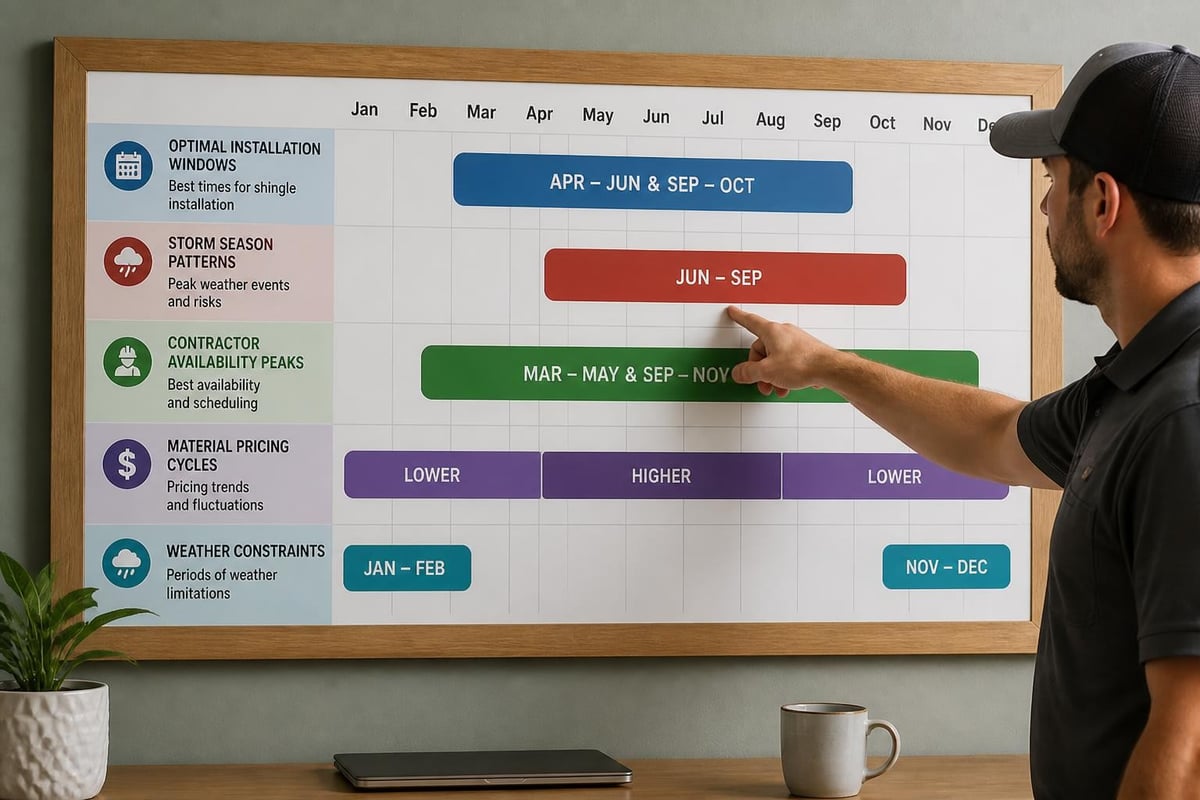
Strategic timing affects both material costs and installation quality. Seasonal considerations influence pricing structures, contractor availability, and weather conditions that impact installation success.
Spring and fall represent optimal installation windows in most regions, offering moderate temperatures and lower precipitation probability. These peak seasons also correspond with highest contractor demand and premium pricing as homeowners rush to complete projects during favorable weather. Summer installations face extreme heat challenges that affect worker safety and material handling, while winter work encounters temperature limitations that prevent proper adhesive activation.
Off-Season Advantages
Scheduling projects during shoulder seasons (late fall, early winter) often provides access to better pricing as contractors seek to maintain steady workflow. Material suppliers may offer promotional pricing to clear inventory before new product launches. However, weather risks increase and project timelines may extend due to unsuitable installation conditions that delay work.
For Fort Worth homeowners, understanding regional storm patterns helps optimize project timing. Late spring and early summer bring severe thunderstorms and hail events that commonly damage roofing systems. Completing roof replacements in early spring or late fall positions properties to weather storm season with fresh, warranted protection. Property owners dealing with storm damage should explore insurance claim support services that supporting your insurance claim with thorough documentation and expedite restoration.
Making the Final Selection Decision
Choosing the right roofing shingles near me requires balancing immediate budget constraints against long-term value considerations. Decision frameworks should evaluate total cost of ownership including installation, expected lifespan, maintenance requirements, and replacement frequency over 30-50 year planning horizons.
Properties in severe weather zones benefit from investing in impact-resistant shingles despite higher upfront costs. Class 4 impact-rated products withstand hail damage that destroys economy shingles, potentially preventing multiple premature replacements. Many insurance carriers offer premium discounts for impact-resistant roofing that offset initial cost premiums over time.
Energy efficiency considerations also influence material selection for homes in hot climates. Cool roof shingles with enhanced solar reflectance reduce attic temperatures by 10-15 degrees, lowering air conditioning costs and extending HVAC equipment lifespan. These operational savings accumulate over decades, providing measurable return on investment beyond basic weather protection.
Aesthetic preferences should align with neighborhood character, architectural style, and property value positioning. Premium shingles with enhanced color blending and dimensional profiles significantly boost curb appeal and differentiate properties in competitive real estate markets. Detailed comparisons of roofing materials help homeowners understand how different options perform across multiple evaluation criteria.
Working with Local Roofing Professionals
The most reliable path to quality shingle selection involves consulting experienced local roofing professionals who understand regional requirements and material performance patterns. Professional contractors provide comprehensive roof inspections, detailed scope development, and transparent recommendations based on property-specific conditions rather than generic product promotions.
Established roofing companies maintain relationships with multiple manufacturers and suppliers, providing access to diverse product lines without brand limitations. This independence ensures recommendations align with property needs rather than preferred vendor agreements. Contractors who invest in ongoing education and manufacturer certifications demonstrate commitment to installation excellence and staying current with evolving technologies.
Request detailed proposals that specify exact shingle models, quality grades, and installation methodologies. Compare not just pricing but warranty terms, project timelines, and scope completeness to identify true value. The lowest bid frequently indicates cut corners, inferior materials, or inadequate preparation that leads to premature failure and costly callbacks.
Regional Factors Affecting Shingle Performance
Fort Worth's unique climate presents specific challenges for roofing systems that influence material selection and installation practices. Temperature extremes ranging from summer highs exceeding 100°F to occasional winter freezes create expansion-contraction cycles that stress shingle adhesion and accelerate aging.
Severe weather events including hailstorms, straight-line winds, and occasional tornadoes demand robust shingle specifications. Hail resistance ratings (Class 1-4) indicate impact tolerance, with Class 4 products engineered to withstand repeated strikes from 2-inch diameter hail. Wind resistance certifications specify sustained wind speeds and gust tolerances, critical for properties exposed to severe thunderstorm complexes.
High ultraviolet exposure degrades organic roofing materials over time, breaking down asphalt binders and causing granule loss. Premium shingles incorporate enhanced UV inhibitors and superior granule adhesion that extend service life in intense sun exposure. The detailed analysis of roofing materials addresses climate-specific performance factors that affect regional material selection.
Local building codes establish minimum standards for roofing materials, installation methods, and fire resistance classifications. Professional contractors maintain current knowledge of code requirements and obtain necessary permits that ensure compliance. Properties in designated wildfire zones face additional restrictions that limit material options to Class A fire-rated products.
Maintenance and Long-Term Performance
Proper maintenance significantly extends shingle lifespan and preserves warranty coverage. Routine inspection identifies developing problems before they escalate into expensive damage requiring extensive repairs or premature replacement.
Annual inspections should evaluate:
- Granule retention and bare spots
- Curling or cupping shingle edges
- Missing or damaged shingles
- Flashing condition and sealant integrity
- Ventilation system functionality
- Debris accumulation in valleys
- Algae or moss growth
Professional contractors provide comprehensive inspection services that document roof condition, identify maintenance needs, and establish baseline records for warranty claims. Regular professional roof inspections catch small issues when simple repairs prevent major damage and protect property value.
Debris removal, gutter cleaning, and vegetation management prevent moisture retention that accelerates shingle deterioration. Overhanging tree branches should be trimmed to prevent physical damage and reduce debris accumulation. Properties with significant tree coverage benefit from algae-resistant shingles that inhibit organic growth.
Storm damage requires immediate professional evaluation regardless of visible impact. Hail creates fractures and granule displacement that may not appear obvious to untrained observers but compromise waterproofing integrity. Documenting damage promptly supports insurance claims and prevents coverage disputes when deterioration becomes evident months later.
Selecting quality roofing shingles involves careful evaluation of materials, suppliers, contractors, and long-term performance expectations specific to your property and regional climate. Fort Worth homeowners need roofing solutions engineered for severe weather, extreme temperatures, and demanding conditions that test material durability. Texcore Construction delivers expert guidance, quality materials, and professional installation backed by in-house crews and comprehensive warranties that protect your investment for decades to come.