
Commercial Roofing Services Near Me: Expert Guide
Searching for "commercial roofing services near me" typically signals an urgent need or a carefully planned project requiring local expertise. Commercial property owners and managers face unique challenges when selecting roofing contractors, from verifying licensing and insurance to ensuring prompt response times for emergency repairs. Unlike residential roofing, commercial projects involve complex systems, stringent building codes, and tight operational deadlines that demand specialized knowledge and proven reliability. Finding the right local contractor means balancing immediate availability with long-term quality, transparent pricing with comprehensive warranties, and responsive communication with technical expertise.
Understanding Commercial Roofing Service Categories
Commercial roofing encompasses far more than simple installations and repairs. Property managers searching for commercial roofing services near me should understand the full spectrum of offerings available from qualified contractors.
Preventive Maintenance Programs
Scheduled maintenance prevents costly failures and extends roof lifespan significantly. Professional contractors offer quarterly or bi-annual inspections that identify minor issues before they escalate into major problems.
- Debris removal and drain clearing
- Sealant and flashing inspections
- Membrane integrity assessments
- Documentation for warranty compliance
- Priority scheduling for program members
Regular maintenance programs typically reduce emergency repair costs by 40-60% over a roof's lifetime. Contractors should provide detailed reports after each visit, documenting conditions and recommending proactive repairs.
Emergency Response Services
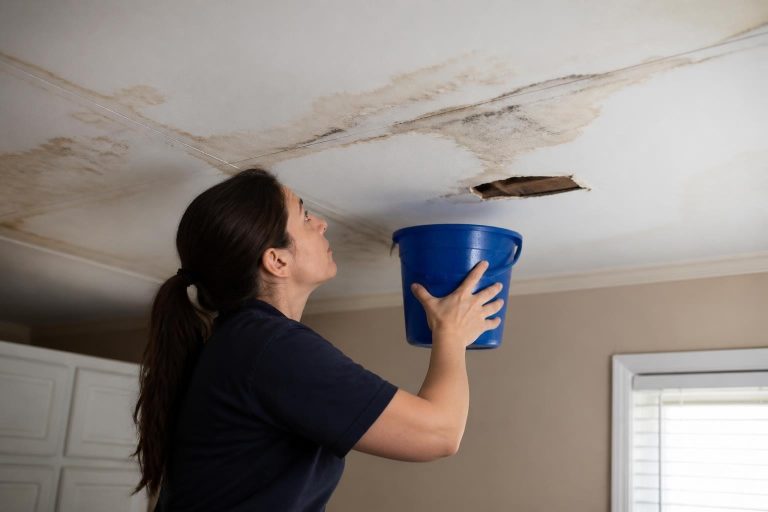
Commercial buildings cannot afford extended downtime from roof failures. When searching for commercial roofing services near me during an emergency, response time becomes the critical factor.
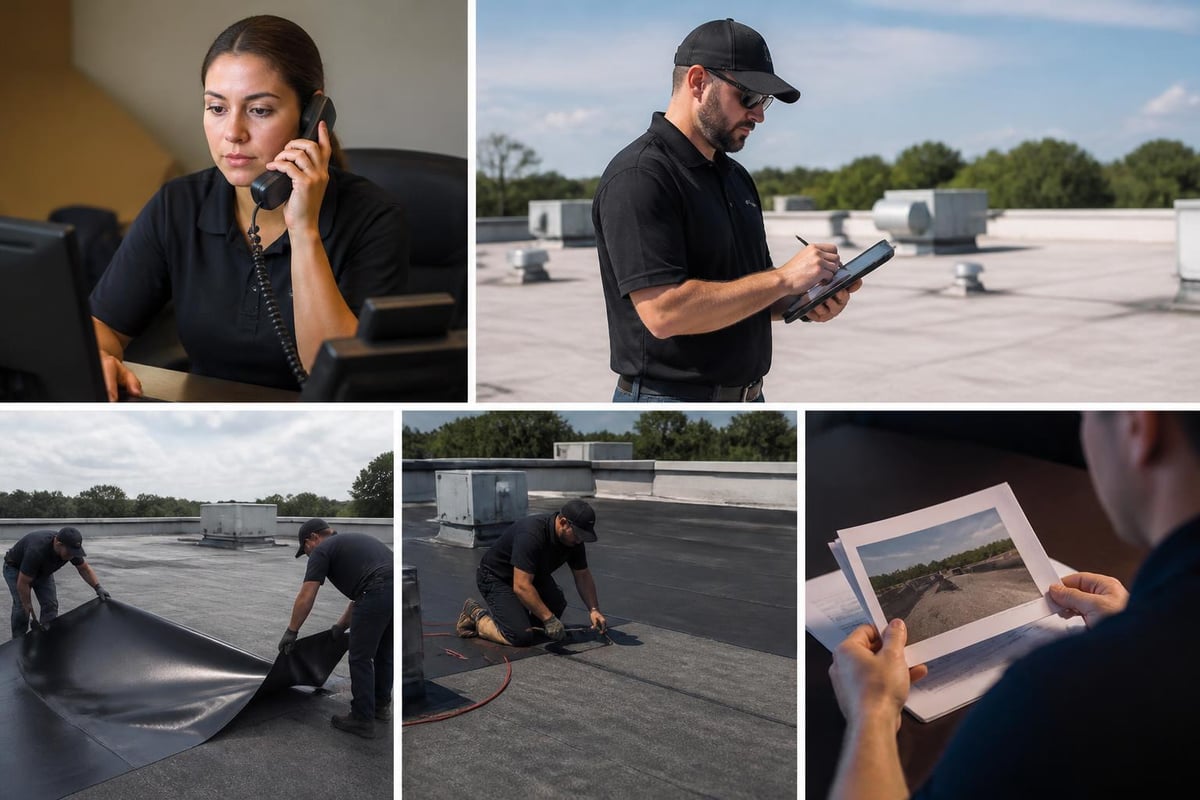
Same-day response capabilities separate exceptional contractors from average providers. Emergency services should include temporary waterproofing, damage assessment, and immediate repairs to protect building contents and maintain operations. The best practices for commercial roofing installations emphasize the importance of proper emergency protocols to minimize business interruption.
Evaluating Local Commercial Roofing Contractors
The proximity advantage of local contractors extends beyond geography. Established regional contractors understand local building codes, weather patterns, and permitting requirements that impact every commercial roofing project.
Licensing and Insurance Verification
Never assume credentials are current. Request documented proof of licensing, general liability insurance, and workers' compensation coverage before any work begins.
| Credential Type | Minimum Coverage | Verification Method |
|---|---|---|
| General Liability | $2 million aggregate | Direct insurer contact |
| Workers' Compensation | State-required limits | Certificate of Insurance |
| Contractor License | State/local current | State licensing board |
| Bonding | Project-specific | Bonding company verification |
In-house crews versus subcontracted labor significantly affects quality control and accountability. Contractors employing their own insured teams maintain consistent standards and clearer communication throughout projects.
Response Time and Service Area
Geographic coverage determines how quickly contractors can respond to emergencies and conduct follow-up inspections. When evaluating commercial roofing services near me, clarify exact service territories and typical response windows.
Legitimate local contractors should arrive for emergency situations within hours, not days. For routine services, scheduling flexibility demonstrates adequate crew capacity and organizational efficiency. Companies stretched too thin across excessive territories often sacrifice response quality for geographic reach.
Commercial Roofing Systems and Material Options
Different commercial buildings require different roofing systems based on structure, use, and climate conditions. Understanding these commercial roofing systems helps property managers make informed decisions when consulting with contractors.
Flat and Low-Slope Roofing
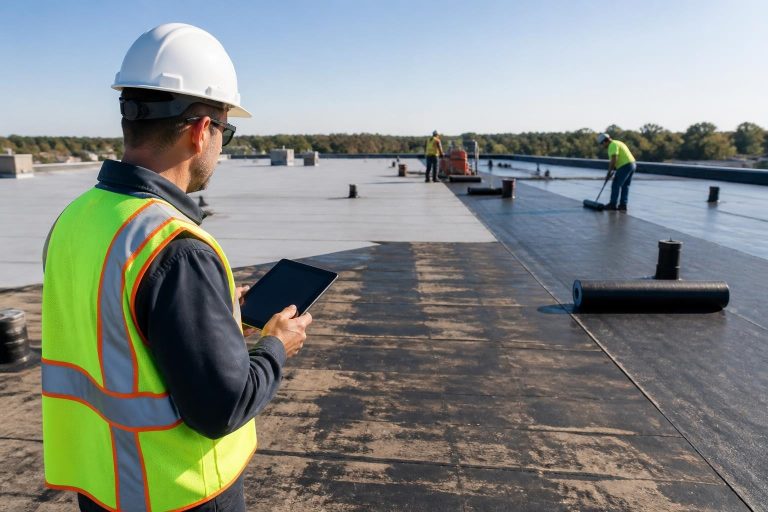
Most commercial buildings utilize flat or low-slope roofing systems that demand specialized installation expertise. These systems require precise attention to drainage, membrane seams, and flashing details.
TPO (Thermoplastic Polyolefin) roofing offers excellent UV resistance and heat-reflective properties that reduce cooling costs. White TPO membranes are particularly popular in warmer climates where energy efficiency drives material selection.
EPDM (Ethylene Propylene Diene Monomer) provides exceptional durability and weather resistance at competitive pricing. This rubber roofing material performs reliably across diverse climate conditions and building types.
Modified Bitumen systems combine traditional built-up roofing benefits with modern polymer technology. Multiple installation methods accommodate various building requirements and contractor preferences.
Metal Roofing Solutions
Metal roofing systems deliver longevity and minimal maintenance for warehouses, manufacturing facilities, and retail centers. Standing seam metal roofs provide superior weather protection and can accommodate rooftop equipment installations effectively.
Property managers should verify that contractors possess specific experience with their building's roofing system type. Generic commercial roofing experience does not guarantee expertise with specialized materials or installation methods. For instance, industrial roofing projects often require knowledge of large-scale installations and structural considerations that differ significantly from standard commercial applications.
Insurance Claims and Documentation Support
Storm damage and unexpected failures often necessitate insurance claims that require professional documentation and advocacy. The most valuable commercial roofing services near me include comprehensive insurance support that supporting your insurance claim with thorough documentation outcomes while minimizing property owner stress.
Damage Assessment and Reporting
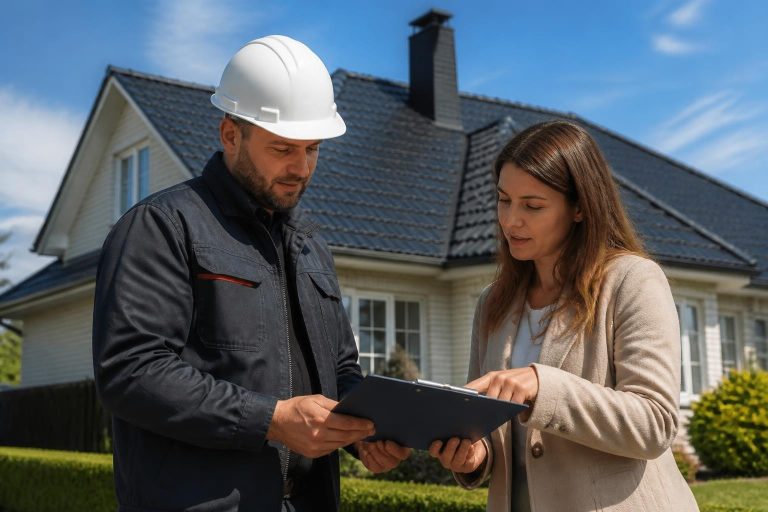
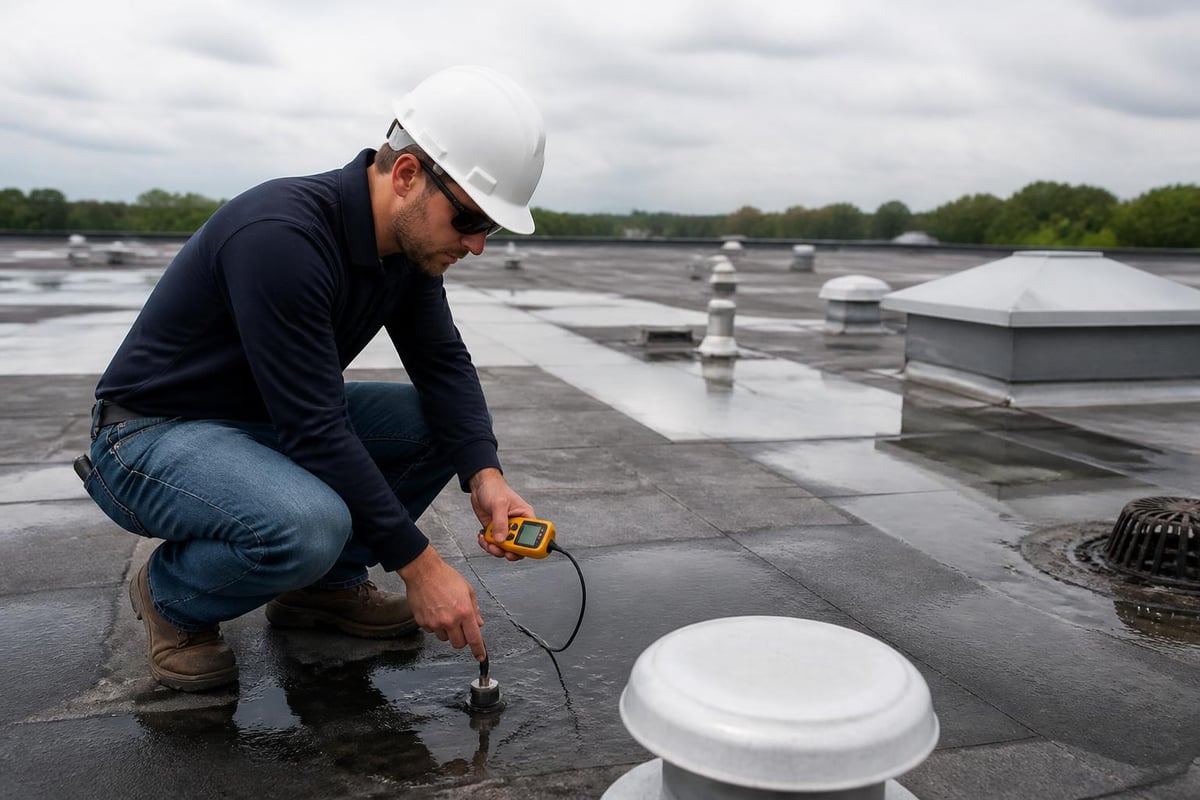
Professional contractors document damage thoroughly using detailed photography, moisture detection equipment, and comprehensive written reports. This documentation establishes claim validity and supports appropriate settlement amounts.
Experienced contractors understand what insurance adjusters need to see and how to present damage effectively. They identify all eligible damage, not just obvious failures, ensuring property owners receive full compensation for necessary repairs.
Adjuster Coordination
Direct communication between contractors and insurance adjusters streamlines the claims process significantly. Contractors should attend adjuster inspections, explain technical aspects of damage and repairs, and negotiate scope disagreements professionally.
Property managers benefit when contractors handle claim complexities, allowing them to focus on business operations rather than insurance procedures. Understanding insurance claims for roof damage demonstrates a contractor's commitment to comprehensive client support beyond basic installation and repair services.
Quality Indicators and Red Flags
Distinguishing exceptional contractors from problematic ones requires attention to specific quality indicators and awareness of common warning signs.
Transparent Pricing and Detailed Scoping
Legitimate contractors provide itemized proposals that clearly explain material specifications, labor components, disposal costs, and warranty terms. Vague estimates or pressure to sign immediately signal potential problems.
Detailed scopes should include:
- Specific material brands and grades
- Square footage calculations with methodology
- Labor hour estimates and crew size
- Timeline with milestone dates
- Payment schedule tied to completion stages
- Warranty coverage details and exclusions
Contractors who cannot or will not explain their pricing lack either expertise or transparency. Both qualities are essential for successful commercial roofing projects.
Warranty Coverage Comparison
Manufacturer material warranties differ significantly from contractor labor warranties. Property managers should understand both types and verify coverage terms before selecting contractors.
| Warranty Type | Typical Duration | Coverage Scope | Transferability |
|---|---|---|---|
| Material | 10-30 years | Manufacturing defects only | Usually yes |
| Labor | 1-10 years | Installation workmanship | Varies by contractor |
| System | 10-20 years | Materials and installation | Contractor-specific |
Five-year labor warranties represent industry-standard minimum coverage from quality contractors. Shorter warranties or warranty absence indicates either inexperience or unwillingness to stand behind work quality. Resources like the commercial roofing services overview provide additional context on industry standards and expectations.
Inspection Services and Preventive Strategies
Regular professional inspections identify developing problems before they cause operational disruptions or extensive damage. When searching for commercial roofing services near me, prioritize contractors offering comprehensive inspection programs as part of their service portfolio.
Seasonal Inspection Scheduling
Climate-specific inspection timing maximizes preventive value. Pre-winter inspections in northern regions identify vulnerabilities before freeze-thaw cycles cause damage, while pre-storm season inspections in coastal areas prepare roofs for hurricane and tropical storm impacts.
Spring inspections assess winter damage and prepare cooling systems for summer demands. Fall inspections clear debris and verify drainage before rainy seasons. Contractors familiar with regional weather patterns schedule inspections strategically rather than arbitrarily.
Technology-Enhanced Assessments
Modern inspection technology provides insights impossible through visual examination alone. Infrared thermography detects hidden moisture within roofing assemblies, identifying leaks before interior damage becomes visible.
Drone photography documents large roof areas efficiently and safely, capturing high-resolution imagery that reveals membrane deterioration, ponding water, and equipment placement issues. Contractors investing in advanced inspection technology demonstrate commitment to thorough, accurate assessments.
Project Management and Communication Standards
Commercial roofing projects impact building operations, tenant satisfaction, and property values. Professional project management minimizes disruptions while maintaining quality and schedule adherence.
Job Site Cleanliness and Safety
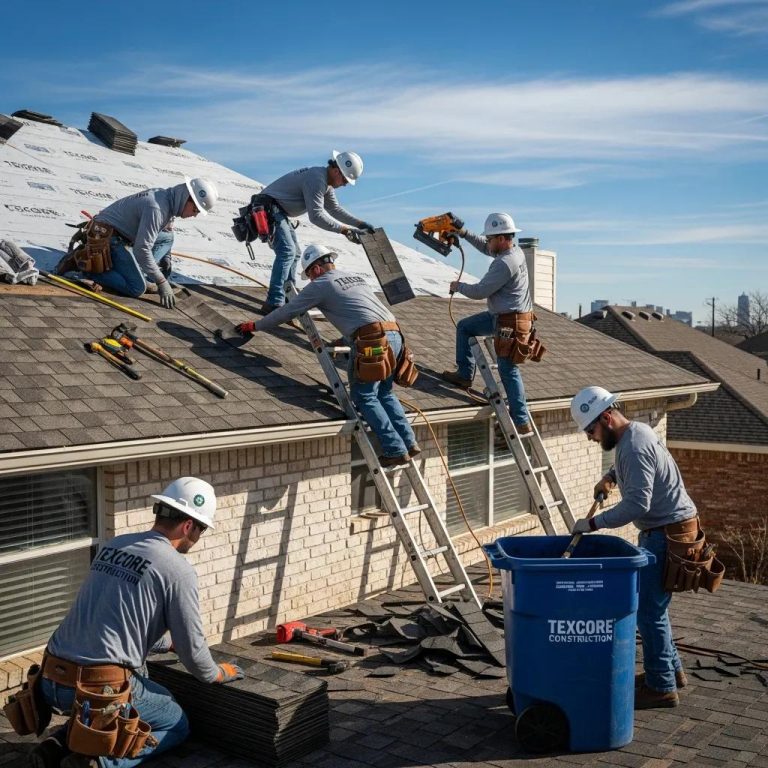
Daily cleanup protects property appearance and prevents accidents from construction debris. Contractors should remove all materials, tools, and waste at project completion, leaving properties cleaner than found.
Safety protocols protect workers, building occupants, and property. Proper equipment, fall protection systems, and OSHA compliance demonstrate professionalism and reduce liability exposure for property owners.
Progress Communication Protocols
Regular updates keep property managers informed without requiring constant monitoring. Contractors should establish communication preferences upfront and honor them consistently throughout projects.
- Daily text updates for active projects
- Weekly email summaries with photo documentation
- Immediate notification of unexpected conditions
- Schedule change alerts with revised timelines
- Completion confirmation with warranty documentation
Transparent communication builds trust and prevents misunderstandings that damage contractor-client relationships. Property managers should expect responsiveness and clarity from professional commercial roofing services near me.
Specialized Commercial Applications
Different commercial property types present unique roofing challenges requiring specialized expertise and approach adaptation.
Multi-Tenant Retail Centers
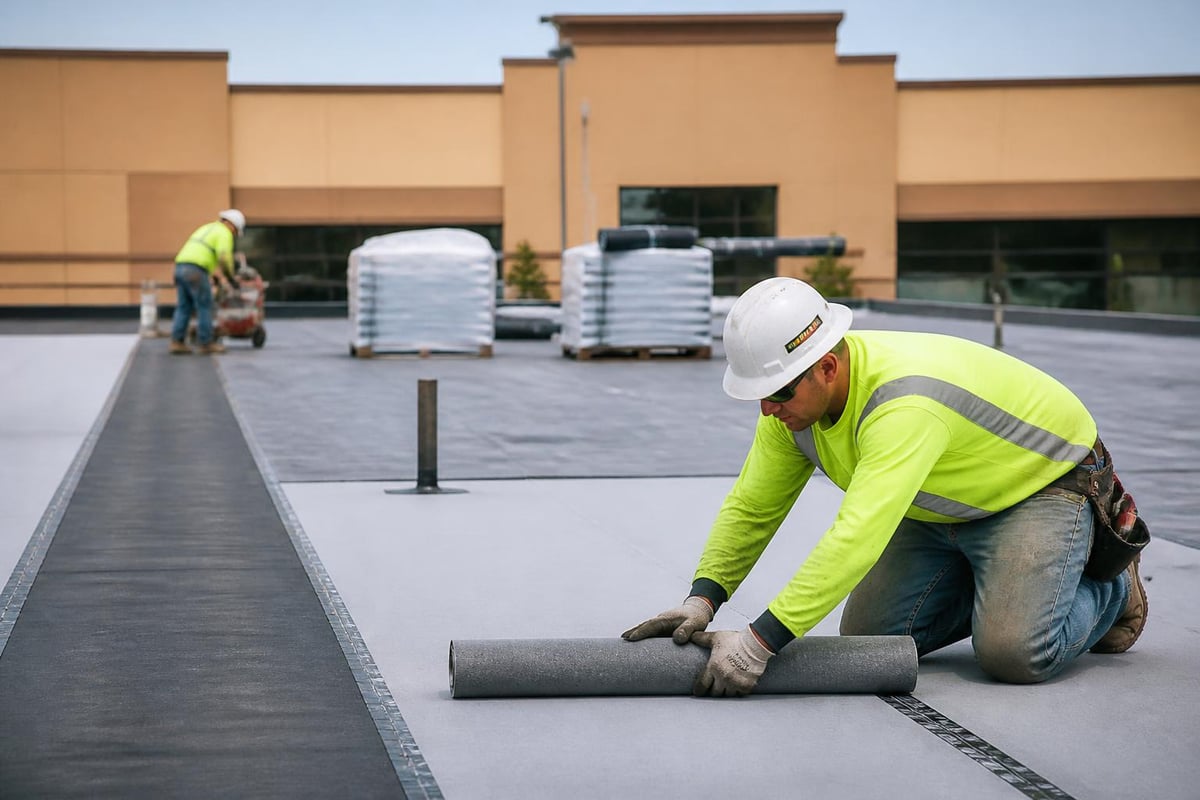
Shopping centers demand minimal tenant disruption during roofing work. Phased installation approaches maintain store access and parking availability throughout projects. Night and weekend scheduling accommodates business operations while meeting project timelines.
Contractors must coordinate with multiple stakeholders, communicate schedule impacts clearly, and adapt workflows to minimize customer and tenant inconveniences. This complexity requires organizational sophistication beyond basic technical roofing skills.
Industrial and Warehouse Facilities
Large-scale industrial buildings often feature expansive flat roofs supporting heavy equipment installations. Industrial roof replacement projects require structural awareness, equipment relocation planning, and specialized material handling capabilities.
Warehouse operations cannot pause for roofing work in many cases. Contractors must section projects strategically, maintaining facility functionality while executing comprehensive roof replacements or repairs. This operational awareness separates industrial roofing specialists from general commercial contractors.
Office Buildings and Medical Facilities
Climate-controlled environments require careful attention to building envelope integrity during roofing projects. Contractors must prevent interior temperature fluctuations, moisture intrusion, and air quality impacts that affect occupant comfort and operational compliance.
Medical facilities face additional regulatory considerations around infection control and operational continuity. Contractors serving healthcare properties need specialized protocols addressing these unique requirements beyond standard commercial roofing practices.
Regional Expertise and Local Market Knowledge
Contractors deeply familiar with specific geographic markets provide advantages beyond basic proximity. Local expertise encompasses building code variations, permit processes, inspection requirements, and seasonal weather considerations affecting project planning and execution.
Fort Worth commercial properties face specific challenges from severe thunderstorms, hail events, and temperature extremes that demand region-appropriate material selection and installation techniques. Contractors without local experience may apply inappropriate methods or materials that perform poorly under regional conditions.
Established relationships with local building departments, inspectors, and suppliers enable smoother project execution and faster issue resolution when challenges arise. These connections represent genuine value that distant contractors cannot replicate regardless of technical capabilities.
Making the Final Selection Decision
After evaluating credentials, services, and contractor capabilities, property managers must make confident selection decisions balancing multiple factors. Price alone rarely indicates value, especially when comparing vastly different service levels and warranty coverage.
Proposal Comparison Framework
Create standardized comparison matrices evaluating all qualified bidders across consistent criteria. This approach prevents emotional decisions and highlights genuine value differences between contractors.
Critical comparison factors include:
- Total project cost with itemized breakdowns
- Material specifications and manufacturer warranties
- Labor warranty duration and transferability
- Project timeline with milestone commitments
- Insurance coverage and license verification
- Reference quality and project similarity
- Communication responsiveness during bidding
- Emergency service availability post-installation
Lowest bids often reflect reduced material quality, shorter warranties, or inexperienced crews that create long-term problems exceeding initial cost savings. Highest bids do not guarantee superior quality either. Value emerges from the optimal balance of expertise, materials, service, and fair pricing.
Reference Verification Best Practices
Request references from projects similar in scope, building type, and complexity to your specific needs. Generic references provide limited insight into contractor capabilities relevant to your project requirements.
Contact references directly rather than relying on provided testimonials. Ask specific questions about communication quality, schedule adherence, problem-solving approach, and post-completion responsiveness. These conversations reveal contractor character and reliability more accurately than marketing materials.
Selecting qualified commercial roofing services near me requires thorough evaluation of credentials, experience, service offerings, and regional expertise that extends beyond simple proximity. Property managers who invest time in proper contractor vetting protect their buildings, budgets, and operational continuity through informed decisions based on comprehensive criteria rather than price alone. When you need dependable commercial roofing expertise backed by in-house crews, transparent communication, and a five-year labor warranty, Texcore Construction delivers the speed, accountability, and craftsmanship Fort Worth property managers trust for everything from emergency leak repairs to complete commercial reroofing projects.