
Repair Roof Leak Near Me: Professional Solutions
When water stains appear on your ceiling or drips interrupt your workday, the search for "repair roof leak near me" becomes urgent. A roof leak represents more than an inconvenience; it signals potential structural damage, compromised insulation, and escalating repair costs if left unaddressed. Understanding how to identify qualified roofing contractors, recognize red flags, and make informed decisions separates property owners who resolve leaks efficiently from those who face recurring problems and inflated expenses.
Understanding Roof Leak Urgency and Assessment
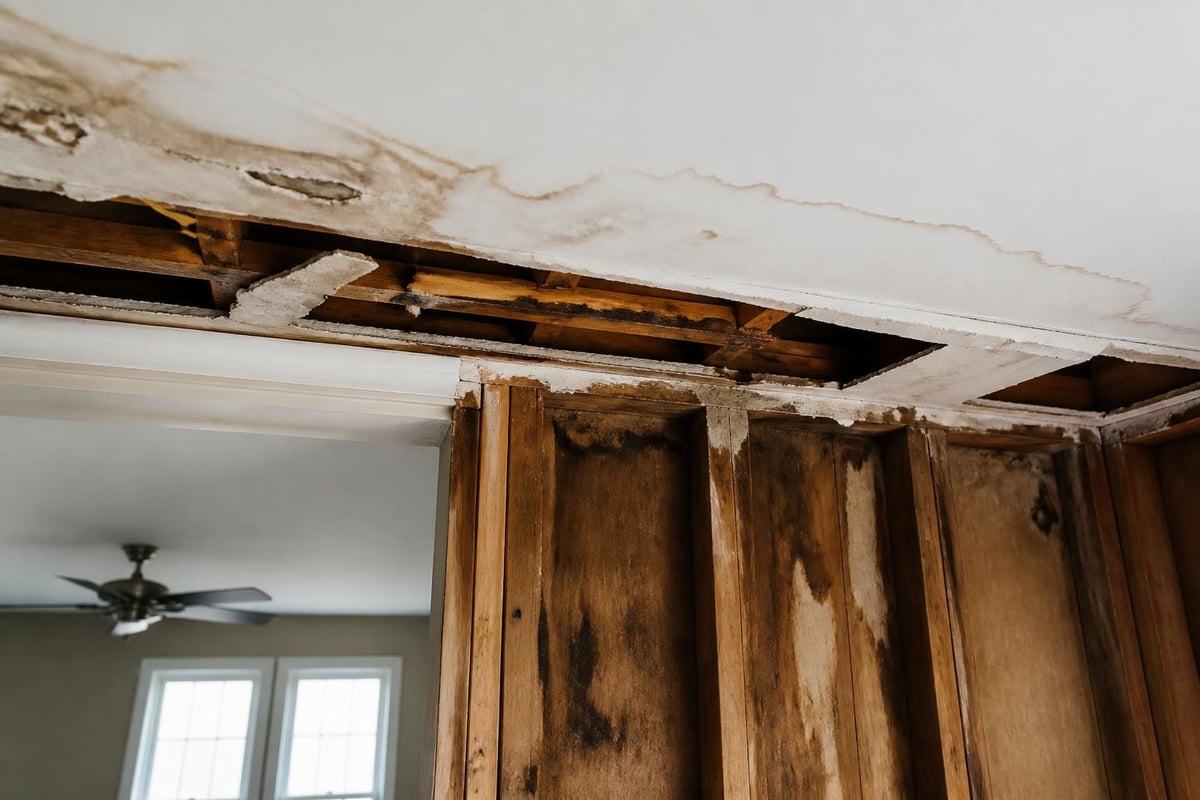
Roof leaks rarely announce themselves until significant damage has occurred. The visible water stain on your ceiling represents only a fraction of the problem. Water travels along rafters, soaks insulation, and creates conditions for mold growth long before you notice interior signs. Time matters critically when addressing roof leaks because every hour of delay allows additional water intrusion and compounding damage.
The Hidden Path of Water Intrusion
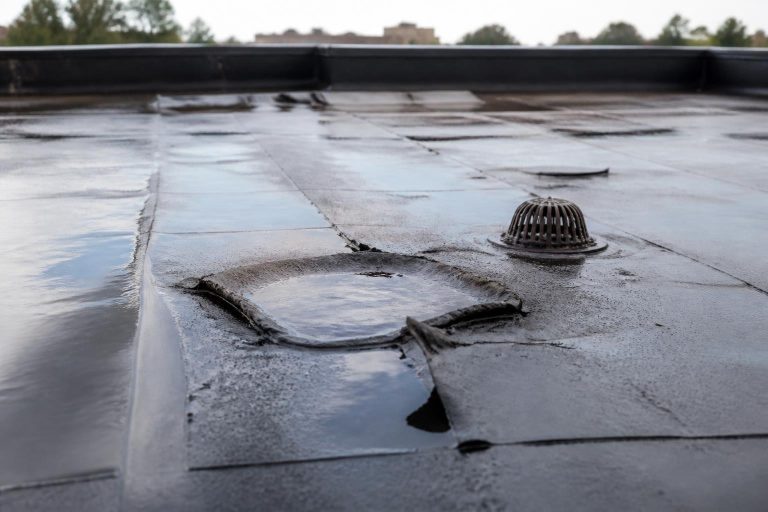
Water entering through a compromised roof follows gravity and structural pathways that complicate source identification. A leak visible in your south-facing room may originate from damaged flashing on the north side of the building. This disconnect between entry point and visible damage explains why accurate leak detection requires systematic inspection methods rather than guesswork.
Professional contractors understand these water migration patterns and use proven techniques to trace leaks to their source. They examine roof penetrations, valley intersections, flashing transitions, and membrane seams where failures most commonly occur. In-house crews with direct accountability deliver more reliable diagnostics than subcontracted teams unfamiliar with local weather patterns and building codes.
Evaluating Local Roofing Contractors
When searching to repair roof leak near me, the contractors who appear first in search results or promise the lowest prices often present the highest risk. Property owners need specific criteria to separate qualified professionals from opportunistic operators who disappear after deposits are collected.
Critical Qualification Markers
Legitimate roofing companies demonstrate their credibility through verifiable business practices and transparent operations. Texas does not license roofers at the state level, making manufacturer certifications the primary quality indicator. Contractors certified by major roofing material manufacturers have met training requirements, maintain insurance standards, and commit to installation specifications that protect warranty coverage.
| Qualification Factor | What to Verify | Red Flags |
|---|---|---|
| Business Documentation | Physical address, established history | PO box only, no local presence |
| Insurance Coverage | General liability, workers compensation | Expired certificates, insufficient limits |
| Work Performance | In-house crews, direct supervision | Subcontractor reliance, crew turnover |
| Documentation Practices | Written estimates, scope clarity | Verbal-only quotes, vague descriptions |
| Warranty Terms | Labor warranty duration, transferability | No written warranty, unrealistic guarantees |
Direct communication with the contractor who will perform your work distinguishes professional operations from referral services or lead generators. Companies that employ their own crews maintain quality control, ensure consistent safety standards, and remain accountable throughout project duration and warranty periods.
Same-Day Response Capabilities
Roof leaks demand immediate attention, particularly during active weather events. Contractors offering same-day response demonstrate operational readiness that casual operators cannot match. This capability requires:
- Adequate crew availability and scheduling flexibility
- Stocked inventory of common repair materials
- Established protocols for emergency assessments
- Clear communication systems for rapid deployment
Property managers and commercial building owners particularly benefit from contractors who prioritize emergency response. A warehouse experiencing active leaks during business hours cannot wait three days for an initial assessment. Emergency roof repair services become essential for minimizing business interruption and protecting inventory.
Common Roof Leak Causes and Solutions
Understanding typical failure patterns helps property owners recognize legitimate repair recommendations versus unnecessary upselling. Roofing systems fail through predictable mechanisms related to material age, installation quality, weather exposure, and maintenance neglect.
Flashing Failures
Flashing failures account for the majority of roof leaks, yet many contractors immediately recommend full roof replacement rather than targeted repairs. Properly installed flashing creates watertight transitions where roof planes intersect, around penetrations, and at termination points. Metal flashing deteriorates through rust, loosens from thermal cycling, or fails when improperly installed.
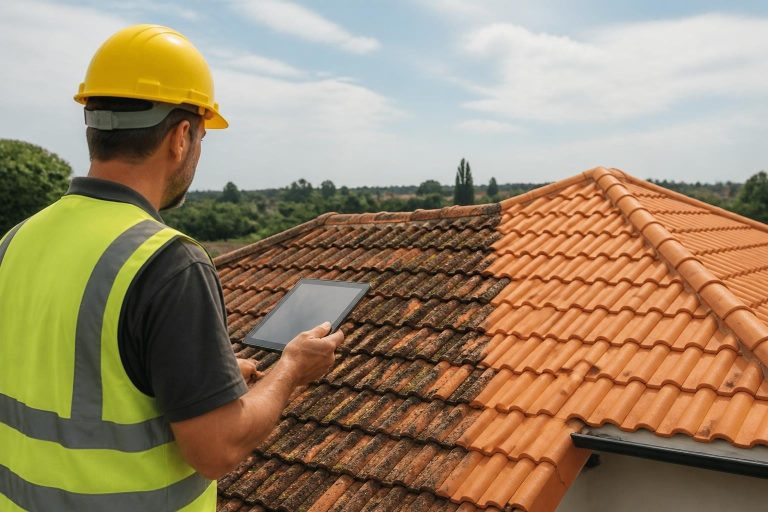
Competent contractors assess whether flashing repairs adequately address the leak or whether surrounding roof conditions warrant broader intervention. This evaluation requires climbing onto the roof, examining multiple areas, and providing honest recommendations based on observable conditions rather than profit maximization.
Storm and Hail Impact Damage
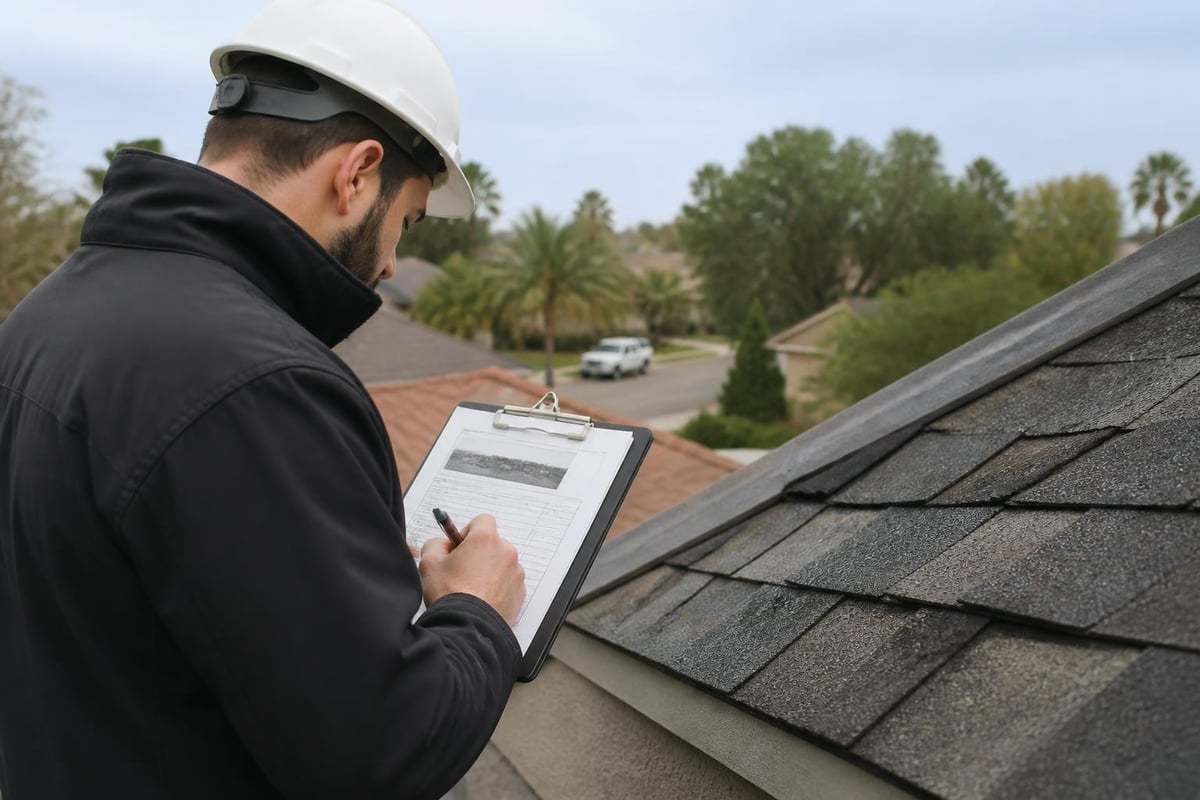
Fort Worth's weather patterns deliver severe thunderstorms, high winds, and hail events that compromise roofing integrity. Storm damage assessment requires documentation precision that supports accurate repair scoping and helps property owners understand damage extent.
Professional documentation includes:
- Comprehensive photographic records with scale references
- Measurement of hail impact diameter and density
- Assessment of granule loss patterns on shingles
- Evaluation of wind-lifted materials and fastener failures
- Inspection of related building components (gutters, vents, flashing)
Contractors who provide this thorough documentation empower property owners with clear information for decision-making. They create inspection reports detailing findings without making claims about insurance coverage or guaranteed approvals.
The True Cost of Delay
Postponing roof leak repairs generates exponential cost increases as secondary damage compounds. What begins as a minor flashing issue requiring a few hundred dollars in targeted repairs escalates into multi-thousand dollar restoration projects when water saturates decking, ruins insulation, and promotes structural deterioration.
Cascading Damage Patterns
Water intrusion creates a domino effect of building component failures. Saturated insulation loses R-value permanently, requiring removal and replacement rather than simple drying. Wet roof decking develops rot that spreads to adjacent structural members. Mold colonization begins within 24-48 hours of water exposure in conducive conditions, creating health concerns and remediation requirements far exceeding initial repair costs.
Commercial property owners face additional considerations including:
- Business interruption losses during extended repairs
- Inventory damage from water exposure or humidity
- Tenant displacement and lease obligation complications
- Code compliance requirements for restoration work
- Increased insurance premiums following claim events
Seasonal Timing Considerations
Fort Worth's climate creates distinct seasonal windows for roof work. Summer heat makes roof surfaces dangerously hot and accelerates material degradation during installation. Winter freezing compromises adhesive activation and sealant performance. Spring and fall provide optimal conditions, but these seasons also experience highest contractor demand following storm seasons.
Property owners who address leaks immediately secure scheduling flexibility and avoid the rush periods when qualified contractors book weeks in advance. Understanding professional roofing project timing helps set realistic expectations for repair completion.
Documentation and Decision-Making
Searching to repair roof leak near me produces contractors with varying approaches to estimates, proposals, and project documentation. Professional contractors provide comprehensive written documentation that supports informed decision-making and establishes clear expectations.
What Complete Documentation Includes
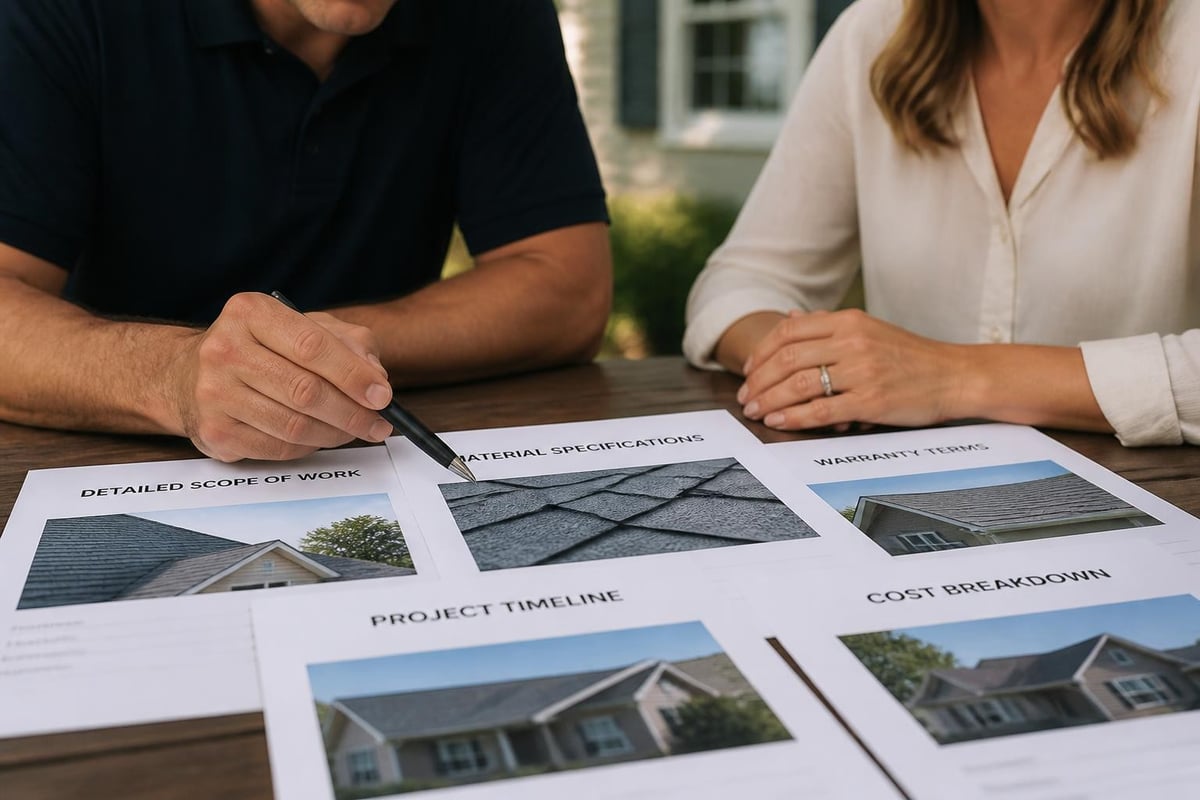
Thorough roofing proposals eliminate ambiguity and protect both property owner and contractor interests. Complete documentation specifies:
- Detailed scope of work describing each repair task and methodology
- Material specifications including manufacturer, product line, and warranty terms
- Labor warranty coverage with duration, transferability, and exclusions
- Project timeline with start date, duration, and completion milestones
- Payment structure with deposit amount, progress payments, and final payment terms
- Site protection measures for landscaping, HVAC equipment, and building access
- Cleanup procedures and debris removal responsibilities
Contractors who provide this level of detail demonstrate professionalism and accountability. Those offering verbal-only estimates or single-page quotes with minimal information raise serious concerns about work quality and warranty enforceability.
The Value of Accurate Scoping
Accurate scopes of work prevent the "surprise" additional costs that plague roofing projects. Professional contractors conduct systematic inspections that identify all necessary repairs before providing estimates. This approach contrasts sharply with low-ball estimates that multiply through change orders once work begins.
Property owners should expect contractors to physically inspect their roof before providing repair quotes. Estimates generated from ground-level observations or over-the-phone descriptions lack the precision necessary for accurate budgeting and planning.
Material Selection and Repair Methodology
The materials and methods used for roof leak repairs directly impact repair longevity and overall roof system performance. Professional contractors match repair materials to existing roof systems and follow manufacturer specifications that preserve warranty coverage.
Compatibility Matters
Using incompatible materials creates new problems while attempting to solve existing ones. Asphalt-based sealants applied to EPDM rubber roofing systems cause membrane degradation. Incorrect flashing metals introduce galvanic corrosion. Repair materials must chemically and mechanically integrate with existing roof assemblies to provide durable, long-term performance.
Qualified contractors maintain relationships with material suppliers and stay current on product specifications, application requirements, and warranty conditions. They select repair materials based on technical compatibility rather than lowest cost or immediate availability.
Temporary Versus Permanent Solutions
Some roof leak situations require immediate temporary stabilization followed by permanent repairs when conditions allow. Severe storms striking late on Friday afternoon necessitate emergency tarping to prevent additional water intrusion over the weekend. Systematic repair approaches then address underlying damage once materials arrive and weather permits proper installation.
Property owners should understand which repairs represent permanent solutions versus temporary measures requiring follow-up work. Transparent contractors clearly communicate these distinctions rather than presenting temporary patches as complete repairs.
In-House Crews Versus Subcontractor Models
The business model contractors use fundamentally affects work quality, communication, accountability, and project outcomes. Companies employing in-house crews deliver consistently superior results compared to those relying on subcontracted labor.
Direct Control and Accountability
In-house crews work under direct company supervision with established quality standards, safety protocols, and performance expectations. These employees receive ongoing training, understand company standards, and maintain accountability to their employer for work quality. When problems arise, in-house crews return promptly because the company's reputation depends on customer satisfaction.
Subcontractor models introduce multiple disconnects between property owner and the workers performing repairs. General contractors hiring subcontractors create layers of communication breakdown, diluted quality control, and fractured accountability. The "roofing company" answering your call may never visit your property, instead dispatching whatever crew currently has availability regardless of qualifications.
| Business Model | Quality Control | Communication | Accountability | Consistency |
|---|---|---|---|---|
| In-House Crews | Direct supervision, company standards | Single point of contact | Company directly responsible | Uniform quality across projects |
| Subcontractor Model | Limited oversight, variable standards | Multiple handoffs | Diffused responsibility | Inconsistent quality, crew-dependent |
Job Site Management Standards
Professional roofing companies maintain clean, safe, organized job sites that respect property owner needs and neighborhood standards. This attention to detail extends beyond the roof itself to include:
- Daily debris cleanup and material organization
- Protection of landscaping, vehicles, and building features
- Magnetic sweeps for nail and fastener collection
- Dumpster placement and waste management
- Parking considerations and access coordination
These job site practices reflect overall company professionalism and predict the care taken with actual roofing work.
Regional Weather Considerations for Fort Worth Properties
Fort Worth's climate presents specific challenges for roofing systems that inform both leak causes and repair approaches. Understanding regional weather patterns helps property owners recognize legitimate repair recommendations.
Heat and UV Exposure
Intense summer heat and prolonged UV exposure accelerate asphalt shingle aging in Fort Worth. Granule loss, thermal cycling, and material brittleness develop faster than in northern climates. These conditions make Fort Worth roofs more susceptible to wind uplift, hail damage, and premature failure.
Contractors familiar with local conditions anticipate these failure patterns and recommend appropriate repair materials designed for high-heat environments. They understand that generic "national" repair approaches require modification for Texas climate realities.
Storm Severity and Frequency
Fort Worth sits in an active severe weather corridor experiencing:
- Frequent large hail events from spring through early summer
- Damaging straight-line winds associated with thunderstorm complexes
- Occasional tornado activity requiring comprehensive damage assessment
- Flash flooding that tests roof drainage system capacity
Property owners should expect contractors to understand storm damage patterns specific to this region and provide detailed damage documentation that accurately represents weather-related failures.
Long-Term Performance and Warranty Coverage
Quality roof leak repairs should deliver years of reliable performance backed by meaningful warranty coverage. Understanding warranty terms and conditions prevents disappointment when coverage disputes arise.
Labor Warranty Significance
Material warranties provided by manufacturers receive significant attention, but labor warranties often matter more for leak repair outcomes. Improper installation of perfect materials still produces failures, and manufacturer warranties specifically exclude installation defects.
Five-year labor warranties represent industry-leading coverage that demonstrates contractor confidence in workmanship quality. Shorter warranty periods or warranty exclusions signal potential quality concerns. Property owners should review labor warranty terms carefully, noting:
- Warranty duration from project completion
- Specific items covered versus excluded
- Transferability to subsequent property owners
- Claim process and response timeline requirements
- Prorated versus non-prorated coverage
Performance Expectations
Properly repaired roofs should perform flawlessly throughout their expected service life without recurring leaks at repair locations. Property owners experiencing repeat failures at recently repaired areas should question contractor competence and demand resolution under warranty coverage.
Legitimate contractors stand behind their work and address warranty claims promptly. Those who become difficult to contact after project completion or dispute obvious failures reveal their true business character.
Making the Final Selection
After gathering estimates, checking credentials, and evaluating contractors, property owners face the final selection decision. The lowest bid rarely represents the best value when considering long-term performance, warranty coverage, and completion quality.
Red Flags That Demand Rejection
Certain contractor behaviors and business practices automatically disqualify consideration regardless of quoted price:
- Requesting full payment upfront before work begins
- Offering to "cover your deductible" or guarantee claim approval
- Providing only verbal estimates without written documentation
- Pressuring immediate signing with limited-time discount offers
- Unable to provide current insurance certificates
- No physical business address or established local presence
- Recent business formation immediately following storm events
These warning signs indicate potential fraud, poor business practices, or inadequate operational capability. Comprehensive evaluation processes help property owners avoid these problematic contractors.
Value Beyond Price
The contractor offering mid-range pricing with superior credentials, comprehensive documentation, in-house crews, and extensive warranty coverage delivers substantially better value than the cheapest option. Roof repairs represent long-term investments in property protection. Saving a few hundred dollars on repairs creates exposure to thousands in additional costs when inferior work fails prematurely.
Property owners should evaluate total value including:
- Contractor responsiveness and communication quality
- Crew qualifications and direct employment status
- Documentation thoroughness and transparency
- Warranty coverage scope and duration
- Company longevity and local reputation
- References from similar property types
Working With Commercial Property Considerations
Commercial property owners and managers face unique requirements when searching to repair roof leak near me. Business interruption, tenant obligations, code compliance, and stakeholder communication add complexity beyond residential repair projects.
Minimizing Business Impact
Commercial roof repairs must accommodate ongoing business operations whenever possible. Contractors experienced with commercial work understand these requirements and develop work schedules that minimize disruption. This might include:
- Weekend or after-hours work scheduling
- Phased repair approaches maintaining facility access
- Coordination with security and building management
- Communication plans for tenants and customers
- Temporary protective measures during multi-day projects
The ability to complete repairs without forcing business closure often justifies higher contractor rates through avoided revenue losses.
Documentation for Stakeholders
Property managers answering to ownership groups or boards require detailed documentation supporting repair recommendations and expenditure justification. Professional contractors provide comprehensive reports that facilitate these approvals and demonstrate due diligence.
This documentation level exceeds typical residential requirements and represents another differentiator between contractors truly equipped for commercial work versus those primarily serving homeowners.
Quality Indicators During Project Execution
Once repairs begin, property owners should monitor work progress for quality indicators and professional execution. Even thoroughly vetted contractors deserve oversight to ensure delivery matches promises.
Communication and Transparency
Professional contractors maintain regular communication throughout repair duration. They notify property owners of schedule changes, unexpected findings requiring scope adjustments, and completion milestones. Project managers should be accessible for questions and concerns without creating communication barriers.
Daily updates may be excessive for routine repairs, but property owners should never wonder about project status or struggle to reach their contractor for legitimate inquiries.
Site Conditions and Safety
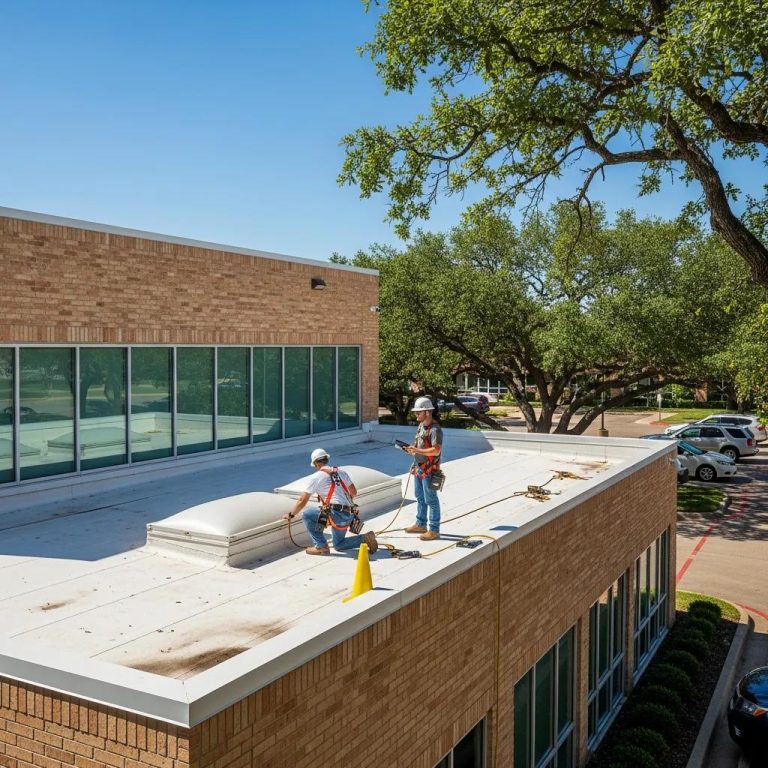
Active job sites should reflect organized, safety-conscious operations. Properly staged materials, appropriate fall protection equipment, clean work areas, and professional crew behavior indicate overall quality consciousness. Chaotic job sites with scattered materials, unsafe practices, and unprofessional conduct predict final work quality.
Property owners uncomfortable with job site conditions should address concerns immediately with the contractor rather than hoping problems self-correct.
Finding qualified help to repair roof leak near me requires evaluation beyond search result rankings and advertised prices, focusing instead on verifiable credentials, transparent documentation, and proven performance capabilities. Property owners who invest time in contractor vetting avoid the recurring problems and inflated costs that plague hastily arranged repairs. When you need dependable roof leak repairs backed by in-house crews, comprehensive documentation, and five-year labor warranties, Texcore Construction delivers the accountability and craftsmanship Fort Worth property owners require for long-term roof performance and peace of mind.