
Roof Retile: Complete Guide to Replacement and Costs
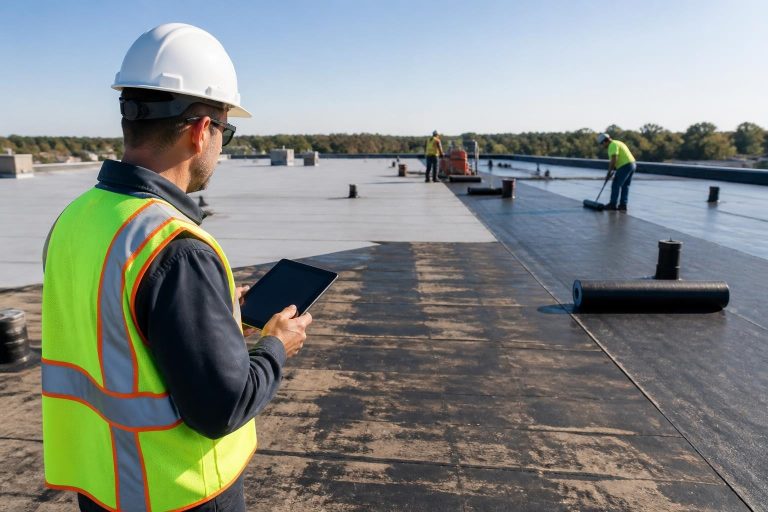
A roof retile represents one of the most significant investments in maintaining and protecting a property. Whether you manage a commercial building, warehouse, or residential property, understanding when to retile, how to budget for the project, and what materials offer the best long-term value determines the success of this major undertaking. The decision to pursue a complete roof retile involves careful assessment of current roof condition, material performance, structural integrity, and cost considerations that extend far beyond simple square footage calculations.
Recognizing When Your Property Needs a Roof Retile
The timing of a roof retile project dramatically impacts both cost and property protection. Waiting too long risks interior damage, structural compromise, and emergency situations that multiply expenses. Acting too early wastes capital on unnecessary replacement.
Age alone does not determine retiling necessity. A twenty-year-old roof in excellent condition with proper maintenance may outperform a fifteen-year-old roof that has suffered repeated storm damage or installation defects. However, most roofing materials carry expected service lives that provide general guidance.
Material-Specific Lifespan Indicators
Different roofing materials reach end-of-service at varying rates:
- Asphalt shingles: 15-30 years depending on quality and climate exposure
- Clay tiles: 50-100 years with proper installation and maintenance
- Concrete tiles: 30-50 years before material degradation becomes significant
- Metal roofing: 40-70 years for quality installations
- Slate: 75-150 years for natural stone products
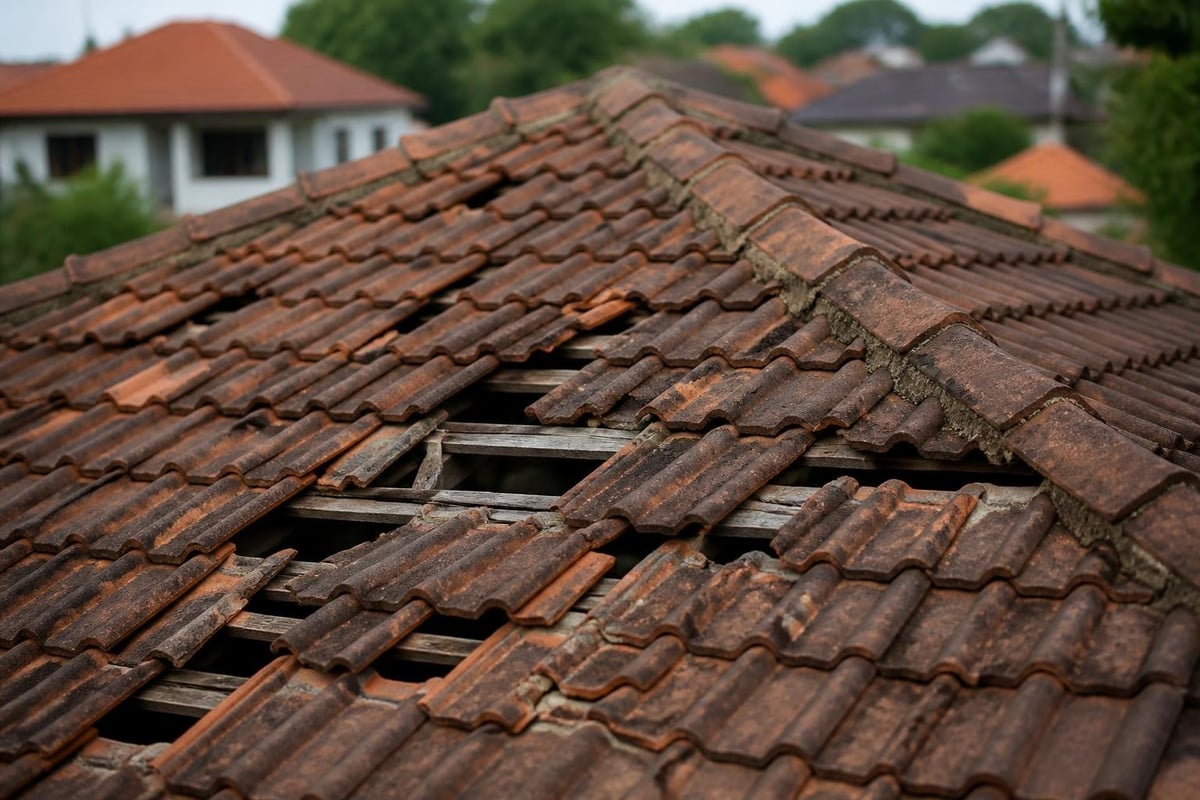
Visual inspection reveals more than age calculations. Curling shingles, cracked tiles, widespread granule loss, and persistent leak patterns indicate material failure regardless of installation date. For Fort Worth properties, hail impact creates unique damage patterns that accelerate deterioration even on relatively new roofs.
Cost Factors That Drive Roof Retile Budgets
Budgeting accurately for a roof retile requires understanding the multiple variables that influence final project costs. The National Roof Authority’s analysis of roof cost factors identifies material selection, labor complexity, and regional economic conditions as primary drivers.
Material Selection and Pricing
Material costs represent the most visible budget component but rarely account for the majority of total project expenses. According to SmartRoofingCalculator’s comprehensive cost guide, installed costs vary dramatically by material type.
| Material Type | Cost Range per Square Foot | Lifespan | Best Application |
|---|---|---|---|
| Asphalt Shingles | $4.50-$8.50 | 20-30 years | Residential, budget-conscious |
| Metal Standing Seam | $9.00-$16.00 | 40-70 years | Commercial, long-term value |
| Concrete Tile | $7.00-$13.00 | 30-50 years | Residential, durability focus |
| Clay Tile | $12.00-$25.00 | 50-100 years | Premium residential |
| TPO Membrane | $5.50-$9.50 | 15-30 years | Commercial flat roofs |
Labor complexity often exceeds material costs. Steep pitches, multiple roof planes, extensive penetrations, and difficult access drive labor expenses significantly higher than simple rectangular roof replacements on accessible structures.
Structural and Preparation Requirements
A thorough roof retile addresses more than surface materials. Decking inspection, structural reinforcement, ventilation upgrades, and code compliance modifications add substantial costs that property owners frequently underestimate during initial planning.
Rotted decking requires replacement before new roofing installation. Water damage from delayed maintenance creates additional structural work that transforms a straightforward retile into a comprehensive roof reconstruction. Identifying these conditions during professional roof inspections prevents mid-project surprises that derail budgets and schedules.
Planning Your Roof Retile Project Timeline
Strategic timing reduces costs, minimizes disruption, and ensures quality installation. Seasonal weather patterns, contractor availability, and material lead times all influence optimal scheduling.
Spring and fall offer ideal installation conditions in the Fort Worth area. Moderate temperatures allow proper material sealing and adhesion while reducing crew heat stress that slows progress on summer projects. Winter installations risk temperature-related material performance issues depending on specific product requirements.
Pre-Project Documentation and Assessment
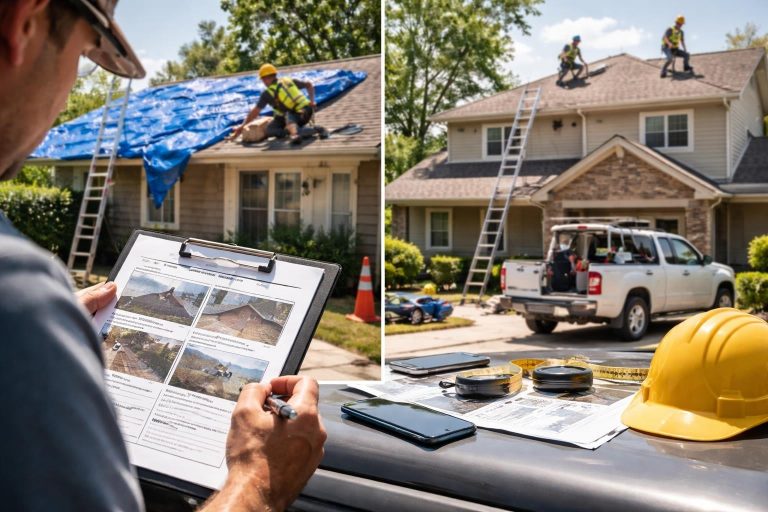
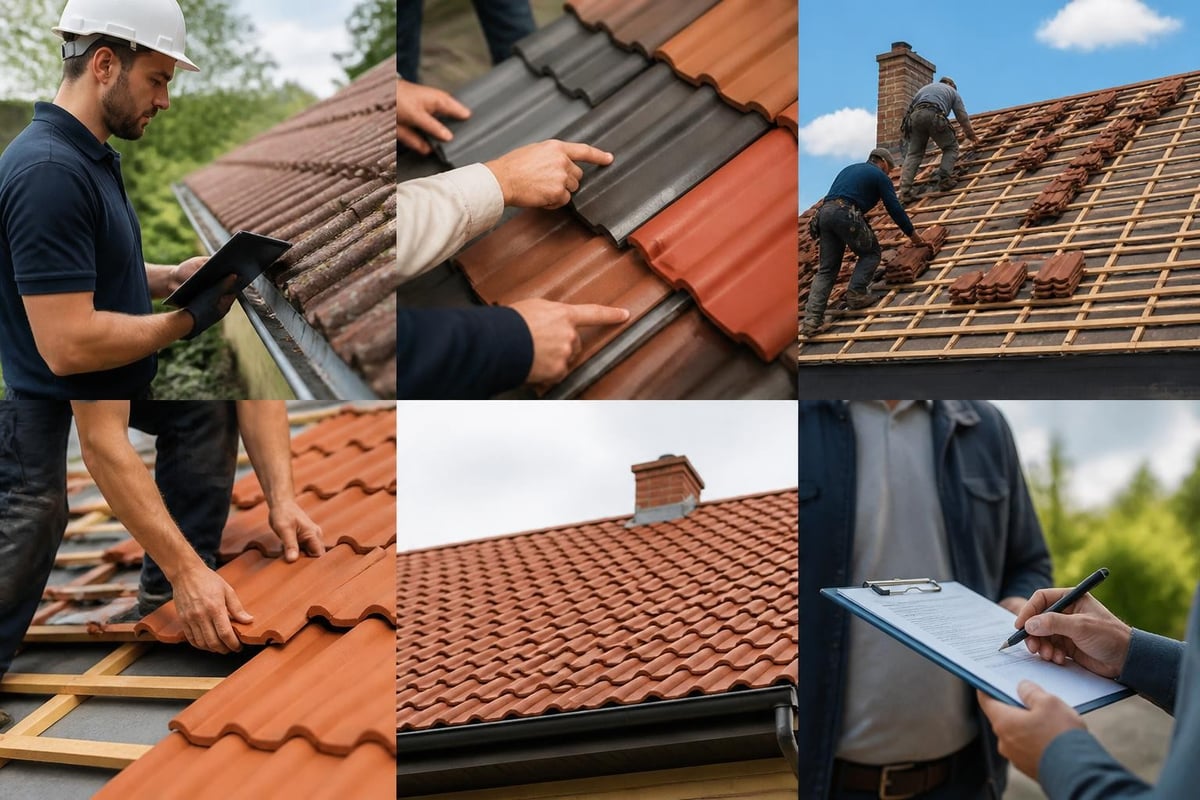
Comprehensive documentation before starting a roof retile protects property owners through insurance claims, financing applications, and future reference. Detailed photography, measurements, and condition reports establish baseline information crucial for tracking project progress and verifying completion quality.
For properties with recent storm exposure, professional damage documentation provides essential support for insurance submissions. Understanding how rooftop service professionals assess damage helps property owners gather information their adjusters need for accurate claim evaluation.
The CountBricks analysis of roof tiling costs emphasizes that accurate measurement and complexity assessment prevents the budget overruns that plague poorly planned projects. Roof area calculations must account for pitch multipliers, waste factors, and special detail work around chimneys, skylights, and mechanical penetrations.
Material Selection Strategies for Long-Term Performance
Choosing roofing materials based solely on upfront cost guarantees disappointing long-term results. The most cost-effective roof retile balances initial investment against expected service life, maintenance requirements, energy performance, and aesthetic considerations.
Climate-Specific Material Performance
Fort Worth's climate presents specific challenges that favor certain materials over others. Intense summer heat, periodic hail events, high UV exposure, and occasional freeze-thaw cycles stress roofing systems in ways that moderate climates do not.
Hail resistance becomes critical in North Texas. Impact-rated materials carry higher initial costs but avoid the repeated damage and premature replacement that plague standard products. Clay and concrete tiles offer excellent hail resistance when properly installed with appropriate fastening systems.
Metal roofing systems provide superior hail resistance, exceptional longevity, and reduced cooling loads through reflective finishes. Initial costs exceed asphalt alternatives, but lifecycle value calculations typically favor metal for commercial applications and property owners planning long-term ownership.
Energy Efficiency and Operating Cost Impact
Modern roofing materials incorporate energy-saving technologies that reduce HVAC costs throughout the roof's service life. Cool roof coatings, reflective granules, and ventilated installation systems lower surface temperatures and reduce heat transfer into conditioned spaces.
These energy benefits compound over decades. A roof retile represents an opportunity to upgrade from older, less efficient materials to current products designed for thermal performance. The operating cost reductions often justify premium material selection even when budget constraints favor cheaper alternatives.
Managing Roof Retile Projects for Quality Outcomes
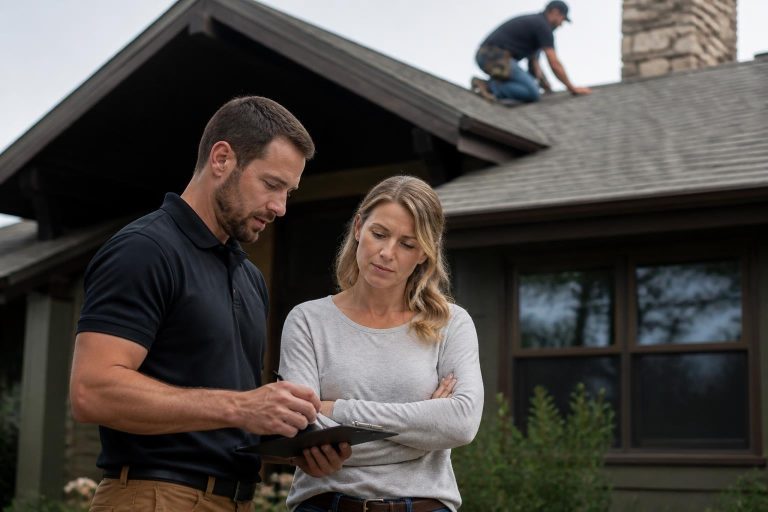
Project management quality determines whether a roof retile delivers expected performance or creates ongoing problems. Contractor selection, installation oversight, and quality verification protect your investment through proper execution.
In-House Crews Versus Subcontractor Models
The contractor's labor model directly impacts quality consistency, accountability, and project coordination. Companies using in-house crews maintain direct control over workmanship, training, and quality standards. Subcontractor-based models introduce additional parties, communication gaps, and inconsistent quality that complicate warranty enforcement and problem resolution.
Verify crew composition before contract signing. Property owners deserve to know exactly who will work on their roof and what quality controls ensure consistent performance. Companies that staff projects with their own insured, trained employees typically deliver superior results compared to brokers coordinating multiple subcontractors.
Documentation and Change Order Management
A detailed scope of work protects both property owners and contractors from misunderstandings that create conflicts during installation. The scope should specify materials by manufacturer and model, installation methods, preparation work, cleanup protocols, and warranty terms.
Change orders inevitably arise during complex roof retile projects. Hidden damage, unforeseen structural issues, and owner-requested modifications require documented approval processes that prevent billing disputes. Transparent change order procedures with clear pricing maintain project trust and prevent the adversarial relationships that derail otherwise successful projects.
Warranty Coverage and Long-Term Protection
Warranty terms separate quality roofing contractors from those who disappear after collecting final payment. A comprehensive roof retile includes both material manufacturer warranties and contractor labor warranties that provide meaningful protection.
Understanding Warranty Components
Manufacturer material warranties cover defects in roofing products themselves. These warranties typically range from 25 years to lifetime coverage depending on product line and quality tier. However, material warranties exclude installation defects, which represent the majority of actual roof failures.
Labor warranties cover installation workmanship and represent the contractor's commitment to quality. Five-year labor warranties demonstrate contractor confidence in their work and crew training. Shorter warranty periods or contractors who avoid written warranty commitments signal potential quality concerns.
Property owners should document warranty activation requirements, maintain installation records, and understand exclusions that void coverage. Regular maintenance, proper ventilation, and timely minor repairs preserve warranty validity while preventing small issues from becoming major failures.
Advanced Technology in Roof Assessment and Planning
Modern roof retile planning incorporates technological tools that improve accuracy, reduce uncertainty, and document conditions more thoroughly than traditional methods. These technologies benefit property owners through better decision-making and contractors through improved project execution.
Research into data-driven methods for determining roof age from historical satellite imagery demonstrates how technology enables more accurate replacement planning. While these academic approaches remain primarily research-focused, they illustrate the evolution toward more precise roof lifecycle management.
Similarly, advanced techniques for roof reconstruction from corrupted point data show how emerging technologies address complex assessment challenges. Though currently academic, these methods preview future capabilities that will streamline roof retile planning and execution.
Drone Documentation and 3D Modeling
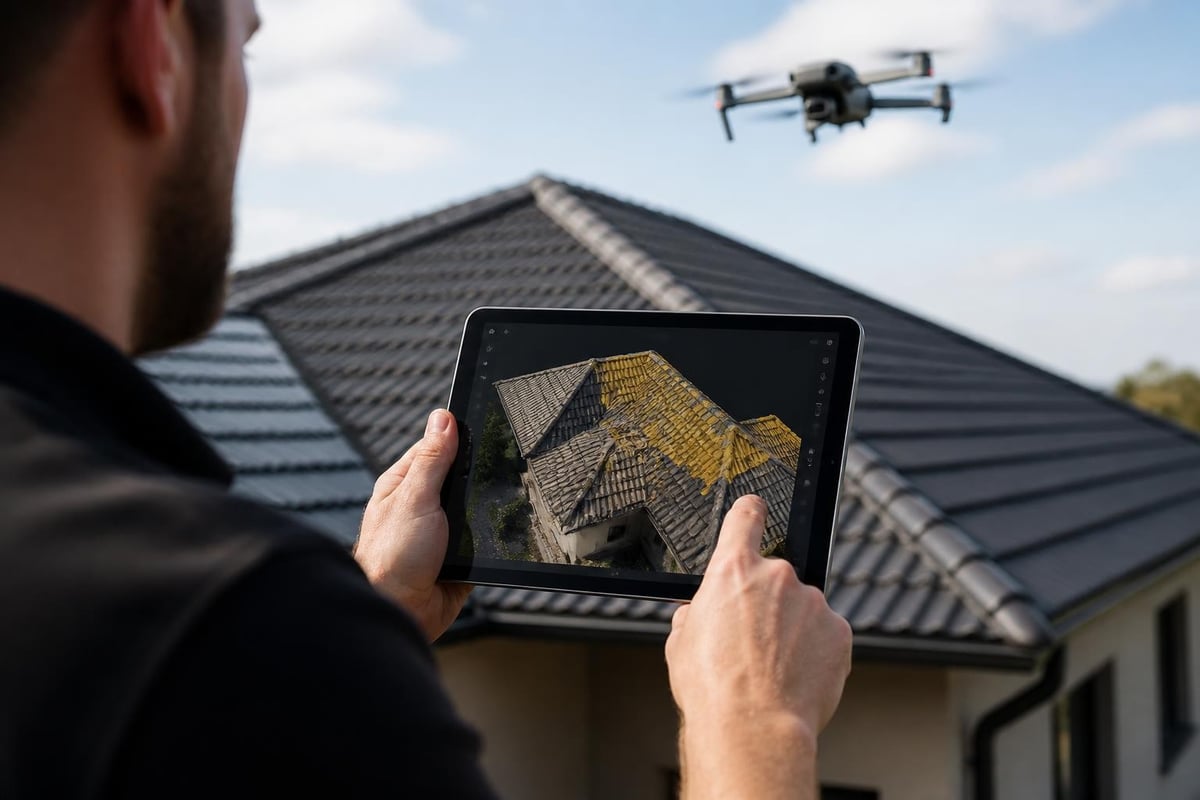
Unmanned aerial systems enable comprehensive roof documentation without requiring personnel to traverse potentially dangerous deteriorated surfaces. High-resolution photography, thermal imaging, and measurement capabilities provide detailed condition information that supports accurate project scoping.
Three-dimensional roof models generated from drone imagery improve material quantity calculations, identify hidden complexity, and facilitate client communication through visual representations. These tools reduce estimation errors that lead to budget overruns and scheduling problems.
Regulatory Compliance and Code Requirements
Building codes, manufacturer specifications, and local ordinances establish minimum standards for roof retile projects. Compliance protects property owners through proper installation while avoiding violations that complicate insurance claims and property sales.
Permit requirements vary by jurisdiction and project scope. Complete roof replacements typically require building permits, inspections, and code compliance documentation. Permit costs represent minor expenses compared to total project budgets, but non-permitted work creates significant risks including insurance claim denials and forced removal of completed work.
Fort Worth building codes incorporate specific requirements for wind resistance, fire ratings, and energy performance. These standards ensure that roof retile projects deliver appropriate protection for local climate conditions and hazard exposure.
Manufacturer Certification and Installation Standards
Roofing material manufacturers publish detailed installation specifications that establish warranty validity requirements. Deviating from these specifications voids material warranties and increases failure risk regardless of contractor experience or alternative methods.
Certified installers demonstrate training in manufacturer-specific products and installation methods. While certification alone does not guarantee quality, it indicates contractor commitment to proper procedures and ongoing education.
Storm Damage Considerations for Roof Retile Timing
Severe weather events accelerate roof retile timelines by creating damage that exceeds economic repair thresholds. Hail impact, wind uplift, and debris strike damage frequently necessitate complete replacement rather than targeted repairs.
Property owners facing roof wind damage repair decisions must evaluate whether comprehensive retiling offers better long-term value than addressing only visible damage. A roof near end-of-service that suffers significant storm damage rarely justifies repair investment when replacement provides decades of additional protection.
Insurance Documentation for Storm-Related Retiling
Thorough damage documentation supports accurate insurance claim evaluation when storm events necessitate roof retile projects. Detailed photographs, measurements, and professional inspection reports provide adjusters with information necessary for appropriate claim resolution.
Property owners should understand that documentation services identify and record damage without involving the contractor in insurance negotiations or claim adjustment. Professional inspection reports deliver the technical evidence you present to your own insurance adjuster for claim processing.
Comparing Roof Retile Costs Across Property Types
Project costs vary significantly between residential and commercial applications due to differences in roof area, accessibility, material selection, and installation complexity. Analysis of 1,600 square foot residential roof costs illustrates budget ranges for typical homes, but commercial projects introduce additional variables.
| Property Type | Typical Size Range | Cost per Sq Ft | Access Challenges | Timeline |
|---|---|---|---|---|
| Single-Family Home | 1,500-3,000 sq ft | $5.50-$12.00 | Moderate | 2-5 days |
| Multi-Family | 5,000-15,000 sq ft | $4.50-$9.50 | High | 1-3 weeks |
| Small Commercial | 3,000-10,000 sq ft | $5.00-$11.00 | Moderate to High | 3-10 days |
| Large Commercial | 15,000-100,000+ sq ft | $4.00-$8.50 | Very High | 2-8 weeks |
Commercial roof retile projects benefit from economies of scale on material pricing but face higher mobilization costs, extended logistics requirements, and business disruption management that residential projects avoid. Warehouse and distribution facilities may require work scheduling around operational constraints that extend timelines beyond purely installation-driven schedules.
Financing Options and Budget Management
Large roof retile projects strain cash flow for property owners unprepared for the investment. Multiple financing approaches exist, each with distinct advantages and limitations depending on property type and owner financial situation.
Commercial Property Financing Strategies
Commercial property owners access business lines of credit, equipment financing, and commercial mortgages for major capital improvements including roof replacement. These financing vehicles typically offer favorable terms for productive property improvements that enhance asset value and operational capability.
Property management firms should budget for roof replacement as part of capital reserve planning rather than treating retiling as unexpected emergency expense. Proactive reserve funding ensures financing availability without emergency premium costs or project delays while awaiting capital approval.
Working With Professional Roofing Companies
Contractor selection represents the single most important decision in roof retile planning. The quality gap between skilled professional crews and marginal operators produces dramatically different outcomes from identical material selections.
Request detailed references from similar projects completed within the past three years. Speaking directly with property owners who experienced the contractor's process, communication, and post-completion support reveals performance patterns that marketing materials conceal.
Verify insurance coverage including general liability and workers compensation. Contractors working without proper insurance transfer catastrophic risk to property owners when accidents occur during installation. Certificate of insurance verification through direct insurer contact prevents fraudulent documentation.
Evaluating Contractor Proposals and Scopes
Multiple bids enable cost comparison but only when proposals include identical scope details. Vague specifications create comparison difficulties and allow contractors to reduce scope after contract signing when clarifications reveal work the property owner assumed was included.
Quality proposals specify materials by exact manufacturer and product line, identify preparation work including decking replacement allowances, establish cleanup protocols, define warranty terms, and outline payment schedules tied to completion milestones. Detailed scopes protect both parties through clear expectations.
Strategic roof retile planning balances immediate cost considerations against long-term performance, maintenance requirements, and property protection needs. Property owners who invest time in thorough assessment, quality contractor selection, and appropriate material choice achieve superior outcomes that deliver decades of reliable service. When your Fort Worth property needs professional roof replacement, Texcore Construction provides the in-house crews, detailed documentation, and transparent communication that ensure successful project execution from initial inspection through final warranty activation.